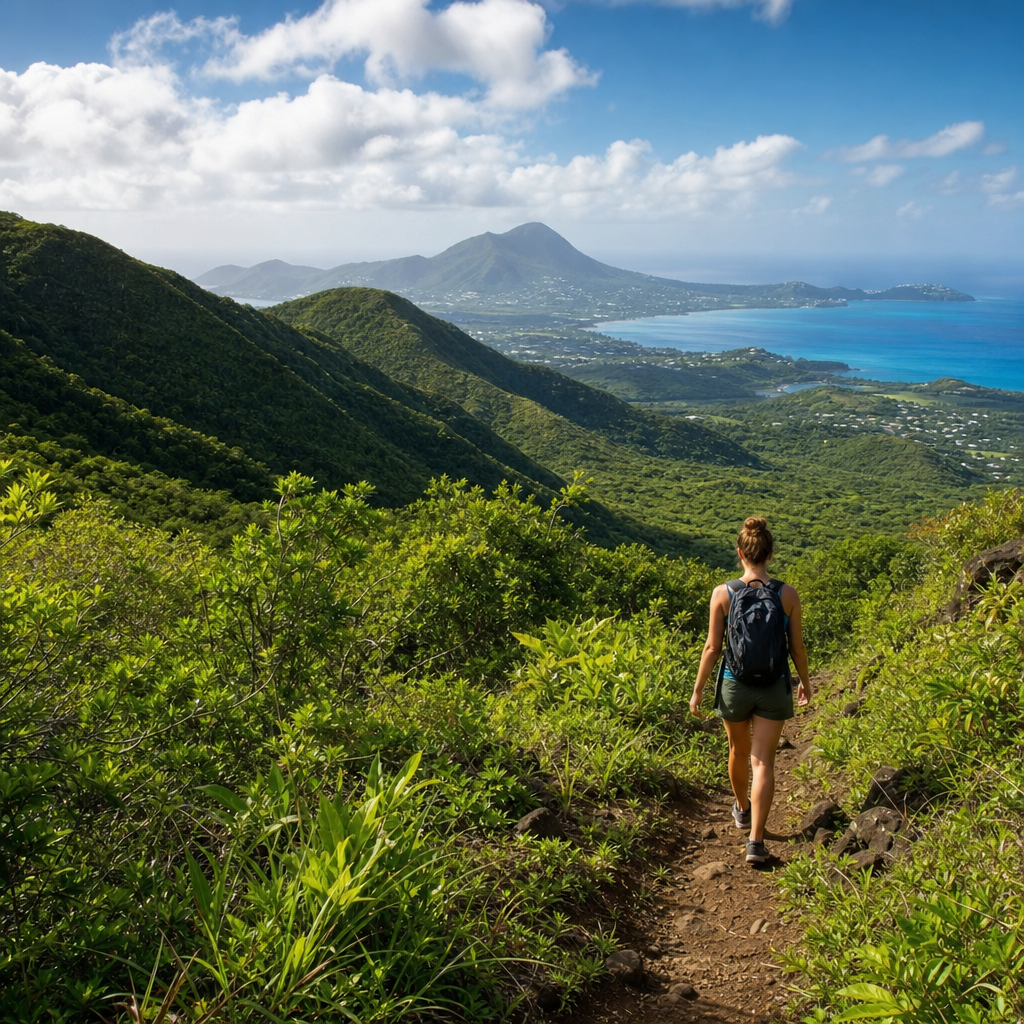
Hiking for health in Saint Kitts combines cardiovascular exercise, stress relief, and cultural discovery on an island where rainforest trails, volcanic slopes, and coastal paths are never far apart. For travelers and residents alike, hiking means purposeful walking on natural terrain, while health in this context includes physical fitness, mental wellbeing, sleep quality, social connection, and the long-term benefits of regular movement. Saint Kitts is uniquely suited to this kind of wellness activity because the island packs varied ecosystems into a relatively small area: central mountain ranges, old sugar estate routes, dry coastal stretches, and community-accessible footpaths. I have found that people often arrive thinking of the island primarily as a beach destination, then leave talking about how a morning trail climb reset their energy more effectively than any resort amenity. That reaction is not surprising. Walking uphill on uneven ground challenges the heart and lungs, strengthens the lower body, improves balance, and demands enough attention to quiet the constant mental noise many visitors bring with them.
The topic matters because practical wellness depends on habits people can sustain, not expensive interventions. Hiking is one of the most accessible forms of exercise, and on Saint Kitts it offers a direct connection to the island’s geography and history. The broad wellness value is backed by established guidance. The World Health Organization and the U.S. Centers for Disease Control and Prevention both support regular moderate to vigorous physical activity for reducing the risk of cardiovascular disease, type 2 diabetes, and premature mortality. A hilly trail walk can reach moderate or vigorous intensity quickly, depending on pace, elevation gain, heat, and load carried. Beyond metabolic benefits, time in natural settings is associated with lower perceived stress and improved mood. On Saint Kitts, those effects are amplified by sensory variety: tree frog calls after rainfall, cooling trade winds on ridgelines, and panoramic views that reward effort. As a hub for miscellaneous wellness topics, this guide connects terrain, safety, training, nutrition, recovery, local culture, and sustainable travel so readers can understand not only where to hike, but how to use hiking as a realistic health practice.
Why Hiking in Saint Kitts Delivers Real Health Benefits
Hiking is not just walking with better scenery. On Saint Kitts, many trails involve elevation changes, roots, rocks, muddy sections, and humid conditions, all of which increase physiological demand. A steady uphill climb raises heart rate enough to improve aerobic capacity. Descents recruit stabilizing muscles around the knees, hips, and ankles, which can improve joint resilience when done with proper technique. I have seen visitors underestimate the cumulative training effect of a two-hour island hike because the mileage looks modest on paper. In reality, a short route with steep grade and tropical heat can produce the same exertion as a much longer flat walk elsewhere. That makes Saint Kitts especially effective for people trying to improve endurance, manage weight, or break sedentary patterns without committing to formal gym routines.
Mental health benefits are equally important. Hiking requires enough concentration to interrupt rumination, yet it is repetitive enough to become meditative. That balance helps many people regulate stress. Group hikes add accountability and social support, both linked to better exercise adherence. The setting also reduces friction. Instead of staring at a treadmill display, hikers move through landscapes shaped by volcanic geology, colonial history, and regenerative vegetation. This creates meaning, and meaning supports consistency. If a wellness activity feels personally rewarding, people repeat it.
Signature Trails and Landscapes Worth Exploring
The best-known hiking experience on Saint Kitts is Mount Liamuiga, the dormant stratovolcano that rises to roughly 1,156 meters, or 3,792 feet. The trail is demanding, often muddy, and usually done with a guide. It begins through farmland and lower vegetation before entering denser rainforest, then transitions into steeper sections where roots and natural handholds become useful. Near the summit area, hikers can look into the crater and, on clear days, see neighboring islands. This is the island’s flagship challenge hike, ideal for experienced walkers who want a vigorous workout and a memorable sense of accomplishment.
Not every healthy hike needs to be a summit push. The rainforest trails around Wingfield and Old Road offer shorter, more moderate experiences with strong ecological and historical interest. These routes can include old estate features, stone remnants from sugar production, and riverine vegetation. In practice, these areas are excellent for beginners, families with active older children, or cruise visitors who want meaningful movement without committing to a full mountain day. Coastal and lower-elevation walks around the Southeast Peninsula bring a different wellness profile. The terrain is often sunnier and more exposed, but the vistas are expansive and the grades are generally easier. These routes are useful for brisk walking, photography breaks, and lower-impact conditioning.
| Trail Area | Typical Difficulty | Health Focus | Best For |
|---|---|---|---|
| Mount Liamuiga | Challenging | Cardio endurance, leg strength, mental resilience | Fit hikers seeking a strenuous day |
| Wingfield Rainforest | Moderate | Steady aerobic work, balance, stress relief | Beginners to intermediate hikers |
| Old Road estate routes | Moderate | Consistent movement, cultural engagement | History-minded walkers and small groups |
| Southeast Peninsula paths | Easy to moderate | Brisk walking, active recovery, scenic motivation | Casual walkers and families |
How to Choose the Right Hike for Your Fitness Level
The healthiest hike is the one that matches current ability, not ambition borrowed from a brochure. Fitness level should be assessed through three factors: cardiovascular capacity, lower-body strength, and tolerance for heat. Someone who can comfortably walk for an hour on rolling terrain may still struggle on a muddy volcanic trail in midday humidity. A practical rule I use is to start with duration before elevation. If you are not yet comfortable being on your feet for ninety minutes, begin with lower trails and build time gradually. Then add steeper routes. This approach lowers the risk of overuse soreness, dehydration, and discouragement.
Guided hikes are often the smartest option on Saint Kitts, especially for first-time visitors. Local guides know current trail conditions, which can change after heavy rain. They also set pace, identify landmarks, and manage route-finding, allowing hikers to focus on effort and footing. Reputable operators typically advise on start times, footwear, and water volume. That guidance matters because the island’s compact geography can make conditions look deceptively simple. A trailhead may be close to a main road, but a few minutes later the route can become slick, steep, and physically taxing.
Safety, Climate, and Gear That Actually Matter
Saint Kitts has a tropical climate, and heat management is the first safety priority. Many hikers make the mistake of dressing for scenery rather than exertion. Lightweight, moisture-wicking clothing, grippy trail shoes or boots, and a small pack with sufficient water are not optional on harder routes. For most moderate hikes, carrying at least one to two liters of water per person is sensible; strenuous climbs may require more, particularly if starting late or moving slowly. Electrolytes can help on hot days, especially for people prone to heavy sweating. A hat, sunscreen for exposed sections, insect repellent, and a basic first-aid kit round out a practical setup.
Foot placement matters as much as fitness. Wet roots, loose stones, and clay-like mud are common. Shorter strides on descents reduce slipping and protect the knees. Trekking poles can be useful, though some dense routes require hands free for natural supports. Weather awareness is essential during the wetter months and after storms, when trails may be slick or washed in sections. If thunder is active or visibility drops significantly on higher ground, turning back is the correct decision. The health goal of hiking is sustained wellbeing, not forcing a summit at any cost.
Using Hiking as a Sustainable Wellness Routine
One hike during a vacation feels good, but repeated hikes create measurable health change. To use hiking as part of a wellness routine, frequency and recovery matter more than occasional heroic efforts. A practical weekly structure for many adults is one challenging hike, one moderate trail walk, and one easier active recovery walk. This combination develops cardiovascular fitness while limiting excessive fatigue. People with desk-based jobs often notice improvements in posture and hip mobility because uneven terrain activates glutes and stabilizers that flat indoor movement patterns neglect.
Nutrition and pacing influence outcomes. Eating a light meal with carbohydrates and some protein before a hike supports energy without leaving the stomach heavy. For hikes over ninety minutes, carrying simple fuel such as fruit, nuts, or an energy bar helps maintain effort. Afterward, hydration and protein support recovery. Sleep often improves on hiking days because sustained daylight exposure and physical exertion reinforce circadian rhythms. For readers exploring broader wellness topics, this is where hiking connects naturally with stress management, active travel, healthy aging, social wellbeing, and preventive health. It is a hub behavior: improve this one habit and several other health markers tend to move in the right direction.
The Local Experience: Culture, Nature, and Responsible Travel
Hiking in Saint Kitts is richer when treated as more than exercise. Many routes pass through landscapes shaped by plantation history, village life, and forest recovery. Guides often explain medicinal plants, former estate boundaries, and how communities used specific paths long before they became visitor excursions. That context changes the experience from generic outdoor activity to place-based wellness. People feel more engaged when they understand where they are. Engagement improves memory, satisfaction, and the likelihood of returning to the trail.
Responsible hiking also protects the island’s value as a wellness destination. Stay on established paths, avoid disturbing wildlife, pack out waste, and follow local guidance during wet conditions. Supporting trained local guides and community-based operators keeps tourism revenue closer to the people maintaining trail access and environmental knowledge. This is not just ethical; it improves visitor safety and the quality of interpretation. In my experience, the best hikes on Saint Kitts are the ones where exertion, ecology, and story are all present at once.
Hiking for health in Saint Kitts works because it turns movement into something useful, memorable, and repeatable. The island offers enough range to serve different needs: demanding summit climbs for experienced hikers, moderate rainforest walks for steady conditioning, and scenic coastal routes for accessible daily activity. Across those options, the same core benefits appear again and again: stronger cardiovascular fitness, better balance and lower-body strength, reduced stress, improved sleep, and a deeper connection to place. Unlike many wellness trends, hiking does not depend on specialized facilities or complicated routines. It asks for preparation, realistic route choice, and respect for climate and terrain, then rewards effort with immediate physical and mental returns.
For anyone building a healthier lifestyle, Saint Kitts provides an unusually effective setting because the barriers to meaningful outdoor movement are low and the rewards are high. Start with a trail that fits your present fitness, use local guidance where appropriate, carry the right gear, and treat consistency as the real goal. If you are planning a trip, make hiking part of the itinerary rather than an optional extra. If you live on the island, use the trails as a practical weekly wellness tool. Choose one route, set a date, and take the first step this week toward better health outdoors.
Frequently Asked Questions
What health benefits can people expect from hiking in Saint Kitts?
Hiking in Saint Kitts offers a well-rounded set of health benefits because it combines steady physical activity with immersion in nature. On the physical side, hiking supports cardiovascular fitness by raising the heart rate in a sustainable way, especially on routes that include hills, uneven ground, and gradual climbs. Over time, this can help improve stamina, circulation, and overall endurance. Hiking also engages major muscle groups in the legs, hips, and core, while uneven terrain encourages better balance, coordination, and joint stability. For many people, it is an accessible form of exercise because it can be adjusted to different fitness levels, from easy coastal walks to more demanding rainforest and volcanic trails.
The mental and emotional benefits are just as important. Saint Kitts’ natural setting can make hiking feel restorative rather than routine. Time spent among rainforest vegetation, scenic overlooks, and quieter trails often helps reduce stress, calm an overstimulated mind, and create a sense of focus that is hard to achieve in more built-up environments. Regular hiking may also support better sleep quality, partly because of physical exertion and partly because exposure to daylight and natural surroundings can help regulate daily rhythms. In addition, hiking can strengthen social wellbeing when done with friends, family, guides, or community groups. That mix of movement, scenery, and connection is one reason hiking in Saint Kitts can become a sustainable long-term wellness habit rather than a one-time activity.
Why is Saint Kitts especially well suited for hiking as a wellness activity?
Saint Kitts is especially well suited for hiking because the island offers remarkable variety in a relatively compact area. Travelers and residents do not have to go far to access very different landscapes, which makes it easier to match a route to a specific health goal, schedule, or energy level. Rainforest trails can provide shade, cooler air, and a more immersive nature experience. Volcanic slopes create opportunities for challenging climbs that build endurance and strength. Coastal paths can support gentler walks that still deliver movement, fresh air, and scenic views. This range allows people to choose a hike for recovery, fitness training, stress relief, sightseeing, or social connection.
Another advantage is that hiking in Saint Kitts often combines exercise with cultural and environmental discovery. A trail may reveal native flora, historical landmarks, sweeping views of the Caribbean, or perspectives on the island’s geography and heritage that are missed when traveling only by road. That added sense of purpose can make people more likely to stay active consistently. Instead of viewing exercise as a chore, they begin to associate movement with exploration, learning, and enjoyment. Saint Kitts also benefits from a climate and landscape that encourage outdoor living for much of the year, making it easier to build walking and hiking into a regular routine. For wellness-focused visitors, that means a vacation activity that supports health without feeling overly structured. For locals, it means access to a practical, rewarding form of regular movement close to home.
Are Saint Kitts hiking trails suitable for beginners, or are they mainly for experienced hikers?
Saint Kitts can work well for both beginners and experienced hikers, but choosing the right trail is essential. Not every route on the island is the same. Some paths are more approachable, offering manageable distances, gentler elevation changes, and a pace that allows people to enjoy the scenery without pushing too hard. Others involve steeper climbs, muddy sections, exposed roots, or more technical footing that may be better suited to hikers with stronger conditioning and outdoor experience. For beginners, the key is to start with a realistic understanding of current fitness, mobility, and comfort on natural terrain rather than choosing a trail based only on dramatic views or reputation.
New hikers often benefit from going with a knowledgeable local guide, especially on less clearly marked or more challenging routes. A guide can help set a safe pace, point out terrain changes, and add context about the island’s ecology and history, which enhances the overall experience. Beginners should also prioritize supportive footwear, hydration, sun protection, and enough time to complete the hike without rushing. Experienced hikers, meanwhile, may appreciate the island’s more demanding terrain because it can provide a stronger workout and a greater sense of accomplishment. In both cases, Saint Kitts is best approached with respect for the landscape and a willingness to match the hike to the person, not the other way around. When that happens, hiking becomes safer, more enjoyable, and more beneficial for long-term health.
How can hikers stay safe and get the most wellness value from a trail outing in Saint Kitts?
Getting the most wellness value from hiking in Saint Kitts starts with preparation. Hikers should choose a route that fits their current ability, the day’s weather, and the time available. Wearing sturdy shoes with grip is important because natural trails may include loose stones, wet patches, roots, and uneven surfaces. Hydration matters in any warm climate, so carrying enough water is essential, and longer or more demanding hikes may call for light snacks to maintain energy. Sun protection, insect repellent, and breathable clothing also make a meaningful difference in comfort and safety. If the trail is unfamiliar or remote, hiking with a guide or at least informing someone of the plan is a smart step.
From a wellness perspective, it helps to treat the hike as more than a workout. A sustainable pace usually provides more health benefit than pushing too aggressively and ending the day exhausted or injured. Taking time to breathe deeply, notice the surroundings, and pause at viewpoints can enhance the stress-relief and mental clarity that make hiking so valuable. Warm-up movements before starting and gentle stretching afterward may reduce stiffness, especially on steeper routes. It is also wise to listen to the body throughout the outing. Signs of overheating, dizziness, unusual fatigue, or joint pain should not be ignored. The goal is not simply to complete a trail but to build a healthy relationship with movement in nature. In Saint Kitts, that often means balancing ambition with awareness so that each hike supports fitness, mood, and recovery rather than undermining them.
Can hiking in Saint Kitts support long-term healthy living, not just a single active day?
Yes, hiking in Saint Kitts can absolutely support long-term healthy living because it encourages a form of movement that many people can maintain over time. One of the biggest challenges in wellness is consistency, and hiking helps solve that by making exercise engaging and meaningful. Instead of repeating the same indoor routine, hikers can rotate between rainforest routes, hillside climbs, and coastal walks, keeping the experience fresh while still building regular activity into their lives. That consistency is what produces long-term gains in cardiovascular health, muscular endurance, weight management, mobility, and energy levels.
Long-term benefits also extend beyond physical fitness. Regular hiking can help manage stress, improve mood, support better sleep, and create structured time away from screens and daily pressures. For some people, it becomes a mindful practice. For others, it becomes a social ritual shared with friends, family, or local walking groups. Those emotional and social dimensions make the habit easier to sustain. In Saint Kitts, where nature and scenic terrain are close at hand, hiking can become part of a broader healthy lifestyle rather than an occasional excursion. Whether someone is a resident looking for a weekly wellness routine or a visitor using travel as a reset, hiking offers a practical way to connect movement, environment, and personal wellbeing in a lasting way.