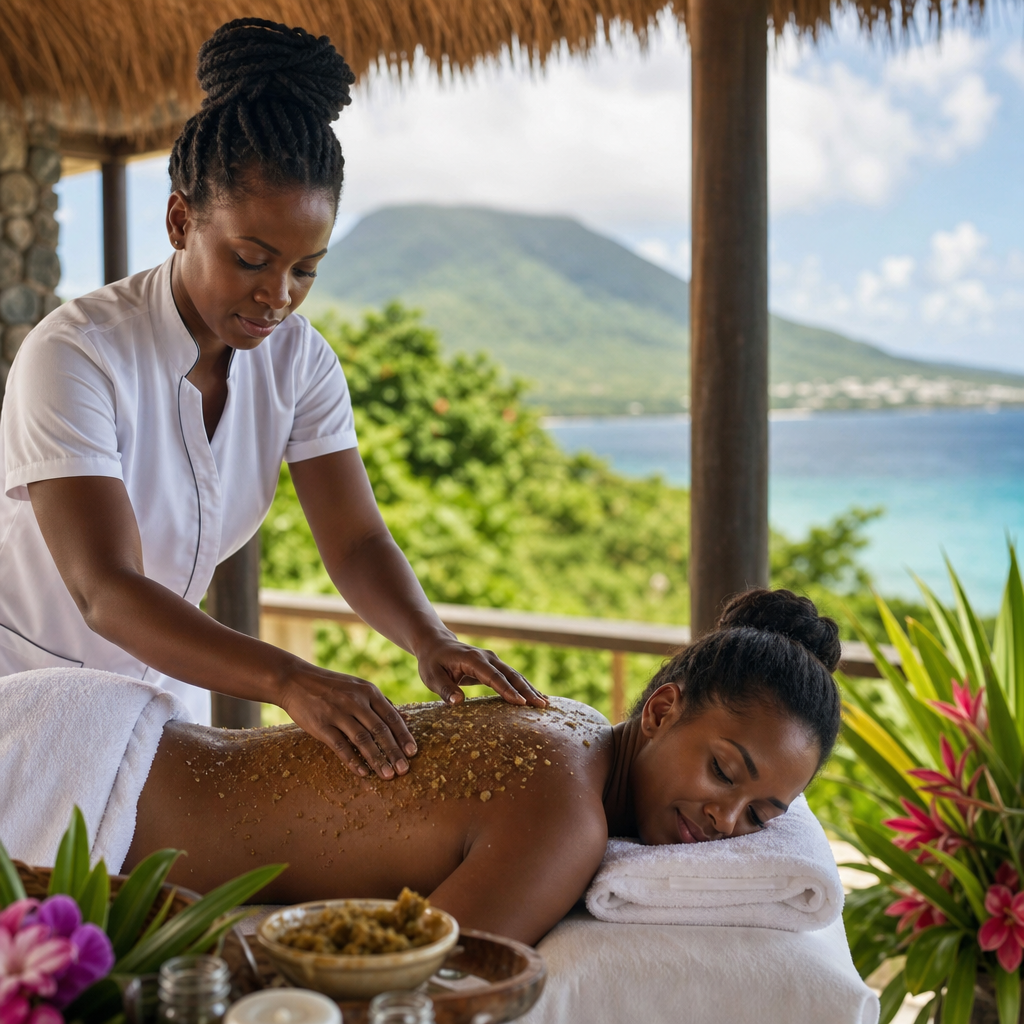
Organic beauty treatments in Nevis blend tropical botanicals, traditional island remedies, and modern wellness standards into a practical approach to skin, hair, and body care. In Nevis, “organic” usually refers to ingredients grown without synthetic pesticides or harsh chemical processing, while “beauty treatments” includes facials, body scrubs, massage oils, herbal soaks, hair masks, and simple at-home rituals based on natural materials. That distinction matters because many travelers and residents want more than a spa menu filled with marketing language; they want to know what is actually being applied to the skin, where it comes from, and whether it supports long-term skin health.
I have worked with spa operators, wellness brands, and destination content for Caribbean audiences, and Nevis stands out because its beauty culture is closely tied to agriculture, climate, and recovery-oriented travel. The island’s slower pace encourages treatments that focus on restoration rather than quick cosmetic cover-ups. Ingredients such as coconut oil, aloe vera, lemongrass, sea salt, brown sugar, papaya, mango, turmeric, charcoal, and local herbs are not abstract trends here. They are familiar materials with practical uses, from gentle exfoliation to moisture retention and soothing sun-exposed skin.
This matters for anyone researching health and wellness in Nevis because organic beauty treatments sit at the intersection of self-care, sustainability, and local experience. They can support a broader routine that includes nutrition, movement, sleep, and stress reduction. They also help visitors choose services with more confidence. A good hub page should answer the core questions directly: what treatments are available, which ingredients are common, who benefits most, how to evaluate safety, and how Nevis compares with more generic resort spa offerings. This guide covers that full miscellaneous landscape so readers can explore Nevis beauty treatments with clear expectations and useful context.
What organic beauty treatments in Nevis typically include
Organic beauty treatments in Nevis generally fall into five categories: skin care, body care, hair care, therapeutic bathing, and massage-based treatments. Skin care often includes facials built around cleansing, enzyme exfoliation from fruit, clay or charcoal masks, and hydrating finishes using plant oils or aloe. Body care commonly means sugar scrubs, salt polishes, wraps, and oil applications designed to smooth the skin and improve moisture balance. Hair care treatments usually focus on scalp nourishment and hydration, especially for hair affected by sun, saltwater, or humidity. Herbal baths and foot soaks are popular because they align with the island’s wellness tradition of slowing down and restoring circulation after heat exposure or travel fatigue.
The most distinctive feature is ingredient simplicity. Many effective Nevis beauty treatments use short ingredient lists rather than heavily fragranced formulations. Coconut oil is valued as an emollient that reduces transepidermal water loss. Aloe vera is used after sun exposure because of its cooling and film-forming properties. Papaya and pineapple contain natural enzymes that can support gentle exfoliation. Brown sugar is preferred in many scrubs because it is less abrasive than some salt blends. Clay and charcoal are chosen for oily or congested skin because they help absorb surface impurities, though they must be balanced with hydration to avoid over-drying.
These treatments appeal to different audiences for different reasons. Visitors often want recovery after flights, sun, and ocean exposure. Residents may want regular maintenance that avoids stronger cosmetic interventions. People with sensitive skin are often drawn to organic options, but sensitivity does not automatically mean all-natural ingredients are safer. Essential oils, citrus extracts, and spices can irritate reactive skin if used at high concentrations. The best providers in Nevis explain each ingredient clearly, ask about allergies, and adapt the treatment rather than treating “natural” as a guarantee of universal tolerance.
Local ingredients that make Nevis beauty rituals distinctive
Nevis has the agricultural and ecological conditions to support ingredient-driven wellness. Warm weather, fertile soil, and a long tradition of using plants in home care create a treatment style that feels rooted rather than imported. Coconut is one of the foundational ingredients because it is versatile. Coconut oil works as a massage medium, makeup remover, hair sealant, and body moisturizer. In practice, it performs best on dry body skin and hair ends. It is less ideal for acne-prone facial skin in some people because it can feel heavy and may contribute to congestion, especially in humid climates.
Aloe vera is another staple, particularly for travelers arriving from colder climates who quickly spend long hours outdoors. Fresh aloe gel or carefully stabilized aloe products can calm heat-stressed skin and support hydration. Papaya is used in masks and polishes because papain helps loosen dead skin cells. Turmeric appears in brightening blends and body treatments, often paired with yogurt, honey, or clay. It can help improve the look of uneven tone, but it also stains fabrics and should be mixed carefully. Lemongrass and mint show up in compresses, steam, and bath treatments because their scent profile feels cleansing and energizing.
Mineral-rich sea salt and local sugar are common exfoliating bases. Salt tends to be more stimulating and is often used on thicker skin areas such as feet, elbows, and the body. Sugar dissolves more easily and is usually better for a gentler polish. Charcoal and clay are used for clarifying masks, while herbal infusions may feature ginger, basil, or bush teas incorporated into baths or compresses. What makes these ingredients meaningful in Nevis is not novelty. It is the way they are combined with climate awareness. Treatments are often designed around heat, humidity, sun exposure, and the need to restore moisture without leaving skin overly occluded.
Popular treatments, benefits, and best use cases
Not every organic beauty treatment fits every person or every moment. Choosing well depends on skin condition, recent sun exposure, and desired outcome. The clearest way to compare options is to focus on what each treatment is meant to do and when it works best.
| Treatment | Common ingredients in Nevis | Main benefit | Best for |
|---|---|---|---|
| Tropical facial | Aloe, papaya, honey, clay | Hydration and gentle exfoliation | Dull or sun-stressed skin |
| Sugar body scrub | Brown sugar, coconut oil, citrus zest | Smoother texture and brighter appearance | Dry body skin before moisturizing |
| Herbal soak | Sea salt, lemongrass, mint, ginger | Relaxation and post-travel recovery | Fatigue, swelling, muscle tightness |
| Scalp and hair mask | Coconut oil, aloe, castor oil, herbs | Moisture retention and softness | Hair exposed to sun, salt, and chlorine |
| Detoxifying body wrap | Clay, charcoal, botanical oils | Temporary smoothing and deep cleansing feel | Oily skin or pre-event body care |
Among these, the tropical facial is usually the most versatile entry point. It suits many skin types when the exfoliation is controlled and the finishing products are selected carefully. Sugar scrubs are highly effective for rough body skin, but they should never be used on freshly shaved, sunburned, or inflamed areas. Herbal soaks are often underestimated; in real spa operations, they regularly produce the highest satisfaction because they reduce fatigue quickly and require less downtime than more intensive skin services. Hair masks are especially useful on islands, where UV radiation, saltwater, and repeated washing can leave hair brittle.
The key benefit of these treatments is not dramatic overnight transformation. It is skin comfort, barrier support, texture improvement, and relaxation that people can feel immediately. That makes them well suited to wellness travel. They also work well as connectors to deeper health practices such as hydration, sleep hygiene, and stress management, which is why they belong in a broader health and wellness hub rather than being treated as a narrow beauty niche.
How to choose a reputable spa or practitioner in Nevis
The quality gap in natural beauty services usually comes down to formulation discipline, hygiene, and consultation standards. A reputable provider in Nevis should be able to explain where ingredients come from, how they are stored, and why a treatment is appropriate for your skin or hair type. Ask direct questions. Are products freshly made or commercially prepared? Are essential oils diluted to dermal-safe levels? Are exfoliants being used on skin with active irritation? A professional should answer without defensiveness and should be willing to modify the service.
Cleanliness is non-negotiable. Bowls, brushes, linens, and treatment surfaces must be sanitized properly. Fresh ingredients can spoil quickly in tropical climates, so refrigeration, small-batch preparation, and time-limited use matter. I have seen excellent island spas earn trust not because they had the most luxurious rooms, but because they followed disciplined protocols: patch testing when appropriate, documenting allergies, avoiding double-dipping into product containers, and separating aromatic ambiance from active treatment ingredients.
Look for evidence of training. Certifications in esthetics, massage therapy, aromatherapy, or holistic skin care are useful signals, though credentials vary by jurisdiction. Experience also shows in consultation style. Skilled practitioners ask about medication use, pregnancy, recent peels, active acne treatment, eczema, and sunburn. They know when not to proceed. If a menu promises that a herbal wrap will “remove toxins” in a medical sense, be cautious. A trustworthy provider describes benefits accurately: smoother skin, temporary reduction in surface oil, relaxation, and improved comfort, not exaggerated health claims.
At-home organic beauty routines inspired by Nevis
One reason Nevis beauty culture resonates is that many treatments translate into realistic home routines. A simple weekly body polish can be made with fine brown sugar and a lightweight oil, used gently on damp skin, then rinsed thoroughly before applying moisturizer. For post-sun care, aloe gel layered under a bland cream can help reduce the feeling of heat and tightness. A scalp pre-wash treatment using a small amount of coconut or castor oil can improve manageability, especially for textured or dry hair, provided the hair is shampooed well afterward to avoid buildup.
For facial care, restraint is smarter than improvisation. Fruit enzymes, spices, and acids can irritate if left on too long or mixed without understanding pH and concentration. The safer Nevis-inspired approach is to use professionally formulated products that feature botanical ingredients rather than trying to create aggressive kitchen masks. If you do use simple homemade treatments, patch test first, avoid broken skin, and keep formulas minimal. Oatmeal, honey, and aloe are generally easier starting points than lemon juice or undiluted essential oils.
Consistency matters more than complexity. A practical routine for humid climates includes gentle cleansing, hydration, broad-spectrum sunscreen, and targeted exfoliation no more than needed. Organic ingredients complement that foundation; they do not replace it. Someone dealing with melasma, rosacea, eczema, or persistent acne may still benefit from dermatological care alongside natural products. The smartest wellness routines in Nevis combine local traditions with evidence-based skin protection, especially daily sun defense.
Why organic beauty treatments strengthen the wider wellness experience
Beauty treatments in Nevis are most valuable when they are integrated into a wider wellness plan. A body scrub before massage can improve product glide and skin feel, but the deeper benefit often comes from the way the treatment slows breathing, reduces sensory overload, and encourages people to rest. That has measurable relevance. Stress affects sleep quality, skin recovery, and inflammatory pathways. When people step away from constant digital input, spend time outdoors, hydrate properly, and receive calming treatments, the skin often looks better because the body is functioning better.
This is why miscellaneous wellness content belongs together on a hub page. Visitors searching for organic beauty treatments in Nevis may also need information about spa etiquette, healthy dining, yoga, hiking recovery, mineral bathing, massage, and sun-safe routines. These topics reinforce one another. Someone who books a botanical facial may also want a hydration-focused meal plan, a restorative stretch class, or advice on which treatments to avoid after a day at the beach. Internal pathways between those related topics help readers build a coherent wellness itinerary instead of collecting isolated tips.
There is also an economic and environmental layer. When spas source responsibly from local growers and makers, they keep more value on the island and reduce reliance on imported products. That model works best when quality control remains high and ingredient sourcing is transparent. Organic beauty in Nevis is at its best when it supports skin health, honors local knowledge, and fits into a broader pattern of sustainable, restorative travel.
Organic beauty treatments in Nevis offer more than a pleasant spa experience. They provide a grounded, ingredient-focused way to care for skin, hair, and overall wellbeing in a setting where climate, agriculture, and wellness culture naturally align. The strongest treatments use familiar botanicals such as aloe, coconut, papaya, sugar, sea salt, herbs, and clay with clear purpose: hydrate, smooth, calm, restore, and help the body recover from travel, heat, and stress. That practical focus is what makes Nevis different from generic luxury menus built around vague promises.
The most important takeaway is to choose treatments based on your actual needs. Sun-stressed skin usually needs cooling and hydration, not aggressive exfoliation. Dry body skin responds well to sugar scrubs and oils. Hair exposed to salt and chlorine benefits from moisture-rich masks. Sensitive or medically treated skin requires caution, patch testing, and honest consultation. Reputable spas and practitioners will explain ingredients, respect contraindications, and maintain high sanitation standards. Natural treatments are valuable, but they work best when paired with evidence-based habits such as sunscreen, hydration, and consistent skin barrier care.
As the hub for miscellaneous beauty and wellness guidance in Nevis, this page is your starting point for exploring related topics across the broader health and wellness category. Use it to compare treatments, understand local ingredients, and plan a routine that fits your skin, schedule, and goals. If you are choosing services on the island, ask detailed questions and book with providers who combine local knowledge with professional standards. If you are building a home routine, keep it simple, safe, and consistent. Start with one treatment that solves a real need, then expand thoughtfully.
Frequently Asked Questions
What makes organic beauty treatments in Nevis different from conventional spa and skincare options?
Organic beauty treatments in Nevis stand out because they typically focus on plant-based ingredients, minimal processing, and time-tested island wellness practices rather than heavily fragranced formulas or synthetic additives. In this setting, “organic” generally means ingredients grown without synthetic pesticides and prepared in ways that preserve their natural benefits. That may include coconut oil, aloe vera, papaya, lemongrass, sea salt, sugar, neem, and herbal infusions used in facials, body scrubs, hair masks, and massage blends. The result is often a gentler, more sensory treatment experience that feels closely connected to the island’s environment.
Another key difference is the practical, whole-body approach. In Nevis, beauty treatments are often less about quick cosmetic cover-ups and more about supporting skin comfort, scalp health, circulation, hydration, and relaxation. Traditional remedies may be combined with modern spa hygiene and professional wellness standards, giving visitors and residents a balance of authenticity and safety. That is especially appealing to people who want effective care without harsh chemical processing, artificial dyes, or overly aggressive exfoliation. For many, the appeal lies not only in visible skin or hair benefits, but also in the feeling of using ingredients that are fresh, familiar, and naturally suited to a tropical climate.
Which natural ingredients are commonly used in organic beauty treatments in Nevis?
Many organic beauty treatments in Nevis rely on tropical botanicals and simple natural materials that are well suited to the island climate. Coconut oil is one of the most versatile ingredients and is often used for moisturizing skin, conditioning hair, softening cuticles, and supporting massage treatments. Aloe vera is another staple because it helps soothe dry or sun-exposed skin and can be included in cooling gels, facial masks, and after-sun rituals. Papaya and other tropical fruits may be used in masks or exfoliating blends because natural fruit enzymes can help lift dull surface buildup and leave the skin feeling refreshed.
Body scrubs often feature sea salt or cane sugar mixed with nourishing oils and herbs. Salt scrubs can feel especially invigorating and are popular for smoothing rough areas such as elbows, knees, and feet, while sugar tends to offer a gentler exfoliation for more sensitive skin. Herbal ingredients such as lemongrass, mint, moringa, neem, or locally prepared infusions may be added for their cleansing, aromatic, or calming qualities. Clay, honey, oats, and botanical teas can also appear in masks and soaks. The exact ingredients vary by practitioner or spa, but the best treatments usually prioritize freshness, ingredient transparency, and thoughtful combinations based on your skin type, hair texture, and comfort level.
Are organic beauty treatments in Nevis safe for sensitive skin or allergy-prone travelers?
They can be, but “organic” does not automatically mean risk-free. Natural ingredients are often gentler than harsh synthetic formulas, yet plant extracts, essential oils, fruit enzymes, nuts, and herbs can still trigger irritation or allergic reactions in some people. If you have sensitive skin, eczema, rosacea, fragrance sensitivities, or known allergies, the safest approach is to ask for a full ingredient list before the treatment begins. A reputable spa or practitioner in Nevis should be able to explain what is being used, how it is prepared, and whether substitutions are available.
Patch testing is a smart step, especially before facials, scalp treatments, or full-body applications. It is also wise to mention recent sun exposure, shaving, active breakouts, or any prescription skincare products you use, since those factors can make skin more reactive. Travelers should be particularly cautious with citrus oils, strong scrubs, or enzyme-rich fruit masks if they plan to spend time in the sun afterward. The most reliable providers combine natural ingredients with professional sanitation, proper dilution of essential oils, and personalized recommendations. When those basics are in place, organic beauty treatments in Nevis can be a comfortable and beneficial option for many people, including those who prefer simpler, less processed skincare.
What types of organic beauty treatments can you expect to find in Nevis?
Nevis offers a practical range of organic beauty treatments that can work for both spa-goers and people looking for easy at-home rituals. Facials are among the most common options and may include gentle cleansing with botanical products, exfoliation using fruit enzymes or natural scrubs, soothing aloe-based masks, and moisturizing with plant oils or creams derived from natural ingredients. Body scrubs are also widely associated with island wellness and often use sugar or sea salt blended with coconut oil, herbs, or floral elements to smooth skin and improve its texture.
Massage treatments frequently incorporate organic oils infused with herbs or tropical aromatics, creating a relaxing experience that supports both skin nourishment and stress relief. Herbal soaks and baths may feature leaves, flowers, salts, and soothing plant extracts to help calm the body after travel, heat exposure, or physical activity. Hair care is another important category, with treatments such as coconut oil masks, aloe scalp applications, and botanical conditioners designed to restore moisture and manage dryness caused by sun, wind, or salt air. Many people in Nevis also embrace simple home-based routines using fresh ingredients, which reflects the broader local view that beauty care does not need to be complicated to be effective.
How can you choose the best organic beauty treatment in Nevis for your skin, hair, and wellness goals?
The best place to start is by identifying your main goal. If your skin feels dull or rough, a gentle exfoliating body scrub or enzyme-based facial may be a strong choice. If you are dealing with dryness, sun exposure, or tightness, look for treatments built around aloe vera, coconut oil, oats, or honey. For relaxation and overall wellness, an organic massage oil treatment or herbal soak can offer more value than a results-focused facial alone. If your concern is hair recovery after beach days or swimming, ask about moisture-rich masks and scalp treatments designed for tropical conditions.
It is also important to ask how the ingredients are sourced and whether the treatment can be customized. Good providers in Nevis will explain what “organic” means in their practice, which ingredients are locally grown, and how they adapt treatments for sensitive, oily, mature, or acne-prone skin. Reading reviews can help, but direct communication matters more. Ask whether products contain essential oils, whether scrubs are coarse or fine, and what post-treatment care is recommended. The most effective organic beauty treatment is not necessarily the most elaborate one; it is the one that fits your skin condition, comfort level, and lifestyle while using clean, thoughtfully selected ingredients.