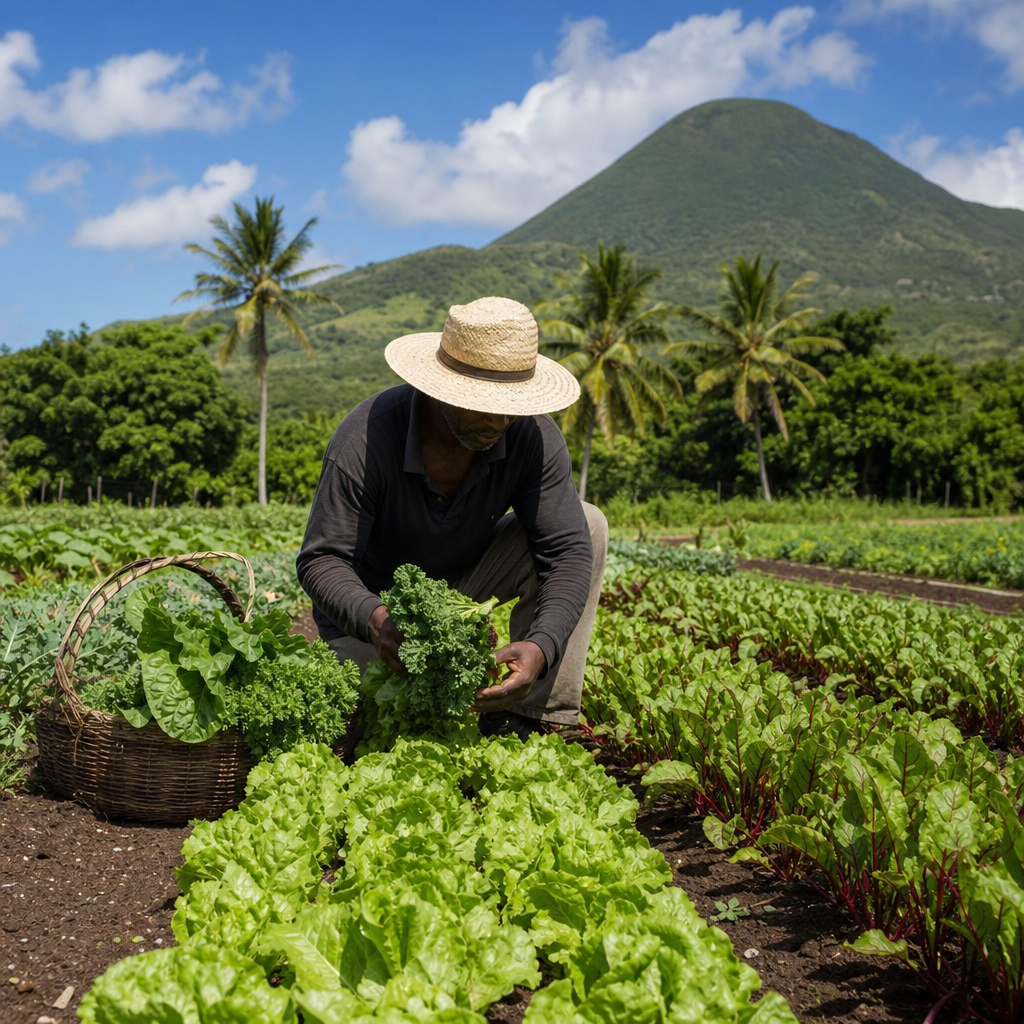
Saint Kitts’ organic farms are reshaping how residents and visitors think about healthy eating by connecting fresh produce, soil health, local culture, and everyday nutrition in one small but remarkably productive island setting. In practical terms, organic farming means growing food with methods that prioritize natural soil fertility, biodiversity, compost, crop rotation, and biological pest control instead of relying heavily on synthetic fertilizers, herbicides, and routine chemical pesticides. Healthy eating, in this context, goes beyond counting calories. It means choosing foods that are nutrient-dense, minimally processed, seasonal, and close to the point of harvest, so flavor and nutritional value are better preserved. After visiting farms across Saint Kitts and speaking with growers, market vendors, and chefs, I have seen that the island’s organic agriculture movement matters not only for personal wellness but also for food security, tourism, and environmental resilience.
Saint Kitts faces the same pressures many Caribbean islands face: imported food dependency, rising diet-related illness, climate volatility, and limited arable land. That makes local organic production especially important. When farms produce leafy greens, herbs, root vegetables, tropical fruits, eggs, and value-added goods for nearby communities, they shorten supply chains and reduce the time between harvest and plate. This often leads to better taste and less spoilage, but it also supports a healthier dietary pattern built around whole foods. For a health and wellness hub, this topic sits at the center of many related conversations, including plant-forward diets, community nutrition, sustainable living, agro-tourism, seasonal eating, and local economic development. Saint Kitts’ organic farms are not a niche curiosity. They are a practical source of healthier meals and a model for how small-island agriculture can serve modern wellness goals.
What Makes Saint Kitts’ Organic Farms Important for Healthy Eating
The strongest argument for choosing food from Saint Kitts’ organic farms is freshness. Produce harvested the same morning generally retains better texture, aroma, and consumer appeal than produce shipped for days through regional distribution systems. While nutrient changes vary by crop, storage time, and temperature, experts consistently note that leafy greens and herbs lose quality quickly after harvest. On farms in the Basseterre Valley and other fertile pockets of the island, growers often deliver within hours to roadside stands, restaurants, and households. That speed matters because fresh food is easier to cook, more enjoyable to eat, and more likely to replace ultra-processed alternatives.
Healthy eating also depends on variety, and local organic farms often encourage people to eat more diverse foods. Instead of relying only on imported lettuce, tomatoes, and cucumbers, shoppers can find callaloo, pak choi, sweet peppers, pumpkin, cassava, sweet potatoes, breadfruit, green bananas, herbs, and seasonal fruits such as papaya, mango, soursop, and passion fruit. Nutritional diversity supports a broader intake of fiber, vitamin C, carotenoids, folate, potassium, and protective plant compounds. In my experience, customers who begin by buying one bunch of local greens often expand into trying unfamiliar produce once a farmer explains how to prepare it. That practical education is one of the hidden health benefits of buying directly from growers.
Another reason these farms matter is trust. Consumers increasingly want to know where food comes from, how it was produced, and whether the farming methods align with their health values. Buying from a Saint Kitts organic farm gives people a chance to ask direct questions about composting, weed management, irrigation, seed selection, and harvesting practices. That transparency can influence healthier choices because people are more willing to cook and eat food they understand and trust. It also creates accountability. Farmers who sell face to face are typically very aware that quality, cleanliness, and consistency determine whether customers return the following week.
How Organic Farming Works on a Small Caribbean Island
Organic farming in Saint Kitts is shaped by local realities: volcanic soils, tropical heat, periodic drought, intense rain, saline exposure in some coastal areas, and constant pest pressure. Successful growers rarely follow a simplistic formula. They combine several methods to build resilient systems. Compost is central. Farmers use plant residues, animal manure where appropriate, and other organic matter to improve soil structure and support microbial life. Better soil structure helps with both water retention during dry periods and drainage during heavy rain. On an island where weather can swing quickly, that balance is essential.
Crop rotation and intercropping are also common and highly practical. Rotating leafy greens with legumes or root crops reduces pest buildup and manages nutrient demand. Intercropping, such as herbs alongside vegetables, can make more efficient use of limited land while supporting beneficial insects. Mulching is another key technique. It suppresses weeds, reduces evaporation, moderates soil temperature, and limits erosion during downpours. On several farms, I noticed that well-mulched beds stayed productive longer and needed less irrigation than exposed soil beds nearby. Those gains are not cosmetic. They improve the consistency of local food supply.
Pest management on organic farms is often where consumers have the most questions. The answer is not that organic farms have no pests. Rather, they manage them through prevention, monitoring, and lower-impact interventions. Farmers may use row covers, trap crops, hand removal, pruning for airflow, spacing adjustments, neem-based inputs where permitted, and habitat that attracts natural predators. This approach requires more observation and labor than blanket chemical spraying. It also comes with limitations. A storm season, an aphid outbreak, or fungal pressure can reduce yields fast. Yet the broader benefit is a farming model that works with ecological processes instead of overriding them at every step.
Nutritional Benefits of Produce from Saint Kitts’ Organic Farms
People often ask whether organic food is always more nutritious. The careful answer is that nutrition depends on the crop, variety, soil, ripeness, handling, and cooking method, not solely on an organic label. However, Saint Kitts’ organic farms offer clear nutritional advantages because local produce is usually harvested riper and reaches the consumer faster. A papaya picked when fully mature for local sale can be sweeter and more nutrient-rich than one harvested early for long transport. The same principle applies to herbs, leafy greens, and tomatoes. Better ripeness usually means better flavor, and better flavor makes healthy food easier to choose consistently.
Most foods associated with these farms support core dietary goals recommended by public health authorities: more vegetables and fruit, more fiber, more potassium, more legumes, and fewer highly processed foods. Callaloo and spinach-like greens contribute folate, vitamin K, and iron. Orange-fleshed vegetables such as pumpkin provide beta-carotene. Beans and peas add plant protein and soluble fiber, which help with satiety and blood sugar management. Herbs such as thyme, basil, and parsley improve flavor without excess sodium, which matters in a region where hypertension remains a serious concern. For families trying to improve everyday meals, access to these ingredients is more important than chasing food trends.
Another overlooked benefit is portion shift. When households buy baskets of fresh produce from local farms, they tend to build meals around vegetables rather than treating them as a garnish. I have seen this happen with restaurant menus as well. A chef who receives a weekly farm order of eggplant, okra, cucumbers, and greens is more likely to create grain bowls, vegetable sides, fresh salads, soups, and grilled dishes that increase produce intake across the menu. That structural change in what is available and convenient can have a larger health effect than isolated nutrition advice.
What You Can Buy and How to Use It
Saint Kitts’ organic farms typically offer a mix of staples and specialty items, with availability changing by rainfall, temperature, and local demand. Common vegetables include lettuce, kale, pak choi, cucumbers, tomatoes, sweet peppers, hot peppers, okra, eggplant, and carrots. Root crops and starches often include sweet potatoes, cassava, yams, and green bananas. Fruit may include papaya, pineapple, mango, bananas, guava, and seasonal citrus. Many farms also sell herbs, free-range eggs, herbal teas, jams, pepper sauces, or dried seasonings. This range makes organic farms useful not just for one-off purchases but for building a full week of healthier meals.
| Farm Product | Main Nutrition Strength | Simple Healthy Use |
|---|---|---|
| Callaloo | Folate, fiber, vitamin K | Steam lightly and serve with fish and sweet potato |
| Papaya | Vitamin C, carotenoids, hydration | Eat fresh at breakfast with lime and yogurt |
| Pumpkin | Beta-carotene, fiber | Roast with garlic for soups or grain bowls |
| Cassava | Energy, resistant starch when cooled | Boil and pair with beans and salad |
| Herbs | Flavor with minimal sodium | Use in marinades instead of heavy sauces |
For shoppers new to local produce, the easiest strategy is to buy by meal pattern. Pick one leafy green for lunches, one root crop for dinners, one fruit for breakfast, and one herb bundle for seasoning through the week. This keeps waste low and makes healthy eating realistic. A simple Saint Kitts-inspired plate might include grilled fish, steamed callaloo, roasted pumpkin, and sliced cucumber with herbs. A plant-forward version could use stewed beans instead of fish. The point is not perfection. The point is using local farm ingredients often enough that they become the default foundation of meals.
Where Organic Farms Fit in Wellness, Community, and Tourism
Saint Kitts’ organic farms contribute to wellness in ways that extend beyond individual nutrition. They create spaces where people reconnect with food production, physical activity, and the natural environment. Farm visits, community markets, and school garden programs help children and adults understand seasonality, composting, pollinators, and basic cooking. That matters because health behavior is shaped by environment and education, not just personal willpower. When a child sees lettuce, peppers, or herbs growing locally, those foods stop feeling abstract and become more familiar at the table.
There is also a strong economic and tourism dimension. Hotels, villas, and restaurants increasingly market farm-to-table dining as part of the visitor experience, and local organic farms can supply ingredients that distinguish Saint Kitts from generic resort menus. Fresh sorrel, island herbs, tropical fruit, and locally grown vegetables give chefs a story as well as a flavor advantage. Agro-tourism experiences, from farm tours to tasting events, can generate income while educating travelers about the island’s agricultural heritage. In markets where visitors actively seek wellness experiences, local organic food becomes part of the destination’s value proposition.
Community resilience is another key factor. Small-island states remain vulnerable to shipping disruptions and price swings in imported food. Expanding local organic production does not eliminate imports, but it diversifies supply and strengthens food system stability. During periods of disruption, farms that can supply greens, eggs, herbs, and root crops provide a meaningful buffer. The benefit is both nutritional and strategic. A healthier food system is one that can still function when external conditions become difficult.
Challenges, Tradeoffs, and How Consumers Can Support the Sector
Organic farming in Saint Kitts is promising, but it is not effortless and it is not always cheap. Labor costs are significant, certified organic inputs can be difficult to source, and yield losses from pests or weather can be severe. Water management is a constant issue, especially during dry periods. Because many farms operate on a small scale, they may not always offer the visual uniformity or year-round consistency that supermarkets provide. Consumers should understand that these differences are normal in local agriculture, not evidence of poor quality. Seasonal abundance and seasonal gaps are part of the system.
Price is the most common concern. Local organic produce can cost more per unit than imported conventional produce, particularly when freight contracts or scale favor imported goods. Yet the comparison is often incomplete. Fresher produce may last longer if stored properly, taste better, and reduce food waste. More important, spending on local farms keeps more money circulating within Saint Kitts. That supports jobs, local knowledge, and agricultural capacity. In public health terms, the long-run value of better diets and stronger local supply chains is difficult to overstate.
Consumers can support the sector in practical ways. Buy seasonally. Ask farmers what is abundant now instead of demanding everything all year. Join produce box programs if available. Choose imperfect but fresh items for soups, stews, and sauces. Restaurants can commit to weekly local purchasing targets. Schools and institutions can integrate more local produce into meal planning. Policy support matters too, especially for water infrastructure, farmer training, post-harvest handling, and market access. When these pieces improve together, Saint Kitts’ organic farms become more dependable and healthy eating becomes easier for everyone.
Saint Kitts’ organic farms offer far more than attractive market produce. They provide a practical foundation for healthy eating by making fresh, seasonal, minimally processed food more available, more understandable, and more appealing in daily life. They also support broader wellness goals, including dietary diversity, stronger community ties, environmental stewardship, and a more resilient local food system. For residents, the message is simple: eating well starts with what is grown nearby and harvested at the right time. For visitors, these farms reveal a side of Saint Kitts that is as meaningful as its beaches and historic sites.
The key takeaway is that local organic agriculture works best when consumers treat it as part of a regular routine, not an occasional novelty. Buying greens, root crops, herbs, fruit, and farm-made products from Saint Kitts growers can shift meals toward better nutrition without requiring complicated rules. It can also help sustain the farmers who make that healthier choice possible. If you want to improve your diet while supporting the island’s future, start with one weekly purchase from a Saint Kitts organic farm, build a few simple meals around it, and let healthy eating grow from there.
Frequently Asked Questions
What makes Saint Kitts’ organic farms important for healthy eating?
Saint Kitts’ organic farms play an important role in healthy eating because they bring food production closer to the people who eat the food. Instead of depending heavily on imported produce that may spend days or even weeks in transit, organic farms on the island can offer fruits, vegetables, herbs, and other crops at peak freshness. That matters nutritionally because fresh produce is often more flavorful, more appealing to eat regularly, and better suited to becoming part of everyday meals. When residents and visitors have easier access to locally grown foods, healthy eating becomes more practical rather than just aspirational.
Organic farming also supports healthy eating by focusing on the long-term health of the land itself. Farmers use practices such as composting, crop rotation, mulching, and natural pest management to build fertile soil and encourage biodiversity. Healthy soil supports strong plant growth, and strong plant growth helps create a more resilient local food supply. In a place like Saint Kitts, where land, climate, and community are closely connected, this relationship between soil health and nutrition becomes especially visible. The result is not just produce that looks good at market, but a farming system that supports more consistent access to wholesome foods.
There is also a cultural dimension. Organic farms in Saint Kitts help reconnect people with traditional growing knowledge, seasonal eating, and local culinary habits. This can encourage diets built around fresh vegetables, root crops, herbs, tropical fruits, and minimally processed ingredients rather than packaged foods with long ingredient lists. In that sense, organic farms are important not only because of what they grow, but because they help shape habits, values, and food choices that support healthier living over time.
How does organic farming in Saint Kitts differ from conventional farming methods?
The main difference lies in the approach to growing food. Organic farming in Saint Kitts emphasizes natural systems and ecological balance. Farmers work to nourish the soil through compost, organic matter, cover crops, and crop rotation rather than relying primarily on synthetic fertilizers. They also manage weeds and pests with methods such as manual removal, mulching, beneficial insects, mixed planting, and biological controls instead of routine chemical herbicides and pesticides. The goal is not simply to avoid certain inputs, but to build a farm environment that is healthier and more self-supporting over time.
Conventional farming methods often prioritize short-term efficiency and high output through synthetic fertilizers and chemical crop protection products. While these methods can increase production quickly, they may also lead to concerns about soil degradation, reduced biodiversity, and long-term dependence on external inputs. Organic systems try to address those concerns by improving soil structure, encouraging microorganisms, conserving water more effectively, and supporting a wider range of plant and insect life. On an island where environmental stewardship matters greatly, these differences are particularly significant.
In practical terms, this means food from Saint Kitts’ organic farms is produced with a stronger emphasis on natural growing cycles and responsible land use. Consumers often notice that this approach aligns with broader health and sustainability goals. It supports a food system where the condition of the soil, the quality of the harvest, and the well-being of the surrounding environment are treated as connected rather than separate issues. That integrated mindset is what truly sets organic farming apart.
What kinds of foods can people expect to find from organic farms in Saint Kitts?
Organic farms in Saint Kitts can provide a diverse range of foods that fit naturally into a healthy diet. Depending on the season and the specific farm, people may find leafy greens, tomatoes, peppers, cucumbers, herbs, beans, root vegetables, tropical fruits, and traditional Caribbean crops. These foods are ideal for balanced meals because they offer fiber, vitamins, minerals, antioxidants, and natural flavor without requiring heavy processing. Fresh herbs and produce can make home cooking easier and more enjoyable, which is one of the most practical pathways to eating better on a regular basis.
Many island farms also grow ingredients that reflect local food culture. This can include produce used in soups, stews, side dishes, fresh juices, and fruit-based snacks. That local relevance matters because healthy eating is more sustainable when it is rooted in familiar tastes and cooking traditions. People are more likely to maintain nutritious eating habits when the foods available feel connected to their daily lives rather than imported as a trend. Organic farms help preserve that connection by supplying ingredients that work well in both traditional and modern recipes.
Another benefit is variety. Smaller organic farms often plant multiple crops rather than relying on a single large-scale product, which can create more interesting options for shoppers. This diversity can encourage people to eat a broader mix of produce throughout the week. A more varied diet generally supports better overall nutrition by increasing the range of nutrients consumed. For visitors, this also offers a more authentic taste of Saint Kitts, while for residents it strengthens access to fresh, locally relevant food choices.
Are organic foods from Saint Kitts’ farms automatically healthier than other foods?
Organic foods from Saint Kitts’ farms can be an excellent part of a healthy diet, but it is important to be precise about what “healthier” means. Organic farming focuses on how food is grown, especially the use of natural soil-building methods and reduced reliance on synthetic chemicals. That can be appealing to people who want food produced with environmental care and a more natural farming philosophy. It can also make fresh produce more attractive and accessible, which often leads people to eat more fruits and vegetables overall. From a public health perspective, increasing produce intake is a major benefit.
At the same time, no single label automatically makes a person’s overall diet healthy. A nutritious eating pattern still depends on balance, variety, portion awareness, and the regular inclusion of whole foods such as vegetables, fruits, legumes, and minimally processed staples. Organic produce is most beneficial when it is part of consistent healthy habits. For example, choosing fresh organic vegetables from a Saint Kitts farm and preparing them at home is generally a stronger nutritional step than relying on highly processed convenience foods, regardless of whether those packaged foods carry specialty labels.
So the best way to understand the value of organic food is to see it as one part of a larger healthy eating framework. In Saint Kitts, organic farms offer freshness, local sourcing, and environmentally mindful production methods. Those advantages can absolutely support better food choices. But the greatest health benefit comes when consumers use these farm products to build meals centered on fresh produce, traditional whole ingredients, and regular home cooking.
How can residents and visitors support Saint Kitts’ organic farms and benefit from them at the same time?
One of the simplest ways to support Saint Kitts’ organic farms is to buy directly from them whenever possible. Shopping at farm stands, local markets, community events, or stores that feature island-grown produce helps keep money circulating within the local economy and gives farmers stronger incentives to continue sustainable production. Direct purchasing also benefits consumers because they often gain access to fresher food, practical advice on how the produce was grown, and useful tips for storing or preparing seasonal items. That kind of direct connection makes healthy eating feel more personal and achievable.
Residents can also support these farms by planning meals around what is locally available rather than expecting every product in every season. Seasonal eating encourages variety and helps people build a more realistic relationship with food and agriculture. Visitors can benefit by seeking out restaurants, guesthouses, or culinary experiences that highlight local organic ingredients. This not only creates a more authentic travel experience, but also helps sustain demand for fresh island-grown food. Choosing local produce while visiting Saint Kitts is a meaningful way to support both wellness and community resilience.
Beyond purchasing, people can support organic farms by learning more about farming practices, sharing information with others, and valuing the work behind local food production. Educational tours, community agriculture programs, and conversations with growers can deepen appreciation for the connection between soil, farming, nutrition, and culture. In return, consumers gain more than fresh produce; they gain a clearer understanding of where food comes from and how food choices shape personal health and environmental outcomes. That mutual benefit is one of the strongest reasons Saint Kitts’ organic farms matter so much today.