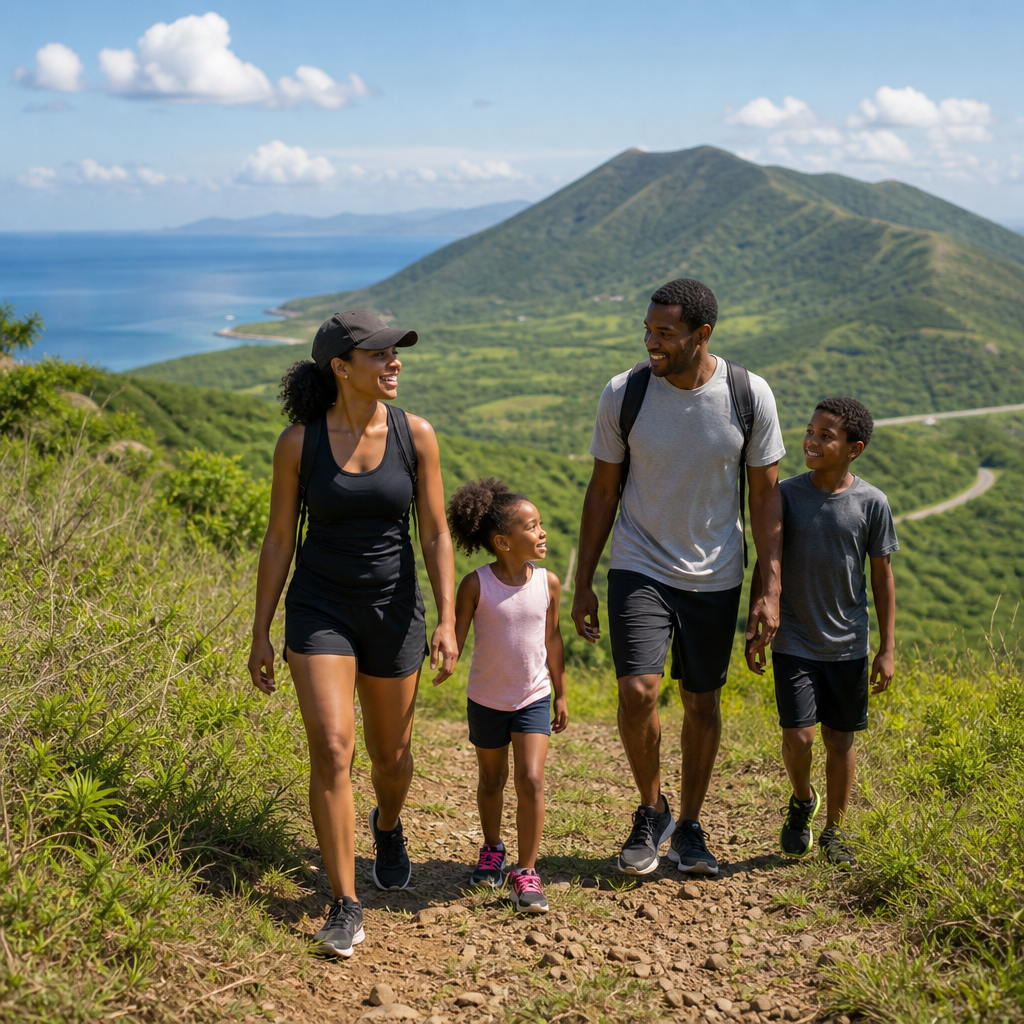
Family health and fitness activities in Saint Kitts combine tropical scenery, community traditions, and practical wellness habits in ways that make healthy living feel achievable for every age group. In this island setting, family fitness means more than organized exercise. It includes walking to local beaches, swimming in calm bays, joining school sports days, buying fresh produce at markets, and choosing weekend outings that keep children active instead of sedentary. Family health covers physical activity, balanced nutrition, preventive care, mental wellbeing, sleep, hydration, and safe recreation. When these elements work together, families build routines that support long term wellness rather than short bursts of motivation.
I have worked on Caribbean wellness content and community recreation planning long enough to see that islands like Saint Kitts have a distinct advantage: access to outdoor spaces year round. The tradeoff is that climate, terrain, transport, and uneven access to facilities can affect participation. That is why a useful guide must go beyond generic advice. Families need clear, local examples of what they can actually do, where they can do it, and how to adapt activities for toddlers, school age children, teens, parents, and grandparents. In Saint Kitts, healthy family life often happens through small, repeatable habits anchored in community life.
This hub article explains the main types of family health and fitness activities in Saint Kitts, why they matter, and how to choose options that fit different budgets and ability levels. It also serves as a central reference point for related topics in the broader health and wellness category, including nutrition, outdoor recreation, youth sports, active travel, water safety, stress management, and preventive family care. Whether a family lives in Basseterre, in a rural village, or visits the island seasonally, the goal is the same: create consistent routines that improve strength, energy, resilience, and connection.
Why Family Fitness Matters in Saint Kitts
Family based activity improves adherence because people are more likely to stay active when exercise is tied to relationships, not just goals. The World Health Organization recommends that children and adolescents average at least 60 minutes of moderate to vigorous physical activity daily, while adults should aim for 150 to 300 minutes of moderate activity weekly plus muscle strengthening work. In practice, many families struggle to separate exercise from everyday responsibilities. In Saint Kitts, combining movement with leisure is often the most realistic solution. A beach afternoon can include swimming intervals, sand walking, and active games. A trip to a historic site can become a hill walk. Even errands done on foot increase daily energy expenditure.
The public health value is significant. Regular movement supports cardiovascular fitness, weight management, blood sugar regulation, bone density, motor skill development, and mental health. For children, active play improves coordination, concentration, and emotional regulation. For older adults, low impact movement reduces deconditioning and supports independence. Families that exercise together also model healthy norms. Children are far more likely to view movement as a normal part of life when parents participate consistently. On an island where social life is community centered, shared activity can be one of the strongest wellness tools available.
Outdoor Activities Families Can Do Year Round
Saint Kitts offers reliable opportunities for outdoor activity because temperatures are generally warm throughout the year. Early mornings and late afternoons are usually the most comfortable times for sustained movement, especially for children and older adults. Families often start with walking because it is accessible, low cost, and easy to scale. The Basseterre Valley and coastal areas can support shorter, flatter walks, while more elevated routes add challenge for fitter groups. Brisk walking improves heart health without requiring special equipment beyond supportive shoes, sun protection, and water.
Beach activity is another cornerstone of family fitness on the island. Calm water areas allow supervised swimming for endurance and coordination, while shoreline walks add lower body conditioning. Children naturally move more at the beach through digging, carrying, balancing, and sprinting. Parents can turn unstructured time into deliberate circuits: five minutes of swimming, five minutes of walking, then games such as relay races or ball toss. This format keeps attention high without making exercise feel formal. Families should still account for rip currents, heat stress, and ultraviolet exposure by checking local conditions, using reef safe sunscreen, and avoiding the hottest midday hours.
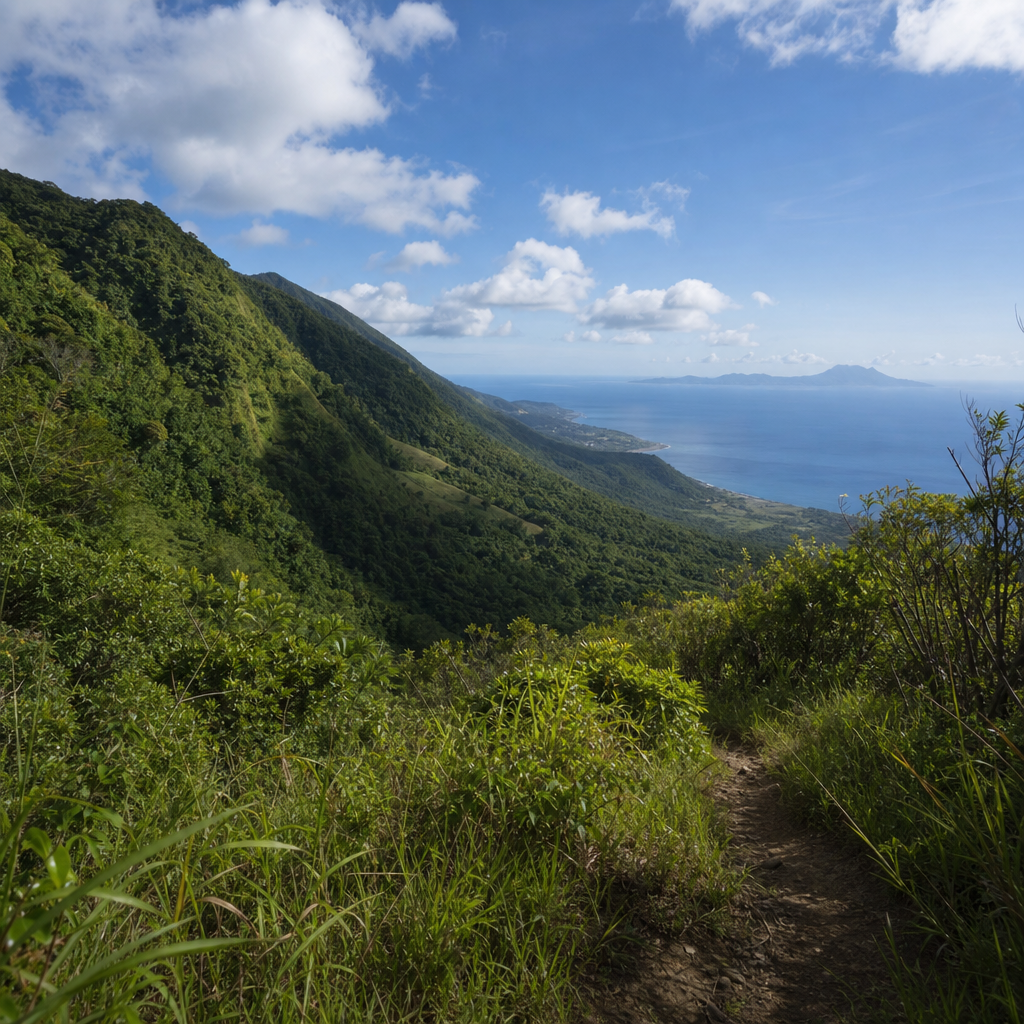
Hiking also deserves attention, though it requires more planning. Trails and scenic areas around the island can provide excellent cardiovascular training and exposure to nature, but route choice must match fitness level. Families with young children should prioritize shorter paths with clear footing and shade rather than steep, technical climbs. For older children and teens, guided nature walks can add educational value by introducing local ecology and heritage. In my experience, families are much more likely to repeat hikes when the route includes a defined destination, such as a viewpoint, historic site, or picnic stop, instead of a vague out and back walk.
| Activity | Best For | Main Benefit | Key Safety Consideration |
|---|---|---|---|
| Beach walking and swimming | Mixed age families | Cardio fitness and coordination | Sun exposure and water conditions |
| Neighborhood or coastal walks | Beginners and seniors | Low impact daily movement | Heat and traffic awareness |
| Nature hikes | Older children and active adults | Endurance and leg strength | Footing, hydration, route difficulty |
| Park games and relays | Young children | Agility and social play | Supervision and adequate shade |
Sports, Recreation, and Community Based Options
Organized and semi organized recreation gives families structure, accountability, and social support. In Saint Kitts, school sports, community fields, cricket culture, football training, athletics, dance programs, and fitness classes all play a role. Not every family needs formal enrollment, but community based options can reduce the planning burden that often derails home routines. A child who attends football practice twice a week already has built in vigorous activity, and parents can use that time for walking laps nearby or joining a group workout. This is one of the easiest ways to turn youth sport into whole family movement.
Cricket and football are especially useful because they encourage skill development, teamwork, and repeated bouts of running. Younger children may begin with simple catching drills, cone races, or modified games using softer balls and shorter distances. Teens can progress to more demanding sessions focused on agility, speed, and stamina. Dance and aerobics classes provide another strong option, particularly for families who prefer music driven exercise over competitive sport. These formats support coordination, rhythm, and confidence, and they often attract participants who would not choose a traditional gym environment.
Community events such as charity walks, school fun runs, health fairs, and recreation days can also re engage inactive families. Short events matter because they lower the barrier to entry. A parent who feels intimidated by a gym may willingly join a three kilometer community walk. Once that happens, future activity becomes easier to imagine. The key is continuity. Families benefit most when a public event becomes the start of a routine rather than an isolated effort. Linking one event to a weekly walk, a Saturday swim, or a recurring class creates momentum that lasts.
Nutrition, Hydration, and Everyday Health Habits
Fitness without supportive daily habits has limited effect, so family health in Saint Kitts must include food, hydration, rest, and preventive care. The island setting offers access to fresh fruits, vegetables, seafood, and other local foods that can support balanced eating. Families do not need restrictive diets. They need patterns that are consistent and realistic. A strong baseline includes fruit at breakfast, vegetables at lunch and dinner, adequate protein, and fewer sugar sweetened beverages. For active children, snacks such as bananas, yogurt, peanut butter sandwiches, or homemade options are more useful than highly processed snack foods because they provide energy without sharp spikes and crashes.
Hydration deserves special emphasis in a hot climate. Children often become absorbed in play and ignore thirst, while adults may underestimate sweat losses during walking, beach time, or sport. Water should be available before, during, and after activity. For most moderate family activities, water is sufficient. Sports drinks are generally unnecessary unless exercise is prolonged and intense. Signs of dehydration include headache, fatigue, dizziness, dark urine, and irritability. Families should also plan recovery. After active outings, a meal with carbohydrates and protein supports replenishment, while a regular bedtime helps children and adults recover physically and mentally.
Preventive health practices complete the picture. Routine pediatric checkups, vaccinations, blood pressure monitoring for adults, asthma management plans, dental care, and vision screening all affect how safely families participate in activity. Sun safety and insect bite prevention are part of wellness, not separate concerns. A healthy family routine in Saint Kitts is therefore not just exercise plus good intentions. It is a coordinated set of habits that keeps people active consistently and safely across seasons, school schedules, and work demands.
Building a Realistic Family Wellness Routine
The most effective family fitness plans are simple enough to repeat. I usually recommend starting with a weekly template rather than ambitious monthly goals. For example, families can aim for three walking days, one beach or park outing, one organized sport or dance session, and one meal planning block. This kind of structure works because it balances flexibility with accountability. If rain cancels a walk, the family can replace it with indoor movement such as bodyweight circuits, stretching, or dance videos. Consistency matters more than perfection.
Age appropriate planning is essential. Toddlers need short bursts of movement, safe open space, and close supervision. School age children respond well to games, challenges, and visible progress, such as counting laps or improving swim confidence. Teenagers often need autonomy, so allowing them to choose between sport, gym style exercise, dance, or running increases buy in. Adults benefit from routines that fit work and caregiving demands, while older relatives may prefer chair exercises, gentle walks, and water based activity that reduces joint stress. A family routine succeeds when each person has a role instead of being dragged into a one size fits all plan.
Tracking helps sustain motivation. Families can mark active days on a wall calendar, use smartphone health apps for step counts, or set practical goals such as cooking at home five nights a week. The important point is to measure behaviors, not just outcomes like weight. Behavior based tracking is more controllable and less discouraging. When families celebrate attendance, effort, and improvement, they build durable habits. This hub article can anchor deeper exploration of related subjects, from child nutrition and senior wellness to beach safety and local recreation resources, making it easier to expand a basic routine into a full family health strategy.
Common Barriers and How Families Can Overcome Them
Even in a naturally active environment, families face obstacles. Time is the most common. Parents may work long hours, manage transport, and juggle school schedules. The practical answer is to reduce friction. Keep walking shoes ready, choose activity locations close to home, and default to short sessions when the day is busy. Twenty focused minutes of walking or active play is far better than skipping movement because an ideal one hour workout is impossible. Cost is another barrier, but many effective activities in Saint Kitts, including walking, swimming, playground games, and home exercise, require minimal spending.
Weather and safety concerns also shape choices. High heat, sudden rain, uneven sidewalks, and traffic can limit outdoor plans. Families should adapt timing, choose shaded routes, and use indoor backups. Motivation may drop when activities feel repetitive, so variety matters. Rotating between beach days, walks, sports practice, dance, and simple strength work keeps routines fresh. For children with health conditions or disabilities, modifications are not a compromise. They are the correct approach. With medical guidance where needed, most families can find safe, meaningful ways to stay active together and make wellness part of ordinary island life.
Family health and fitness activities in Saint Kitts work best when they are woven into normal routines, local spaces, and shared experiences. The strongest approach is not the most complicated one. It is the one a family can repeat through school terms, holidays, and changing work schedules. Walking, swimming, hiking, community sport, balanced meals, hydration, sleep, and preventive care form a practical foundation for long term wellness. Each habit supports the others, and the cumulative effect is substantial: better energy, stronger bodies, improved mood, and closer family connection.
As a hub within the broader health and wellness topic, this page covers the miscellaneous but essential pieces that often determine whether good intentions become lasting results. It points families toward the full range of related subjects they may need next, from active recreation ideas to nutrition planning and safety guidance. The main benefit is clarity. Instead of treating wellness as a vague goal, families can see exactly how to build it using the resources and rhythms already available in Saint Kitts.
Start with one change this week: schedule a family walk, beach swim, or park game, pair it with a simple healthy meal, and repeat it until it becomes routine. Small actions done consistently create the healthiest families.
Frequently Asked Questions
What kinds of family health and fitness activities are most popular in Saint Kitts?
In Saint Kitts, the most popular family health and fitness activities are usually the ones that fit naturally into daily island life. Many families stay active by walking together in their neighborhoods, visiting local beaches for swimming and play, and spending weekends outdoors instead of indoors. Beach walks, light hikes, swimming in calm bays, playground visits, and casual games like football or cricket are all common choices because they are affordable, social, and easy to adapt for different ages. Families also often take part in school sports days, community wellness events, and church or neighborhood gatherings that include movement, games, or healthy meals.
What makes Saint Kitts especially appealing for family wellness is that physical activity does not always have to feel formal. Children may get exercise by running on the beach, exploring open spaces, or joining local youth sports, while adults stay active through walking, home gardening, market shopping, and active family outings. The island environment supports healthy habits because it encourages time outside, fresh air, and connection with the local community. For many households, the best health and fitness routine is simply one that blends movement, family time, and regular access to wholesome food in a way that feels realistic and sustainable.
How can families in Saint Kitts create a healthy routine that works for both children and adults?
The most effective family wellness routines in Saint Kitts are usually simple, flexible, and built around existing schedules. A strong approach is to combine regular movement, balanced meals, hydration, rest, and time outdoors. For example, a family might start the day with a short walk, encourage active play after school, include fruits and vegetables in meals, and use weekends for beach trips, local hikes, or sports. Children benefit when healthy habits are presented as part of normal life rather than as a strict program, and adults are more likely to stay consistent when routines are practical and enjoyable.
It also helps to plan activities that include everyone, even if each person participates at a different level. Younger children may enjoy short beach walks and active games, teenagers may prefer sports or longer hikes, and older adults may benefit from gentle walking, stretching, or swimming. Families can support healthy eating by visiting produce markets, preparing meals together, and keeping nutritious snacks available at home. In Saint Kitts, where climate and community life encourage outdoor living, families often do best when they focus on consistency over intensity. A routine does not need to be complicated to be effective. What matters most is making healthy choices part of everyday family culture.
Are there affordable ways for families in Saint Kitts to stay active and eat well?
Yes, many of the best family health and fitness options in Saint Kitts are affordable and accessible. Walking is one of the easiest and most cost-effective activities, whether families are strolling through their community, heading to the beach, or exploring scenic areas together. Swimming in safe, calm waters, playing outdoor games, using public recreation spaces, and participating in school or community events can all support fitness without requiring expensive memberships or equipment. Because the island offers natural settings for movement, families can often stay active simply by choosing outdoor recreation over screen-based entertainment.
Healthy eating can also be manageable on a budget when families prioritize local and seasonal foods. Buying fresh produce from markets, choosing locally available fruits and vegetables, and preparing meals at home can help reduce costs while improving nutrition. Families may also save money by planning meals in advance, packing snacks for outings, and limiting sugary drinks or heavily processed convenience foods. In Saint Kitts, healthy living does not have to mean expensive wellness programs. In many cases, it means using the island’s natural resources and local food culture wisely. Small, regular habits like walking more, drinking water, cooking at home, and spending active time together can make a meaningful long-term difference.
What should families consider when choosing outdoor fitness activities in Saint Kitts?
When choosing outdoor fitness activities in Saint Kitts, families should first think about safety, age appropriateness, and weather conditions. The island’s warm climate is ideal for outdoor movement, but it also means families should pay attention to sun exposure, hydration, and timing. Activities are often most comfortable in the early morning or late afternoon, when temperatures are less intense. Parents should bring water, sunscreen, hats, and light clothing, especially for younger children. If swimming is part of the plan, families should choose calm, safe areas and closely supervise children at all times.
It is also important to match the activity to the needs and abilities of the group. A family with small children may prefer gentle beach walks, active play, or short nature outings, while older children and adults might enjoy more challenging hikes or organized sports. Families with grandparents or relatives who have health concerns may want lower-impact options such as flat walking routes or light water exercise. In addition, choosing activities that feel fun and culturally familiar can improve participation. In Saint Kitts, family health is often strongest when fitness is social, enjoyable, and rooted in the local lifestyle. The goal is not just exercise for its own sake, but creating routines that support energy, bonding, and long-term well-being.
How does family fitness in Saint Kitts support overall health beyond just exercise?
Family fitness in Saint Kitts supports overall health by improving much more than physical strength or endurance. Regular movement helps children and adults maintain a healthy weight, strengthen the heart, build coordination, and reduce the risk of lifestyle-related conditions. Just as importantly, active family time can improve emotional well-being, lower stress, and strengthen relationships. Walking, swimming, playing sports, and spending time outdoors together often create a sense of connection that supports mental health as much as physical health. In a family setting, these routines can also build discipline, confidence, and positive habits that continue into adulthood.
There is also a broader wellness benefit when physical activity is combined with other healthy choices common in island life. Visiting markets for fresh food, preparing meals together, maintaining good hydration, getting enough rest, and reducing sedentary screen time all contribute to a more balanced lifestyle. In Saint Kitts, where community, environment, and daily habits often overlap, family fitness becomes part of a larger picture of health. It teaches children that wellness is not only about workouts, but about living in a way that supports energy, resilience, and quality of life. That is why family health and fitness activities in Saint Kitts can be so effective: they are practical, community-centered, and deeply connected to everyday living.