Wellness for seniors in Nevis is shaped by more than medical care; it depends on daily habits, social connection, safe housing, good nutrition, mobility, and access to trusted support across the island. For older adults, wellness means maintaining physical strength, mental clarity, emotional stability, and purpose while adapting to age-related changes. In Nevis, that definition carries a local dimension because geography, climate, community ties, food traditions, and healthcare access all influence how healthy aging actually works. I have worked with older residents and families planning care routines in small-island settings, and the same lesson comes up repeatedly: the best senior wellness plans are practical, local, and sustainable. They fit the pace of village life, account for transport limitations, and use resources that people can realistically reach. That is why a broad guide matters. Seniors and caregivers often ask simple but critical questions. What should an older adult eat in Nevis’s climate? How much exercise is safe after sixty-five or seventy-five? What signs of memory decline require attention? How can families reduce isolation without expensive programs? A useful hub page should answer those questions clearly and connect the wider wellness picture. Healthy living in Nevis is not a single service. It is a system of choices made at home, in clinics, in churches, in community groups, and through everyday routines that protect independence for as long as possible.
What healthy aging looks like in Nevis
Healthy aging in Nevis starts with function, not perfection. Most seniors do not need an elite fitness plan or a strict wellness trend. They need enough strength to stand safely, enough balance to reduce falls, enough stamina to shop or attend appointments, and enough mental resilience to stay engaged with life. In practice, I look first at six markers: mobility, nutrition, sleep, medication management, social contact, and regular screening. If one weakens, the others usually follow. For example, an older adult who stops walking because of knee pain may soon gain weight, sleep poorly, withdraw socially, and miss blood pressure checks. That chain reaction is common and preventable.
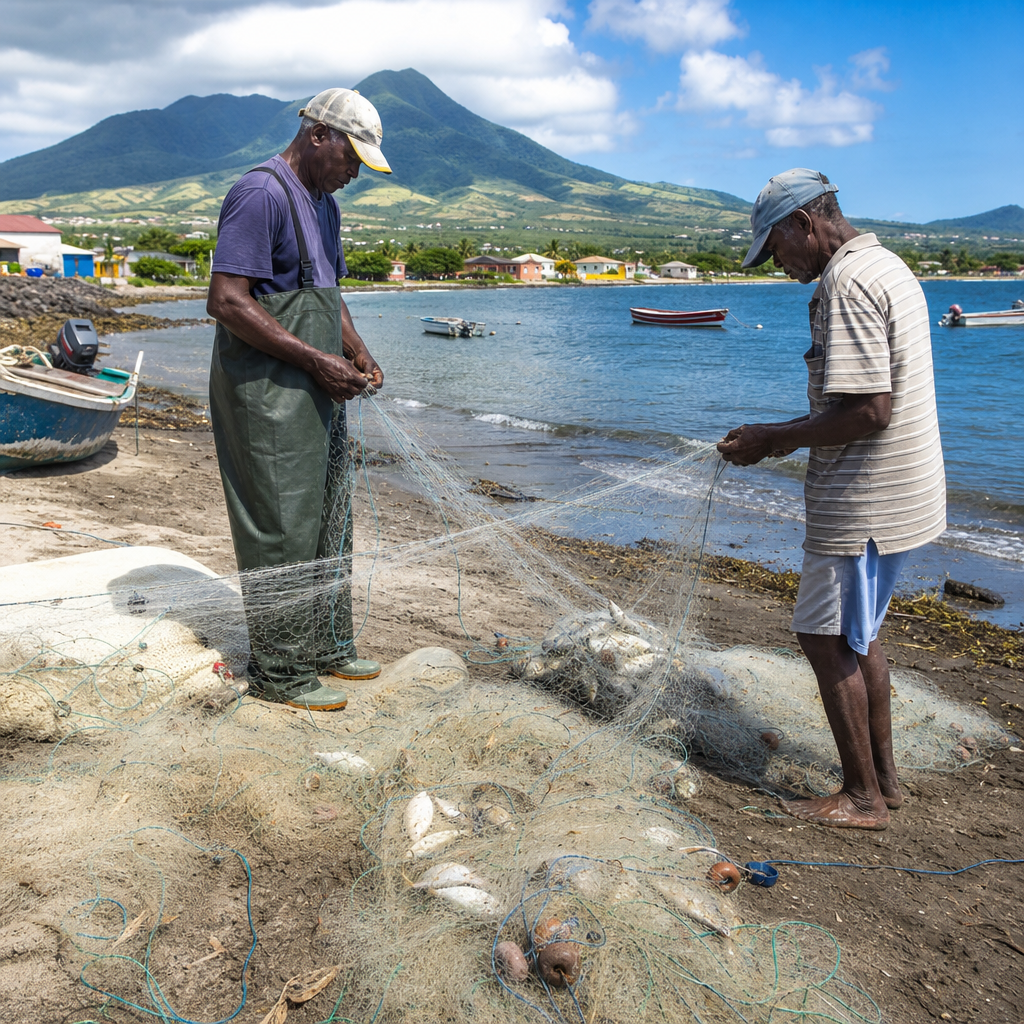
Nevis offers advantages for aging well. Warm weather supports outdoor movement year-round. Local food systems can provide fresh fish, fruit, vegetables, peas, and ground provisions. Communities are relatively close-knit, which can help seniors remain visible rather than isolated. At the same time, island living has constraints. Transport can be uneven, specialist care may require coordination, and some homes are not designed for reduced mobility. Senior wellness plans therefore work best when they combine public health basics with realistic household adjustments. A daily walk in a shaded area, hydration reminders, grab bars in the bathroom, medication review with a clinician, and a weekly social activity can have more impact than expensive interventions introduced briefly and abandoned.
One of the most important principles is prevention. Conditions such as hypertension, diabetes, arthritis, cataracts, osteoporosis, hearing loss, and mild cognitive impairment often develop gradually. Seniors who attend routine checks usually preserve independence longer because problems are caught before they become crises. Family members should not wait for a fall, medication error, or episode of confusion to start planning. In Nevis, where family networks remain central, the strongest outcomes usually come from early conversations about goals, preferences, and support needs.
Nutrition, hydration, and local food habits
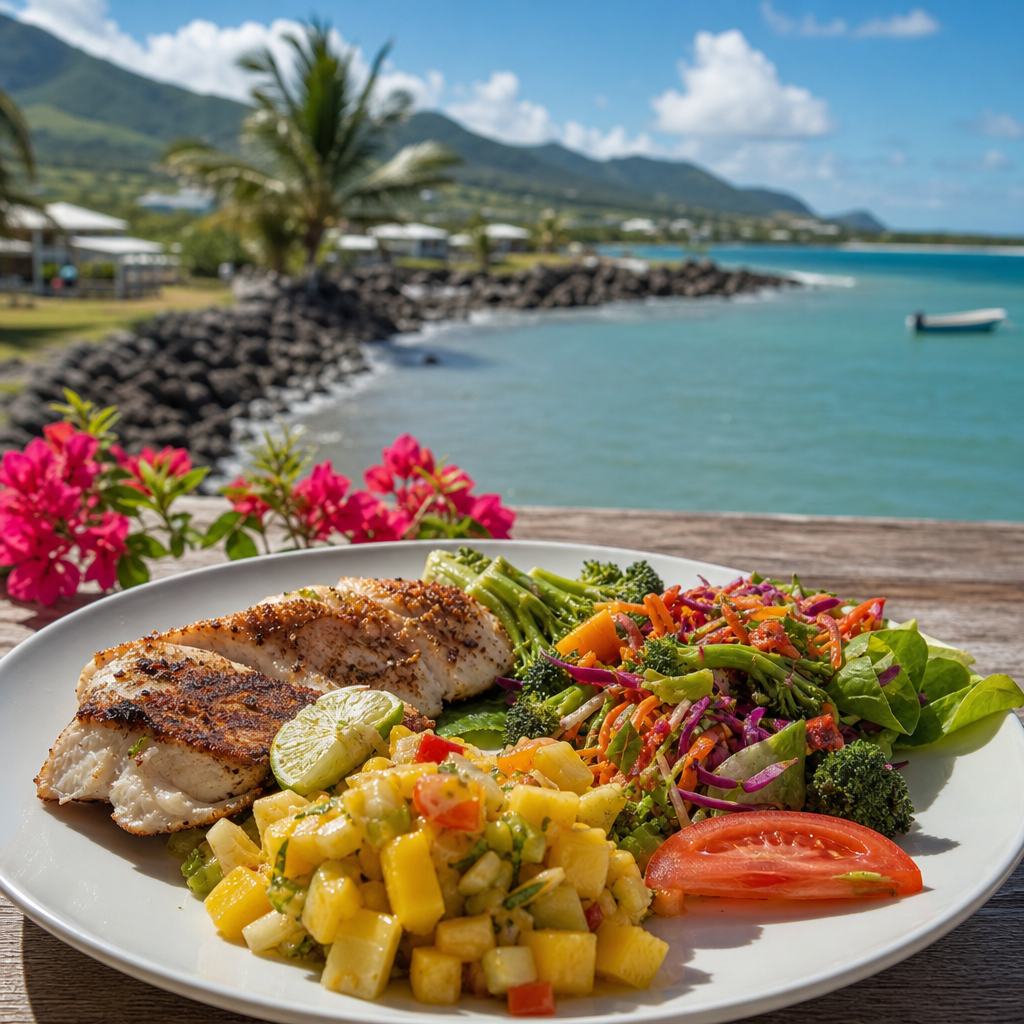
Good nutrition is one of the most effective ways to support senior health, yet it is often undermined by low appetite, dental problems, medication side effects, and the mistaken belief that older adults need very little protein. In reality, seniors generally need nutrient-dense meals that preserve muscle, support immunity, and stabilize energy. For many older adults in Nevis, the practical target is simple: include protein at each meal, choose fiber-rich carbohydrates, limit excess salt and added sugar, and drink fluids consistently throughout the day. Protein can come from fish, chicken, eggs, peas, beans, yogurt, or milk. Fiber and micronutrients can come from vegetables, fruit, breadfruit, sweet potato, pumpkin, green banana, and other familiar staples.
Hydration deserves special attention in a warm climate. Older adults often have a reduced sense of thirst, which means dehydration can appear before they realize they need water. Even mild dehydration can worsen dizziness, constipation, confusion, and urinary symptoms. I usually advise families to build hydration into routine rather than rely on thirst alone: water with morning medication, a drink at each meal, and another in the afternoon. Coconut water may be useful in moderation, but plain water remains the foundation. Seniors with heart failure, kidney disease, or fluid restrictions should follow personalized advice from their clinician.
Traditional meals can absolutely support wellness when portions and preparation are adjusted. Stewed fish with vegetables, peas-based dishes, soups with provisions, and fruit as snacks are strong options. The problem is usually not local food itself but excess frying, high sodium seasoning, sugary drinks, or oversized portions at celebratory meals. For seniors with diabetes or hypertension, consistency matters more than perfection. A diet that is locally familiar and regularly followed is better than an imported plan that no one maintains.
Movement, balance, and fall prevention
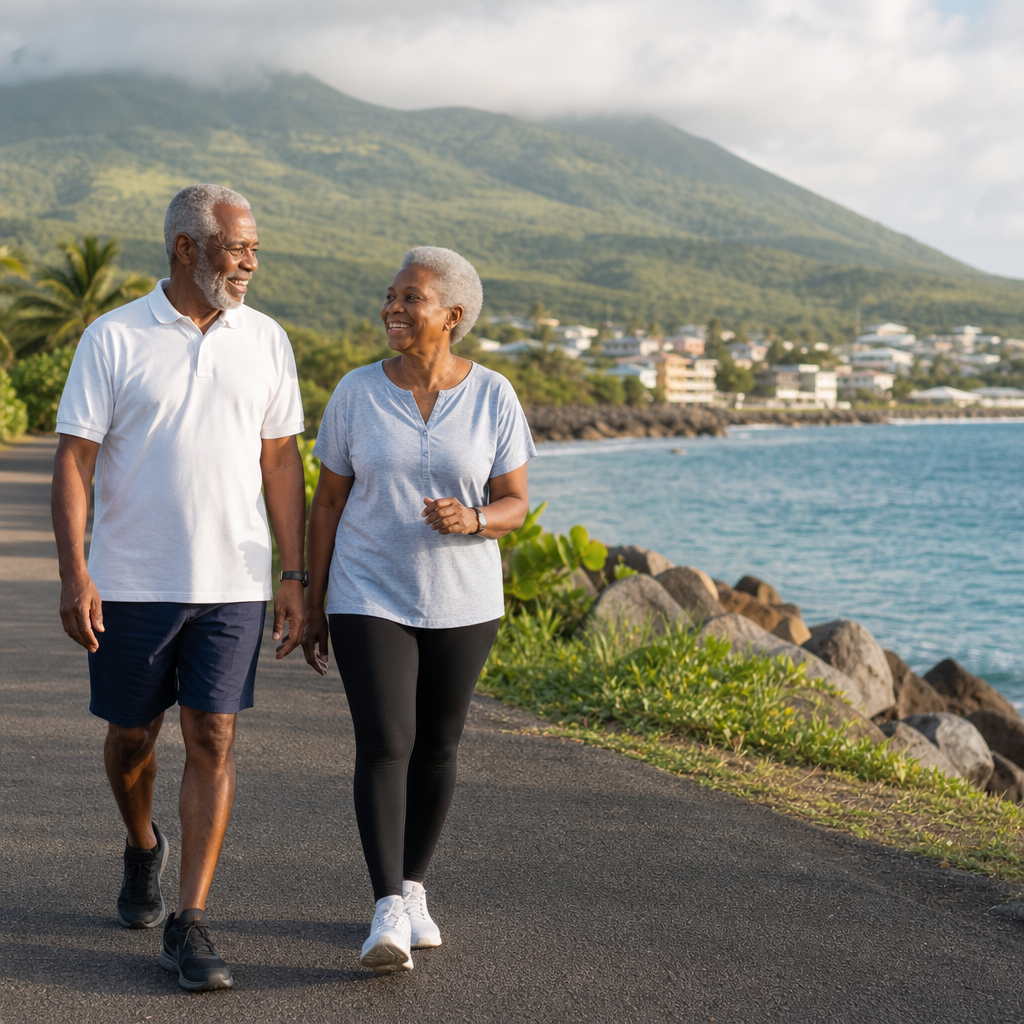
Exercise for seniors in Nevis should be judged by safety, consistency, and function. The goal is not simply burning calories; it is preserving mobility and confidence. Evidence from the World Health Organization and geriatric practice consistently shows that older adults benefit from a weekly mix of aerobic activity, muscle strengthening, and balance training. In plain terms, that can mean brisk walking, chair rises, light resistance work, heel-to-toe balance practice, and stretching for major joints. Seniors with chronic disease usually can remain active, but they may need modifications and medical clearance if symptoms are unstable.
Falls are one of the biggest threats to independence. A single fall can trigger injury, fear, inactivity, and a long decline. On Nevis, I often see preventable hazards such as uneven steps, poor outdoor lighting, loose mats, cluttered walkways, and bathrooms without support rails. Footwear is another overlooked issue; soft, worn slippers increase risk. Families should treat fall prevention as essential home maintenance, not an optional extra. Vision checks, strength work, medication review, and safer home design produce the best results together.
| Wellness area | Practical action for seniors in Nevis | Why it matters |
|---|---|---|
| Daily movement | Walk 20 to 30 minutes in the morning or late afternoon | Supports heart health, mood, and stamina in cooler hours |
| Strength | Do chair stands and light resistance exercises 2 to 3 times weekly | Preserves muscle needed for stairs, bathing, and rising safely |
| Balance | Practice standing near a counter on one foot or heel-to-toe | Reduces fall risk and builds confidence |
| Home safety | Install grab bars, improve lighting, remove loose rugs | Prevents common household falls |
| Foot health | Wear supportive shoes and check feet regularly | Improves stability and detects sores early, especially in diabetes |
For seniors with arthritis, pain should guide pacing but not eliminate activity. Shorter sessions spread through the day are often easier than one long workout. Water-based exercise, if available, can reduce joint strain. The key message is direct: safe movement is medicine for aging, and inactivity accelerates decline.
Preventive care, chronic disease management, and medication safety
Most older adults in Nevis are managing at least one chronic condition, commonly hypertension or diabetes. Effective wellness therefore depends on regular monitoring and a clear treatment plan. Blood pressure should be checked consistently, diabetes reviews should include glucose control and foot care, and vision and hearing changes should never be dismissed as “just old age.” Hearing loss, for example, often contributes to isolation and cognitive strain because conversations become tiring and embarrassing. Cataracts and uncorrected vision problems increase fall risk and reduce confidence outside the home.
Medication safety is a major issue in every senior population. Polypharmacy, the use of multiple medicines at the same time, can cause dizziness, confusion, constipation, sleep disruption, and dangerous interactions. I have seen older adults taking prescribed drugs, over-the-counter pain tablets, herbal remedies, and supplements without a single updated list available to the family. That creates avoidable risk. Every senior should keep a current medication record with dosage, schedule, and purpose. Ideally, one clinician or pharmacist reviews the full list periodically to identify duplication or interactions. This is especially important after hospital discharge or when a specialist changes treatment.
Vaccination and screening remain part of wellness, not separate from it. Older adults should discuss influenza protection, pneumonia prevention, and other age-appropriate immunizations with their healthcare provider. Screening for cancer, bone health, depression, memory changes, and cardiovascular risk should be based on age, symptoms, history, and clinical judgment. The benefit of routine care is not only longer life; it is more stable daily living with fewer emergencies.
Mental health, memory, and social connection
Senior wellness is incomplete without mental and emotional health. Loneliness is not a minor issue. It is associated with poorer sleep, lower activity, worsening chronic disease management, and higher rates of depression. In island communities, people sometimes assume older adults are automatically surrounded by support, but that is not always true. Bereavement, migration of younger relatives, reduced mobility, and hearing loss can quietly shrink a senior’s world. By the time a family notices, the person may already be withdrawing from meals, hobbies, and appointments.
Staying socially connected does not require constant entertainment. It requires reliable contact and meaningful roles. Church attendance, community meetings, gardening groups, neighborhood visits, phone check-ins, and helping with family routines all matter. What works best is structure. A senior who knows that Tuesday is market day, Wednesday is church group, and Friday is a family meal has anchors in the week that support mood and orientation.
Memory changes also need careful distinction. Normal aging may involve slower recall, but persistent confusion, getting lost in familiar places, repeating the same question, missing medication repeatedly, or personality change should be assessed. Early evaluation matters because some causes are treatable, including medication effects, depression, thyroid problems, vitamin deficiencies, dehydration, or infection. Even when dementia is diagnosed, early planning improves safety and reduces family stress. The practical message is simple: do not dismiss cognitive symptoms, and do not assume every memory problem is inevitable.
Home environment, caregiving, and community support
The home is the center of senior health. A well-designed home protects dignity because it allows an older adult to bathe, cook, rest, and move safely without constant assistance. In Nevis, many houses were built long before accessibility was a routine concern, so modest modifications can make a major difference. Railings at entrances, non-slip bathroom surfaces, raised toilet seats, brighter bulbs, bed height adjustments, and clearly organized storage reduce daily strain. Kitchens should place frequently used items within easy reach to prevent climbing or awkward bending.
Caregiving also deserves frank discussion. Families often carry the bulk of support, but good intentions alone do not prevent burnout. Caregivers need schedules, role-sharing, emergency contacts, and permission to ask for respite. I have found that families cope better when they treat caregiving like a managed system rather than an informal promise. That means writing down appointments, medicines, meals, transport plans, and warning signs that require medical review. It also means involving the senior in decisions whenever possible. Autonomy should not disappear just because support is needed.
Community support strengthens every other wellness effort. Local clinics, pharmacies, faith groups, senior clubs, and neighborhood networks can all contribute. A hub approach works best: use this page as a starting point for deeper guidance on nutrition, mobility, caregiving, mental health, chronic disease, and healthy routines specific to older adults in Nevis. When these pieces connect, seniors are more likely to remain safe, active, and respected in the places they know best.
Wellness for seniors in Nevis is most effective when it is practical, preventive, and rooted in everyday life. The essentials are clear: eat nourishing local foods, stay hydrated, move safely, protect balance, attend routine checkups, review medications, maintain social contact, and adapt the home before accidents happen. None of these steps works in isolation. Together, they create the conditions for longer independence and better quality of life. The real benefit is not only adding years but preserving the ability to enjoy family, community, and familiar routines with confidence. If you are planning senior care for yourself, a parent, or another loved one, start with one action today: schedule a wellness review and build a simple weekly plan that fits life in Nevis.
Frequently Asked Questions
What does wellness for seniors in Nevis really include beyond medical care?
Wellness for seniors in Nevis goes far beyond doctor visits, prescriptions, and treatment for existing conditions. It includes the full set of daily factors that help older adults remain safe, independent, connected, and mentally engaged. In practical terms, that means regular movement, balanced meals, restful sleep, social interaction, emotional support, safe housing, transportation access, and trusted relationships with caregivers, family members, neighbors, and local health professionals. For many seniors, true wellness is measured not only by the absence of illness but by the ability to enjoy daily life, maintain dignity, and stay involved in family and community routines.
In Nevis, local conditions shape what wellness looks like. The island’s warm climate can support outdoor activity such as walking, gardening, and light recreational exercise, but it also makes hydration and heat management especially important. Community ties are often strong, which can help reduce isolation and support emotional well-being, yet seniors still benefit from intentional social contact and structured routines. Food traditions can be a strength when meals emphasize fresh produce, fish, legumes, and moderate portions, but wellness also depends on adapting those traditions when chronic conditions like diabetes, hypertension, or heart disease are present. In short, wellness for seniors in Nevis is a balanced approach to healthy living that supports physical strength, mental clarity, emotional stability, and a lasting sense of purpose.
How can older adults in Nevis stay active and protect their mobility as they age?
Maintaining mobility is one of the most important parts of healthy aging because it affects independence, confidence, safety, and quality of life. For seniors in Nevis, staying active does not require intense workouts or complicated fitness plans. The most effective approach is regular, practical movement that matches individual ability and health status. Walking, stretching, chair exercises, light resistance training, gardening, and balance practice can all help preserve muscle strength, joint flexibility, coordination, and endurance. Even short sessions done consistently can make a meaningful difference in reducing stiffness, improving circulation, and supporting everyday tasks such as climbing steps, standing from a chair, carrying groceries, or moving safely around the home.
Balance and fall prevention deserve special attention. As people age, reduced muscle strength, vision changes, medication side effects, and uneven walking surfaces can increase fall risk. Seniors should aim to include simple balance activities, such as heel-to-toe walking, standing on one foot while holding a stable surface, or guided exercises recommended by a healthcare provider or physiotherapist. Supportive footwear, good lighting, handrails, uncluttered walkways, and proper hydration also play a role in protecting mobility. In Nevis, where some roads, yards, and outdoor surfaces may be uneven, seniors and caregivers should be mindful of environmental hazards and plan safe routes for daily activity.
It is also wise for older adults to speak with a medical professional before starting a new exercise routine, especially if they have arthritis, heart disease, breathing problems, osteoporosis, or a history of falls. The goal is not athletic performance; it is preserving function. A senior who moves regularly is often better able to maintain independence, participate in community life, and avoid the physical decline that can come with prolonged inactivity.
What kind of diet supports senior wellness in Nevis?
A healthy diet for seniors in Nevis should support energy, heart health, muscle maintenance, digestion, brain function, and chronic disease management. In many cases, the best eating pattern is one built around familiar foods prepared in a balanced way. Older adults generally benefit from meals that include vegetables, fruits, whole grains or other high-fiber staples, beans, peas, fish, lean meats, eggs, and healthy fats in moderate amounts. Protein becomes especially important with age because it helps preserve muscle mass and strength, which are essential for mobility and fall prevention. Seniors should also pay attention to calcium, vitamin D, potassium, and hydration, all of which influence bone health, nerve function, and overall resilience.
Nevis offers opportunities to build meals around fresh, local ingredients, but portion size and cooking methods still matter. Seniors managing hypertension may need to reduce salt intake, especially if they regularly eat highly seasoned, preserved, or processed foods. Those with diabetes should focus on steady blood sugar control by pairing carbohydrates with protein and fiber and avoiding excessive sugary drinks or sweets. People with heart disease may need to limit saturated fat while emphasizing fish, vegetables, legumes, and lighter preparation styles. Hydration is equally important in a warm climate, since older adults may not always feel thirsty even when their bodies need fluids. Drinking water regularly throughout the day can help prevent fatigue, confusion, dizziness, and complications related to heat.
Nutrition should also be realistic and sustainable. Some seniors may eat less due to dental issues, reduced appetite, medication effects, or difficulty cooking. In these cases, family support, meal planning, softer nutrient-dense foods, and regular check-ins can be very helpful. The goal is not a perfect diet but a steady pattern of eating that supports strength, comfort, and long-term health while respecting local tastes and traditions.
Why are social connection and mental well-being so important for seniors in Nevis?
Social connection and mental well-being are essential because healthy aging depends on more than physical health. Older adults who remain socially engaged often have better emotional balance, stronger cognitive function, and a greater sense of identity and purpose. In Nevis, community ties, family relationships, church life, neighborhood familiarity, and cultural traditions can provide a strong foundation for connection. These everyday relationships help seniors feel seen, valued, and supported, which can reduce loneliness and improve overall well-being. Even regular conversations, shared meals, community events, and involvement in family life can have a protective effect on mental and emotional health.
At the same time, aging can bring changes that challenge emotional stability. Retirement, reduced mobility, chronic illness, bereavement, hearing loss, and less frequent social participation can all contribute to isolation, anxiety, or depression. Because these issues sometimes develop gradually, they may be overlooked or mistaken for normal aging. Family members and caregivers should watch for warning signs such as withdrawal, changes in appetite, low motivation, poor sleep, forgetfulness, irritability, or loss of interest in usual activities. Early support matters. Sometimes the solution may involve more regular social contact, structured daily routines, physical activity, spiritual support, or medical evaluation for depression, memory concerns, or medication-related side effects.
Mental wellness also includes keeping the mind active. Reading, conversation, games, music, storytelling, worship, learning new skills, and participation in community groups can all help maintain cognitive engagement. Seniors in Nevis often benefit most when social and mental well-being are approached as part of ordinary life rather than as separate medical concerns. Feeling connected, useful, and mentally stimulated is a central part of aging well.
How can families and caregivers create a safer, healthier home environment for seniors in Nevis?
A safe and supportive home environment is one of the strongest foundations for senior wellness because it affects mobility, confidence, daily routine, and injury prevention. Families and caregivers in Nevis should begin by looking at the home through a practical lens: Is it easy to move around safely? Are commonly used spaces well lit, uncluttered, and easy to access? Are steps, bathrooms, and outdoor walkways safe in wet conditions? Small changes can have a major impact, including installing grab bars, securing loose rugs, improving lighting, adding railings, arranging furniture for clearer pathways, and keeping essential items within easy reach. These adjustments help reduce fall risk and support independence.
Home wellness also involves comfort and routine. Seniors do better when they have regular access to healthy meals, medication reminders, clean living spaces, safe drinking water, and protection from excessive heat. Good ventilation, seating that is easy to get in and out of, and sleeping arrangements that support rest and mobility can all improve daily functioning. Families should also review whether the senior can manage tasks such as bathing, dressing, cooking, laundry, and getting to appointments. If not, support should be organized before a crisis develops. That support may come from relatives, neighbors, community networks, or professional care services depending on the situation.
Just as important is trust. Older adults are more likely to thrive when support is given respectfully and consistently rather than in a way that makes them feel controlled or excluded. Families should involve seniors in decisions about their care, routines, and living arrangements whenever possible. In Nevis, where family and community often play a central role in elder support, the most effective caregiving combines practical safety measures with companionship, dignity, and regular communication. A healthy home is not only one that prevents accidents; it is one that helps a senior feel secure, capable, and connected.