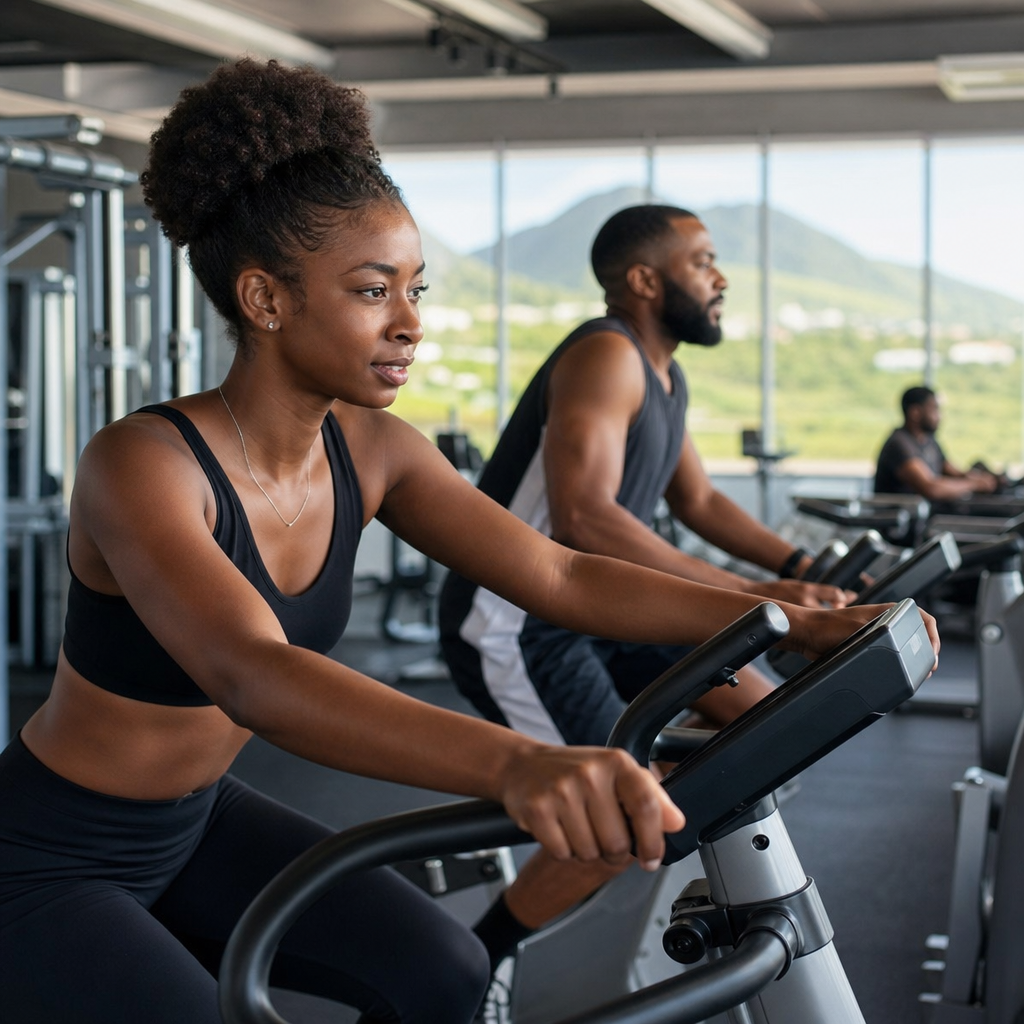
Indoor fitness in Saint Kitts has become an essential part of healthy living for residents, students, seasonal workers, and visitors who want consistent exercise without depending on sunny weather, calm seas, or daylight hours. In practical terms, indoor fitness means any structured physical activity done in covered spaces such as gyms, home workout rooms, hotel fitness centers, community halls, dance studios, school courts, and rehabilitation clinics. In Saint Kitts, where tropical showers can arrive quickly, heat and humidity can sap energy, and work schedules often stretch across tourism, education, healthcare, and transport, indoor training offers reliability that outdoor exercise cannot always match. I have seen this directly while helping people build routines on the island: the biggest barrier is rarely motivation alone; it is inconsistency caused by weather, commute time, and limited access to suitable spaces. A strong indoor fitness plan solves those problems. It also supports broader health goals, including weight management, blood sugar control, cardiovascular health, joint stability, stress reduction, and better sleep. For a subtopic hub under health and wellness, indoor fitness matters because it connects many related needs at once: beginner exercise, strength training, mobility, rehabilitation, group classes, family activity, and wellness planning for rainy season periods. Whether someone wants to maintain momentum during storms, avoid midday heat, or simply train in a more controlled environment, indoor fitness in Saint Kitts provides practical, sustainable options.
Why indoor fitness works so well in Saint Kitts
Saint Kitts has a climate that encourages movement, but it also creates predictable obstacles. Heat index levels can climb quickly, especially from late morning through afternoon, and short but intense rain can interrupt walks, runs, field sports, and beach workouts with little warning. Indoor exercise reduces exposure to dehydration risk, slippery roads, sun stress, and the stop-start pattern that derails habit formation. That matters because exercise results depend more on consistency than intensity. A person who trains indoors four times each week for thirty minutes will usually make better progress than someone who intends to run outdoors daily but misses half the sessions due to rain or fatigue from the heat.
Controlled conditions also make indoor fitness safer for beginners, older adults, and people managing hypertension, asthma, obesity, arthritis, or old injuries. Air movement, access to water, stable flooring, and predictable lighting are simple advantages, but they have real effect on adherence. In my experience, many people on the island start with a goal like losing weight or “getting fit,” then stay engaged because indoor training gives them measurable progress: more repetitions, longer cycling sessions, lower resting heart rate, better mobility, and less knee pain climbing stairs. Indoor settings also support supervision. Trainers can correct squat depth, shoulder position, breathing patterns, treadmill pacing, and dumbbell selection in real time, preventing common form errors that lead to overuse injuries.
Another reason indoor fitness works in Saint Kitts is convenience across different lifestyles. University students may prefer short workouts between lectures. Hospitality staff often need early morning or late evening options. Parents want places where classes fit school pickup schedules. Retirees may prioritize low-impact movement and social connection. Indoor spaces can accommodate all of these patterns. This makes the category broad enough to serve as a hub for related health and wellness content, from home exercise and stretching routines to gym etiquette, beginner programs, and recovery methods.
Popular indoor fitness options for different goals
The best indoor fitness option depends on the result a person wants, the equipment available, and any physical limitations. Strength training is one of the most effective choices for body composition, bone density, and metabolic health. A simple plan using dumbbells, resistance bands, kettlebells, cable machines, or body weight can improve muscle mass and functional strength within weeks. For many adults in Saint Kitts, especially those with desk-based jobs or long driving hours, strength work addresses a deeper issue than appearance: it counters the loss of muscle and mobility that comes with inactivity.
Cardio training indoors includes treadmills, stationary bikes, rowing machines, elliptical trainers, step platforms, and circuit classes. These options are useful during heavy rain, high humidity, or poor air quality from dust and seasonal conditions. They also allow precise control over effort. Instead of guessing pace on hilly roads, users can set resistance, incline, or interval timing and track progress over time. For people focused on blood pressure, endurance, or calorie expenditure, that precision is valuable.
Group exercise remains one of the strongest adherence tools. Dance fitness, yoga, Pilates, spin, martial arts conditioning, boot camps, and low-impact senior classes create accountability and community. In small-island environments, community matters. People are more likely to return when instructors know their names, notice absence, and modify movements based on fitness level. I have repeatedly found that clients who struggle with solo routines often thrive once they join a recurring class with a familiar schedule and supportive peer group.
Mobility and recovery-based sessions deserve equal attention. Stretch classes, guided foam rolling, physiotherapy-led exercise, and corrective training can reduce pain and improve movement quality. These are not secondary options. For many people, especially after injury or long periods of inactivity, mobility is the gateway that makes regular exercise possible.
Choosing the right indoor setting: gym, studio, home, or hotel
Indoor fitness in Saint Kitts does not mean one type of facility. The right setting depends on budget, privacy, training goal, and schedule. Commercial gyms usually offer the widest equipment range, including free weights, cardio machines, benches, racks, and mirrors for form checks. They suit people who want progression, variety, and access to trainers. Boutique studios are often better for specialized experiences such as yoga, dance, reformer-based core work, or small-group coaching.
Home workouts are increasingly practical because effective training does not require a room full of machines. A mat, bands, adjustable dumbbells, and a sturdy chair can support strength circuits, core work, interval cardio, and mobility sessions. Home training is ideal for people with unpredictable work hours, childcare demands, or a preference for privacy. Hotel gyms serve visitors and remote workers who want continuity while traveling. Their limitation is usually equipment depth, but a disciplined plan can still be maintained.
| Setting | Best for | Main advantage | Common limitation |
|---|---|---|---|
| Commercial gym | Strength, cardio, progressive programs | Equipment variety and coaching access | Membership cost and travel time |
| Boutique studio | Classes, technique, accountability | Structured instruction and community | Narrower class focus |
| Home setup | Busy schedules, beginners, privacy | Maximum convenience | Limited space and self-discipline needs |
| Hotel fitness room | Travel continuity, short sessions | Easy access for guests | Smaller equipment selection |
When choosing a setting, assess five factors: distance, opening hours, ventilation, cleanliness, and whether the environment matches your personality. A technically excellent gym that feels intimidating will not outperform a simpler room where you actually train three times per week. Consistency remains the deciding variable.
How to build an effective indoor fitness routine
An effective routine starts with a realistic schedule. For most adults, three to five sessions each week is enough to improve fitness if the sessions are planned well. A balanced program usually includes two or three strength sessions, one or two cardiovascular sessions, and short mobility work on most days. Beginners often do best with full-body training because it builds movement skill faster and reduces the temptation to overcomplicate things. A straightforward session might include squats or sit-to-stands, a pushing movement, a pulling movement, a hinge pattern such as deadlifts with light dumbbells, core bracing, and ten to fifteen minutes of moderate cardio.
Progression should be gradual and measurable. Increase one variable at a time: weight, repetitions, set count, duration, or reduced rest intervals. Use a simple training log. Named tools such as heart rate monitors, smartwatches, resistance band ratings, and rate of perceived exertion scales make sessions more objective. The American College of Sports Medicine consistently supports combining aerobic activity with muscle-strengthening work, and World Health Organization guidance recommends regular weekly movement for major health benefits. Those standards matter because they anchor indoor routines in proven principles rather than trends.
Warm-ups should prepare the body, not exhaust it. Five to eight minutes of light cycling, marching, dynamic hip mobility, shoulder circles, and activation drills is usually sufficient. Cool-downs can be brief, but they help lower heart rate and shift the nervous system out of high effort mode. Hydration is especially important in Saint Kitts even indoors, since people may arrive already warm from the climate outside. The most successful routines are not extreme. They are repeatable, appropriately challenging, and flexible enough to continue through busy weeks and rainy days.
Safety, motivation, and long-term results
Indoor fitness only delivers long-term results when safety and motivation are built into the system. Start with movement quality, especially for squats, lunges, pressing, pulling, and spinal positioning during loaded exercises. If pain is sharp, joint-specific, or increasing, stop and assess rather than pushing through. Proper shoes, secure flooring, and equipment maintenance are basic requirements, not extras. For individuals with diabetes, heart conditions, pregnancy, or post-injury limitations, medical clearance and professional supervision may be necessary.
Motivation improves when goals are specific and behavior-based. “Exercise four mornings a week at 6:30” works better than “get healthier.” Visible tracking helps. So does linking workouts to existing habits, such as training immediately after school drop-off or before the evening commute. Social accountability is another strong lever in Saint Kitts, where community ties are meaningful. Training with a friend, joining a recurring class, or booking sessions with a coach reduces dropout rates because attendance becomes a commitment, not a decision remade daily.
Results should be judged broadly. Weight loss may be one outcome, but better markers often appear first: improved mood, reduced back pain, lower breathlessness on stairs, stronger grip, better posture, more stable energy, and deeper sleep. Indoor fitness supports all of these because it removes environmental friction. For anyone building a resilient wellness routine in Saint Kitts, that is the central advantage. Choose a setting, define a schedule, start with manageable sessions, and stay consistent rain or shine.
Frequently Asked Questions
What counts as indoor fitness in Saint Kitts?
Indoor fitness in Saint Kitts includes much more than a traditional gym workout. It covers any planned physical activity done in a sheltered or climate-controlled space, including strength training, cardio sessions, group exercise classes, yoga, Pilates, indoor cycling, dance fitness, martial arts, rehabilitation programs, and functional training. These activities may take place in commercial gyms, hotel fitness centers, apartment complexes, home workout rooms, school courts, community centers, dance studios, and physiotherapy clinics. For many people on the island, indoor fitness is simply the most reliable way to stay active when weather shifts quickly or outdoor plans become difficult.
It is especially practical in Saint Kitts because exercise routines do not always need to depend on beach conditions, daylight, or clear skies. Residents may prefer indoor workouts during periods of heat or heavy rain, while students, seasonal workers, and visitors often appreciate the convenience of a predictable workout environment. Indoor fitness also supports a wider range of goals, from general wellness and weight management to athletic conditioning, injury recovery, and stress reduction. In short, if the activity is structured, purposeful, and done in a covered space, it fits comfortably within the idea of indoor fitness on the island.
Why is indoor fitness so important in Saint Kitts?
Indoor fitness is important in Saint Kitts because consistency is one of the biggest factors in long-term health, and indoor spaces make consistency easier. Tropical showers can interrupt walking, running, field sports, and other outdoor activities with little warning. High humidity, intense midday heat, and changing evening conditions can also make outdoor exercise less comfortable or less practical on some days. Indoor options allow people to continue training regardless of rain, darkness, or schedule changes, which helps maintain momentum and reduce the stop-and-start pattern that often slows progress.
It also matters from a lifestyle perspective. Many people balancing work, school, family responsibilities, or travel need exercise options that are efficient and predictable. A gym session, studio class, or home workout can usually be planned more precisely than an outdoor activity. Indoor fitness environments may also offer equipment, coaching, and safety features that support better form, progressive training, and goal tracking. For beginners, these spaces can feel more approachable because they provide structure. For experienced exercisers, they offer the tools needed for targeted strength, endurance, and recovery work. That combination of reliability, convenience, and control makes indoor fitness a valuable part of healthy living in Saint Kitts.
What types of indoor workouts are best for residents, students, and visitors?
The best indoor workout depends on a person’s goals, schedule, fitness level, and access to facilities, but several formats work especially well in Saint Kitts. For residents looking to build a sustainable routine, a balanced weekly plan often includes strength training, cardiovascular exercise, mobility work, and recovery sessions. Strength training with machines, free weights, resistance bands, or bodyweight exercises helps preserve muscle mass, improve metabolism, and support everyday movement. Cardio options such as treadmills, stationary bikes, rowing machines, aerobics classes, or dance sessions improve heart health and stamina. Flexibility and mobility sessions, including yoga or guided stretching, can help offset long hours of sitting or physically demanding work.
Students often benefit from time-efficient workouts that fit around classes and study commitments, such as circuit training, short HIIT sessions, bodyweight routines, or small-group classes. Visitors and seasonal workers may prefer simple, adaptable plans that can be done in hotel gyms or small indoor spaces, including dumbbell workouts, resistance band training, treadmill intervals, and mat-based core sessions. People recovering from injury or managing joint concerns may find low-impact indoor activities particularly useful, such as cycling, elliptical training, supervised rehabilitation exercise, or controlled strength work. The most effective indoor workout is the one that can be repeated consistently and adjusted safely over time, so a realistic routine usually delivers better results than an overly ambitious one.
Can you stay fit in Saint Kitts without a full gym membership?
Yes, absolutely. A full gym membership can be helpful, but it is not the only way to maintain fitness in Saint Kitts. Many people stay active with home-based routines using minimal equipment such as resistance bands, dumbbells, kettlebells, a yoga mat, or even just bodyweight exercises. Squats, lunges, push-ups, planks, glute bridges, step-ups, and mobility drills can create a very effective full-body program in a living room, spare room, covered patio, or apartment space. Short but consistent workouts done several times per week can improve strength, endurance, and energy levels significantly.
There are also other practical indoor options beyond a standard gym. Hotel fitness centers, school facilities, dance studios, community halls, and private coaching sessions can all provide structured exercise opportunities. Online classes and fitness apps make it easier than ever to follow guided workouts for cardio, strength, Pilates, yoga, and mobility training. For people with irregular schedules, this flexibility is a major advantage. The key is to create a routine that matches available space, budget, and personal goals. Even with limited equipment, a well-designed indoor program can be highly effective if it includes progressive challenge, proper recovery, and regular practice.
How can someone build a consistent indoor fitness routine in Saint Kitts year-round?
Building a consistent indoor fitness routine starts with making exercise realistic, not perfect. In Saint Kitts, the most successful routines are usually built around convenience and repeatability. Begin by choosing a location that is easy to access, whether that is a gym near work, a hotel fitness center, a campus facility, a community hall, or a dedicated space at home. Then decide on a weekly schedule that fits current responsibilities. For most people, three to five sessions per week is a practical target. It helps to assign each day a purpose, such as strength training on two days, cardio on two days, and mobility or recovery on another. This creates structure without making the plan too complicated.
Consistency also improves when workouts are measurable and enjoyable. Tracking sessions, weights, repetitions, time, or energy levels helps people see progress, which increases motivation. Choosing activities that feel engaging, whether that means dance classes, treadmill walks, group training, yoga, or resistance work, makes it easier to keep going through busy periods or rainy weeks. It is also wise to build flexibility into the plan. If a full session is not possible, a shorter workout is still valuable. Over time, those smaller efforts add up. Staying hydrated, allowing recovery, and adjusting intensity during stressful periods are equally important for year-round success. The goal is not to train hard every day; it is to maintain a dependable habit that supports health in every season, rain or shine.