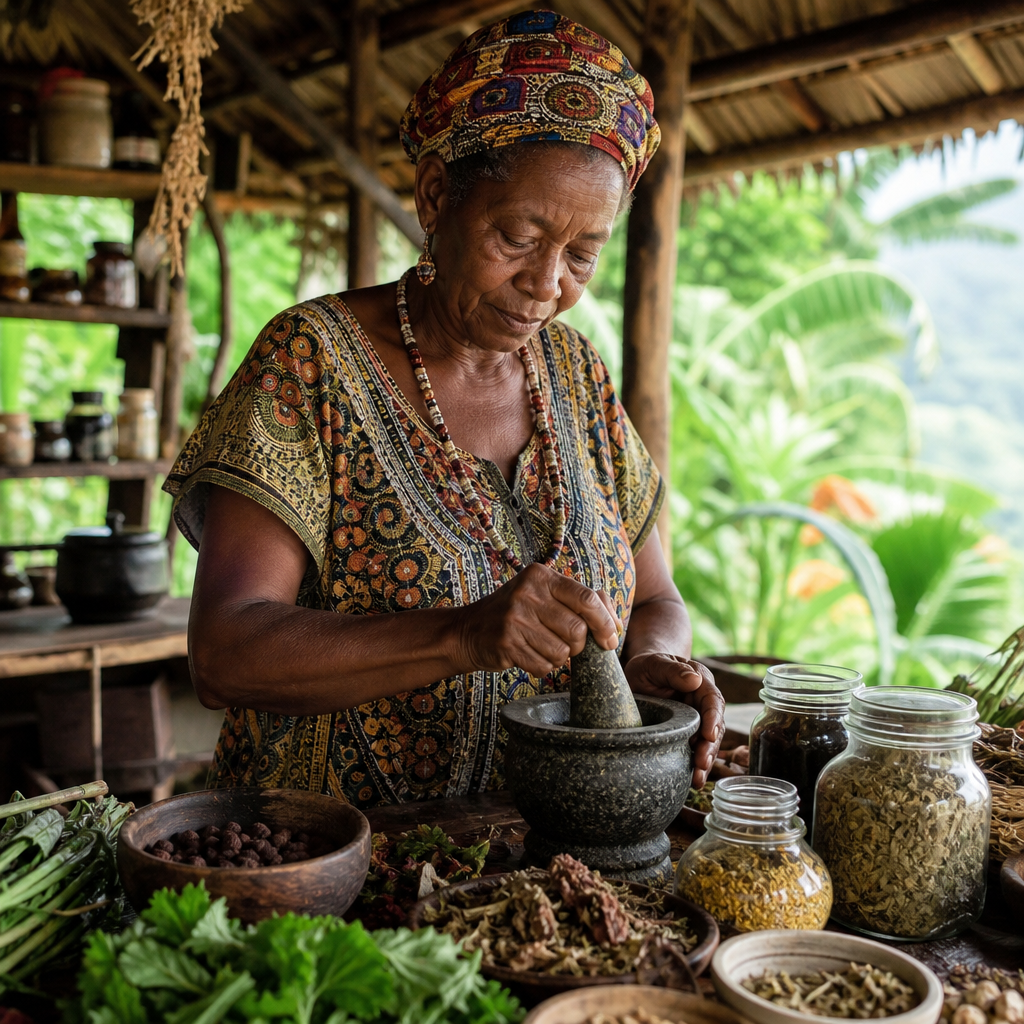
Saint Kitts’ alternative medicine reflects the island’s layered history, blending African, Caribbean, European, and contemporary wellness traditions into a practical system of care used alongside conventional treatment. In this context, alternative medicine includes herbal remedies, bush teas, massage, spiritual healing, nutritional practices, mindfulness, and imported systems such as acupuncture, chiropractic care, and naturopathy. On Saint Kitts, these approaches matter because access, cost, culture, and trust all shape how people manage health. I have seen patients, families, and wellness practitioners treat a cold with cerasee tea, seek massage for chronic back pain, and combine doctor visits with prayer, plant remedies, and dietary changes. That combination is not unusual; it is part of everyday life.
Understanding alternative medicine in Saint Kitts requires more than listing remedies. It means looking at why people use them, which practices are most common, where they fit safely, and how they connect to wider health and wellness goals. This hub article covers the miscellaneous healing practices that sit around, between, and beyond standard medical care. It explains the local herbal tradition, body-based therapies, spiritual and mind-body approaches, food-based healing, regulation, risks, and the role of tourism and modern wellness businesses. For readers exploring Health and Wellness on Saint Kitts, this page provides the broad map: what exists, what is culturally significant, what has evidence behind it, and what should be used carefully.
What alternative medicine looks like in Saint Kitts
Alternative medicine in Saint Kitts is best understood as a spectrum rather than a single system. At one end are longstanding household practices, especially bush medicine. Families prepare infusions, decoctions, poultices, and tonics from plants such as lemongrass, ginger, soursop leaf, noni, aloe vera, and cerasee. These remedies are commonly used for colds, stomach discomfort, “cleansing,” blood sugar support, sleep, and general wellbeing. At the other end are clinic-based services including massage therapy, chiropractic treatment, acupuncture, yoga instruction, guided meditation, and nutritional counseling, often marketed to both residents and visitors.
The key distinction is not whether a method is old or new, but how it is used. In daily life, most Kittitians do not frame healing in rigid categories. A person may see a physician for hypertension, drink herbal tea for relaxation, receive massage for muscle tension, and attend church for spiritual support. That blended approach mirrors patterns across the Caribbean, where health behavior is strongly influenced by family knowledge, community trust, and the practical reality that mild ailments are often managed at home first.
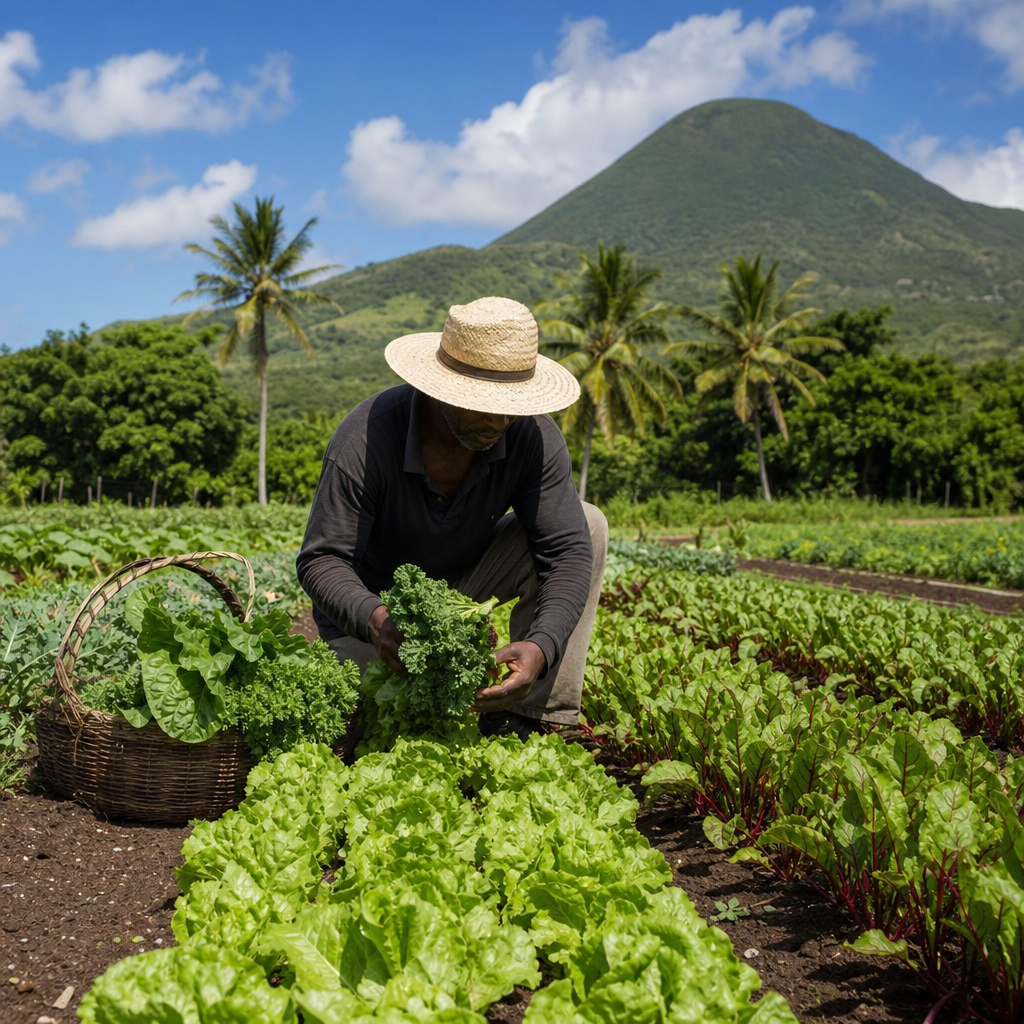
Several forces keep these practices relevant. Cost matters. So does convenience. Herbal ingredients may be grown in home gardens or purchased in markets. Cultural continuity matters too: remedies passed down by grandparents carry credibility because people believe they have seen them work. At the same time, imported wellness models have grown through tourism, social media, and practitioner training abroad. As a result, Saint Kitts now has a mixed landscape where traditional plant medicine coexists with modern complementary therapies.
Herbal medicine and bush remedies: the island’s most visible tradition
Herbal medicine is the most recognizable form of alternative healing on Saint Kitts. The term “bush medicine” usually refers to medicinal use of local plants prepared as teas, baths, oils, or topical applications. Common examples include ginger for nausea and colds, lemongrass for calming and fever support, aloe vera for skin irritation, and cerasee, a bitter vine often used in the Caribbean for digestion and general cleansing. Soursop leaves are sometimes brewed for relaxation, while turmeric is used for inflammation-related complaints. These uses are rooted in oral tradition, but some overlap with documented phytochemical properties studied in pharmacognosy and ethnobotany.
Preparation method matters. A tea made by steeping leaves is not the same as a concentrated decoction simmered for long periods, and dose affects risk as much as benefit. That is one reason “natural” does not automatically mean safe. Cerasee, for example, is widely used, but overly strong preparations can cause gastrointestinal distress. Noni products are popular across the region, yet concentrated use may be unsuitable for people with certain kidney or potassium-related conditions. Herbal interactions with anticoagulants, diabetes medicines, and blood pressure drugs are a real concern.
Still, bush remedies remain central because they are accessible and culturally embedded. A grandmother recommending ginger and lime for a cold is not offering an abstract wellness idea; she is applying community knowledge shaped by generations of use. For minor symptoms, that home-based care can be sensible. The safest practice is to treat herbal medicine as active therapy: identify the plant correctly, use modest amounts, avoid mixing many remedies at once, and tell a licensed clinician about any herbs being taken.
Body-based therapies and hands-on healing
Massage therapy is one of the fastest-growing complementary health services on Saint Kitts, driven by both local demand and the hospitality sector. People use massage for stress reduction, recovery after physical work, sports soreness, neck tension, and lower back pain. In practical terms, it can improve circulation, support relaxation, and reduce perceived pain, especially when combined with stretching and ergonomic changes. Resort spas often emphasize Swedish massage and aromatherapy, while independent practitioners may also offer deep tissue work, lymphatic-style massage, or prenatal sessions.
Chiropractic and osteopathic-style manual care are less widespread but attract people with persistent musculoskeletal complaints. The strongest use case for manual therapy is mechanical pain, especially uncomplicated low back pain, stiffness, and posture-related discomfort. It is less appropriate for fractures, infections, severe nerve compression, or unexplained symptoms such as weight loss or night pain. In those cases, medical assessment comes first. I have found that the best outcomes happen when body-based practitioners stay inside their scope, document red flags, and refer quickly when a problem may be more than muscle tension.
Acupuncture appears less commonly than massage, but interest has grown because travelers and returning nationals already know the practice. Evidence is strongest for certain pain conditions, tension headaches, and nausea management. Results vary by practitioner skill and patient expectation. The practical point for Saint Kitts is simple: body-based therapies can be useful, but they work best as targeted interventions for defined problems, not as universal substitutes for diagnosis.
| Practice | Common use on Saint Kitts | Potential benefit | Main caution |
|---|---|---|---|
| Bush teas | Colds, digestion, relaxation | Accessible home care for mild symptoms | Incorrect dosing and drug interactions |
| Massage therapy | Stress, muscle pain, recovery | Reduced tension and improved comfort | Not a replacement for diagnosis of serious pain |
| Acupuncture | Pain, headaches, nausea | Helpful for selected conditions | Requires trained practitioner and clean technique |
| Nutrition counseling | Weight, blood sugar, heart health | Supports long-term disease prevention | Results depend on sustained behavior change |
Spiritual healing, prayer, and mind-body practices
In Saint Kitts, spiritual healing is not a fringe concept. For many people, prayer, church support, fasting, anointing, and faith-based counseling are part of health management, especially during illness, grief, and uncertainty. This does not always conflict with conventional medicine. In practice, spiritual care often supplies meaning, community support, stress relief, and emotional resilience. Those effects matter because chronic stress influences sleep, pain perception, blood pressure, and adherence to treatment.
Mind-body practices have also expanded beyond religious settings. Yoga classes, breathwork, guided meditation, and mindfulness sessions are increasingly available through gyms, private instructors, and hotels. Their value is clearest in stress regulation, flexibility, sleep, and coping with anxiety. The physiology is straightforward: slow breathing and relaxation practices can reduce sympathetic nervous system arousal, while regular movement improves mood and mobility. For residents balancing demanding jobs, family obligations, and financial pressure, these are not luxury trends; they can be practical self-management tools.
There are limitations. Meditation is not a stand-alone treatment for severe depression, psychosis, or substance withdrawal. Spiritual counseling cannot manage diabetic ketoacidosis, stroke, or sepsis. Yet dismissing these practices would miss their real role in the health ecosystem. They often increase a person’s willingness to engage in recovery, maintain routine, and feel supported. Used alongside clinical care, they can strengthen rather than weaken outcomes.
Food as medicine, detox claims, and everyday wellness culture
Nutrition-based healing sits at the intersection of tradition and modern wellness business. On Saint Kitts, food-as-medicine often means herbal drinks, fresh juices, soups, reduced processed foods, and increased use of local produce such as breadfruit, green bananas, coconut, papaya, callaloo, and fresh fish. These choices can support heart health, digestion, hydration, and weight management when they replace heavily processed, high-sodium, high-sugar patterns. Given the Caribbean burden of hypertension and diabetes, this area has more public health relevance than many trend-driven therapies.
At the same time, detox products and cleansing programs deserve skepticism. The body already relies on the liver, kidneys, lungs, and gastrointestinal tract for detoxification. Most commercial detox plans overpromise and under-explain. A bitter tea or juice fast may create a short-term sense of reset, but that does not mean toxins were removed in any meaningful medical sense. More concerning, aggressive fasting can destabilize blood sugar, worsen dehydration, or interfere with medications. The useful version of nutritional healing is not extreme cleansing. It is consistent eating patterns, portion control, fiber intake, hydration, and culturally realistic substitutions that people can maintain.
This is also where local wellness businesses can add value if they stay evidence-based. A nutrition coach who helps a client reduce sweetened drinks, increase vegetables, and plan lower-sodium meals is doing more for long-term health than any miracle tonic. Sustainable habits outperform dramatic claims every time.
Safety, regulation, and how to choose a trustworthy practitioner
The biggest issue in alternative medicine is not whether a practice is traditional or modern. It is whether it is used safely, honestly, and in the right clinical context. Saint Kitts, like many small island settings, has a mixed regulatory environment. Some practitioners hold recognized qualifications from accredited institutions; others rely mainly on informal experience, apprenticeship, or reputation. That does not automatically make traditional knowledge invalid, but it does mean consumers must ask better questions.
Start with scope and training. A massage therapist should be able to explain credentials, contraindications, hygiene standards, and referral rules. An herbal seller should know the plant name, preparation method, intended use, and common cautions. A nutrition advisor should not tell clients to stop prescribed medication without physician input. Warning signs include claims to cure cancer, reverse all chronic disease, or treat every person with the same protocol. Good practitioners welcome medical collaboration and know when symptoms need urgent evaluation.
Consumers should also watch for quality issues. Herbal products can vary in strength, purity, and storage conditions. Imported supplements may contain undeclared ingredients or inconsistent doses. Needle-based procedures require sterile technique. Oils and creams can trigger allergic reactions. For this reason, the safest model is integrated care: use complementary therapies for support, symptom management, and prevention, while relying on licensed medical assessment for diagnosis, emergencies, and complex disease management.
The future of alternative medicine in Saint Kitts
Alternative medicine in Saint Kitts is likely to become more organized, more commercial, and more visible within the broader Health and Wellness sector. Tourism will continue to shape demand for spa therapies, yoga retreats, herbal products, and personalized wellness services. At the same time, rising rates of chronic disease will keep attention on nutrition, stress management, movement, and preventive care. The opportunity is to preserve valuable local knowledge while improving standards, documentation, and consumer protection.
The most promising direction is not a contest between conventional and alternative care. It is thoughtful integration. Bush medicine can preserve cultural knowledge and support minor self-care. Massage and acupuncture can help selected pain conditions. Mind-body practices can reduce stress and improve adherence. Nutrition-focused wellness can address everyday risk factors that drive poor health outcomes. But every one of these benefits depends on honest claims, practitioner competence, and a clear understanding of limits.
For anyone exploring Saint Kitts’ alternative medicine, the main takeaway is simple: respect tradition, look for evidence, and use common sense. Ask what a therapy is for, what it cannot do, and whether it fits your actual health needs. If you are building a fuller picture of wellness on the island, use this hub as your starting point and continue into related articles on herbal remedies, nutrition, fitness, mental wellbeing, and preventive care.
Frequently Asked Questions
What types of alternative medicine are commonly practiced in Saint Kitts?
Alternative medicine in Saint Kitts includes a broad mix of long-standing local traditions and newer wellness approaches that have been adopted over time. One of the most recognized forms is the use of herbal remedies and bush teas, which are often prepared from locally known plants and used to support digestion, colds, stress relief, circulation, and general wellness. These practices are deeply connected to family knowledge, community experience, and the island’s African and Caribbean cultural roots. In many households, herbal preparations are not seen as unusual or fringe, but as a familiar part of everyday health management.
Massage and bodywork are also widely valued, especially for muscle tension, fatigue, physical recovery, and relaxation. Spiritual healing has an important place as well, particularly where emotional distress, grief, anxiety, or unexplained discomfort are understood through both physical and spiritual lenses. Alongside these traditional approaches, Saint Kitts also reflects modern global wellness trends. Residents and visitors may seek acupuncture, chiropractic care, naturopathy, nutritional counseling, mindfulness practices, yoga, and other complementary therapies. What makes the island’s alternative medicine landscape distinctive is that it is not limited to one philosophy. Instead, it is a practical, blended system of care, where people often combine home remedies, community wisdom, faith-based healing, and professional services with conventional medical treatment.
Why does alternative medicine remain important in Saint Kitts today?
Alternative medicine continues to matter in Saint Kitts because it meets both cultural and practical needs. For many people, these healing methods are tied to heritage, identity, and intergenerational knowledge. Remedies are often passed down through parents, grandparents, and respected community members, which gives them a level of trust and familiarity that formal medical systems do not always provide on their own. This cultural continuity helps explain why herbal care, massage, spiritual support, and food-based healing remain relevant even as biomedical services expand.
There are also practical reasons for its continued importance. Access, cost, convenience, and personal preference all influence how people manage health concerns. Some individuals use alternative medicine as a first response for minor ailments, while others turn to it for chronic pain, stress, digestive issues, sleep problems, or general wellness support. In many cases, these approaches are used alongside conventional care rather than instead of it. People may take prescribed treatment while also drinking bush teas, improving diet, using massage, or practicing mindfulness to support recovery. This combined approach reflects a realistic view of health on the island: healing is often understood as physical, emotional, social, and spiritual, not just clinical. That broader understanding helps explain why alternative medicine remains deeply woven into everyday life in Saint Kitts.
Are herbal remedies and bush teas in Saint Kitts considered safe?
Herbal remedies and bush teas can be helpful, but they should not automatically be assumed to be safe simply because they are natural or traditional. In Saint Kitts, many plant-based remedies are respected because they have been used for generations, and that history can offer valuable practical knowledge. However, safety still depends on the specific plant, the amount used, how it is prepared, the person’s age and health condition, and whether the remedy is being combined with prescription medications or other supplements. Some herbs may cause side effects, trigger allergic reactions, affect blood pressure or blood sugar, or interfere with medicines used for heart disease, diabetes, pregnancy, or other serious conditions.
The safest approach is to treat herbal medicine with the same seriousness as any other form of care. If someone is pregnant, nursing, managing a chronic illness, preparing for surgery, or taking regular medication, it is especially important to speak with a qualified healthcare professional before using herbal treatments. It is also wise to be cautious about dosage and plant identification, since confusion between similar plants can create real risk. Traditional knowledge deserves respect, but it works best when paired with clear information and sound judgment. In practice, many people in Saint Kitts use herbal remedies responsibly as supportive care for mild complaints or general wellness, while seeking medical evaluation for severe, persistent, or unexplained symptoms.
How do people in Saint Kitts combine alternative medicine with conventional healthcare?
In Saint Kitts, many people do not view alternative medicine and conventional medicine as opposing systems. Instead, they use them together in ways that feel practical and effective. Someone might visit a doctor for diagnosis, testing, or prescription treatment, while also using massage for pain relief, nutritional changes to improve energy, mindfulness for stress, or herbal teas for comfort and symptom support. This combined approach is especially common for ongoing concerns such as back pain, anxiety, fatigue, digestive discomfort, and recovery after illness, where people often want more than one path toward feeling better.
The key to combining these approaches safely is communication and balance. Conventional healthcare is especially important for emergencies, infections, serious injuries, chronic disease monitoring, and any condition that requires testing or specialist care. Alternative therapies may then play a complementary role by supporting symptom relief, lifestyle improvement, stress reduction, and overall well-being. Problems usually arise when people hide what they are taking, delay medical treatment for serious symptoms, or assume a natural remedy can replace evidence-based care in all situations. The best outcomes usually come when patients are open about all therapies they are using and make informed decisions. In that sense, Saint Kitts offers a strong example of integrative thinking: people often seek the strengths of both modern medicine and traditional or complementary healing rather than choosing only one.
What should someone look for when choosing an alternative medicine practitioner in Saint Kitts?
Choosing an alternative medicine practitioner in Saint Kitts should begin with credibility, experience, and clear communication. A trustworthy practitioner should be able to explain what they do, what their training includes, what conditions they commonly work with, and what results a person can realistically expect. Whether the service involves massage therapy, acupuncture, chiropractic care, naturopathy, nutritional support, or spiritual guidance, the practitioner should avoid exaggerated promises and should never discourage necessary medical care for serious conditions. Good practitioners are usually willing to discuss limits, refer clients for medical attention when needed, and encourage a thoughtful, informed approach to healing.
It is also important to consider reputation, hygiene, professionalism, and the quality of the consultation itself. People should feel comfortable asking questions about methods, risks, frequency of treatment, and total cost. For herbal recommendations, ask how remedies are sourced, prepared, and dosed. For hands-on therapies, the setting should appear clean, organized, and respectful of safety. For any treatment plan, the advice should be tailored to the individual rather than presented as a one-size-fits-all solution. In a place like Saint Kitts, where healing traditions are both cultural and practical, the best choice is often a practitioner who respects local knowledge while also understanding modern standards of safety and patient care. That combination can help ensure that alternative medicine is used as a meaningful support to health rather than as a source of confusion or risk.