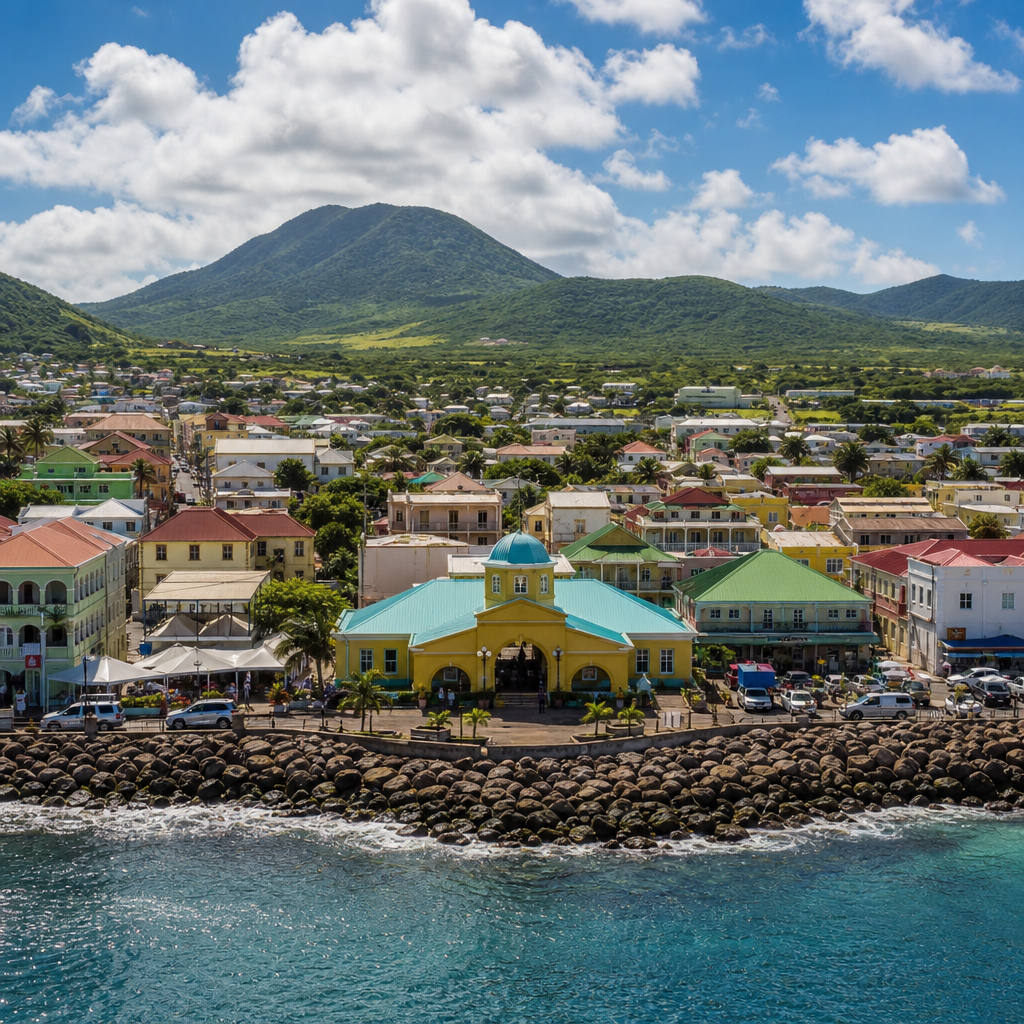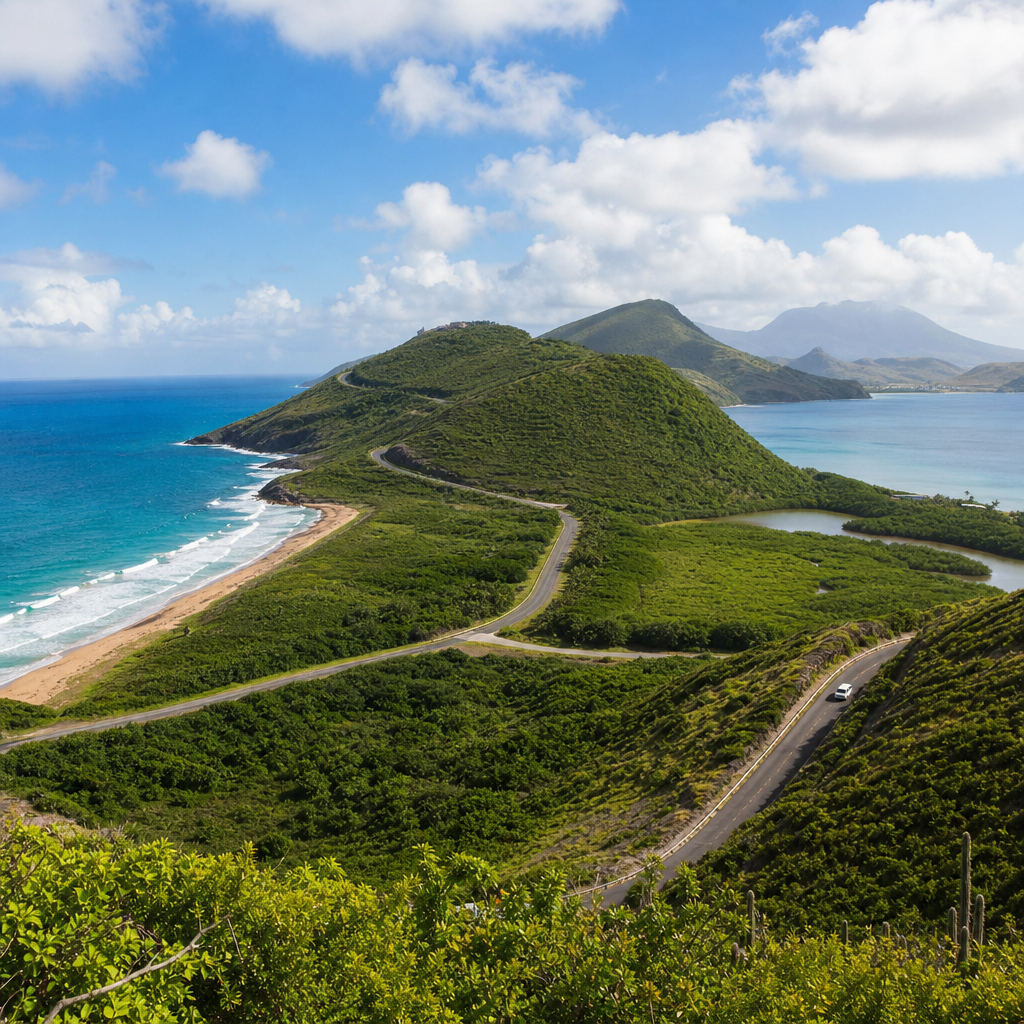
Active living in Nevis is more than a fitness trend; it is a practical way of life shaped by warm weather, short travel distances, ocean access, and a culture that naturally supports movement. In this guide, active living means building regular physical activity into everyday routines through walking, hiking, swimming, cycling, paddling, community sports, mindful recovery, and healthy habits that fit the island’s pace. Nevis, the smaller island in the Federation of Saint Kitts and Nevis, offers a setting where exercise is not confined to a gym. Beaches, village roads, volcanic slopes, hotel wellness programs, and local sporting traditions all contribute to an environment that makes movement easier to sustain.
This matters for both residents and visitors because consistency, not intensity alone, drives long-term health outcomes. The World Health Organization recommends at least 150 minutes of moderate aerobic activity weekly, plus muscle-strengthening work on two or more days. In Nevis, those targets are realistic without complicated equipment. A sunrise beach walk in Pinney’s, an uphill village route near Gingerland, a weekend hike on Nevis Peak, or a swim in calm coastal water can collectively meet meaningful activity goals. I have seen that people stick with movement longer when it feels connected to place, community, and daily rhythm rather than imposed from outside.
Nevis also rewards a broader definition of wellness. Active living here includes sleep quality, hydration in tropical heat, safe sun exposure, nutrition built around fresh produce and seafood, and recovery practices that prevent overuse injuries. It includes adapting to humidity, choosing terrain that matches ability, and understanding when sea conditions or midday temperatures make a planned session unwise. This hub article covers the full miscellaneous landscape of active living in Nevis so readers can understand the options, the benefits, the tradeoffs, and the practical steps needed to create a sustainable island-based routine.
Why Nevis Supports an Active Lifestyle
Nevis is unusually well suited to routine movement because the island combines accessibility with variety. You can move from coastal flats to steep inland roads within minutes, which means beginners and experienced athletes can both find workable terrain. Short drive times reduce friction. On larger islands, time spent commuting to trails, beaches, or sports facilities often becomes the hidden barrier that disrupts healthy habits. In Nevis, a person can finish work, reach a beach for a swim, and still be home for dinner without turning exercise into an all-day project.
Climate is another advantage, though it demands planning. Temperatures are generally warm year-round, and daylight supports early outdoor sessions. The tradeoff is heat stress, especially from late morning through midafternoon. In practice, the most successful schedules on Nevis are built around early starts and evening cooldown sessions. Hydration is not optional. Even moderate walking in humidity can produce significant sweat loss, so active residents typically carry water, use electrolyte replacement after longer sessions, and wear breathable clothing. Sunscreen, hats, and UV-protective shirts matter just as much as good shoes.
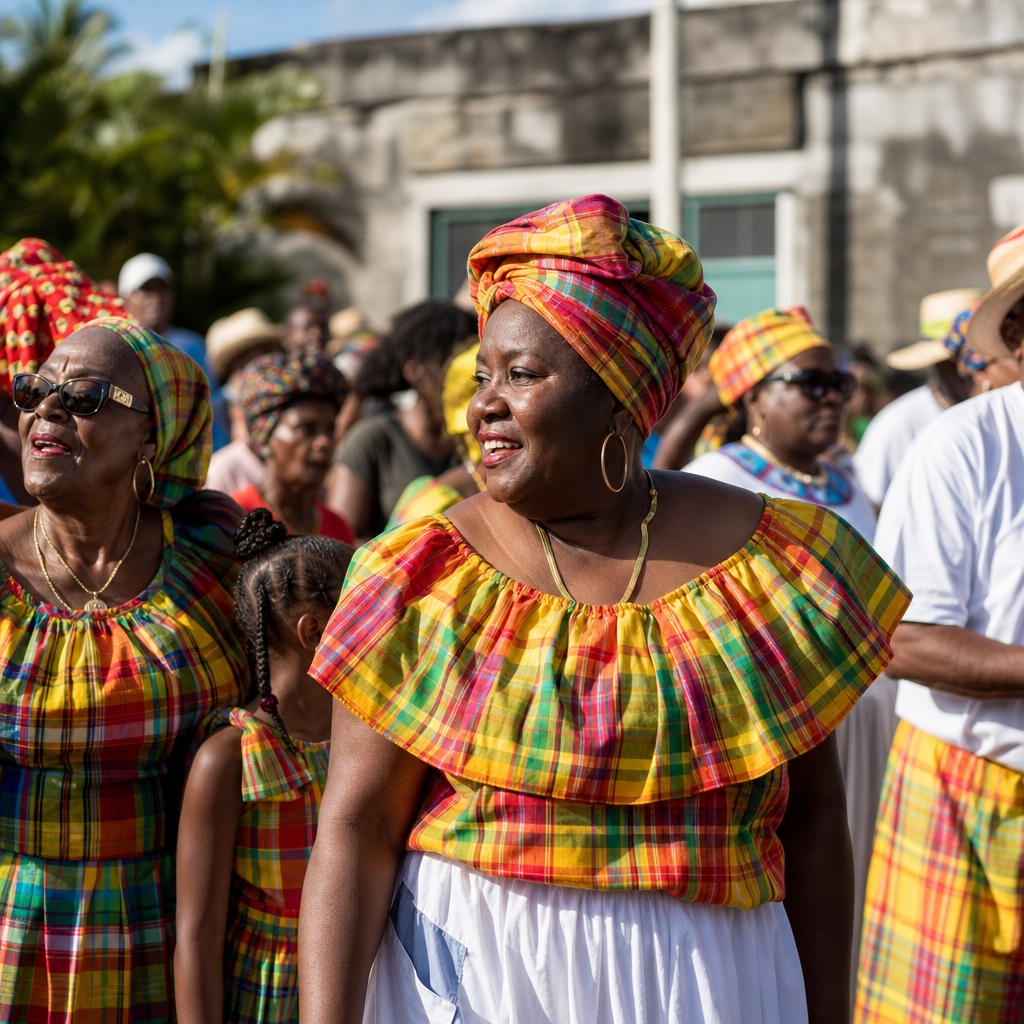
The island’s social environment also helps. Cricket, football, road races, community events, and hotel wellness activities create low-pressure ways to stay engaged. For many people, adherence improves when exercise is social and visible. Seeing walkers on Pinney’s Beach at sunrise or groups training on local roads creates a norm around movement. That matters because behavior follows environment. Nevis makes healthy activity feel ordinary, and that is one of the strongest predictors of long-term success.
Walking, Running, and Everyday Movement
Walking is the simplest entry point for active living in Nevis, and it remains one of the most effective. A brisk thirty-minute walk improves cardiovascular health, glucose control, and mood while placing less strain on joints than higher-impact training. In Nevis, common walking zones include Pinney’s Beach, quieter village roads in the morning, and resort-adjacent paths where footing is predictable. For older adults or people returning to exercise after illness or injury, walking offers a safe progression model: start with fifteen to twenty minutes, maintain conversational pace, then increase duration before speed.
Running is also practical, but route choice matters. Coastal roads can be flatter and better for easy mileage, while inland sections around Gingerland introduce sustained climbs that build strength and aerobic capacity quickly. I advise runners to treat Nevis hills with respect, especially if arriving from cooler climates. Humidity elevates perceived exertion, and paces that feel manageable elsewhere can become unsustainably hard. Most successful runners use effort, heart rate, or walk-run intervals rather than forcing familiar times in unfamiliar conditions.
Everyday movement deserves equal attention. Taking stairs, walking short errands, stretching during work breaks, and standing more often can significantly increase total daily energy expenditure. These low-drama actions often matter more than occasional hard workouts. On an island where many destinations are close, building routine movement into normal life is realistic. That is the foundation of active living in Nevis: not one heroic session, but many repeatable actions that accumulate over weeks and months.
Hiking, Trails, and Outdoor Adventure
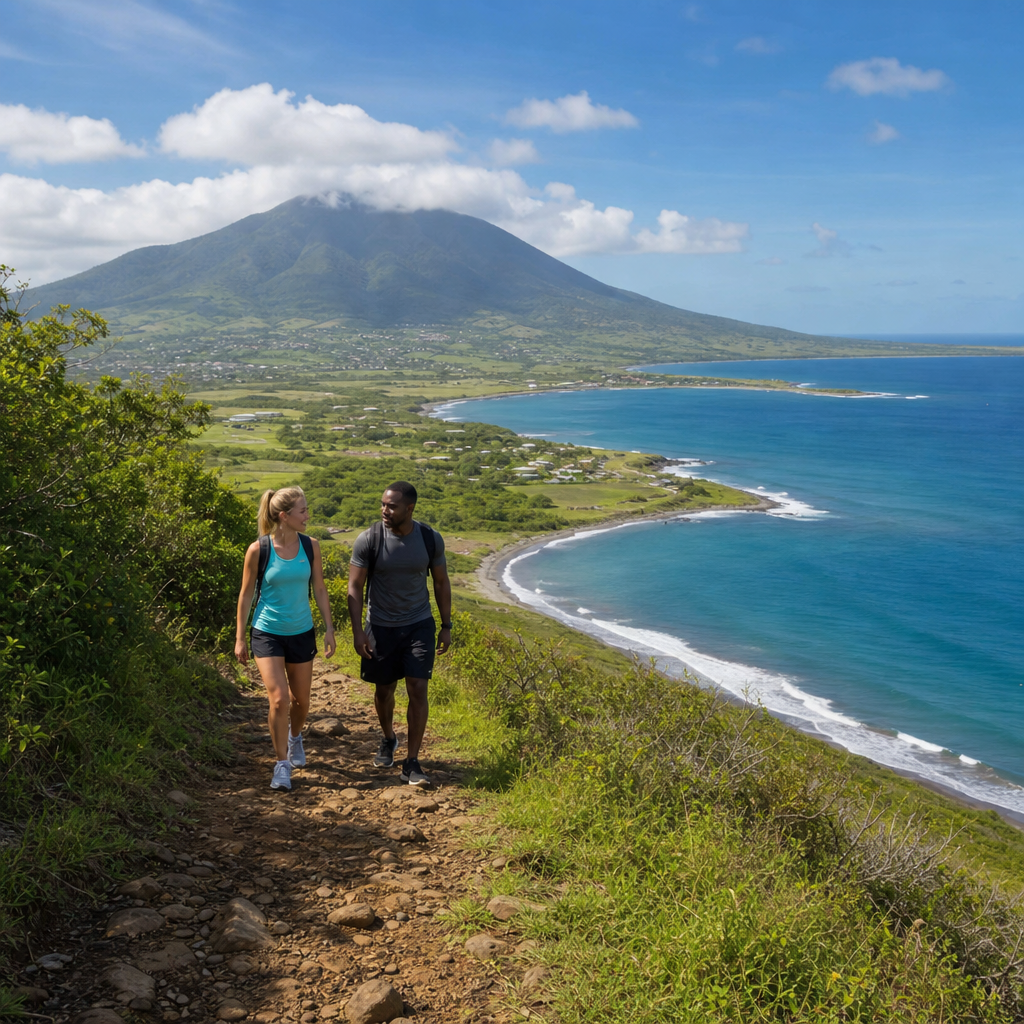
Hiking is one of Nevis’s defining active pursuits because the landscape offers both scenic reward and genuine physical challenge. Nevis Peak is the best-known objective, rising sharply and often requiring a guided approach due to steep gradients, slippery sections, roots, mud, and changing visibility. This is not a casual walk. It demands proper footwear with grip, sufficient water, and a realistic assessment of fitness. For experienced hikers, however, it is one of the most memorable training days in the eastern Caribbean, combining endurance, balance, and lower-body strength with rainforest immersion.
Not everyone needs a summit effort. Shorter nature walks and moderate climbs can deliver many of the same benefits with less risk. Uneven terrain improves proprioception, ankle stability, and coordination, while shaded routes help reduce heat exposure compared with open-road exercise. Guided hikes add value because local knowledge improves safety and interpretation. A guide can identify weather shifts, route hazards, and ecological details that turn a workout into a richer island experience.
Outdoor adventure on Nevis can extend beyond hiking to paddling, snorkeling with active swim segments, and beach-based mobility work. The key is matching the activity to conditions and ability. Rain can make trails hazardous. Swells and currents can turn a casual sea session into a poor decision. Smart active living is not about doing the hardest thing available; it is about choosing the right challenge on the right day and finishing strong enough to repeat it again.
Water Sports, Swimming, and Low-Impact Fitness
Swimming is one of the best full-body activities available in Nevis because it trains the cardiovascular system while minimizing impact on knees, hips, and spine. Calm mornings often provide the safest and most comfortable conditions for recreational swimming along protected coastal areas. For beginners, parallel-to-shore swimming is the most sensible format. It reduces risk, allows frequent stops, and makes it easier to monitor fatigue. Stronger swimmers can use interval sets in open water, but they should still account for chop, currents, marine traffic, and changing weather.
Stand-up paddleboarding and kayaking add core engagement, balance training, and shoulder endurance without the pounding of road work. These activities are especially useful for people seeking variety or active recovery between harder sessions. Snorkeling can also function as meaningful movement when approached intentionally rather than passively. Finning, controlled breathing, and repeated entries and exits from shore can create a moderate workout, especially over longer durations.
Low-impact fitness matters because sustainability depends on preserving joints and managing fatigue. Many active adults on Nevis do better when they combine two or three weekly walks or runs with one or two water-based sessions. That mix spreads mechanical load across the body and helps prevent repetitive strain. For people managing arthritis, old injuries, or excess body weight, water-based exercise may be the difference between sporadic effort and long-term consistency.
Nutrition, Hydration, and Recovery for the Island Climate
Active living in Nevis works best when training is supported by practical nutrition and recovery. Tropical heat changes basic needs. Sweat rates rise, sodium losses increase, and appetite can become unreliable after hot sessions. Water alone is fine for short, light activity, but longer workouts often benefit from electrolytes, especially for people who sweat heavily or finish with salt marks on clothing. A simple rule is to begin activity hydrated, drink regularly rather than reactively, and replace fluids steadily after exercise.
Food quality influences performance more than most people realize. Nevis offers useful foundations for active eating: fresh fish, fruit, vegetables, peas, ground provisions, and lighter grilled preparations. A balanced plate after training should include protein for muscle repair, carbohydrate for glycogen replacement, and produce for micronutrients. Good examples include grilled fish with rice and peas and salad, or fruit with yogurt and nuts after an early walk. Heavy alcohol intake, especially in the heat, compromises recovery, sleep, and next-day performance.
| Need | Practical Nevis Strategy | Why It Helps |
|---|---|---|
| Hydration | Drink water before sunrise sessions; add electrolytes after long or sweaty workouts | Supports circulation, temperature control, and stamina |
| Fueling | Use fruit, oats, yogurt, or toast before moderate activity; eat protein after | Improves energy availability and muscle repair |
| Heat management | Train early or near sunset; choose shaded routes when possible | Reduces heat strain and lowers perceived exertion |
| Recovery | Prioritize sleep, easy walks, stretching, and one lighter day each week | Prevents fatigue accumulation and overuse injury |
Recovery is where many otherwise motivated people fail. Improvement occurs after training, not during it. On Nevis, that means respecting sleep, avoiding constant high intensity, and using active recovery such as gentle beach walks, mobility sessions, or easy swims. If resting heart rate stays elevated, legs feel persistently heavy, or motivation drops sharply, the answer is often not more effort but better recovery.
Building a Sustainable Routine in Nevis
The best active lifestyle plan in Nevis is simple enough to repeat and flexible enough to survive bad weather, travel, work demands, and fluctuating energy. A practical weekly template might include three brisk walks or runs, one hike or hills session, one swim or paddle session, and two short strength routines using body weight or resistance bands. That structure covers endurance, strength, balance, mobility, and enjoyment without requiring a formal gym membership. It also respects the island’s strongest asset: outdoor variety.
Beginners should start below what feels possible. That advice comes from experience. People often arrive inspired by scenery and overcommit in the first week, then lose momentum after soreness, dehydration, or minor injury. A better progression is to increase one variable at a time: duration first, then frequency, then intensity. For example, move from twenty-minute walks to thirty-minute walks before adding hills or intervals. For hiking, master moderate routes before attempting Nevis Peak.
Tracking helps when used correctly. A phone, smartwatch, training log, or simple calendar can reveal consistency patterns and recovery needs. Metrics like weekly minutes, step count, sleep, resting heart rate, and perceived exertion are more useful than chasing calories burned. The goal is not constant optimization; it is making active living in Nevis durable and enjoyable. Start with a schedule you can keep for three months, adjust for climate and fitness, and keep building. The island gives you the setting. Your next step is to turn that setting into routine.
Active living in Nevis succeeds because the island makes healthy movement practical, varied, and rewarding. Walking, running, hiking, swimming, paddling, and community sport can all fit naturally into daily life when they are matched to climate, terrain, and individual ability. The most important lesson is that sustainability beats intensity. Consistent morning walks, smart hydration, sensible fueling, and regular recovery will produce better long-term results than occasional extreme efforts. Nevis offers the rare combination of beautiful surroundings and real functional opportunities for fitness, from coastal routes to volcanic trails and calm-water sessions.
This broad approach benefits more than physical conditioning. It supports mood, sleep, metabolic health, mobility, social connection, and resilience. It also allows different age groups and experience levels to participate. A retiree doing beach walks, a visitor booking a guided hike, and a local athlete adding open-water swims can all be living actively in ways that suit their circumstances. That flexibility is what makes this subject such an effective hub within health and wellness: it connects exercise, nutrition, recovery, environment, and habit formation into one clear lifestyle model.
If you want to make active living in Nevis part of your routine, begin small and begin this week. Choose one walk route, one water-based activity, and one recovery habit, then repeat them consistently. Build from there with purpose, not pressure, and use the island’s natural advantages to create a healthier rhythm you can maintain year-round.
Frequently Asked Questions
What does active living in Nevis actually look like day to day?
Active living in Nevis is less about following a strict fitness program and more about weaving movement naturally into everyday life. Because the island is compact, travel distances are short, and the climate encourages time outdoors, many people stay active through simple, repeatable habits rather than complicated routines. A typical day might include an early morning walk before the heat builds, errands done on foot or by bike when practical, a swim in the sea, time spent gardening, or an evening community sport session. Even routine activities such as walking to a local shop, taking the stairs, carrying groceries, or meeting friends outdoors contribute to a more active lifestyle.
What makes Nevis especially well suited to this approach is how easily recreation and daily life blend together. Ocean access supports swimming, paddling, and beach walks. The island’s terrain offers both flatter coastal areas for casual movement and more demanding hiking routes for those who want a challenge. Community culture also plays a role, as social connection often happens through outdoor gatherings, sports, and shared events rather than entirely sedentary settings. In practical terms, active living in Nevis means creating a rhythm where movement feels normal, enjoyable, and sustainable instead of forced.
What are the best outdoor activities for staying active in Nevis?
Nevis offers a broad range of outdoor activities that support different fitness levels, interests, and schedules. Walking is one of the most accessible options and works well for nearly everyone, whether that means a gentle neighborhood stroll, a scenic coastal route, or a brisk morning walk for cardiovascular health. Hiking is another major draw, especially for those who want to experience the island’s natural landscape more deeply. Trails and elevated routes can provide a stronger workout while also rewarding participants with rainforest views, fresh air, and a closer connection to the environment.
Water-based activities are equally important to active living on the island. Swimming is excellent for full-body conditioning and is particularly useful in a warm climate because it combines exercise with cooling relief. Paddling, whether by kayak or paddleboard, helps build balance, coordination, and upper-body endurance while allowing people to enjoy Nevis from the water. Cycling can also be a practical and energizing way to move around, especially for short distances and recreational outings. For those who prefer group settings, community sports can add structure, accountability, and social motivation. The best activity is often the one that fits naturally into your routine, so many residents and visitors benefit most from combining several options rather than relying on a single workout style.
How can beginners start an active lifestyle in Nevis without overdoing it?
The best way for beginners to start active living in Nevis is to keep things simple, consistent, and realistic. Rather than jumping into intense exercise, begin with low-pressure movement that matches your current ability and comfort level. Walking is usually the easiest starting point because it requires little equipment, can be done almost anywhere, and can be adjusted in pace and duration. A beginner might start with 20 to 30 minutes of walking several days a week, then gradually increase time, intensity, or terrain as fitness improves. Short swims, light cycling, and easy beach walks are also excellent options for building confidence without excessive strain.
It is also important to work with the island’s climate instead of against it. Early mornings and late afternoons are often the most comfortable times to be active, especially for those not yet accustomed to the heat and humidity. Hydration, sun protection, and rest matter just as much as the activity itself. Beginners should also pay attention to recovery and avoid the common mistake of doing too much too soon. An active lifestyle becomes sustainable when it feels manageable, so alternating activity days with lighter recovery days can help prevent burnout and injury. Over time, consistency matters far more than intensity, and even modest daily movement can lead to meaningful improvements in energy, mobility, and overall health.
Is active living in Nevis only for highly athletic people?
No, and that is one of the most important things to understand about the topic. Active living in Nevis is not reserved for competitive athletes, serious hikers, or people with advanced fitness levels. In fact, its greatest strength is that it can be adapted to almost anyone. The idea is to make regular movement part of normal life in ways that are practical and enjoyable. For one person, that might mean vigorous trail hiking, long swims, or frequent cycling. For another, it could mean daily walks, stretching, gentle paddling, recreational sports, or simply choosing more active routines throughout the week.
This flexibility makes active living especially appealing for families, older adults, busy professionals, and visitors looking for healthier habits without adopting an extreme regimen. Because Nevis supports a slower, more grounded pace of life, it is easier to focus on consistency and well-being rather than performance. That means you do not need to train hard every day to benefit. You simply need to move regularly in ways that fit your body, schedule, and interests. Whether your goal is better stamina, stress relief, weight management, improved sleep, or greater enjoyment of the outdoors, active living in Nevis can be shaped around your needs rather than forcing you into a one-size-fits-all definition of fitness.
How do recovery, nutrition, and healthy habits support an active lifestyle in Nevis?
Recovery, nutrition, and daily wellness habits are essential parts of active living in Nevis because sustainable health depends on more than exercise alone. In a warm island environment, hydration is especially important. Regular outdoor movement, ocean activity, and sun exposure can increase fluid loss, so drinking enough water throughout the day is a basic but critical habit. Good nutrition also helps support energy, recovery, and long-term health. A balanced approach that includes fresh produce, quality protein, whole foods, and sensible portions can make it easier to stay active consistently while also supporting muscle repair and overall resilience.
Recovery should not be treated as an afterthought. Walking, hiking, swimming, and sports all place different demands on the body, and proper rest helps reduce soreness, prevent injury, and maintain motivation. In Nevis, recovery can take many forms, including gentle stretching, mobility work, relaxed beach walks, lighter activity days, and adequate sleep. Mindful recovery fits naturally with the island’s pace because it encourages people to listen to their bodies rather than constantly push harder. When movement, nourishment, hydration, rest, and stress management work together, active living becomes much more effective and enjoyable. That balanced approach is what helps transform physical activity from an occasional effort into a lasting lifestyle.