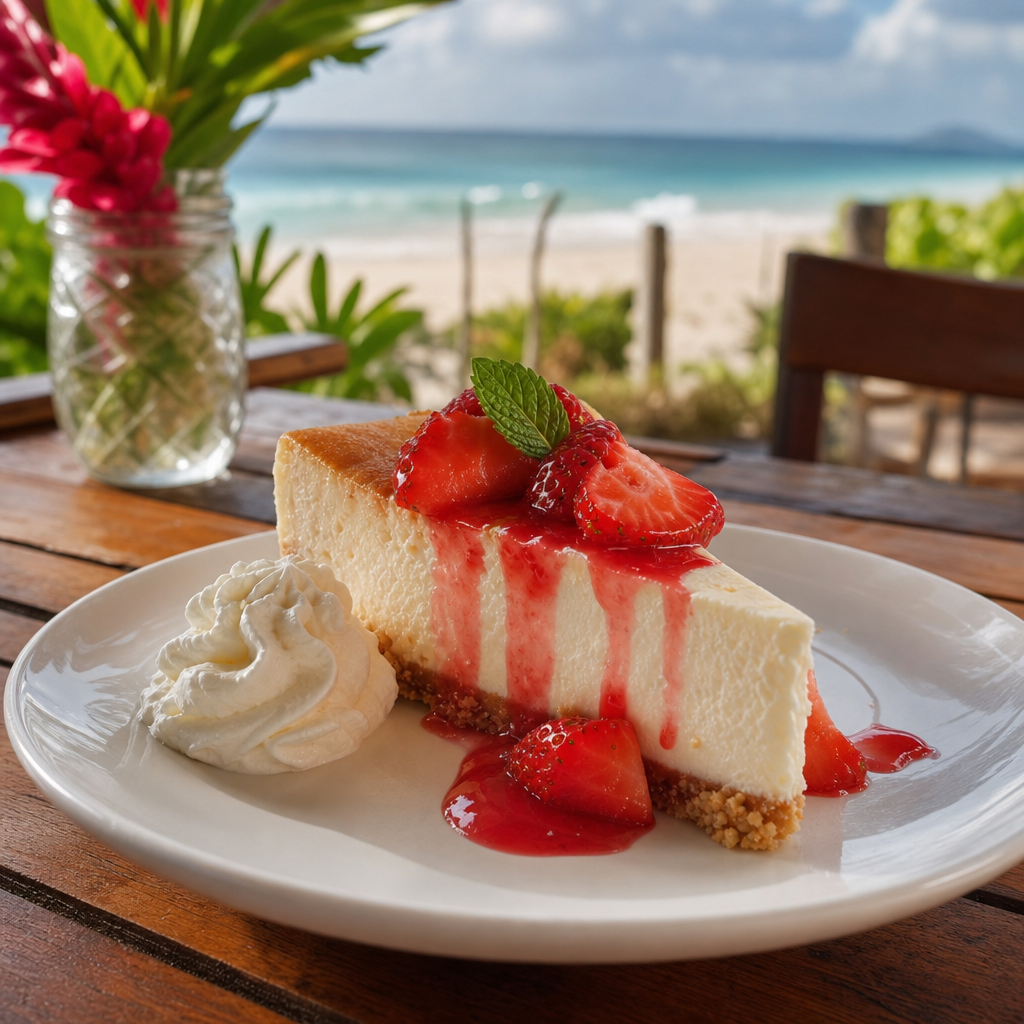
Nevis rewards anyone with a sweet tooth, but the island’s dessert scene is more than a list of pastries and ice cream counters. It reflects the history of Caribbean sugar production, the influence of British baking traditions, the island’s tropical fruit abundance, and the modern creativity of chefs who know visitors want both comfort and surprise. When travelers search for the best dessert spots in Nevis, they usually want three answers at once: where to go, what to order, and what makes each place worth the stop. This guide delivers all three, while also serving as a central resource for the wider miscellaneous dessert landscape within Nevis’s local dining scene.
In practical terms, dessert spots in Nevis include hotel restaurants, beach bars, heritage inns, local bakeries, cafés, and independent vendors who appear at markets or special events. Some specialize in plated desserts such as bread pudding with rum sauce or flourless chocolate cake. Others are known for coconut tarts, guava pastries, cassava pone, banana fritters, tamarind balls, or fresh fruit sorbets. I have planned food itineraries on small Caribbean islands long enough to know that dessert is often where a destination reveals its personality most clearly. In Nevis, that personality is relaxed, seasonal, and rooted in ingredients grown nearby. Understanding that mix helps you choose the right stop, whether you want a formal finale after dinner or an afternoon treat between beach visits.
This hub article matters because Nevis is compact, and travelers can easily miss excellent sweets if they only rely on resort menus or generic map listings. The island’s best desserts are spread across different settings and price points, and some of the most memorable options are not marketed aggressively. A well-made local coconut drop can be as revealing as a polished pastry in a luxury dining room. By organizing the major styles, neighborhoods, and must-try desserts in one place, this guide helps readers explore beyond a single recommendation and builds a useful path into deeper coverage across the broader local cuisine and dining topic.
What Makes Dessert in Nevis Distinctive
The defining feature of dessert in Nevis is the interaction between old sugar-island history and fresh tropical produce. Sugar once shaped the island’s economy, and although the plantation era belongs to the past, its culinary legacy remains visible in molasses-based cakes, rum sauces, ginger sweets, and recipes that use grated coconut generously. At the same time, today’s cooks work with mango, soursop, passion fruit, pineapple, guava, papaya, tamarind, and banana in ways that feel lighter and more seasonal than many mainland dessert menus.
Another distinction is scale. Because Nevis is small, chefs often know their suppliers directly, and menus can shift quickly based on fruit availability. I have seen a dessert board change from mango tart to passion fruit panna cotta within a day because one fruit came in perfectly ripe and another did not. That flexibility is a strength, not a limitation. It means the best dessert spots in Nevis are often the places that treat freshness as the main luxury. If a server recommends the coconut cream pie today rather than the chocolate cake, it is usually wise to listen.
Texture also matters in Nevisian sweets. Many local favorites balance chewiness, crisp edges, and soft centers rather than relying only on intense sweetness. Coconut tarts have flaky pastry and dense filling. Cassava pone brings a rich, almost fudgy bite. Bread pudding is moist but structured, often with warm spice. These are desserts made to satisfy in a humid climate without feeling one-dimensional.
Best Types of Places to Find Great Desserts in Nevis
If you want the widest range of quality, start with the island’s established hotel restaurants and heritage properties. Spots associated with places such as Montpelier Plantation, Golden Rock Inn, Nisbet Plantation, and Four Seasons Nevis often have pastry programs or dessert menus that combine local fruit with classic technique. These kitchens usually deliver the most polished presentation and consistent execution. A guava tart at a fine-dining restaurant may come with house-made sorbet, citrus reduction, and a carefully judged crust that reflects formal pastry training.
For a more local and spontaneous experience, small bakeries, cafés, and takeaway counters around Charlestown and nearby villages are essential. This is where you are more likely to find coconut turnovers, sweet buns, banana bread, black cake by the slice, and seasonal fruit pastries priced for everyday purchase rather than resort dining. The advantage here is authenticity and value. The tradeoff is that opening hours can be irregular, and the best items may sell out by midafternoon.
Beach bars and casual seaside restaurants are the middle ground. They may not offer a large dessert program, but they often excel at simple sweets that fit the setting: grilled pineapple with rum glaze, key lime pie, homemade ice cream, or chilled cheesecakes. After a salty lunch and a swim, these desserts can feel more satisfying than a heavier plated finale in a formal dining room.
| Type of spot | Best for | Typical desserts | What to know |
|---|---|---|---|
| Luxury hotel restaurants | Special occasions, polished pastry | Plated cakes, tarts, sorbets, soufflés | Higher prices, reservations often helpful |
| Local bakeries and cafés | Everyday sweets, traditional baked goods | Coconut tarts, sweet bread, black cake, pastries | Go early for best selection |
| Beach bars and casual restaurants | Relaxed dessert after lunch or sunset drinks | Ice cream, pie, fruit-based desserts | Menus may be short but well suited to the climate |
| Markets and pop-ups | Homemade specialties and seasonal finds | Tamarind balls, fudge, local candies, fruit treats | Availability varies by day and event |
Signature Desserts and Sweets to Order
Anyone building a dessert itinerary in Nevis should start with coconut-based sweets. Coconut tart is the most reliable order because it captures both local flavor and technique in one bite. The best versions have a pastry shell that stays crisp under a moist, fragrant filling of grated coconut, sugar, and spice. Coconut drops are simpler but deeply satisfying, with a chewy texture and concentrated flavor. They travel well too, making them one of the smartest take-away purchases on the island.
Rum cake and black cake deserve equal attention. Black cake, a Caribbean celebratory staple, uses dried fruit soaked in rum and wine, producing a dense texture and profound flavor. Good versions are not merely sweet; they are spiced, aromatic, and balanced by bitterness from caramelized sugar. Rum cake tends to be lighter but still carries the island’s historical connection to sugar and spirits. In tourist-heavy settings, quality varies, so look for versions made in-house rather than mass-produced gift-shop loaves.
Fruit desserts can be outstanding in Nevis when they are based on what is actually in season. Mango cheesecake, passion fruit tart, soursop ice cream, guava duff-inspired pastries, and pineapple upside-down cake all appear from time to time. The best operators avoid masking the fruit with excess sugar. One useful rule I share with travelers is simple: if the dessert description names the farm, orchard, or village source of the fruit, that usually signals serious intent in the kitchen.
Finally, do not skip traditional snack sweets. Tamarind balls, peanut brittle, fudge, and sweet potato pudding may not appear on formal menus, but they reveal local taste memory better than many restaurant desserts. These are the items that connect visitors to home-style cooking and community events rather than purely hospitality-driven dining.
Where to Look Across the Island
Charlestown is the practical starting point because it remains the island’s commercial center. Bakeries, cafés, and small food businesses there offer the easiest access to informal sweets during the day. If you are arriving by ferry from St. Kitts, planning an afternoon walk through Charlestown with a bakery stop is one of the most efficient ways to sample Nevisian desserts without committing to a full dinner reservation.
The island’s inn and plantation belt offers a different experience. Properties set in former estate landscapes often approach dessert as part of a refined meal, with menus shaped by garden produce and elegant plating. Golden Rock Inn, for example, has long been associated with lush surroundings and chef-driven dining, the sort of place where a fruit dessert can feel inseparable from the garden itself. Montpelier Plantation similarly attracts diners who expect a composed finish to dinner, not just something sweet by default.
On the western and northern beach areas, dessert tends to be tied to leisure. Around Pinney’s Beach and resort-adjacent dining zones, look for ice creams, chilled pies, and tropical fruit finales that suit hot weather. Four Seasons Nevis and nearby venues are especially useful for travelers who want reliability, broad menus, and service standards that support dietary requests or celebratory meals. In my experience, these properties are also strongest when you need desserts that appeal to a mixed group, including children, picky eaters, and serious pastry fans at the same table.
How to Choose the Right Dessert Spot for Your Trip
The best dessert spot in Nevis depends on timing, budget, and what kind of experience you want. For a romantic evening or anniversary dinner, choose a restaurant with a dedicated pastry menu and reserve late enough to enjoy dessert without rushing. Ask whether the chef has a seasonal special, because that is often the strongest plate in the house. If you simply want a midday sweet during island exploration, a bakery or café will usually provide better value and a stronger sense of daily local eating habits.
Travelers with dietary restrictions should call ahead when targeting higher-end venues. Resort kitchens are generally better equipped to discuss gluten-free preparation, nut exposure, or dairy substitutions. Smaller local spots may accommodate requests, but not always consistently. That is not a criticism; it is a reality of scale and staffing. If your priority is vegan dessert, fruit sorbets and fresh-fruit plates are the safest baseline options, with coconut-based preparations occasionally available.
Weather and transportation also affect dessert planning more than most visitors expect. In hot, humid conditions, delicate pastries do not always hold as well for takeaway, and some items are best eaten immediately. If you are driving around the island, buy sticky or cream-filled desserts last. If you are relying on taxis, combine dessert stops with nearby attractions such as historic sites, beach time, or shopping in Charlestown to make the outing practical.
Common Mistakes Visitors Make
The first mistake is assuming the best sweets are only inside luxury resorts. Nevis does have excellent hotel desserts, but some of the island’s most memorable bites come from unassuming bakeries and event vendors. The second mistake is waiting until late evening to look for traditional baked goods. Many local items are daytime purchases, and by dinner service they may already be gone.
Another common error is chasing a fixed list without asking what is fresh. Island dining rewards flexibility. Menus are influenced by weather, shipments, and fruit ripeness, so a dessert that sounded ideal in your pre-trip research may be weaker than the special made from today’s ripe mangoes. I advise asking one direct question wherever you go: “What dessert is best today?” Good staff answer honestly, and their recommendation often leads to the best experience.
Visitors also underestimate portion sizes and sweetness levels. Caribbean desserts can be rich, especially those built around soaked fruit, condensed milk, coconut, or syrup. Sharing is often sensible, particularly after a full dinner. Doing so lets you sample more places during a short stay.
Building a Dessert-Focused Nevis Food Itinerary
A strong dessert itinerary in Nevis balances polished dining with local everyday sweets. One effective structure is to start with a bakery stop in Charlestown for coconut tart or sweet bread, add a casual beach dessert after lunch on another day, and reserve one formal dinner at a plantation inn or resort where dessert is treated as a composed course. That sequence gives you context, contrast, and a fuller picture of the island’s sweet traditions.
This hub is also useful as a starting map for broader local cuisine research. Desserts in Nevis connect naturally to the island’s rum culture, tropical agriculture, breakfast baking, festival foods, and fine-dining scene. If you are building a deeper trip plan under the local cuisine and dining umbrella, use sweets as the thread that links casual daytime eating with special-occasion dinners. You will notice quickly that the same ingredients appear in different forms throughout the day: coconut in breakfast bakes, tamarind in snacks, rum in sauces, and fresh fruit in both drinks and dessert plates.
The real benefit of exploring dessert in Nevis is not simply satisfying a craving. It is understanding the island through flavor, texture, history, and hospitality. The best dessert spots in Nevis range from elegant restaurants to humble counters, but they share a common strength: they turn local ingredients into something memorable without losing a sense of place. Use this guide as your hub, ask what is fresh, try at least one traditional sweet and one chef-driven dessert, and let your next Nevis meal end on purpose rather than by chance.
Frequently Asked Questions
What kinds of desserts should I expect to find in Nevis?
Nevis offers a dessert scene that blends local ingredients, colonial baking influences, and contemporary restaurant creativity, so visitors can expect far more than a simple selection of cakes and ice cream. Across the island, desserts often feature tropical fruits such as mango, coconut, banana, passion fruit, guava, tamarind, and soursop, all of which bring freshness and a distinctly Caribbean identity to the menu. At the same time, there is a noticeable British influence in the presence of puddings, tarts, spiced cakes, breads, and custard-based sweets that reflect older culinary traditions carried through generations. Many dessert menus in Nevis also nod to the island’s sugar-producing past, whether through rich caramel flavors, rum-infused sauces, molasses notes, or recipes that rely on dark sugar for depth and warmth.
In practical terms, travelers should look for a mix of resort-style plated desserts, bakery staples, and casual sweet treats. One venue may specialize in elegant chocolate cakes, coconut tarts, bread pudding, or rum cake, while another may be known for homemade ice cream, fruit sorbets, pastries, or locally inspired cheesecakes. Some of the best dessert spots in Nevis stand out because they combine familiar comfort with island character, such as a classic tart reimagined with tropical fruit, or a dense chocolate dessert paired with spiced rum syrup. That combination of history, local produce, and chef-driven imagination is exactly what makes dessert in Nevis memorable.
Where are the best places in Nevis to go for dessert?
The best dessert spots in Nevis are usually found in three categories: upscale resort restaurants, independent cafes or bakeries, and relaxed beachfront or village dining spots that surprise visitors with excellent house-made sweets. Resort restaurants are often a strong starting point because their pastry programs tend to be polished, with menus that may include refined plated desserts, high-quality chocolate work, tropical fruit sauces, and beautifully prepared classics like panna cotta, tartlets, bread pudding, or warm cakes. These are ideal for travelers who want a full dining experience and desserts that feel thoughtfully crafted rather than simply added at the end of a meal.
Bakery and cafe-style spots are often the best choice for travelers looking for daytime sweets, takeaway pastries, or a more casual local experience. These places may offer coconut turnovers, banana bread, iced cakes, fruit tarts, muffins, cookies, and island-inspired pastries that are easy to enjoy between sightseeing stops. Meanwhile, beachfront restaurants and smaller neighborhood establishments can be especially rewarding because they frequently build desserts around what is freshest that day, including mango, lime, coconut, or seasonal berries. The smartest approach is to ask locals, hotel staff, or restaurant servers what dessert the kitchen is known for, because in Nevis, the best sweet may not always come from the most formal place. Often, the standouts are the ones that connect local ingredients, heritage recipes, and a chef’s personal touch.
What should I order if I want a dessert that feels uniquely Nevisian?
If you want a dessert that truly feels tied to Nevis, focus on sweets that highlight the island’s fruit, sugar heritage, and Caribbean pantry. Coconut-based desserts are an excellent place to begin, since coconut appears in many forms across the region and often shows up in tarts, cakes, custards, and ice creams. Mango desserts are another strong choice, particularly when the fruit is in season and tastes intensely fragrant and sweet. You may also find banana cakes, guava pastries, passion fruit sauces, rum cakes, bread pudding with island spices, or desserts featuring caramelized sugar and molasses notes that reflect the broader history of sugar cultivation in the Caribbean.
Another smart strategy is to ask which dessert uses local ingredients rather than imported flavors. A chef may recommend a tamarind sorbet, a coconut cheesecake, a warm pineapple upside-down cake with rum glaze, or a tart made with seasonal fruit picked nearby. These desserts tend to feel more rooted in place than standard international offerings. Even if the format is familiar, such as a mousse, tart, or pudding, the ingredients often tell the Nevis story. The most rewarding orders are usually the ones that combine tropical freshness with traditional baking techniques, because they capture both the island’s landscape and its layered culinary history in a single plate.
Are there dessert options in Nevis for travelers who want something light instead of rich?
Yes, and this is one of the strengths of the dessert scene in Nevis. While the island certainly offers rich cakes, puddings, and chocolate desserts, there are also many lighter options that make excellent choices in a warm tropical climate. Fruit-forward desserts are especially common and often the most satisfying after a day at the beach or a large evening meal. Sorbets, fruit plates, mango or passion fruit coulis, citrus-based tarts, coconut panna cotta, chilled custards, and desserts built around fresh seasonal produce can feel refreshing without being overly heavy. Because local fruit is such an important part of the island’s food culture, lighter desserts often still feel distinctive and flavorful rather than like an afterthought.
Travelers looking for balance should scan menus for words like sorbet, fresh fruit, citrus, coconut, passion fruit, mango, or yogurt-based preparations. It is also worth asking whether the kitchen has an off-menu fruit dessert or a daily special, since some of the freshest and lightest sweets may depend on what was available that morning. In many cases, a dessert in Nevis can deliver both sweetness and freshness at the same time, especially when chefs use ripe local fruit instead of relying only on cream, chocolate, or pastry. For visitors who want to indulge without feeling weighed down, these lighter island-style options are often among the smartest and most memorable choices.
How can I find the best dessert experience in Nevis rather than just a sweet ending to dinner?
To find the best overall dessert experience in Nevis, it helps to think beyond the dessert menu itself and consider timing, setting, local reputation, and house specialties. A truly memorable dessert experience usually combines several factors: a place known for thoughtful cooking, a menu that reflects local ingredients, and a setting that adds to the enjoyment, whether that means a historic inn, a breezy terrace, a beachfront table at sunset, or a charming cafe in one of the island’s communities. Dessert in Nevis is often at its best when it feels connected to the wider atmosphere of the island, not just served as a final course out of routine.
The most reliable approach is to ask very specific questions wherever you dine: What dessert is the chef most proud of? Which sweet is made with local fruit? Is there a signature pastry, cake, or pudding people come back for? These questions usually produce better results than simply choosing the safest familiar item on the menu. It is also worth exploring dessert at different times of day, because a morning pastry stop, an afternoon gelato or sorbet break, and an after-dinner plated dessert can reveal different sides of Nevis’s sweet culture. In the end, the best dessert spots in Nevis are the ones that answer all three things travelers care about most: where to go, what to order, and what makes that dessert unmistakably tied to the island.