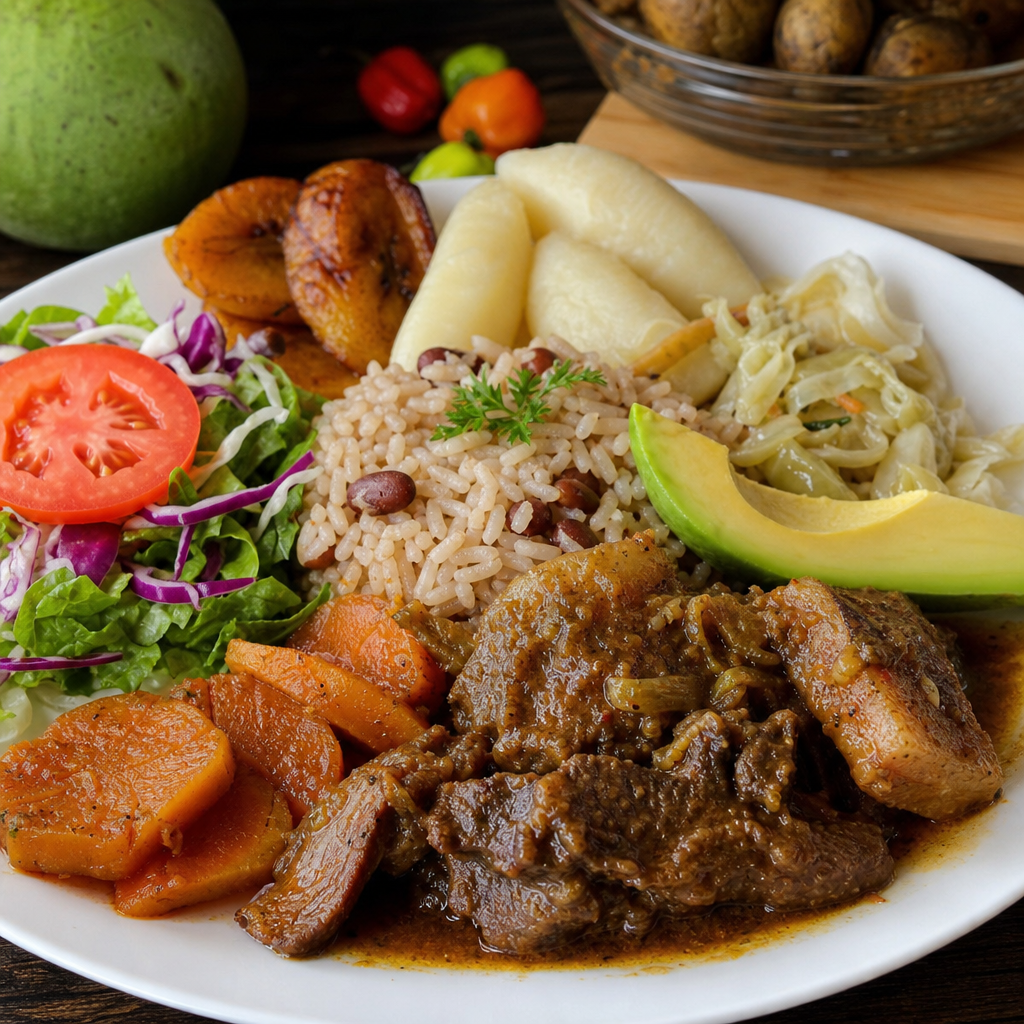
Saint Kitts’ traditional dishes tell the story of the island more clearly than any brochure because every pot of goat water, every saltfish breakfast, and every breadfruit side reflects centuries of survival, trade, migration, and celebration. In Saint Kitts, food is not a narrow restaurant category; it is a living record of African heritage, British colonial influence, Caribbean farming practices, coastal fishing culture, and family ritual. When people search for Saint Kitts food, they usually want more than a list of meals. They want to know what locals actually eat, what makes the cuisine distinctive, which dishes matter during holidays, and where ingredients like breadfruit, cassava, pigeon peas, saltfish, and fresh-caught lobster fit into daily life.
Having worked across Caribbean destination content and spoken with cooks who still prepare these recipes in home kitchens, village cookshops, and community events, I have seen the same pattern repeatedly: traditional food in Saint Kitts is practical, deeply seasonal, and proudly communal. Dishes are built around what grows well, what keeps in a tropical climate, and what can feed many people without wasting anything. That is why soups and stews are central, ground provisions matter, and preserved proteins such as salted cod remain important long after refrigeration became common.
Understanding Saint Kitts’ culinary heritage matters for travelers, food writers, and local businesses alike. For travelers, it turns a meal into cultural context. For writers and tour operators, it clarifies the difference between generic Caribbean fare and specifically Kittitian food traditions. For residents and the diaspora, it preserves knowledge that can easily be flattened by resort menus and imported convenience foods. This hub article covers the miscellaneous essentials of Saint Kitts’ traditional dishes: defining the cuisine, identifying staple ingredients, explaining signature meals, outlining dining customs, and highlighting how the island’s food culture continues to evolve without losing its roots.
What Defines Traditional Food in Saint Kitts
Traditional food in Saint Kitts is defined less by strict recipes than by recurring ingredients, cooking methods, and social uses. The island shares many culinary foundations with the wider Eastern Caribbean, yet Kittitian cooking has its own identity shaped by sugar plantation history, small-farm agriculture, and a strong preference for hearty, one-pot meals. In practice, a traditional dish usually includes one or more local starches, a seasoned protein, and a preparation method designed to maximize flavor over time, such as slow simmering, stewing, braising, frying, or roasting.
Three characteristics appear again and again. First, resourcefulness: cooks use breadfruit, yam, sweet potato, cassava, green banana, plantain, coconut, and pigeon peas because these ingredients are reliable, filling, and versatile. Second, layering: seasoning is rarely accidental. Onion, thyme, scallion, garlic, hot pepper, black pepper, and allspice often build the base. Third, occasion: some foods are everyday staples, while others belong to Carnival, Christmas, beach limes, Sunday lunch, fishing trips, or family gatherings. That connection between dish and event is one reason local cuisine remains culturally durable.
A visitor asking, what is the national dish of Saint Kitts, will usually be pointed toward stewed saltfish served with spicy plantains, coconut dumplings, and breadfruit. That answer is useful, but it does not capture the full table. Goat water, a rich goat stew with roots in community cooking and public celebrations, is just as emblematic. So are conch, lobster, black pudding, pelau, cook-up rice, and ground provision platters. The cuisine is broad because island life is broad: inland farms, coastal catches, roadside vendors, and home gardens all feed the traditional menu.
Staple Ingredients Behind Kittitian Cooking
If you want to understand Saint Kitts’ traditional dishes, start with the pantry. Breadfruit is one of the most important staples. It can be boiled, roasted, mashed, or fried, and its mild flavor makes it a practical partner for saltfish, stewed meats, and peppery gravies. Ground provisions, a Caribbean term for starchy root crops and similar staples, include yam, sweet potato, tannia, dasheen, cassava, and eddoe. These foods are nutritionally dense, relatively resilient in tropical conditions, and central to historical subsistence cooking.
Saltfish matters because preservation shaped island diets long before modern cold chains. Imported salted cod became embedded in Caribbean foodways during the colonial era and remains a breakfast and lunch favorite. Fresh seafood expands the picture. Depending on season and catch, cooks use snapper, mahi-mahi, tuna, lobster, conch, whelks, and other local fish and shellfish. Inland, goat is especially important, partly because it thrives in the climate and partly because it suits the island’s love of slow-cooked, highly seasoned stews.
Seasonings are equally defining. Fresh thyme, parsley, celery, scallion, onion, garlic, and Scotch bonnet or similar hot peppers create the aromatic backbone of many dishes. Coconut appears in several forms: milk for dumplings and rice, grated flesh in sweets, and oil or flavoring in older home-style methods. Peas and beans, especially pigeon peas and red beans, anchor rice dishes. These ingredients are not decorative. They are structural, and they explain why Saint Kitts’ cuisine tastes layered, savory, and rooted in the land as much as the sea.
Signature Dishes Every Food Traveler Should Know
The most recognized traditional dishes in Saint Kitts are practical, bold, and tied to memory. Stewed saltfish with spicy plantains, breadfruit, and coconut dumplings remains the benchmark meal for many locals. The saltfish is usually soaked to remove excess salt, then flaked and cooked with onions, tomatoes, peppers, and herbs. The plantains add sweetness and heat when seasoned assertively, while dumplings contribute satisfying chew and body. This combination works because it balances preserved fish, fresh produce, and starches in one plate.
Goat water is another essential dish and one of the island’s clearest examples of communal cooking. Despite the name, it is not watery. It is a dark, rich goat stew thickened by long simmering and often enriched with bread, flour dumplings, or root vegetables. In my experience, the best versions have a deep peppery aroma, slightly sticky broth, and meat cooked until tender but not falling apart. It is widely associated with gatherings, street events, and festive occasions, particularly where large-batch outdoor cooking still survives.
Cook-up rice and pelau are also common reference points, though recipes vary by household. Cook-up rice typically combines rice, peas, meat or fish, herbs, and coconut or stock in one pot. Pelau often involves browned meat, rice, peas, and caramelized sugar for color and depth, though island-specific versions differ. Black pudding and conch dishes speak to older culinary traditions, while grilled or stewed lobster reflects the island’s coastal abundance. Johnny cakes, coconut tarts, tamarind balls, cassava bread, and sugar cakes round out the table, showing that Kittitian heritage includes snacks, sweets, and baked goods as much as main courses.
| Dish | Main Ingredients | Typical Occasion | Why It Matters |
|---|---|---|---|
| Stewed saltfish | Salt cod, breadfruit, plantain, dumplings, herbs | Everyday meals, weekend breakfast or lunch | Represents preserved fish tradition and staple starch pairings |
| Goat water | Goat meat, spices, stock, dumplings, roots | Festivals, gatherings, community events | Shows communal cooking and celebratory food culture |
| Cook-up rice | Rice, peas, coconut, meat or fish, seasoning | Family meals, one-pot home cooking | Demonstrates economy, flavor layering, and versatility |
| Lobster or conch dishes | Local seafood, herbs, pepper, butter or sauce | Coastal dining, special meals, tourism settings | Connects traditional cooking with marine resources |
Cooking Methods, Meal Patterns, and Local Dining Customs
Traditional cooking in Saint Kitts depends on methods that reward patience. Stewing is perhaps the most important. Meat or fish is first seasoned, often for hours, then cooked slowly so aromatics penetrate the protein and the sauce thickens naturally. Boiling remains central for ground provisions and breadfruit, especially in meals where starches are served plainly beside a strongly seasoned main. Frying appears in fish, johnny cakes, fritters, and plantains, while roasting is common for breadfruit and some meats. None of these techniques are random. Each suits the ingredient and the climate.
Breakfast can be much heartier than many visitors expect. Saltfish, chop-up vegetables, provisions, tea, and fried bakes or johnny cakes are typical examples of a substantial morning meal. Lunch and dinner often revolve around rice, peas, provisions, stewed meats, or fish. Sunday lunch still carries cultural weight across much of the Caribbean, and Saint Kitts is no exception. Families gather for larger meals, and restaurants that serve local food often see strongest demand for traditional plates on weekends, when residents want comfort food rather than lighter tourist fare.
Dining customs also reveal the social function of food. Cookshops and roadside stalls are important because they preserve everyday recipes that hotel restaurants may simplify. Community events often feature large pots, shared serving stations, and recipes scaled for crowds. In those settings, consistency matters less than generosity and flavor. A good local meal is expected to be well seasoned, filling, and honest about what it is. That is why the best advice for eating traditional food on Saint Kitts is simple: look for places where residents are ordering goat water, saltfish, provisions, or cook-up rice for themselves.
How History, Agriculture, and Tourism Shape the Cuisine Today
Saint Kitts’ food heritage cannot be separated from its history. The island’s plantation economy, especially sugar, influenced labor patterns, ingredient access, and the development of meals built on preserved fish, local starches, and modest cuts of meat. African culinary knowledge was foundational, from seasoning methods to one-pot cooking and the effective use of root crops and greens. British colonial influence appeared through imported ingredients, baking traditions, and certain dining habits, but local cooks transformed those inputs into something distinctly Kittitian.
Agriculture still shapes the cuisine, even as imports play a larger role than they once did. Breadfruit trees, small farms, backyard gardens, and local fishing communities continue to support traditional dishes, though availability can fluctuate with weather, seasonality, and economic pressure. Tourism has created both opportunity and distortion. On the positive side, restaurants now have stronger incentives to showcase local lobster, conch, and heritage recipes. On the negative side, some menus flatten regional food into generic “Caribbean” offerings heavy on grilled seafood and light on the stews, provisions, and rustic combinations that define the island’s actual food identity.
The most encouraging trend is that many chefs, guesthouse owners, and home-based food businesses are re-centering local tradition. They are serving goat water proudly, pairing fresh fish with breadfruit instead of imported fries, and explaining ingredients to visitors who may never have eaten tannia or coconut dumplings before. That kind of interpretation matters because culinary heritage survives when it is cooked, named, and understood. If you are building a deeper itinerary around Saint Kitts cuisine, use this hub as a starting point, then seek out focused guides on local seafood, street food, breakfast dishes, festive foods, and the island’s best places to eat traditional meals.
Saint Kitts’ traditional dishes matter because they preserve the island’s history in forms people can taste, share, and remember. The cuisine is defined by staple ingredients such as breadfruit, ground provisions, saltfish, goat, coconut, peas, and fresh seafood, but ingredients alone do not explain its significance. What makes Kittitian food distinctive is the way those ingredients are transformed through slow cooking, careful seasoning, and communal eating into dishes that are both practical and celebratory. Stewed saltfish, goat water, cook-up rice, conch, lobster, johnny cakes, and local sweets are not isolated recipes; they are part of a connected food system shaped by farming, fishing, migration, and family tradition.
For travelers, the main benefit of understanding this culinary heritage is simple: you eat better and see more of the island. Instead of ordering the safest international option, you can recognize what is truly local, ask informed questions, and choose meals that reflect Saint Kitts rather than a generic resort template. For residents, food businesses, and cultural organizations, preserving these dishes supports identity and strengthens the value of local agriculture and food knowledge. Traditional cuisine is not static, and it should not be treated like a museum exhibit. It evolves, but the strongest versions evolve without losing the flavors, methods, and meanings that made them worth keeping.
Use this hub as your foundation for exploring Saint Kitts under the wider local cuisine and dining topic. Start with the signature dishes named here, follow the ingredient trail through markets and cookshops, and build outward into dedicated guides on seafood, breakfast, sweets, festive cooking, and where to find the most authentic local plates on the island. The fastest way to understand Saint Kitts is still the oldest one: sit down, order what locals order, and taste the heritage for yourself.
Frequently Asked Questions
What are the most traditional dishes in Saint Kitts?
The most traditional dishes in Saint Kitts include goat water, saltfish with provisions, cook-up rice, stewed chicken, pelau, breadfruit served in several forms, and a wide range of soups and ground provision dishes. Among these, goat water is often considered the island’s signature food. Despite the name, it is not simply a thin broth. It is a deeply seasoned, slow-cooked goat stew with roots in communal cooking and celebration, often prepared for gatherings, festivals, and special occasions. It reflects the island’s practical use of local ingredients and its long tradition of making flavorful, nourishing meals from what was available.
Saltfish also holds an important place in Kittitian food culture. Like in many Caribbean islands, salted cod became embedded in everyday cooking through colonial trade networks and the need for preserved protein. In Saint Kitts, it is commonly paired with boiled ground provisions such as green bananas, yams, sweet potatoes, dumplings, or breadfruit. These combinations are not accidental; they tell the story of farming practices, imported staples, and the way households created filling meals that could sustain families through labor-intensive days.
Traditional Kittitian cuisine is defined not just by one famous dish but by a pattern of eating that values stewing, boiling, seasoning, and making the most of local produce. Breadfruit, plantains, cassava, pumpkin, peas, and fresh fish all appear regularly. Together, these foods form a culinary identity shaped by African heritage, British colonial history, Caribbean agriculture, and family customs passed down through generations.
Why is goat water so important in Saint Kitts’ culinary heritage?
Goat water is important in Saint Kitts because it represents far more than a popular national dish; it captures the island’s history of resilience, resourcefulness, and community. The dish grew out of a food culture where cooks transformed accessible ingredients into something rich, warming, and memorable. Goat meat, herbs, spices, flour dumplings, and patient cooking come together in a way that reflects practical tradition as much as culinary skill. It is a dish tied to celebration, but also to everyday ingenuity.
Its cultural significance comes from how and when it is prepared. Goat water is commonly associated with social gatherings, village events, holiday meals, and large pots shared among family and neighbors. In that sense, it is communal food. It is meant to be stirred, tasted, adjusted, and served generously. Traditional Caribbean cooking often lives in these collective settings, where recipes are not always written down but learned by observation, repetition, and family memory. Goat water is a perfect example of that oral and practical culinary heritage.
It also matters because it reflects the layered influences that define Saint Kitts itself. The seasoning techniques, the use of dumplings, the preference for slow-cooked one-pot meals, and the social value attached to feeding a group all connect the dish to wider Afro-Caribbean traditions. At the same time, the dish is distinctly Kittitian in identity and pride. For many people, understanding Saint Kitts food begins with goat water because it so clearly expresses the island’s sense of place, history, and hospitality.
How did history shape the traditional food of Saint Kitts?
The traditional food of Saint Kitts was shaped by centuries of colonization, migration, agriculture, trade, and adaptation. The island’s cuisine did not develop in isolation. It emerged from the encounter between African culinary knowledge, European colonial systems, Caribbean crops, and the realities of plantation-era life. Enslaved Africans and their descendants played a central role in defining the food culture, especially through methods of seasoning, stewing, provision-based meals, and the creative use of limited resources. Their influence remains at the heart of Kittitian cooking.
British colonial presence also left clear marks on the island’s diet, particularly through imported ingredients, preservation methods, and food habits tied to trade. Saltfish is one of the clearest examples. Though not native to the island, it became a staple because preserved cod traveled well and could feed large populations. Over time, Kittitians incorporated it into local foodways, pairing it with homegrown provisions and seasoning it in ways that made it thoroughly Caribbean. This blending of imported and local ingredients is a recurring theme in Saint Kitts cuisine.
Agriculture and coastal life were equally important. Breadfruit, cassava, yams, bananas, peas, coconuts, and fresh seafood all reflect the island’s land and sea resources. Fishing communities relied on what the coast provided, while farming families built meals around hardy crops that could be grown locally. Traditional dishes therefore became records of labor, environment, and survival. What people eat in Saint Kitts today still carries the imprint of those historical realities, which is why the island’s food can be understood as a living archive of its past.
What ingredients are most common in authentic Saint Kitts cooking?
Authentic Saint Kitts cooking relies on a core group of ingredients that reflect the island’s climate, agricultural traditions, and historical trade connections. Ground provisions are central. These include yam, sweet potato, cassava, eddoes, green bananas, and breadfruit. They are filling, versatile, and deeply tied to everyday home cooking. Rather than serving as side dishes in a secondary role, these foods often anchor the meal and define its character. They are boiled, roasted, mashed, fried, or added to soups and stews.
Protein sources vary, but common traditional options include goat, chicken, saltfish, fresh fish, pork, and occasionally beef. Goat is especially important in festive and communal cooking, while saltfish is a long-established staple with historical roots in colonial trade. Seafood also plays a major role because of the island’s coastal culture. Fresh fish may be stewed, fried, or paired with local starches and sauces, creating meals that are both simple and deeply representative of Kittitian taste.
Seasonings are what bring these ingredients fully to life. Onion, garlic, thyme, scallion, hot pepper, black pepper, cloves, and other herbs and spices create the bold, layered flavor profile associated with Caribbean food. Coconut, peas, rice, pumpkin, and flour dumplings also appear frequently in traditional preparations. The result is a cuisine that values depth, aroma, and comfort. Authentic Saint Kitts food is not defined by luxury ingredients; it is defined by balance, skillful seasoning, and the ability to turn familiar local foods into dishes rich with identity and memory.
Where can visitors experience traditional food in Saint Kitts today?
Visitors can experience traditional food in Saint Kitts in several ways, but the most rewarding approach is to look beyond polished tourist menus and seek out places where local cooking remains central. Family-run restaurants, roadside eateries, village cookshops, market food stalls, and community events often offer the most authentic versions of Kittitian dishes. These are the places where goat water may be simmering in a large pot, saltfish and provisions appear as a proper breakfast, and breadfruit is served the way local families have prepared it for generations.
Cultural celebrations and public events are especially valuable for anyone wanting to understand the food in context. Traditional dishes are often most meaningful when eaten in the environment they were made for: shared spaces, festive gatherings, and occasions where food is part of music, storytelling, and social exchange. In those settings, visitors do not just taste the cuisine; they see how it functions within Kittitian life. Food becomes a cultural experience rather than a checklist item.
It is also worth asking locals where they eat, what they recommend, and which dishes matter most to them personally. Saint Kitts’ culinary heritage is best understood through conversation as much as consumption. A resident may point a visitor to a breakfast spot known for saltfish, a lunch place serving provisions and stewed meats, or an event where goat water is prepared traditionally. For travelers genuinely interested in heritage, the goal should not be only to sample famous dishes, but to experience how those dishes connect to family tradition, island history, and everyday life in Saint Kitts.