Celebrating Emancipation Day with cultural tours in Saint Kitts offers more than a holiday itinerary; it opens a direct path into the island’s history, living traditions, and community memory. Emancipation Day marks the end of slavery in the British Caribbean, and in Saint Kitts that legacy is observed not as a distant textbook event but as a public act of remembrance, pride, and cultural continuity. Travelers often arrive looking for beaches, rainforest hikes, or cruise-port excursions, yet those who time a visit around Emancipation season discover a deeper experience shaped by heritage villages, music, storytelling, foodways, and sites tied to plantation life and freedom struggles. A cultural tour, in this context, means guided exploration focused on people, place, and historical meaning rather than sightseeing alone. It can include plantation estates, churches, community festivals, museums, artisan workshops, culinary stops, and performances of masquerade, drumming, or folk dance. This matters because Saint Kitts is one of the oldest English colonies in the Caribbean, and its landscape still carries visible evidence of sugar production, colonial rule, African resilience, and post-emancipation identity. I have found that visitors understand the island far better when they hear local guides explain how a stone windmill, a village road, or a market dish connects to generations of labor and adaptation. For anyone researching adventure and activities in Saint Kitts, this hub page covers the miscellaneous cultural experiences that bring Emancipation Day into focus and helps you plan tours that are respectful, informative, and memorable.
What Emancipation Day means in Saint Kitts
Emancipation Day in Saint Kitts and Nevis commemorates the abolition of slavery in the British Empire in 1834, with full freedom arriving after the apprenticeship period in 1838. Those dates matter because they explain why local observances often center on both legal emancipation and the longer struggle for actual autonomy, land access, fair wages, and political voice. In Saint Kitts, the memory of enslavement cannot be separated from sugar estates, because plantation agriculture structured the island’s economy, settlement patterns, and class divisions for centuries. When visitors join cultural tours during this period, the strongest guides do not flatten the story into celebration alone. They explain the brutality of the plantation system, the role of African knowledge in building Caribbean societies, and the persistence of traditions that survived despite repression.
Searchers often ask what happens during Emancipation celebrations. The answer is a mix of official ceremonies, heritage presentations, village events, music, reenactments, lectures, culinary gatherings, and performances that highlight ancestral practices. Depending on the year, activities may blend with wider Culturama and carnival-season energy across Saint Kitts and Nevis, but the heritage dimension remains distinct. Expect commemorative speeches, church services, historical talks, and cultural showcases that frame freedom as a continuing responsibility. That is why cultural tours around Emancipation Day work best when they balance landmark visits with community context. A restored estate without interpretation is just architecture; with a knowledgeable guide, it becomes evidence of how wealth was extracted and how communities later reclaimed identity from those spaces.
Best cultural tours and heritage sites to visit
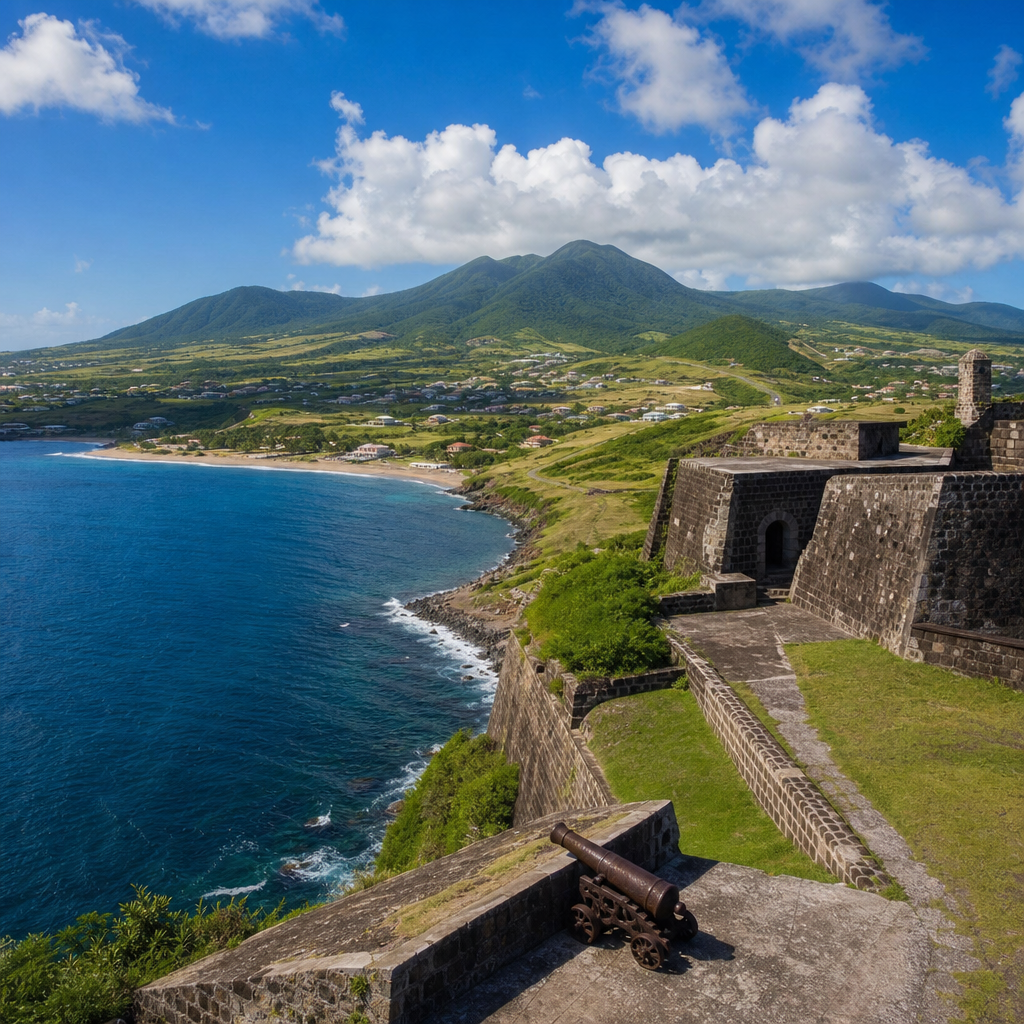
The most rewarding Emancipation Day cultural tours in Saint Kitts combine national landmarks with neighborhood-scale experiences. Begin with the Brimstone Hill Fortress National Park, a UNESCO World Heritage Site. Although widely known as a military fortification, it also helps explain colonial competition, forced labor, and the strategic value of Saint Kitts within the eastern Caribbean. Good guides connect the fortress to the broader plantation economy and to the lives of enslaved Africans who built and maintained imperial infrastructure under severe conditions.
Another essential stop is the Romney Manor estate and the nearby Caribelle Batik workshop. Romney Manor introduces visitors to the plantation landscape, while batik demonstrates cultural transformation through craft. Watching artisans use wax-resist techniques on fabric gives travelers a tangible example of how heritage is continuously made, not merely preserved behind glass. I recommend pairing estate visits with a local village drive, because the contrast between grand plantation remains and contemporary community life helps visitors see continuity rather than isolated attractions.
Old Road Town and surrounding areas are especially important for historical interpretation. As one of the earliest colonial settlement zones on the island, the region allows guides to discuss first contact, resistance, land seizure, and the expansion of sugar cultivation. Basseterre, meanwhile, offers a different kind of cultural tour. The capital’s Independence Square, churches, market areas, and civic buildings reveal layers of French and British influence alongside Afro-Caribbean social life. A walking tour here can be surprisingly rich during Emancipation observances, especially when led by someone who understands local family histories and oral traditions.
Visitors also ask whether plantation tours are appropriate during Emancipation commemorations. The answer is yes, if the interpretation is honest. Sites such as Fairview Great House or other heritage estates can be valuable when they address the lives of enslaved workers, not only the furnishings of owners. The best operators avoid romantic plantation narratives and instead present the architecture, labor systems, ecological change, and post-emancipation transitions together.
How to choose the right tour for your interests
Not every traveler wants the same Emancipation Day experience, so selecting the right cultural tour in Saint Kitts depends on pace, focus, and guide quality. If your priority is history, choose a small-group heritage tour led by a trained local historian, museum interpreter, or long-established driver-guide with documented expertise. Ask in advance whether the itinerary covers emancipation, slavery, village life, and living traditions. If the operator only mentions scenic viewpoints and shopping stops, it is not truly a cultural tour.
If you prefer hands-on experiences, look for tours that include cooking demonstrations, batik workshops, drumming sessions, or community-based visits. These activities are especially useful for families and multigenerational groups because they keep history grounded in sensory experience. Food tours can be excellent around this holiday period, since dishes often open conversations about African retention, local agriculture, and adaptation under plantation conditions. Saltfish, ground provisions, goat water, breadfruit, tamarind-based drinks, and fresh cane-related products each tell part of the story.
Transport and timing matter as well. Cruise passengers usually need half-day tours with guaranteed return times, while stayover visitors can join full-day itineraries that include rural communities and evening performances. During peak festival periods, road closures and event scheduling can affect logistics, so confirm pickup windows and whether entrance fees are included. In my experience, the strongest tours are not always the biggest or most polished online. The most informative guides are often those recommended by local hotels, heritage staff, or returning visitors who value substance over speed.
| Tour Type | Best For | Typical Stops | What to Ask Before Booking |
|---|---|---|---|
| Historical walking tour | First-time visitors, researchers, cruise guests | Basseterre, Independence Square, churches, museums | Does the guide cover emancipation history and local oral traditions? |
| Plantation and heritage tour | History-focused travelers | Brimstone Hill, estate ruins, great houses, village viewpoints | How does the tour address slavery and labor history? |
| Craft and culinary tour | Families, cultural enthusiasts | Batik workshop, local kitchens, artisan stops, markets | Are demonstrations included, or is it only observation? |
| Community festival tour | Repeat visitors, photographers, event travelers | Village celebrations, performances, food stalls, parades | What is the schedule, and are there etiquette guidelines? |
Local traditions, performances, and food during the holiday
One reason Emancipation Day cultural tours stand out in Saint Kitts is that they move beyond monuments into performance culture. Depending on the community and annual calendar, visitors may encounter masquerade troupes, string bands, steelpan, drumming, poetry, gospel singing, and spoken-word programs centered on freedom and ancestry. These are not interchangeable entertainment products. Each form carries a social history. Masquerade performance, for example, blends African, European, and Caribbean influences and has long been central to public celebration. When interpreted well, it shows how enslaved and later emancipated communities reworked imposed cultural forms into something distinctly their own.
Food is equally important. Heritage-themed tours often include roadside vendors, community cooks, or market visits where guides explain ingredients and preparation methods. Breadfruit, cassava, yams, coconut, peas, saltfish, and stewed meats all connect to survival, adaptation, and regional exchange. Rum and sugar discussions are also unavoidable, because Saint Kitts’s history is inseparable from cane cultivation. A serious guide will point out that the sugar industry shaped not only labor but also land ownership, migration, and environmental change. Sampling local dishes in that context turns lunch into historical interpretation rather than a generic meal stop.
Visitors frequently ask what to wear and how to behave at cultural events. Choose lightweight clothing suitable for heat, but keep a respectful standard if you may enter churches, memorial programs, or formal ceremonies. Ask before photographing performers, elders, or children. Buy from local vendors when possible, carry small cash for community stalls, and listen more than you speak during commemorative segments. The best cultural travelers understand that Emancipation Day is not staged solely for tourism; visitors are guests within a meaningful public observance.
Practical planning tips for a respectful and rewarding visit
The best time to arrange Emancipation Day cultural tours in Saint Kitts is several weeks ahead, especially if you want a specialist guide or are traveling with a group. Confirm whether your visit coincides with national events, village programs, or crossover festival dates, because calendars can shift. Stayover guests should ask their hotel concierge, heritage property, or destination management company for updated schedules. Cruise visitors need to be more selective, since authentic experiences may occur outside standard port-tour windows.
Budget realistically. Group bus tours are cheaper, but private or small-group heritage tours usually provide much stronger interpretation and flexibility. If you are comparing options, evaluate inclusions such as entrance fees, bottled water, lunch, workshop materials, and transportation from Frigate Bay, Basseterre, or the port. For travelers interested in accessibility, ask detailed questions about uneven terrain, stairways at historic sites, restroom availability, and shade. Brimstone Hill and plantation grounds can involve walking on stone or sloped surfaces.
It is also smart to verify credentials. Reputable guides can clearly explain their experience, licensing, and area of specialization. Some have backgrounds in education, heritage work, or community leadership, and that often shows in the quality of storytelling. Weather planning matters too. August can be hot and humid, with sudden showers, so bring sun protection, water, and comfortable shoes. Finally, approach the day with curiosity and humility. The real benefit of these tours is not simply seeing famous sites; it is understanding how Saint Kitts remembers emancipation through place, performance, and everyday community life.
Celebrating Emancipation Day with cultural tours in Saint Kitts is one of the most meaningful ways to move beyond surface-level tourism and understand the island on its own terms. The strongest experiences connect emancipation history to real locations such as Brimstone Hill, Basseterre, Old Road Town, estate landscapes, workshops, markets, and village celebrations. They also show that freedom is not only a historical date but an ongoing cultural practice expressed through music, craft, food, faith, language, and public memory. For travelers exploring adventure and activities in Saint Kitts, this miscellaneous hub matters because it gathers the heritage experiences that do not fit neatly into beach, hiking, or sightseeing categories yet often leave the deepest impression.
The key takeaway is simple: choose tours that are historically honest, locally led, and rooted in community context. Ask direct questions, prioritize knowledgeable guides, and leave room in your itinerary for both formal heritage sites and living cultural events. If you are planning a trip during Emancipation season, start building your shortlist now, confirm the latest event schedules, and book a cultural tour that helps you experience Saint Kitts with respect, insight, and genuine connection.
Frequently Asked Questions
What is Emancipation Day in Saint Kitts, and why is it important for visitors to understand its meaning?
Emancipation Day in Saint Kitts commemorates the end of slavery in the British Caribbean and serves as one of the island’s most meaningful public observances. It is not simply a long weekend or a festive date on the calendar. For many Kittitians, it is a time to honor the endurance, resistance, and cultural contributions of enslaved Africans and their descendants, while also reflecting on how that history continues to shape identity, community, language, music, food, and public memory today. For visitors, understanding this significance adds essential context to any cultural tour during the holiday period.
Rather than approaching Emancipation Day as a spectacle, travelers benefit most when they see it as an invitation to learn. In Saint Kitts, the legacy of plantation society, colonial rule, and African heritage is present in historic sites, village traditions, storytelling, religious observances, and community celebrations. A knowledgeable guide can connect these elements in ways that go far beyond what a standard sightseeing excursion can offer. This deeper understanding helps visitors appreciate why commemorative walks, heritage tours, performances, and local gatherings carry emotional and historical weight. In short, knowing the meaning of Emancipation Day transforms a pleasant island visit into a richer and more respectful cultural experience.
What kinds of cultural tours are best for celebrating Emancipation Day in Saint Kitts?
The best cultural tours for Emancipation Day in Saint Kitts are those that place history, heritage, and local voices at the center of the experience. Plantation and sugar-industry heritage tours are especially valuable because they reveal the economic system that shaped the island for centuries. These tours often explore former estates, great houses, mills, and surrounding landscapes while explaining the realities of enslaved labor, colonial wealth, and post-emancipation social change. When led by experienced historians, local cultural interpreters, or community guides, these sites become powerful places of remembrance rather than simple photo stops.
Village-based cultural tours, heritage walks through Basseterre, museum visits, and excursions that include traditional music, dance, oral history, or local cuisine are also excellent choices. During the Emancipation period, some tours may be timed to coincide with public ceremonies, cultural showcases, drumming, church events, or educational programs that discuss ancestry and resilience. These experiences are ideal because they connect the island’s past to its living traditions. Visitors often find that the most memorable tours are not the most luxurious, but the ones that create direct contact with community memory, personal storytelling, and the everyday cultural life of Saint Kitts. If possible, choose operators who clearly demonstrate respect for the holiday’s meaning and who work closely with local communities, educators, or heritage organizations.
How can travelers participate respectfully in Emancipation Day events and cultural experiences?
Respectful participation begins with attitude. Emancipation Day is a commemoration rooted in historical suffering, liberation, and cultural pride, so visitors should approach events with curiosity, humility, and a willingness to listen. That means taking time to understand the background of the holiday before attending a ceremony or booking a tour, following the guidance of local hosts, and recognizing that some events may be solemn while others are celebratory. It is helpful to remember that you are entering a space of remembrance and identity, not just consuming entertainment.
Practical respect matters too. Dress appropriately for formal or community events, ask permission before taking close-up photos of people, avoid interrupting speakers or performances, and be mindful of the tone of the occasion. Support local businesses, artists, guides, and vendors whenever possible, as this helps ensure that cultural tourism benefits the communities who preserve and share these traditions. Asking thoughtful questions is usually welcome, especially when done politely and at the right moment. Visitors should also avoid reducing the day to simplistic narratives. The history of emancipation is complex, and many Kittitians value conversations that acknowledge both pain and perseverance. By showing genuine interest and behaving with consideration, travelers can become more than spectators; they can become respectful learners participating in a meaningful national observance.
What historical sites in Saint Kitts are especially meaningful to visit around Emancipation Day?
Several historical sites in Saint Kitts take on deeper significance around Emancipation Day because they help explain the island’s colonial and plantation-era past. Former sugar estates and plantation grounds are among the most important places to visit, as they reveal how land, labor, and power were organized during slavery and in the decades that followed. Even when some structures now appear quiet or picturesque, they carry stories of forced labor, resistance, adaptation, and survival. A guided visit can help travelers interpret the landscape properly and understand what daily life may have looked like for enslaved people who worked there.
Basseterre itself can also be meaningful, particularly on walking tours that explore colonial architecture, public squares, churches, memorial spaces, and administrative centers connected to British rule. Depending on the itinerary, cultural guides may also highlight sites tied to education, worship, community formation, and post-emancipation social mobility. Brimstone Hill Fortress National Park, while often visited for its military and panoramic appeal, can also be discussed within the wider story of colonial control, labor systems, and the strategic importance of Saint Kitts in the Caribbean. Museums, archives, and community heritage centers can further enrich the experience by providing documents, artifacts, and interpretation that connect historical events to present-day cultural identity. The most meaningful visits are those that do not isolate monuments from the people whose lives gave those places their true historical significance.
Why choose a cultural tour in Saint Kitts instead of a typical beach or cruise excursion during Emancipation Day?
Choosing a cultural tour during Emancipation Day allows visitors to engage with Saint Kitts on a much deeper level than a standard beach day or quick island overview. While the island is certainly known for scenic coastlines, rainforest beauty, and relaxing leisure experiences, the Emancipation holiday offers a unique opportunity to understand the human story behind the destination. Cultural tours during this period help travelers move beyond surface-level tourism and encounter the island as a place shaped by struggle, endurance, creativity, and community memory. That kind of connection often becomes the most lasting part of a trip.
A typical excursion may show you where Saint Kitts is beautiful; a cultural tour during Emancipation Day helps explain why Saint Kitts is meaningful. It introduces travelers to the historical forces that shaped the landscape, the traditions that survived oppression, and the local voices that continue to interpret the past in the present. It can also create more authentic interaction with residents, historians, performers, and artisans, which many visitors find far more memorable than passive sightseeing. For travelers who want their vacation to include perspective, substance, and cultural insight, Emancipation Day is one of the best times to choose heritage-focused touring. It offers not only a fuller understanding of the island, but also a more respectful and rewarding way to experience Saint Kitts.