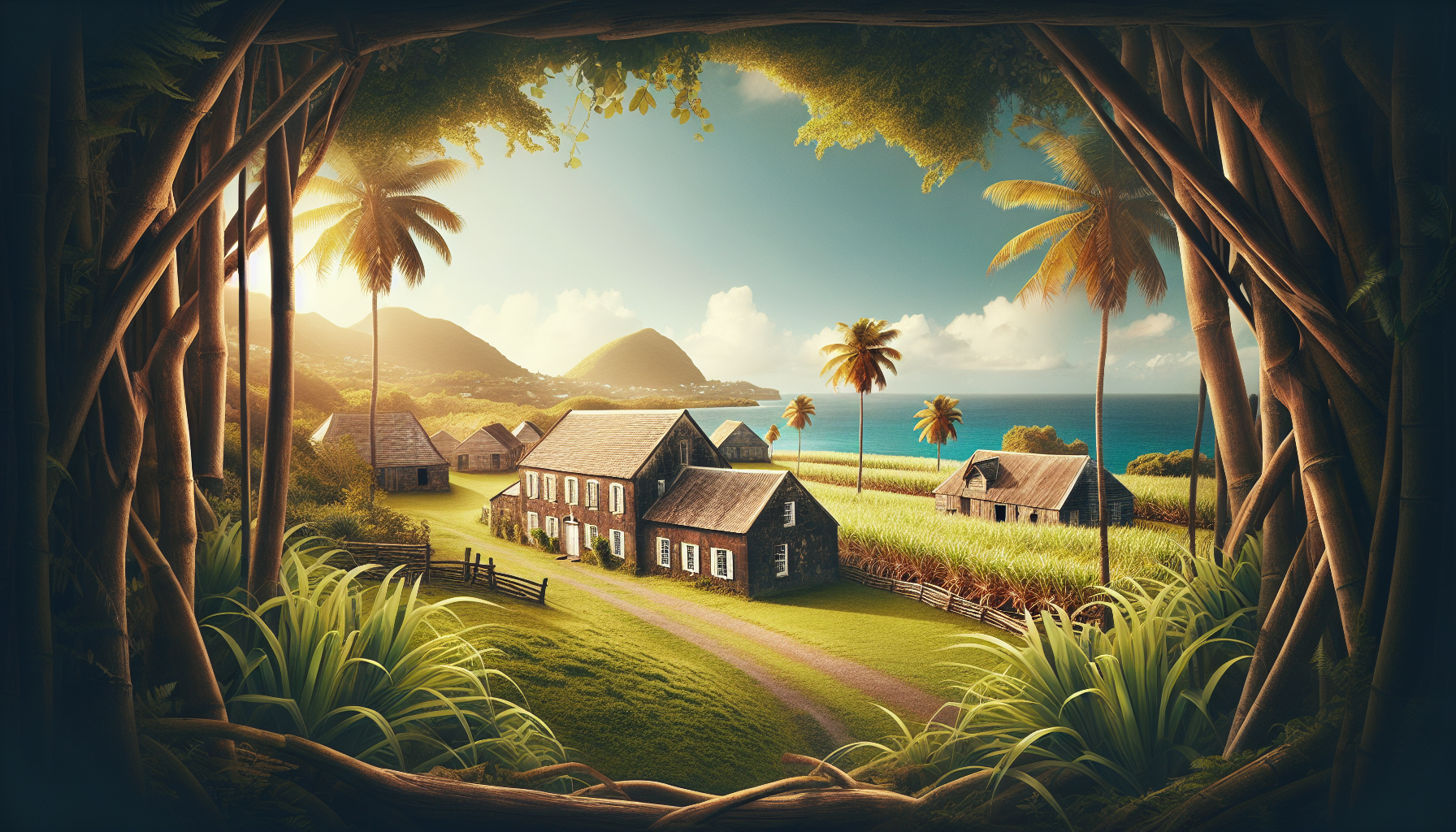
Historic sugar plantation tours in Saint Kitts reveal how a small Caribbean island became one of the British Empire’s richest sugar producers, then reinvented its estates as cultural landmarks, gardens, inns, and heritage attractions. For travelers exploring adventure and activities in Saint Kitts, these tours add historical depth to hikes, railway excursions, food experiences, and scenic drives because they explain why the island’s landscape looks the way it does today. The key term “sugar plantation” refers to the agricultural estates that grew cane and processed it into raw sugar or molasses, usually through wind-powered mills, boiling houses, curing rooms, and enslaved labor compounds. In Saint Kitts, plantation history is inseparable from colonial expansion, transatlantic slavery, emancipation, indentureship, and modern tourism. I have found that visitors often arrive expecting only old manor houses and photogenic stone mills, but the best plantation tours connect architecture, labor history, botany, cuisine, and rail infrastructure in one narrative. That matters because Saint Kitts closed its sugar industry in 2005, making plantation tours one of the clearest ways to understand both the island’s economic past and its present identity.
As a hub topic, plantation touring also helps travelers plan related experiences across the island. Some estates focus on restored great houses and landscaped grounds, others highlight ruins and industrial archaeology, and others are best experienced through the St. Kitts Scenic Railway, which follows old cane transport routes around the coast. Questions travelers commonly ask are straightforward: Which plantation should I visit first? Are tours family friendly? What will I actually see? How much time should I allow? The answer depends on whether your interest is architecture, heritage, photography, food, or panoramic views. Saint Kitts offers all of those, often within short driving distances. Brimstone Hill Fortress National Park, Romney Manor, Fairview Great House, and nearby estate ruins together create a practical circuit for a half day or full day of exploration. Understanding these sites improves every other “miscellaneous” activity in this sub-pillar because plantation roads became modern access routes, estate kitchens shaped local dishes, and cane fields once occupied much of the countryside that visitors now admire from beaches and mountain lookouts.
Why sugar plantations shaped Saint Kitts
Saint Kitts was among the earliest English colonies in the Caribbean, and sugar transformed it during the seventeenth century from a frontier settlement into a plantation economy. Once planters shifted from tobacco to sugar cane, estates required more capital, more land, and much larger labor forces. That changed everything: roads were built to move cane, mills were constructed to crush it quickly after harvest, ports handled exports, and social power concentrated around plantation ownership. On tours today, guides often point out how estates were positioned with practical logic. Great houses tended to sit on breezier elevations, while mills, boiling houses, and labor villages occupied working zones closer to the fields. Windmills appeared where airflow was strongest, and coastal routes allowed shipment of sugar and supplies. Those patterns are still visible across the island.
Any credible plantation tour in Saint Kitts must also address slavery directly. Sugar wealth depended on the forced labor of enslaved Africans, whose work in cane cultivation, milling, boiling, livestock management, masonry, domestic service, and transport sustained the entire system. Emancipation in the British Empire in 1834, followed by apprenticeship and later labor changes, altered estate life but did not erase plantation structures overnight. The remaining ruins and restored homes are therefore not neutral relics. They are evidence of an economy built on violence and extraction. The strongest tours present both the beauty and the cost of these places. When done well, this context makes the experience more meaningful, not less enjoyable, because visitors leave with a fuller understanding of Saint Kitts beyond postcard scenery.
What to expect on a historic plantation tour
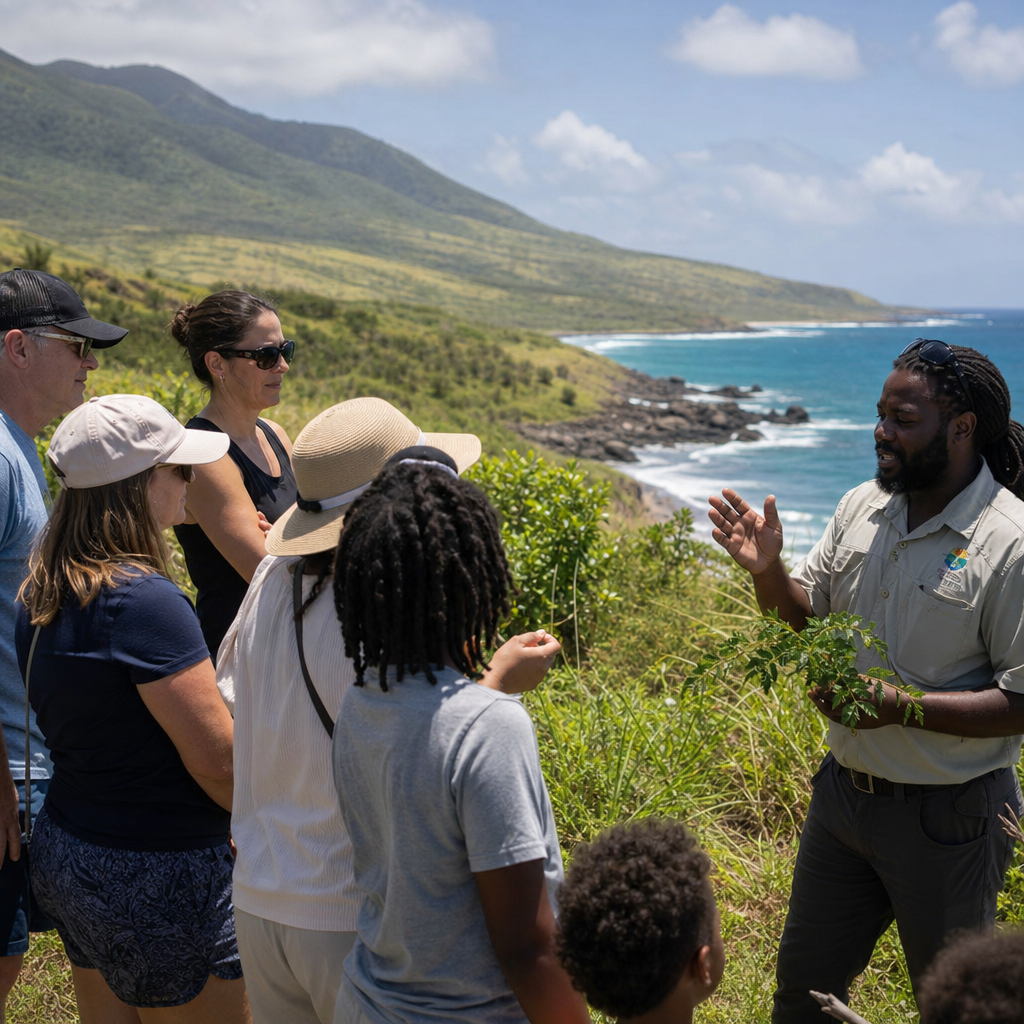
Most plantation tours in Saint Kitts combine indoor interpretation with outdoor walking. A typical visit may include a great house or inn, formal gardens, old stone foundations, a windmill tower, and exhibits about cane processing. Guides usually explain the estate’s ownership history, how sugar was manufactured, and what happened to the property after the decline of the industry. In practical terms, expect uneven paths, sun exposure, and lots of visual details rather than museum-style galleries. Good walking shoes, water, and a camera are useful. If you are traveling by cruise ship, many tours are designed to fit shore excursion schedules from Basseterre, usually in two to four hours. Independent travelers with a rental car can combine multiple estates in one day because distances on Saint Kitts are relatively short.
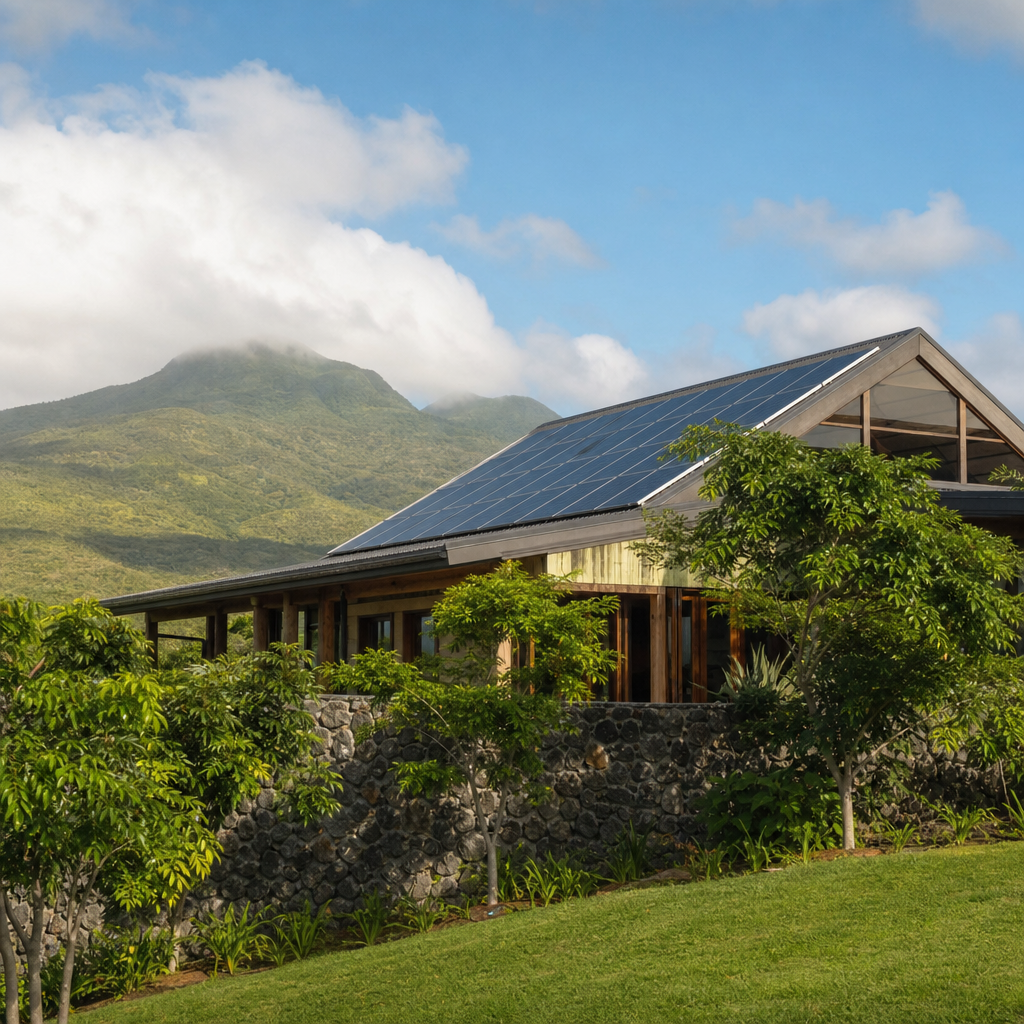
The experience also varies by restoration level. At a fully interpreted estate such as Fairview Great House, visitors can move from period-style interiors to gardens and views, getting a rounded sense of plantation domestic life and modern hospitality reuse. At more ruin-focused locations, the emphasis shifts toward reading the landscape: identifying a mill by its circular tower, distinguishing a boiling house from storage structures, or tracing old estate roads and terraces. Travelers interested in architecture should pay attention to coral stone, volcanic stone, timber galleries, sash windows, and thick masonry walls designed for tropical conditions. Those interested in social history should ask whether the tour discusses enslaved communities, post-emancipation labor, and village formation after sugar’s decline. The best guides welcome those questions and answer them plainly.
Top plantation sites and how they differ
Several estates consistently stand out for visitors seeking historic sugar plantation tours in Saint Kitts. Romney Manor is one of the most accessible and best known. Located near Old Road Town, it combines estate history with lush botanical grounds and the Caribelle Batik workshop, where visitors can see wax-resist textile production. The setting is particularly strong for travelers who want history without a purely ruin-based experience. Fairview Great House and Botanical Garden, not far from Basseterre on the island’s northwestern side, offers restored interiors, gardens, an estate setting, and wide coastal views. It works well for first-time visitors because the site presents plantation life in a digestible format while still providing substantial historical material.
Rawer heritage survives at numerous estate ruins scattered around the island, where windmill towers and industrial remains tell the story more starkly. These sites often appeal to photographers, historians, and repeat visitors who want to go beyond polished visitor attractions. Spooner’s Gin, though better known as a preserved sugar factory site than a classic house museum, helps explain industrial-scale processing and is often referenced in broader heritage itineraries. The St. Kitts Scenic Railway also deserves inclusion because it repurposes the narrow-gauge rail lines once used to transport cane from plantations to the central factory. Riding it gives travelers a moving overview of how estates were linked across the island. In my experience, combining one restored estate, one ruin site, and the railway creates the clearest picture of plantation Saint Kitts.
| Site | Best For | What You Will See | Typical Time Needed |
|---|---|---|---|
| Romney Manor | Gardens, estate history, crafts | Historic grounds, manor setting, batik workshop, mature trees | 1 to 2 hours |
| Fairview Great House | First-time visitors, views, restored interiors | Great house rooms, botanical gardens, estate context, sea views | 1.5 to 2 hours |
| Estate ruins and windmills | Photography, archaeology, serious history | Stone mills, factory remains, field landscapes, less formal interpretation | 30 minutes to 2 hours |
| St. Kitts Scenic Railway | Island overview, families, transport history | Former cane rail route, plantation panoramas, coastal scenery | About 3 hours |
How plantation tours connect to culture, food, and landscape
Plantation touring in Saint Kitts is not only about buildings. It explains local culture in ways visitors notice immediately once the historical framework is clear. Estate kitchens influenced dishes built around provision grounds, saltfish, stews, and local produce. Rum culture grew from the same sugar economy that produced molasses, and many guides use that connection to explain why cane remains symbolically important even after commercial sugar production ended. Gardens at former estates also show the botanical side of plantation life. Breadfruit, mango, tamarind, flamboyant trees, and ornamental plantings reflect both utility and status. At Romney Manor, for example, the grounds demonstrate how former plantation landscapes evolved into horticultural attractions while still preserving the estate’s historical footprint.
The terrain of Saint Kitts also makes more sense through plantation history. Cane cultivation favored broad lower slopes and accessible valleys, while transport routes hugged practical contours between fields, works, and ports. Many scenic drives now pass old estate boundaries, churches funded by planter wealth, and villages shaped by post-emancipation settlement patterns. Even if a traveler spends only part of a day on a formal tour, the knowledge gained carries into every other excursion. A hike toward the central mountains, a stop at a coastal lookout, or a visit to Basseterre’s Georgian buildings all become easier to interpret. This is why plantation tours function well as a hub activity within the island’s miscellaneous experiences: they give context that enriches beaches, railway rides, markets, culinary stops, and historical sightseeing elsewhere.
Choosing the right tour and planning your visit
If you want the easiest introduction, book a guided half-day excursion that includes transfer from Basseterre and two contrasting sites, usually one restored estate and one broader scenic or historical stop. Cruise passengers benefit from this format because timing is controlled and guides know how to pace the visit. Independent travelers have more flexibility and can build a stronger itinerary by renting a car or hiring a local driver for the day. A smart route is Basseterre to Fairview Great House, then Romney Manor, then Brimstone Hill Fortress, with optional scenic railway scheduling on another day. This sequence moves from plantation domestic space to estate grounds to island defense, showing how sugar wealth and imperial strategy were linked.
Consider weather and mobility before booking. Midday heat can be intense, especially on open grounds with limited shade. The dry season generally offers easier walking conditions, but Saint Kitts remains warm year-round. Older properties may have steps, gravel, and uneven stone surfaces, so travelers with limited mobility should confirm accessibility in advance. Ask whether the guide covers slavery and labor history in depth, whether food or rum tasting is included, and how much free exploration time is built in. If photography matters, morning and late afternoon light are usually best for stone ruins and wide landscape shots. Finally, do not treat plantation tours as interchangeable. Some are polished heritage attractions, some are educational scenic drives, and some are specialized history experiences. Matching the format to your interests produces a much better day.
Historic sugar plantation tours in Saint Kitts are among the island’s most rewarding cultural experiences because they turn scenery into story. They explain how windmills, great houses, rail lines, villages, and gardens fit together within the long arc of colonial expansion, slavery, emancipation, and economic change. For travelers browsing miscellaneous activities under the broader adventure and activities theme, this topic works as a true hub: it links naturally to railway excursions, botanical visits, local food, photography, scenic driving, and national heritage sites. The most useful takeaway is simple. Start with one restored estate such as Romney Manor or Fairview Great House, add either a ruin site or the Scenic Railway, and ask direct questions about labor, production, and daily life. That combination gives you both atmosphere and substance.
Saint Kitts rewards visitors who look beyond the beach and take time to understand the island’s plantation past on its own terms. These tours are visually appealing, but their real value is context. You come away knowing why the island developed as it did, how communities were shaped by sugar, and why preservation matters after the industry’s closure. If you are building a Saint Kitts itinerary, place a historic plantation tour near the beginning of your trip so every later activity carries more meaning. Choose a site that matches your interests, book with a guide who addresses the full history honestly, and use this hub as your starting point for exploring the island’s wider heritage experiences.
Frequently Asked Questions
What can you expect on historic sugar plantation tours in Saint Kitts?
Historic sugar plantation tours in Saint Kitts typically combine architecture, landscape, social history, and modern island culture into one experience. Rather than focusing only on old buildings, these tours explain how the sugar industry shaped nearly every part of Saint Kitts, from road networks and hillside clearings to village development and coastal trade routes. Visitors often see former great houses, stone sugar mills, windmill towers, boiling houses, estate yards, and old field systems, along with restored inns, botanical gardens, museums, or private heritage properties that now occupy former plantation land. Depending on the site, tours may be guided by historians, property staff, local storytellers, or heritage specialists who explain how cane was planted, harvested, processed, and exported during the height of the island’s sugar economy.
Many tours also place plantation history in a broader human context. That means learning not only about wealth and trade, but also about enslavement, colonial power, labor systems, emancipation, and the long transition from plantation agriculture to tourism and preservation. In practical terms, a tour may include walking through gardens, viewing period furnishings, visiting old rum or sugar-processing areas, exploring scenic viewpoints, and hearing stories about the families, workers, and communities connected to each estate. Some experiences are short and self-guided, while others are more immersive and pair well with lunch, afternoon tea, railway excursions, or island sightseeing. For travelers who want more than a beach day, sugar plantation tours in Saint Kitts offer a clear, memorable way to understand the island’s past and how that past still shapes the scenery today.
Why is sugar plantation history so important to understanding Saint Kitts?
Sugar plantation history is central to understanding Saint Kitts because sugar was the industry that transformed the island economically, politically, and physically for centuries. Saint Kitts became one of the British Empire’s most profitable sugar-producing islands, and that success drove the construction of estates across fertile lowlands and hillsides. Large tracts of land were cleared for cane cultivation, mills and processing works were built, ports were developed for export, and transportation links evolved to serve the plantation economy. When visitors travel around the island today, many of the open views, estate roads, stone ruins, and settlement patterns they encounter are directly tied to that history.
Just as important, plantation history reveals the social reality behind that wealth. Sugar production depended on the forced labor of enslaved Africans and later on changing labor arrangements after emancipation. A meaningful plantation tour helps visitors understand that these estates were not simply elegant country properties; they were workplaces within a harsh colonial system that produced immense profit for some and suffering for many others. This deeper perspective is essential for interpreting Saint Kitts honestly and respectfully. It also helps explain why former plantations are such significant heritage sites today. They are not only beautiful settings with dramatic architecture and gardens, but also places of memory, resilience, and transformation. In that sense, exploring plantation history gives travelers a fuller understanding of Saint Kitts beyond its beaches and scenic drives.
Are historic sugar plantation tours in Saint Kitts suitable for families and casual visitors?
Yes, many historic sugar plantation tours in Saint Kitts are very suitable for families, couples, cruise visitors, and casual travelers, especially those looking for a cultural activity that is easy to combine with other island experiences. A number of plantation sites are accessible by car and offer a relaxed pace, making them appealing even for visitors who are not deeply interested in history at the outset. Families often enjoy the visual side of these tours, including old stone windmills, tropical gardens, restored manor houses, panoramic viewpoints, and wide-open estate grounds where children can move around more freely than in a traditional museum setting. Some properties also offer food service, shaded verandas, or nearby attractions that make the outing feel leisurely rather than academic.
That said, the best plantation tours do engage with serious history, including slavery and colonialism, so parents may want to think about how they introduce those topics to younger children. For older children, teens, and adults, this can be one of the most educational experiences on the island because it connects place, history, and culture in a direct way. Casual visitors who prefer a lighter introduction can choose shorter visits focused on architecture, gardens, or scenic photography, while more history-minded travelers may want a guided tour with detailed interpretation. If mobility is a concern, it is smart to check in advance whether the property includes stairs, uneven stone paths, hills, or open grounds. Overall, plantation tours are among the most flexible heritage activities in Saint Kitts and can be rewarding for a wide range of travelers.
How do sugar plantation tours connect with other adventure and activities in Saint Kitts?
Sugar plantation tours connect naturally with many of the most popular adventure and activities in Saint Kitts because they provide historical context for landscapes that travelers are already exploring. For example, if you take a scenic drive around the island, pass old estate ruins, ride the St. Kitts Scenic Railway, or hike through countryside with broad views over former cane land, plantation history helps explain what you are seeing. The railway itself is closely associated with the island’s sugar era, since it was originally developed to move cane from fields to the sugar factory. Likewise, roads, villages, and open coastal plains often make more sense once you understand how land was organized around estates and production zones.
Plantation visits also pair well with culinary experiences, botanical stops, photography outings, and soft-adventure itineraries. Travelers interested in local food and rum gain a deeper appreciation for how sugar influenced tastes, trade, and agricultural traditions across the island. Garden lovers often enjoy plantation properties that have been reimagined as lush tropical retreats, where the contrast between former industrial agriculture and present-day beauty is especially striking. Even visitors focused mainly on outdoor recreation often find that a plantation tour adds meaning to the rest of their trip. Instead of seeing Saint Kitts only as a destination of beaches, viewpoints, and excursions, they begin to understand it as a landscape shaped over generations by labor, commerce, and adaptation. That combination of scenery and story is what makes plantation touring such a valuable addition to a broader island itinerary.
What is the best way to plan a sugar plantation tour in Saint Kitts?
The best way to plan a sugar plantation tour in Saint Kitts is to first decide what kind of experience you want: architectural heritage, in-depth history, scenic photography, gardens, dining, or a combination of all of these. Some travelers prefer a single plantation with a strong guided interpretation, while others enjoy visiting several former estates over the course of a day to compare their settings and preservation styles. If you are arriving by cruise ship or have limited time, choose a site with straightforward transport and a well-organized visitor experience. If you are staying on the island longer, you can build plantation stops into a wider route that includes the railway, Basseterre, viewpoints, beaches, or rainforest activities.
It is also wise to confirm opening hours, reservation requirements, and whether tours are guided, self-guided, or by appointment only. Because some plantation properties now function as inns, private estates, restaurants, or event venues, visitor access can vary. Dress for warm weather, bring water, and wear comfortable shoes suitable for gravel paths, lawns, and old stone surfaces. If historical interpretation matters to you, look for tours that discuss both the prosperity created by sugar and the human cost behind it. That balance usually leads to a more meaningful visit. Finally, allow time to slow down and take in the setting. Plantation sites in Saint Kitts are often as memorable for their atmosphere as for their facts, and the most rewarding visits are the ones that let you appreciate both the island’s beauty and the complexity of its past.