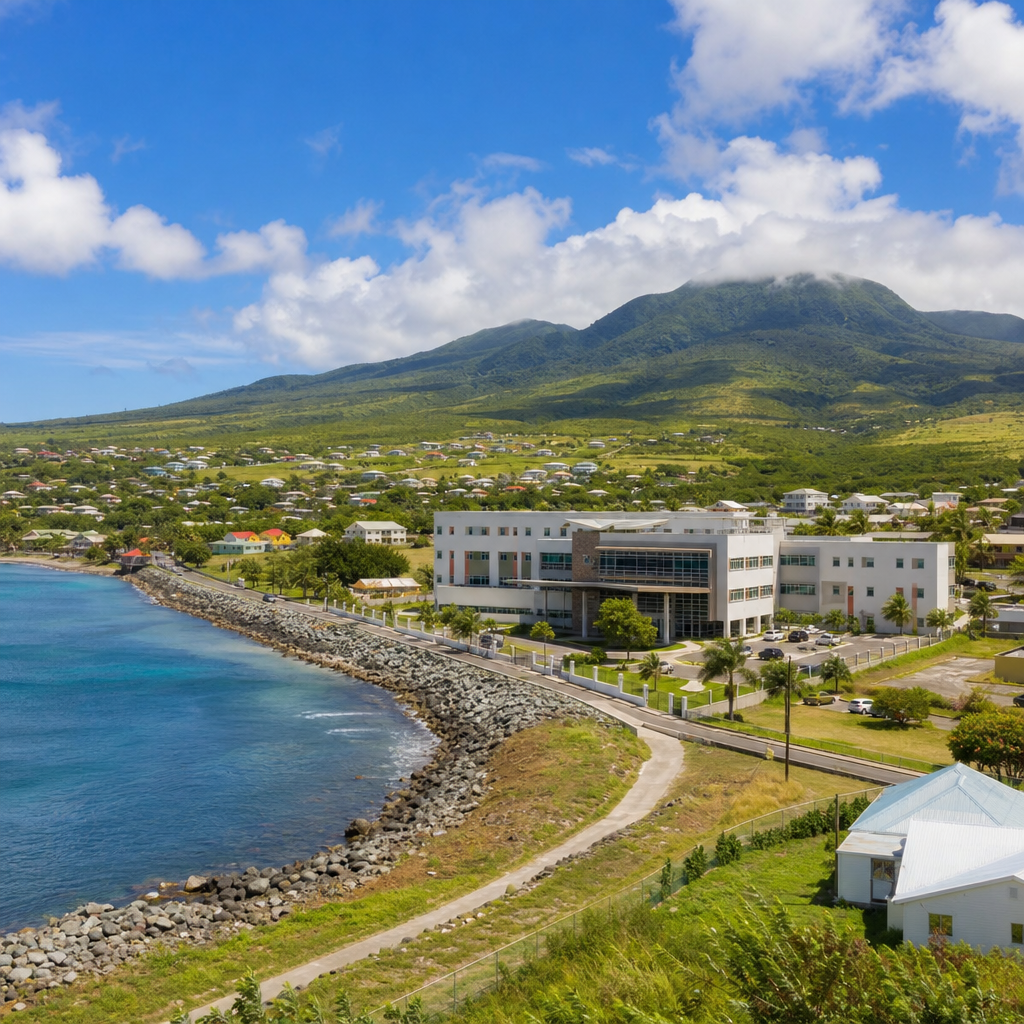
Holistic health practices in Nevis blend herbal knowledge, food traditions, restorative movement, and community-centered care into a practical approach to wellbeing that reflects the island’s ecology and history. In this context, holistic health means treating the whole person rather than a single symptom: physical condition, emotional balance, social support, environment, and daily habits all matter. Local remedies are the plant-based preparations, household treatments, and inherited routines people use for common complaints such as colds, digestive upset, skin irritation, muscle strain, poor sleep, and stress. Treatments include both home care and practitioner-guided options, from massage and bush tea to nutrition counseling, fitness programs, and medically supervised care when needed. This matters in Nevis because island life creates a distinctive health landscape. Residents and visitors deal with heat, humidity, seasonal infections, diet-related chronic disease, active outdoor work, and the realities of limited specialist access compared with larger countries. Over years of working with Caribbean wellness content and interviewing practitioners across small islands, I have seen the same pattern repeatedly: outcomes improve when people combine trusted traditional knowledge with evidence-based primary care, prevention, and sensible follow-up. Nevis is especially well positioned for that balanced model because its culture still values plant knowledge, family caregiving, fresh food, and restorative natural settings. A strong hub on holistic health practices in Nevis should therefore explain the main remedies people use, the settings where they are used, the conditions they may help, and the safety limits that should guide every decision.
What holistic health looks like in Nevis
In Nevis, holistic health is less a trend than a lived system of habits. It shows up in morning walks before the sun gets harsh, soups and ground provisions after illness, herbal teas for congestion or “cooling,” sea breeze and rest for stress relief, and careful attention to hydration in hot weather. Many households still keep practical knowledge about lemongrass, ginger, soursop leaf, aloe, turmeric, and other familiar plants, although the exact use varies by family. At the same time, modern wellness on the island includes physiotherapy, yoga classes, gym training, blood pressure screening, diabetes management, and physician care through clinics and hospitals. The point is not to choose one camp over the other. The strongest local practice is integrative in the plainest sense: use safe home remedies for minor issues, build resilience through daily lifestyle choices, and seek clinical help promptly for red-flag symptoms.
This balanced approach is important because the biggest health burdens in Caribbean populations are often chronic rather than dramatic. Hypertension, diabetes, obesity, high cholesterol, anxiety, poor sleep, and musculoskeletal pain are common concerns, and none is solved by a single tea or supplement. On the other hand, small daily practices matter enormously. A person who drinks enough water, eats more locally grown produce, walks hills regularly, limits ultra-processed food, manages stress, and addresses minor infections early will usually do better than someone who waits for serious symptoms. In Nevis, holistic health practices are most effective when they support prevention, symptom relief, recovery, and long-term adherence. They are also social. Advice is shared across generations, and healing often happens in kitchens, gardens, churches, community spaces, and family networks as much as in formal treatment rooms.
Herbal remedies and bush medicine traditions
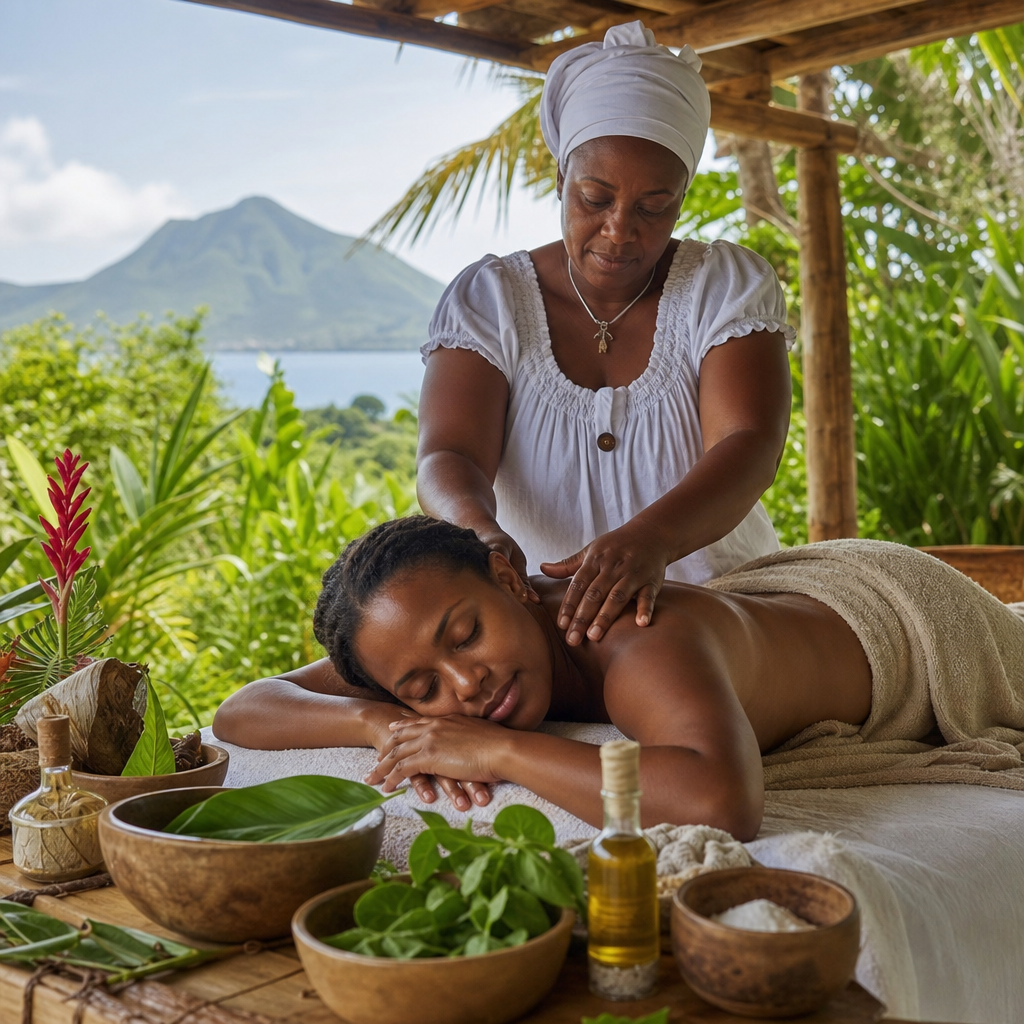
Bush medicine remains one of the most recognizable local remedies in Nevis. The term generally refers to medicinal use of herbs, leaves, roots, bark, and household ingredients prepared as teas, tonics, poultices, steam inhalations, baths, or topical applications. Common examples across the Eastern Caribbean include ginger tea for nausea or cold symptoms, lemongrass tea for relaxation and mild fever support, turmeric in warm drinks for inflammation, aloe vera gel for minor skin irritation, and leaf infusions used traditionally for sleep or “cleansing.” Some remedies are valued because they are accessible and embedded in memory: an elder knows what to pick, how long to steep it, and when to stop. That practical wisdom is a health asset, especially for mild, self-limiting complaints.
Still, herbal medicine is safest when paired with clear limits. Plants are pharmacologically active. That means a remedy can help, do nothing, or cause harm depending on the species, preparation, dose, age of the user, pregnancy status, and interaction with prescription drugs. For example, people taking blood thinners, diabetes medication, or blood pressure medication should not assume every “natural” tea is harmless. I always advise using one herb at a time when trying something new, keeping doses modest, and stopping immediately if there is rash, dizziness, vomiting, wheezing, or worsening symptoms. Trusted plant identification matters because misidentification is a real risk in any community tradition. For readers exploring this hub topic, the practical takeaway is simple: local herbal remedies in Nevis can play a valuable role in comfort and prevention, but they work best within an informed framework that respects both tradition and clinical safety.
Food as medicine in everyday island life
One of the most effective holistic health practices in Nevis is not exotic at all: using everyday food intentionally. Island diets historically relied on fish, fruits, vegetables, legumes, coconut, ground provisions, and minimally processed meals prepared at home. Those patterns naturally support steady energy, better fiber intake, and lower dependence on highly refined packaged foods. In practice, food-based treatment might mean ginger and lime in warm water when appetite is poor, light soups after illness, papaya or other fruit to support digestion, or reducing salt for blood pressure control. It also means using cooking methods that preserve nutrition and manage calories, such as steaming fish, stewing vegetables, or roasting instead of deep frying.
For chronic disease prevention, this matters more than most supplements. The DASH eating pattern for hypertension and Mediterranean-style principles for cardiometabolic health both align surprisingly well with the best parts of traditional Caribbean eating: beans, leafy greens, roots, fruits, nuts, fish, herbs, and restrained use of added sugar. Nevisian households can adapt these principles without abandoning local flavor. Season with thyme, scallion, garlic, ginger, turmeric, and fresh pepper rather than excessive salt cubes or heavy bottled sauces. Build plates around produce and protein before starch. Keep sweet drinks occasional rather than routine. The strongest food-as-medicine plan is sustainable, familiar, and culturally comfortable. That is why local produce markets, home gardens, and cooking knowledge are health infrastructure, not lifestyle decoration.
Bodywork, movement, and restorative treatments
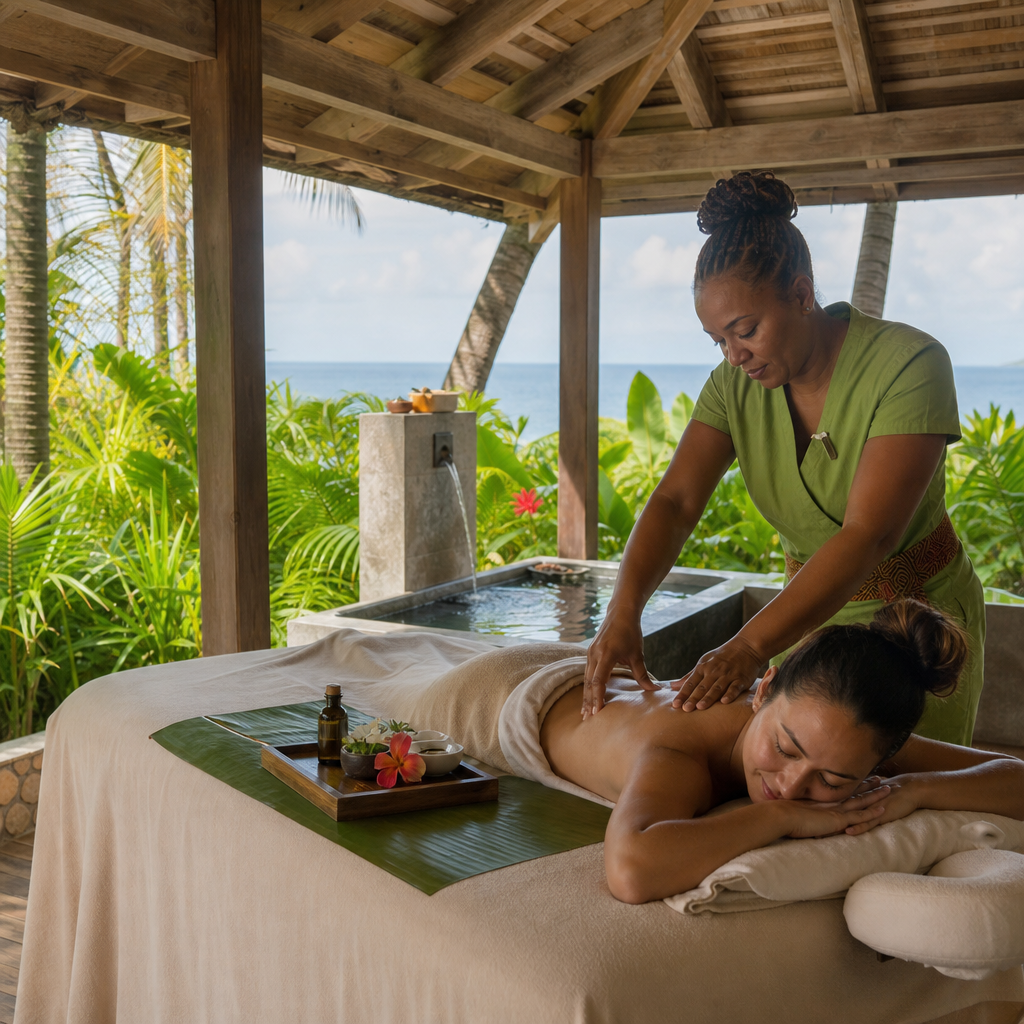
Holistic treatment in Nevis also includes how people move and recover. Hilly roads, coastal paths, and warm weather make walking accessible, while community sports, dance, swimming, and informal exercise groups create social accountability. For pain and stiffness, many residents turn first to massage, stretching, warm baths, topical preparations, or rest before escalating to medication. Those methods can be genuinely useful. For uncomplicated muscle tension, delayed-onset soreness, mild low-back tightness, or overuse from gardening and manual labor, conservative care often works well: hydration, relative rest, mobility exercises, heat, and skilled bodywork can restore function quickly. I have seen the best outcomes when massage therapists and fitness instructors stay within scope, recognize warning signs, and refer onward instead of promising to fix everything.
Movement-based care is especially relevant for aging well on a small island. Strength, balance, and joint mobility determine independence. A simple program of walking, sit-to-stand exercises, calf raises, resistance bands, and gentle stretching can reduce fall risk and improve glucose control more reliably than intermittent detoxes or expensive imported powders. Yoga and breathwork also fit naturally into a Nevis wellness plan because they address both stress and physical tension. The limitation is that serious injury, chest pain with exertion, neurological symptoms, or persistent swelling should never be managed as a spa problem. Holistic care is strongest when restorative treatments support function and comfort, while diagnosis and acute management remain in the hands of qualified clinicians.
Popular local practices, uses, and cautions
The range of remedies associated with holistic health practices in Nevis is broad, but a few patterns appear repeatedly in community use. The table below summarizes common examples, why people use them, and the safety mindset that should accompany them. These are not prescriptions; they are practical reference points for understanding the local landscape.
| Practice or remedy | Typical local use | What it may help | Important caution |
|---|---|---|---|
| Ginger tea | Warm drink for colds, nausea, sluggish digestion | Mild nausea, throat comfort, appetite support | Can irritate some stomachs; use care with anticoagulants |
| Lemongrass tea | Evening tea for relaxation or mild fever support | Calming routine, hydration | Do not rely on it for high fever or serious infection |
| Aloe vera gel | Topical application for minor skin irritation | Soothing superficial irritation | Not for deep wounds, severe burns, or infected skin |
| Warm salt water gargle | Home care for sore throat | Temporary throat relief | Seek care if breathing, swallowing, or fever worsens |
| Massage and stretching | Recovery after work, sport, or travel | Muscle tension, stiffness, stress | Avoid if fracture, clot, acute infection, or neurological signs are possible |
| Light soups and broths | Recovery food after illness | Hydration, appetite, gentle nutrition | Persistent vomiting or dehydration needs medical review |
Stress, sleep, and the healing environment
Any serious discussion of holistic health in Nevis must include mental wellbeing. Stress on a small island can come from finances, caregiving, work overload, grief, chronic illness, hurricane season anxiety, and the pressure of tourism-facing jobs. People often describe stress physically first: headaches, tight shoulders, poor sleep, short temper, fatigue, and digestive upset. Local treatments for these problems often begin with environment rather than medication. Time outdoors, reduced evening stimulation, herbal tea rituals, prayer or meditation, family support, and quiet routines after sunset can all help shift the nervous system toward rest. These are not vague wellness ideas. They are behavior-based interventions that influence sleep quality, blood pressure, and resilience.
The island setting itself can be therapeutic when used intentionally. Access to beaches, green spaces, sunlight, and sea air supports movement and mental reset, but only if paired with practical habits. Morning light exposure helps regulate circadian rhythm. Limiting alcohol late at night improves sleep architecture. Regular mealtimes reduce energy crashes that can feel like anxiety. Social connection lowers the sense of isolation that often worsens health behavior. None of this replaces counseling or psychiatric care where needed, and severe depression, panic, trauma, or self-harm risk require professional intervention. Yet for many people, the first layer of treatment is still profoundly local: better routines, calmer evenings, fewer stimulants, more walking, and a supportive community that notices when someone is not coping well.
When to combine local remedies with clinical care
The most responsible guide to local remedies and treatments in Nevis is one that explains when home care is enough and when it is not. Minor colds, simple indigestion, mild tension headaches, uncomplicated muscle soreness, and temporary stress often respond well to rest, fluids, light food, and selected traditional remedies. Red flags are different. Chest pain, shortness of breath, one-sided weakness, persistent high fever, severe dehydration, uncontrolled blood sugar, spreading skin infection, confusion, fainting, and heavy bleeding need prompt medical attention. The same applies when a symptom lasts longer than expected, repeatedly returns, or worsens despite reasonable home treatment.
This is where a hub article serves readers best. It connects the miscellaneous pieces of holistic health rather than romanticizing them. Nevis offers a meaningful model of wellbeing because it preserves local knowledge while operating within modern healthcare realities. Use herbs carefully. Treat food, movement, sleep, and stress management as core medicine, not extras. Respect the value of massage, baths, and restorative routines for recovery. Build health around what is locally available and sustainable. Most importantly, know the limits of self-treatment and seek qualified care early when symptoms point to something more serious. If you are exploring health and wellness in Nevis, use this page as your starting point, then continue into the related articles on herbal care, nutrition, fitness, mental wellbeing, and preventive health to build a safer, stronger routine.
Frequently Asked Questions
What does “holistic health” mean in the context of Nevis?
In Nevis, holistic health refers to a way of caring for wellbeing that looks at the whole person rather than isolating one symptom or one body part. It includes physical health, emotional resilience, rest, movement, diet, relationships, environment, and daily routine. This approach is closely tied to the island’s history, where families and communities often relied on practical local knowledge, home gardens, traditional food preparation, and intergenerational care to support health. Instead of separating wellness into rigid categories, holistic practice in Nevis tends to connect them: what a person eats, how they sleep, how active they are, what stress they are carrying, and how supported they feel socially are all seen as meaningful.
That perspective also reflects the realities of island living. Nevisian holistic traditions often draw on what is locally available and sustainable, including herbs, fruits, roots, teas, soups, baths, and restorative habits passed down through experience. It is not only about remedies themselves, but also about patterns of living that encourage balance. A warm herbal tea may be used not just for a physical complaint, but as part of a calming evening routine; nourishing broths may be valued not only for recovery, but for comfort and strength; movement may be approached not just as exercise, but as circulation, posture, energy, and stress relief. In this setting, holistic health is practical, community-rooted, and shaped by both ecological knowledge and lived experience.
What kinds of local remedies and treatments are commonly associated with holistic health practices in Nevis?
Commonly associated remedies in Nevis often include herbal teas, plant infusions, steam treatments, warm compresses, baths, nourishing soups, and simple household preparations made from ingredients that are familiar in Caribbean home traditions. Depending on the purpose, people may turn to leaves, roots, spices, citrus, or other plant-based ingredients to support digestion, relaxation, respiratory comfort, or general recovery. These remedies are usually valued for being accessible, gentle, and integrated into daily life rather than reserved only for moments of illness. They often exist alongside preventive habits such as hydration, rest, balanced meals, and regular movement.
Food traditions are an especially important part of treatment. In many holistic frameworks on the island, food is not separate from medicine. Fresh produce, herbal seasonings, broths, porridges, teas, and mineral-rich meals may be used to rebuild strength, soothe the stomach, or support the body during periods of stress or fatigue. Restorative movement also matters. Walking, stretching, light outdoor activity, breath-focused practices, and routine physical work can all be viewed as health-supportive when approached with moderation and awareness. Community care is another major treatment dimension. Check-ins from relatives, shared meals, practical assistance, and emotional support are often understood as part of recovery itself, reinforcing the idea that wellbeing is relational as much as physical.
How do herbal knowledge and food traditions work together in Nevisian wellness practices?
Herbal knowledge and food traditions work together in Nevis by creating a continuous, everyday form of care rather than a strict divide between “remedy” and “meal.” Many traditional wellness practices use herbs, spices, fruits, and roots in ways that support both nourishment and symptom relief. A tea may be prepared to encourage relaxation or comfort digestion, while a hearty soup or porridge may be chosen to restore energy, improve hydration, and provide gentle nutrition during recovery. This overlap is central to the holistic mindset: health is supported repeatedly through small, regular choices, not only through occasional treatment.
These traditions also reflect deep observational knowledge. Over generations, families learned how certain ingredients affected the body, when warming or cooling foods felt beneficial, and how preparation methods could influence comfort and digestion. For example, lightly seasoned, easy-to-digest meals may be favored when someone is run down, while fresh produce and herbal drinks may be emphasized to support general vitality. Seasonal availability and local growing conditions also shape these practices, making them responsive to place. In Nevis, wellness often emerges from a rhythm of cooking, brewing, sharing, and resting that is as culturally meaningful as it is practical. The result is a healthcare philosophy grounded in familiarity, consistency, and everyday preventive care.
Why is community-centered care such an important part of holistic health in Nevis?
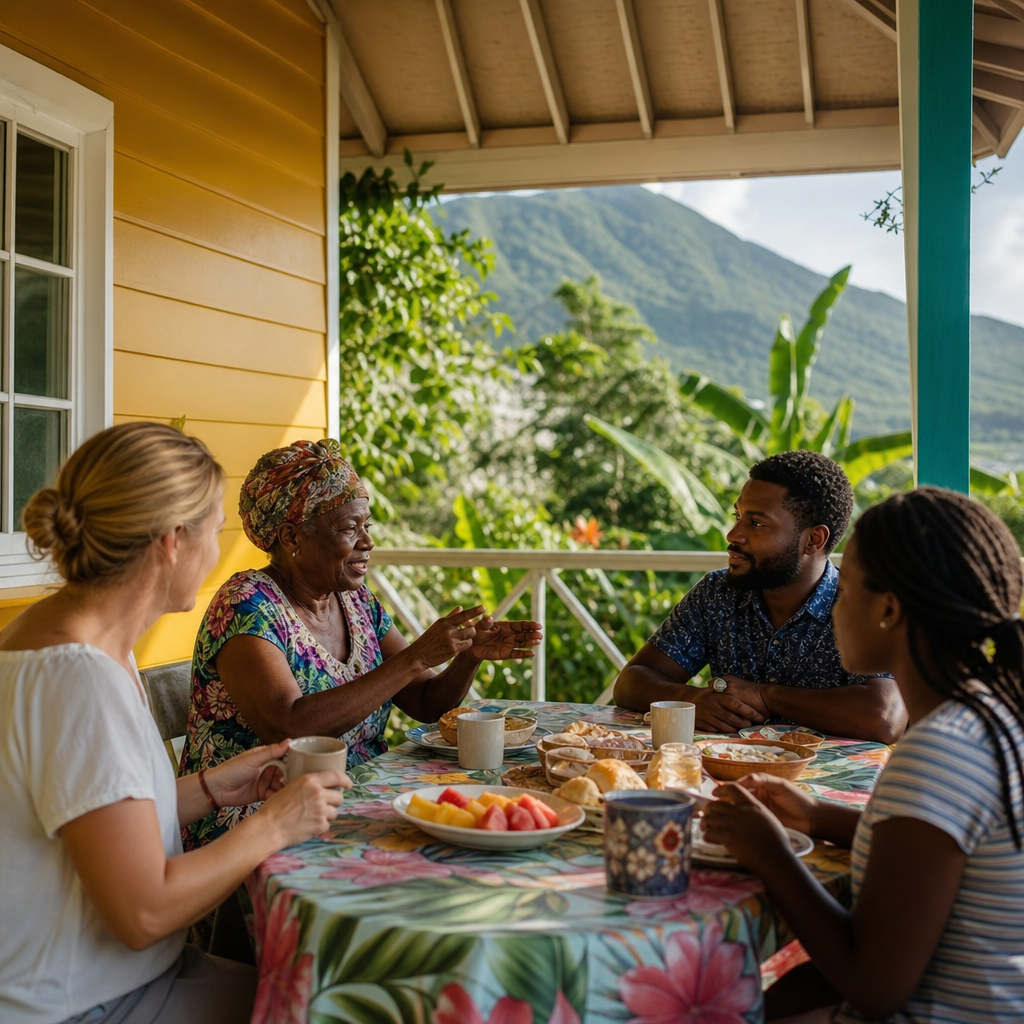
Community-centered care is important in Nevis because health has traditionally been understood as something sustained through relationships, not managed in isolation. Family members, neighbors, elders, and friends often play a practical and emotional role in helping someone recover or maintain wellbeing. That support can include preparing food, sharing herbal knowledge, checking in regularly, helping with household responsibilities, encouraging rest, or simply offering companionship. In a holistic framework, these acts are not peripheral; they are part of the treatment environment. Social connection can affect stress levels, mood, motivation, and the ability to maintain healthy habits, all of which influence overall health outcomes.
This community orientation also helps preserve health knowledge. Many local remedies and routines have been transmitted through conversation, observation, and lived experience rather than formal instruction alone. Elders may teach younger generations how to prepare certain teas, when to rest, how to respond to common discomforts, or which daily habits help maintain balance. At the same time, community care can reinforce accountability around hydration, eating properly, getting enough sleep, and not pushing through exhaustion. In that sense, holistic health in Nevis is both personal and collective. It recognizes that people tend to heal better when they feel supported, understood, and connected to a wider web of care.
How can someone respectfully learn about and engage with holistic health practices in Nevis today?
The best way to engage respectfully with holistic health practices in Nevis is to approach them as living cultural knowledge rather than as trends or quick fixes. That means listening carefully, asking questions with humility, and understanding that remedies are often part of a broader worldview about balance, family, land, food, and routine. Learning from knowledgeable locals, community practitioners, cultural educators, or reputable wellness professionals can provide needed context about how and why certain practices are used. It is also important to recognize that traditional methods are often highly individualized. What works well in one household, for one season, or for one person’s constitution may not be universally appropriate.
Respectful engagement also includes using good judgment. Traditional remedies can be meaningful and effective as part of general wellness, comfort care, and preventive living, but they should be used responsibly, especially when someone has a chronic illness, is pregnant, is taking medication, or has symptoms that are severe or persistent. A thoughtful approach values both traditional knowledge and modern medical guidance when needed. For visitors or newcomers, one of the most meaningful ways to participate is to embrace the broader lifestyle principles behind Nevisian holistic care: eat nourishing local foods, pay attention to rest and stress, move regularly, value nature, and appreciate the role of community in wellbeing. That perspective honors the tradition more fully than treating remedies as isolated products or one-size-fits-all solutions.