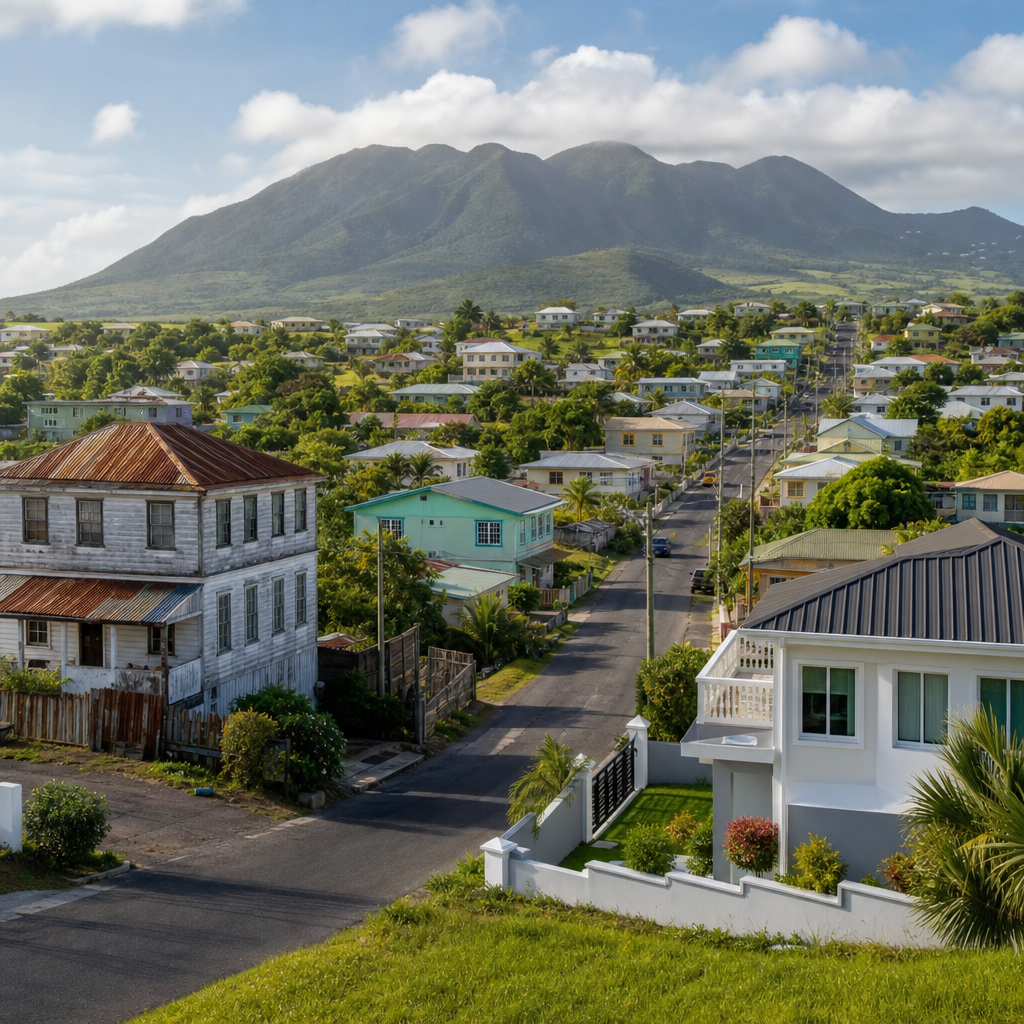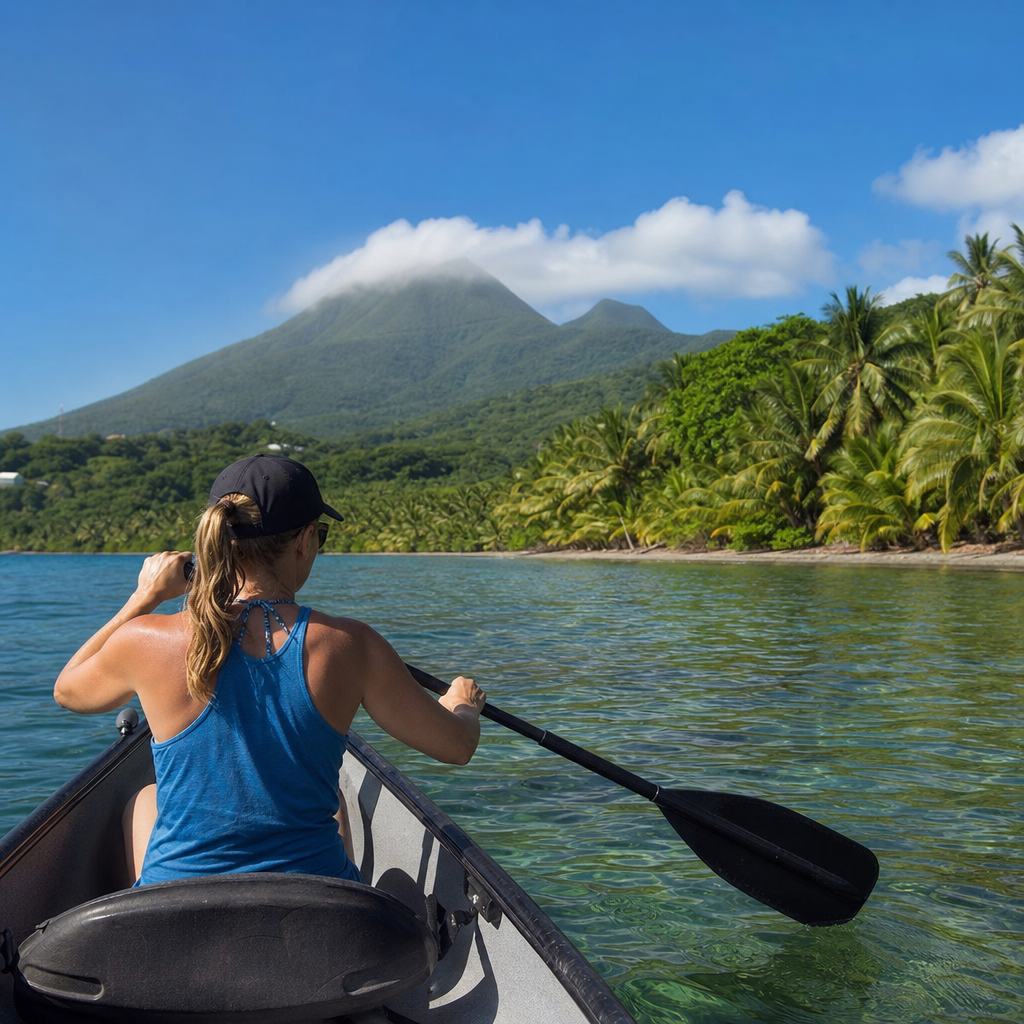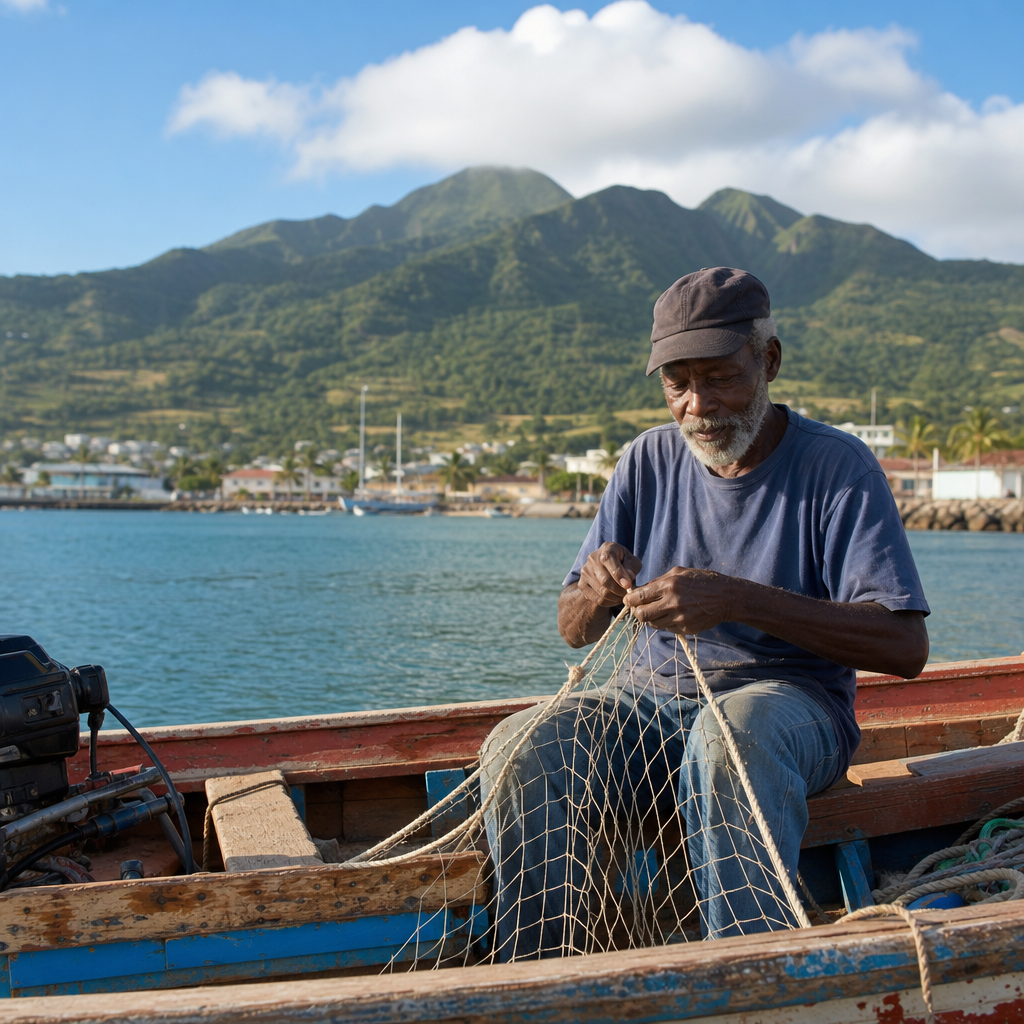
Saint Kitts’ maritime traditions are not museum pieces; they are living practices that still shape how communities work, celebrate, eat, build, and remember. On an island where the sea is never far away, maritime culture means more than boats and beaches. It includes fishing knowledge passed through families, harbor trade that connected Basseterre to the wider Caribbean, boatbuilding skills adapted to local conditions, religious and festive events tied to the coastline, and the stories people tell about storms, migration, and survival. As a hub within Culture and History, this overview of Saint Kitts’ maritime traditions brings together the miscellaneous threads that often sit between formal categories yet explain daily island life more clearly than any single timeline.
In practical terms, maritime traditions are the customs, skills, institutions, and beliefs that grow from a people’s long relationship with the sea. In Saint Kitts, that relationship developed through Indigenous coastal use, colonial shipping, plantation-era commerce, inter-island movement, small-scale fisheries, and modern tourism. The island’s west and south coasts offered anchorages and trade routes, while communities learned to read currents, seasonal weather, reef edges, and fishing grounds with a precision that outsiders often underestimate. I have seen in Caribbean ports how these traditions survive not because they are preserved behind glass, but because they remain useful. A handline technique, a skiff design, or a harbor feast endures when it still answers a need.
This matters because maritime traditions help explain Saint Kitts beyond postcard imagery. They show how geography influenced labor, diet, architecture, language, and identity. They also reveal the tension between continuity and change. Fiberglass boats replaced many wooden craft, imported goods altered coastal trade, and cruise tourism reshaped waterfront economies, yet older habits remain visible in fish markets, regattas, shoreline settlements, and local memory. Understanding these traditions gives readers a clearer map of the island’s culture and points toward related topics across the Culture and History section, from foodways and festivals to colonial infrastructure and community heritage.
The Sea as Saint Kitts’ Historical Highway
Before roads linked every part of the island efficiently, the sea functioned as the fastest corridor for movement, trade, and communication. Saint Kitts’ position in the Leeward Islands made it part of a wider maritime network stretching to Nevis, Antigua, Montserrat, and beyond. Coastal landing points mattered because they connected plantations, warehouses, and town markets to regional shipping lanes. Basseterre grew in part because it served as a commercial port where sugar, molasses, rum, and imported goods moved through a structured harbor economy. Maritime history in Saint Kitts therefore cannot be separated from the island’s economic development.
European colonization intensified this role. English and French competition in the seventeenth century turned Saint Kitts into a strategically important island, and harbors became military as well as commercial assets. Ships carried soldiers, enslaved Africans, administrators, merchants, and provisions. That hard history is central to any honest account of maritime traditions. Ports were not simply places of enterprise; they were also sites where imperial power and forced labor were organized. The waterfront connected plantation wealth to Atlantic systems of exploitation. Even so, communities shaped their own seafaring knowledge within and around those systems, using small craft for fishing, local transport, and inter-island family connections.
In many Caribbean islands, residents still describe distance by sea sense as much as by road mileage, and Saint Kitts is no exception. Coastal orientation influenced settlement patterns and local outlooks. A village’s access to a beach, cove, or landing could determine trade opportunities and food security. That legacy remains visible today in the cultural weight carried by waterfront spaces and in the instinctive way many Kittitians reference weather, swells, and boat access when discussing everyday plans.
Fishing Knowledge and Working Waterfronts
Traditional fishing sits at the heart of Saint Kitts’ living maritime legacy. While industrial-scale fishing never defined the island, small-scale fisheries have long supplied households, markets, and restaurants with species such as snapper, grouper, jacks, tuna, lobster, and conch where regulations allow. Fishers developed practical expertise in reading sea color, bird movement, moon phases, reef topography, and seasonal shifts. Long before digital mapping, men identified productive grounds through landmarks on shore, lining up hills, church towers, or distinctive trees to mark underwater locations. That technique, common across the Caribbean, reflects an advanced mental charting system built from repeated observation.
Working waterfronts are where this knowledge becomes visible. Boats return early, catches are sorted quickly, and value depends on freshness, species, and buyer relationships. In Saint Kitts, places associated with fishing activity, including communities near Basseterre and along accessible coasts, have historically been more than unloading points. They are social spaces where prices are negotiated, weather is discussed, engines are repaired, and younger people learn by watching. The knowledge transfer is practical: how to set fish pots, how to splice line, how to judge whether squalls will move north, how to preserve a catch when ice is limited.
Modernization changed the tools but not the basic structure of the work. Fiberglass pirogues and open motorized skiffs improved speed and range compared with older wooden craft, and outboard engines reduced dependence on oars and sail. Yet these gains brought costs, including fuel expense, imported maintenance parts, and vulnerability to rougher offshore weather because fishers can now travel farther. The best fishing communities balance innovation with inherited caution. Experienced captains know that no engine cancels the authority of Caribbean weather, especially during hurricane season.
Boatbuilding, Seamanship, and Coastal Skills
Boatbuilding in Saint Kitts belongs to a broader Eastern Caribbean tradition of adapting vessel design to local waters, available materials, and intended use. Older working boats were typically built for utility first: shallow enough for beach launching, stable enough for fishing gear, and strong enough to handle chop along exposed coasts. Builders had to understand timber behavior, weight distribution, hull form, and repair cycles. Even when many vessels became imported or fiberglass-molded, local seamanship remained essential because a boat’s safety still depends on handling, loading, and maintenance discipline.
I have watched small-boat operators across the region make decisions that look effortless but come from years of repetition: trimming weight aft before departure, approaching a landing through crosswash at just the right angle, lifting an outboard in shallow water before surf can strike the prop. Those are maritime traditions as much as any ceremonial event. They are embodied skills. In Saint Kitts, seamanship includes launch timing, knot work, anchoring on mixed bottom, fuel planning, and care of nets, traps, lines, and hooks. It also includes the judgment to stay ashore when forecasts, cloud build-up, and swell patterns signal avoidable risk.
The standards behind safe seamanship are increasingly formalized. Regional fishers and boat operators now intersect with guidance from the International Maritime Organization, Caribbean marine safety programs, and national fisheries and coast guard procedures. Life jackets, radio communication, navigation lights, and weather monitoring are no longer optional best practices; they are basic risk controls. Still, formal regulation works best when it respects local operating realities. The strongest safety culture grows when modern standards reinforce, rather than dismiss, hard-earned coastal knowledge.
Trade, Ports, and Maritime Change
Saint Kitts’ maritime identity was shaped not only by fishers but also by merchants, stevedores, customs workers, sailors, and market vendors. Ports turned the island outward. Sugar exports once dominated shipping, making maritime infrastructure central to colonial wealth. Warehousing, lightering, and harbor administration created a class of workers whose livelihoods depended on tides, schedules, and ship calls. Basseterre’s waterfront became a zone where local production met imperial commerce, and where imported food, hardware, textiles, and manufactured goods entered daily life.
Over time, the maritime economy diversified. Inter-island schooner trade, packet services, and ferry links supported movement of people and goods long after the plantation system started to weaken. Then another shift arrived: containerization and cruise tourism. Container shipping consolidated cargo handling into modern logistics systems, reducing some of the older labor patterns that once defined harbor life. Cruise development, meanwhile, transformed parts of the waterfront into visitor-facing spaces. This created jobs and revenue, but it also changed how coastal heritage is presented. A port can become visually polished while the working knowledge that built it is pushed out of sight.
The tradeoff is important. Tourism often celebrates maritime imagery—sails, seafood, harbor sunsets—without fully representing the labor history beneath it. A strong cultural history of Saint Kitts should keep both stories together: the attractive waterfront and the workers who made maritime commerce possible. That balance helps residents and visitors understand why the coast remains a place of memory, not just leisure.
Maritime Traditions in Daily Culture
Sea traditions also live in food, language, religion, and community events. A fish dish is never only a meal; it carries information about seasonality, availability, preservation, and taste shaped by local waters. Fish broth, fried fish, saltfish preparations, and shellfish-based meals all reflect practical maritime history. So do methods of cleaning, seasoning, and selling catch. In many Caribbean islands, the difference between a market fish and a household fish is social as much as culinary, and Saint Kitts shares that pattern.
Language preserves maritime life too. Coastal communities develop vocabulary around swells, fish behavior, gear types, and landing conditions that may sound ordinary to locals but encode generations of observation. Festivals and church events frequently incorporate the shoreline, whether through blessings, seaside gatherings, or processions that acknowledge dependence on safe passage and good weather. Even recreation carries tradition forward. Swimming, rowing, sailing, and shoreline picnics are modern leisure forms, yet they rest on older habits of coastal familiarity.
These cultural expressions matter because they keep maritime identity broad. If maritime history is reduced to ship registries and colonial ports, the story becomes incomplete. Saint Kitts’ living legacy is visible in ordinary practices that rarely enter official archives but remain central to belonging.
What Sustains the Legacy Today
Several forces now determine whether Saint Kitts’ maritime traditions remain active or become diluted. Heritage education is one. Schools, museums, community groups, and oral history projects can document fishers’ knowledge, harbor labor histories, and coastal place names before they disappear. Environmental management is another. Coral reef decline, coastal erosion, overfishing pressure, and stronger storm impacts threaten not just ecosystems but the practices attached to them. A damaged reef means less fish habitat, fewer training grounds for young fishers, and weaker continuity in food traditions.
Policy choices also matter. Support for landing sites, cold storage, marine safety training, and fair access to coastal space can preserve working maritime culture in practical terms. The table below shows how common pressures affect the legacy and what responses work best.
| Pressure | Effect on maritime traditions | Practical response |
|---|---|---|
| Coastal tourism development | Displaces working beaches and hides labor history | Protect mixed-use waterfront zones and interpret local heritage |
| Climate change and storms | Damages boats, reefs, landing sites, and seasonal routines | Improve resilient infrastructure, forecasting, and insurance access |
| Youth migration from fishing | Breaks knowledge transfer between generations | Create apprenticeships, safer fisheries, and better market returns |
| Imported food dependence | Weakens demand for local catch and seafood skills | Promote local seafood supply chains and culinary education |
What works best is not nostalgia but usefulness. Traditions survive when they provide income, identity, or practical knowledge. A documented fishing ground, a repaired jetty, a school visit to a harbor, or a restaurant that names local species on its menu can all strengthen continuity. Saint Kitts does not need to freeze maritime culture in the past. It needs to keep the relationship between people and sea active, visible, and respected.
Saint Kitts’ maritime traditions remain a living legacy because they still organize memory and daily life at the edge of the water. They explain how the island traded, ate, moved, worshiped, and worked, and they connect grand historical forces to specific local practices. From fishing grounds marked by shoreline alignment to harbor spaces shaped by sugar exports and modern cruise traffic, the maritime story of Saint Kitts is layered, practical, and deeply human.
The clearest lesson is that miscellaneous heritage is often the connective tissue of culture. Boat handling, market routines, seafood knowledge, dock labor, storm memory, and coastal celebrations may seem like separate topics, but together they show how an island understands itself. They also point readers toward related Culture and History themes such as food traditions, colonial infrastructure, community festivals, migration, and environmental change. Maritime traditions are therefore not a side note; they are a central framework for reading Saint Kitts accurately.
If you want to understand Saint Kitts more fully, start at the shoreline. Explore the harbor history, ask how fishers read the sea, notice which foods come from local waters, and follow the links between coast, community, and memory across the rest of this hub. That is where the island’s living legacy becomes easiest to see.
Frequently Asked Questions
What makes Saint Kitts’ maritime traditions a living legacy rather than just part of the island’s history?
Saint Kitts’ maritime traditions are considered a living legacy because they continue to influence everyday life across the island, not simply its historical narrative. The sea has long shaped where people work, how families earn a living, what foods appear on the table, and how communities mark important occasions. Fishing, for example, is not only an inherited occupation but also a form of local knowledge passed from one generation to the next, including an understanding of currents, weather patterns, coastal geography, and seasonal marine life. These are practical skills still used by people today, not customs preserved only for display.
Maritime culture in Saint Kitts also survives through community memory and social tradition. Coastal villages and urban waterfront spaces alike have been shaped by the movement of goods, people, and stories through the harbor. In Basseterre especially, maritime activity historically linked the island to wider Caribbean trade networks, and that legacy remains visible in the island’s commercial rhythms and cultural outlook. At the same time, religious observances, festive events, and public celebrations connected to the shoreline help reinforce the sea’s importance as a shared cultural space. What makes the tradition “living” is precisely this continuity: it is practiced, adapted, remembered, and renewed in the present.
How has fishing shaped community life and family knowledge in Saint Kitts?
Fishing has played a central role in the social and cultural life of Saint Kitts for generations. Beyond providing food and income, it has served as a framework through which experience, discipline, and local identity are transmitted. In many families, knowledge about the sea is passed down informally through observation and participation. Younger generations learn how to read changing skies, identify favorable fishing grounds, interpret the movement of tides, and understand the habits of different species. This knowledge is often highly specific to local waters and reflects a long relationship between people and place.
Fishing also reinforces community bonds. It creates networks of cooperation among boat crews, fish vendors, market sellers, and households that depend on fresh catch. The daily routines surrounding departure, return, preparation, and sale of fish connect the shoreline to homes, roadside stalls, and local markets. In this way, maritime tradition is not isolated offshore; it extends into neighborhood life and household economy. Even for people who are not fishers themselves, seafood preparation, fish cleaning techniques, and recipes tied to local catch become part of family and community heritage.
Just as importantly, fishing carries stories and values. Elders often share lessons about endurance, patience, respect for the sea, and the unpredictability of weather and livelihood. Those lessons become part of a wider cultural memory. In Saint Kitts, fishing is therefore not merely an economic activity. It is a living system of practical skill, intergenerational teaching, and communal identity that continues to shape how people understand both the island and themselves.
What role did harbors and maritime trade play in shaping Saint Kitts, especially Basseterre?
Harbors were essential to the development of Saint Kitts, and Basseterre in particular emerged as a key point of exchange because of its maritime position. For centuries, the harbor connected the island to regional and international trade routes, enabling the movement of agricultural goods, imported products, labor, information, and cultural influences. This made the waterfront far more than a physical boundary between land and sea. It functioned as an economic engine and a meeting place where local life intersected with broader Caribbean realities.
The significance of maritime trade can be seen in how it shaped patterns of settlement, work, and commerce. Warehousing, shipping, market exchange, and port-related labor all created livelihoods tied directly or indirectly to the sea. Businesses developed around the needs of vessels and trade traffic, while the town itself evolved in response to the opportunities and demands created by harbor life. Through these exchanges, Basseterre became connected not only to neighboring islands but also to larger colonial and commercial systems that influenced everything from diet to architecture to language and custom.
That legacy still matters today because it explains why maritime culture in Saint Kitts is deeply woven into the island’s identity. The harbor was a place where goods arrived, but also where ideas circulated and relationships were formed. Maritime trade helped position Saint Kitts within a wider Caribbean world, and the memory of that connection remains part of how people understand the island’s past and present. In this sense, Basseterre’s waterfront is not simply a historical site; it is part of the living story of movement, exchange, and adaptation that defines Saint Kitts’ maritime heritage.
How do boatbuilding and coastal skills reflect local adaptation in Saint Kitts?
Boatbuilding and related coastal skills in Saint Kitts reveal how maritime traditions developed in direct response to local environmental conditions and practical needs. Boats were not simply copied from elsewhere without change; they were often adapted to suit the island’s waters, shoreline features, fishing methods, and available materials. This made boatbuilding an important expression of local ingenuity. Builders needed to understand balance, durability, sea conditions, and intended use, whether a vessel was meant for nearshore fishing, transport, or other coastal tasks.
The knowledge involved in building and maintaining boats goes beyond craftsmanship in the narrow sense. It includes an awareness of timber quality, hull shape, repair techniques, and the effects of salt, wind, and wave exposure over time. These are highly specialized forms of applied knowledge developed through experience. In many maritime communities, such skills were learned through close mentorship rather than formal instruction, which means the tradition has been preserved through relationships as much as through tools and materials.
Coastal adaptation also appears in everyday practices surrounding launch sites, mooring, seamanship, and shoreline use. People living close to the sea learned to work with changing weather, rough surf, and the demands of small-island life. This practical intelligence is an important part of maritime heritage because it shows how communities responded creatively to their surroundings. In Saint Kitts, boatbuilding and coastal know-how are not only evidence of technical ability; they are proof of a long-standing relationship between people, environment, and survival. That is one reason these traditions remain so meaningful in the island’s cultural landscape.
In what ways are Saint Kitts’ maritime traditions connected to food, celebration, and storytelling?
Saint Kitts’ maritime traditions are deeply connected to the cultural life of the island through foodways, public celebrations, and storytelling practices. Seafood is one of the most visible expressions of this heritage. The catch brought in from local waters shapes meals, market activity, and familiar cooking traditions, linking coastal labor directly to domestic life and communal eating. Recipes, preparation methods, and shared food customs often reflect generations of experience with local marine resources, making cuisine an important vessel for maritime memory.
The sea also plays a role in how people celebrate and gather. Religious events, festive occasions, and community activities tied to the coastline reinforce the shore as a meaningful social and symbolic space. These gatherings help maintain a collective awareness that the sea is not just scenery but part of everyday identity. Celebrations near the water, processions, communal meals, and other coastal observances can carry both spiritual and historical meaning, connecting present-day communities to inherited traditions.
Storytelling is equally important. Maritime stories preserve the island’s emotional and cultural relationship with the sea by recording voyages, storms, hard work, trade experiences, memorable catches, and family histories connected to the coast. These stories often blend practical lessons with humor, caution, pride, and remembrance. They help explain how people understood danger, opportunity, migration, and belonging in a maritime world. In Saint Kitts, storytelling keeps maritime tradition alive because it gives human voice to the sea’s influence. Through food, celebration, and narrative, the maritime heritage of the island continues to be lived, shared, and understood across generations.