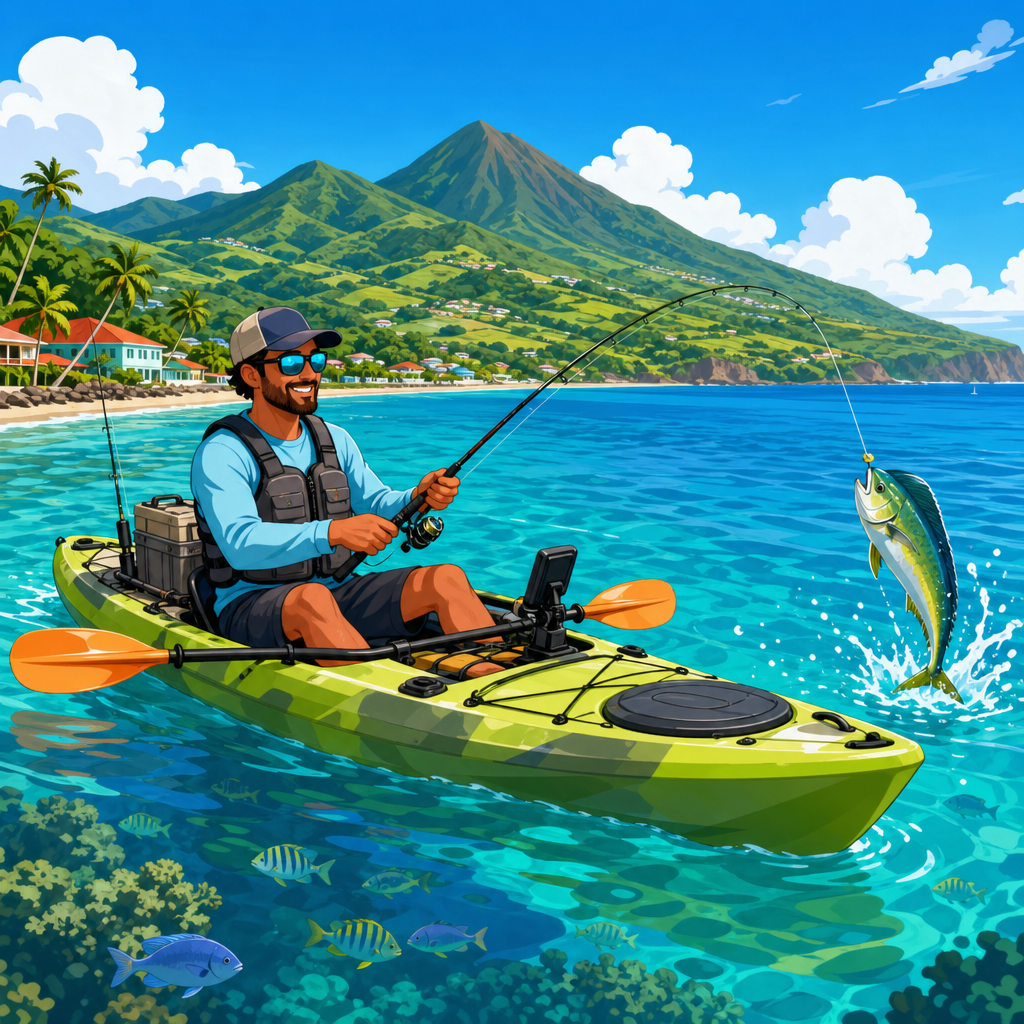
Kayak fishing adventures in Saint Kitts combine tropical scenery, accessible nearshore waters, and a steady mix of reef and pelagic species, making the island one of the Caribbean’s most rewarding places to fish from a small craft. In practical terms, kayak fishing means targeting fish from a sit-on-top or pedal kayak rigged with rods, safety gear, tackle storage, and basic navigation equipment. In Saint Kitts, that definition expands to include shallow reef casting, trolling along volcanic headlands, and dropping baits near ledges where snapper, grouper, barracuda, and jacks patrol. I have planned and reviewed island fishing itineraries for paddlers and guided travelers through the same decisions they face here: where to launch, when to go, how to read wind and current, and what setup works in warm saltwater. That matters because conditions can shift quickly around the island, and the difference between a memorable outing and a risky one usually comes down to preparation, local knowledge, and realistic expectations.
As a hub topic within Adventure and Activities, this guide covers the miscellaneous questions visitors usually ask before booking a trip or packing gear. It explains locations, seasons, species, trip formats, equipment, regulations, safety practices, and the broader value of a kayak fishing day on Saint Kitts. It also helps readers understand what this activity is not. This is not offshore big-game fishing in a large center console, and it is not a casual beach paddle with a hand line. It sits between those extremes: technical enough to reward anglers who know lure action, drift control, and fish handling, yet approachable for travelers with moderate fitness and no deep local experience. Saint Kitts is particularly well suited to that balance because many productive zones sit close to shore, launch points are straightforward, and a guided half-day can introduce beginners to reef structure, tide timing, and tropical species behavior without requiring advanced seamanship.
Why Saint Kitts Works So Well for Kayak Fishing
Saint Kitts offers a rare combination of short paddling distances, varied marine habitat, and scenery that makes the trip feel like both a fishing expedition and a coastal adventure. The leeward side, especially areas stretching from Frigate Bay toward the Southeast Peninsula, often provides more manageable water than the Atlantic-facing side. That matters from a kayak because fishability depends on wind angle, chop period, and current strength as much as fish presence. Around reef edges and rocky points, anglers commonly find horse-eye jacks, mutton snapper, yellowtail snapper, cero mackerel, and barracuda. On calmer mornings, trolling a diving plug or skirted lure just outside the reef can also produce fast strikes from pelagic feeders moving along the drop-off.
The island’s volcanic geology improves habitat diversity. Lava rock shorelines, coral structure, grass beds, and sandy channels create feeding lanes that fish use differently through the day. In my experience evaluating Caribbean paddle fisheries, that diversity is what makes a destination resilient for visitors. If wind closes one side of an island or heavy glare makes sight casting difficult, another zone may still offer drift fishing or trolling. Saint Kitts also benefits from a tourism infrastructure that supports day visitors: hotels near launchable beaches, road access to bays, local guides familiar with changing conditions, and charters that provide stable sit-on-top kayaks designed for saltwater use. For travelers who want one activity that delivers wildlife viewing, exercise, and the chance of a strong fish on light tackle, the island consistently meets the brief.
Best Areas, Conditions, and Seasons
Most productive kayak fishing on Saint Kitts happens in protected or semi-protected coastal stretches where paddlers can reach reef, grass, and edge water quickly. Frigate Bay is a common starting area because it is accessible and close to hotels. White House Bay and the Southeast Peninsula are also frequently discussed by local operators because they offer clear water, structure, and room to troll or cast depending on wind direction. The Atlantic side can be visually spectacular, but it is more exposed. Unless swell and wind are notably light, many visiting anglers are better served sticking to the Caribbean side or booking with a guide who can adjust the launch site on the day.
Timing is straightforward. The best window is usually early morning, when winds are lighter, boat traffic is lower, and fish are more active along the reef edge. Late afternoon can also fish well, especially when heat eases and bait gathers closer to shore. The drier months, generally from December through April, tend to provide more reliable conditions for visiting paddlers, though fish are present year-round. Hurricane season does not eliminate opportunities, but it increases uncertainty, and itineraries need flexibility. Water temperatures remain warm throughout the year, so species behavior is influenced more by forage movement, weather patterns, moon phase, and local current than by dramatic seasonal cooling. If you are planning one signature outing, prioritize a calm morning over any specific month.
| Area | Typical Conditions | Common Targets | Best Approach |
|---|---|---|---|
| Frigate Bay | Accessible, often manageable in light trade winds | Jacks, snapper, barracuda | Cast reef edges and slow troll outside structure |
| Southeast Peninsula | Clear water, mixed structure, can get windy later | Cero mackerel, snapper, grouper | Launch early and work points, channels, and drop-offs |
| White House Bay | Sheltered feel in favorable weather | Reef fish, occasional pelagics | Drift fish with bait or cast soft plastics near ledges |
| Atlantic-facing coast | More exposed to swell and current | Varies, but conditions often limit access | Use only with local guidance and stable weather |
Species, Tactics, and What a Typical Trip Looks Like
Visitors often ask what they are realistically likely to catch. The answer is a mixed bag in the best sense. Saint Kitts kayak anglers commonly target snapper, grouper, jacks, barracuda, mackerel, and smaller tuna or other pelagics when conditions allow. Reef species usually come from casting soft plastics, bucktails, metal jigs, or live and cut bait near structure. Pelagic fish are more often taken by slow trolling hard baits or spoons just beyond the reef line. Barracuda are widespread and visually exciting, but they require wire or heavy leader if intentionally targeted. Snapper and grouper demand abrasion resistance because they dive back into rock and coral immediately after the strike.
A typical guided trip begins with a beach briefing on paddling posture, rod holder use, drag setting, and fish-handling rules. Good guides also explain self-rescue basics, wind direction, landmarks, and the planned route before launch. Once on the water, the first leg is usually a short paddle to a reef edge, buoy line, or contour change. Anglers may begin by trolling while moving to the spot, then switch to casting or vertical jigging when they mark fish or see bait movement. On productive days, the action comes in bursts: a quick hit from a jack at first light, a mid-morning snapper on a baited drift, then perhaps a barracuda shadowing the kayak before striking a retrieved lure. This unpredictability is part of the appeal. The trip rarely feels static because you are always reading water, adjusting lure depth, and reacting to current or bird activity.
Gear, Safety, and Guided Versus Independent Trips
For Saint Kitts, the best kayak fishing setup is simple, corrosion resistant, and secure. A stable sit-on-top kayak between roughly 11 and 14 feet works well for most travelers, with pedal drives offering an advantage when trolling into wind or maintaining position over structure. A medium spinning outfit for casting and a medium-heavy setup for trolling or bait fishing cover most situations. Braided line with a fluorocarbon leader is standard, though leader strength should increase around coral or toothy fish. Essential accessories include a personal flotation device, whistle, leash for paddle and rods, dry bag, landing net or lip gripper, sun shirt, polarized glasses, and more drinking water than most first-timers expect to need. In tropical saltwater, dehydration and sun exposure become problems faster than fatigue.
Safety is not a formality here. Trade winds can build through the morning, and current around points can feel minor until you stop paddling and notice your drift. Every kayak should carry a basic signaling method and a fully charged waterproof phone or VHF where practical. Check marine forecasts, not just a generic weather app. Wind speed, gusts, swell direction, and tide stage all matter. Guided trips are the better choice for most visitors because local operators know which coast is fishable on a given day, what species are active, and where launch and landing are safest. Independent paddlers should only go if they already understand surf launches, self-rescue, and tropical coastal navigation. Saving money on a rental is not worth misjudging a lee shore or overestimating how far you can paddle back in building wind.
Planning Your Experience and Connecting It to a Wider Saint Kitts Adventure
Kayak fishing fits naturally into a broader Saint Kitts itinerary because it complements beach time, snorkeling, hiking, and cultural touring without requiring a full-day commitment. Most visitors do best with a half-day trip, ideally scheduled early in their stay so there is room to rebook if weather shifts. Ask operators whether they provide tackle, licenses if required under current local rules, fish cleaning, transportation to the launch, and weight or experience guidelines for the kayak model used. Also confirm whether the trip is focused on fishing first or blended with sightseeing and swimming. Both formats have value, but they produce different expectations.
This hub topic also connects to related miscellaneous planning questions travelers often overlook. Can families participate? Yes, if the operator has suitable tandem or highly stable kayaks and sets realistic fishing goals. Is it good for experienced anglers? Absolutely, especially those who enjoy light-tackle saltwater fishing and adapting to local conditions rather than chasing only trophy size. Can you keep fish? Policies vary by operator, species, and current conservation practices, so ask in advance and expect a selective harvest approach. The deeper benefit of kayak fishing in Saint Kitts is that it reveals the island at water level. You notice sea turtles surfacing near grass beds, frigatebirds tracking bait, changing bottom color over reef, and the way volcanic slopes meet bright Caribbean water. Few activities combine that level of immersion with such an immediate sense of purpose.
For travelers researching adventure options, the key takeaway is simple: kayak fishing adventures in Saint Kitts are accessible, scenic, and genuinely productive when approached with local knowledge and sound preparation. The island offers favorable launch points, diverse habitat, and enough species variety to keep both beginners and serious anglers engaged. Success depends less on owning specialized gear than on choosing the right coast, launching early, respecting wind and current, and matching tactics to reef structure and bait movement. A guided trip removes most uncertainty and gives visitors the fastest path to a safe, enjoyable introduction.
As the hub page for this miscellaneous subtopic, this article should help you decide whether kayak fishing belongs in your Saint Kitts itinerary and what questions to ask next. Start with your goals: action, scenery, family suitability, or technical angling. Then compare locations, trip formats, and seasonality before booking. Done well, a few hours on the water can become one of the most memorable activities on the island, not just because of the fish you land, but because of the coastline you experience between strikes. If Saint Kitts is on your list, reserve an early-morning kayak fishing trip with a reputable local guide and build the rest of your adventure plans around it.
Frequently Asked Questions
Why is Saint Kitts such a good destination for kayak fishing?
Saint Kitts stands out for kayak fishing because it offers a rare combination of calm, fishable nearshore water, dramatic coastal structure, and year-round tropical conditions. From a practical standpoint, that means anglers can launch a sit-on-top or pedal kayak and quickly reach productive zones without needing to run far offshore. The island’s shoreline includes shallow reefs, rocky volcanic headlands, sandy bays, drop-offs, and current lines that attract a wide range of species. For kayak anglers, that variety is important because it creates multiple ways to fish in a single outing, from casting soft plastics over reef edges to trolling hard baits along deeper contours.
Another major advantage is accessibility. Unlike destinations where the best fishing is far from shore, Saint Kitts gives kayak anglers realistic access to reef fish and occasional pelagic action within manageable distances. Depending on conditions and location, you may target snapper, grouper, jacks, barracuda, mackerel, and other fast-moving species that patrol coastal structure. The island’s scenery also adds to the experience. Fishing beneath green hills and volcanic slopes, with clear Caribbean water around the kayak, makes every trip feel immersive and rewarding. For anglers who value both the catch and the setting, Saint Kitts offers one of the most balanced kayak fishing experiences in the region.
What kind of fish can you catch while kayak fishing in Saint Kitts?
Kayak anglers in Saint Kitts can encounter a broad mix of reef and open-water species, which is one of the reasons the island is so highly regarded. Around reefs, rocky points, and structure, anglers often target snapper, grouper, jacks, and barracuda. These species are well suited to kayak fishing because they hold close to edges, ambush points, and depth changes that can often be reached from shore launches. On days when bait is active and current is moving well, trolling from a kayak can also bring strikes from faster pelagic species moving along the coastline.
The exact species available depend on season, weather, water temperature, and the specific area being fished, but the consistent theme is diversity. A single trip may include light-tackle casting over shallow reef one hour and a trolling pass along a volcanic headland the next. That versatility makes tackle selection important, since anglers often carry a combination of lures for reef fish and stronger setups for fish that hit hard and run fast. While not every outing produces the same mix, Saint Kitts regularly gives kayak anglers enough species variety to keep each session interesting, technical, and productive.
What equipment do I need for a kayak fishing trip in Saint Kitts?
A solid Saint Kitts kayak fishing setup starts with a stable sit-on-top or pedal kayak designed for saltwater use. Stability matters because anglers may be casting, handling fish, changing lures, or managing rougher water near headlands and reef zones. A good kayak should have secure rod holders, dry storage, room for tackle, and enough deck organization to keep essential gear close at hand. Most anglers also benefit from a paddle leash, rod leashes, and a crate or tackle bag system that keeps equipment tidy and reduces the chance of losing gear overboard.
Safety equipment is just as important as fishing gear. At a minimum, you should carry a properly fitted personal flotation device, whistle or signaling device, sun protection, plenty of drinking water, and a communication option such as a waterproof phone case or VHF radio. Basic navigation tools, whether that means a GPS unit, fishfinder, or a smartphone with marine mapping, can be especially useful when working reef edges, tracking drifts, or returning to a launch point. On the fishing side, bring a versatile rod selection if possible: one setup for casting around reef structure and another for trolling or handling stronger fish. Include leaders suited to toothy species, a landing tool or lip gripper, pliers, spare terminal tackle, and a small first-aid kit. In tropical conditions like those in Saint Kitts, preparation and organization make a major difference in both safety and success.
What are the best techniques for catching fish from a kayak around Saint Kitts?
The best techniques in Saint Kitts usually revolve around three productive approaches: shallow reef casting, trolling the coastline, and working current around points and headlands. Casting is ideal over reef flats, broken bottom, and drop-offs where fish hold close to structure. Soft plastics, jigs, and hard baits can all be effective depending on depth and water movement. Because a kayak moves quietly, anglers can often approach these areas with less disturbance than a larger boat, which is a real advantage when targeting fish in clear water.
Trolling is another highly effective option, especially when covering water between launch points, headlands, and deeper edges. This method helps kayak anglers locate active fish and gives them a chance at species that roam rather than stay tight to the reef. The key is to maintain lure depth and speed while staying aware of wind, swell, and current. Around volcanic points and shoreline structure, fish often stack where water movement concentrates bait, so drifting or slow-trolling these areas can be especially productive. Successful kayak anglers in Saint Kitts tend to stay adaptable: if reef casting slows down, they troll transition zones; if bait is showing on the surface, they shift quickly to reaction lures. Matching the technique to the water conditions and the structure in front of you is often what separates an average trip from an excellent one.
Is kayak fishing in Saint Kitts safe for beginners, and what should they know before going?
Kayak fishing in Saint Kitts can be beginner-friendly in the right conditions, but it should still be approached with respect and planning. The island has many accessible nearshore areas where newer anglers can enjoy calm water and shorter paddles, especially in sheltered bays and protected stretches of coastline. That said, local conditions can change quickly. Wind, current, boat traffic, surf at launch points, and the pull of fish near reefs or rocks can all add complexity. For beginners, the safest approach is to start in mild weather, fish close to shore, and avoid exposed headlands or unfamiliar water until they build confidence.
It also helps to think beyond fishing and focus on overall kayak management. New anglers should practice launching, landing, turning the kayak, re-entering the kayak from the water if possible, and securing all gear before they ever hook a serious fish. Wearing a personal flotation device at all times is essential, and checking marine forecasts before launch should be non-negotiable. If you are visiting Saint Kitts, consider going with a guide or local operator for your first trip. Local knowledge can save time, improve results, and help you understand which coasts fish best under certain wind directions and swells. With sensible planning, the right equipment, and a conservative mindset, beginners can have a safe, exciting introduction to kayak fishing on the island.