Rum tasting and distillery tours in Saint Kitts offer one of the clearest ways to understand the island’s history, agriculture, hospitality, and modern visitor culture in a single experience. Rum is more than a vacation drink here; it is tied to sugar cane cultivation, colonial trade, labor history, local celebration, and the evolution of Caribbean craft spirits. A rum tasting introduces aroma, body, finish, age statements, cask influence, and production methods, while a distillery tour shows how molasses or fresh cane juice becomes a finished spirit through fermentation, distillation, maturation, blending, and bottling. For travelers planning adventure and activities in Saint Kitts, this topic matters because it combines culture with sensory discovery, pairs well with scenic touring, and appeals to cruise guests, couples, food-focused travelers, and serious spirits enthusiasts alike. I have found that visitors often arrive expecting a quick sample session and leave most impressed by the stories behind the glass: why sugar dominated the economy, how old estates shaped the landscape, and how today’s producers reinterpret that legacy. This hub article explains what to expect, where tours fit into a wider island itinerary, how tastings are structured, what to ask guides, and how to choose between casual rum experiences and more technical distillery visits. It also points readers toward the broader miscellaneous activities that connect naturally with rum culture, from heritage sightseeing to culinary stops and island shopping.
Why Saint Kitts is a Strong Rum Destination
Saint Kitts has the raw ingredients and historical setting that make rum tourism feel authentic rather than staged. The island’s sugar industry shaped estates, roads, rail infrastructure, and export patterns for centuries, and those foundations still influence what travelers see today. Even though large-scale sugar production ended in the twenty-first century, the legacy remains visible in former plantation lands, estate houses, windmills, boiling houses, and place names. When you taste rum in Saint Kitts, you are participating in a product category that grew from the same sugar economy that defined the island for generations.
That history matters because good tours connect production details to place. A guide may explain how molasses, a byproduct of sugar refining, became the base for traditional rum; how pot stills and column stills create different flavor profiles; or how tropical aging speeds interaction between spirit and wood because warmer temperatures increase expansion and evaporation. Visitors who understand those basics usually get more from a tasting flight. Instead of saying a rum is “smooth,” they can identify vanilla from oak, dried fruit from maturation, spice from barrel char, or grassy notes in agricoles and cane-forward styles.
Saint Kitts also works well as a rum destination because the island is compact. It is realistic to combine a tasting with a scenic drive, a beach afternoon, a Basseterre heritage walk, or a stop at an old estate. That convenience is especially useful for cruise passengers on limited schedules. In practice, the best rum excursions here are not isolated factory visits; they are part of a broader island story that links landscapes, architecture, food, and local memory.
What Happens on a Rum Tasting or Distillery Tour
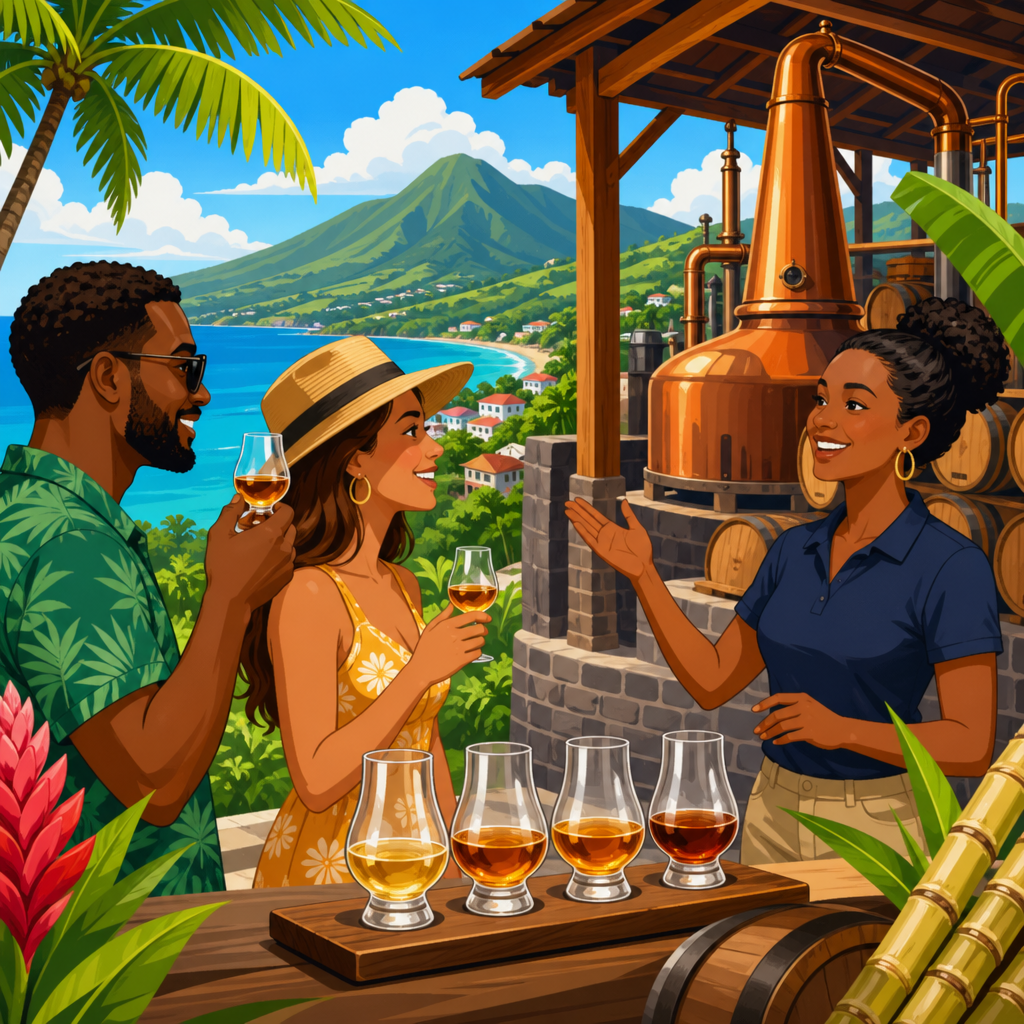
A rum tasting in Saint Kitts usually begins with a short orientation covering local history and the basics of spirit evaluation. Guests are typically shown how to assess color in the glass, swirl carefully, nose the rum without overwhelming the senses, take a small sip, and note the finish. Better hosts explain that color alone is not a reliable measure of age because caramel coloring can deepen appearance, and they clarify the difference between sweetness from sugar additions and naturally perceived sweetness from esters, oak compounds, and barrel influence.
On a distillery-style tour, the educational component is broader. You may see fermentation tanks, hear about yeast selection, learn why temperature control affects congeners, and compare distillation methods. Pot still distillation generally preserves heavier compounds and can produce richer, weightier rum. Column still distillation can create a lighter spirit and greater efficiency, though the final profile depends on cuts, reflux, blending, maturation, and finishing choices. If a producer discusses angel’s share, they are referring to the portion lost during aging through evaporation, which is notably high in tropical climates.
From experience, the most satisfying tours keep the process tangible. Instead of reciting chemistry in abstract terms, they tie each decision to flavor. Short fermentation may preserve a cleaner profile. Longer fermentation can build complexity. New charred oak can deliver stronger vanilla, caramel, and toast notes, while ex-bourbon casks often bring familiar spice and coconut tones. A skilled guide will then relate those notes to what guests taste in the sample glass, making the technical explanation immediately useful.
| Experience Type | Best For | Typical Focus | Time Needed |
|---|---|---|---|
| Casual rum tasting | First-time visitors | Flavor basics, local brands, easy comparisons | 30 to 60 minutes |
| Guided distillery visit | Curious travelers | Production methods, ingredients, aging, tasting flight | 60 to 120 minutes |
| Estate and rum tour | History lovers | Plantation heritage, sugar history, architecture, spirits | Half day |
| Private premium tasting | Enthusiasts and collectors | Single casks, aged expressions, detailed sensory analysis | 1 to 2 hours |
Rum, Sugar Estates, and Heritage Sites
One reason this topic fits a miscellaneous hub within adventure and activities is that rum in Saint Kitts rarely stands alone. It intersects with heritage tourism more than many travelers expect. Former sugar estates across the island provide the physical backdrop for understanding how rum emerged, and some of the most memorable touring days combine an old estate property, a scenic viewpoint, and a tasting. Even when a site is not an operating distillery, the estate setting helps visitors understand scale: cane fields once stretched across large sections of the island, labor was organized around harvest and processing cycles, and export wealth reshaped settlement patterns.
The St. Kitts Scenic Railway is a useful companion experience because it passes through landscapes defined by former sugar production. While it is not a rum tour, it gives context that makes later tastings more meaningful. Similarly, visits around Basseterre or old plantation inns can deepen appreciation for the island’s commercial history. Travelers interested in architecture often notice great houses, stone structures, mills, and industrial remnants that reveal the wealth and hierarchy built around sugar. That context should not be romanticized; the industry depended on exploitation and slavery, and responsible guides acknowledge that plainly.
The strongest heritage-centered rum tours do exactly that. They present rum as a cultural product with beauty and complexity, while also explaining the human cost behind the plantation system. That balance builds trust. It also gives visitors a more accurate understanding of why rum remains emotionally and historically significant in the Caribbean. In Saint Kitts, a tasting flight can prompt discussion not only of barrels and spices, but of emancipation, economic transition, and how communities preserved local identity after sugar’s decline.
How to Taste Rum Well and What Questions to Ask
Travelers often ask how to taste rum properly without sounding like a spirits expert. The answer is simple: slow down and ask specific questions. Start by observing the aroma before sipping. Look for vanilla, caramel, cinnamon, nutmeg, banana, dried fruit, orange peel, toasted coconut, tobacco, or oak. On the palate, pay attention to texture as much as flavor. Is the rum light, oily, dry, sweet-seeming, peppery, or tannic? Then notice the finish. A short finish fades quickly, while a long finish continues to develop after swallowing.
Good questions improve the experience immediately. Ask what base material is used: molasses or cane juice. Ask whether the rum is pot distilled, column distilled, or blended from both. Ask what kind of casks were used and for how long. Ask whether the producer adds sugar, spice, or coloring. Ask if the age statement reflects the youngest rum in the blend, which is standard in many spirits systems. If the host mentions tropical aging, ask how warehouse conditions affect maturation compared with continental aging in Europe or North America.
I also recommend asking one practical question that many people overlook: what food pairs best with this rum locally? In Saint Kitts, pairing can transform understanding. A drier aged rum may work well with grilled seafood, jerk seasoning, or smoked meats. A sweeter or spiced expression may complement dessert, ginger-based sweets, or rich sauces. These pairings connect the tasting room to the island’s food culture and make the visit feel integrated rather than isolated.
Planning Your Tour: Timing, Transport, and Booking Tips
Planning matters because not every rum experience in Saint Kitts operates on a walk-in basis, and cruise-day timing can be tight. If you are arriving by ship, confirm port departure time, transfer duration, and whether the excursion provider guarantees return. For land-based visitors, ask about opening hours, minimum group sizes, and whether tastings are offered every day. Smaller operations may run by appointment, especially for premium or private sessions.
Transportation is another key factor. If you plan to sample multiple pours, do not drive yourself. Use a taxi, prearranged driver, hotel transfer, or organized excursion. The island is easy to navigate with local drivers who know estate roads, viewpoints, and tasting venues, and that usually makes the day smoother. A private driver can also add stops such as Romney Manor, Brimstone Hill Fortress National Park, Basseterre landmarks, or a beach lunch, turning a single-purpose tasting into a rounded island day.
Time of day affects the experience more than many visitors realize. Morning tours are often better for serious tasting because the palate is fresh and venues are quieter. Afternoon sessions work well if they are paired with lunch and scenic stops, but heat and fatigue can dull aroma perception. Wear light clothing, drink water between samples, and avoid heavy perfume, which interferes with nosing. If you want to buy bottles, ask about duty-free allowances, packaging for flights, and whether certain expressions are exclusive to the island. Limited releases and distillery-only bottlings often make the best souvenir because they capture a specific place and visit, not just a brand available anywhere.
Choosing the Right Rum Experience for Your Travel Style
The best rum tasting and distillery tour in Saint Kitts depends on what kind of traveler you are. If you want a relaxed introduction, choose a short guided tasting attached to a sightseeing day. This gives you flavor education without dominating the itinerary. If you are deeply interested in spirits, prioritize a producer or host who discusses fermentation, still types, cask policy, and blending decisions in detail. Those sessions are more rewarding than generic souvenir tastings.
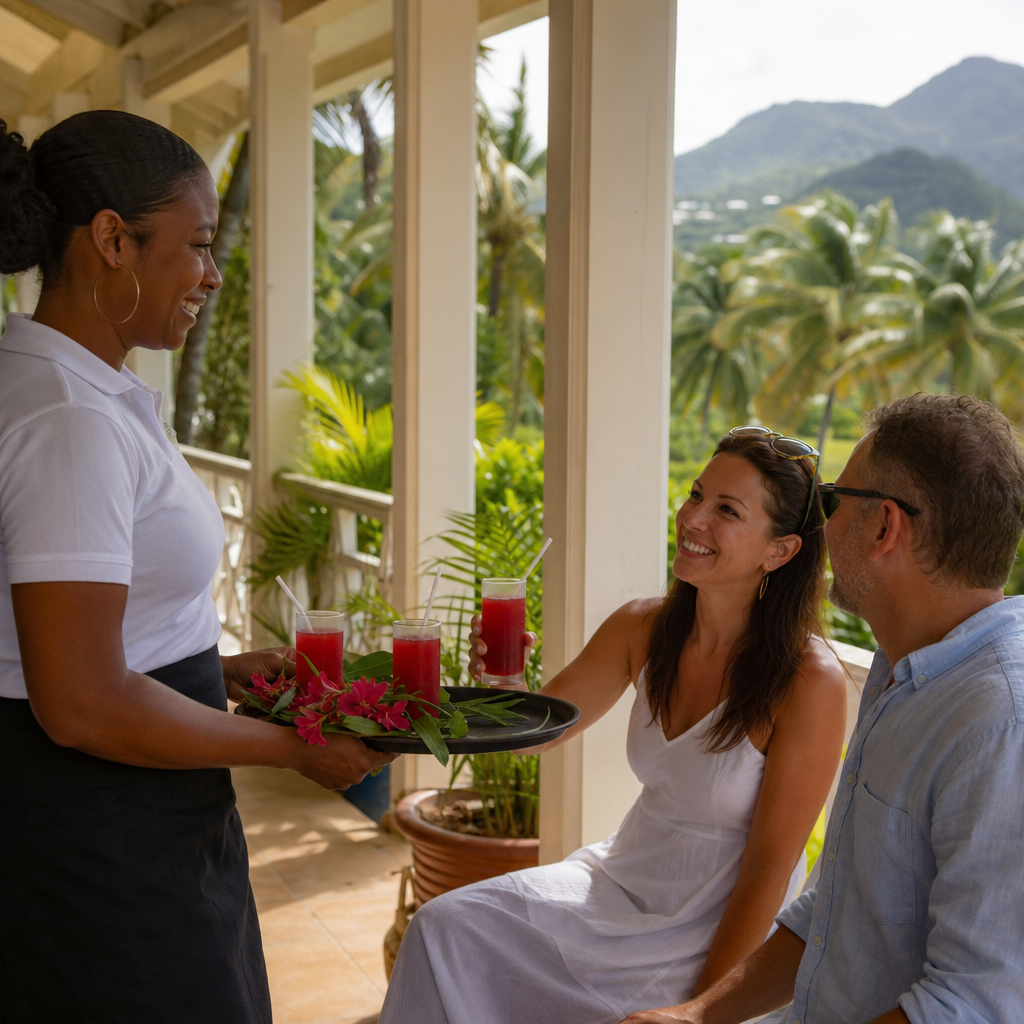
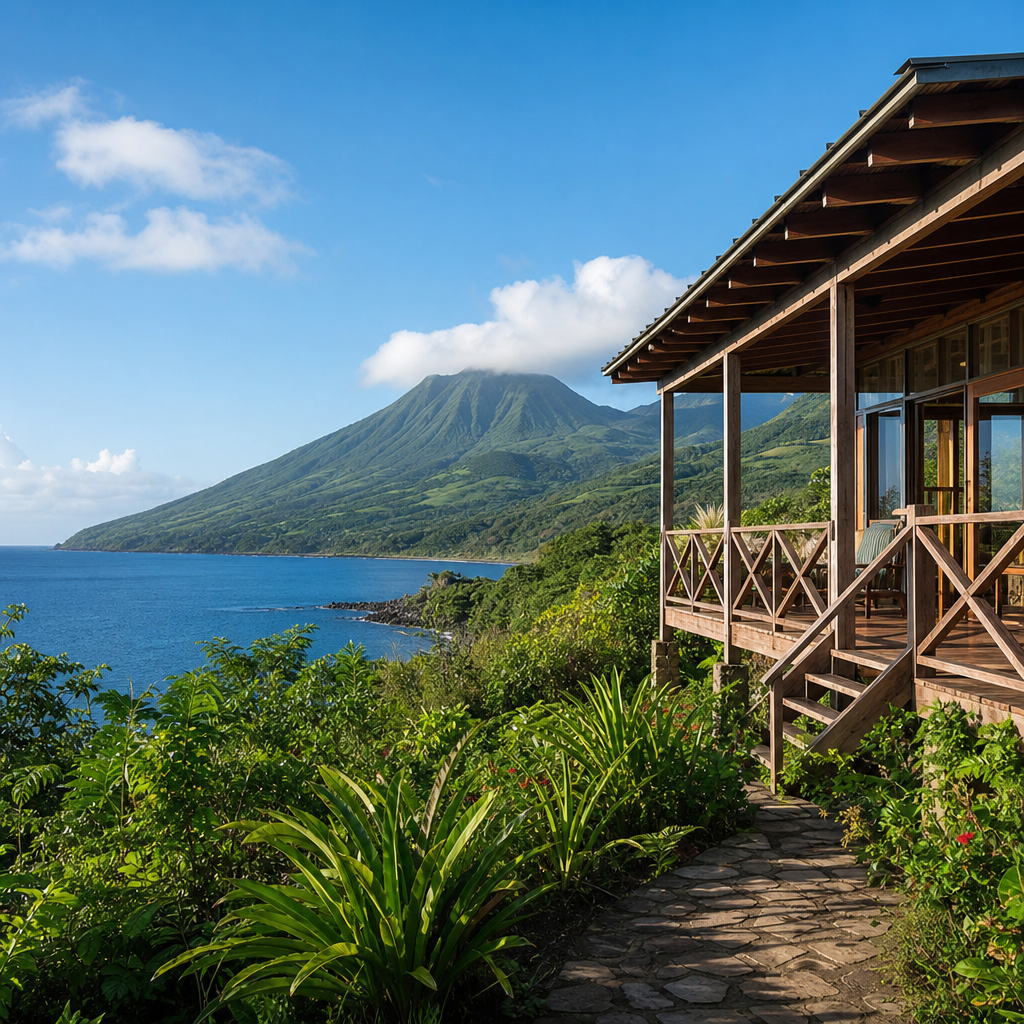
Couples often do well with estate-based or scenic rum experiences because the setting matters as much as the glass. Cruise visitors usually benefit from bundled excursions with transport included. Food-focused travelers should look for tastings connected to lunch, chocolate, spice, or local cooking. History-minded travelers should build an itinerary around plantation heritage and national landmarks, using rum as the thread that ties the story together. This is why the topic belongs in a miscellaneous hub: it overlaps with culinary tourism, local history, shopping, rail excursions, scenic drives, and cultural interpretation rather than fitting one narrow category.
Budget is part of the decision too. A basic tasting may be inexpensive, while private premium sessions with older bottlings cost more but deliver stronger educational value. The difference is not only the liquid in the glass; it is the level of explanation, access, and personalization. In my experience, travelers regret rushed, shallow tastings far more often than they regret paying a little extra for a guided session that teaches them something memorable.
Rum tasting and distillery tours in Saint Kitts are worth seeking out because they condense the island’s flavor, history, and hospitality into an experience that is easy to fit into almost any itinerary. The essential points are straightforward: rum here is rooted in the legacy of sugar; the best tours explain production in plain language; heritage sites add depth; and thoughtful planning improves both safety and value. Whether you choose a short tasting, an estate-focused excursion, or a more technical deep dive into fermentation and aging, you will understand Saint Kitts better through its rum than through a generic bar order.
For travelers exploring the wider adventure and activities landscape, this hub also serves as a gateway to related miscellaneous experiences. Pair your rum outing with a scenic railway ride, a Basseterre heritage walk, a plantation visit, local food stops, or shopping for island-made products. That combination turns a single tasting into a broader cultural day and helps you see how one spirit connects agriculture, architecture, memory, and modern tourism. If you are building your Saint Kitts plans now, shortlist a rum experience early, book transportation in advance, and choose a tour that matches your interest level so every sip comes with context.
Frequently Asked Questions
What can visitors expect from a rum tasting and distillery tour in Saint Kitts?
A rum tasting and distillery tour in Saint Kitts is usually much more than a simple sampling session. Visitors can expect an experience that connects the island’s agricultural roots, colonial-era sugar economy, and present-day hospitality culture through the lens of rum production. A typical visit often begins with an introduction to the history of sugar cane on the island and the role it played in shaping local communities, trade, and labor systems. From there, the tour may move into the production side, where guides explain how molasses or cane-derived ingredients are fermented, distilled, aged, blended, and bottled.
During the tasting portion, guests are usually guided through the basics of sensory evaluation. That means learning how to identify aroma, body, sweetness, spice, oak influence, and finish rather than simply deciding whether a rum is “strong” or “smooth.” You may be invited to compare lighter styles with darker, aged expressions, or to notice how barrel aging changes flavor by adding notes of vanilla, caramel, dried fruit, baking spice, or toasted wood. Many tours also include discussion of cask type, aging time, and the distinction between sipping rum and rum designed for cocktails.
Just as important, these tours give visitors a cultural framework. In Saint Kitts, rum is part of everyday social life, local celebration, and the island’s broader story of resilience and reinvention. A good tour leaves guests with a fuller understanding of how rum fits into the identity of the island, making the experience educational, sensory, and personal at the same time.
Why is rum so historically important in Saint Kitts?
Rum is historically important in Saint Kitts because it is deeply tied to the island’s sugar cane economy, which influenced nearly every part of life for centuries. Saint Kitts was one of the Caribbean islands where sugar became a dominant crop under colonial rule, and that industry shaped land use, trade networks, wealth distribution, labor practices, and settlement patterns. Because rum developed as a byproduct and later a commercial product of sugar production, it became closely linked to the island’s economic and social history.
Understanding rum in Saint Kitts also means understanding the human story behind it. Sugar and rum were connected to plantation systems and the forced labor of enslaved Africans, followed later by changing labor structures after emancipation. That legacy is a serious and essential part of the island’s past. Modern rum tourism, when presented responsibly, helps visitors appreciate not just the finished spirit but also the complicated history that made its production possible. It places the drink within a larger story of exploitation, endurance, cultural adaptation, and local creativity.
Today, rum remains significant because it bridges past and present. It reflects traditional agricultural knowledge, old trade patterns, and inherited production methods, but it also represents modern Caribbean craftsmanship and tourism. For many visitors, a distillery tour becomes one of the most direct ways to grasp how Saint Kitts evolved from a sugar-producing colony into a contemporary island destination that still honors, interprets, and redefines its heritage.
How should beginners taste rum properly during a guided tasting?
Beginners should approach rum tasting slowly, attentively, and without feeling pressured to identify every flavor immediately. A guided tasting is designed to help people build confidence, so the first step is simply to observe the rum’s appearance, then smell it gently rather than taking a deep, sharp inhale. Alcohol vapors can overpower the nose at first, especially for newcomers, so it helps to keep the glass slightly below the nose and take short, careful sniffs. This often reveals notes such as vanilla, caramel, tropical fruit, molasses, spice, or oak.
When tasting, take a small sip and let it coat the tongue before swallowing. Pay attention to texture as much as flavor. Some rums feel light and crisp, while others are richer, rounder, or more oily in the mouth. A guide may explain the “body” of the rum, along with how sweetness, spice, wood influence, and alcohol warmth interact. After swallowing, notice the finish, which is the flavor that lingers. A shorter finish may feel clean and quick, while a longer finish can reveal evolving layers of fruit, pepper, smoke, or barrel character.
It is also helpful for beginners to compare different pours side by side. Tasting a younger rum next to an aged one, or a lighter style next to a fuller-bodied expression, quickly shows how production methods and barrel aging influence the final profile. Water may be offered to cleanse the palate, and sometimes adding a small drop to the glass can open up aromas. Most importantly, beginners should ask questions. Guided tastings are meant to teach, and in Saint Kitts the hosts often add local context that makes the tasting more meaningful and memorable.
What is the difference between touring a distillery and simply ordering rum at a bar in Saint Kitts?
Ordering rum at a bar in Saint Kitts can certainly be enjoyable, but a distillery tour offers a much deeper understanding of what is in the glass. At a bar, the focus is usually on refreshment, cocktails, social atmosphere, and immediate enjoyment. You may try a local rum punch, a neat pour, or a signature mixed drink, but you usually receive only limited information about how that rum was made, where its flavor comes from, or how it fits into the island’s broader story.
At a distillery, the experience becomes far more immersive and educational. Visitors can see the production environment, learn the steps of fermentation and distillation, understand how aging works in a tropical climate, and hear directly from staff or guides about ingredients, barrels, blending decisions, and house style. This transforms rum from a simple beverage into a crafted product with agricultural and technical foundations. Seeing the process firsthand also helps people appreciate why one rum tastes lighter, spicier, drier, or more oak-forward than another.
There is also a strong cultural difference between the two experiences. A bar introduces rum as part of present-day island leisure and hospitality, while a distillery tour places rum within a historical and economic narrative. Ideally, the two experiences complement each other. After learning about production and heritage on a tour, visitors often return to a restaurant or beach bar with a more informed palate and a stronger appreciation for local rum culture overall.
Are rum tours in Saint Kitts suitable for casual travelers, couples, and cruise visitors?
Yes, rum tours in Saint Kitts are generally well suited to a wide range of travelers, including casual vacationers, couples, small groups, and many cruise visitors with limited time ashore. One reason they are so popular is that they combine multiple interests in a single activity. A guest interested in food and drink will enjoy the tasting itself, while someone more interested in history, culture, or local industry will appreciate the storytelling and behind-the-scenes access. That makes rum excursions one of the more balanced and broadly appealing experiences on the island.
For couples, these tours often feel both relaxed and memorable, especially when they include scenic settings, guided tastings, and opportunities to sample premium or aged expressions together. For cruise passengers, a well-organized distillery visit can provide a compact but meaningful introduction to Saint Kitts without requiring a full-day inland adventure. Casual travelers also tend to appreciate that rum tastings are accessible even if they are not spirits experts. Good guides explain terminology clearly and make the experience engaging rather than intimidating.
That said, visitors should always confirm practical details in advance. It is wise to check tour duration, transportation arrangements, age requirements, and whether advance reservations are recommended, especially during busy travel periods. Travelers should also plan responsibly if alcohol is involved, particularly if they are driving afterward or returning to a ship on a schedule. With a little preparation, a rum tasting and distillery tour can be one of the easiest and most rewarding ways to experience the history, flavor, and hospitality of Saint Kitts.