Nevis Peak is the defining hike on St. Kitts, a steep volcanic climb that turns a Caribbean holiday into a serious mountain day. Rising to 3,232 feet, or 985 meters, above the island of Nevis, the summit delivers cloud forest, mud, roots, rope-assisted scrambles, and, on a clear morning, views across neighboring islands and the cobalt water below. For travelers exploring adventure and activities in the Caribbean, this trail sits in a useful middle ground: more demanding than a scenic walk, yet far more accessible than technical mountaineering. That mix explains why the Nevis Peak hike has become the signature challenge for visitors who want more than beaches, catamarans, and rum punches.
When people search for Nevis Peak hike information, they usually want straight answers. Is it hard? Yes. Most hikers should expect a strenuous half-day outing with steep grades, slippery footing, and frequent use of tree roots and fixed ropes for balance. Do you need a guide? In practice, yes, and local operators strongly recommend it because the upper route can be confusing in fog and rain. What should you wear? Trail shoes or hiking boots with reliable grip, lightweight clothing that dries quickly, and gloves if you want better hand protection on ropes and rough roots. Is it worth it? Absolutely, if you enjoy physically engaging hikes and understand that the climb itself is the reward as much as the summit view.
I have worked on Caribbean activity content long enough to see one mistake repeated: people underestimate tropical mountains because the islands look small on a map. Nevis Peak punishes that assumption. Heat at lower elevations, humidity in the forest, and slick volcanic soil create a different challenge from dry alpine trekking. The route starts near lush foothills and quickly narrows into a relentless ascent under dense canopy. By the time hikers reach the cloud line, shirts are soaked, calves are working, and every handhold matters. That intensity is precisely what makes the hike memorable. It is not simply a viewpoint trail; it is an immersive encounter with the island’s terrain, weather, ecology, and rhythm.
As a hub within the broader adventure and activities category, this guide also matters because Nevis Peak connects to a wider range of experiences on Nevis and neighboring St. Kitts. Travelers interested in hiking often also want rainforest walks, historical plantation visits, mountain biking, trail running, snorkeling, sailing, and cultural stops that balance the exertion of a summit day. A good hub article should do two jobs at once: give complete guidance on the main experience and point readers toward the related activities that shape a well-planned itinerary. That is the goal here. You will learn what the hike involves, when to go, how to prepare, what safety standards matter, and how to pair the climb with other outdoor experiences across this miscellaneous adventure subtopic.
What the Nevis Peak hike is really like
The standard Nevis Peak trail is best described as a steep rainforest ascent on a dormant stratovolcano. Most guided hikes begin from the Fountain area, though exact starting points vary by operator and road conditions. From the first section, the path rises consistently through thick vegetation. There are very few long flat breaks. Instead, the trail alternates between earthen footpaths, root lattices, rock steps, and muddy pitches where ropes have been placed to help hikers pull upward or control descents. The upper mountain often sits in cloud, which keeps temperatures cooler but increases moisture on every surface.
For many hikers, the hardest part is not distance but gradient. The route is relatively short compared with famous long-distance treks, yet it demands strong cardiovascular effort and steady balance. Expect to use hands frequently. In dry weather, the climb feels athletic. After rain, it can feel like a controlled scramble. Local guides typically set a pace that includes water stops and short recovery breaks, and that pacing matters because the mountain rewards consistency more than speed. Fast starts often lead to heavy fatigue on the rope sections near the summit ridge.
The summit experience depends heavily on weather. On clear days, hikers may see St. Kitts, Redonda, Montserrat, and even Antigua in the distance. On cloudy days, visibility can collapse to a few yards, but the achievement still feels significant because reaching the top requires real effort. One useful mindset is to treat the summit view as a bonus rather than the sole purpose. If clouds open, excellent. If not, the cloud forest atmosphere, giant tree ferns, and the sense of standing on the highest point of Nevis remain compelling rewards.
Difficulty, timing, and who should attempt it
Nevis Peak is strenuous for the average traveler. Most guided outings take around four to five hours round trip, though fit groups can move faster and mixed-ability groups may take longer. The hike suits active travelers who already walk regularly, do gym cardio, run, cycle, or hike hills. It is not the best first-ever hike for someone unused to uneven terrain, steep climbs, or humid conditions. Children who attempt it should be confident, supervised closely, and comfortable with mud and hand-assisted climbing. Anyone with knee instability, poor balance, or limited heat tolerance should consider easier trails instead.
A practical way to judge readiness is whether you can sustain uphill effort for at least ninety minutes without distress, then descend safely on tired legs. Descents cause nearly as many problems as climbs on this trail because slick mud and roots increase the chance of slips. Trekking poles can help lower down, but many hikers stow them during the steepest rope sections. If your vacation goals lean toward gentle scenery rather than exertion, choose a shorter rainforest walk and save Nevis Peak for another trip.
| Factor | What to expect on Nevis Peak | Best choice for travelers |
|---|---|---|
| Trail length | Moderate distance, usually completed in a half day | Good for visitors with one free morning |
| Elevation gain | Steep and sustained from early in the route | Best for fit hikers, not casual walkers |
| Terrain | Mud, roots, rocks, and rope-assisted sections | Wear grippy shoes and expect hands-on climbing |
| Weather impact | Frequent cloud, rain showers, and slippery surfaces | Start early and listen to guide advice |
| Guide requirement | Strongly advised due to navigation and safety | Book with a reputable local operator |
The best time to start is early morning, when temperatures are lower and afternoon showers are less likely to affect the trail. Nevis has a tropical climate year-round, with a wetter season generally running from roughly May through November. That does not mean the hike is impossible in those months, but it does mean mud and cloud are more likely. During drier periods, footing improves, though humidity remains part of the experience. Cruise visitors should be cautious about timing, because delays, tender schedules, and transfer logistics can compress the hiking window too tightly.
How to prepare and what to bring
Preparation for Nevis Peak should be simple but deliberate. The most important items are water, footwear, and expectations. Many hikers bring one to two liters of water depending on pace and weather. Electrolytes are useful because the climb is sweaty even under cloud cover. Shoes matter more than almost anything else. Road-running shoes with worn tread are a poor choice; trail runners or light hiking boots with dependable grip are far safer on wet roots and mud. Quick-dry clothing is better than cotton, which stays heavy and clammy after sweat and rain.
In my experience, gloves are one of the most underrated additions. They are not essential, but they make rope sections and rough vegetation much more comfortable. A small daypack, insect repellent, and a phone or camera in a waterproof pouch are sensible. Some hikers pack a light rain shell, though many simply accept getting wet. What you should not bring is a heavy bag full of unnecessary gear. This is a climb where mobility helps. Keep your load compact and balanced so you can move freely when the trail steepens.
Pre-hike preparation should also include breakfast and pacing. Eat enough to fuel effort without feeling overfull. If you are arriving from sea level and have spent the previous night on cocktails and little sleep, adjust expectations. Vacation fatigue shows up quickly on steep tropical trails. A good guide will watch for this and regulate the group pace, but individual responsibility matters. Start conservatively, hydrate before you feel thirsty, and save energy for the descent, which can be more technical than first-time hikers expect.
Safety, guides, and local standards
The single best safety decision for Nevis Peak is hiring a reputable local guide. Weather changes quickly, upper sections can be disorienting in fog, and route conditions shift after rain. Experienced guides know where traction is reliable, when to slow groups down, and when conditions make turning back the correct call. This matters because summit fever is not limited to famous mountains. Even on a Caribbean island, hikers can make poor decisions if they fixate on the top instead of the full round-trip risk.
Look for operators with established island reputations, clear communication, and realistic descriptions of difficulty. Good guides ask about fitness, explain the route honestly, and do not market the trail as easy just to secure bookings. They also understand emergency planning. While Nevis is not remote in the same way as a wilderness expedition, assistance on steep forest trails still takes time. Mobile coverage can be inconsistent under canopy and in ravines. That is another reason to avoid hiking alone unless you have specific local knowledge and conditions are exceptionally clear.
Standard trail safety principles apply: stay with the group, watch each foot placement, and keep three points of contact on steeper sections. If rain intensifies and the trail becomes significantly more slippery, turning back is a valid outcome, not a failed trip. Local ecosystems deserve protection too. Stay on established paths, avoid leaving litter, and do not damage vegetation while using roots or ropes for support. The mountain is both a recreational site and an ecological asset for the island.
Wildlife, scenery, and what makes the climb memorable
Nevis Peak stands out because the environmental transition happens quickly. Lower slopes feel warm and lush, with broadleaf vegetation and dense green cover. As elevation increases, the atmosphere cools, mist thickens, and the forest shifts toward cloud-forest characteristics. Hikers may spot vervet monkeys, hear birds moving through the canopy, and notice how epiphytes and mosses thrive in the constant moisture. The terrain teaches a basic truth of island ecology: small landmass does not mean simple landscape. Vertical change creates distinct habitats in a surprisingly compact area.
Scenically, the hike is less about continuous open vistas and more about immersion. For much of the route, the forest closes around you. That enclosed feeling makes summit openings more dramatic when they arrive. On clear days, the sea appears suddenly below a layer of green ridges, and the neighboring islands seem close enough to name in sequence. On cloudy days, photographs may be limited, but the mood can be extraordinary. Mist moving through giant trees gives the summit zone a prehistoric feel that many hikers remember more vividly than any postcard overlook.
For photographers, the smart approach is to prepare for both low light and moisture. A phone works well if protected from rain and kept accessible, but avoid handling devices on the steepest sections. Secure footing first, photos second. If your goal is pure scenery without the physical demand, there are easier viewpoints on both Nevis and St. Kitts. If your goal is to earn the landscape through effort, Nevis Peak is the right mountain.
Building an adventure itinerary around Nevis Peak
As a hub article for miscellaneous adventure and activities, Nevis Peak should sit at the center of a wider itinerary rather than stand alone. The most satisfying island plans combine one demanding activity with several lower-intensity experiences. After the hike, many travelers pair recovery time with Pinney’s Beach, a spa treatment, or a relaxed plantation lunch. On another day, you can add snorkeling or a catamaran trip for contrast. The shift from muddy cloud forest to clear Caribbean water is part of what makes Nevis such a strong adventure destination.
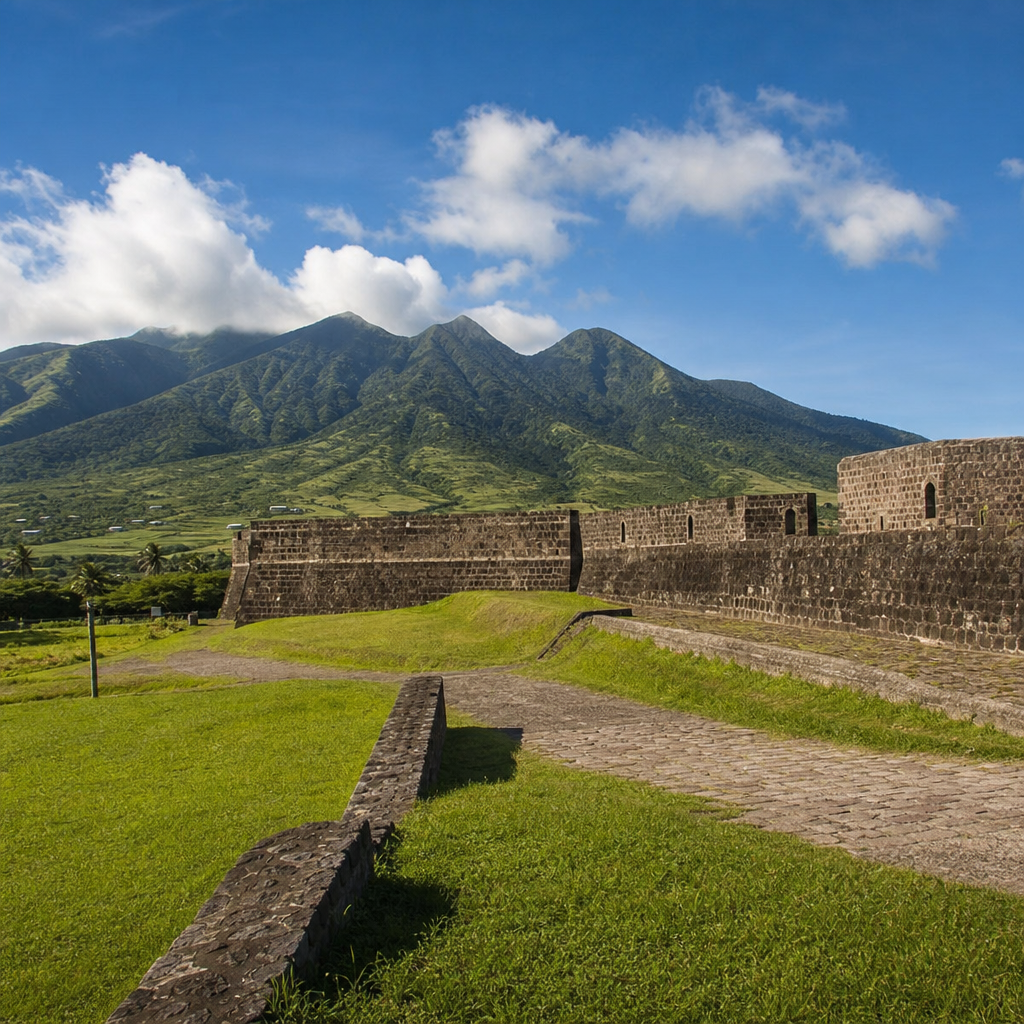
St. Kitts expands the menu further. A day trip can include the St. Kitts Scenic Railway, the volcano-adjacent Mount Liamuiga hike for very strong walkers, ziplining, ATV excursions, or Brimstone Hill Fortress for history with panoramic views. If your interest is nature without the summit grind, choose gentler rainforest tours, botanical garden visits, or coastal paddling. These linked experiences matter for planning because not everyone in a travel party wants the same level of exertion. One person may tackle Nevis Peak while others choose a beach club, heritage site, or sailing excursion, then regroup for dinner.
The smartest itinerary design also respects recovery. Do not schedule Nevis Peak the morning after a late arrival or the day before a long travel connection if you are sensitive to muscle fatigue. Place it early enough in the trip that weather delays leave room to reschedule. Book reputable operators in advance during busy travel periods, especially if you need transport from accommodations or ferry transfers between islands. With that approach, the hike becomes the anchor experience in a broader Caribbean adventure plan rather than a rushed checkbox.
Nevis Peak earns its reputation because it offers a real mountain challenge in a destination many travelers initially associate only with leisure. The climb is steep, muddy, humid, and occasionally unforgiving, which is exactly why reaching the summit feels meaningful. It rewards preparation, realistic expectations, and respect for local guidance. If you want a simple scenic stroll, this is not it. If you want a hands-on volcanic rainforest ascent that condenses effort, ecology, and island character into one memorable outing, few Caribbean hikes are more satisfying.
The essential takeaways are straightforward. Go with a reputable guide, start early, wear shoes with strong grip, carry enough water, and expect the trail to be harder than the island’s relaxed image suggests. Treat weather as a deciding factor, not an inconvenience. Value the journey even if summit views are hidden by cloud. And use the hike as the centerpiece of a wider adventure plan that may also include beaches, snorkeling, history, sailing, and easier nature experiences across Nevis and St. Kitts.
For travelers building an adventure and activities itinerary, Nevis Peak is the hub experience that proves the Caribbean can be both restorative and physically demanding. Plan it well, respect the mountain, and let it guide the rest of your trip. Then explore the related activities in this subtopic to create a balanced itinerary that matches your fitness, interests, and time on the islands.
Frequently Asked Questions
How difficult is the Nevis Peak hike?
Nevis Peak is widely considered the most challenging hike on Nevis and one of the more demanding day hikes in the eastern Caribbean. While the elevation of 3,232 feet (985 meters) may not sound extreme compared with major mountain destinations, the difficulty comes from the trail itself rather than the altitude alone. Hikers should expect a steep, sustained ascent through tropical forest, with slippery mud, thick tree roots, narrow sections, and several rope-assisted scrambles that require balance, upper-body engagement, and careful footing. This is not a casual sightseeing walk or a flip-flop-friendly nature trail. It is a true mountain hike that rewards effort but also demands respect.
Most reasonably fit travelers can complete the hike with preparation, especially if they are comfortable with uneven terrain and several hours of climbing and descending. However, beginners who are not used to steep trails may find it tougher than expected, particularly after rain, when the route becomes slick and technical. The descent can be just as tiring as the climb because muddy slopes and root-covered sections put pressure on knees and require concentration. In practical terms, Nevis Peak is best suited to active travelers who want a serious outdoor challenge during their Caribbean trip, rather than those simply looking for a short scenic outing.
Do you need a guide to hike Nevis Peak?
Yes, hiring a local guide is strongly recommended and, for most visitors, the smartest way to experience Nevis Peak safely. The trail can be difficult to follow in places, especially in dense forest and cloud-covered conditions near the summit. There are steep sections where ropes are used, and the mountain’s weather can shift quickly, reducing visibility and making route-finding more complicated than many hikers expect. A guide not only helps with navigation, but also sets a manageable pace, points out hazards, and knows when conditions make the summit attempt unsafe.
Guides also add value beyond safety. Many share insight into Nevis’s ecology, volcanic landscape, and local history, turning the hike into a richer experience rather than just a physical challenge. Because the mountain is a signature adventure on the island, local guides are familiar with seasonal trail conditions, typical summit weather patterns, and what level of fitness is realistic for a group. For travelers visiting Nevis on vacation, that local knowledge can make the difference between a stressful climb and a memorable, well-managed adventure. Even experienced hikers often choose a guide here because the terrain is muddy, steep, and more technical than the island setting might suggest.
What should you wear and bring for the Nevis Peak hike?
Proper gear makes a major difference on Nevis Peak. Start with sturdy hiking shoes or trail shoes with strong grip, since the trail is often muddy and root-covered. Many hikers prefer lightweight hiking boots for added ankle support, especially on the descent. Wear moisture-wicking clothing suitable for tropical humidity, and avoid anything heavy or restrictive. Long or mid-length athletic pants can help protect your legs from scratches, mud, and insects, while a light shirt that dries quickly is more comfortable than cotton. Because the summit zone is often cooler, damp, and windy inside the cloud forest, packing a light rain jacket or shell is a good idea even on sunny mornings.
Bring plenty of water, since the climb is steep and humid, and dehydration can sneak up quickly in the Caribbean climate. Snacks are useful for energy, especially if you are doing the full round-trip hike with a guide. Insect repellent, sunscreen for exposed lower sections, and a small daypack are all sensible additions. Some hikers like gloves for rope-assisted sections, particularly if the trail is muddy. A trekking pole can help on the lower and middle parts of the route, though hands are often needed for scrambling higher up. It is also wise to carry a phone in a waterproof pouch, a small towel, and a change of clothes for afterward, because many hikers finish the trail muddy from head to toe.
How long does it take to hike to the summit of Nevis Peak?
The total time for hiking Nevis Peak varies by fitness level, trail conditions, and weather, but most hikers should plan for several hours round trip. A common estimate is roughly 4 to 6 hours in total, though some groups may take longer if the trail is especially muddy or if frequent breaks are needed. The ascent is the most physically demanding part, usually taking a few hours of steady climbing through dense forest and increasingly steep terrain. Near the upper sections, progress often slows because of rope-assisted scrambles and the need for deliberate footing.
Starting early is usually the best strategy. Morning hikes offer cooler temperatures, more stable conditions, and the best chance of summit views before clouds roll in. On clear days, the reward can include sweeping views of neighboring islands and the vivid blue Caribbean below, but visibility is never guaranteed. Because the mountain often generates its own cloud cover, even strong hikers may reach the summit in mist rather than sunshine. That unpredictability is part of the experience, and it is one reason most guides encourage an early departure and a flexible mindset focused on the adventure itself, not just the view from the top.
Is the view from the top of Nevis Peak worth the effort?
For many hikers, absolutely yes. On a clear day, the summit of Nevis Peak delivers one of the most dramatic viewpoints in the region, with sweeping perspectives over Nevis, neighboring St. Kitts, and the deep cobalt water surrounding the islands. Reaching the top also brings a strong sense of accomplishment because the trail feels earned. The route passes through lush tropical vegetation into cloud forest, creating a real transition from island landscape to mountain environment. That contrast is part of what makes this hike so memorable: you begin in a Caribbean setting many travelers associate with beaches and end up in a misty, rugged summit zone that feels far more remote and wild.
That said, hikers should go in understanding that summit visibility is never guaranteed. Nevis Peak is frequently wrapped in clouds, and many people reach the top to find fog instead of panoramic views. Even then, most still consider the experience worthwhile because the hike itself is the attraction: the volcanic terrain, the steep jungle ascent, the physical challenge, and the unique atmosphere of the mountain. If you treat the summit view as a bonus rather than a promise, you are much more likely to enjoy the day. For travelers seeking a genuine adventure activity in the Caribbean, Nevis Peak stands out because it offers both a demanding climb and the possibility of a spectacular island panorama.