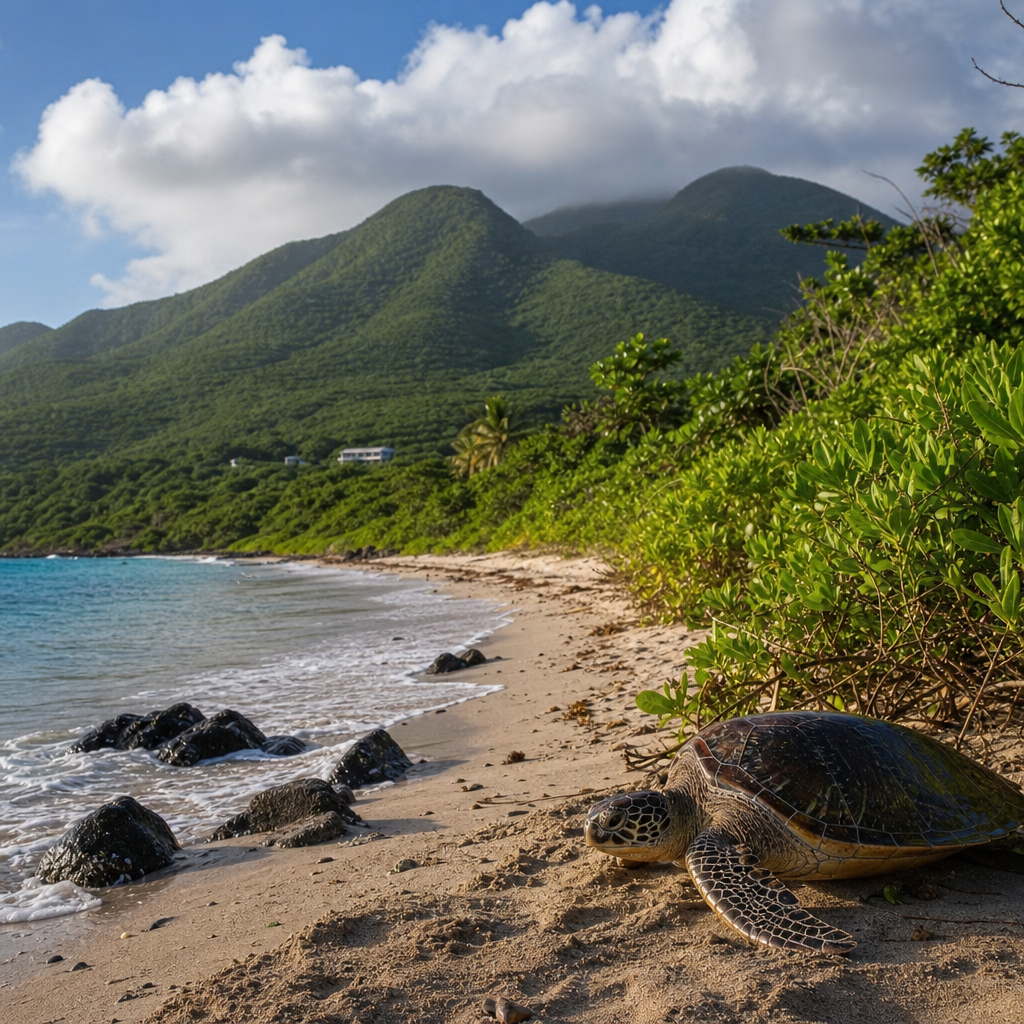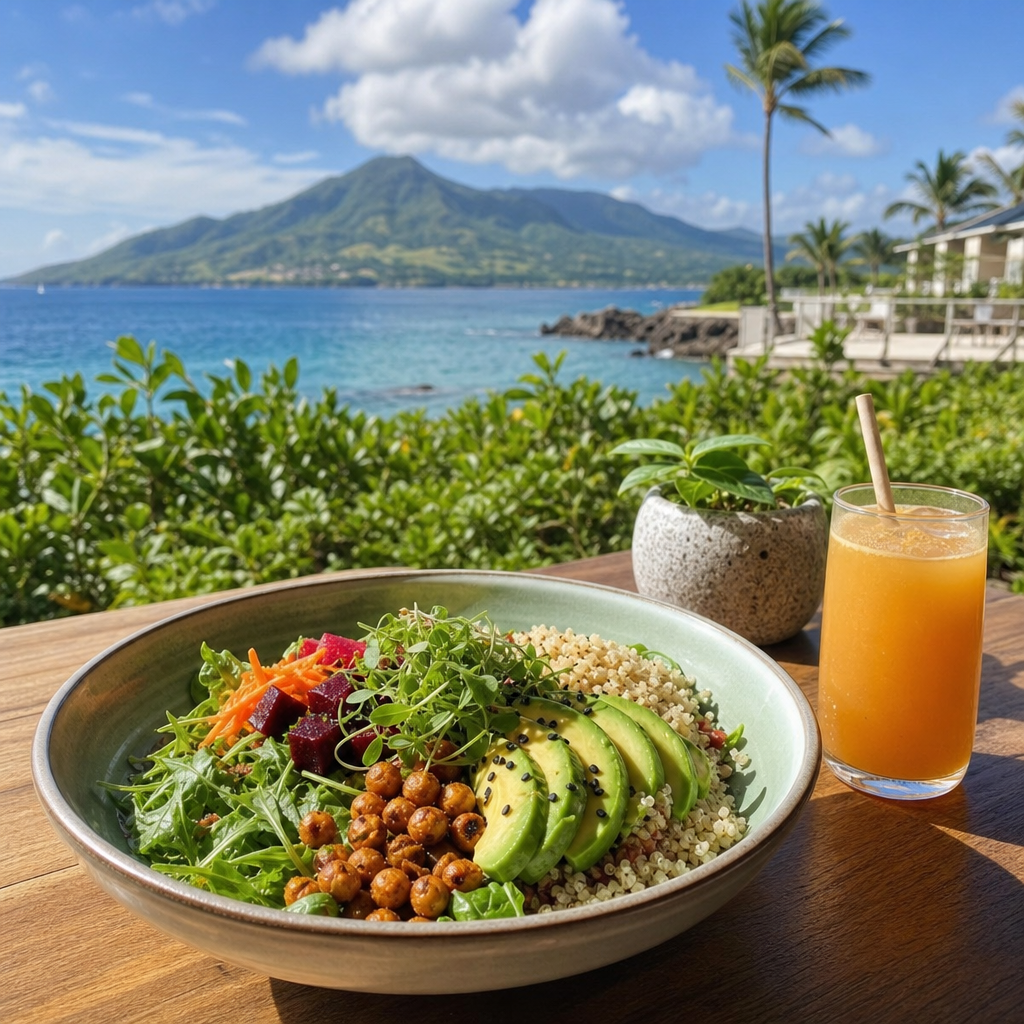
Saint Kitts’ vegan and vegetarian dining guide starts with a simple truth: eating plant-based on this small Caribbean island is easier than many travelers expect, but success depends on knowing where to look, how to ask, and which local ingredients naturally fit a meat-free diet. Saint Kitts, often paired with Nevis in tourism materials, blends resort dining, beach bars, roadside cookshops, and market produce into a food scene shaped by African, British, French, and broader Caribbean influences. In this guide, vegan means food made without meat, fish, dairy, eggs, honey, or animal-derived broths, while vegetarian generally includes dairy and eggs but excludes meat and seafood. That distinction matters here because many dishes that appear vegetable-based may still contain salted meat, fish stock, butter, or condensed milk. I have found that the best plant-based meals on Saint Kitts usually come from a mix of careful menu reading, direct questions, and choosing dishes built around fresh produce rather than requesting major substitutions. For wellness-focused travelers, cruise visitors, digital nomads, and residents trying to eat lighter, this matters for more than convenience. Better planning means more balanced meals, fewer accidental ingredients, easier dining with mixed groups, and a stronger connection to local agriculture. Saint Kitts grows and imports a wide range of fruits, vegetables, legumes, grains, and herbs, so the raw materials are there. The key is understanding the island’s dining patterns and using them to your advantage.
What Plant-Based Dining Looks Like on Saint Kitts
Plant-based dining on Saint Kitts sits between destination-resort flexibility and traditional island cooking. In practice, that means upscale restaurants often understand terms like vegan, dairy-free, gluten-free, and allergy-aware preparation, while smaller local spots may serve excellent vegetable dishes without labeling them that way. In both settings, communication is essential. A menu item called vegetable rice may be cooked in chicken stock. A soup described as pumpkin soup may contain cream. A bean stew may be seasoned with saltfish or pork for depth. None of this is unusual; it reflects classic Caribbean cooking, where flavor layers often come from cured or preserved animal ingredients. Travelers who assume a vegetable dish is automatically vegan are the ones most likely to be caught out.
The strongest advantage on Saint Kitts is ingredient quality. Local and regional kitchens regularly use breadfruit, plantain, sweet potato, yam, cassava, dasheen, pumpkin, coconut, mango, papaya, avocado, callaloo, cabbage, beans, rice, peas, and fresh herbs. Those staples translate naturally into filling vegetarian meals and, with a few adjustments, fully vegan plates. I have consistently had the best results by asking for meals built from sides: rice and peas made without meat, steamed vegetables, sautéed callaloo, fried plantains, salad, provision, and a bean-based entrée if available. Resorts and higher-end beach restaurants are also usually willing to prepare off-menu pasta primavera, vegetable curry, grilled vegetable platters, or grain bowls when given enough notice.
Location also shapes the experience. Dining near Frigate Bay and the main resort corridor tends to offer the broadest menu flexibility. Basseterre can be excellent for produce, casual cafés, and custom lunches, especially during business hours. More rural areas may have fewer explicitly vegetarian choices, but they often have the freshest fruit, simple starch-based sides, and cooks willing to adapt dishes if the request is clear and respectful. If you are staying for more than a few days, it is worth identifying one reliable breakfast place, one customizable lunch spot, and one dinner venue with a chef who understands plant-based requests. That simple system prevents decision fatigue and makes healthy eating on the island much more sustainable.
Best Local Ingredients and Traditional Foods to Order
If you want to eat well on Saint Kitts without feeling like you are missing local culture, focus on ingredients that are already central to Kittitian cooking. Breadfruit is one of the most satisfying examples. Roasted, fried, or boiled, it has a starchy texture that can stand in for potatoes or grain sides, and it pairs well with spicy sauces, coconut-based stews, and vegetable sautés. Plantains are another dependable option. Green plantains can be boiled or fried as a savory side, while ripe plantains bring sweetness and energy, making them useful for active travelers or anyone spending long days outdoors.
Callaloo deserves special attention because it is one of the Caribbean’s signature leafy greens. Depending on the kitchen, it may be prepared simply with onions, garlic, and mild seasoning, or enriched with butter, cream, saltfish, or stock. When cooked plainly, it is one of the most nutrient-dense items available, rich in vitamins A and C, iron, and fiber. Pumpkin is equally versatile. It appears in soups, purées, curries, and side dishes, but vegan diners should always ask whether cream or butter is used. Rice and peas can be ideal when made with coconut milk, thyme, and scallions, yet some versions include chicken stock or salted meat, so checking ingredients is necessary.
Fresh fruit is not a fallback on Saint Kitts; it is part of the core dining experience. Mango, pineapple, melon, soursop, guava, tamarind, banana, passion fruit, and papaya can anchor breakfast, snacks, smoothies, and desserts. Coconut appears in both drinks and savory food, and it often helps bridge the gap when dairy-free diners need richness. Beans and lentils are not always highlighted as prominently as in some vegetarian cuisines, but they are available often enough to support balanced meals, especially in curries, soups, and composed plates.
| Ingredient or Dish | Usually Vegetarian | Usually Vegan | What to Ask Before Ordering |
|---|---|---|---|
| Rice and peas | Often | Sometimes | Was it cooked with chicken stock, butter, or salted meat? |
| Callaloo | Often | Sometimes | Any cream, butter, fish, or meat in the seasoning? |
| Pumpkin soup | Often | Less often | Does it contain cream, milk, or animal broth? |
| Plantains | Usually | Usually | Are they fried separately from meat or fish? |
| Vegetable curry | Usually | Often | Any ghee, dairy, or meat stock in the sauce? |
| Salad | Usually | Usually | Any cheese, egg, creamy dressing, or honey glaze? |
These questions are not overly cautious; they are practical. Kitchens on Saint Kitts are often accommodating, but they cannot read dietary intent from the word vegetables alone. Asking directly saves time and usually leads to better food because the cook understands the goal from the start.
Where to Find Vegan and Vegetarian Meals Across the Island
Travelers often ask whether Saint Kitts has dedicated vegan restaurants. The more accurate answer is that the island offers a spectrum of plant-based-friendly places rather than a large number of strictly vegan venues. In my experience, the most dependable options fall into five categories: resort restaurants with adaptable kitchens, health-oriented cafés, Indian or pan-Asian restaurants, local lunch spots with side-based ordering, and self-catering through groceries and markets. Knowing these categories matters more than memorizing one short list of names because restaurant offerings change with season, staffing, and tourism flow.
Resort restaurants usually provide the easiest first-night meal. Their menus often include salads, pasta, grilled vegetables, soups, and breakfast buffets with fruit, cereal, toast, and potatoes. Chefs in these settings are accustomed to dietary requests, especially when guests mention them in advance. Indian restaurants are often the strongest choice for fully satisfying vegan dinners because dishes such as chana masala, dal, aloo gobi, vegetable biryani, and mixed vegetable curry can be prepared without ghee or cream. Pan-Asian kitchens can also be useful for tofu stir-fries, vegetable noodles, and rice dishes, though fish sauce and egg need to be checked carefully.
For lunch, local cafés and cookshops can be surprisingly strong if you think in components instead of entrées. A plate of rice, peas, steamed cabbage, callaloo, pumpkin, plantain, and salad is often more authentically Kittitian than a generic imported veggie burger. Basseterre and the Frigate Bay area generally provide the broadest range of custom options, while beach bars may have fewer plant-based mains but can still assemble salads, fries, vegetable wraps, and fruit plates. Cruise passengers should keep timing in mind: some local lunch businesses operate most actively on weekdays and may close earlier than visitors expect.
Longer-stay visitors should also use supermarkets and roadside fruit vendors. If you are staying in an apartment or villa, breakfast becomes simple: tropical fruit, oats, bread, peanut butter, plant milk if available, avocado, and local jams can cover most mornings. That approach leaves more flexibility for lunch and dinner, where local adaptation matters most. As a hub under health and wellness, this topic connects naturally with broader concerns such as hydration, digestive comfort during travel, food sensitivities, and maintaining nutrient intake while eating away from home.
How to Order Clearly and Avoid Hidden Animal Ingredients
The single best strategy for vegan and vegetarian dining on Saint Kitts is precise communication. Do not stop at saying, “I’m vegetarian,” because some kitchens interpret that as “no obvious pieces of meat.” Instead, use short, direct questions: “Does this contain chicken stock?” “Can this be made without butter?” “Is there fish sauce, egg, or cream in the dressing?” “Can you cook the vegetables separately?” These are easy for servers to relay and easy for cooks to answer. If you are vegan, say, “No meat, fish, dairy, eggs, or chicken stock,” rather than assuming the label alone will cover everything.
Breakfast requires particular care. Omelets, toast, fruit, and potatoes are common, but pastries may contain butter, and pancakes often contain eggs and milk. Smoothies may be blended with yogurt or sweetened condensed milk. Oatmeal is a useful choice if made with water or plant milk, and many hotels can provide that on request. At lunch and dinner, soups, rice, sauces, and dressings are the most common sources of hidden ingredients. Caesar salads contain anchovy. Coleslaw often contains mayonnaise. Vegetable soups may begin with meat stock. Beans can be seasoned with pork. Once you know these patterns, ordering becomes much easier.
Cross-contact is also worth mentioning, especially for strict vegans and those with allergies. Shared fryers are common in casual beach and street settings, so fries or plantains may be cooked in the same oil as fish or chicken. Grills may be shared as well. If this matters for your diet, ask specifically whether separate pans or fryer oil are available. Most restaurants will tell you honestly if they cannot guarantee separation. That transparency is useful. It lets you make an informed decision instead of guessing. Clear questions are not an inconvenience to good restaurants; they help the kitchen deliver exactly what you need.
Nutrition, Wellness, and Practical Planning for Travelers
Plant-based eating on Saint Kitts works best when it is planned for nutrition, not just restriction. A meal of salad alone may technically fit vegan rules, but it will not support a long beach day, a hike through the rainforest, or recovery after diving and water sports. Aim for a combination of carbohydrates, fiber, fat, and protein at most meals. On the island, that usually means building plates around rice, peas, lentils, breadfruit, sweet potato, plantain, beans, avocado, vegetables, and fruit. Coconut adds useful calories, but it should not be your only source of richness if you are trying to stay balanced.
Hydration deserves special emphasis in Saint Kitts’ warm climate. Travelers often underestimate fluid and electrolyte needs, especially if they are walking between beaches, sightseeing in Basseterre, or spending hours in the sun. Fresh fruit, coconut water, soups, and water-rich vegetables help, but they do not replace regular water intake. If you eat a very high-fiber plant-based diet while traveling, increase water accordingly to avoid digestive discomfort. I also advise visitors not to overhaul their diet completely on arrival. If you normally eat some cooked meals and some raw foods, keep that rhythm. Sudden changes, even healthy ones, can be harder on the stomach than the climate itself.
For longer stays, grocery planning makes wellness much easier. Buy fruit that ripens over several days, a few dependable staples such as oats and rice, protein-rich options like beans or lentils, and snacks that travel well for excursions. If you have supplements you rely on, such as vitamin B12 for strict vegans, bring them with you rather than assuming they will be easy to replace locally. Plant-based travel goes smoothly when meals are approached proactively. Saint Kitts gives you the ingredients and enough restaurant flexibility; the wellness benefit comes from combining those resources intelligently.
Saint Kitts rewards plant-based diners who approach the island with curiosity and preparation. The dining scene is not built around labels first, but it is rich in vegetables, tropical fruit, starches, legumes, and adaptable kitchens that can produce genuinely satisfying vegan and vegetarian meals. The most reliable strategy is to understand local ingredients, ask direct questions about broth, dairy, eggs, and fish-based seasonings, and build meals from dishes that are naturally close to plant-based rather than forcing difficult substitutions. Resort restaurants, Indian and pan-Asian kitchens, local cafés, markets, and self-catering all play a role, especially for travelers staying more than a day or two.
As a health and wellness hub, this guide should help you do more than simply avoid meat. It should help you eat with confidence, maintain energy, support digestion, and enjoy Saint Kitts through its produce and everyday food culture. Whether you are visiting for a cruise stop, a resort week, remote work stay, or long holiday, you can eat well here with a thoughtful plan. Use this guide as your starting point, map out a few dependable places before you arrive, and let local fruits, vegetables, and classic island sides lead the way.
Frequently Asked Questions
Is Saint Kitts a good destination for vegans and vegetarians?
Yes, Saint Kitts can be a very workable destination for both vegans and vegetarians, especially for travelers who arrive with realistic expectations and a little flexibility. It is not the kind of island where every restaurant has a dedicated plant-based menu, but it is much easier to eat meat-free than many visitors first assume. Across Basseterre, Frigate Bay, resort restaurants, beach bars, and local cookshops, you will usually find meals built around rice, beans, ground provisions, fresh fruit, vegetables, salads, and sides that can be combined into satisfying plant-based dishes. Vegetarian travelers generally have an easier time because eggs and dairy appear in some breakfast items, baked goods, and pasta dishes, while vegans do best when they ask direct questions about broths, butter, cheese, and hidden meat ingredients.
One reason Saint Kitts works well for plant-based travel is that many everyday Caribbean staples are naturally vegetarian or easily adapted. Dishes and ingredients such as rice and peas, steamed vegetables, pumpkin, breadfruit, plantains, callaloo, sweet potatoes, avocado, coconut-based preparations, and fresh market fruit can form the basis of a full meal. At the same time, local cooking traditions often include saltfish, chicken stock, meat drippings, or seafood in recipes that may look vegetarian at first glance, so communication matters. In practice, the island is best for travelers who enjoy mixing restaurant meals with market snacks, grocery finds, and customized orders rather than depending entirely on clearly labeled vegan restaurants.
What local foods and ingredients in Saint Kitts are naturally vegan or vegetarian?
Saint Kitts offers plenty of local produce and starches that fit naturally into a vegan or vegetarian diet. Fresh tropical fruit is one of the easiest wins, with options such as mango, papaya, pineapple, banana, melon, and coconut appearing in markets, breakfast spreads, and roadside stalls depending on the season. Ground provisions and hearty island staples are also especially useful for plant-based eaters. Breadfruit, sweet potatoes, yams, green bananas, cassava, pumpkin, rice, peas, and plantains are common throughout the island and can make a filling meal even when the menu is limited. Vegetable sides are often more abundant than first-time visitors expect, particularly at hotels, buffet-style lunches, and local lunch spots where you may be able to build a plate from multiple sides.
Some of the most promising ingredients include callaloo, cabbage, carrots, cucumbers, tomatoes, lettuce, avocado, coconut, and legumes. Coconut milk is sometimes used in Caribbean cooking and can add richness to soups, curries, and vegetable stews, though it is still important to ask whether the dish also contains fish, meat, or stock. Rice and peas may be suitable, but in some kitchens they are prepared with chicken broth or salted meat for flavor. Fried plantains, roasted breadfruit, pumpkin, steamed vegetables, and fresh salads are often safer choices if you are checking ingredients carefully. Vegetarians may also find omelets, pancakes, cheese sandwiches, and pasta dishes at hotels and tourist-oriented restaurants, but vegans should confirm whether butter, milk, cheese, or eggs are used in preparation.
How can I order vegan or vegetarian food at restaurants and local cookshops in Saint Kitts?
The most effective approach is to be polite, specific, and practical. Rather than asking only, “Do you have vegan food?” it usually helps to explain exactly what you do and do not eat. For example, say that you do not eat meat, chicken, fish, seafood, eggs, dairy, butter, or broth made from animals, and then ask what the kitchen can prepare with vegetables, rice, beans, plantains, or ground provisions. In many restaurants and cookshops, staff may be happy to adapt a dish once they understand your needs clearly. Menus are not always written with plant-based travelers in mind, so a direct conversation often works better than searching for a perfect label.
It is also smart to ask follow-up questions. A dish that sounds vegetarian may still include saltfish, chicken stock, gravy, or butter. Ask whether the rice is cooked in stock, whether the vegetables are sautéed in butter, whether soups contain meat broth, and whether beans or stews include pork or seafood. At breakfast, check whether toast comes buttered, whether oatmeal is made with milk, and whether fruit platters are available. At lunch and dinner, a custom plate of rice, beans, salad, avocado, steamed vegetables, fried plantains, and roasted breadfruit is often easier to secure than a menu-listed vegan entrée. In resort restaurants and higher-end venues, chefs are usually more familiar with dietary restrictions, while in smaller local spots your success often depends on keeping the request simple and ingredient-focused.
Are there enough vegan and vegetarian options outside resorts in Saint Kitts?
Yes, but the experience is different from dining at a resort, and that difference is important. Outside resorts, you may find fewer explicitly labeled vegan or vegetarian dishes, yet there are often more opportunities to eat affordably and locally if you know how to navigate the food scene. Beach bars, casual cafés, roadside cookshops, bakeries, supermarkets, and produce markets can all play a role in a plant-based trip. Travelers who expect a long list of dedicated vegan eateries may be disappointed, but those who are comfortable assembling meals from available sides, produce, and simple custom orders can eat quite well.
This is where local knowledge becomes valuable. In non-resort settings, plant-based dining often depends less on menu categories and more on what is fresh that day. A cookshop may not advertise vegan meals, but it may be able to prepare rice, vegetables, plantains, and salad without meat if asked. A supermarket can fill the gaps with fruit, bread, peanut butter, crackers, juices, coconut water, and other basics for beach days or excursions. Markets are especially useful for travelers staying in villas, apartments, or accommodations with kitchen access. If you plan to spend long days sightseeing, hiking, or relaxing on less-developed beaches, it is wise to carry snacks because meal timing and plant-based options can be less predictable outside the main tourist zones.
What are the best tips for eating vegan or vegetarian on Saint Kitts without stress?
The best strategy is to combine preparation with flexibility. Before your trip, save a short list of restaurants, hotels, cafés, and grocery stores in the areas where you will be staying, whether that is Basseterre, Frigate Bay, or near a resort. If possible, choose accommodations with breakfast included or some access to a refrigerator or kitchenette. Starting the day with fruit, toast, oats, or a simple custom breakfast can make the rest of the day much easier. You should also plan to mix dining styles rather than relying on restaurants alone. On Saint Kitts, a successful vegan or vegetarian trip often includes restaurant meals, market produce, supermarket supplies, and a willingness to build a plate from side dishes.
It also helps to think ahead about communication and timing. Ask questions early, especially at lunch spots where the day’s food may be cooked in advance. Be clear but friendly about ingredients, and keep backup snacks with you for road trips, ferry connections, beach afternoons, or excursions where food choices may be limited. If you are strictly vegan, assume nothing and confirm details about stock, butter, cheese, and hidden seafood or meat flavorings. If you are vegetarian, you will generally have more options, but it is still worth checking soups, rice dishes, and savory pastries. Overall, Saint Kitts rewards travelers who embrace its produce, its Caribbean staples, and its informal food culture. With a little planning, eating plant-based on the island can feel far more enjoyable and far less restrictive than many visitors expect.