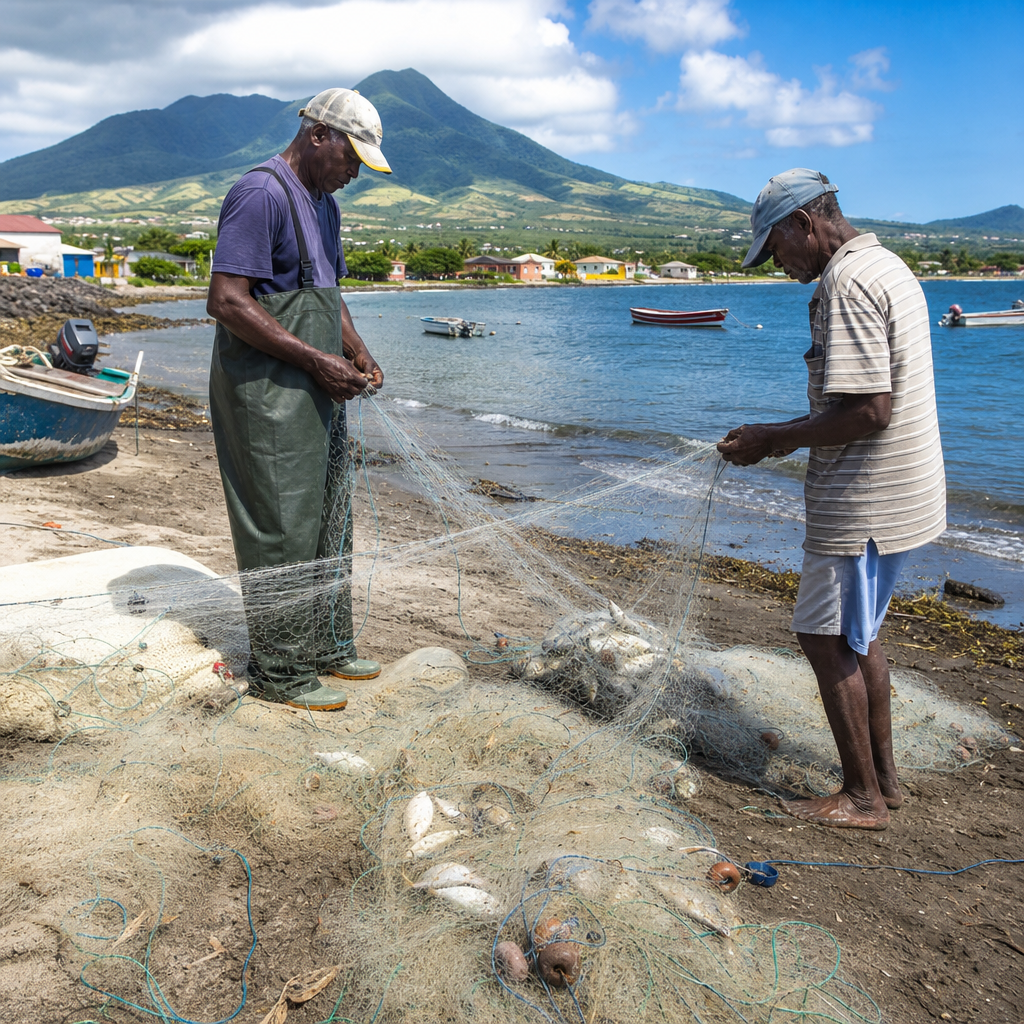
Healthy eating in Nevis starts with understanding how local food culture, imported products, climate, and everyday routines shape what ends up on the plate. In simple terms, healthy eating means regularly choosing foods that support energy, growth, digestion, heart health, and long-term disease prevention while still fitting your budget, schedule, and traditions. In Nevis, that often means building meals around fresh fish, ground provisions, seasonal fruit, beans, vegetables, and sensible portions of packaged goods that arrive by ship. I have worked with Caribbean meal planning and community health education long enough to see the same pattern repeatedly: people usually know that vegetables are good and sugary drinks are not, but they need practical guidance on how to shop, cook, and eat well in a small-island setting where availability changes week to week. This matters because Nevis faces the same nutrition pressures seen across the region, including rising rates of obesity, diabetes, hypertension, and diet-related heart disease, alongside the continued value of strong traditional food knowledge. A useful guide must therefore balance modern nutrition science with local reality, helping residents and visitors make better everyday decisions without rejecting the foods that define Nevisian life.
What healthy eating looks like in Nevis day to day
A healthy diet in Nevis is not a strict imported eating plan. It is a practical pattern built from local staples, balanced portions, and consistent habits. The foundation should be vegetables and fruit, followed by high-fiber carbohydrates such as sweet potato, yam, breadfruit, green banana, pumpkin, and peas, with moderate amounts of lean protein from fish, chicken, eggs, and legumes. Coconut, avocado, nuts, and small amounts of plant oils can supply useful fats, but fried foods and heavily processed snacks should stay occasional. Water should be the default beverage. For most adults, a balanced plate works well: about half vegetables and fruit, one quarter starch, and one quarter protein. In households I have advised, this simple visual approach is far easier to follow than calorie counting. A Nevis lunch of grilled fish, steamed callaloo, cabbage, and roasted sweet potato is healthier than a large plate of fried chicken, white rice, and sweetened juice, even if both are familiar meals. The difference is not culture; it is preparation method, fiber content, sodium level, and portion size.
Healthy eating also depends on rhythm. Skipping breakfast, grazing on pastries, then eating one oversized late dinner is common and usually leads to poorer blood sugar control and excess calories. A steadier pattern is better: breakfast, lunch, dinner, and, if needed, one planned snack such as fruit, yogurt, or a handful of nuts. Children especially benefit from predictable meal timing, because they are more likely to rely on school snacks and sugary drinks when meals are inconsistent. For older adults, balanced meals with enough protein and hydration help preserve muscle mass and reduce fatigue in hot weather. The practical goal is not perfection. It is repetition of better choices often enough that they become normal.
Best local foods to prioritize and why they work
Nevis offers many foods that fit evidence-based nutrition principles exceptionally well. Fresh fish is one of the best examples. Species commonly eaten in the Eastern Caribbean provide protein and minerals, and oily fish can contribute omega-3 fats that support heart and brain health. Preparation matters: grilled, baked, steamed, or lightly stewed fish is preferable to deep frying, which adds excess oil and often sodium through seasoned flour or batter. Ground provisions deserve equal attention. Sweet potatoes, yams, dasheen, and breadfruit provide complex carbohydrates, fiber, potassium, and longer-lasting satiety than many refined imported foods. They are not foods to fear; they are foods to portion well.
Fruit in Nevis can be a major advantage when people use it intentionally. Mango, papaya, guava, soursop, banana, sugar apple, watermelon, and citrus bring vitamins, fluid, and fiber, especially when eaten whole instead of blended with sugar. Vegetables such as callaloo, spinach, cabbage, carrots, okra, cucumber, pumpkin, and tomatoes can anchor meals across all income levels when bought seasonally. Beans and peas remain underrated nutrition workhorses. Pigeon peas, lentils, kidney beans, and black-eyed peas supply protein, fiber, folate, and slow-digesting carbohydrates, which help with fullness and blood sugar management. In my experience, households that cook legumes at least three times a week usually reduce spending on processed meats and improve meal quality without feeling deprived.
| Food commonly available in Nevis | Main nutrition strengths | Healthier everyday use |
|---|---|---|
| Fresh fish | Protein, minerals, beneficial fats | Grill, steam, or bake with herbs and lime |
| Sweet potato and yam | Fiber, potassium, steady energy | Boil or roast instead of frying |
| Callaloo and leafy greens | Iron, folate, vitamins A and K | Steam lightly with onion and garlic |
| Beans and peas | Protein, fiber, folate | Use in soups, stews, salads, and rice dishes |
| Mango, papaya, citrus | Vitamin C, fluid, antioxidants | Eat whole as snacks or breakfast sides |
| Avocado | Monounsaturated fat, fiber | Add small portions to salads and sandwiches |
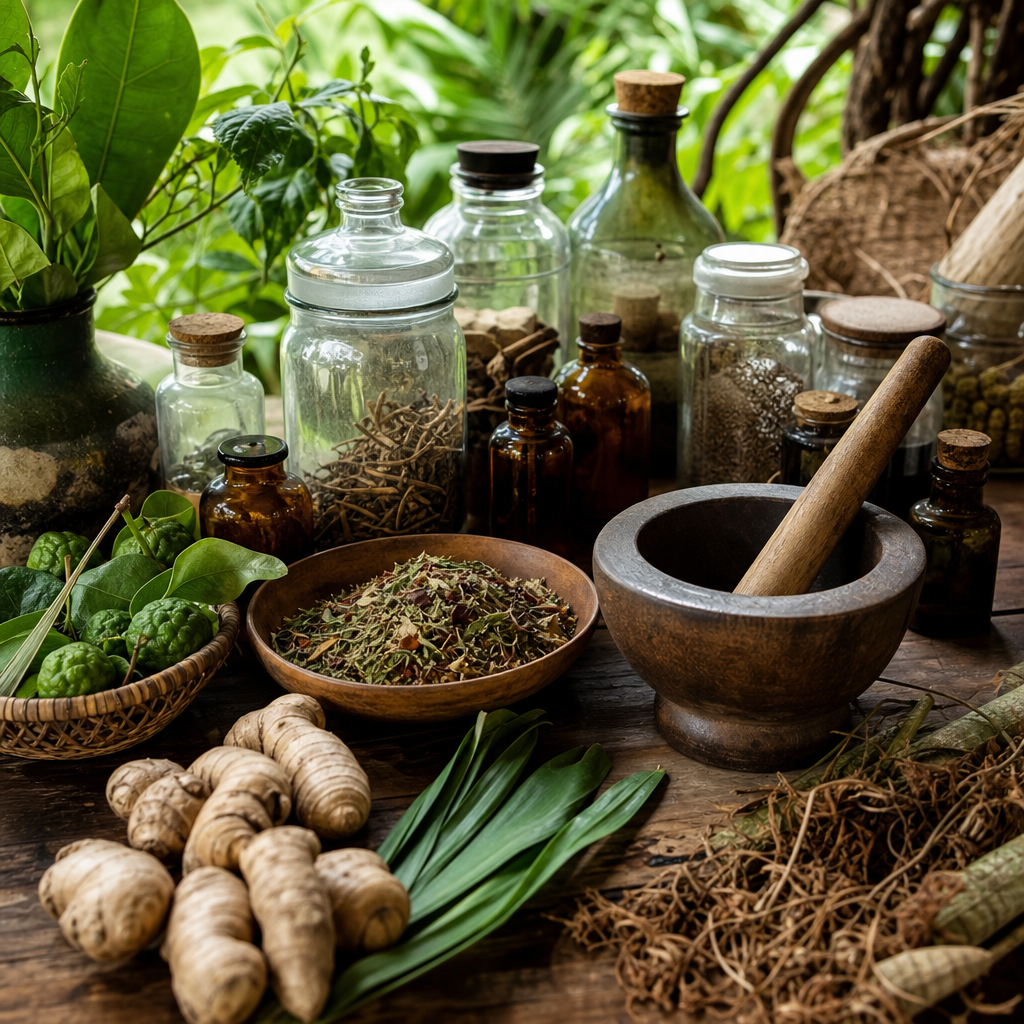
Spices and flavorings are another local strength. Thyme, scallion, garlic, ginger, pimento, turmeric, lime, and fresh herbs can make healthy meals taste satisfying without relying heavily on salt. That is important in a region where high blood pressure is common. Good healthy eating advice for Nevis must therefore celebrate flavor, not flatten it. Food becomes sustainable when it remains enjoyable.
How to shop smart on a small island
Eating well in Nevis is easier when shopping follows a plan. Because imported food costs can be high and stock can vary, the best approach is to buy in layers. Start with durable staples that support balanced meals all week: oats, brown rice when available, dried peas or beans, canned fish in water, low-sodium seasonings, and plain yogurt or eggs if your budget allows. Add fresh produce next, focusing on what is abundant and in better condition rather than chasing a rigid list. If cabbage, pumpkin, carrots, and cucumbers look better than lettuce, buy those and adjust your meals. Then choose proteins, prioritizing fish, chicken, eggs, and legumes over processed meats such as sausages, bologna, and heavily salted products.
Reading labels is essential, especially for foods marketed as healthy. Granola can be high in sugar. Flavored yogurt may contain more sweetener than many people expect. Breakfast cereals often look wholesome but deliver refined flour and added sugars with little fiber. Compare products by checking serving size, grams of added sugar, sodium per serving, and fiber content. As a practical rule, lower sodium and higher fiber versions usually serve health better. Canned items can still fit a healthy diet, but rinse canned beans and choose tuna, sardines, or mackerel packed with less added salt when possible. Frozen vegetables are also useful when fresh produce is limited; they are often nutritionally solid and reduce spoilage.
Budget strategy matters as much as nutrition theory. Plan two or three base meals and repeat them with small changes. A pot of peas can become lunch with rice one day, soup the next, and a side dish later in the week. Roast pumpkin can appear at dinner, then in breakfast omelets. This kind of structured repetition lowers waste and helps families avoid emergency convenience food purchases. On Nevis, healthy eating is often less about buying special products and more about making ordinary ingredients work harder.
Cooking methods that improve nutrition without losing flavor
How food is cooked often matters as much as what food is chosen. Steaming, grilling, baking, roasting, pressure cooking, and light sautéing generally preserve nutritional value while keeping fat and sodium under control. Deep frying increases calorie density quickly and can displace healthier meal components because fried items become the center of the plate. That does not mean fried fish or festival-style treats can never be enjoyed, but they should not define daily eating. I usually advise families to reserve fried foods for occasional social meals and keep weekday cooking simpler.
Seasoning deserves careful attention. Caribbean cooking has rich flavor traditions, yet many dishes become unhealthy through excessive salt, stock cubes, bottled sauces, and processed marinades. Building flavor from herbs, onion, garlic, pepper, celery, thyme, scallion, curry, ginger, and citrus can sharply reduce sodium without making food bland. Coconut milk is another ingredient that benefits from balance. It adds body and cultural familiarity to soups and stews, but large amounts increase saturated fat. Using a moderate quantity with vegetables, fish, or legumes keeps the dish enjoyable while avoiding excess.
Portioning starches is another practical skill. Ground provisions are nourishing, but very large servings paired with sweet drinks and little vegetable matter can push meals beyond what many adults need. A better plate uses one moderate serving of yam or sweet potato, a generous portion of vegetables, and enough protein to satisfy hunger. Soups and one-pot meals can be especially effective in Nevis because they stretch ingredients, support hydration, and make it easy to include peas, vegetables, and lean protein together. Done well, local cooking is not the obstacle to health. It is one of the strongest tools for achieving it.
Common nutrition pitfalls in Nevis and how to avoid them
The biggest problems are usually not the traditional foods people worry about. The real issues are sweetened beverages, oversized portions, packaged snack foods, and frequent reliance on fast food or highly processed imports. Soft drinks, sweet juices, energy drinks, and sweetened teas deliver large amounts of sugar with very little satiety. Replacing even one daily sugary drink with water can meaningfully reduce total sugar intake over time. For people managing diabetes or prediabetes, this change is often one of the fastest wins.
Another pitfall is hidden sodium. Salt fish, cured meats, instant noodles, canned soups, seasoning blends, and restaurant meals can all contribute heavily to blood pressure risk. If you use salt fish, soak and boil it well, then keep the rest of the meal low in added salt. If you eat out, choose grilled options more often and watch sauces, sides, and portion size. Snacking can also quietly undermine otherwise good meals. Cheese puffs, cookies, pastries, and ice cream are easy to overeat because they are convenient and engineered to be highly palatable. A healthier system is to keep visible snacks simple: bananas, oranges, nuts, plain popcorn, or yogurt.
Visitors to Nevis face a slightly different challenge. Vacation eating can turn every meal into a celebration, leading to heavy breakfasts, cocktails, fried lunches, and rich dinners. Enjoying local cuisine is part of travel, but balance still applies. Share desserts, prioritize seafood and produce, hydrate in the heat, and avoid treating every drink as a treat. Healthier choices do not reduce the experience; they help you feel well enough to enjoy it fully.
Building healthy habits for families, schools, and busy adults
Healthy eating becomes durable when the environment supports it. For families, that means setting regular mealtimes, serving vegetables routinely rather than occasionally, and making water easy to reach. Children learn what is normal from repetition. If fruit is the default after-school snack and soft drinks are reserved for special events, that pattern becomes expected. Adults with demanding schedules benefit from advance preparation even more. Wash and cut vegetables after shopping, cook a batch of beans, season fish ahead of time, and keep quick breakfast options such as oats, eggs, fruit, and yogurt ready. Small systems prevent poor last-minute choices.
Schools and workplaces also shape behavior. Cafeterias, vending options, and event catering influence daily intake more than many people realize. Where possible, institutions should favor water, fruit, bean-based dishes, soups, and balanced plates over pastries and sugary drinks. Community programs, kitchen gardening, and local produce markets can strengthen healthy eating by improving access and normalizing fresh foods. I have seen the strongest results when nutrition advice is paired with realistic routines: one home-cooked dinner most weeknights, one fruit with breakfast, and one less sugary drink per day. Those shifts are modest, measurable, and sustainable.
Healthy eating in Nevis is ultimately about using the island’s food strengths wisely while limiting the imported habits that contribute to chronic disease. Prioritize fish, vegetables, fruit, peas, beans, and ground provisions. Shop with a plan, cook with less salt and less frying, drink more water, and keep portions sensible. These choices support steady energy, better weight management, healthier blood pressure, and improved long-term wellbeing without abandoning Nevisian food culture. As a hub for the broader miscellaneous side of health and wellness, this guide offers the foundation that other topics build on: food quality, routine, and informed daily choices. Start with one change this week, make it consistent, and let that become the baseline for the next healthy decision.
Frequently Asked Questions
What does healthy eating look like in Nevis on a day-to-day basis?
Healthy eating in Nevis usually means working with the foods that are practical, familiar, and widely available while making choices that support long-term health. On a day-to-day basis, that often looks like building meals around fresh fish, peas and beans, ground provisions such as sweet potatoes, yam, and dasheen, and plenty of vegetables and seasonal fruit. A balanced plate might include grilled or stewed fish, a reasonable portion of ground provisions, and a generous serving of cabbage, callaloo, carrots, cucumbers, or other local vegetables. This kind of eating pattern can provide steady energy, support digestion, and help maintain a healthy weight without feeling overly restrictive or disconnected from local food traditions.
In practical terms, healthy eating is not about avoiding all favorite foods or trying to follow a rigid imported diet plan. It is more about portion balance, cooking methods, and meal regularity. Fried foods, sugary drinks, heavily processed snacks, and oversized portions can easily push daily eating habits in an unhealthy direction, especially when busy routines make convenience a priority. Choosing baked, grilled, steamed, or lightly stewed dishes more often, drinking more water, and keeping meals consistent throughout the day can make a major difference. In Nevis, healthy eating works best when it respects local culture and focuses on realistic improvements rather than perfection.
How can people in Nevis eat healthy while staying within a budget?
Eating healthy on a budget in Nevis is very possible when meals are planned around staple foods that offer good nutrition and strong value. Beans, lentils, split peas, local vegetables, eggs, and ground provisions can form the basis of filling, affordable meals. Seasonal fruit is often a smarter buy than heavily packaged snacks or imported sweets, and local fish can be a nutritious protein option depending on the season and supply. A simple meal of stewed peas, steamed vegetables, and boiled sweet potato can be both nourishing and cost-effective. Budget-friendly healthy eating usually comes down to buying foods in their more basic form and preparing them at home.
One of the biggest challenges to healthy eating on a budget is the temptation of convenience foods. Imported snacks, sweetened drinks, processed meats, and ready-made meals may seem easy, but they can become expensive over time and often contain excess salt, sugar, and unhealthy fats. Planning ahead helps. Shopping with a list, cooking larger portions for leftovers, and using ingredients across several meals can stretch a food budget while reducing waste. For example, a pot of beans can be used for lunch and dinner, vegetables can be added to soups and side dishes, and ripe fruit can become breakfast or snacks. In Nevis, healthy eating on a budget is usually less about specialty health products and more about making consistent use of wholesome local staples.
Are traditional Nevisian foods compatible with a healthy diet?
Yes, many traditional Nevisian foods can fit very well into a healthy diet. In fact, local food culture includes many naturally nourishing ingredients such as fish, legumes, root crops, leafy greens, and fresh tropical fruit. These foods can support heart health, digestion, and energy levels when prepared with care. Traditional meals do not need to be abandoned in order to eat well. Instead, it helps to look at how dishes are cooked, how often richer foods are eaten, and how portions are managed. A meal based on fresh fish, provisions, and vegetables can be highly nutritious and satisfying while still feeling familiar and culturally meaningful.
Where traditional eating patterns may become less healthy is when meals rely too heavily on deep frying, added salt, sugary beverages, processed meats, or very large portions of starch without enough vegetables. Healthy adjustments can preserve flavor and tradition. For example, roasting or grilling fish instead of frying it more often, seasoning foods with herbs, onions, garlic, thyme, scallions, and peppers instead of excessive salt, and making vegetables a larger part of the plate can all improve nutritional quality. The goal is not to reject local cuisine, but to highlight the strongest parts of it and make practical updates where needed. In Nevis, the healthiest approach is often one that keeps the roots of traditional eating while adapting to modern health concerns such as high blood pressure, diabetes, and weight management.
How does the climate and food availability in Nevis affect healthy eating choices?
The climate in Nevis plays an important role in shaping healthy eating habits because it influences appetite, hydration, produce availability, and day-to-day food choices. Warm weather often increases the need for water, lighter meals, and fresh foods that are easy to digest. This makes fruits, salads, cucumbers, melons, and other hydrating foods especially useful. At the same time, hot conditions can make heavily greasy meals feel less comfortable, particularly during the middle of the day. For many people, healthy eating in Nevis works best when meals are adapted to the climate, with lighter breakfasts or lunches, enough fluids throughout the day, and balanced evening meals that do not rely too much on fried or highly processed foods.
Food availability also matters. Because Nevis depends partly on imported products, there can be times when processed items are easier to find than the freshest options, or when healthier choices cost more than expected. That is why flexibility is important. When fresh local produce is in season, it makes sense to enjoy it often and build meals around it. When certain items are less available, people can still make healthy choices by using dried peas and beans, frozen vegetables without added sauces, canned fish with attention to sodium content, and simple home-cooked combinations rather than ultra-processed foods. Healthy eating in Nevis is not about having perfect access all the time. It is about making the best possible choices within the realities of climate, imports, seasonality, and household routine.
What are the best simple habits for maintaining a healthy diet in Nevis over the long term?
The best long-term healthy eating habits in Nevis are usually simple, repeatable, and connected to everyday life. Start by aiming to include a source of protein, some vegetables or fruit, and a sensible portion of starch in most meals. Choose water more often than sweet drinks, and try not to skip meals only to overeat later. Cooking at home more frequently can have a major impact because it gives you more control over oil, salt, sugar, and portion size. Keeping healthy basics in the kitchen, such as eggs, beans, vegetables, fruit, tuna or fresh fish, and ground provisions, makes it easier to prepare balanced meals without much stress.
It also helps to pay attention to patterns rather than isolated meals. One rich lunch or a special occasion dinner is not the real issue; what matters most is what happens most days of the week. If snacks are usually sugary, drinks are often sweetened, vegetables rarely appear on the plate, and late-night meals are heavy and frequent, these habits can gradually affect weight, blood sugar, cholesterol, and blood pressure. On the other hand, small consistent changes can lead to real improvements. Eating fruit instead of packaged snacks, adding vegetables to lunch and dinner, reducing fried foods to occasional meals, and controlling portions of rice, bread, and provisions can all support better health. In Nevis, sustainable healthy eating is not about strict rules. It is about building routines that fit local tastes, family life, budget, and the realities of daily living.