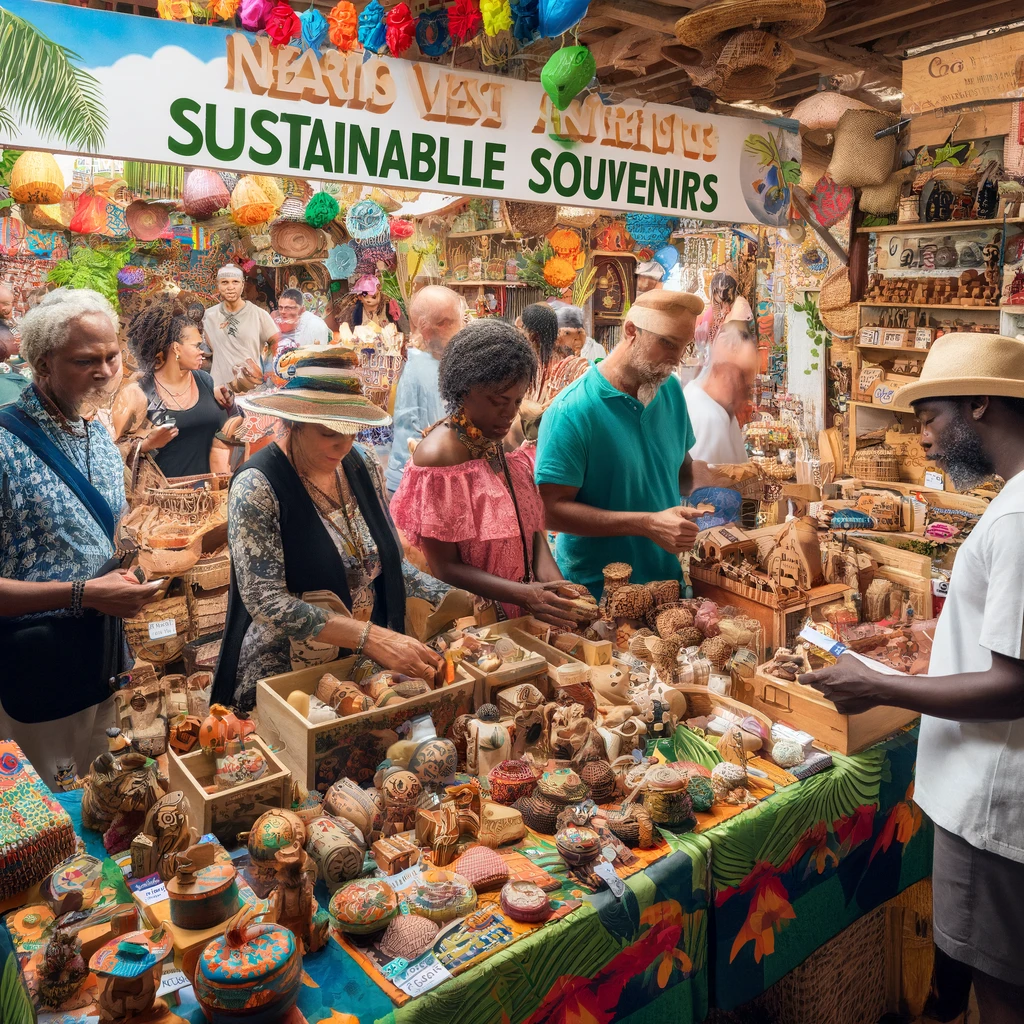
Nevis, a small yet vibrant island in the Caribbean, is renowned not only for its stunning landscapes and rich history but also for its commitment to sustainable practices that protect and celebrate its natural and cultural heritage. Among these practices, the promotion of sustainable tourism—particularly through supporting local artisans by purchasing their handmade souvenirs—stands out as a key strategy in economic development and cultural preservation.
The Importance of Supporting Local Artisans
Local artisans are the backbone of Nevis’s cultural expression. They translate the island’s rich history, traditions, and environment into tangible items that serve as lifelong mementos for visitors. By supporting these craftsmen, tourists contribute directly to the local economy and help sustain a tradition of craftsmanship that might otherwise be at risk of disappearing in today’s globalized market.
Purchasing these crafts isn’t just an act of buying a souvenir; it’s an investment in the community. Each item bought from local artisans helps to provide a stable income for families, supports local livelihoods, and reduces the dependency on imported goods, which often have a much larger carbon footprint.
What Makes a Souvenir Sustainable?
Sustainable souvenirs are products that are created in a way that is considerate of the environment and beneficial to the local economy. For a souvenir to be sustainable, it should ideally meet several criteria:
- Locally made: Products made by local artisans rather than mass-produced in factories far away.
- Environmentally friendly materials: Use of materials that are natural, recycled, or can be harvested without harming the environment.
- Cultural relevance: Items that reflect the culture, history, and aesthetics of Nevis.
- Fair compensation: Ensuring artisans receive fair wages for their work.
Highlighting Local Artisans of Nevis
In Nevis, several artisans are turning local materials into beautiful, sustainable products. Here are a few you might encounter:
- Basket Weaving: This traditional craft uses locally sourced materials like bamboo and coconut palms. The weavers, often women, combine skills passed down through generations with their own artistic vision to create unique pieces that reflect the natural beauty of Nevis.
- Pottery: Made from the local red clay, Nevisian pottery is not only a nod to the island’s rich soils but also a sustainable craft. These pots, dishes, and decorative items are made using techniques that have minimal impact on the environment.
- Wood Carving: Utilizing fallen local wood, wood carvers create sculptures and functional items that tourists can take home. Each piece tells a story of Nevis’s ecology, from its mountainous landscapes to its diverse wildlife.
How Tourists Can Support Sustainable Souvenirs
Tourists interested in supporting local artisans and sustainable tourism practices in Nevis can take several steps:
- Visit local markets and shops: Instead of buying souvenirs from large, commercial outlets, seek out markets and small shops that sell local artisans’ work.
- Ask about the origins of products: Learn about the materials and methods used to create the souvenirs. This awareness helps in making informed decisions that support sustainability.
- Attend workshops and demonstrations: Many artisans offer workshops or live demonstrations, providing insights into the craftsmanship that goes into each piece.
The Broader Benefits of Sustainable Tourism
Supporting local artisans goes beyond the immediate benefits of sustaining individual craftsmen and their families. It promotes a form of tourism that respects the natural resources, cultural heritage, and future sustainability of the destination. Moreover, it encourages other tourist destinations to adopt similar practices, leading to a global movement towards more responsible and sustainable tourism practices.
When you choose to buy a sustainable souvenir from Nevis, you are doing more than just purchasing a keepsake. You are actively participating in a larger effort to support local economies, preserve cultural traditions, and protect the environment. These purchases help ensure that the beauty and culture of Nevis can be enjoyed by future generations, making each sustainable souvenir a small but significant contribution to the global effort of responsible tourism.

Impact on Local Education and Training
Investing in local artisans also helps in fostering a culture of education and training on the island. Many artisans are eager to pass on their skills to younger generations, ensuring that traditional crafts do not become obsolete. Workshops and apprenticeships supported by tourism revenues help young people learn valuable skills that can lead to self-employment or enhance their employability in Nevis’s tourism-centric economy.
Encouraging Eco-conscious Travel
The promotion of sustainable souvenirs aligns with the broader goals of eco-conscious travel. Tourists who choose these products are likely to engage in other environmentally friendly practices during their visit. This might include participating in eco-tours, staying at eco-friendly accommodations, or using transportation methods that minimize environmental impact. This holistic approach to tourism helps preserve the island’s pristine conditions while offering visitors a more authentic and meaningful travel experience.
Challenges and Solutions
Despite the benefits, promoting sustainable souvenirs faces challenges. One major issue is competition from cheaper, mass-produced items that can overshadow the unique, locally made products. To combat this, awareness campaigns and education about the benefits of buying local can play a crucial role. Additionally, government and private sector partnerships can help by providing subsidies or grants to artisan groups, or by including sustainable souvenir shops in prominent tourist areas.
Leveraging Technology for Market Expansion
Technology also offers new avenues for Nevis’s artisans to expand their market beyond the island. By establishing online platforms where artisans can sell their products, Nevis can reach a global audience interested in sustainable and culturally unique items. Social media can be used to tell the stories behind the products, connecting potential buyers with the artisans’ personal stories and the cultural significance of their crafts.
The Role of Tourists in Cultural Preservation
Tourists play a crucial role in cultural preservation by choosing where and how they spend their money. By opting for sustainable souvenirs, visitors indirectly support initiatives aimed at conserving cultural sites and funding local cultural events. This financial support is vital for maintaining and promoting Nevis’s cultural heritage, from music and dance to festivals and culinary traditions.
Sustainable Tourism as a Model for Development
Nevis serves as an exemplary model for sustainable tourism, demonstrating that small islands can leverage their cultural assets to compete in the global tourism market sustainably. This model not only enhances the visitor experience but also builds a resilient local economy that can better withstand the ups and downs of global tourism trends.
Building a Sustainable Future
Ultimately, the push towards sustainable souvenirs is about more than just economics; it’s about building a sustainable future. As Nevis continues to develop its tourism sector, the focus on sustainability can help ensure that growth does not come at the expense of the island’s environment or its people. It’s a commitment to future generations—a promise that the beauty and culture of Nevis will be preserved, not just exploited.
Conclusion
Purchasing a sustainable souvenir from Nevis isn’t just a transaction—it’s a contribution to a thriving, sustainable community. Every time a tourist chooses a handmade item over a factory-produced one, they are casting a vote for a better future. This simple choice has the power to transform local economies, preserve unique cultural identities, and protect our planet. By supporting local artisans, tourists leave Nevis richer, not just in experiences but in the knowledge that they have helped to sustain its culture and environment for future visitors.