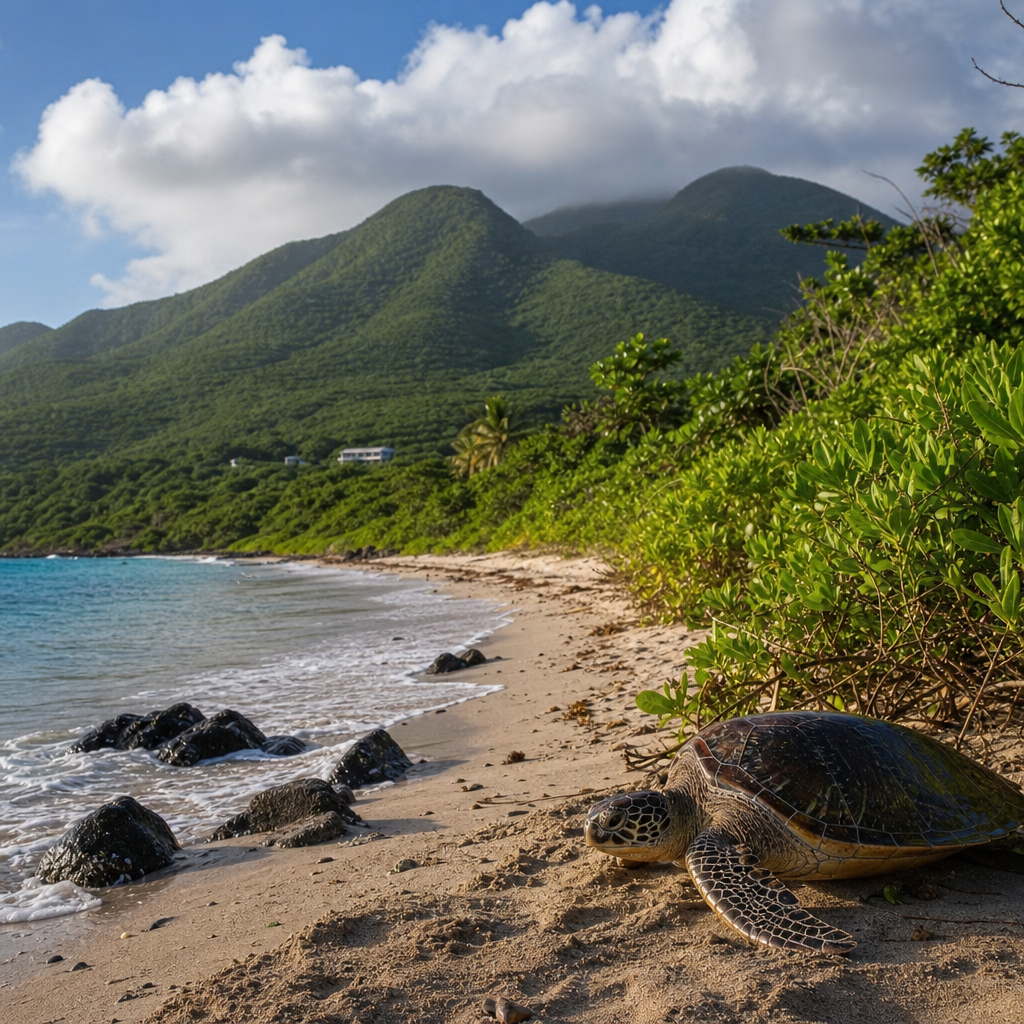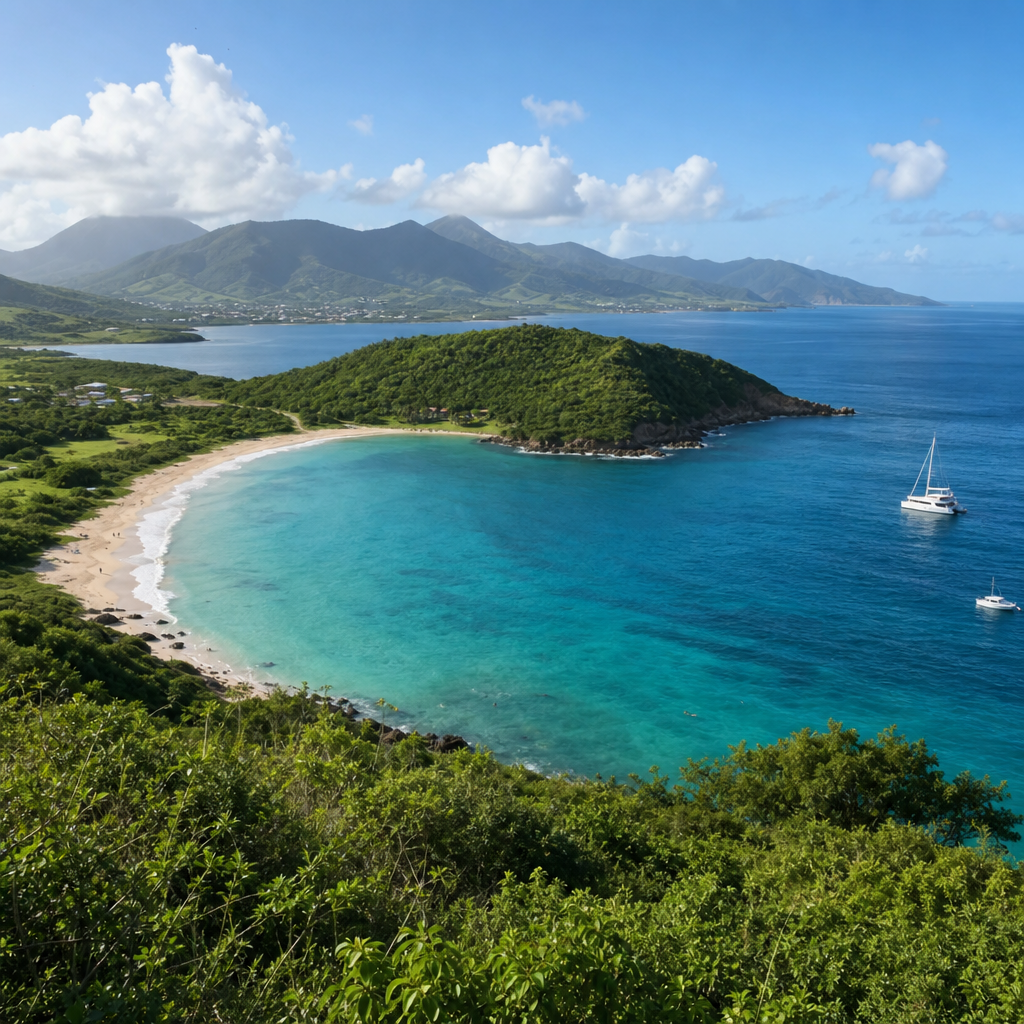
Visiting Nevis, a gem in the Caribbean known for its pristine beaches, lush landscapes, and rich cultural history, is a dream for many. As tourism continues to flourish, the impact on the environment becomes a growing concern. Sustainable tourism aims to minimize this impact, ensuring that beautiful destinations like Nevis remain unspoiled for generations to come. One significant step toward sustainable travel is reducing plastic waste—a major pollutant threatening marine life and natural beauty. This guide provides practical tips for tourists who wish to contribute positively to the environment while enjoying their stay in Nevis.
Understanding the Impact of Plastics
Plastic waste is one of the most pressing environmental issues in island destinations like Nevis. Every year, millions of tons of plastic end up in the oceans, where they harm marine life and disrupt ecosystems. For a small island, the accumulation of plastic waste can quickly overwhelm local waste management systems, leading to environmental degradation. By choosing to travel plastic-free, visitors can help reduce this burden and promote a cleaner, healthier environment.
Preparing for Your Trip
- Packing Smart:
- Bring Reusable Items: Pack a reusable water bottle, coffee cup, shopping bags, and food containers. These items are essential for avoiding single-use plastics during your trip.
- Eco-Friendly Toiletries: Opt for toiletries that come in biodegradable packaging or none at all. Consider soap bars, shampoo bars, and toothpaste tablets to cut down on plastic waste.
- Choose Sustainable Travel Gear:
- Invest in high-quality, durable luggage and travel accessories made from sustainable materials. Look for items designed to last longer and that can be repaired instead of replaced.
During Your Stay
- Eating and Drinking Responsibly:
- Support Local Eateries: Choose local restaurants and street food vendors who practice sustainable methods, such as using biodegradable plates and cutlery or serving food in reusable containers.
- Say No to Plastic Straws and Cutlery: Politely decline plastic straws and cutlery when eating out. Use your reusable utensils instead.
- Responsible Shopping:
- Shop Local: Purchase souvenirs and products from local artisans and markets. This not only supports the local economy but also reduces the carbon footprint associated with imported goods.
- Avoid Plastic Packaging: Be mindful of products wrapped in plastic and seek alternatives. Many local shops offer eco-friendly options.
Engaging in Activities
- Choose Eco-Friendly Tours:
- Participate in tours that emphasize environmental conservation. Look for certified eco-friendly tour operators who use sustainable practices, such as small group sizes and guides who respect wildlife and natural habitats.
- Avoid activities that harm the environment, such as those involving animal exploitation or the use of motorized water sports that contribute to water pollution.
- Volunteer for Local Conservation Efforts:
- Engage with the community by participating in beach clean-ups or other environmental initiatives. This can be a rewarding way to give back to the destination that is hosting you.
Leaving No Trace
- Dispose of Waste Properly:
- Always dispose of your waste in designated bins. If you can’t find recycling options, consider taking recyclables back home where they can be properly processed.
- Be mindful of your surroundings and avoid littering, especially in natural areas.
- Offset Your Travel Carbon Footprint:
- Consider offsetting the carbon emissions from your flights and other travel-related activities. Many organizations offer carbon offset programs that fund renewable energy, forestry projects, or conservation efforts.
Educating Others
Share your sustainable travel practices with friends, family, and fellow travelers. By spreading awareness and encouraging others to adopt similar habits, you can help amplify the positive impact on Nevis and other travel destinations.
Adopting a plastic-free travel lifestyle in Nevis not only enhances your experience but also contributes to the preservation of the island’s unique environment. By following these tips, you can enjoy a more immersive and responsible visit, ensuring that Nevis remains a vibrant and beautiful destination for future travelers. Embrace these practices, share your journey, and become part of a global movement towards more sustainable tourism.

Sustainable travel is not just about reducing plastic usage; it’s a holistic approach to traveling that respects and preserves the natural and cultural environment of the destination. Nevis, with its rich heritage and ecological diversity, offers ample opportunities for tourists to engage in practices that support its sustainability goals.
Respecting Local Culture and Communities
- Learn About Local Customs:
- Take the time to learn about Nevisian culture and traditions. Understanding local customs and etiquette is a sign of respect and can enhance your travel experience. This might include dressing modestly where appropriate or learning a few phrases in the local dialect.
- Engage with the Community in Meaningful Ways:
- Rather than just passing through, engage with the local community. Attend community events, festivals, and workshops that allow you to experience Nevisian culture authentically. This helps to foster mutual respect and understanding and contributes economically to smaller, community-based activities.
Sustainable Accommodation Choices
- Stay at Eco-Friendly Lodgings:
- Opt for hotels or guesthouses that are committed to sustainability. These accommodations often take measures such as using solar energy, harvesting rainwater, and offering organic, locally-sourced food.
- Support Green Initiatives:
- Participate in or support initiatives undertaken by your accommodation like towel reuse programs, energy conservation practices, and waste reduction measures.
Minimizing Environmental Impact While Exploring
- Use Eco-Friendly Transportation:
- Whenever possible, choose public transport, hire bicycles, or walk. Nevis is home to numerous scenic trails and bike paths that not only provide exercise but also reduce your carbon footprint.
- Practice Eco-Friendly Hiking and Snorkeling:
- When exploring Nevis’s natural landscapes, stick to marked trails to avoid disturbing native flora and fauna. Similarly, when snorkeling, do not touch coral reefs or marine life, as this can cause significant damage over time.
Participating in Sustainable Water Sports
- Choose Responsible Water Activities:
- Engage in non-motorized water sports such as sailing, kayaking, and paddleboarding. These activities are not only fun but also minimize pollution and disturbance to marine life.
- Support Marine Conservation Efforts:
- Consider contributing to or volunteering with organizations dedicated to protecting marine environments. This could involve participating in coral reef restoration projects or educational programs about marine conservation.
Promoting Sustainability Through Your Purchases
- Buy Local Produce:
- When dining or shopping for groceries, opt for local produce. This supports local farmers and reduces the carbon footprint associated with transporting imported goods.
- Choose Sustainable Seafood:
- If you enjoy seafood, make sure to choose options that are sustainably sourced. Avoid species that are overfished or caught using methods that damage the environment.
Conclusion
Sustainable tourism in Nevis isn’t just an option; it’s a responsibility. As travelers, our choices can leave lasting impacts on the places we visit. By choosing to travel responsibly, we not only enhance our own experiences but also contribute to the sustainability and resilience of these destinations. Remember, every small step towards sustainability is a leap towards preserving the beauty and diversity of destinations like Nevis for future generations. Embrace these practices wholeheartedly and be a part of the global effort to travel responsibly.
By adhering to these guidelines, you ensure that your visit is part of a larger movement towards a sustainable future, making a positive impact on Nevis and setting a precedent for responsible tourism worldwide.