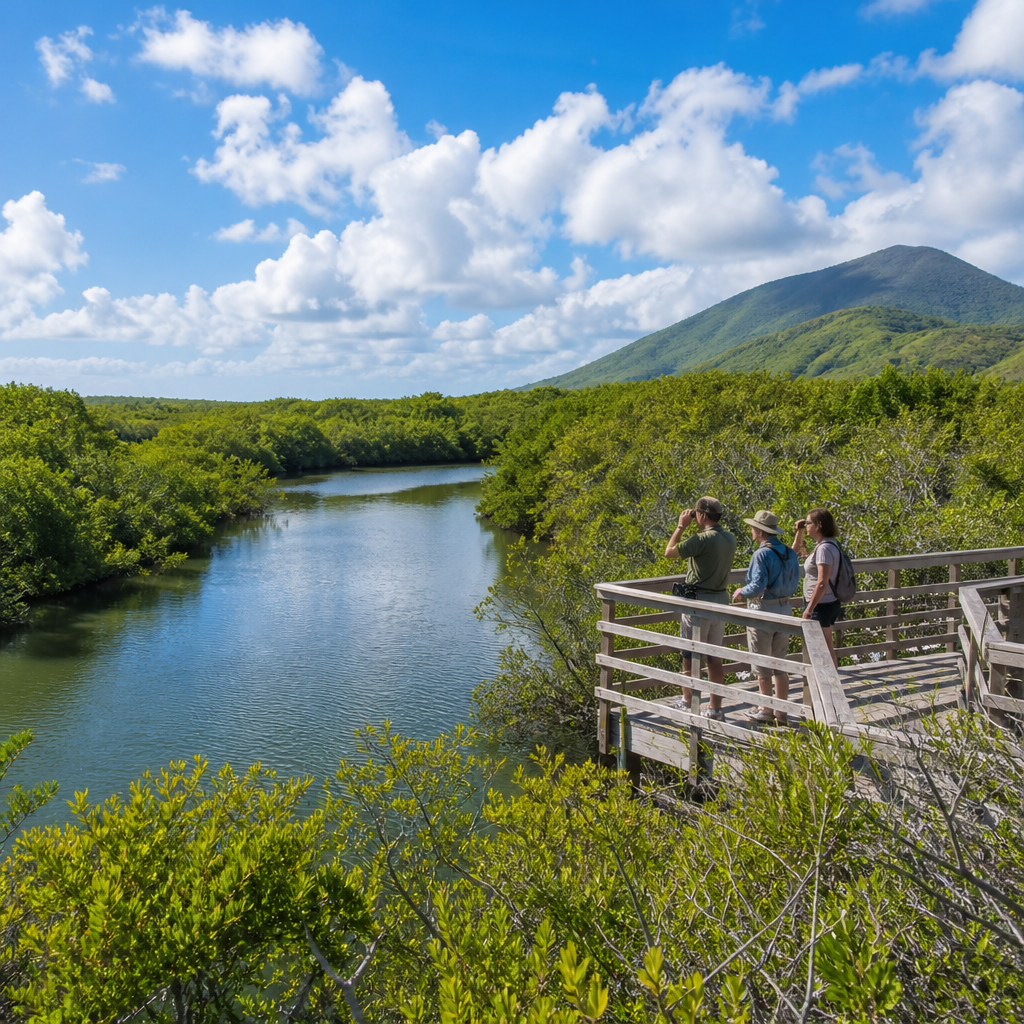
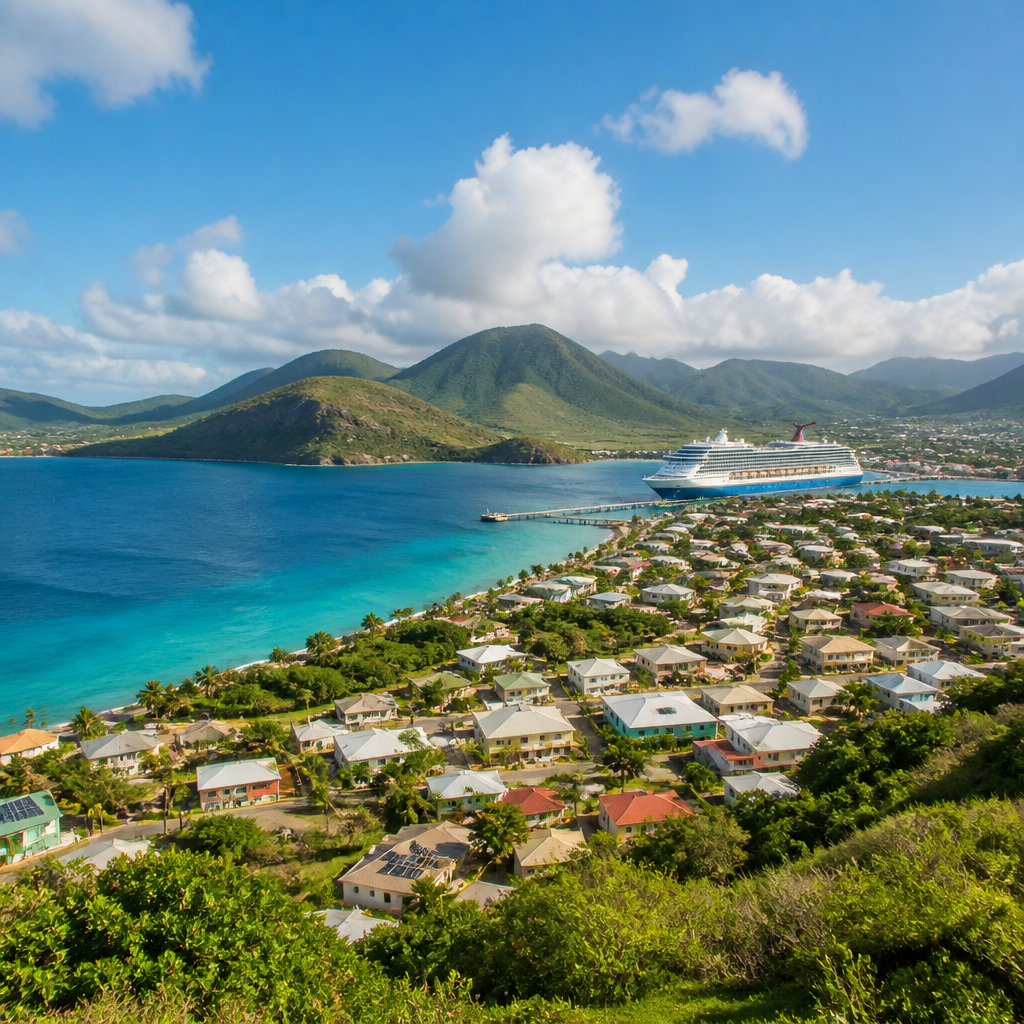
Saint Kitts and Nevis, a dual-island nation in the Caribbean, is renowned for its pristine natural beauty and vibrant marine life. The islands have made significant strides in promoting sustainable tourism through the establishment and management of protected marine areas. These sanctuaries not only preserve the delicate underwater ecosystems but also offer visitors unique opportunities to engage in responsible snorkeling and diving.
The Importance of Marine Protection
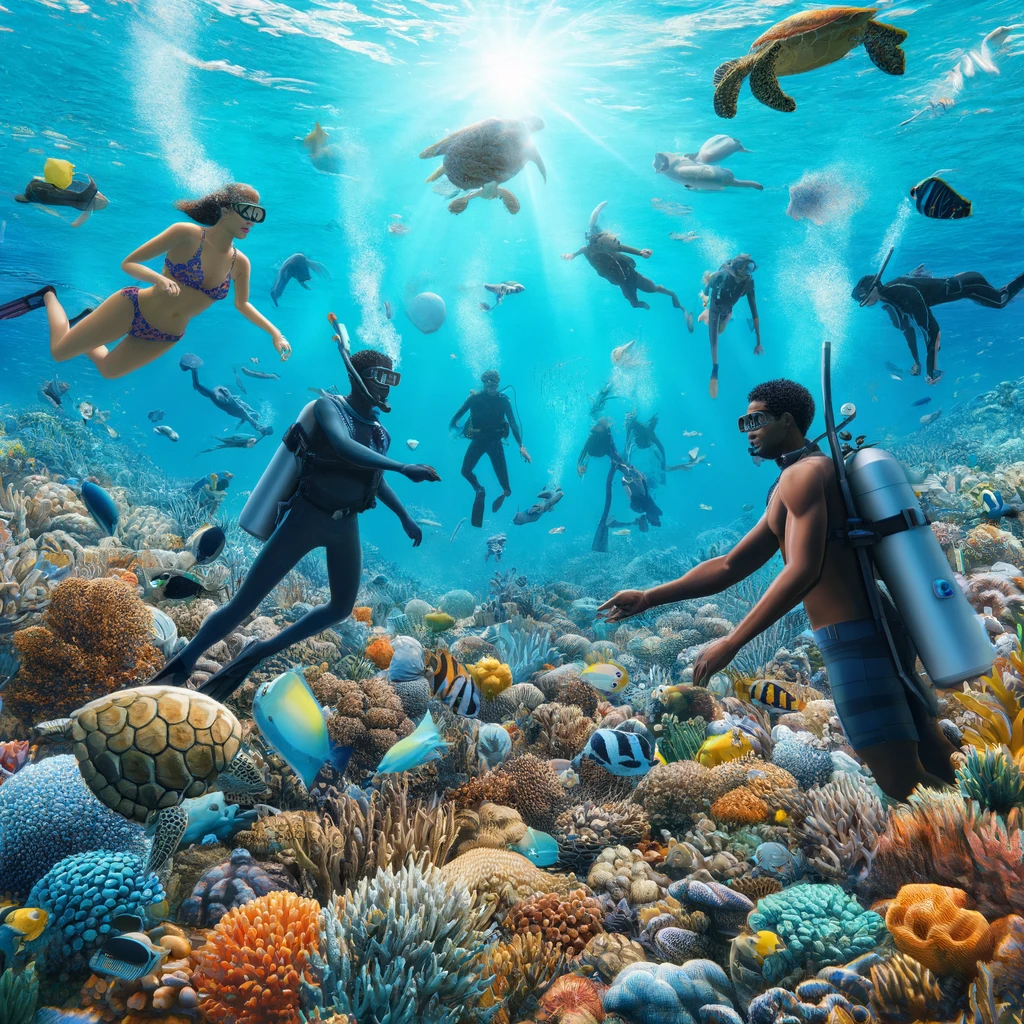
The marine environments around Saint Kitts and Nevis are teeming with diverse species, from colorful coral reefs to schools of exotic fish, and even occasional sightings of sea turtles and reef sharks. To protect these natural treasures, the government, along with several non-governmental organizations, has designated certain areas as marine protected zones. These zones restrict activities that could harm the ecosystem, such as overfishing or anchoring on coral reefs, thereby maintaining the biodiversity and health of marine habitats.
Exploring Marine Sanctuaries
One of the most celebrated sanctuaries is the Sandy Point National Marine Park. Located on the west coast of St. Kitts, this park is a haven for underwater enthusiasts. It boasts some of the most spectacular coral reefs and marine species in the region. Divers and snorkelers here are likely to encounter everything from playful dolphins to serene sea turtles.
Another notable area is the St. Kitts and Nevis Marine Management Area (SKN MMA), which encompasses several miles around both islands. This initiative is crucial for the conservation of marine life and promotes sustainable use of ocean resources. It includes several no-take zones, where all fishing is prohibited, which helps populations of fish and other marine life to thrive.
Best Practices for Responsible Snorkeling and Diving
Visiting these areas comes with a responsibility to minimize impact on the ecosystem. Here are some guidelines to ensure that your underwater adventures contribute positively to the conservation efforts:
Educate Yourself Before You Dive
Before entering the water, familiarize yourself with the types of marine life you might encounter, as well as the specific rules and regulations of the marine park you’re visiting. This knowledge can help in avoiding harmful interactions with wildlife.
Choose Eco-Friendly Operators
Select tour operators who are committed to environmental sustainability. These operators typically use mooring buoys to avoid anchor damage and provide guests with guidance on how to interact responsibly with marine life.
Keep a Safe Distance
While snorkeling or diving, maintain a respectful distance from all marine life. Touching coral, following closely behind turtles, or feeding fish can lead to stress for the animals and damage to the coral reefs.
No Souvenirs
Do not remove anything from underwater sites. Coral pieces, shells, and even sand are integral to the ecosystem. Removing them can cause long-term damage.
Support Conservation Efforts
Many operators participate in research or conservation initiatives. By choosing these operators, your visit can contribute to the ongoing protection and study of local marine environments.
The Benefits of Sustainable Practices
The commitment to sustainable tourism practices in Saint Kitts’ marine protected areas has numerous benefits. For the local community, it ensures the health of ecosystems that are essential for fishing and tourism, which are major parts of the island’s economy. For tourists, it provides an opportunity to experience the underwater world in a way that is both impactful and memorable.
Moreover, these practices help raise awareness about the importance of ocean conservation worldwide. Visitors leave with a greater understanding of ecological balance and are often inspired to engage in conservation efforts back home.
Saint Kitts and Nevis have exemplified how tourism and environmental stewardship can coexist harmoniously. The protected marine areas serve not just as tourist attractions but as crucial sanctuaries for preserving the natural heritage of the Caribbean. By participating in responsible snorkeling and diving, visitors can enjoy the stunning beauty of the ocean while ensuring it remains vibrant and healthy for future generations. Whether you’re gliding over colorful coral gardens or observing marine life in their natural habitat, every responsible dive is a step towards sustaining the natural wonders of Saint Kitts and Nevis.
Supporting Local Economies Through Ecotourism
Ecotourism is not just about environmental conservation; it’s also a vital component of local economic development. In Saint Kitts and Nevis, eco-friendly tourism initiatives have spurred growth in the local economy by creating jobs and generating income in sectors directly and indirectly related to tourism. From dive instructors and boat captains to the hospitality staff at eco-resorts, the ripple effect of sustainable tourism is substantial.
Promoting Cultural Exchange
Ecotourism provides a platform for cultural exchange, enabling visitors to learn about the local culture, traditions, and history of Saint Kitts and Nevis. This interaction fosters a deeper appreciation and respect for the island, enhancing the visitor experience and promoting mutual understanding.
Environmental Education Programs
Many marine protected areas in Saint Kitts are not just about regulation but education. These areas often host programs that teach visitors and local communities about the importance of marine conservation. For example, the Frigate Bay Marine Reserve offers guided snorkel tours where marine biologists explain the ecological roles of various species and the threats they face. These educational experiences are crucial for nurturing a sense of stewardship among both locals and tourists.
Eco-friendly Practices in Everyday Tourism
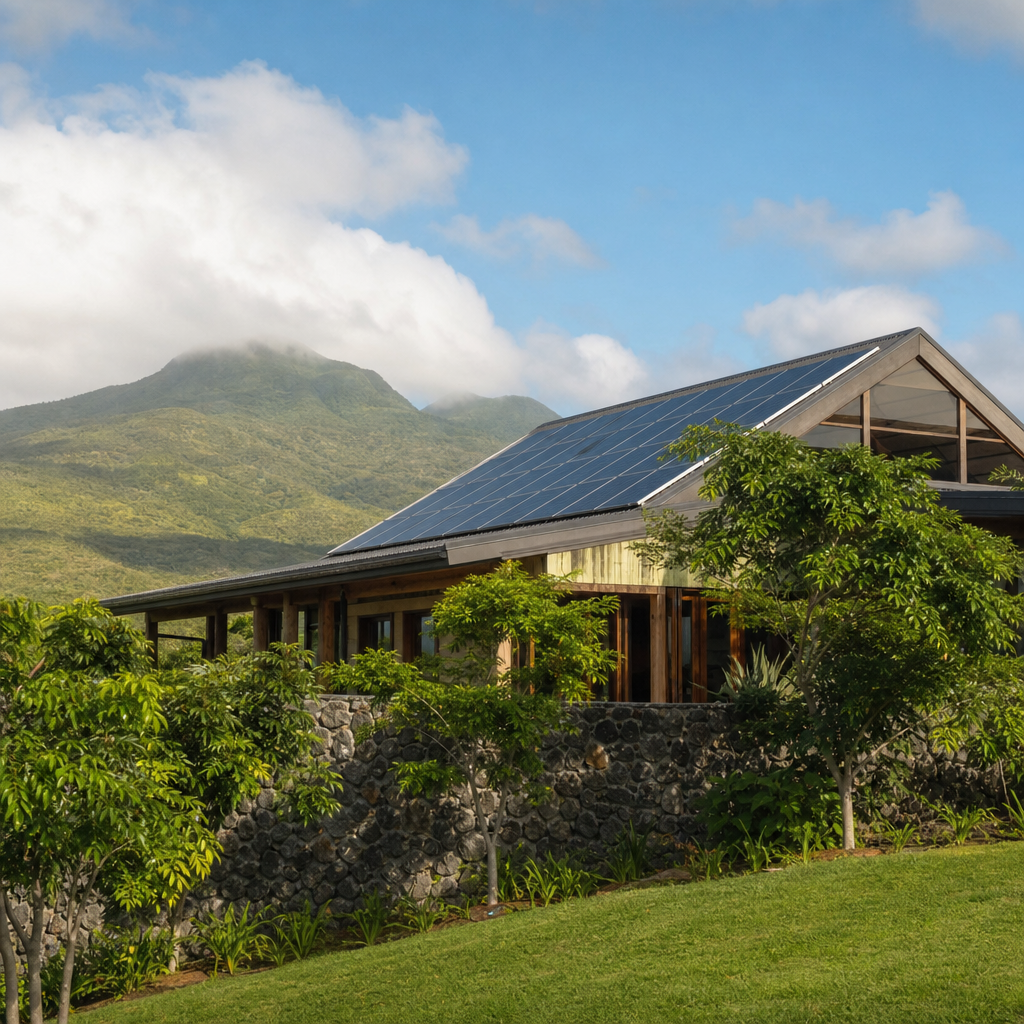
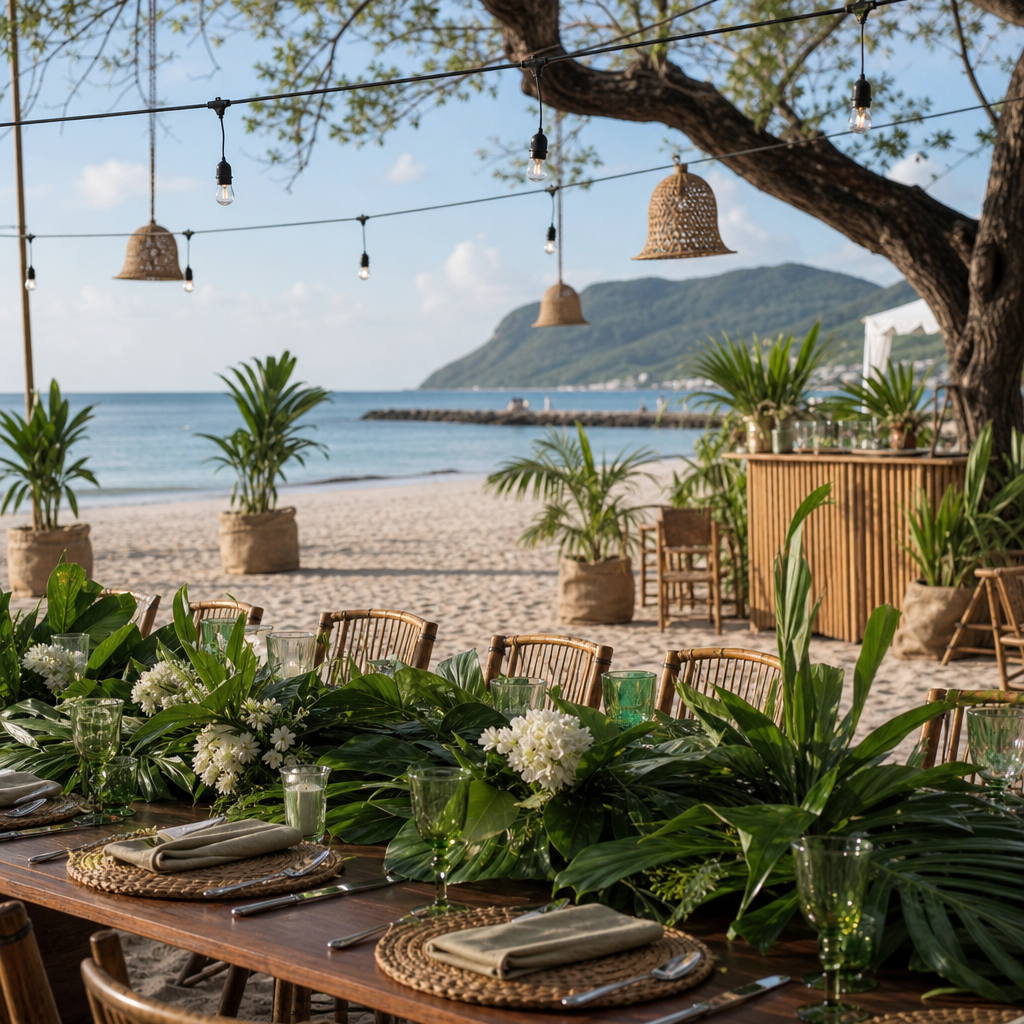
Sustainability in tourism extends beyond the water. On land, eco-friendly practices are equally important. Many businesses on the islands are adopting green practices, such as using renewable energy, recycling waste, and offering organic local food in their restaurants. These practices not only minimize the environmental footprint but also enhance the overall appeal of Saint Kitts and Nevis as a sustainable tourism destination.
The Role of Government and International Aid
The government of Saint Kitts and Nevis, with help from international organizations such as the Caribbean Community (CARICOM) and the Global Environment Facility (GEF), has invested in infrastructure and legislation to support sustainable tourism. This includes enhancing water quality, protecting coastal areas, and improving waste management systems. Such efforts ensure that the development of tourism infrastructure does not come at the expense of the islands’ ecological health.
Challenges and Solutions
While the path towards fully sustainable tourism is challenging, Saint Kitts and Nevis have adopted several innovative approaches to address these challenges. For instance, the threat of coral bleaching due to rising sea temperatures has been mitigated in part by the establishment of coral nurseries that help rehabilitate damaged reefs. Additionally, the islands are exploring ways to reduce dependency on imported goods, which decreases the carbon footprint associated with tourism.
Community Involvement
The success of sustainable tourism heavily relies on community involvement. Locals are encouraged to participate in decision-making processes regarding tourism development. This inclusive approach ensures that the benefits of tourism are distributed equitably and that projects are aligned with the community’s needs and values.
Looking to the Future
As Saint Kitts and Nevis continue to develop their tourism sector, the focus on sustainability promises not only to preserve their natural and cultural resources but also to ensure that tourism remains a viable industry for generations to come. With ongoing efforts to enhance sustainability, the islands stand as a beacon of responsible tourism in the Caribbean.
Conclusion
The protected marine areas of Saint Kitts are more than just a tourist attraction; they are a testament to the island’s commitment to preserving its natural beauty through sustainable practices. By engaging in responsible snorkeling and diving, visitors contribute to a larger, global effort to protect and preserve our marine environments. As Saint Kitts and Nevis continue to lead by example, they offer a powerful model for integrating economic development with environmental stewardship in the tourism sector. This balanced approach ensures that the islands remain a paradise not only for today’s travelers but for future generations as well.