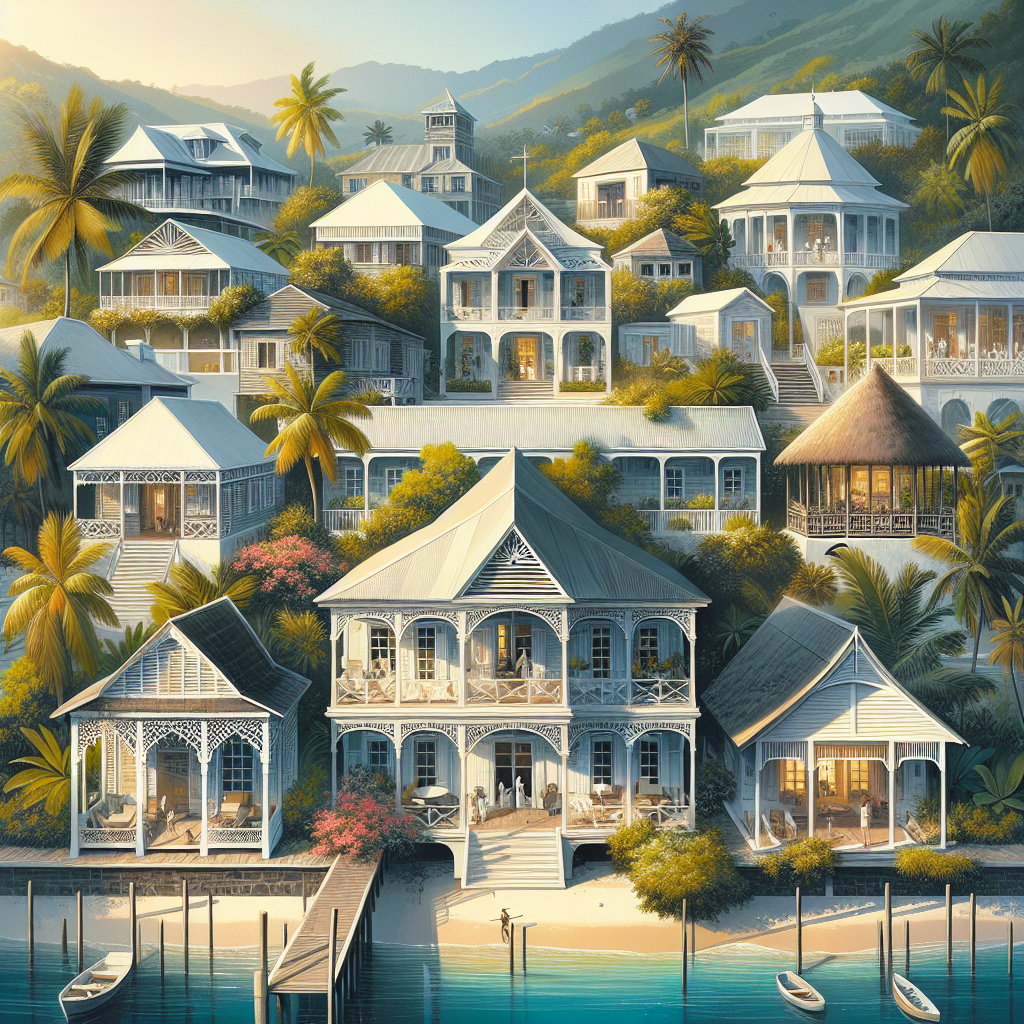
Travel enthusiasts often find themselves enchanted by the unique blend of historical influences and vibrant local culture that defines Saint Kitts and Nevis. While the islands are well-known for their breathtaking landscapes and inviting beaches, they are also home to a rich tapestry of architectural styles that tell a captivating story of their past. Join us as we journey through the architectural marvels of Saint Kitts and Nevis, uncovering the layers of history etched into their buildings and monuments.
Introduction
Saint Kitts and Nevis, a dual-island nation situated in the West Indies, have long captivated visitors with their scenic beauty and warm hospitality. Yet, beyond the natural allure, these islands offer a remarkable architectural experience that reflects their historical evolution. The architecture of Saint Kitts and Nevis serves as a living museum, showcasing various periods and styles that have shaped their development over centuries.
The story begins with the indigenous Kalinago people, who inhabited the islands before European colonization. However, the most prominent architectural influences arrive with the Spanish, French, and British settlers, each leaving an indelible mark on the landscape. Over time, the architectural styles evolved, incorporating plantation-era structures, colonial buildings, Georgian designs, Victorian influences, and modern interpretations.
This article aims to provide a comprehensive guide to the architectural heritage of Saint Kitts and Nevis, highlighting notable examples, historical significance, and practical travel tips for those eager to explore these architectural gems in person. Whether you’re a history buff, an architecture enthusiast, or simply a curious traveler, this journey through styles and eras promises a rewarding experience.
Indigenous and Early Colonial Influences
The earliest inhabitants of Saint Kitts and Nevis were the Kalinago people, also known as Caribs. While much of their architectural heritage has been lost to time, archaeological evidence provides glimpses into their way of life. The Kalinago constructed dwellings using local materials such as wood, bamboo, and palm leaves, reflecting a harmonious relationship with their environment. Visitors to the islands can visit sites like the Caribelle Batik on Romney Manor Estate in Saint Kitts, which offers insights into the indigenous culture and craftsmanship.
With the arrival of European explorers and colonizers in the late 15th and early 16th centuries, the architectural landscape began to change profoundly. The Spanish, followed by the French and the British, introduced new building techniques, materials, and styles. Initially, these colonial structures were functional and defensive. Fort Charles in Nevis and Brimstone Hill Fortress in Saint Kitts are prime examples of early colonial military architecture. These fortresses were constructed using lime mortar and stone, with thick walls and strategic vantage points to protect against invasions.
As settlements grew, so did the need for more diverse buildings. Churches, administrative offices, and residential homes began to appear, each reflecting the architectural preferences and cultural influences of the ruling European powers. The use of timber, stone, and brick became prevalent, with Georgian and colonial styles emerging as dominant architectural trends.
Plantation Era and Georgian Architecture
The plantation era, spanning the 17th to 19th centuries, left a lasting impact on the architectural landscape of Saint Kitts and Nevis. Sugarcane cultivation became the backbone of the islands’ economy, leading to the construction of grand plantation estates, mills, and workers’ quarters. These estates, often built in the Georgian architectural style, are now valuable heritage sites that offer a glimpse into the islands’ colonial past.
Georgian architecture, named after the reign of the British monarchs George I through George IV, is characterized by its symmetry, proportion, and classical elements. Notable features include gabled roofs, sash windows, and decorative moldings. One of the most prominent examples of Georgian plantation architecture is the Fairview Great House and Botanical Garden in Saint Kitts. This meticulously restored estate boasts a plantation house with elegantly furnished rooms, offering visitors a glimpse into the colonial-era lifestyle.
Equally impressive is the Hermitage Plantation in Nevis, one of the oldest wooden houses in the Caribbean. Built in the mid-17th century, it serves as a fine example of Caribbean Georgian architecture. Its wooden structure is adorned with intricate fretwork, broad verandas, and lush gardens. Visitors can explore the house, enjoy traditional Caribbean cuisine, and immerse themselves in the charm of plantation living.
Victorian Influence and Vernacular Architecture
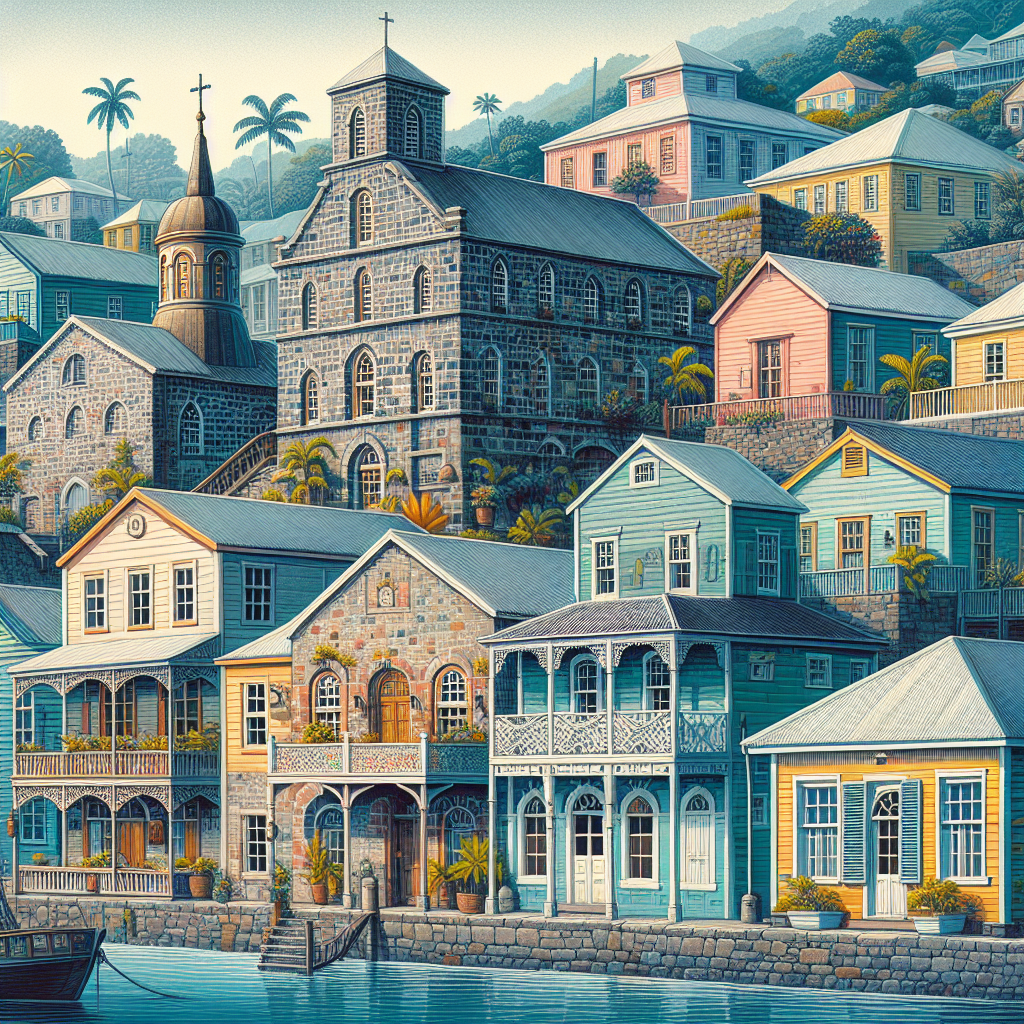
The Victorian era, spanning the mid-19th to early 20th centuries, brought new architectural influences to Saint Kitts and Nevis. This period saw the rise of the British Empire, and with it, the spread of Victorian architectural styles across its colonies. Victorian architecture is characterized by its ornate detailing, eclectic features, and the use of new materials and construction techniques.
In Saint Kitts and Nevis, Victorian architecture made its mark in the form of grand public buildings, residences, and commercial structures. One notable example is the Basseterre Court House and Treasury Building in Saint Kitts, constructed in the late 19th century. Its imposing façade, complete with decorative ironwork and intricate stone carvings, exemplifies the Victorian love for intricate detailing.
The influence of Victorian architecture also extended to residential homes. Gingerbread-style houses, with their elaborate woodwork and decorative patterns, became a common sight in towns and villages. These charming homes, often painted in vibrant colors, reflect the fusion of European design aesthetics with Caribbean craftsmanship. Travelers can admire these architectural gems while strolling through the streets of Charlestown in Nevis or Basseterre in Saint Kitts.
Beyond the grandiosity of Victorian designs, vernacular architecture also played a significant role in shaping the islands’ architectural identity. Local builders drew inspiration from both European and African influences, incorporating practical elements suited to the tropical climate. Traditional chattel houses, built with wooden frames and elevated on stilts, are a prime example of vernacular architecture that persists to this day.
Modern Architecture and Sustainable Design
While the historical architectural styles of Saint Kitts and Nevis are undeniably captivating, the islands have also embraced modern design principles and sustainable architecture. In recent decades, a growing emphasis on eco-friendly construction and preservation of natural resources has influenced architectural trends. Modern structures on the islands often blend seamlessly with the natural surroundings, utilizing materials that reduce environmental impact.
The Christophe Harbour development in Saint Kitts represents a contemporary approach to luxury and sustainability. This upscale residential and marina community boasts sleek, modern villas that incorporate energy-efficient systems, renewable materials, and innovative design concepts. The emphasis on green building practices ensures that residents and visitors can enjoy the natural beauty of the islands while minimizing their ecological footprint.
Another noteworthy example is the Belle Mont Farm on Kittitian Hill, an eco-resort that epitomizes sustainable luxury. The resort’s architecture incorporates traditional Caribbean elements, such as wooden shutters and open-air designs, while embracing modern eco-friendly practices. Guests can experience the harmonious blend of old and new as they unwind in eco-conscious accommodations surrounded by lush landscapes.
For travelers interested in contemporary architecture and sustainable design, these modern developments offer a fresh perspective on the architectural diversity of Saint Kitts and Nevis. Exploring these sites provides insights into how the islands are balancing progress with preservation, ensuring a sustainable future while honoring their rich heritage.
Practical Travel Tips for Exploring Architectural Gems
As you embark on your journey to discover the architectural treasures of Saint Kitts and Nevis, it’s essential to plan ahead and make the most of your visit. Here are some practical travel tips to enhance your architectural exploration:
1. Research and Plan: Before you arrive, conduct some research on the key architectural sites and landmarks you wish to visit. Create an itinerary to maximize your time and ensure you don’t miss any must-see locations.
2. Guided Tours: Consider joining guided tours, especially for historical sites and buildings. Knowledgeable guides can provide valuable insights into the history and architectural significance of the structures you visit.
3. Respect Heritage Sites: Many of the architectural gems on the islands are protected heritage sites. Show respect for these locations by following any rules or guidelines, and avoid touching or disturbing delicate structures.
4. Local Cuisine: As you explore the architectural wonders, don’t miss the opportunity to savor local cuisine. Many historical sites have adjacent cafes or restaurants where you can enjoy traditional dishes while soaking in the ambiance.
5. Capture Memories: Bring a camera or smartphone to capture the beauty of the architecture. Photography helps preserve your memories and allows you to share the experience with others.
6. Weather Considerations: The tropical climate of Saint Kitts and Nevis can be hot and humid. Wear comfortable clothing, stay hydrated, and use sunscreen to protect yourself from the sun.
7. Engage with Locals: Locals often have fascinating stories and insights about the history and architecture of their hometowns. Engaging with them adds a personal dimension to your exploration.
8. Explore Off the Beaten Path: While popular landmarks are a must-visit, consider exploring lesser-known areas and villages. Some hidden architectural gems may surprise you and provide a deeper, more intimate experience.
By following these tips, you’ll be well-prepared to immerse yourself in the architectural wonders of Saint Kitts and Nevis, gaining a deeper appreciation for the islands’ rich history and cultural heritage.
Conclusion
In conclusion, the architecture of Saint Kitts and Nevis is a testament to the islands’ diverse and storied past. From the indigenous influences of the Kalinago people to the colonial grandeur of Georgian and Victorian structures, and the modern embrace of sustainable design, each era has left its unique imprint on the architectural landscape.
Exploring these architectural gems offers a fascinating journey through time, allowing travelers to connect with the history, culture, and craftsmanship that have shaped the islands. Whether you’re wandering through the streets of Basseterre, admiring the plantation estates, or staying in eco-conscious resorts, the architectural heritage of Saint Kitts and Nevis invites you to discover the intricate layers of their story.
So, pack your curiosity and embark on a voyage of architectural discovery. Saint Kitts and Nevis await with their enchanting blend of styles and eras, ready to reveal their secrets to those who seek to uncover the beauty of their past and present.