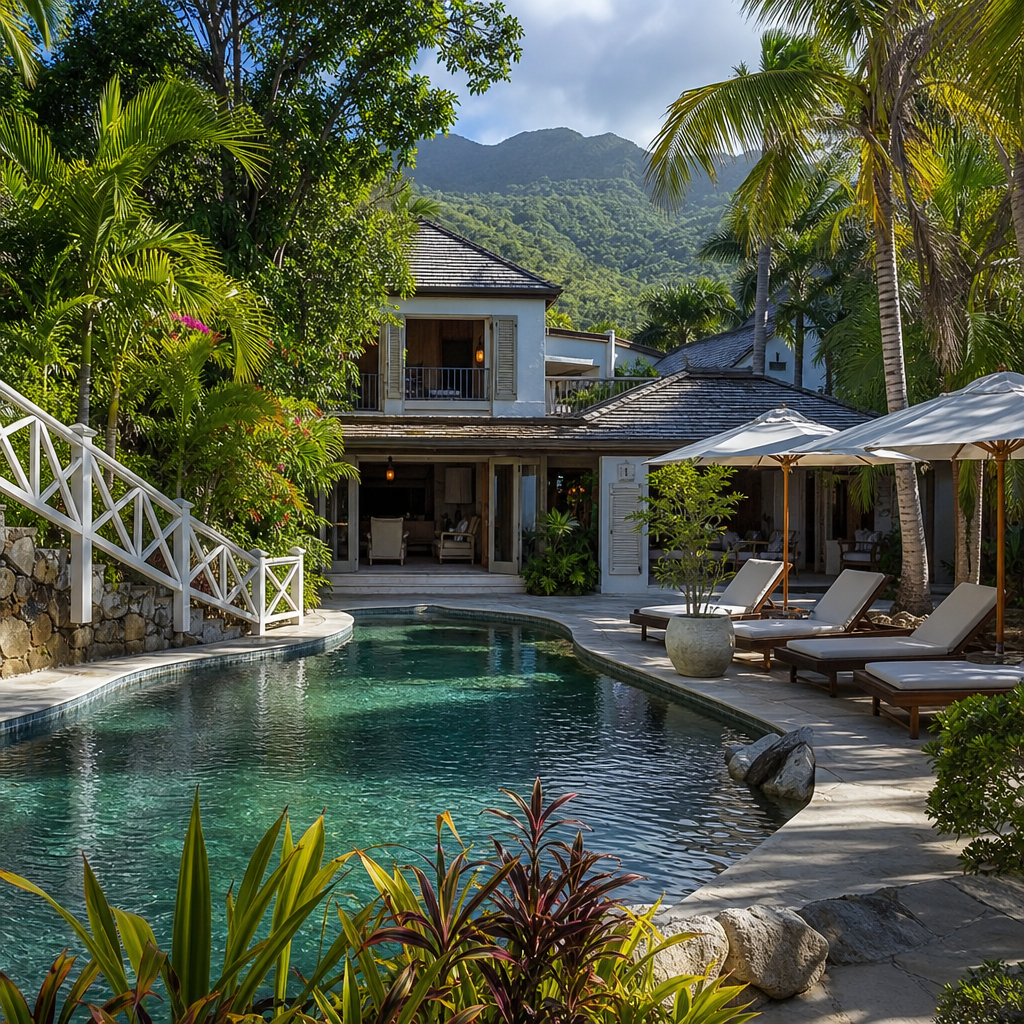
Nevis’ boutique hotel industry offers one of the Caribbean’s most distinctive investment stories, combining limited land supply, high-value tourism demand, and a hospitality culture built on privacy, heritage, and personalized service. A boutique hotel in this context typically means a small to mid-sized property, often with fewer than 50 keys, designed around character rather than scale, with architecture, cuisine, wellness, and guest experience tailored to place. On Nevis, that definition extends beyond stylish rooms. It includes plantation inns, beachfront villas, wellness retreats, and mixed-use hospitality concepts that appeal to travelers who want authenticity, discretion, and direct access to nature.
For investors, developers, operators, and service providers exploring business and investment opportunities in Nevis, this segment matters because it aligns unusually well with the island’s economic realities. Nevis is not trying to compete with mass-market destinations built around cruise terminals, casino corridors, or all-inclusive high-rise districts. Its strength is scarcity. The island’s smaller scale, lower density, and established reputation for calm, upscale travel create favorable conditions for boutique properties that can command strong average daily rates without chasing volume. I have seen this pattern repeatedly in island markets: where infrastructure, brand identity, and guest expectations reward quality over quantity, smaller hotels can outperform larger assets on both guest satisfaction and pricing power.
This hub article examines the main opportunities in Nevis’ boutique hotel industry, including demand drivers, development models, renovation plays, operating economics, partnerships, risks, and supporting services. It also serves as the central overview for miscellaneous hospitality opportunities that connect to the wider business and investment landscape. Whether the opportunity is acquiring a historic inn, developing a wellness-focused retreat, supplying technology to operators, or creating niche guest experiences, the core question is the same: where can a focused investor create durable value on an island where charm, reputation, and execution matter more than scale?
Why Nevis Fits the Boutique Hotel Model
Nevis fits the boutique hotel model because its tourism proposition is inherently intimate. The island is known for low-density development, heritage architecture, volcanic landscapes, thermal springs, sailing access, and a slower pace than many neighboring destinations. Those features are not incidental; they shape the type of traveler who books a stay and the type of hotel product that performs. Guests choosing Nevis are often affluent leisure travelers, destination wedding groups, repeat Caribbean visitors, wellness travelers, and remote professionals seeking quiet luxury rather than nightlife-driven consumption.
That profile supports premium room rates and ancillary spending. In practice, boutique hotels on islands like Nevis can monetize far more than accommodation: private dining, spa services, excursions, beach transfers, event buyouts, curated local experiences, and villa-style extended stays. Unlike commodity lodging, where occupancy is the primary lever, boutique assets can widen revenue per available room through experience design. A 24-key property with a strong food and beverage concept, wedding program, and wellness offering may generate healthier margins than a larger hotel that relies on discounting.
Supply conditions also matter. Limited prime sites, planning constraints, and infrastructure realities reduce the likelihood of uncontrolled overbuilding. That does not eliminate competition, but it makes differentiation more durable. Investors entering Nevis are buying into a market where the island itself acts as a filter. Not every brand, concept, or price point belongs there, which helps well-positioned boutique properties maintain identity and pricing discipline over time.
Core Investment Models and Where Returns Can Come From
There is no single way to participate in Nevis’ boutique hotel industry. The most common entry models are ground-up development, adaptive reuse of heritage properties, acquisition and repositioning of underperforming inns, villa-resort hybrids, and branded residence combinations with a hospitality component. Each has distinct capital requirements and risk profiles, but all depend on disciplined concept design and realistic underwriting.
Ground-up boutique development offers the most control over layout, guest flow, sustainability systems, and brand identity. It also carries the highest entitlement, construction, and timeline risk. On an island market, delays linked to imported materials, contractor availability, utility coordination, and weather can materially change project returns. Adaptive reuse can reduce entitlement friction and create stronger storytelling, especially where a historical estate or plantation structure can be restored into a hospitality asset. However, restoration often reveals hidden structural and compliance costs that simple pro formas miss.
Acquisition and repositioning can be especially attractive when an existing property has good bones but weak management, dated design, poor digital marketing, or underdeveloped ancillary revenue. In several Caribbean assignments I have reviewed, modest investments in room upgrades, reservation technology, staff training, and experiential programming improved average daily rate faster than occupancy, which is often the cleaner path to profitability. Mixed-use boutique concepts can also work well in Nevis, particularly if a small inventory of private residences or villas subsidizes resort infrastructure while preserving an exclusive feel.
| Model | Main Advantage | Primary Risk | Typical Value Creation Lever |
|---|---|---|---|
| Ground-up development | Full design and brand control | Construction delays and cost overruns | Premium positioning from launch |
| Adaptive reuse | Historic character and storytelling | Hidden restoration costs | Rate premium tied to authenticity |
| Acquisition and repositioning | Existing cash-flow base | Legacy operational issues | ADR lift through upgrades and management |
| Villa-resort hybrid | Diverse revenue streams | Complex owner-use coordination | Residential sales plus hospitality income |
| Wellness retreat concept | High-spend niche demand | Brand credibility requirements | Packages, treatments, and longer stays |
Demand Drivers: Who Books Nevis and Why
The strongest boutique hotel opportunities start with a precise understanding of demand. Nevis attracts travelers who value privacy, scenery, and tailored service, but that broad description breaks into important subsegments. Couples and honeymooners look for quiet beachfront settings, spa access, and memorable dining. Multigenerational families often prefer villa accommodations with hotel services. Wedding and celebration groups seek full or partial buyouts. Wellness travelers want yoga, nutrition, nature immersion, and restorative treatments. Yachting and sailing guests need short-stay luxury with seamless transfers and concierge support. Remote executives and creatives increasingly want longer stays with dependable connectivity and meaningful surroundings.
Seasonality affects each segment differently. Winter demand usually remains strongest because North American and European travelers seek warm-weather escapes. Shoulder seasons can still perform if a property creates reasons to travel beyond beach use alone. Culinary weekends, wellness residencies, heritage programming, running retreats, diving packages, and small corporate off-sites can smooth occupancy volatility. The key is not to copy generic destination marketing. It is to package the exact experiences that fit Nevis’ identity.
Air access and regional connectivity are practical demand factors, not background details. A beautiful hotel cannot overcome a difficult arrival experience unless service compensates for it. Operators that coordinate airport transfers, fast-track assistance, water taxis where relevant, and pre-arrival communication can convert logistical friction into a premium service touchpoint. In boutique hospitality, the booking decision often turns on confidence. Guests will pay more when the operator demonstrates competence from first inquiry through departure.
Operational Priorities That Separate Winners from Average Properties
In Nevis, boutique hotel success depends less on size than on execution. The properties that outperform usually get five operating fundamentals right: revenue management, labor quality, service consistency, guest communications, and local sourcing. Revenue management is especially important because many small hotels still underuse it. Without disciplined rate fences, minimum-stay controls, channel management, and demand forecasting, owners leave money on the table or over-discount in soft periods. Tools such as Cloudbeds, Mews, SiteMinder, and Duetto can bring structure even to small inventories, provided staff understand how to use them.
Labor is both an opportunity and a constraint. Guests remember people long after they forget furniture packages. Training in service standards, complaint handling, upselling, housekeeping precision, and reservation etiquette directly affects reviews and repeat business. However, smaller islands can face staffing shortages in specialized functions, from pastry and sommelier roles to spa management and digital marketing. That reality favors operators who invest in retention, local talent development, and carefully chosen imported expertise only where necessary.
Procurement and maintenance are also more strategic than many first-time investors expect. Imported replacement parts, linens, kitchen equipment, and HVAC components can create downtime if purchasing is reactive. Strong properties maintain preventive maintenance schedules, backup suppliers, and realistic inventory buffers. Sustainability practices are not decorative either. Water management, energy efficiency, waste reduction, and resilient landscaping improve margins and support the guest narrative, especially in upscale eco-conscious travel. Solar integration, low-flow fixtures, and smart irrigation can materially reduce operating pressure over time.
Development Niches Beyond Traditional Rooms
The most interesting opportunities in Nevis’ boutique hotel industry often sit beyond the standard room-and-restaurant format. Wellness-led hospitality is one of the clearest niches. Nevis has the environmental ingredients that wellness brands need: quiet, greenery, views, walkability in selected areas, and a sense of retreat. A serious wellness concept, though, requires more than a spa menu. It needs trained practitioners, programming, recovery spaces, nutritional coherence, and a design language consistent with the promise. Investors who treat wellness as branding rather than operations usually underperform.
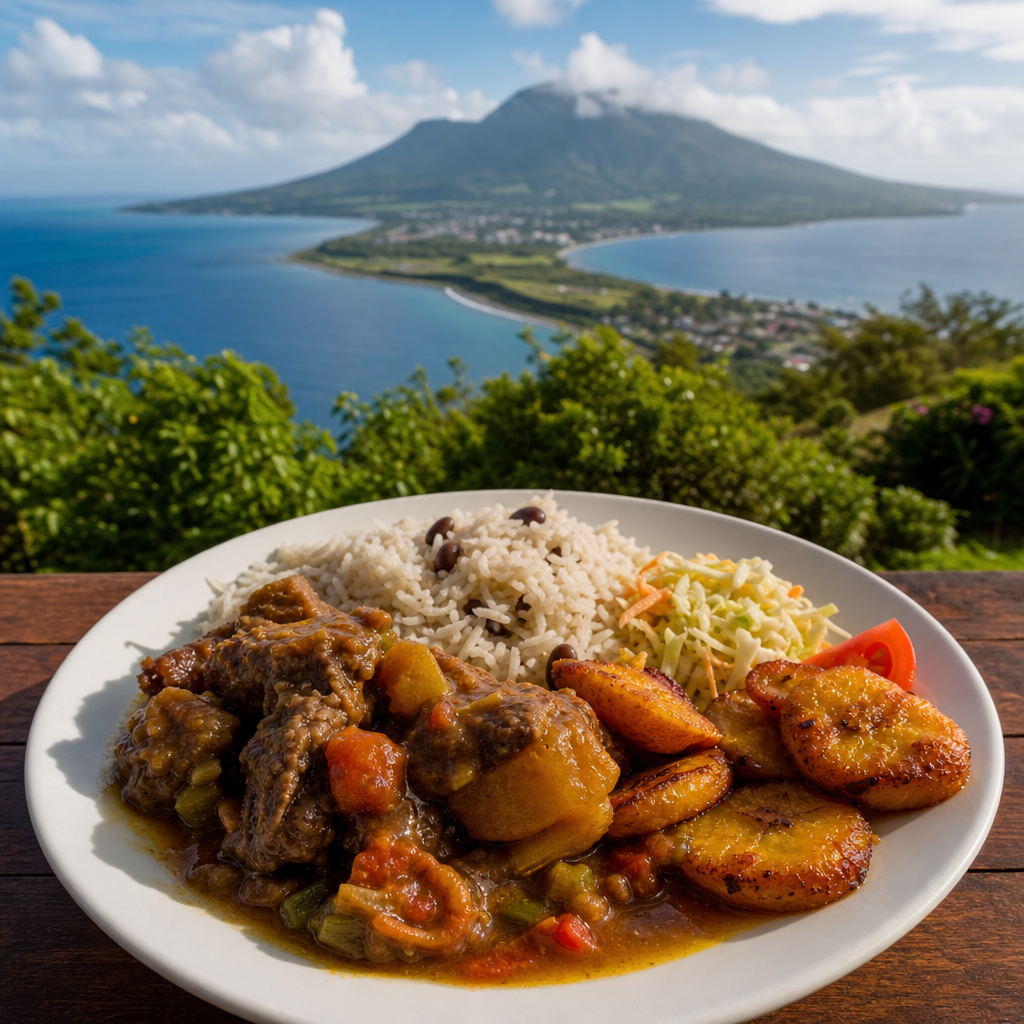
Another niche is experiential heritage hospitality. Restored estate houses, gardens, artisanal food experiences, and cultural interpretation can differentiate a property without turning it into a museum. Done properly, heritage programming increases perceived value and gives guests a reason to choose one Nevis property over another. Culinary hospitality is also promising. Boutique hotels that build a reputation around local produce, seafood, rum, farm partnerships, and chef-led events can draw both staying guests and local patrons, improving food and beverage economics.
Extended-stay and work-from-paradise products deserve attention as well. Many upscale travelers now blend leisure with remote work, but they still expect privacy, ergonomics, and bandwidth. That creates openings for suites or villas with dedicated workspaces, strong Wi-Fi architecture, sound control, and flexible stay packages. Family compounds, adults-only micro-resorts, dive lodges with luxury positioning, and wedding-exclusive buyout venues are additional subsegments worth evaluating. The lesson is simple: in Nevis, the strongest boutique concepts are focused, not generic.
Risks, Constraints, and How Smart Investors Manage Them
Every attractive market has constraints, and Nevis is no exception. Construction costs can be high because of import dependence, shipping complexity, and limited local scale. Insurance costs may be elevated because of regional storm exposure. Utility reliability, water systems, and waste management must be evaluated early in due diligence, not after acquisition. Regulatory compliance, licensing, labor rules, and environmental requirements require local legal and technical advisors who know the island. Investors who rely on mainland assumptions about timelines or contractor depth often misprice execution risk.
Market risk also deserves sober analysis. Boutique hotels are less insulated from reputation damage than chain properties. A few poor reviews about cleanliness, food quality, or service can meaningfully reduce conversion rates. Likewise, overestimating year-round occupancy is a common underwriting error. Sensible models stress-test lower shoulder-season demand, higher payroll, and longer pre-opening periods. Lenders and equity partners should expect conservative ramp-up assumptions, not best-case marketing narratives.
The best mitigation strategies are practical. Start with rigorous feasibility work using competitive set analysis, achievable ADR assumptions, and segmented demand estimates. Build contingency into capex and timeline projections. Secure experienced local counsel, project managers, and engineers. Phase development where possible. Design for storm resilience using durable materials, drainage planning, backup power, and maintenance access. Above all, align the concept with what Nevis genuinely supports. The island rewards authenticity and operational discipline; it punishes copy-and-paste resort thinking.
Related Business Opportunities Around the Boutique Hotel Ecosystem
Not every opportunity requires owning a hotel. The boutique hospitality ecosystem in Nevis creates openings for many adjacent businesses, which is why this topic functions well as a miscellaneous hub within a broader investment framework. Strong operators need interior design, landscaping, specialty construction, revenue management support, booking engine setup, digital advertising, destination photography, yacht coordination, villa management, wellness staffing, private chef services, laundry solutions, transport logistics, and event production. Investors can often enter the market faster through these service layers than through direct real estate development.
There is also room for local supply-chain businesses that improve reliability and quality. Boutique hotels benefit from dependable fresh produce, artisanal goods, premium housekeeping supplies, water treatment services, maintenance contracts, and sustainable packaging. Technology providers can support property management systems, guest messaging, CRM workflows, and cybersecurity. Experience-led businesses, including hiking guides, heritage tours, cooking classes, dive operators, and marine excursions, can become valuable partners or acquisition targets when aligned with upscale service standards.
For anyone assessing business and investment opportunities in Nevis, the central takeaway is that the boutique hotel industry is not a narrow lodging niche. It is a platform sector that supports real estate, professional services, food systems, wellness, transportation, and destination experiences. The investors most likely to succeed will respect the island’s scale, design around its strengths, and pursue focused concepts with disciplined operations. If you are exploring Nevis seriously, start with a market-led feasibility review, identify the subsegment that fits your capital and expertise, and build from there.
Frequently Asked Questions
Why is Nevis considered an attractive market for boutique hotel investment?
Nevis stands out because it offers a rare combination of scarcity, demand quality, and authentic destination appeal. Unlike larger Caribbean markets that rely heavily on high-density resort inventory, Nevis is defined by limited land availability, careful development patterns, and a hospitality identity built around discretion, heritage, and personalized service. That matters to investors because scarcity can support long-term value, especially when a destination attracts travelers who prioritize experience over mass-market pricing. In practical terms, boutique hotels on Nevis are not competing on room count or all-inclusive volume. They are competing on intimacy, design, service, culinary programming, wellness offerings, and a strong sense of place.
The island also appeals to a high-value guest profile. Visitors choosing Nevis are often looking for tranquility, privacy, cultural richness, and upscale but understated luxury. That type of traveler tends to spend more on accommodations, dining, spa treatments, excursions, and customized experiences. For boutique hotel owners, this creates multiple revenue opportunities beyond the nightly rate. A well-positioned property can generate value through destination dining, private events, curated wellness experiences, villa-style stays, and partnerships with local tour operators and artisans.
Another reason Nevis is attractive is that its brand is difficult to replicate. The island’s historic character, lush landscape, and slower, more refined tourism model create natural differentiation. Investors are not simply buying into a real estate asset; they are entering a market where authenticity and atmosphere are central to pricing power. For operators who understand luxury service and destination storytelling, Nevis offers an environment where smaller-scale hospitality can perform exceptionally well when executed thoughtfully.
What defines a boutique hotel opportunity on Nevis, and how is it different from a traditional resort investment?
On Nevis, a boutique hotel opportunity is typically defined by scale, character, and curation. These properties are usually smaller, often under 50 keys, and are designed to deliver a highly individualized guest experience. Instead of relying on standardized rooms, extensive conference facilities, or mass entertainment programming, boutique hotels on Nevis tend to focus on distinctive architecture, local materials, heritage influences, elevated cuisine, wellness integration, and service that feels deeply personal. The goal is not to accommodate the highest number of guests; it is to create a memorable stay that justifies premium pricing and encourages repeat visitation.
This differs significantly from a traditional resort investment. Large resorts often depend on economies of scale, broader market segmentation, and high occupancy across many room categories. Their business model may emphasize volume, package deals, and extensive infrastructure. A boutique hotel on Nevis works differently. Its strength lies in emotional connection, reputation, and niche positioning. A smaller property can be highly profitable if it is able to maintain rate integrity, control operating standards, and build a loyal clientele that values exclusivity and authenticity.
Importantly, boutique does not mean limited in ambition. Many of the strongest opportunities on Nevis involve hybrid concepts that combine luxury accommodations with destination dining, wellness retreats, heritage restoration, beach access, or private residence components. Investors may also find opportunities in repositioning existing assets, converting historically significant properties, or developing eco-conscious hospitality concepts that align with the island’s natural and cultural identity. In this market, the most compelling investments are usually those that respect the island’s scale while offering a product that feels both distinctive and commercially disciplined.
What are the main drivers of profitability for a boutique hotel in Nevis?
Profitability in Nevis’ boutique hotel sector is driven first by average daily rate rather than raw room volume. Because these properties are intentionally smaller, financial success depends on attracting guests willing to pay for privacy, design quality, attentive service, and a highly curated destination experience. A strong boutique hotel can outperform larger properties on a per-key basis when it establishes clear brand positioning and consistently delivers premium value. That is why concept development, architectural coherence, and service culture are so important from the beginning.
Beyond room revenue, ancillary spending is a major driver. Guests who choose Nevis for a boutique stay are often receptive to elevated food and beverage offerings, spa and wellness services, private island tours, cultural programming, event buyouts, and bespoke experiences such as chef-led dinners, plantation history tours, hiking excursions, or couples’ packages. Investors should think of the hotel not just as a lodging business, but as a platform for high-margin experiential revenue. The more integrated and place-specific those offerings are, the stronger the revenue potential tends to be.
Operational discipline is equally important. A boutique property must balance luxury expectations with efficient staffing, procurement, maintenance, and seasonality planning. Smaller hotels can be vulnerable if cost structures are too heavy or if the concept is overbuilt relative to demand. The best-performing operators understand how to preserve intimacy while building resilient systems for housekeeping, guest services, technology, and revenue management. They also pay close attention to market mix, repeat guest ratios, direct bookings, and strategic partnerships that reduce dependence on expensive distribution channels.
Finally, profitability is often strengthened by long-term brand equity. On Nevis, reputation matters. A hotel that becomes known for exceptional service, beautiful design, and authentic local integration can command stronger rates, enjoy more repeat business, and create opportunities for expansion into branded residences, private villa rentals, or exclusive memberships. In a market built on trust and word-of-mouth, excellent execution can become one of the most valuable assets on the balance sheet.
What risks and challenges should investors consider before entering Nevis’ boutique hotel industry?
As with any hospitality investment, the opportunity comes with important considerations. The first is scale-related sensitivity. Boutique hotels have fewer keys, which means each room carries greater weight in overall performance. Small fluctuations in occupancy, staffing efficiency, or guest satisfaction can have a noticeable impact on returns. Investors need a realistic underwriting model that accounts for seasonality, ramp-up periods, operating costs, and the time required to establish brand recognition in a selective market.
Development complexity is another factor. Nevis’ appeal is rooted partly in its low-density, place-sensitive environment, which is positive for long-term positioning but can require thoughtful planning and patience. Site selection, infrastructure access, design compatibility, environmental considerations, and regulatory processes all deserve close attention. Investors should also be prepared for the practical realities of building and operating on an island, including logistics, import dependencies, lead times for materials, and the need for reliable maintenance systems.
There is also the challenge of getting the concept exactly right. A boutique hotel cannot rely on size to compensate for weak positioning. If the design feels generic, the service is inconsistent, or the experience does not connect meaningfully to Nevis itself, the property may struggle to justify premium rates. Success depends on authenticity, operational excellence, and a clear understanding of the target guest. That means the planning phase should include serious work on branding, culinary identity, wellness strategy, staffing culture, and guest journey design, not just real estate development.
Even so, these challenges are manageable when approached professionally. Investors who conduct careful due diligence, work with experienced local and regional advisors, and build a concept around the island’s true strengths are generally in a stronger position. In Nevis, thoughtful execution is not optional; it is the basis of competitive advantage. The investors most likely to succeed are those who see boutique hospitality not as a simple lodging project, but as a nuanced operating business grounded in place, quality, and long-term stewardship.
What strategies can help a boutique hotel on Nevis stand out in a competitive luxury travel market?
The strongest strategy is to lean into what Nevis does uniquely well rather than trying to imitate larger Caribbean resort destinations. Travelers choose Nevis for serenity, refinement, and authenticity, so a winning boutique hotel concept should express those values clearly. That can mean architecture that reflects Caribbean and colonial heritage, interiors that use local craftsmanship, gardens and open-air spaces that connect guests to the landscape, and programming that celebrates the island’s history, cuisine, and community. In other words, differentiation comes from deep localization, not generic luxury branding.
Service is another decisive factor. In the boutique segment, guests remember how a stay felt as much as what it looked like. Hotels that excel on Nevis often do so because they create highly personalized experiences: remembering guest preferences, arranging tailored itineraries, offering private dining moments, or designing wellness journeys that feel intimate rather than formulaic. This level of attentiveness builds loyalty and encourages repeat visits, referrals, and positive editorial or social exposure. In a market where word-of-mouth carries weight, service quality can be a more powerful differentiator than physical scale.
Culinary and wellness positioning can also create a substantial edge. A boutique hotel that becomes known for standout dining, farm-to-table menus, rum tastings, spa rituals, yoga retreats, or restorative wellness programming can broaden its appeal beyond accommodation alone. These elements not only support higher spend per guest, but also make the property more visible as a destination in its own right. Investors should think carefully about how food, beverage, wellness, and cultural experiences can reinforce the hotel’s story and attract affluent travelers looking for depth, not just luxury amenities.
Finally, commercial strategy matters. Strong digital storytelling, direct booking optimization, carefully selected travel advisor relationships, and a consistent visual identity all help a boutique property capture the right audience. The key is alignment: the design, service model, marketing message, and guest experience must all tell the same story. On