The twin-island nation of Saint Kitts and Nevis offers a bird-watching experience like no other. This article is your guide to exploring the rich avian life these islands boast. Whether you’re an avid bird watcher or simply a nature lover, the diverse habitats, from mountain ranges to coral reefs, set the stage for an unparalleled birding adventure.
Unique Geography and Bird Habitats
The islands are a haven for bird species, thanks to their volcanic origins and diverse landscapes. Saint Kitts, shaped like a guitar, and the circular Nevis provide varied habitats, from mountainous regions to beaches and salt ponds, accommodating an impressive array of bird life.
Birds here are mostly crepuscular, being active at dawn and dusk, so early morning or late evening would be the ideal times for bird watching. With over 148 bird species recorded in Nevis alone, birders are in for a treat. But remember, the rugged terrain and limited range of many species can make them a challenge to spot.
The Birding Highlights of Saint Kitts and Nevis
- Brown Pelican: The national bird of Saint Kitts and Nevis, the Brown Pelican, is a sight to behold with its giant throat pouch and impressive diving skills. It’s a coastal bird, often found hunting fish near the shores (Bird Watching HQ).
- Magnificent Frigatebird: Known for its pirating ways, the Magnificent Frigatebird is an iconic symbol of the Caribbean. With their forked tails and long wings, these birds are masters of the sky, rarely touching down on water due to their non-waterproof feathers (Nextbirds) (Bird Watching HQ).
- Nightjars: The elusive Nightjar, with its cryptic patterning, is a rare sight on the islands. They feed on a variety of insects, caught with their large gape. A glimpse of this bird would be a memorable moment for any birder (Nextbirds).
- American Kestrel: This small but mighty bird of prey is an accomplished hunter, known for its skill in catching insects and small rodents. Its small size makes it vulnerable to larger predators, yet it thrives due to its adaptability and diverse diet (Bird Watching HQ).
- Bananaquit: Also known as “sugar birds,” these small, colorful birds are attracted to nectar and often found near human habitats. They are adaptable and known for their sweet tooth, just like many humans (Bird Watching HQ).
Conservation and Ecotourism
The conservation efforts in Saint Kitts and Nevis play a vital role in protecting these avian species. The islands’ relatively low level of development compared to other Caribbean destinations helps maintain the natural habitats crucial for bird life.
Ecotourism, including bird watching, is a growing segment in Saint Kitts and Nevis. By engaging in responsible bird watching, visitors can contribute to the local economy and the conservation of these magnificent creatures.
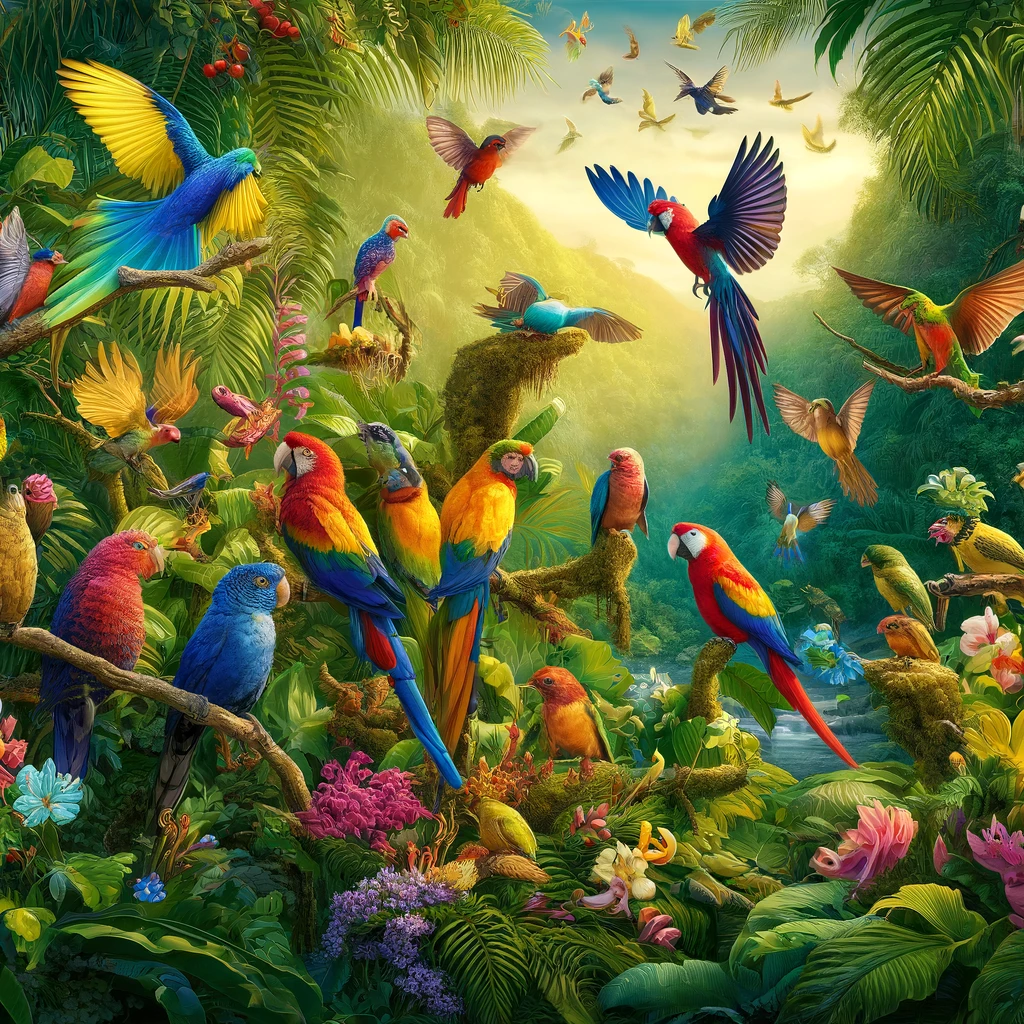
Bird Watching Tips and Best Spots
Bird watching in Saint Kitts and Nevis is more than just a pastime; it’s an immersive experience. To make the most of it, here are some tips and the best spots for bird watching:
Tips for Bird Watching:
- Early Bird Catches the Worm: Since many birds are crepuscular, early mornings or late evenings are the best times to spot them. The quiet and cooler temperatures during these times are ideal for bird activity.
- Gear Up: Bring binoculars and a bird guidebook. A camera with a good zoom lens is also handy for capturing those rare moments.
- Dress Appropriately: Wear comfortable, preferably earth-toned, clothing to blend into the natural environment. Sturdy hiking shoes are recommended due to the rugged terrain.
- Stay Silent and Patient: Birds are easily startled. Move slowly, stay quiet, and be patient. Sometimes, it’s about waiting in a spot and letting the birds come to you.
- Respect the Wildlife: Maintain a safe distance. The goal is to observe without disturbing their natural behaviors.
Best Bird Watching Spots:
- Frigate Bay on Saint Kitts: This area is known for its beaches and coastal lines, where one can spot Brown Pelicans, Frigatebirds, and various shorebirds.
- Valleys and Ghauts: The mountainous regions are home to forest dwellers like the Pearly-eyed Thrasher and the Bridled-quail Dove. The flowering Heliconias in these areas attract hummingbirds like the Purple-throated Carib and the Green-throated Carib.
- Salt Ponds and Lagoons: These areas support a different ecosystem with Yellowlegs, stilts, coots, gallinules, and various types of ducks frequenting them.
- Hotel Gardens and Urban Areas: These are great spots to find the Antillean Crested Hummingbird, Banana Quits, and Lesser Antillean Bullfinches.
Birding Events and Conservation Efforts
Saint Kitts and Nevis also host birding events and are involved in various conservation efforts. Participation in these events not only enhances the bird watching experience but also contributes to the conservation of avian species. Bird races, photography contests, and guided tours by local experts are some of the events to look out for.
Bringing the Avian World Closer
For those who want to delve deeper, consider joining local bird watching groups or participating in bird surveys. These activities offer a chance to meet fellow bird enthusiasts and learn more about the local avian species and their habitats.
In Summary
Saint Kitts and Nevis is a microcosm of bird life, offering a vibrant and varied avian population set against the backdrop of the islands’ stunning natural beauty. This bird watcher’s paradise, with its unique species and diverse habitats, is a must-visit for anyone interested in the natural world. The islands not only cater to avid birders but also to those who wish to experience nature in its most unadulterated form.
Respect for the environment and its inhabitants is paramount. By engaging in responsible bird watching, visitors contribute to the preservation of these species and their habitats, ensuring that Saint Kitts and Nevis continue to be a haven for birds and bird watchers alike.