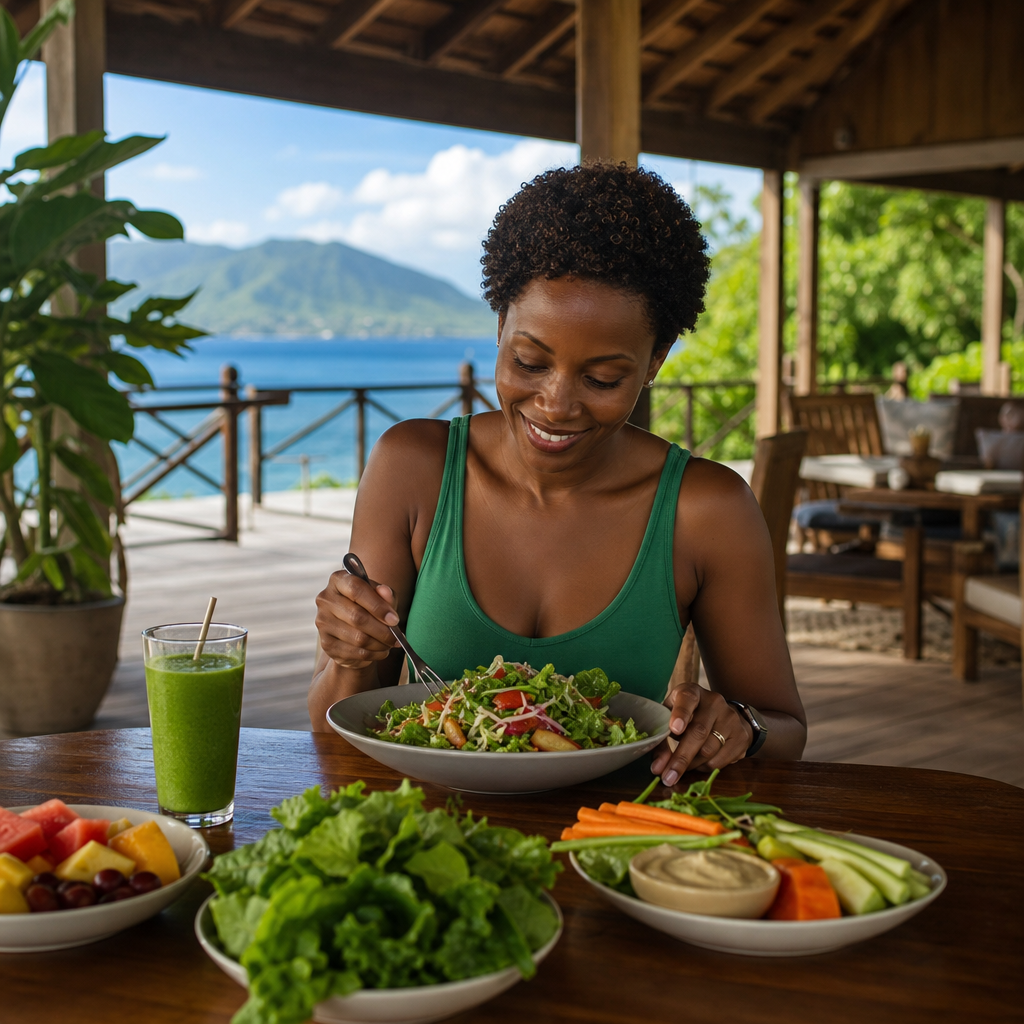
Nevis’ dietary retreats combine clinical nutrition, Caribbean hospitality, and a restorative island setting to help travelers improve eating habits, metabolic health, and overall wellbeing. In practical terms, a dietary retreat is a structured stay where meals, education, movement, and recovery are designed around health goals such as weight management, blood sugar control, digestive comfort, inflammation reduction, or simply learning how to eat better. On Nevis, that concept carries a distinct identity: local produce, fresh seafood, tropical climate, slower daily rhythms, and easy access to beaches, hiking trails, and spa facilities create conditions that support behavior change rather than short-lived restriction. I have reviewed wellness programs across the Caribbean, and Nevis stands out because the island is small enough to feel quiet and manageable, yet developed enough to offer high-standard accommodations, trained practitioners, and reliable food service.
For travelers researching health and wellness in Nevis, dietary retreats matter because nutrition is often the foundation that makes every other wellness intervention work better. Better food quality improves sleep, exercise tolerance, energy stability, and mood. Structured eating also reduces the decision fatigue that usually undermines healthy intentions on holiday. Many visitors arrive wanting detox, gut health support, weight loss, heart-healthy meals, or plant-forward menus, but they also want pleasure, local flavor, and flexibility. The best dietary retreats in Nevis address all three. They teach portion awareness, meal timing, hydration, and nutrient density while respecting enjoyment, culture, and sustainability. As a hub for the miscellaneous side of health and wellness, this guide explains what these retreats include, who benefits most, how to evaluate programs, what foods define the island experience, and how to connect nutrition with movement, mindfulness, and long-term results after you return home.
What defines a dietary retreat in Nevis
A dietary retreat in Nevis is not just a hotel serving lighter meals. A credible program has a clear nutritional philosophy, an assessment process, menu planning that aligns with measurable goals, and staff able to explain why specific foods or meal patterns are being used. In strong programs, guests complete a health questionnaire before arrival covering allergies, medical conditions, dietary preferences, medications, digestion, and objectives. The retreat then uses that information to shape meals and educational sessions. Some retreats emphasize Mediterranean-style eating with high vegetable intake, legumes, olive oil, fish, and fruit. Others focus on plant-based nutrition, anti-inflammatory menus, low-glycemic planning, or calorie-controlled weight loss. The setting may be luxurious, but the nutritional logic should still be explicit.
Nevis is especially suited to this model because the island’s food environment naturally supports fresh cooking. You commonly see mango, papaya, breadfruit, pumpkin, coconut, herbs, leafy greens, and local fish incorporated into menus. Compared with destinations built around nightlife and excess, Nevis lends itself to deliberate routines: sunrise walks, poolside hydration, balanced breakfasts, afternoon treatment sessions, and early dinners that improve digestion and sleep quality. This rhythm matters. Nutrition outcomes depend not only on ingredients but also on consistency, recovery, and reduced stress hormones. A retreat can create that structure fast, which is why many guests use a week in Nevis as a reset point after burnout, travel-heavy schedules, or periods of poor eating.
Core nutrition goals guests usually pursue
Most guests book dietary retreats with one of five priorities. First is weight management, often less about crash dieting and more about learning sustainable calorie control, satiety, and portion design. Second is metabolic health, including prediabetes, insulin resistance, high triglycerides, and elevated blood pressure. Third is digestive support for bloating, irregularity, reflux, or sensitivity to ultra-processed foods. Fourth is anti-inflammatory eating for joint discomfort, recovery, or general vitality. Fifth is education: many travelers simply want expert guidance on how to cook, shop, and eat well when life becomes busy again.
Programs in Nevis can address these priorities effectively when they combine meals with coaching and measurable habits. For example, a guest with prediabetes benefits more from balanced carbohydrate distribution, post-meal walking, high-fiber breakfasts, and reduced sugary drinks than from vague “clean eating” language. Someone dealing with digestive discomfort may need simpler meal composition, lower alcohol intake, slower eating, and a review of likely triggers rather than an unnecessarily extreme elimination protocol. In my experience, retreats succeed when they replace confusion with clarity. Guests should leave knowing what a balanced plate looks like, how much protein they need at meals, why hydration affects appetite, and which habits are nonnegotiable for their goals.
What a high-quality retreat program should include
The strongest dietary retreats in Nevis blend hospitality with evidence-based planning. At minimum, look for an initial consultation, customized menus, cooking or nutrition workshops, and integration with movement and recovery services. Better programs also provide body composition tracking, blood pressure checks, or lifestyle reviews, though they should never present a retreat as a substitute for medical treatment. If a retreat markets detox aggressively without explaining energy intake, fiber, electrolytes, or protein, that is a warning sign. The body already has detoxification systems in the liver, kidneys, skin, lungs, and gastrointestinal tract. Nutrition should support those systems through sufficient fluid, micronutrients, and reduced alcohol, not through starvation or pseudoscience.
Another mark of quality is accommodation of real-life needs. Gluten-free, vegetarian, vegan, low-sodium, diabetic-friendly, and allergy-conscious meals should be handled confidently, with cross-contamination procedures where relevant. Staff should be comfortable discussing portion sizes, culinary methods, and ingredient substitutions. Menus should not rely on tiny servings and decorative wellness language. They should deliver enough protein, fiber, healthy fats, and micronutrients to keep guests satisfied. According to widely used dietary guidance such as the Mediterranean pattern and public health nutrition standards, long-term success comes from dietary quality and consistency rather than severe restriction. Retreats that teach this honestly are far more valuable than those selling rapid, unsustainable transformation.
| Retreat feature | Why it matters | What to ask before booking |
|---|---|---|
| Nutrition assessment | Aligns meals with health status, medications, and goals | Is there a pre-arrival questionnaire or practitioner consultation? |
| Customized menus | Improves adherence and safety for allergies or metabolic needs | Can the kitchen handle vegetarian, diabetic-friendly, or low-sodium requests? |
| Education sessions | Turns a holiday experience into lasting skill development | Are there workshops on meal planning, labels, cooking, or portion control? |
| Movement integration | Supports insulin sensitivity, appetite regulation, and mood | Are walks, yoga, strength sessions, or mobility classes included? |
| Progress monitoring | Provides accountability and realistic feedback | How are outcomes tracked without overpromising results? |
How local food shapes the Nevis wellness experience
One reason dietary retreats in Nevis feel more sustainable than generic wellness resorts is that the food can be both health-focused and culturally rooted. Local cuisine offers many ingredients that fit modern nutrition principles when prepared thoughtfully. Fresh fish supplies high-quality protein and omega-3 fats. Breadfruit, sweet potato, and yam provide complex carbohydrates and potassium. Mango, guava, papaya, and soursop contribute vitamin C, carotenoids, and fiber. Herbs, ginger, turmeric, scallion, and peppers add flavor without requiring excess salt or heavy sauces. Coconut can be used carefully for richness, though portions matter because saturated fat adds up quickly.
The best retreats do not erase local identity with bland international “spa food.” Instead, they adapt Caribbean cooking techniques to support health goals. Grilled fish may replace fried preparations. Vegetable-forward stews can reduce reliance on refined starches. Fresh fruit can anchor dessert in place of sugary pastries. Breakfast can feature eggs, callaloo, tropical fruit, and oats rather than pastries and juice alone. This approach improves adherence because guests feel they are learning a style of eating they actually want to continue. Food memories matter. If healthy eating on Nevis tastes satisfying and connected to place, travelers are more likely to recreate elements of that experience at home.
Matching dietary retreats to specific health needs
Not every dietary retreat is appropriate for every guest, and this is where careful selection matters. Travelers seeking cardiovascular support should prioritize programs emphasizing sodium awareness, high-fiber foods, legumes, fish, plant oils, and regular low-impact exercise. Guests with insulin resistance or type 2 diabetes should look for carbohydrate consistency, high-protein breakfasts, resistance training options, and practitioners familiar with medication timing and hypoglycemia risk. People with IBS, reflux, or food sensitivities should confirm whether the retreat can individualize meals rather than forcing every guest into one fixed menu.
Weight-loss seekers should be especially cautious about marketing. Effective fat loss usually comes from a modest energy deficit, adequate protein to preserve lean mass, resistance exercise, and habits that can continue after travel. Very low-calorie plans may produce quick scale changes, but much of the early drop is water and glycogen, and adherence usually collapses. Likewise, “detox juices” without enough protein may leave active guests fatigued and hungry. A good Nevis retreat will explain these tradeoffs plainly. It will also refer guests back to physicians when medical oversight is required, particularly for hypertension, diabetes, eating disorder history, pregnancy, or gastrointestinal disease.
How nutrition works with movement, sleep, and stress recovery
Dietary change works best when paired with the rest of the wellness environment, and Nevis offers that naturally. Walking trails, beach movement, swimming, yoga, and guided fitness sessions improve insulin sensitivity, circulation, and appetite regulation. Sleep quality often improves on retreat because schedules become more regular and exposure to morning daylight increases. Lower stress matters just as much. Elevated stress can drive emotional eating, digestive disruption, and poor food choices. When guests eat slowly, hydrate well, exercise moderately, and sleep enough, their bodies respond better to the same meal plan than they would during a chaotic workweek.
This is why the most effective dietary retreats build complete daily rhythms rather than focusing only on the plate. A practical day might include hydration on waking, a protein-rich breakfast, a morning mobility class, a produce-heavy lunch, an educational workshop, a restorative spa treatment, an early dinner, and a sunset walk. None of those steps is extreme, but together they reduce friction and improve consistency. In retreats I have evaluated, guests usually report the biggest gains not from one miracle food but from repeated basics: fewer sugary drinks, more vegetables, steadier meal timing, reduced alcohol, and enough sleep to stop craving quick energy.
How to choose the right retreat and keep results afterward
Before booking a dietary retreat in Nevis, ask direct questions. Who designs the menus? Are registered dietitians, certified nutrition professionals, chefs, physicians, or wellness practitioners involved? How are allergies and medical needs handled? What is included in the package, and what requires extra fees? Is alcohol limited or fully available? Are educational materials provided for aftercare? The answers reveal whether a retreat is truly nutrition-led or simply using wellness terminology as decoration. Reviews can help, but detailed program documents matter more than vague testimonials. Look for sample menus, activity schedules, practitioner credentials, and a clear explanation of goals.
Results after a retreat depend on transition planning. Guests need a realistic home strategy, not just good intentions. The best programs send travelers home with sample meal templates, shopping lists, recipe ideas, and a short set of anchor habits such as eating protein at breakfast, filling half the plate with vegetables, walking for ten minutes after meals, and limiting liquid calories. Nevis’ dietary retreats deliver the greatest value when they function as a reset and an education system at once. They show that nutrition and health do not require punishment or perfection, only a well-designed environment and clear habits. If you are building a smarter health and wellness plan, use Nevis as the place to start, then carry the structure home.
Frequently Asked Questions
What is a dietary retreat in Nevis, and how is it different from a typical wellness vacation?
A dietary retreat in Nevis is a structured health-focused stay built around nutrition, education, and recovery rather than a simple escape centered on indulgence. While a standard wellness vacation may include spa treatments, beach time, and a few healthy menu options, a dietary retreat is typically designed with clear goals in mind. These goals may include improving eating habits, supporting weight management, stabilizing blood sugar, reducing inflammation, easing digestive discomfort, or helping guests understand how to make better food choices long after the trip ends.
What makes the Nevis experience distinct is the way evidence-based nutrition can be combined with the island’s calm pace, fresh local ingredients, and restorative setting. Meals are often planned with purpose, portion balance, and nutrient quality in mind. Guests may receive guidance on meal timing, hydration, fiber intake, protein balance, and how to build sustainable habits. Education is usually a major part of the retreat, whether through consultations, workshops, cooking demonstrations, or practical discussions about labels, cravings, metabolism, and mindful eating.
Another key difference is that dietary retreats often integrate movement and recovery in a coordinated way. That can mean walking, low-impact fitness, stretching, stress management, and sleep-supportive routines that complement the nutrition plan rather than compete with it. In Nevis, this tends to feel less clinical and more restorative because the environment naturally encourages slowing down. The result is not just a break from routine, but a guided reset that helps many travelers return home with a more realistic, informed, and personalized approach to health.
Who can benefit most from attending a nutrition and health retreat in Nevis?
A nutrition and health retreat in Nevis can benefit a wide range of travelers, not only people trying to lose weight. It is often especially valuable for individuals who feel stuck in unhealthy eating patterns, experience energy crashes, struggle with portion control, or want a more organized approach to improving their health. People who are concerned about blood sugar management, digestive comfort, inflammation, cholesterol, or general metabolic wellness may also find these retreats useful because they provide structure, accountability, and practical guidance in a lower-stress setting.
These retreats can also help travelers who already understand basic nutrition but have difficulty applying it consistently in daily life. Many people know what healthy eating looks like in theory, yet find it hard to manage busy schedules, emotional eating, social habits, or confusing nutrition advice. A retreat can create enough distance from normal routines to make new behaviors easier to practice. On Nevis, that process is often supported by an atmosphere that feels welcoming rather than punitive, which can be important for people who have had negative experiences with overly restrictive programs.
That said, the best candidates are usually those who are open to learning and willing to make changes they can continue at home. Guests do not need to be perfectly fit or highly disciplined to benefit. In fact, many retreats are designed for people starting from an ordinary baseline and looking for realistic progress. Anyone with complex medical conditions, significant food allergies, diabetes, gastrointestinal disorders, or other specific health concerns should confirm that the retreat can accommodate their needs and, when appropriate, involve their physician. The strongest programs are those that personalize recommendations rather than offering a one-size-fits-all diet.
What kinds of meals, nutrition guidance, and daily activities are usually included?
Most dietary retreats in Nevis include planned meals and snacks built around health goals, along with educational support that explains why those meals are structured the way they are. Depending on the retreat, menus may emphasize whole foods, lean proteins, vegetables, fruit, legumes, healthy fats, hydration, and moderated use of refined sugars and heavily processed ingredients. Some programs are designed to support blood sugar balance through consistent meal composition and timing, while others may focus more on digestive comfort, anti-inflammatory eating, plant-forward nutrition, or gradual weight management. The most credible retreats avoid fad dieting and instead teach practical principles guests can use in real life.
Nutrition guidance may include one-on-one consultations, health screenings, body composition reviews, food journaling, goal setting, cooking instruction, and workshops on reading labels, planning meals, and understanding hunger cues. Some retreats incorporate a more clinical approach, especially if they are associated with trained nutrition professionals, while others take a lifestyle-based route that still emphasizes evidence-informed advice. In either case, guests should expect clear explanations, individualized adjustments where possible, and an emphasis on sustainable habits instead of extreme restriction.
Daily activities usually extend beyond food. A retreat schedule may include morning walks, gentle cardio, yoga, mobility work, strength sessions, breathwork, meditation, and recovery practices that help regulate stress. That matters because nutrition outcomes are closely tied to sleep, stress load, and physical activity. On Nevis, activities may take advantage of the island setting, such as beach walks, outdoor movement sessions, and quiet recovery time that supports mental reset as much as physical wellbeing. The overall rhythm is often intentional: nourishing meals, guided learning, moderate movement, and enough downtime to absorb and maintain healthier patterns.
Can a dietary retreat in Nevis help with weight management, blood sugar, digestion, or inflammation?
Yes, a well-designed dietary retreat in Nevis can support all of those goals, although the degree of benefit depends on the quality of the program, the guest’s health status, and how the strategies are continued after the retreat ends. For weight management, the main advantage is structure. Guests are removed from many of the triggers that fuel overeating, such as constant restaurant decisions, stress-driven snacking, and highly processed convenience foods. Instead, they are introduced to balanced meals, improved portion awareness, better meal timing, and movement habits that support energy balance without relying on extreme dieting.
For blood sugar support, retreats can be helpful because they often focus on meal composition, fiber intake, protein distribution, and reducing erratic eating patterns. These basics can improve day-to-day steadiness in energy and appetite. However, anyone with diabetes or prediabetes should look for a retreat that understands the medical side of blood sugar management and can coordinate recommendations safely, especially if medications are involved. A retreat should never encourage aggressive dietary changes without considering personal health history.
Digestive comfort and inflammation are also common focus areas. Some guests benefit from simpler, less processed meals, more consistent hydration, improved eating pace, and reduced alcohol or sugar intake. Others may respond well to better identification of trigger foods, more fiber, or a more balanced overall pattern. For inflammation-related goals, anti-inflammatory eating approaches often emphasize whole foods, produce variety, healthy fats, and reduced intake of heavily refined products. Even so, it is important to be realistic: a retreat can start meaningful progress, but it is not a cure-all. The greatest value comes from using the retreat as a guided starting point that translates into long-term habits once the traveler returns home.
How should travelers choose the right dietary retreat in Nevis for their goals?
Choosing the right dietary retreat in Nevis starts with identifying the primary goal. Some travelers want help with weight management, while others are more concerned with metabolic health, digestive issues, anti-inflammatory eating, or simply learning how to prepare healthier meals and routines. Once that goal is clear, it becomes easier to evaluate whether a retreat’s philosophy, staffing, meal approach, and daily structure are actually aligned with what the guest needs. A retreat that promises quick results but offers little personalization may be less useful than one with a more measured, science-based program.
Travelers should pay close attention to who is providing the nutrition guidance. Programs that involve qualified nutrition professionals or practitioners with relevant clinical training tend to offer more reliable support, especially for guests with health concerns. It is also worth reviewing how individualized the meals and recommendations are. Questions about food allergies, dietary preferences, medication interactions, blood sugar support, and digestive accommodations should be welcomed, not treated as an afterthought. Transparency is a good sign. Reputable retreats should clearly explain what is included, how meals are planned, what assessments are offered, and what kind of follow-up or at-home guidance is available.
Practical details matter as well. Travelers should consider activity level, schedule intensity, accommodation style, and whether the environment feels supportive rather than rigid. The best retreat is one a guest can fully engage with, not one that feels impossible to sustain or emotionally exhausting. Reading testimonials can help, but the strongest indicator is whether the retreat teaches skills that carry beyond the stay. On Nevis, the most effective dietary retreats tend to balance expertise with warmth: structured enough to create measurable progress, yet relaxed enough to help guests reconnect with food, health, and recovery in a lasting way.