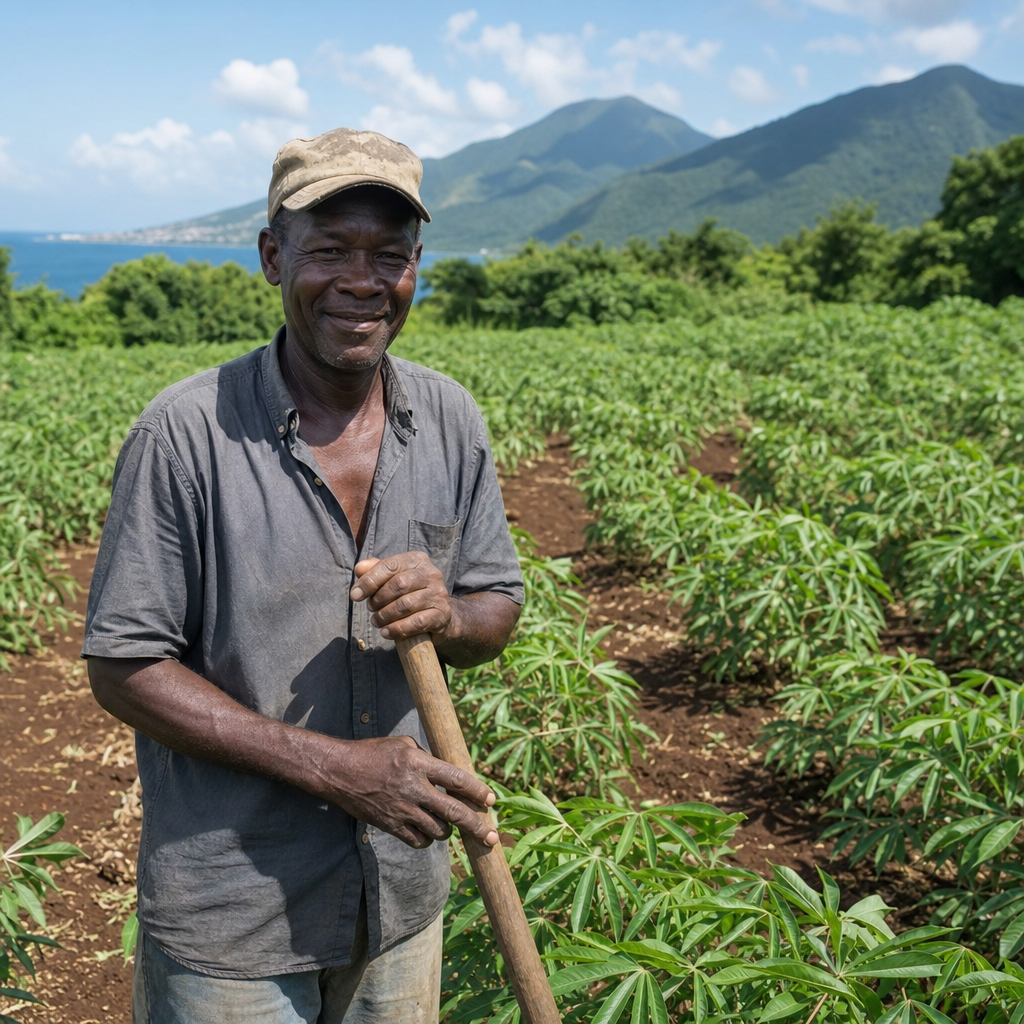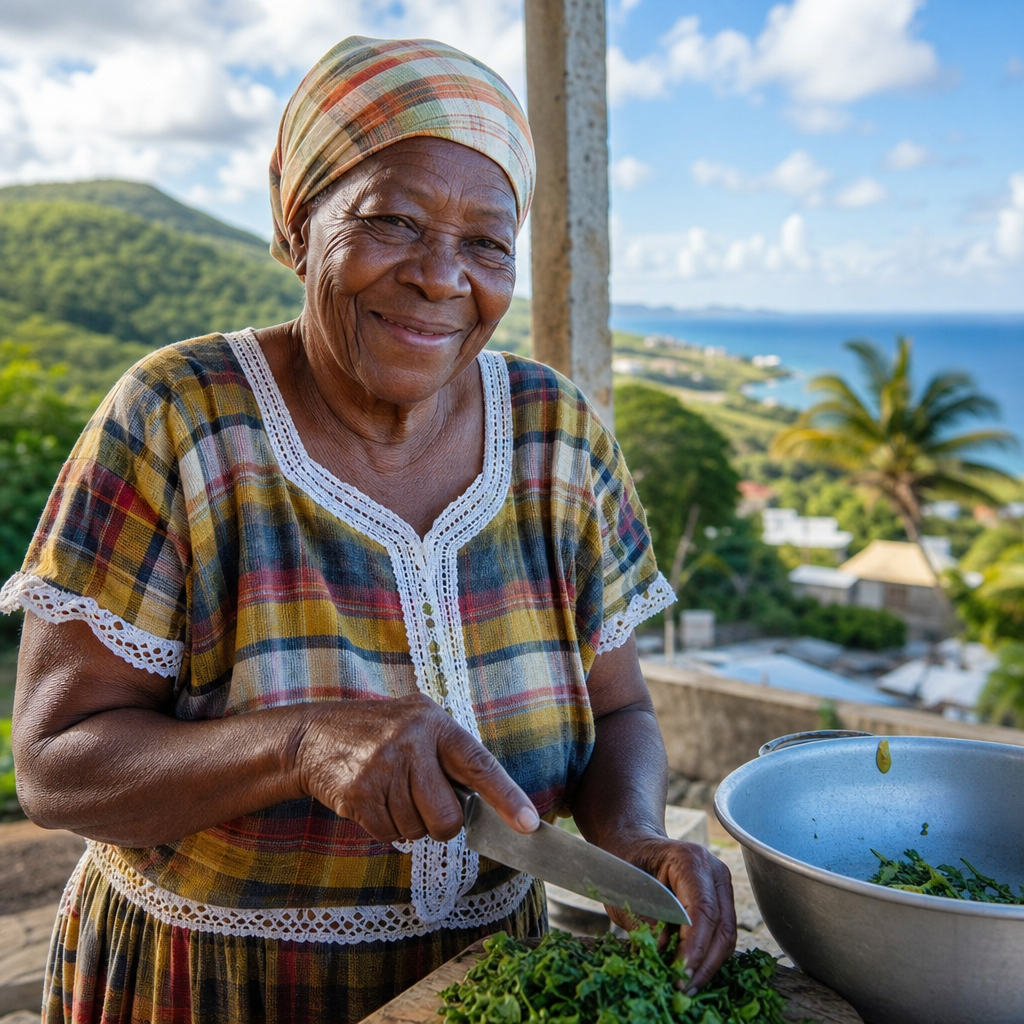
Healthy aging in Saint Kitts is not a slogan; it is a lived practice shaped by food, movement, community, climate, and habits passed from one generation to the next. In villages across the island, elders have long treated wellness as something built daily through ordinary choices: walking to visit family, tending kitchen gardens, cooking beans and ground provisions, keeping faith communities close, and respecting rest as much as work. Healthy aging means maintaining physical function, mental sharpness, emotional stability, and social connection as the years advance. It does not mean avoiding every illness or preserving youth forever. It means extending independence, resilience, and quality of life. That distinction matters because many people approach aging as decline to be feared, when in practice the strongest outcomes come from steady prevention and practical adaptation.
In Saint Kitts, this topic matters for personal and public reasons. Like many Caribbean societies, the federation is seeing longer life expectancy, more chronic disease, and more families balancing caregiving with work. Hypertension, diabetes, arthritis, heart disease, and loneliness can all erode later-life wellbeing, yet many risk factors are modifiable. I have worked with older adults and caregivers in Caribbean health settings, and the most successful routines are rarely complicated. They combine regular blood pressure checks, balanced traditional meals, sensible activity, medication adherence, oral care, sunlight awareness, and meaningful social roles. This hub article brings those elements together so readers can understand what supports healthy aging, what common mistakes to avoid, and where to focus next. It is designed as a broad guide to miscellaneous wellness topics that influence aging well on Saint Kitts.
Food traditions that support longevity
Nutrition is one of the clearest ways elders in Saint Kitts protect health over time. Traditional eating patterns often include fish, peas, beans, pumpkin, breadfruit, sweet potato, cassava, green banana, callaloo, mango, papaya, and herbs. These foods can support healthy aging because they provide fiber, potassium, folate, vitamin A, magnesium, and slow-digesting carbohydrates. Fiber helps bowel regularity and cholesterol control. Potassium helps balance sodium and supports blood pressure management. Oily fish contributes protein and, depending on species, omega-3 fats that support heart and brain health. The lesson is not that every old-fashioned meal is automatically healthy, but that many core ingredients are protective when cooked with moderation.
The challenge usually comes from salt, sugar, and portion size. Salted meats, heavily seasoned gravies, fried snacks, sweet drinks, and oversized starch portions can raise blood pressure, worsen blood sugar control, and promote weight gain. A practical healthy aging approach is to keep the strengths of local cuisine while changing preparation methods. Steam or grill fish instead of deep-frying it. Season peas and vegetables with thyme, scallion, garlic, onion, and celery before adding extra salt. Use smaller servings of rice and more non-starchy vegetables. Choose fruit for dessert more often than cake or sweet buns. Older adults who have reduced appetite may need nutrient-dense meals rather than simply smaller meals, so eggs, yogurt, beans, fish broth, and soft cooked vegetables become especially useful.
Hydration is equally important and often overlooked. Many older adults drink too little because they do not feel thirst as strongly, are trying to avoid nighttime urination, or dislike plain water. Dehydration increases fatigue, dizziness, constipation, confusion, and heat stress risk in the Caribbean climate. Water should remain the first choice, with soups, coconut water in moderation, and unsweetened herbal infusions as supportive options. People with kidney disease, heart failure, or strict fluid limits need individualized advice, but for most older adults, drinking consistently through the day is safer than waiting until they feel thirsty. Healthy aging starts in the kitchen, but it succeeds through small, repeatable decisions.
Movement, strength, and balance for daily independence
Regular physical activity is one of the strongest predictors of healthy aging because it preserves mobility, balance, bone strength, circulation, insulin sensitivity, and confidence. On Saint Kitts, many elders have historically stayed active through walking, gardening, sweeping yards, carrying light loads, and climbing steps. Those activities matter. They improve endurance and keep joints moving. However, healthy aging requires more than casual movement. Older adults also need strength work and balance practice. Without them, muscles shrink, reaction time slows, falls become more likely, and simple tasks such as standing from a chair or lifting groceries become harder every year.
A practical weekly plan can be simple: brisk walking most days, chair rises for leg strength, wall push-ups for upper body strength, heel-to-toe standing for balance, and gentle stretching after activity. International public health guidance consistently supports at least 150 minutes of moderate aerobic activity weekly for many older adults, plus muscle-strengthening activities on two or more days and balance training when fall risk is present. Those targets should be adjusted for medical conditions, pain, and fitness level, but the principle is firm: some safe movement is almost always better than none. When I coach families, I recommend attaching exercise to routine tasks, such as a ten-minute walk after breakfast and dinner or balance practice while waiting for tea to boil.
| Wellness area | What Saint Kitts’ elders often do well | Common risk | Practical improvement |
|---|---|---|---|
| Daily movement | Walk to shops, church, or neighbors | Not enough strength training | Add chair rises, step-ups, and wall push-ups twice weekly |
| Traditional meals | Use beans, fish, vegetables, and ground provisions | Too much salt, frying, and sweet drinks | Grill or steam more often and reduce added salt |
| Community life | Stay connected through family and faith groups | Isolation after bereavement or illness | Schedule regular visits, calls, and group activities |
| Health monitoring | Seek care when symptoms become obvious | Late detection of chronic disease | Check blood pressure, glucose, vision, and medications routinely |
Falls deserve special attention because they can change an older person’s life in a single day. The most effective prevention strategy combines exercise, vision checks, medication review, and safer home design. Remove loose rugs, improve lighting, install grab bars where needed, and make sure commonly used items are easy to reach. Footwear should fit securely with non-slip soles. Cane or walker use should be normalized rather than delayed out of pride. Healthy aging is not about proving toughness. It is about protecting function. The elders who stay independent longest are usually those who adapt early, not those who ignore warning signs.
Preventive care, chronic disease control, and medication safety
Healthy aging depends on prevention because many serious conditions progress quietly. High blood pressure may cause no symptoms until it contributes to stroke, heart failure, or kidney damage. Type 2 diabetes can injure nerves, eyes, and blood vessels for years before a crisis occurs. Osteoporosis can remain undetected until a fracture. That is why routine screening matters. Older adults should know their blood pressure numbers, discuss blood sugar testing with a clinician when risk factors are present, have vision checked, monitor hearing changes, review vaccinations, and report weight loss, fatigue, swelling, shortness of breath, chest pain, or new confusion promptly. Earlier intervention nearly always leads to better outcomes and lower treatment burden.
Medication safety is equally central. Many elders take several prescriptions along with over-the-counter pain relievers, herbal teas, or supplements. Polypharmacy raises the risk of side effects, dangerous interactions, dizziness, and poor adherence. I often see trouble when one medication causes swelling or fatigue, another is added to treat that effect, and no one reviews the full list. Every older adult should keep an updated medication record including dosage, timing, and purpose. Drugs should be checked regularly for duplication and necessity. Sedating medicines, some antihistamines, and certain sleep aids can increase fall risk and confusion. Pain medicines, especially nonsteroidal anti-inflammatory drugs, may worsen kidney disease, stomach bleeding, or blood pressure control in susceptible people.
Chronic disease management works best when it is structured. For hypertension, that means taking medicine as prescribed, reducing sodium, staying active, limiting alcohol, and checking blood pressure regularly. For diabetes, it means consistent meals, glucose monitoring when advised, foot care, eye exams, and attention to skin wounds. For arthritis, it means combining movement, weight management, supportive footwear, and targeted treatment rather than resting excessively. For heart disease, it means symptom awareness, medication adherence, and prompt evaluation of breathlessness, chest discomfort, or swelling. Healthy aging is not achieved by occasional good intentions. It is built by systems: reminders, pill organizers, family support, follow-up appointments, and habits that are realistic enough to maintain.
Mind, memory, and emotional wellbeing
Mental wellness is inseparable from physical health in later life. Older adults who stay socially engaged, mentally active, and emotionally supported tend to function better and recover more effectively from illness. In Saint Kitts, elders often draw strength from church life, storytelling, music, neighborhood ties, and intergenerational family structures. These are not just pleasant traditions. They are protective factors. Social connection reduces loneliness, and loneliness is associated with depression, poorer sleep, lower activity levels, and worse overall health outcomes. Mental stimulation, including reading, conversation, dominoes, card games, puzzles, and learning new skills, helps preserve cognitive reserve, which can support memory and problem-solving over time.
At the same time, families should avoid dismissing all memory changes as normal aging. Misplacing keys occasionally is common. Repeatedly getting lost in familiar places, forgetting close relatives, missing medications, or struggling to manage money may signal something more serious. Depression can also mimic memory problems by reducing attention and motivation. Hearing loss is another hidden driver of confusion and withdrawal because people stop participating when conversation becomes hard to follow. A smart healthy aging strategy includes screening for mood changes, sleep problems, hearing decline, and cognitive symptoms early. The goal is not to label people quickly but to identify reversible causes and support remaining strengths.
Stress management also deserves practical attention. Retirement, bereavement, financial strain, and caregiving responsibilities can create chronic stress in older age. Helpful responses include prayer or meditation, structured routines, walking outdoors early or late when heat is lower, talking with trusted friends, and seeking professional support when sadness or anxiety persist. Alcohol should not be treated as a coping tool. Neither should isolation. Emotional resilience grows when elders continue to feel useful, heard, and connected to purpose.
Sleep, oral health, sun exposure, and the home environment
Several “miscellaneous” wellness topics have outsized effects on healthy aging. Sleep is one. Poor sleep worsens blood sugar control, mood, memory, pain sensitivity, and fall risk. Common causes in later life include sleep apnea, nighttime urination, medication side effects, anxiety, and irregular sleep schedules. Basic sleep hygiene helps: keep a consistent bedtime, reduce late caffeine, limit heavy evening meals, use a dark quiet room, and discuss loud snoring or daytime sleepiness with a clinician. Oral health is another neglected pillar. Gum disease and poorly fitting dentures make eating difficult, reduce nutrition quality, and increase discomfort. Daily brushing, flossing where possible, denture cleaning, and routine dental review help preserve both health and dignity.
Sun and heat exposure require balanced management in the Caribbean. Moderate sunlight supports vitamin D production, but excessive heat can trigger dehydration, dizziness, and cardiovascular strain. Older adults should favor morning or late afternoon activity, wear light clothing, and rest in shaded or ventilated areas. The home itself should support aging. Good lighting, handrails, uncluttered pathways, easy bathroom access, and reachable storage all reduce injury risk. These details may seem small, yet they determine whether an older adult can live independently and confidently.
Healthy aging in Saint Kitts ultimately reflects a simple truth: the best later years are built from steady habits, not dramatic interventions. Traditional foods, daily movement, social ties, preventive care, and respectful adaptation create a foundation that medicine alone cannot replace. Families should think of wellness as a shared responsibility, because older adults succeed when homes, clinics, churches, and communities reinforce the same message. Start with one change that can be sustained this week: schedule a checkup, take a daily walk, reduce salt, review medications, or call an elder relative and make a plan. Small actions, repeated consistently, are how healthy aging becomes real.
Frequently Asked Questions
What does healthy aging mean in Saint Kitts?
In Saint Kitts, healthy aging is best understood as a practical, everyday way of living rather than a strict program or passing trend. Elders across the island often show that aging well comes from steady habits that support strength, mobility, emotional balance, and social connection over time. It includes eating nourishing local foods, staying physically active through walking and daily chores, maintaining close ties with family and neighbors, participating in church or community life, and honoring the body’s need for rest. Healthy aging also means preserving independence for as long as possible while adapting wisely to life’s changes.
This approach is especially powerful because it is rooted in ordinary routines. Instead of relying only on formal exercise plans or expensive wellness products, many older adults in Saint Kitts have historically built wellness through gardening, cooking at home, visiting relatives on foot, and keeping mentally engaged in community life. These habits support cardiovascular health, digestion, muscle strength, and emotional resilience. Just as important, they help older adults maintain a sense of purpose, which is a major part of aging with dignity and confidence.
What foods do Saint Kitts’ elders commonly associate with healthy aging?
Many elders in Saint Kitts connect healthy aging with simple, local, minimally processed foods that have sustained families for generations. Meals centered on beans, peas, lentils, ground provisions such as sweet potatoes, yams, and dasheen, fresh vegetables, fruits, and modest portions of fish or other lean proteins are often viewed as the foundation of long-term wellness. These foods provide fiber, vitamins, minerals, and steady energy, all of which are important for maintaining digestive health, supporting heart function, and helping the body stay strong with age.
Traditional eating patterns also tend to encourage balance. Home-cooked meals make it easier to control salt, sugar, and unhealthy fats, which matters greatly for reducing the risk of high blood pressure, diabetes, and other chronic conditions that can affect quality of life later on. Kitchen gardens have also played an important role, giving families access to fresh herbs, greens, and produce while encouraging physical activity and self-sufficiency. Elders often model an eating style based on moderation: not overeating, making use of what is in season, and choosing foods that nourish rather than simply fill. That combination of local ingredients, sensible portions, and regular meal patterns remains one of the strongest wellness lessons passed down through generations in Saint Kitts.
How do daily movement and routine activity help older adults age well?
One of the clearest lessons from Saint Kitts’ elders is that movement does not always have to be formal to be effective. Healthy aging is often supported by natural, consistent activity built into daily life. Walking to visit relatives, sweeping the yard, carrying light groceries, gardening, cooking, washing, and tending to household tasks all help the body stay active. These forms of movement can improve circulation, support joint mobility, maintain leg and core strength, and help preserve balance, which becomes increasingly important with age.
Routine activity also benefits mental and emotional health. Regular movement can reduce stiffness, improve sleep, support mood, and help older adults feel capable and independent. In warm island settings like Saint Kitts, many people have traditionally remained active by moving early in the day and pacing themselves wisely. This is an important reminder that sustainable activity matters more than intensity alone. The goal is not extreme exercise, but consistent physical engagement that fits a person’s age, health status, and lifestyle. For many elders, staying useful, mobile, and involved in everyday tasks is itself a form of exercise that contributes significantly to healthy aging.
Why are community, faith, and social connection so important for healthy aging?
Healthy aging is not only physical; it is deeply social and emotional as well. In Saint Kitts, elders have long benefited from strong networks of family, church, neighbors, and village life. These relationships help reduce loneliness, reinforce identity, and provide practical support during times of illness, grief, or reduced mobility. Regular conversation, shared meals, worship, community events, and visits with loved ones keep older adults mentally engaged and emotionally grounded. This kind of connection can lower stress, support memory and mood, and help people feel valued as they age.
Faith communities in particular often provide structure, meaning, and encouragement. Participation in church life may include worship, music, prayer, fellowship, and service, all of which can strengthen resilience and create a sense of belonging. Elders are often respected as carriers of wisdom, family history, and cultural tradition, and that respect supports self-worth. Social connection also has practical health effects. Family members and neighbors may notice changes in appetite, energy, mobility, or mood early, making it easier to respond before a problem becomes severe. In this way, community is not separate from wellness in Saint Kitts; it is one of the foundations of it.
What wellness habits from Saint Kitts’ elders can younger generations adopt now?
Younger generations can learn a great deal from the steady, grounded habits that have helped many elders in Saint Kitts remain active and resilient. One of the most important lessons is to treat health as something built daily. That means choosing regular movement over long periods of sitting, cooking more meals at home, eating more local produce and fiber-rich staples, drinking enough water, and taking rest seriously instead of treating exhaustion as normal. It also means making time for relationships, spiritual life, and meaningful routines that reduce stress and support emotional stability.
Another key lesson is consistency. Elders often show that wellness does not depend on perfection but on repeating supportive habits over many years. Walking often, working with the hands, spending time outdoors responsibly, staying socially connected, and avoiding excess in food and drink can have lasting benefits. Younger people can also adopt the elder practice of respecting the body’s signals: slowing down when needed, seeking medical care early, and not ignoring sleep, pain, or persistent fatigue. When these habits begin early, they can help preserve physical function, mental sharpness, and independence later in life. The example set by Saint Kitts’ elders is clear: healthy aging starts long before old age, and it is shaped by the choices made every day.