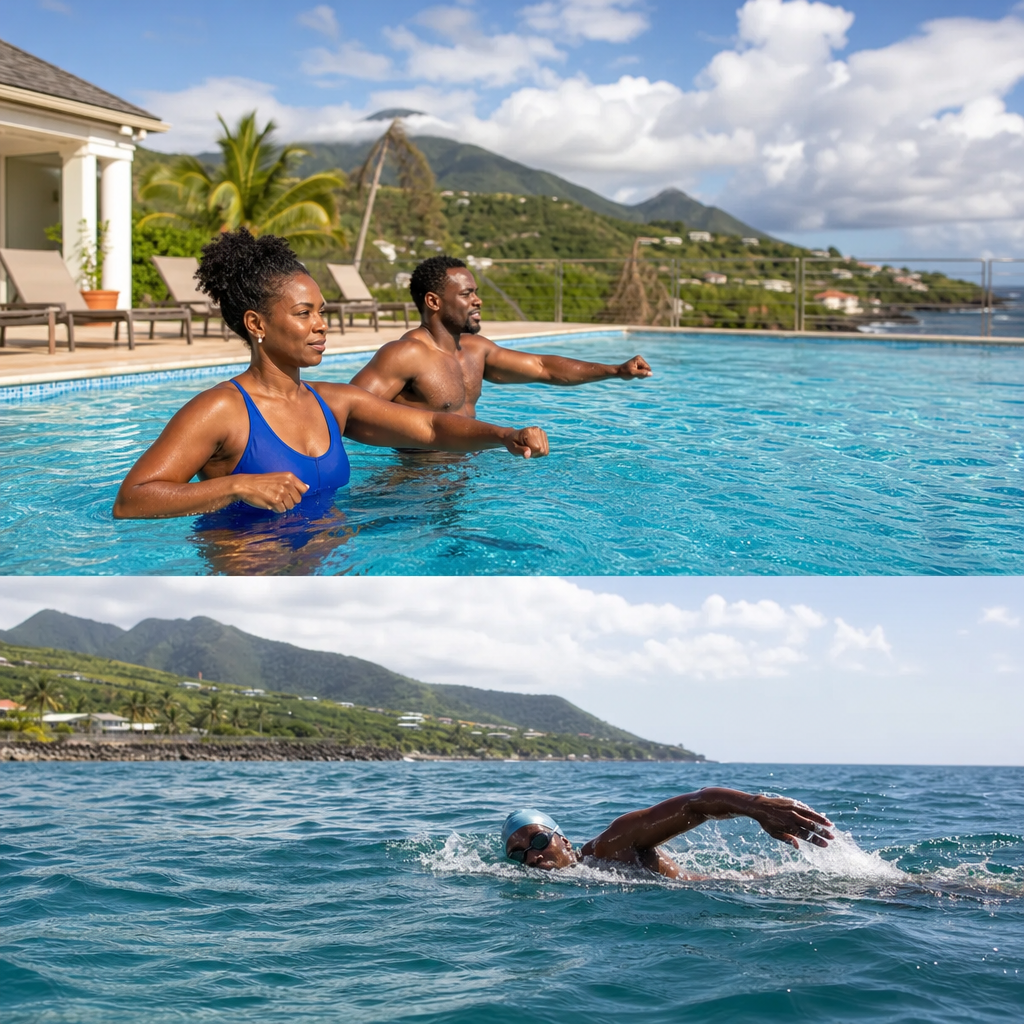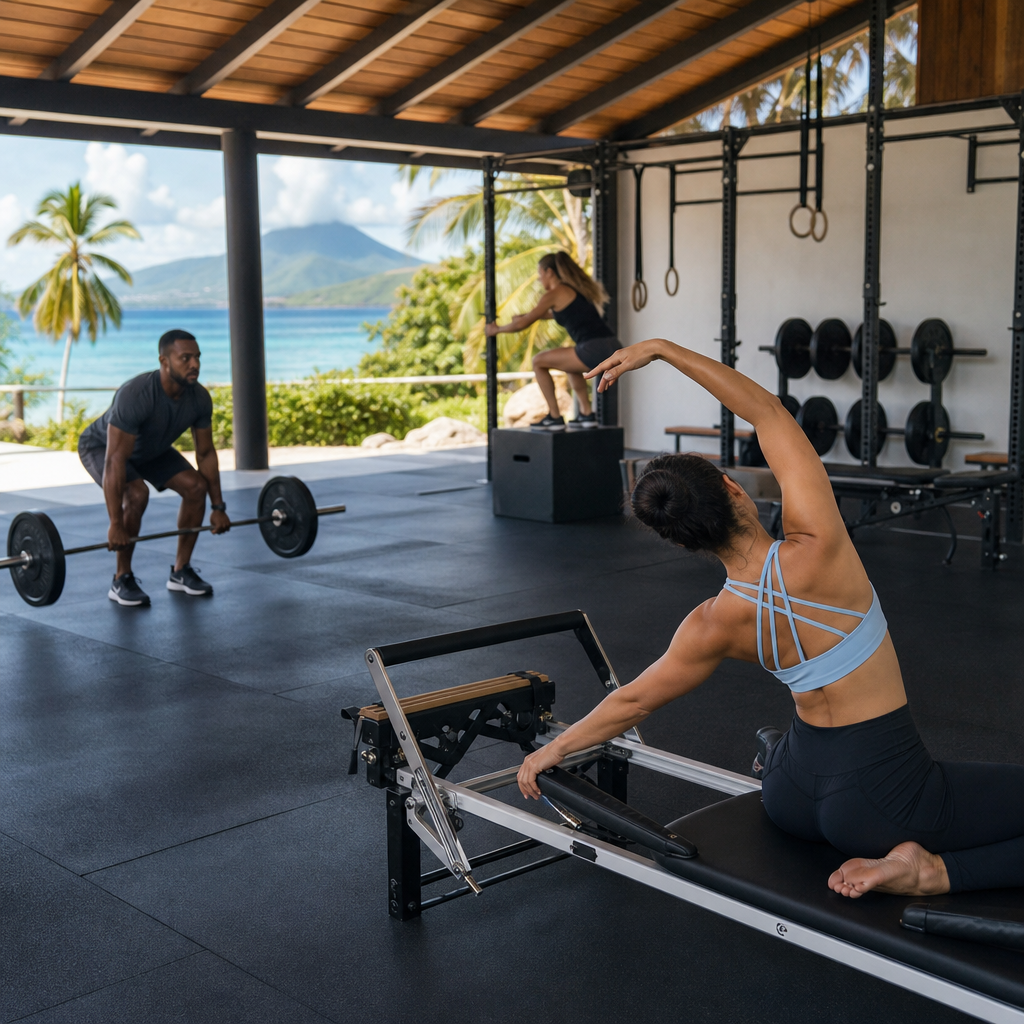
Saint Kitts’ fitness scene has evolved far beyond a handful of hotel gyms, and today the island offers a practical mix of Pilates, CrossFit, yoga, strength training, dance fitness, outdoor boot camps, and hybrid wellness studios that serve residents, students, seasonal visitors, and cruise passengers alike. In this hub guide to Saint Kitts’ fitness studios, “fitness studio” means any dedicated space or organized program focused on structured exercise, coaching, and community, whether that happens in a boutique reformer room, an open-air training yard, a boxing studio, or a multipurpose wellness center. “Miscellaneous” matters here because many people searching for health and wellness options are not looking for one narrow discipline; they want to compare formats, understand local conditions, and choose a setting that matches their schedule, budget, and goals. I have worked with Caribbean wellness businesses on programming, member retention, and class design, and the same pattern appears repeatedly in Saint Kitts: people stay consistent when they find a studio culture that fits the realities of island life, including heat, travel times, tourism cycles, and intermittent access to specialized equipment. A useful hub article must therefore do more than list class names. It should explain what each studio model does best, who benefits most, what questions to ask before joining, and how these options connect across the wider health and wellness landscape on the island. That is especially important in Saint Kitts, where the market is smaller than in large metropolitan areas, meaning many studios combine several services under one roof and instructors often teach across multiple disciplines.
For beginners, the variety can be confusing. Pilates may mean mat classes focused on core control, or reformer sessions using spring resistance and close coaching. CrossFit may mean fully programmed group strength and conditioning using benchmark workouts, Olympic lifting progressions, and scalable movements, or it may simply indicate a high-intensity functional training style. Yoga can range from recovery-focused mobility classes to physically demanding power flows. Personal training may take place inside a studio, on the beach, in a hotel facility, or through a small-group model that resembles a class. Understanding those distinctions helps people avoid signing up for the wrong experience. It also helps local business owners present their offer clearly, an important factor for members who discover studios through search, maps, hotel recommendations, university networks, or word of mouth. This hub covers the miscellaneous middle ground of Saint Kitts’ fitness studios: what exists, how formats differ, where the strongest value lies, and how to decide between them with confidence.
The Saint Kitts fitness market: small island, broad training styles
Saint Kitts has a compact but diverse fitness market shaped by tourism, expatriate communities, medical students, hospitality workers, and local residents balancing family and work commitments. In practical terms, that means studios that survive tend to be flexible. A single operator may offer early-morning strength sessions for professionals, midmorning low-impact mobility for older adults, after-work boot camps, and weekend specialty workshops. This multiuse model is common in island economies because rent, imported equipment costs, and staffing make narrow specialization harder than in larger cities. The upside for members is variety. The downside is that class descriptions can be inconsistent, so asking detailed questions before joining is essential.
Climate influences programming more than many newcomers expect. Saint Kitts is warm year-round, with high humidity and periods of heavier rain, so studios often schedule demanding sessions early in the morning or later in the evening. Air-conditioned indoor spaces have a clear competitive advantage for Pilates, yoga, and strength classes requiring concentration and controlled movement. Outdoor and semi-outdoor programs remain popular because they reduce overhead and fit the island’s lifestyle, but they need smart hydration, shade planning, and weather contingencies. In my experience, the best studios on islands succeed not by copying mainland trends but by adapting proven methods to local conditions without diluting coaching standards.
Pilates in Saint Kitts: core strength, posture, and controlled training
Pilates attracts a broad audience in Saint Kitts because it bridges rehabilitation-style movement and general fitness. People often arrive expecting only abdominal work, but effective Pilates trains breathing mechanics, spinal alignment, pelvic stability, joint control, and full-body strength through precision rather than speed. On an island where many people spend long hours driving, working at desks, standing in hospitality roles, or recovering from inconsistent exercise habits, that emphasis on posture and movement quality is valuable. Mat Pilates is usually the most accessible entry point because it needs minimal equipment and supports larger groups. Reformer Pilates, if available, offers more individualized resistance and feedback, which can be especially helpful for beginners, postpartum clients, and people returning from injury with medical clearance.
Studios offering Pilates do best when they clearly explain session type, instructor qualifications, and class level. A safe beginner class should cover neutral spine, rib positioning, breathing, controlled tempo, and modifications for tight hips, lower-back sensitivity, or limited shoulder mobility. Strong instructors cue movement from the trunk outward rather than chasing intensity for its own sake. That distinction matters because poorly taught Pilates can become a vague core workout, while well-taught Pilates improves body awareness, balance, and movement efficiency in ways that transfer to tennis, running, swimming, and daily life. For many members, it also complements higher-intensity training by reducing stiffness and teaching better control under load.
CrossFit and functional training: intensity, coaching, and community
CrossFit-style training has obvious appeal in Saint Kitts because it combines coaching, camaraderie, and measurable progress. A well-run CrossFit gym or functional training studio offers structured warm-ups, strength work, skill development, conditioning, and scaling for different ability levels. New members often worry that CrossFit is only for advanced athletes, but the defining feature of a good program is adaptation. Movements such as box jumps, pull-ups, thrusters, and deadlifts can all be modified by load, range of motion, tempo, and volume. That allows beginners, older adults, and former athletes to train in the same class safely, provided the coach understands progression and movement standards.
The strongest functional training studios on the island focus less on branding and more on coaching quality. They teach bracing, hinge mechanics, squat depth, shoulder stability, and pacing before pushing intensity. They also maintain equipment well, an important issue in humid, coastal environments where metal corrodes faster and flooring takes more wear. In real terms, members should look for clear onboarding, introductory sessions, and coaches who intervene when technique breaks down. Community is the major retention driver here. People stay with CrossFit-style programs because the class gives them accountability and a visible path forward, from completing their first scaled workout to lifting heavier, moving better, or improving body composition over several months.
Yoga, mobility, and recovery studios fill a critical gap
Not every fitness goal requires harder training. One of the most important parts of the Saint Kitts wellness ecosystem is the set of classes and studios that improve mobility, flexibility, stress management, and recovery. Yoga remains the best-known format, but the category also includes breathwork, stretch sessions, restorative mobility classes, foam rolling workshops, and recovery-focused coaching. These options matter because island lifestyles can be physically uneven: long periods of sitting alternate with intense bursts of work, watersports, hiking, or gym training. Recovery classes help people maintain consistency, manage aches before they become injuries, and regulate stress in a way that supports better sleep and energy.
From a practical standpoint, yoga and mobility studios also serve members who are not ready for a traditional gym environment. Someone with knee discomfort, significant deconditioning, or anxiety about high-intensity classes may find a gentle flow or mobility session to be the most realistic starting point. This is not a compromise. It is often the entry door to sustainable training. The best instructors explain why specific positions matter, when to use props, and how mobility differs from passive stretching. They also keep expectations realistic: yoga can improve range of motion, breathing control, and stress resilience, but it does not replace progressive strength training for bone density or muscle gain.
How studio formats compare for different goals
Choosing between Pilates, CrossFit, yoga, personal training, and boot camp classes becomes easier when you connect each format to a specific outcome. The table below summarizes the strengths, tradeoffs, and ideal user for common studio models seen in Saint Kitts.
| Studio format | Best for | Main advantage | Key limitation |
|---|---|---|---|
| Pilates | Core control, posture, low-impact strength | Excellent movement quality and joint-friendly training | Usually less effective alone for maximal strength or fat loss |
| CrossFit/functional training | Conditioning, strength, accountability | Structured progression and strong community | Requires sound coaching and consistent scaling |
| Yoga/mobility | Flexibility, recovery, stress management | Improves movement options and recovery capacity | Limited stimulus for muscle growth without added resistance |
| Personal training studio | Specific goals, injury history, tailored programming | Highest degree of individualization | Higher cost per session |
| Boot camp/dance fitness | General fitness, enjoyment, social motivation | Accessible and energizing for many beginners | Progress tracking may be less precise |
For body recomposition, a combination model usually works best: two or three strength-focused sessions per week, one mobility or yoga class, and additional walking or recreational activity. For pain-free movement and posture, Pilates plus targeted strength training is often more effective than endless stretching. For people who need motivation more than technical detail, group classes with a strong culture outperform home workouts almost every time. The point is not that one format is universally superior. It is that the right choice depends on what result you need, what environment you enjoy, and what you can maintain for at least twelve weeks.
What to evaluate before joining a Saint Kitts fitness studio
Before committing to any studio membership, ask five questions. First, what is the coach-to-client ratio during your class time? Attention matters more than décor. Second, how are beginners onboarded? A studio that throws new members straight into advanced sessions increases the risk of dropout or injury. Third, what does progression look like after the first month? Good studios can explain how clients move from introductory work to measurable improvement. Fourth, what happens during weather disruptions, instructor absences, or holiday periods? Island operations can be affected by power issues, storms, shipping delays, and seasonal demand swings. Fifth, what exactly is included in the price: classes, assessments, app programming, body composition checks, or open gym access?
Location and parking also matter more than people admit. On a small island, a studio can look close on a map but still be inconvenient around school traffic, cruise days, or after-work congestion. If getting there is stressful, adherence drops. Trial classes are therefore essential. Use them to assess cleanliness, ventilation, equipment condition, music volume, cueing quality, and member interaction. Watch whether instructors remember names, offer modifications, and correct form respectfully. A polished social media page is not enough. The studios that produce results are usually the ones with reliable systems, not the flashiest branding.
How this hub connects the wider health and wellness journey
This miscellaneous hub sits within the broader Health and Wellness topic because fitness studios rarely operate in isolation. A member may start with Pilates for back discomfort, then add nutrition coaching, massage therapy, physiotherapy, or strength training as confidence grows. Another person may join CrossFit for weight loss, then discover they need mobility work, better sleep habits, and a sports medicine assessment to keep progressing. The most useful wellness content reflects that reality. It helps readers move from curiosity to action by showing how services fit together instead of presenting them as separate silos.
In Saint Kitts, that interconnected approach is especially important because referrals often drive outcomes. Coaches send clients to physical therapists when pain exceeds normal training soreness. Yoga instructors encourage strength work to support joint stability. Personal trainers recommend blood pressure checks, hydration strategies, and recovery planning for clients exercising in heat. Hotels and tourism operators increasingly recognize the value of fitness access for guests who want more than a beach holiday. Universities and employers likewise benefit from promoting accessible movement options because exercise supports concentration, stress control, and long-term health markers. A good hub page should make these relationships visible, helping readers explore the right next article, class type, or provider without confusion.
Conclusion: finding the right studio is about fit, not trends
Saint Kitts’ fitness studios offer more range than many visitors and even some residents expect, from precise Pilates instruction to demanding CrossFit workouts, restorative yoga, personal training, and versatile hybrid classes. The best choice depends on your goals, injury history, schedule, budget, and motivation style, not on what is most fashionable. If you want better posture, movement quality, and low-impact strength, Pilates is a strong starting point. If you want structured conditioning, accountability, and measurable performance gains, functional training or CrossFit may suit you better. If recovery, flexibility, and stress relief are the priority, yoga and mobility classes deserve serious attention. Most people, however, benefit from combining formats rather than committing to one forever.
That is the main advantage of using this miscellaneous hub as your starting point within Health and Wellness. It gives you a clear framework for evaluating Saint Kitts fitness studios, understanding what each model does well, and spotting the practical details that determine long-term success. Choose a studio with qualified coaching, sensible progression, and a culture that makes you want to return next week, not just tomorrow. Then keep exploring the related health and wellness resources connected to this hub so your training, recovery, and daily habits support each other. Start with one trial class, ask better questions, and build a routine you can actually sustain.
Frequently Asked Questions
What kinds of fitness studios and training styles can you find in Saint Kitts?
Saint Kitts now offers a much broader fitness mix than many first-time visitors expect. In addition to traditional gym environments, the island includes Pilates classes, yoga studios, CrossFit-style training, strength and conditioning programs, dance fitness sessions, outdoor boot camps, personal training, circuit-based group workouts, and hybrid wellness spaces that combine movement, recovery, and lifestyle coaching. Some studios focus on specialized methods such as reformer Pilates, mobility training, functional fitness, or athletic performance, while others are designed to be more approachable for general health, weight management, and social accountability.
This variety matters because fitness on the island serves several different audiences at once. Residents may want consistency, progressive coaching, and community. University students often look for flexible schedules, affordable class packs, and high-energy group sessions. Seasonal visitors and cruise passengers usually prioritize convenience, short-term access, and classes that fit around sightseeing or work travel. As a result, many Saint Kitts fitness businesses have adapted by offering drop-ins, small-group coaching, multi-level classes, and outdoor formats that make the most of the island’s climate and scenery.
In practical terms, “fitness studio” in Saint Kitts can mean a polished indoor training space with scheduled classes, a boutique Pilates or yoga room, a strength-focused coaching facility, or an organized outdoor group that meets at beaches, parks, or open-air community spaces. The common thread is structured exercise, instruction, and a sense of community. That makes the island’s fitness scene appealing not just to dedicated athletes, but also to beginners, busy professionals, and travelers who want to stay active without committing to a large commercial gym membership.
Are fitness studios in Saint Kitts suitable for beginners, or are they mostly geared toward experienced athletes?
Most fitness studios in Saint Kitts are designed to accommodate a wide range of ability levels, and beginners should not assume that classes are only for seasoned athletes. While certain formats such as CrossFit, high-intensity interval training, or advanced strength sessions may sound intimidating, many studios build in scaling options, movement modifications, and introductory coaching. A well-run studio will typically explain technique, adjust loads or intensity, and help new participants learn proper form before pushing pace or complexity.
Pilates and yoga are especially popular entry points for newcomers because they emphasize body awareness, mobility, core control, and gradual progress. These formats can help people build confidence before branching into more demanding classes. Strength training studios and boot camps often provide beginner-friendly options too, particularly when the coaching is small-group or semi-private. In those settings, trainers can correct movement patterns and tailor exercises to someone who is new to exercise, returning after a long break, or managing minor limitations.
That said, not every class will feel the same. Some sessions are intentionally athletic, fast-paced, and performance-focused, while others are more technique-driven and accessible. The best approach is to ask a studio directly about class level, coaching style, and first-time participant expectations. Reputable operators are usually clear about whether a session is beginner-friendly, what to bring, and how early to arrive. If you are unsure, starting with a fundamentals class, a private session, or a lower-impact format is often the smartest way to enter the Saint Kitts fitness scene comfortably and safely.
Can visitors, cruise passengers, and short-term travelers use fitness studios in Saint Kitts without a membership?
Yes, many fitness studios in Saint Kitts are well-positioned to serve short-term users, including tourists, business travelers, seasonal residents, and cruise passengers. Because the island welcomes a steady flow of visitors, studios often understand that not everyone wants a monthly membership. It is common to find drop-in rates, day passes, single-class bookings, short-term packages, or pay-as-you-go options. This flexibility is one of the biggest reasons the local fitness scene has become more practical and accessible for people who are only on island briefly.
For cruise passengers in particular, the main consideration is timing and transportation. If your ship is in port for only a limited number of hours, look for a studio with a straightforward booking process, clear class start times, and a location that is easy to reach from the port area. Some travelers prefer a structured class such as Pilates, yoga, or circuit training, while others may choose an outdoor boot camp or personal training session that offers more schedule adaptability. Visitors staying at hotels or villas may also find that local instructors collaborate with hospitality properties or provide mobile, on-site sessions.
Before booking, it is wise to confirm several details: whether equipment is provided, whether pre-registration is required, what the cancellation policy is, and whether the studio accepts card payments or prefers local payment methods. If you are traveling with limited gear, ask if mats, towels, or water are available. If you want to maintain a regular training program while on vacation, some studios also offer weekly packages that can be more economical than paying for individual classes. Overall, Saint Kitts is increasingly visitor-friendly when it comes to fitness access, but a little planning helps ensure a smooth experience.
How do I choose between Pilates, CrossFit, yoga, strength training, and boot camp classes in Saint Kitts?
The right choice depends on your goals, training history, and preferred atmosphere. If your priority is core strength, posture, controlled movement, flexibility, and low-impact conditioning, Pilates is often an excellent fit. Yoga can be ideal if you want mobility, stress relief, breathwork, balance, and a mind-body approach, though some yoga classes can also be physically demanding. CrossFit-style training generally appeals to people who enjoy measurable progress, varied workouts, functional movements, and a strong group culture. Strength training is often best for those focused on building muscle, improving body composition, developing long-term fitness capacity, or learning proper lifting technique.
Boot camps and circuit classes usually sit in the middle as versatile, high-energy options that combine cardio and strength in a social setting. They can be a strong choice if you want a challenging workout without specializing in one single method. Dance fitness, meanwhile, may suit people who are motivated by music, rhythm, and a less traditional exercise environment. Hybrid wellness studios can also be appealing if you want a mix of classes and supportive services such as mobility work, recovery sessions, or nutritional guidance.
When deciding, think beyond the workout label. Consider the coaching quality, class size, available modifications, scheduling convenience, and whether the studio culture feels motivating to you. One person may thrive in the competitive energy of a CrossFit box, while another gets better results in a quieter Pilates setting with more precision and individual feedback. If possible, try an introductory class in two or three different formats. On an island like Saint Kitts, where the fitness community is diverse but still personal, finding the right fit often comes down to the environment and coaching as much as the training style itself.
What should I look for in a quality fitness studio in Saint Kitts before signing up?
A strong fitness studio should offer more than just equipment or an attractive space. Start with coaching quality. Instructors should communicate clearly, demonstrate movements well, correct form appropriately, and provide options for different fitness levels. Good coaching is especially important in formats such as CrossFit, strength training, boot camps, and Pilates, where technique directly affects both results and safety. You should feel that the staff are attentive, organized, and invested in helping clients progress rather than simply moving people through a class.
Next, look at programming and consistency. A quality studio typically has a clear structure to its classes, whether that means progressive strength blocks, thoughtfully sequenced Pilates sessions, balanced yoga offerings, or boot camp workouts that vary without feeling random. Cleanliness, equipment condition, ventilation, and overall professionalism also matter. In Saint Kitts, some studios operate in open-air or semi-outdoor environments, which can be a major advantage in terms of atmosphere, but the space should still feel safe, well-maintained, and suitable for the type of training being offered.
Community and convenience are also worth weighing carefully. One of the strengths of the Saint Kitts fitness scene is its sense of connection, and a welcoming studio can make a big difference in long-term consistency. Check whether the schedule matches your lifestyle, whether booking is easy, and whether the location works for where you live or stay on island. Pricing should be transparent, and the studio should clearly explain memberships, class packs, drop-ins, and visitor options. Finally, reviews, social media activity, and word-of-mouth recommendations can provide useful insight into reliability and client experience. A studio that combines skilled instruction, a positive environment, and practical access is usually the best long-term choice.