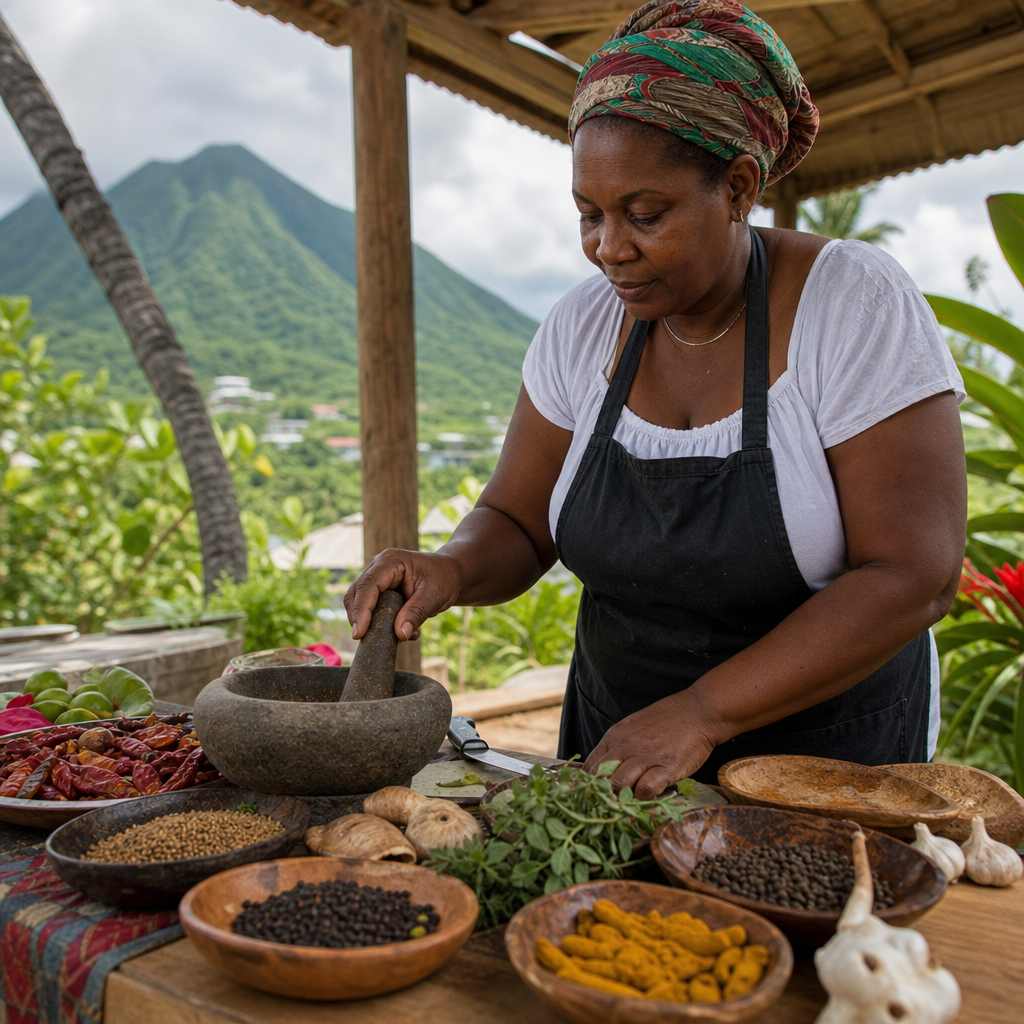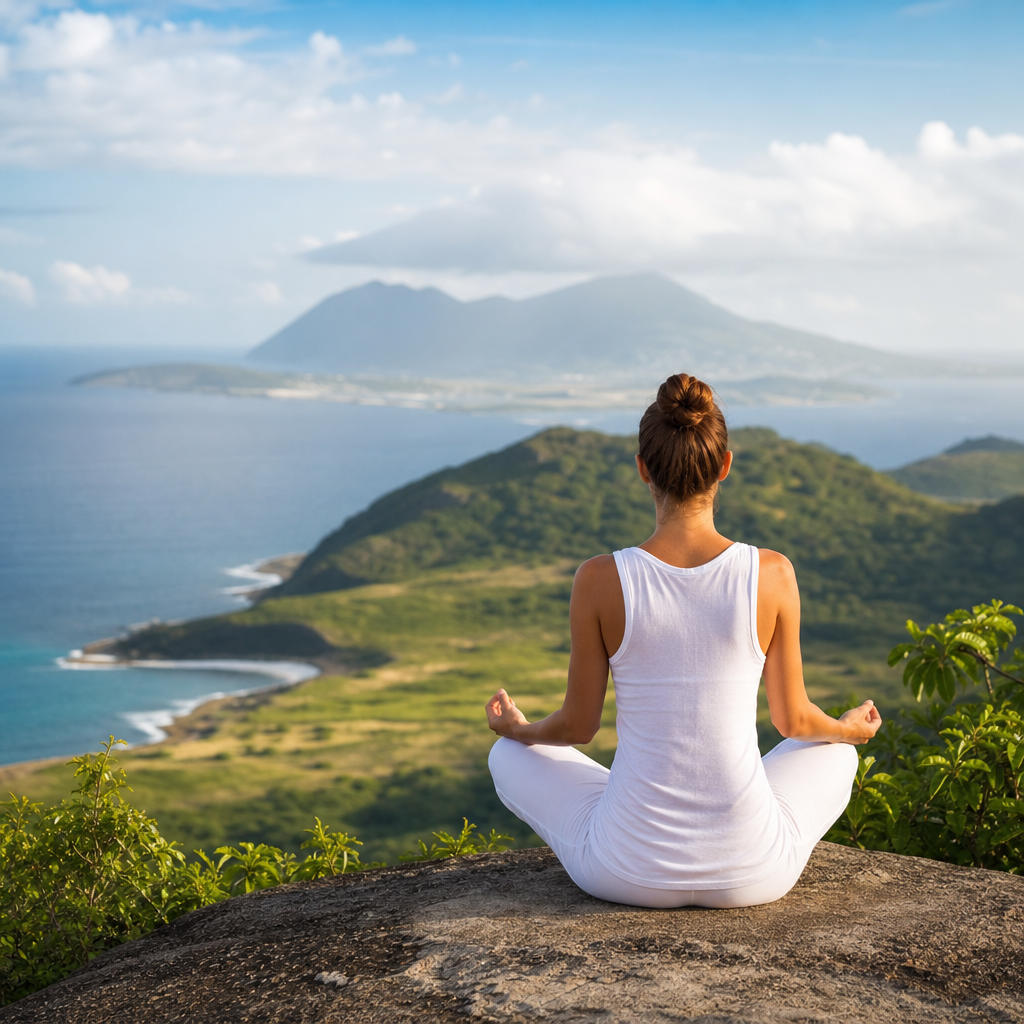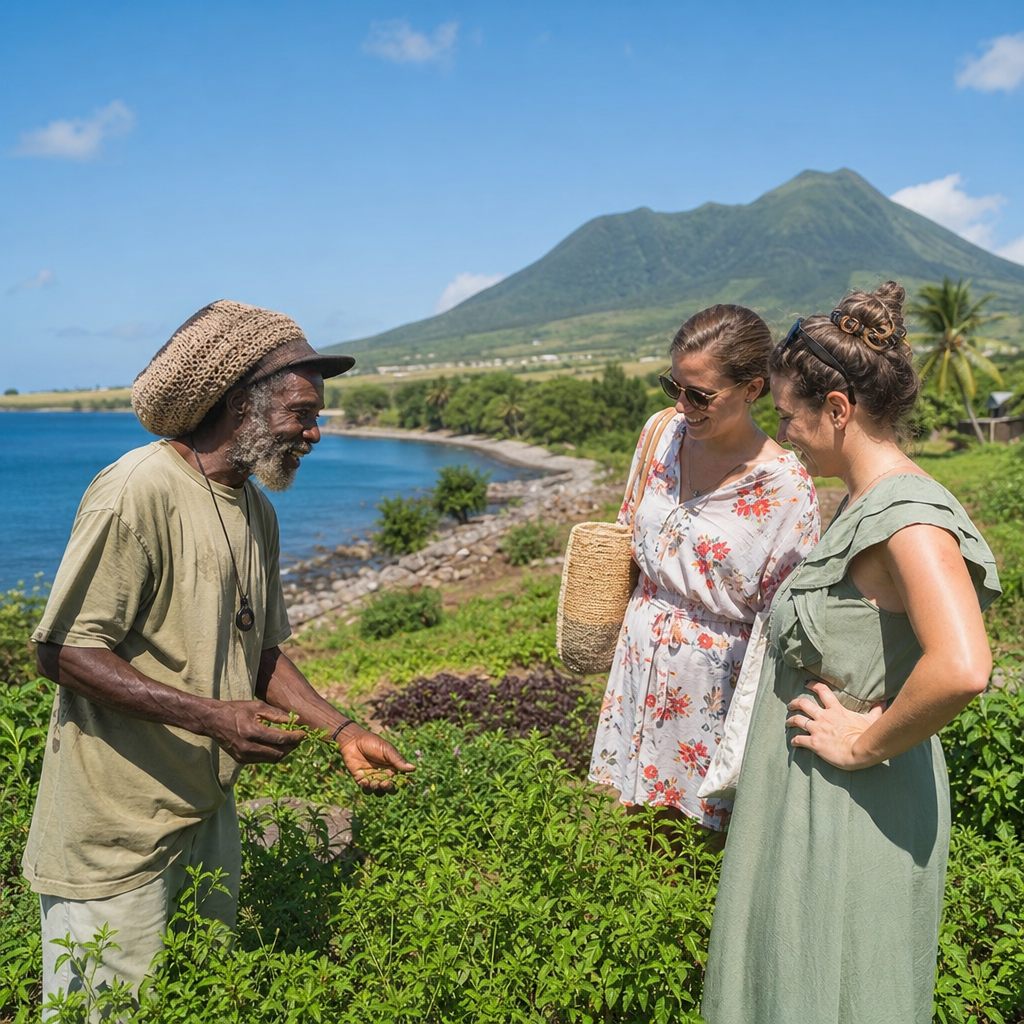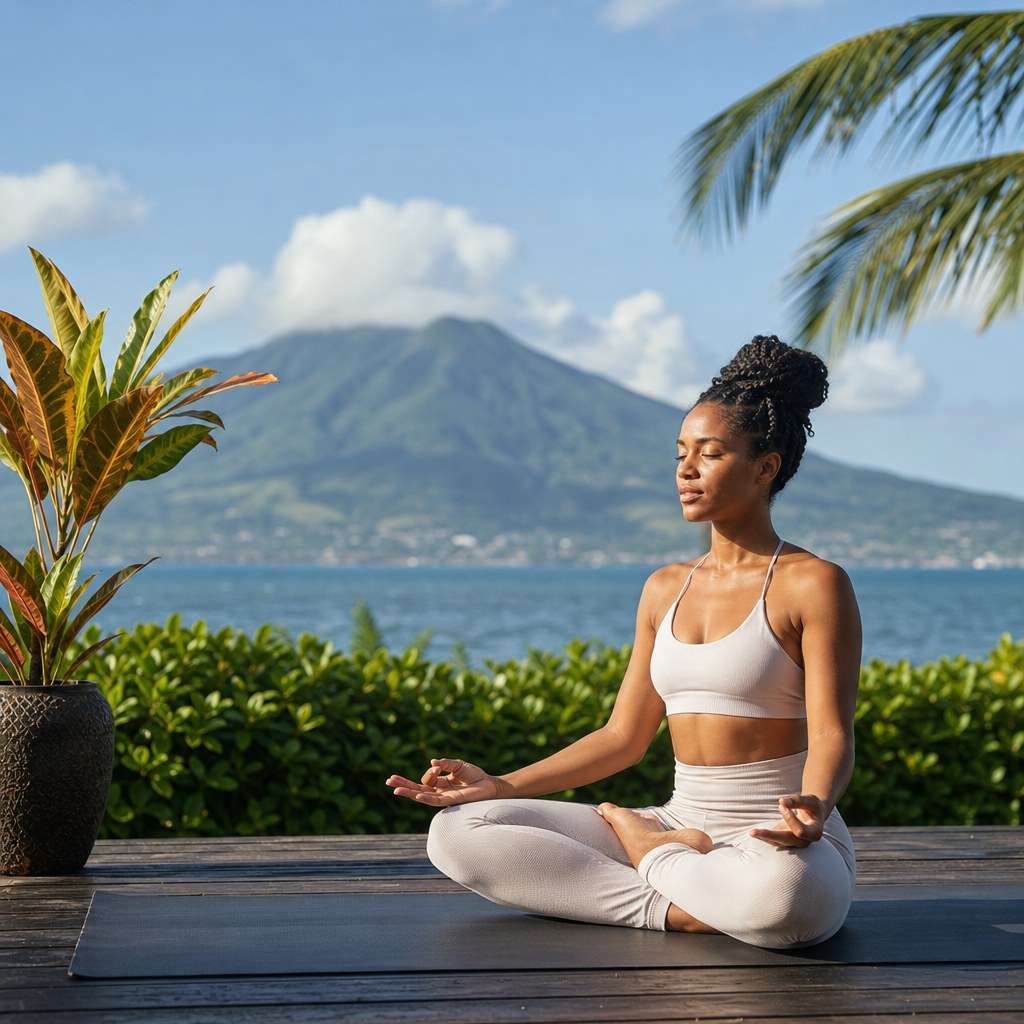
Nevis’ mind-body wellness scene blends yoga, meditation, nature, and community into a practical approach to better health. On this small Caribbean island, wellness is not treated as a luxury add-on or a resort trend. It is woven into daily life through sunrise movement classes, quiet walking trails, beach breathing sessions, and restorative practices shaped by the island’s slower rhythm. In simple terms, mind-body wellness means caring for physical health and mental health together, rather than separating stress, sleep, movement, focus, and emotional balance into different boxes. Yoga uses posture, breath, and attention to improve strength, mobility, and nervous system regulation. Meditation trains awareness, helping people notice thoughts without being ruled by them. When these practices are integrated, they support resilience, recovery, and a steadier mood.
I have worked with travelers and wellness operators in Caribbean destinations, and Nevis stands out because the island naturally supports consistency. The terrain encourages walking, the coastline invites reflection, and the culture values conversation, rest, and time outdoors. That combination matters. Research from the World Health Organization continues to link physical inactivity, chronic stress, poor sleep, and social isolation with long-term health risks. A wellness destination only helps if it makes healthier behavior easier to repeat. Nevis does that well. For visitors, it offers a concentrated reset. For residents, it provides a setting where yoga and meditation can fit real schedules instead of becoming occasional goals. This hub article explains how Nevis supports mind-body wellness, what types of yoga and meditation work best there, what benefits people can realistically expect, and how to build a sustainable practice on the island.
Why Nevis supports mind-body wellness so effectively
Nevis is unusually well suited to integrated wellness because its environment reduces friction. The island is compact, calm, and less commercialized than many Caribbean destinations, which lowers sensory overload before any formal practice begins. Nevis Peak, coastal roads, botanical richness, and open water create natural cues for slower breathing and attentional recovery. Environmental psychology has long shown that green and blue spaces help restore focus and reduce mental fatigue. On Nevis, those spaces are not isolated attractions; they are part of everyday movement between villages, inns, and beaches.
The climate also shapes the practice style. Early morning and late afternoon sessions are most comfortable, which aligns with circadian biology. Morning yoga can support alertness, mobility, and intention setting, while evening meditation helps reduce cognitive arousal before sleep. Because temperatures rise quickly, teachers on Nevis often adapt class intensity with shade, slower sequencing, hydration breaks, and breath-led pacing. That practical adjustment is important. Effective wellness programming is not about pushing harder; it is about matching method to conditions so that people can return the next day without strain.
Another factor is social scale. On a smaller island, wellness providers often know their students, accommodations, mobility limitations, and travel schedules. That allows more personalized recommendations than large anonymous class settings. A teacher may suggest gentle vinyasa for a fit hiker, chair-supported mobility for an older guest, or guided breathwork for a business traveler arriving dysregulated after flights. Those small corrections improve safety and adherence. In my experience, this is where Nevis performs better than trend-driven wellness markets: personalization is often built into the culture rather than sold as an upgrade.
How yoga on Nevis fits different bodies, goals, and schedules
Yoga on Nevis is best understood as a spectrum, not a single class style. Visitors often imagine dramatic beach poses, but the most valuable sessions are usually the most accessible. Gentle hatha classes build joint mobility, balance, and body awareness. Slow vinyasa links breath to movement and works well for people seeking a moderate physical challenge. Restorative yoga uses props and supported postures to downshift the nervous system, making it especially useful for stress, jet lag, and recovery after hikes or water sports. Yin yoga, where poses are held longer, can complement active travel by targeting fascia and improving tolerance for stillness. For some groups, trauma-informed teaching is also relevant because it emphasizes choice, pacing, and clear language.
On Nevis, the setting changes the experience. A shaded garden class encourages grounded attention through birdsong and natural airflow. A beachfront session can help students connect breath timing to wave rhythm, which many find easier than following abstract instructions. Indoor sessions remain important too, especially during stronger heat, sudden rain, or when concentration matters more than scenery. Good teachers use the environment as support, not distraction. They cue alignment, load management, and breathing first, then let the setting deepen the practice.
Scheduling matters as much as style. For beginners, twenty to forty minutes is often enough. A realistic weekly rhythm might include two movement-based sessions, one restorative session, and brief daily breathing practice. Travelers trying to do ninety minutes every day frequently overreach, then stop. Residents balancing work and family usually do better with repeatable sessions built around school runs, hospitality shifts, or morning errands. Sustainable yoga on Nevis is less about intensity than cadence. If the practice leaves enough energy for walking, swimming, and quality sleep, it is doing its job.
Meditation in Nevis: practical techniques that work in island life
Meditation can feel intimidating when it is described as clearing the mind. That is not the goal. On Nevis, the most effective meditation instruction usually starts with simpler objectives: notice the breath, feel the body, observe sound, or return attention when it wanders. Breath awareness is the easiest entry point because it requires no equipment and can be practiced almost anywhere, from a veranda to a quiet beach bench. Body scan meditation is useful for people carrying travel tension in the jaw, shoulders, hips, and lower back. Walking meditation fits naturally on Nevis because the island offers short, scenic routes where people can focus on pace, foot contact, and surrounding sound without urban interruption.
Loving-kindness meditation also has a place in community-oriented settings. This technique uses phrases of goodwill directed toward oneself and others, which can support emotional regulation and reduce social friction. It is especially helpful for people who are restless in silent practice but respond to guided structure. For high-stress professionals, I often recommend a short sequence: two minutes of longer exhalations, five minutes of breath awareness, and three minutes of intention setting. That ten-minute format is easy to maintain during a trip and realistic after returning home.
The key is consistency over duration. Evidence from mindfulness research shows that regular brief sessions often outperform occasional long sessions because repetition builds attentional skill. Nevis supports that repetition. Meditation can happen before breakfast, after a swim, or at sunset without requiring a studio booking. The island’s quiet does not automatically create focus, but it makes focus easier to practice. That distinction matters for anyone seeking results they can transfer into work, relationships, and sleep.
Health benefits, limits, and what people can realistically expect
Yoga and meditation offer measurable benefits, but clear expectations are essential. Yoga can improve flexibility, balance, and muscular endurance, particularly in older adults and sedentary people. It may also reduce low back pain when taught with sound biomechanics and appropriate modifications. Meditation can lower perceived stress, improve emotional regulation, and support sleep quality. Breath-focused practices can help reduce acute physiological arousal by increasing parasympathetic activity. These outcomes are meaningful, but they are not instant and they are not identical for everyone.
People often ask how quickly they will feel different. On Nevis, many visitors notice short-term effects within a few sessions: slower breathing, less muscle tension, better mood, and a stronger sense of presence. More durable changes, such as improved mobility, reduced reactivity, or better sleep patterns, usually require several weeks of regular practice. For chronic pain, trauma, or significant anxiety, yoga and meditation are supportive tools, not substitutes for qualified medical or psychological care. The safest guidance is integrative: combine mind-body practices with clinical advice when symptoms are persistent, severe, or worsening.
| Practice | Best for | Typical session length | Common benefit |
|---|---|---|---|
| Gentle hatha yoga | Beginners, older adults, mobility support | 30 to 60 minutes | Balance, flexibility, body awareness |
| Slow vinyasa | Moderately active adults | 45 to 60 minutes | Strength, coordination, breath control |
| Restorative yoga | Stress, jet lag, recovery | 30 to 75 minutes | Relaxation, nervous system downshift |
| Breath awareness meditation | Anyone starting meditation | 5 to 20 minutes | Improved focus and calm |
| Walking meditation | Restless minds, outdoor practice | 10 to 30 minutes | Attention training through movement |
There are also limitations worth naming. Outdoor classes can be affected by heat, insects, and uneven surfaces. Some students with hypermobility need more strength and stability than passive stretching. Some meditation styles can feel activating rather than calming, especially for people with unresolved trauma. Skilled instruction matters. A competent Nevis teacher will offer props, pacing options, hydration reminders, and referrals when a student needs medical assessment instead of another class.
Building a complete wellness routine in Nevis beyond classes
A strong mind-body wellness plan on Nevis includes more than scheduled sessions. The island works best when yoga and meditation are paired with movement, food, rest, and digital boundaries. Walking is the easiest addition. Short coastal walks after meals support digestion and glucose control while extending the reflective benefits of meditation. Swimming adds low-impact conditioning and can improve mood through rhythmic breathing and sensory immersion. Hiking on Nevis Peak or gentler inland trails builds cardiovascular capacity, but it should be balanced with recovery work because heat and elevation can increase fatigue quickly.
Nutrition is part of the equation as well. Many visitors feel better simply by eating more regularly, drinking more water, and choosing lighter meals around practice times. Fruit, vegetables, grilled fish, legumes, and adequate electrolytes matter more than any fashionable detox language. Alcohol and heavy late dinners often undermine sleep, which then reduces the perceived benefits of yoga and meditation. Good wellness providers on Nevis address these basics because they influence outcomes more than branded add-ons.
Sleep is the multiplier. Evening wind-down routines are particularly effective on the island: reduce bright screens, take a short walk, stretch for ten minutes, then sit quietly with slow nasal breathing. I have seen that simple sequence help travelers shift out of work mode faster than complicated biohacking routines. Finally, protect attention. If every beach meditation is interrupted by email, the practice remains shallow. A realistic digital rule, such as checking messages only after morning practice, often creates the space where real restoration begins.
Choosing teachers, retreats, and local experiences wisely
Not every wellness offering on Nevis is equal, so selection matters. Start with teacher qualifications. Look for instructors trained through recognized schools, with clear experience teaching beginners, older adults, or therapeutic populations if relevant. Ask how they modify poses, manage heat, and structure meditation for first-timers. Good answers are specific. Vague claims about transformation are less useful than practical explanations about alignment, sequencing, contraindications, and progression.
Retreats can be valuable if they balance structure and rest. The best ones on Nevis combine daily practice with unscheduled time, local food, walking, and realistic expectations. Overpacked itineraries often recreate the stress people came to reduce. Small-group formats generally work better because teachers can learn names, watch movement patterns, and adapt meditation length to the group’s energy. Private sessions are worth considering for complete beginners, people recovering from injury, or travelers who want a customized plan they can continue after the trip.
This miscellaneous hub under Health and Wellness should also connect readers to related topics that deepen the Nevis experience: spa therapies, nature-based recreation, healthy dining, sleep-focused travel planning, stress management, and recovery after active excursions. As you explore those related articles, use this page as the framework. Start with your goal, choose the right practice style, keep sessions repeatable, and evaluate success by how you feel across the whole day. Nevis’ mind-body wellness advantage is integration. When yoga and meditation are anchored in the island’s landscape, schedule, and community, they become more than activities. They become habits that support calmer thinking, better movement, and a healthier relationship with time. If you are planning a wellness-focused stay or refining a local routine, begin with one class, one short meditation, and one protected hour of quiet this week.
Frequently Asked Questions
What does mind-body wellness mean in the context of Nevis?
In Nevis, mind-body wellness refers to a practical, everyday approach to health that connects physical movement, mental calm, emotional balance, and the natural environment. Rather than separating exercise from stress management or treating self-care as an occasional indulgence, the island’s wellness culture brings these elements together in a way that feels accessible and sustainable. Yoga classes at sunrise, meditation by the sea, mindful walks on quiet trails, and simple breathing practices are all examples of how wellness becomes part of daily life instead of a special event.
This integrated approach matters because the body and mind constantly influence one another. Physical tension can heighten stress and anxiety, while mental overload can affect sleep, energy, digestion, and overall resilience. On Nevis, the slower pace, strong sense of community, and closeness to nature support practices that help regulate both. The result is a model of wellness that is grounded, not performative: people use yoga to improve strength, flexibility, and posture, but also to settle the nervous system; they use meditation not to “escape,” but to gain clarity, steadiness, and a better ability to respond to everyday pressures. That balance is what defines mind-body wellness on the island.
Why are yoga and meditation such a natural fit for Nevis’ wellness culture?
Yoga and meditation fit naturally into Nevis’ wellness culture because the island’s environment already encourages many of the conditions these practices are designed to cultivate: presence, calm, routine, and connection. Nevis is not built around constant rush and overstimulation. Its quieter roads, open coastline, green hillsides, and unhurried rhythm make it easier for people to slow down enough to notice their breathing, posture, thoughts, and energy levels. That setting supports both the physical discipline of yoga and the inward focus of meditation in a way that feels intuitive rather than forced.
There is also a strong practical side to this fit. Yoga can be adapted to many ages, fitness levels, and health goals, making it useful for visitors and residents alike. Some may come for strength and mobility, others for recovery, stress relief, or better sleep. Meditation works similarly: it does not require special equipment or advanced ability, and it can be practiced in short sessions on a beach, in a garden, or after a walk. In Nevis, both practices are often paired with the natural landscape, which helps deepen their effects. The sound of waves can anchor attention during breathing exercises, and outdoor movement can reduce mental fatigue while increasing a sense of groundedness.
Just as importantly, the island’s community-oriented culture reinforces consistency. Wellness in Nevis often happens in shared spaces through group classes, informal gatherings, and supportive routines rather than in isolated, highly commercial settings. That social element helps people stay engaged and makes yoga and meditation feel like part of real life. Instead of chasing perfection, the focus is usually on feeling better, functioning better, and creating habits that can be maintained over time.
How do nature and the island’s slower pace enhance yoga and meditation practices?
Nature and pace are central to why wellness practices often feel especially effective in Nevis. When people practice yoga or meditation in environments with fewer distractions, the nervous system has a better chance to shift out of constant alertness. Open air, natural light, ocean sounds, and green surroundings can help reduce sensory overload and support a calmer mental state. This does not mean nature alone solves stress, but it does create conditions that make mindful movement and meditation easier to access and sustain.
The island’s slower rhythm also changes how people engage with these practices. In faster-paced environments, yoga can become another task to complete and meditation can feel like one more item on a packed schedule. In Nevis, there is more space for these activities to be approached with intention. A sunrise class is not just exercise; it can become a transition into the day. A beach breathing session is not merely symbolic; it can serve as a real reset for the body and mind. Even a quiet walk can function as an extension of meditation when attention is placed on breath, footfall, and surroundings.
This combination of natural beauty and reduced urgency often improves consistency, which is where many wellness benefits come from. People are more likely to return to practices that feel restorative rather than pressured. Over time, regular yoga and meditation in a calm setting can support better concentration, improved mood, lower perceived stress, healthier sleep patterns, and greater body awareness. Nevis does not simply provide a backdrop for wellness; it actively shapes the experience by making it easier to slow down, pay attention, and reconnect with basic habits that support health.
Can beginners benefit from yoga and meditation in Nevis, or is it mainly for experienced practitioners?
Beginners can absolutely benefit from yoga and meditation in Nevis, and in many ways the island is an ideal place to start. One reason is that the local wellness atmosphere is often more welcoming and less intimidating than highly performance-driven settings. Many people are introduced to these practices in simple, approachable ways, such as gentle stretching at sunrise, guided breathwork on the beach, or short meditation sessions focused on relaxation and awareness. This helps remove the common misconception that yoga requires extreme flexibility or that meditation demands a completely quiet mind.
For new practitioners, the benefits can be immediate and practical. Gentle yoga can improve mobility, posture, circulation, and muscular balance while also teaching better breathing habits. Meditation can help beginners notice stress patterns, reduce mental clutter, and develop a greater sense of steadiness in daily life. In a place like Nevis, these practices are often taught in ways that emphasize feeling and function over appearance. That makes it easier for people to listen to their bodies, move at an appropriate pace, and build confidence without pressure.
Experienced practitioners also benefit, of course, because the environment supports deeper focus and consistency. But expertise is not a requirement. In fact, many people discover that starting in a calm, nature-connected setting helps them establish a healthier long-term relationship with wellness. The key is choosing practices and class formats that match current ability, health status, and goals. Whether someone is seeking stress relief, a stronger body, improved flexibility, or simply a more balanced routine, Nevis offers a setting where beginners can build those foundations comfortably and effectively.
How can someone incorporate Nevis-inspired mind-body wellness into everyday life?
Adopting a Nevis-inspired approach to mind-body wellness does not require living on the island or following a complicated routine. The core idea is to integrate small, consistent practices that support physical and mental health together. A good starting point is to create simple anchors in the day: a few minutes of stretching or yoga in the morning, intentional breathing before work, a walk outdoors without constant phone use, and a brief meditation or quiet reflection in the evening. These habits mirror the island’s emphasis on rhythm, presence, and practicality.
It is also helpful to rethink wellness as something woven into ordinary life rather than reserved for weekends, retreats, or moments of burnout. That may mean taking movement outdoors when possible, using natural settings to reduce mental fatigue, or participating in community-based activities that make healthy habits easier to sustain. Even basic actions such as eating more mindfully, pausing between tasks, and noticing signs of stress in the body can support a stronger mind-body connection. The goal is not perfection but awareness and repetition.
To make this approach effective, consistency matters more than intensity. A 10-minute breathing and mobility session done regularly can be more beneficial than an occasional, overly ambitious routine that is hard to maintain. Many people find it useful to combine three elements: movement for the body, stillness for the mind, and time in nature for regulation and perspective. That combination reflects the essence of Nevis’ wellness culture. It is balanced, sustainable, and grounded in the idea that better health often comes from simple practices done with intention, supported by environment, routine, and community.