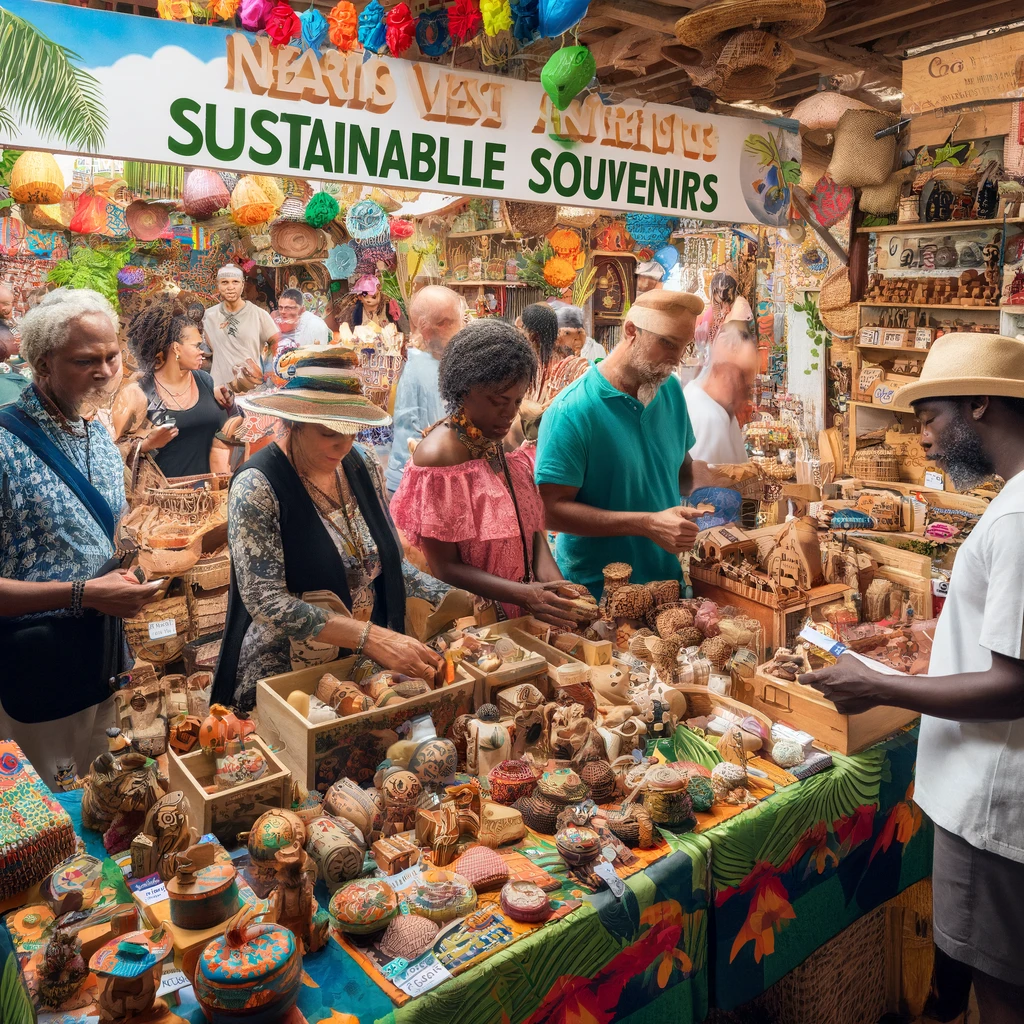
Saint Kitts, a gem in the Caribbean, is known for its pristine beaches, lush landscapes, and vibrant culture. However, like many idyllic destinations, it faces challenges related to environmental sustainability. Sustainable tourism aims to minimize tourism’s negative impacts while enhancing the economic benefits to the local communities. One effective way for tourists to engage in sustainable practices is by participating in beach clean-up activities. This not only helps preserve the natural beauty of the island but also fosters a deeper connection between visitors and the destination.
The Importance of Beach Clean-Ups
Beach clean-ups are vital in maintaining the health and beauty of coastal environments. They help in removing trash, which can be harmful to marine life, and prevent pollutants from entering the ocean. Moreover, clean beaches are essential for the tourism industry in St. Kitts, as they attract more visitors looking for unspoiled natural settings. By joining clean-up activities, tourists contribute directly to the conservation efforts and help ensure that future generations can also enjoy the island’s beaches.
How Tourists Can Get Involved
Organized Beach Clean-Ups
Many local organizations and hotels in St. Kitts organize regular beach clean-ups. Tourists can join these events, which are often advertised at hotel receptions or tourist information centers. These organized events typically provide all the necessary equipment, such as gloves and garbage bags. They are also a great opportunity to meet other tourists and locals who share a commitment to environmental preservation.
Independent Clean-Ups
For those who prefer a more flexible schedule, independent clean-ups are an option. Visitors can simply take along a bag during their beach visits and pick up any litter they see. This can be done alone, with family, or with friends, making it a versatile and straightforward way to contribute.
Educational Activities
Some clean-ups are combined with educational programs. These programs aim to inform participants about the types of waste most commonly found on beaches and their impacts on marine ecosystems. Understanding the sources and effects of marine debris can greatly enhance the effectiveness of clean-up efforts and inspire more sustainable practices among participants.
Best Practices for Beach Clean-Ups
When participating in beach clean-ups, it’s important to follow certain best practices to ensure safety and maximize the impact of your efforts:
- Use Proper Gear: Always wear gloves to protect your hands from sharp objects and hygiene purposes. Sturdy shoes are also recommended to prevent injuries from hidden objects in the sand.
- Sort the Trash: If possible, sort the trash you collect. Recycling what can be recycled reduces the amount of waste ending up in landfills.
- Be Respectful of Wildlife: Avoid disturbing the local wildlife, including nesting areas for birds and sea turtles.
- Follow Local Guidelines: Some areas might have specific regulations regarding waste collection and disposal. Always adhere to these to ensure that your efforts are in line with local conservation strategies.
The Benefits of Participation
Participating in beach clean-ups has several benefits:
- Environmental Impact: Directly reduces the amount of litter on beaches, promoting a healthier marine ecosystem.
- Educational Value: Participants often learn about environmental issues, which they can share with others, spreading awareness and fostering more sustainable behaviors.
- Community and Cultural Engagement: Engaging with local organizations and communities can enrich the travel experience, providing deeper insights into the local culture and environmental challenges.
- Personal Satisfaction: Contributing to the preservation of the environment can provide a sense of accomplishment and connection to the place visited.
Beach clean-up activities offer tourists in Saint Kitts an opportunity to actively engage in sustainable tourism. These activities not only help protect and preserve the island’s stunning natural landscapes but also provide a platform for education and community engagement. By participating in these efforts, tourists can leave a positive impact on the environment, making their visit memorable not just for the sights they see but for the contribution they make. Sustainable practices like beach clean-ups ensure that the beauty of St. Kitts remains intact and vibrant for future visitors.

Challenges and Solutions in Beach Clean-Ups
While beach clean-ups are beneficial, they face challenges that can hinder their effectiveness. Addressing these challenges is crucial for maintaining the momentum of these initiatives:
Logistics and Funding
Organizing beach clean-ups requires coordination and resources. Transportation, materials, and promotional efforts all need funding. Solutions include partnerships with local businesses, sponsorship from larger corporations, and support from tourist operators who benefit from clean beaches.
Participation Levels
Sometimes, there can be low volunteer turnout. Enhancing awareness through social media, local media, and tourist networks can help. Also, incorporating beach clean-ups into tourist packages as a highlighted activity might encourage more visitors to participate.
Continuous Pollution
Beaches can quickly become re-polluted, particularly in high-traffic areas. Regularly scheduled clean-ups and continuous public education on the effects of littering are vital. Additionally, installing more disposal and recycling bins along beaches can mitigate this issue.
Integrating Clean-Ups into the Broader Tourism Experience
To further enhance the appeal of beach clean-ups, they can be integrated into a broader tourism experience:
Eco-Tours
Combining clean-ups with eco-tours that explore the local flora and fauna can make the activity more engaging. Tour guides can explain the ecological impact of litter, enhancing participants’ overall understanding and appreciation of the environment.
Rewards Programs
Hotels and businesses can offer incentives for tourists who participate in clean-ups, such as discounts on local attractions, dining, or accommodation. This not only motivates tourists to join in the efforts but also promotes businesses that support sustainable practices.
Cultural Exchange
Incorporating elements of local culture into clean-up activities, such as a brief history of the area or a showcase of traditional music, can enhance the experience. This fusion of conservation and culture enriches tourists’ understanding and enjoyment.
The Impact of Sustainable Tourism
The drive towards sustainable tourism in St. Kitts not only helps in environmental conservation but also builds a positive reputation for the island as a responsible destination. Tourists increasingly seek destinations that offer sustainable options, and St. Kitts’ commitment to activities like beach clean-ups serves as a powerful attraction.
Tourists leave with a deeper respect and connection to the island, often becoming advocates for its preservation long after their visit. This ongoing advocacy is invaluable as it promotes St. Kitts globally as an exemplary model of sustainable tourism.
Supporting Long-Term Sustainability
For long-term impact, it is essential to foster a culture of sustainability among both locals and tourists. Educational initiatives should target schools and local communities to instill an understanding of sustainable practices from a young age. Meanwhile, ongoing training for tourism providers ensures that they can effectively communicate the importance of sustainability to visitors.
Conclusion
Beach clean-up activities in Saint Kitts are more than just cleaning efforts; they are a vital part of the island’s commitment to sustainable tourism. They offer tourists an active role in conservation and a chance to positively influence the environment. By participating in these activities, visitors do not merely enjoy the beauty of St. Kitts—they help preserve it. This commitment to sustainability not only enhances the visitor experience but also ensures that the island’s natural charm and ecological health are maintained for generations to come.