Saint Kitts, a gem in the Caribbean, has been nurturing its natural splendor and cultural richness through sustainable tourism practices. This beautiful island offers a range of eco-friendly accommodations and activities, allowing visitors to experience its charm responsibly.
Sustainable Tourism in Saint Kitts: A Growing Trend
Since the closure of government-owned sugar plantations in 2005, tourism has surged as the leading economic driver in Saint Kitts. However, this growth brings environmental challenges, including water shortages, threats to coral reefs and marine life, and an increase in litter on beaches. To counter these issues, Sustainable Travel International partnered with the St. Kitts Ministry of Tourism in 2012. This collaboration aims to guide the tourism sector towards sustainable practices, addressing challenges like water conservation and plastic reduction. The establishment of the Sustainable Destination Council (SDC) in 2013 has been a significant step in this direction, fostering cross-sector collaboration to manage tourism growth responsibly (Sustainable Travel International).
Eco-Friendly Accommodation Highlights
One notable eco-friendly accommodation is Belle Mont Farm on Kittitian Hill. This property, set within a sustainable community, blends luxury with ecological mindfulness. It stands out for its farm-to-table dining concept, with six restaurants offering West Indian specialties. Its 400-acre farm setting and eco-friendly practices, such as informing guests about ripe fruits for picking, make it a unique destination (AFAR Media).
Discovering Saint Kitts: Natural and Cultural Riches
Saint Kitts is rich in natural and cultural heritage. The Heritage Sisayeti Museum, for instance, offers insights into the island’s history, ecology, and culture, housed in a historic building from 1894. Meanwhile, the natural beauty of Mount Liamuiga, a dormant volcano, offers hiking trails through rainforests with breathtaking views of the Caribbean Sea and neighboring islands. For those interested in traditional crafts, the Caribelle Batik factory demonstrates the intricate art of batik fabric painting. Finally, the village of Challengers and the South-East Peninsula offer unique cultural and natural experiences, from ancient petroglyphs to stunning beach resorts (Eco Friendly Travels).
Eco-Friendly Activities
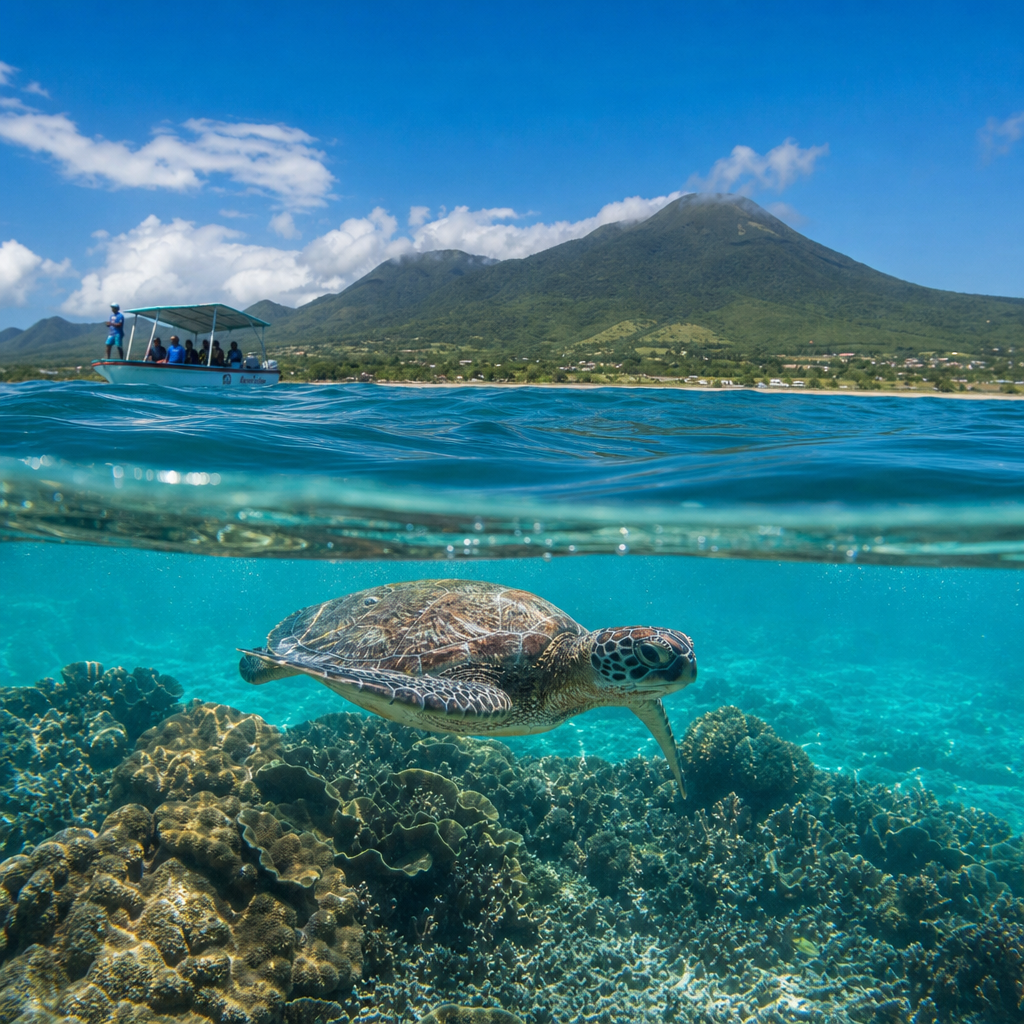
Apart from the accommodations, Saint Kitts provides a variety of eco-friendly activities. Whether it’s hiking through the island’s rainforests, exploring the vibrant marine life while snorkeling, or taking in the heritage at sites like Brimstone Hill Fortress National Park, the island caters to all interests. These activities not only enrich the visitor experience but also contribute to the local conservation efforts.

Culinary Delights and Sustainable Dining
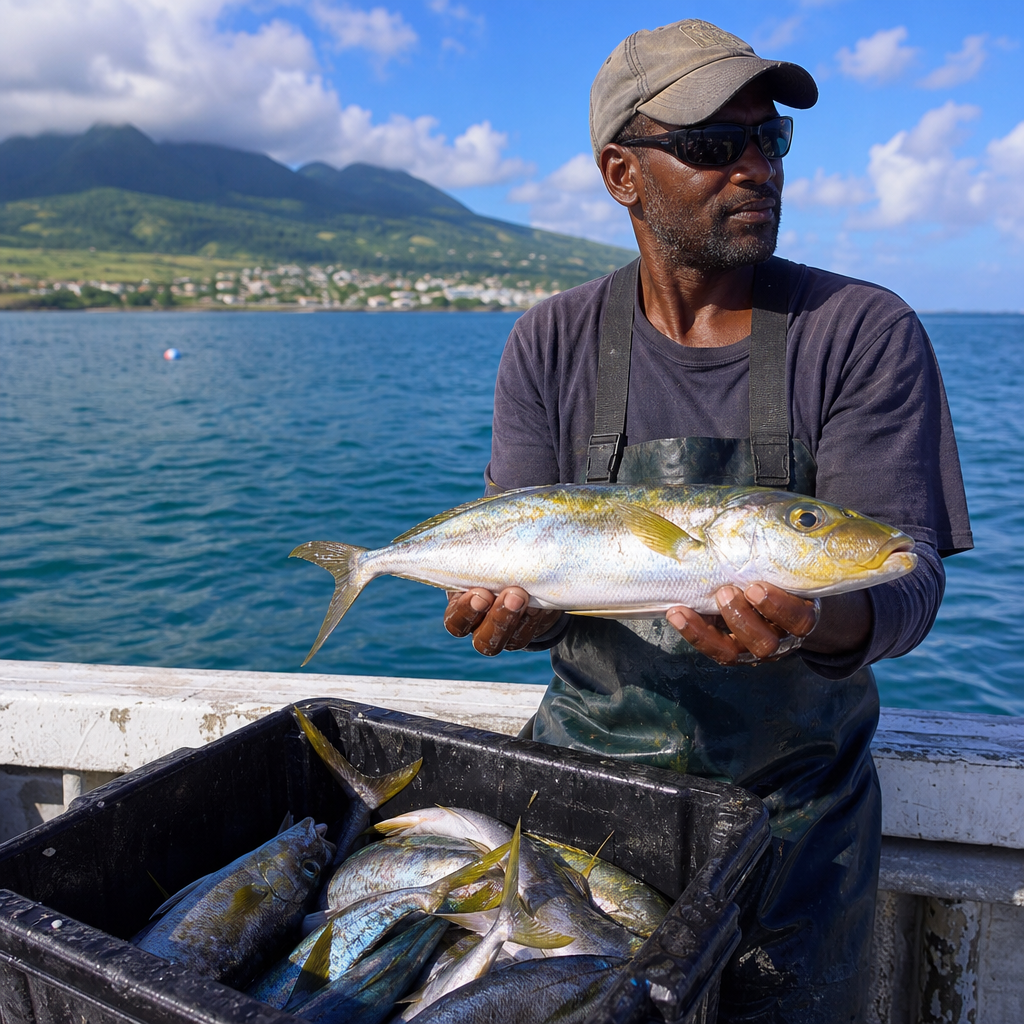
The gastronomic experience in Saint Kitts is as diverse and ecologically conscious as its landscapes. The abundance of fresh seafood, like snapper and lobster, and a variety of meats including chicken and goat, are staple offerings. Local restaurants excel in preparing these ingredients in traditional styles, often grown in the island’s rich volcanic soil. Dining in Saint Kitts is not just about satisfying your taste buds but also about supporting local and sustainable practices. This approach to food resonates with the overall theme of sustainable tourism on the island.
Eco-Adventure and Outdoor Activities
Saint Kitts, with its lush rainforests and pristine beaches, offers ample opportunities for eco-adventures. Activities such as hiking the volcano crater in St. Kitts or exploring the Central Forest Reserve National Park immerse visitors in the natural beauty of the island. Additionally, the island’s commitment to sustainable practices ensures these adventures contribute positively to environmental conservation.
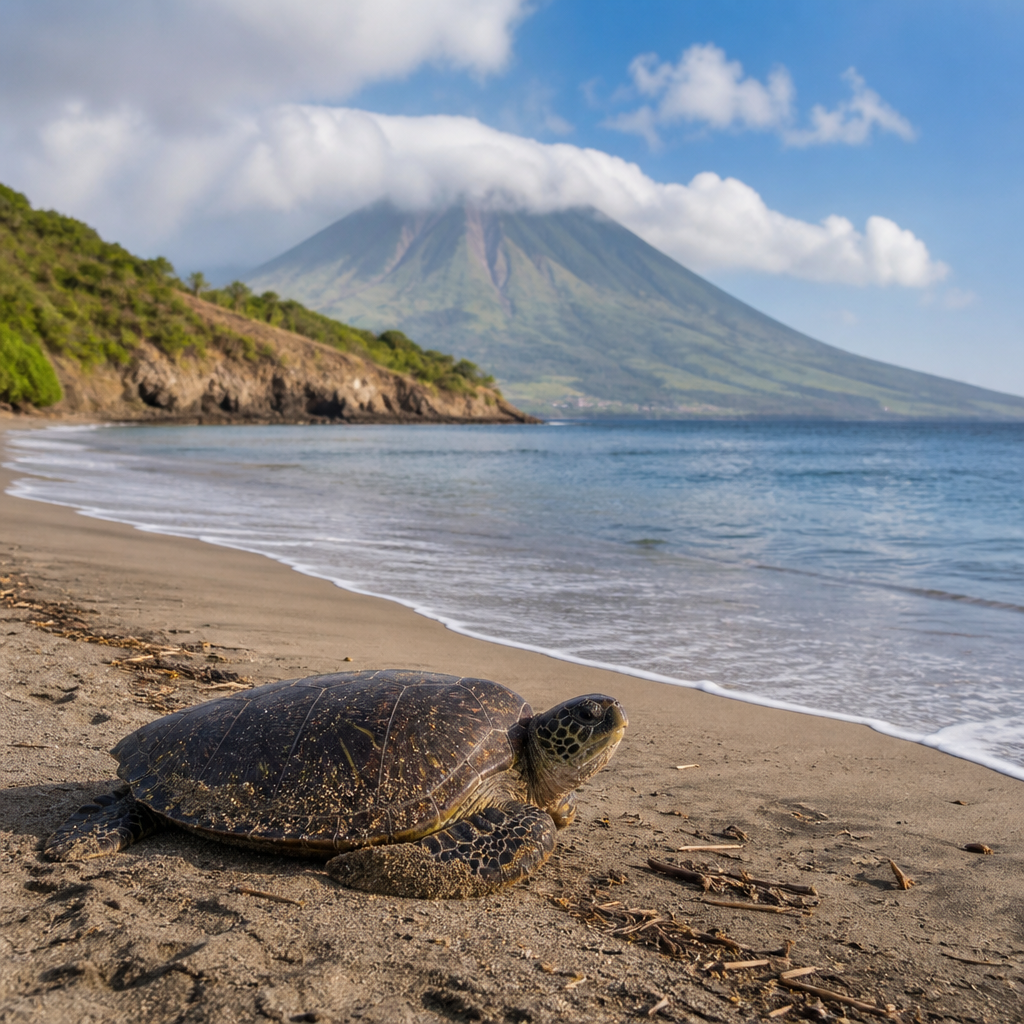
The beautiful beaches, such as Cockleshell Bay and Turtle Beach, provide not just relaxation but also a chance to witness the island’s efforts in preserving its marine ecosystems. These natural attractions are complemented by cultural landmarks like the War Memorial and the Berkeley Memorial, adding depth to the visitor’s experience in Saint Kitts (Eco Friendly Travels).
Responsible Tourism and Community Involvement
A significant aspect of Saint Kitts’ sustainable tourism model involves the active participation of local communities. Programs like the Sustainable Tourism Enterprise training and the “I Speak” training program empower locals to become ambassadors for their own culture and environment. This not only creates a more authentic experience for tourists but also fosters a sense of ownership and pride among residents for their natural and cultural heritage (Sustainable Travel International).
Environmental Initiatives and Conservation Efforts
Saint Kitts is not only a haven for tourists but also a model for environmental conservation. Efforts to protect endangered species, such as the hawksbill turtles, and initiatives to reduce litter and pollution on beaches demonstrate the island’s commitment to preserving its natural beauty. These efforts ensure that the paradise remains unspoiled for future generations to enjoy.
Bringing the Experience Home: Sustainable Souvenirs
The art of batik fabric painting, demonstrated at the Caribelle Batik factory, is not just a tourist attraction but also a way to support local artisans. Products from this factory and other local craftsmen serve as sustainable souvenirs, allowing visitors to take a piece of Saint Kitts’ culture and commitment to sustainability back home with them (AFAR Media).
Embracing Green Living: Lessons from Saint Kitts
The sustainable practices observed in Saint Kitts extend beyond tourism. They reflect a broader philosophy of living harmoniously with nature, which visitors can learn from and implement in their own lives. Whether it’s through conservation efforts, sustainable dining, or supporting local communities, Saint Kitts offers valuable lessons in green living.
Conclusion
Saint Kitts, with its blend of natural beauty, rich culture, and strong commitment to sustainability, offers a unique and responsible travel experience. The island’s approach to eco-friendly accommodations, sustainable dining, and community involvement serves as an exemplary model of sustainable tourism. Visitors not only enjoy a memorable vacation but also contribute to the preservation of this Caribbean paradise. Saint Kitts proves that responsible travel can enhance the enjoyment of a destination while safeguarding its future.