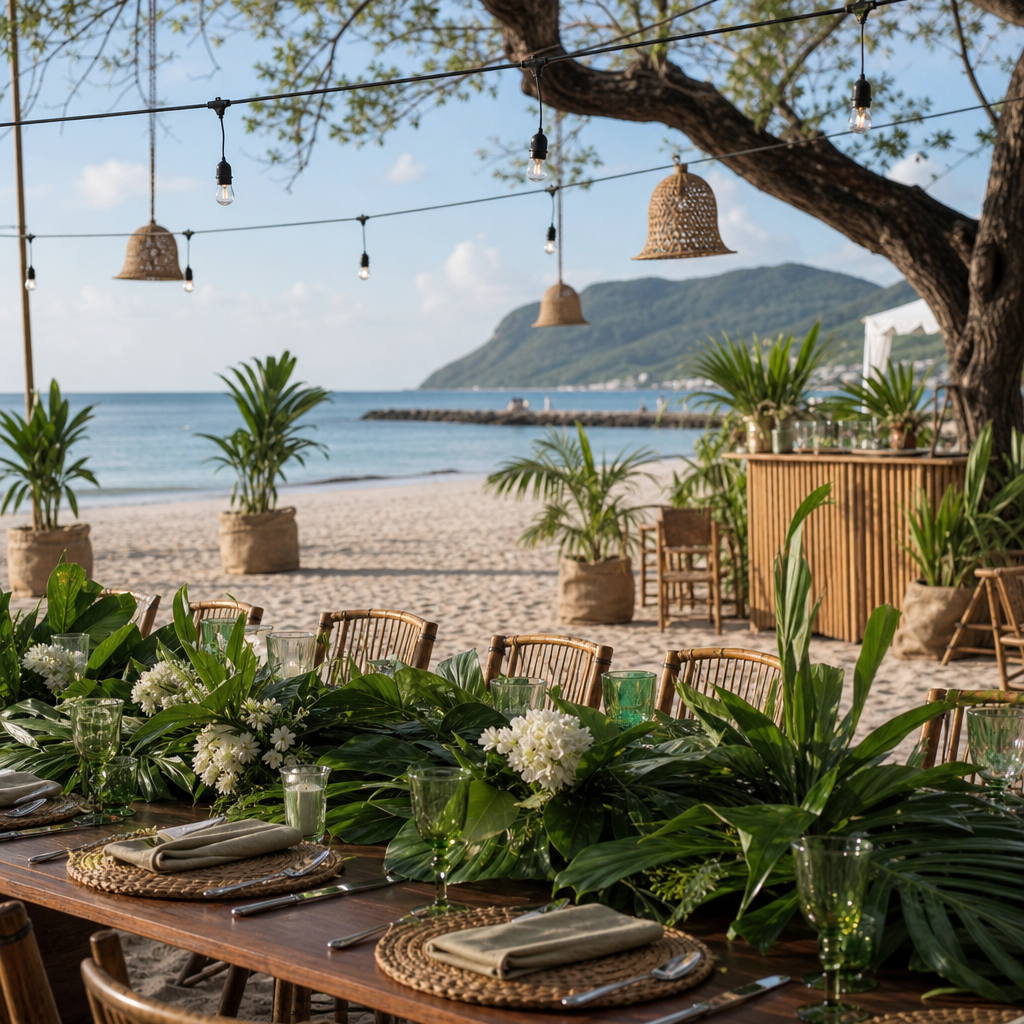
In the heart of the Caribbean, the island of Nevis presents a unique blend of natural beauty and culinary excellence. With an increasing emphasis on sustainable dining, Nevis’ farm-to-table restaurants are not just dining establishments but also embodiments of the island’s commitment to environmental stewardship and local community support.
The Essence of Farm-to-Table in Nevis Farm-to-table in Nevis is more than a concept; it’s a way of life. The movement focuses on using locally sourced ingredients, many of which are grown organically. This approach supports local farmers, reduces carbon footprints, and provides guests with fresh, nutritious, and flavorful meals.
Featured Farm-to-Table Restaurants
- The Pavilion Beach Club at Christophe Harbour Tucked away in Sandy Bank Bay, The Pavilion Beach Club offers an exclusive dining experience. Their Caribbean cuisine is crafted with the island’s seasonal ingredients, allowing visitors to taste the freshest flavors of Nevis.
- Stone Barn at Park Hyatt St. Kitts Christophe Harbour For an elevated culinary experience, the Stone Barn presents a unique combination of traditional Kittitian ingredients with European techniques. Their multi-course tasting menu, served with vintage wine pairings, promises a journey of flavors.
- Fisherman’s Village at Park Hyatt Offering a more casual atmosphere, Fisherman’s Village specializes in tide-to-table cuisine, featuring fresh local seafood and traditional Kittitian dishes. The restaurant’s setting, designed like a traditional bungalow, adds to its charm.
- Belle Mont Farm’s Farm-to-Table Experience Set in the highlands of St. Kitts, Belle Mont Farm is a luxury boutique resort on an organic farm. Their communal FarmTable dinners offer a unique al fresco dining experience in an “edible landscape”, showcasing the freshest produce and innovative dishes prepared by Head Chef John.
- The Kitchen at Belle Mont Farm Located within the Great House of Belle Mont Farm, The Kitchen is a cozy eatery serving both breakfast and dinner. Their menu features a plethora of tropical delights including a variety of mangoes, passionfruit, and avocados, all grown on the property or sourced locally.
- Carambola Beach Club Combining elegance and a beachside atmosphere, Carambola Beach Club offers a fusion of international and Caribbean cuisine. Notable for its vibrant atmosphere and creative cocktails, this restaurant is a must-visit for both food and ambiance.
- Marshall’s Offering views of Frigate Bay and Nevis, Marshall’s serves international and regional cuisine with a focus on local ingredients. The menu boasts a range of Caribbean specialties, highlighting the island’s culinary diversity.
- Spice Mill Restaurant Overlooking Mount Nevis, Spice Mill Restaurant embraces the essence of Caribbean and international cuisines. Their menu is dynamic, changing based on what’s available from local farmers, ensuring a fresh and unique dining experience.
Sustainability in Practice These restaurants don’t just offer meals; they provide experiences that reflect a deep commitment to sustainability. By sourcing ingredients locally, they not only enhance the flavor of the dishes but also contribute to the local economy and reduce environmental impact.
Community Impact The farm-to-table movement in Nevis also fosters a strong community bond. Restaurants collaborate with local farmers, fishermen, and artisans, creating a network of mutual support that strengthens the island’s economy and cultural heritage.

The Benefits of Farm-to-Table
- Freshness and Nutrition: The farm-to-table approach ensures the highest quality of freshness and nutrition in food. Dishes prepared with ingredients sourced directly from local farms are richer in flavor and nutrients.
- Environmental Sustainability: By sourcing locally, these restaurants significantly reduce the carbon footprint associated with food transportation. This practice is a key component in Nevis’ overall strategy for environmental sustainability.
- Supporting Local Economy: Farm-to-table restaurants provide a vital market for local farmers and producers, thereby strengthening the local economy. This approach also preserves agricultural traditions and knowledge.
- Educational Value: These restaurants often educate customers about the source and preparation of their food. This transparency fosters a deeper understanding and appreciation of the culinary arts and sustainable practices.
Challenges and Solutions
Despite its numerous benefits, the farm-to-table model in Nevis faces challenges:
- Seasonal Limitations: The availability of certain ingredients is dependent on the season, which can limit menu options. To address this, chefs often create seasonal menus and incorporate preserved or fermented local foods.
- Cost: Locally sourced, organic produce and ethically raised meats often come with a higher price tag. Restaurants address this by educating customers about the value and benefits of sustainable dining, creating a niche market willing to pay a premium for quality and sustainability.
- Supply Consistency: Ensuring a consistent supply of specific ingredients can be challenging. Restaurants often work closely with multiple local suppliers to ensure a steady flow of produce.
- Promoting Local Cuisine: While global cuisine is popular, promoting local culinary traditions is equally important. Chefs are innovating traditional dishes, presenting them in ways that appeal to both locals and tourists.
The Future of Sustainable Dining in Nevis
Looking ahead, the farm-to-table movement in Nevis is set to grow, driven by a global shift towards sustainability and responsible consumption. This trend aligns with the island’s broader goals of preserving its natural beauty and fostering a sustainable economy.
Restaurants continue to explore innovative ways to integrate sustainability into their operations, from reducing waste to adopting renewable energy sources. The movement also sees growing collaborations between chefs, farmers, and local communities, further embedding sustainability into the island’s culture.
Conclusion
The farm-to-table dining experience in Nevis is not just a trend but a meaningful journey towards sustainability, community empowerment, and culinary excellence. Each restaurant, with its unique approach and dedication to local sourcing, contributes significantly to this vibrant movement. For visitors and locals alike, Nevis offers a taste of the Caribbean that is as authentic as it is sustainable, making every meal a celebration of the island’s rich agricultural heritage and culinary innovation.