
Nestled in the heart of the Caribbean, the island of Nevis serves as a pivotal sanctuary for a diverse range of bird species, many of which are teetering on the brink of extinction. This small island, part of the twin-island federation of St Kitts and Nevis, boasts a unique ecosystem that supports an impressive array of avian life. From the chirping melodies at dawn to the colorful displays at dusk, Nevis’ bird sanctuaries are crucial in the fight against the loss of biodiversity.
The Importance of Bird Sanctuaries
Bird sanctuaries play a vital role in wildlife conservation. They provide a refuge for birds to breed, feed, and thrive away from the threats posed by urban development, habitat loss, and climate change. In Nevis, these sanctuaries are not just important for the birds themselves but are also critical for maintaining the ecological balance of the island.
The sanctuaries help in preserving the natural habitats that are essential not only for birds but also for other wildlife species. They aid in sustaining the local flora, ensuring that the natural vegetation is maintained, which in turn supports the entire food chain.
Nevis’ Unique Avian Population
Nevis is home to a range of bird species, including both native and migratory birds. The sanctuaries on the island provide a safe haven for these birds, some of which are not found anywhere else on the planet. The Brown Pelican, the national bird of St Kitts and Nevis, is often seen gliding over the waters, while the more elusive Bridled Quail-Dove can be spotted in the dense underbrush of the island’s forests.
Rare species such as the Red-necked Amazon parrot, also known locally as the “Jacko” parrot, find refuge in these protected areas. The sanctuaries also support migratory birds that travel thousands of miles to escape the harsh winters of North America and Europe, offering them a temporary home during their seasonal journeys.
Key Sanctuaries and Their Roles
Nevis Peak Sanctuary
At the heart of Nevis lies the Nevis Peak, surrounded by lush rainforests that are designated as protected areas. The Nevis Peak Sanctuary is critical for the survival of many highland species that prefer the cooler, moist environment offered by the mountainous terrain. This sanctuary is particularly important for species like the Purple-throated Carib, a hummingbird known for its vibrant plumage and unique feeding habits.
Mangrove Lagoon Reserve
The Mangrove Lagoon Reserve is another crucial habitat on Nevis. Mangroves are essential for coastal birds, providing breeding grounds and rich feeding sites teeming with fish and crustaceans. The reserve also acts as a natural barrier against hurricanes and storms, protecting the inland areas from severe weather.
Lovers’ Beach Aviary
Located near the pristine Lovers’ Beach, this aviary focuses on the protection of seabirds. The sandy shores and nearby rocky cliffs make it an ideal breeding ground for species like the Brown Booby and the Laughing Gull. The aviary also engages in educational programs to raise awareness about the importance of coastal ecosystems for bird populations.
Conservation Efforts and Community Involvement
Conservation in Nevis is a community effort. Local organizations collaborate with international conservation groups to ensure the protection and sustainability of these sanctuaries. Regular bird monitoring, habitat restoration, and pollution control are among the key activities undertaken to maintain the sanctuaries.
Education plays a significant role in conservation efforts. Schools and community groups are often involved in guided tours and birdwatching events that help foster a sense of stewardship for the environment among residents and visitors alike.
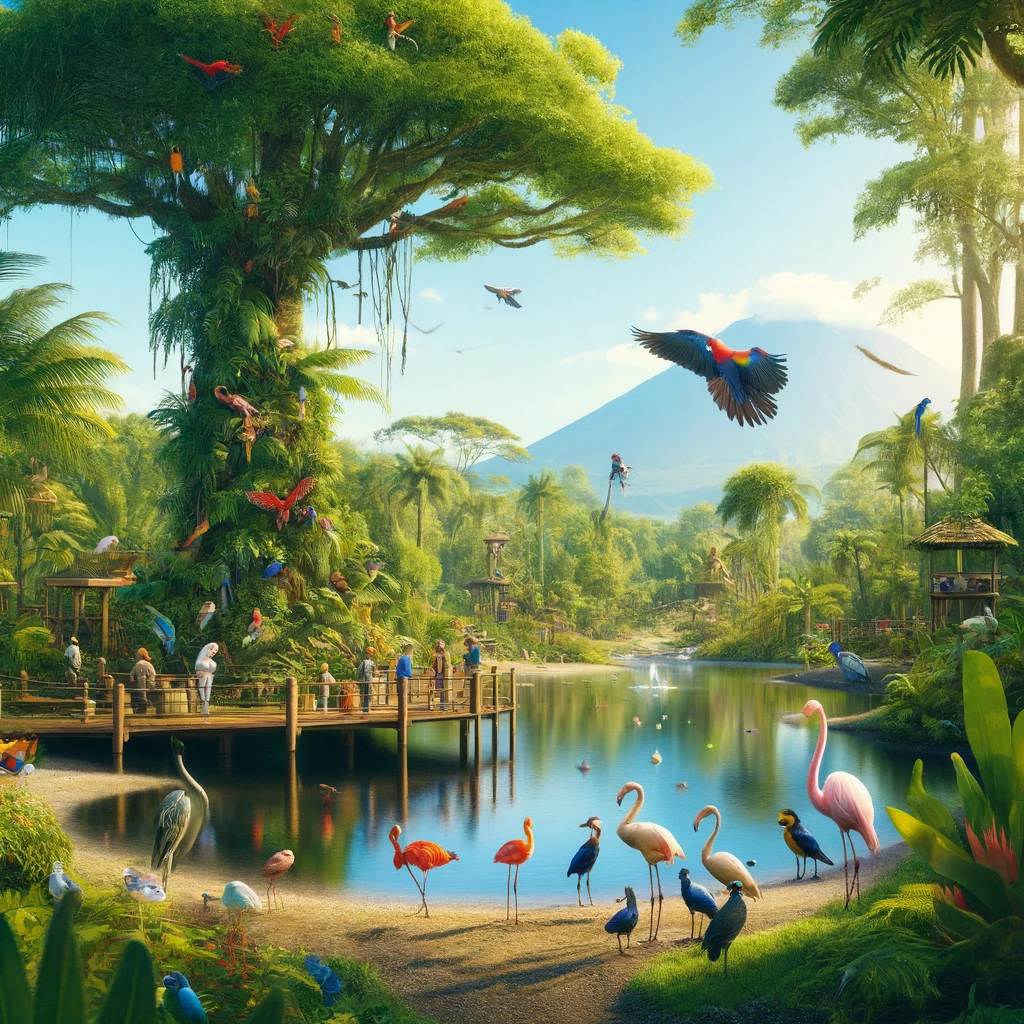
Furthermore, initiatives like bird tagging and the installation of artificial nesting sites aim to bolster bird populations and study their migration patterns. These efforts are crucial for scientific research and for crafting effective conservation strategies.
The Impact of Tourism on Conservation
Tourism, when managed sustainably, can have a positive impact on conservation efforts in Nevis. Birdwatching tours and eco-tourism activities generate revenue that can be reinvested into the sanctuaries, aiding in their maintenance and the expansion of conservation programs. However, it is crucial that tourism is conducted in a manner that does not disturb the natural habitat of the birds.
Guided tours are designed to educate tourists about the significance of these sanctuaries while ensuring that human interaction does not harm the avian residents. This balance is vital for the continued success of Nevis’ sanctuaries in supporting the island’s bird populations.
Challenges Facing Bird Sanctuaries
Despite the success of these sanctuaries, there are ongoing challenges that threaten their efficacy. Habitat encroachment from agricultural and residential development continues to pose a significant threat to the natural environments of these birds. Additionally, climate change brings about unpredictable weather patterns that can lead to habitat destruction.
Pests and invasive species also threaten the delicate balance of these ecosystems. For instance, rats and mongooses can prey on bird eggs and chicks, significantly reducing bird populations. Addressing these issues requires continuous effort and adaptation of conservation strategies to ensure the sanctuaries remain effective refuges for endangered species.
Future Directions in Avian Conservation
Looking forward, there is a growing need to integrate modern technology in conservation practices. Tools such as satellite imaging and drone technology can help monitor sanctuary conditions and track wildlife patterns more efficiently. Moreover, genetic studies could provide insights into the health of bird populations and guide breeding programs to enhance genetic diversity.
Community involvement will continue to play a pivotal role in the future of Nevis’ bird sanctuaries. Increasing local engagement through educational programs and volunteer opportunities can strengthen conservation efforts. Schools, local businesses, and tourists alike must work together to ensure these sanctuaries continue to be a safe haven for birds.
Additionally, international collaboration remains essential. By partnering with global conservation organizations, Nevis can gain access to funding, resources, and expertise that bolster local efforts and bring global attention to the island’s unique biodiversity.
Conclusion
The bird sanctuaries of Nevis are more than just refuges for endangered species; they are vital components of the island’s ecological and cultural heritage. They not only protect the avian inhabitants but also contribute to the overall health of the ecosystem. The continued success of these sanctuaries depends on effective management, community support, and the responsible integration of tourism within these delicate ecosystems.
As we move forward, it is imperative that each of us recognizes the importance of these sanctuaries and contributes in our own way to the preservation of Nevis’ natural beauty and its feathered inhabitants. Through collective effort and sustainable practices, we can ensure that these sanctuaries remain vibrant and thriving safe havens for generations to come.