Saint Kitts and Nevis, a twin-island nation, is not just a scenic beauty but also a biodiversity hotspot facing significant environmental challenges. Conservation efforts here are not just a choice but a necessity to preserve an ecological balance that benefits both nature and society. The focus of these efforts spans from safeguarding marine ecosystems to maintaining terrestrial biodiversity, each requiring unique strategies and local involvement.
The Fragility of Marine Ecosystems
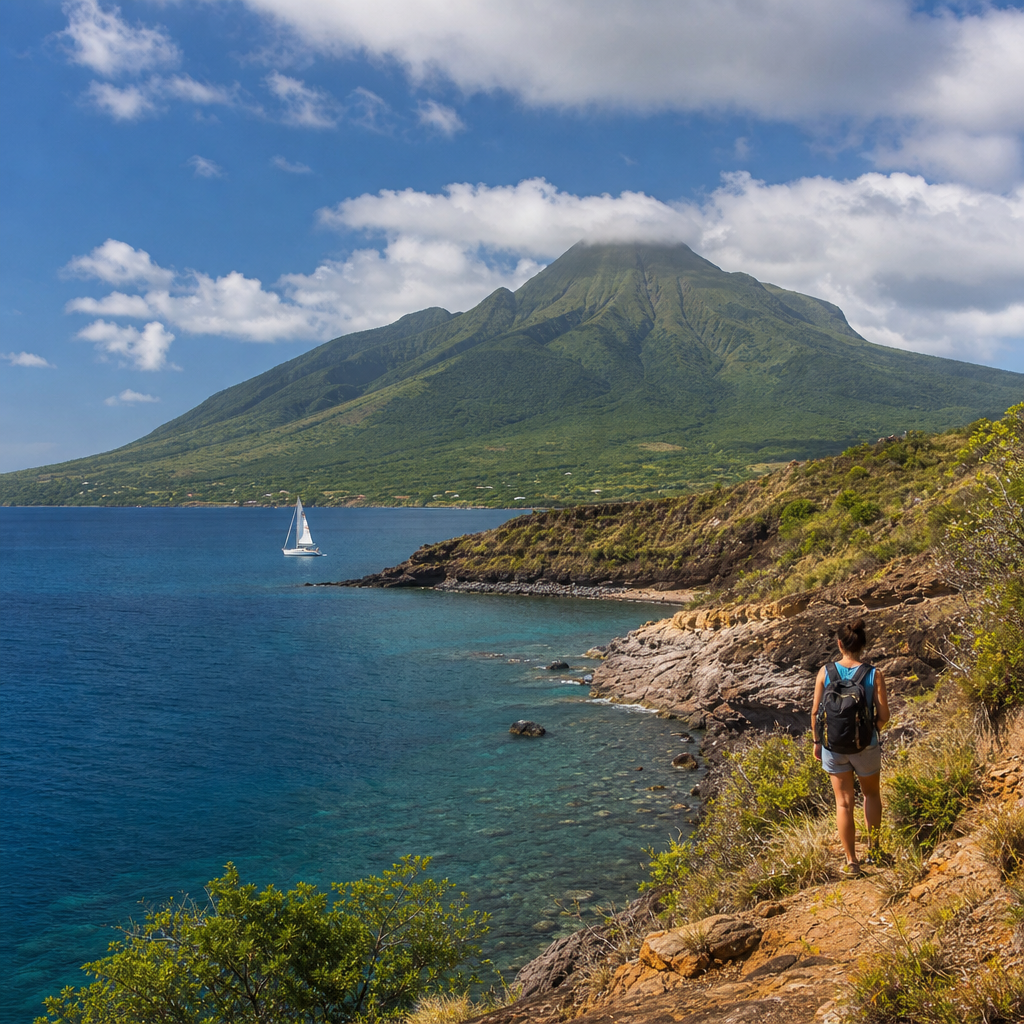
Marine ecosystems around Nevis are under constant threat from pollution, overfishing, and climate change-related impacts. These factors pose risks not only to the delicate coral reefs but also to the myriad species that depend on these habitats for survival. Protecting these aquatic ecosystems involves initiatives aimed at reducing pollution sources, regulating fishing practices, and promoting coral restoration projects that help rejuvenate and preserve marine biodiversity.
Terrestrial Conservation: A Multifaceted Approach
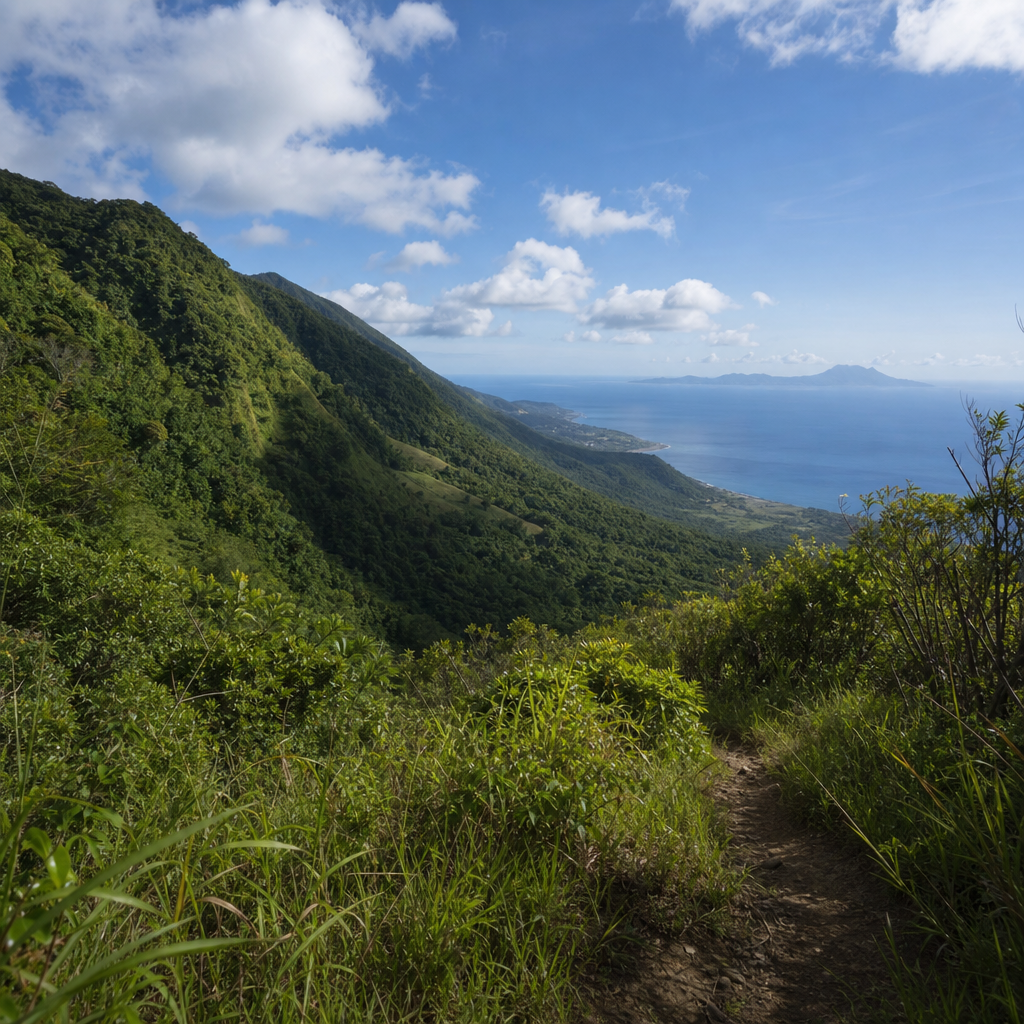
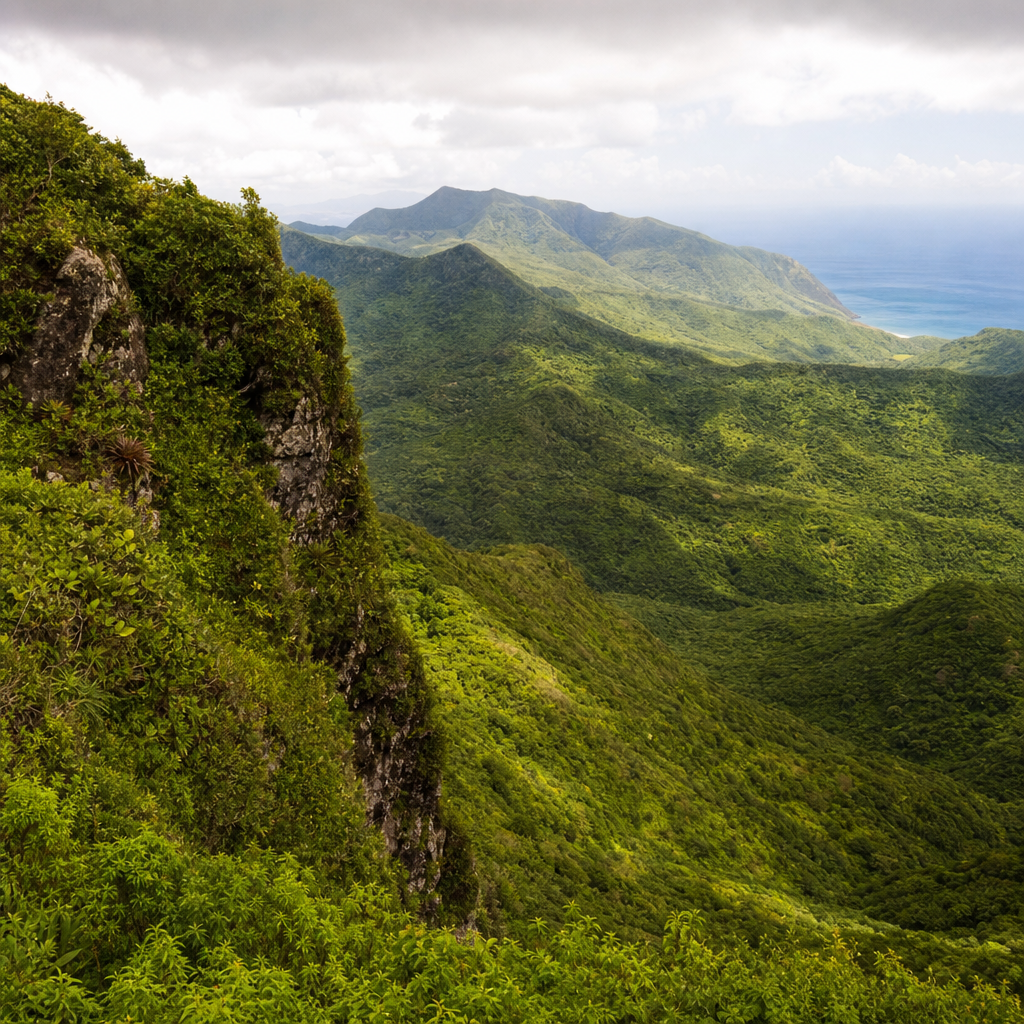
On land, Nevis faces challenges from habitat destruction due to urbanization, unsustainable agricultural practices, and illegal resource extraction. These activities not only threaten the terrestrial flora and fauna but also disrupt the ecological dynamics that are crucial for biodiversity sustenance. Conservation strategies here involve a mix of rigorous policy enforcement, habitat restoration, and community-led conservation programs. These initiatives are designed to mitigate habitat loss, promote sustainable land use, and enhance the resilience of ecosystems against the impacts of climate change.
Climate Change and Its Implications
The implications of climate change on Nevis’s natural habitats are profound. Rising temperatures and changing precipitation patterns affect biodiversity in several ways, from altering species distribution to affecting breeding patterns and food availability. To combat these challenges, conservation efforts include establishing protected areas, promoting biodiversity-friendly agricultural practices, and implementing soil and water conservation techniques that help maintain habitat viability even under changing climatic conditions.
Engaging Communities in Conservation
Community involvement is pivotal in Nevis’s conservation efforts. By engaging local communities and stakeholders, conservation programs ensure that the benefits of biodiversity protection are shared widely and sustainably. Initiatives like ecotourism, sustainable agriculture training, and community-led monitoring programs help foster a conservation ethic among the residents, crucial for the long-term success of environmental protection efforts.
Future Directions and Sustainable Practices
Looking ahead, Nevis is focusing on integrating conservation efforts into broader national development plans. This involves mainstreaming biodiversity conservation in sectors like tourism, fisheries, and agriculture to ensure that economic development does not come at the expense of environmental health. Additionally, Nevis is working on enhancing its data collection and research to better understand and address the impacts of biodiversity loss. This research is aimed at formulating targeted actions that address key conservation challenges effectively.
The conservation efforts in Nevis are comprehensive and designed to address the multifaceted challenges facing its ecosystems. Through a combination of scientific research, community involvement, and policy integration, Nevis strives to protect its natural habitats, ensuring that its biodiversity is preserved for future generations. This commitment to environmental stewardship is essential not only for the island but for the global community, emphasizing our interconnectedness and shared responsibility for the planet’s health.

Key Conservation Initiatives in Nevis: Safeguarding the Future
Protecting Endangered Species
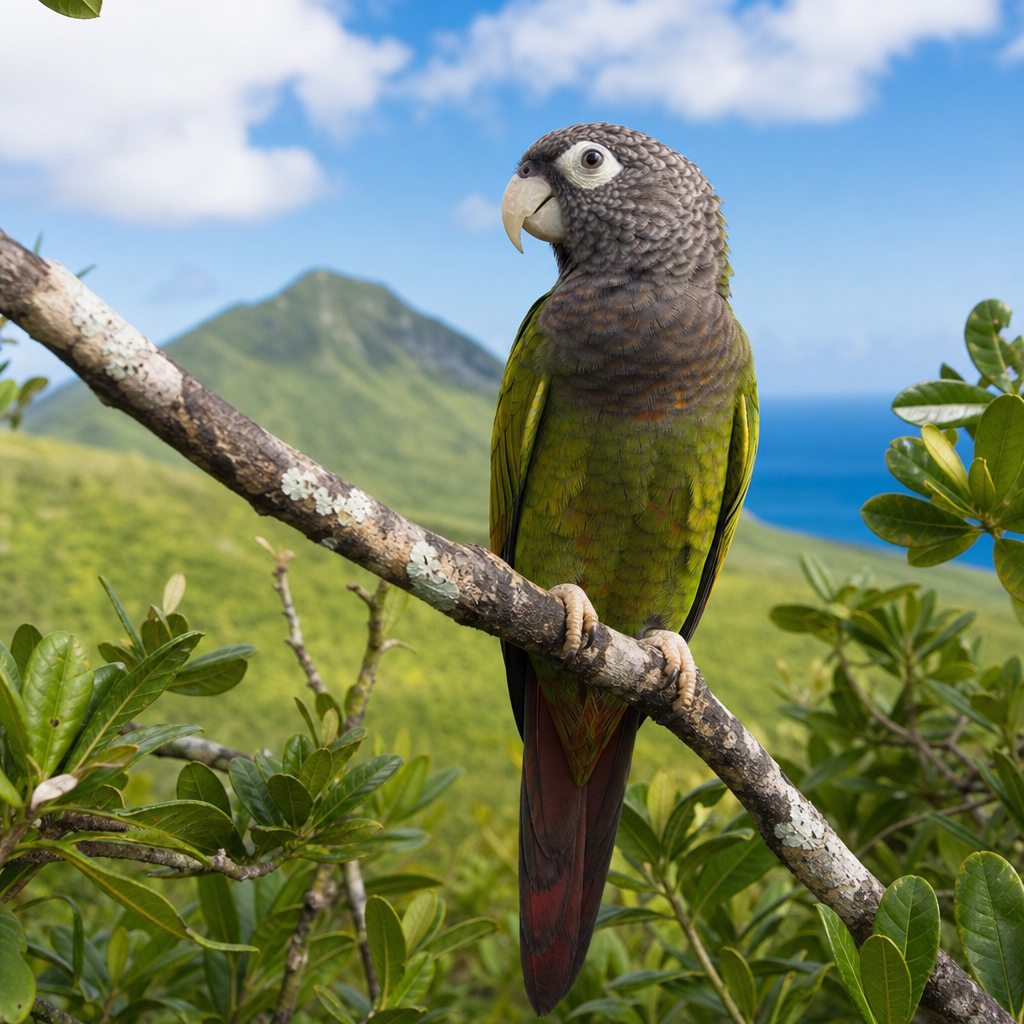
Nevis’s conservation strategies place a significant emphasis on protecting its endangered species. This includes the sea turtles that nest on its shores, the native Nevisian monkey, and rare plant species only found in specific microclimates on the island. Efforts to protect these species involve strict enforcement of wildlife protection laws, habitat preservation, and public education programs to raise awareness about the importance of biodiversity.
Restoration Efforts
Habitat restoration is a critical component of Nevis’s environmental strategy. Projects such as mangrove reforestation and the rehabilitation of degraded lands are underway. These efforts not only restore ecological function but also help in providing natural barriers against natural disasters like hurricanes, which are common in the region. Restoration projects often involve local communities, providing them with employment opportunities while instilling conservation values.
Water Resources Management
Water resource management is crucial for maintaining the island’s biodiversity. Nevis is working on enhancing its water management practices by investing in sustainable water use practices that include rainwater harvesting, wastewater treatment, and the restoration of natural water bodies. This helps in sustaining the island’s water-dependent habitats and species, crucial for maintaining the health of terrestrial and marine ecosystems.
Challenges and Lessons Learned
Despite numerous initiatives, conservation in Nevis faces challenges such as limited funding, the need for more comprehensive data to guide policies, and the global impacts of climate change. However, these challenges also present opportunities for innovation and international collaboration. Lessons learned from Nevis’s approach include the importance of integrating traditional knowledge with modern science and the benefits of engaging local communities in conservation efforts.
Global Significance and Collaboration
Nevis’s conservation efforts are part of a larger global effort to preserve the planet’s biodiversity. The island’s strategies contribute to international biodiversity targets and demonstrate the role small island nations can play in global conservation. Partnerships with international conservation bodies and participation in global environmental agreements enhance Nevis’s capabilities to protect its natural heritage.
In conclusion, the protection and conservation of Nevis’s natural habitats are central to the island’s environmental and economic sustainability. Through a combination of local action, international cooperation, and community engagement, Nevis is making significant strides in preserving its unique ecosystems. These efforts not only protect the island’s natural beauty but also ensure a sustainable future for all its inhabitants.
This comprehensive overview captures the essence and the breadth of conservation efforts in Nevis, aiming to inspire both local and international readers to recognize and support the pivotal role of biodiversity protection in achieving ecological and economic sustainability. By maintaining a focus on science-based strategies, community involvement, and international collaboration, Nevis sets a commendable example of environmental stewardship.