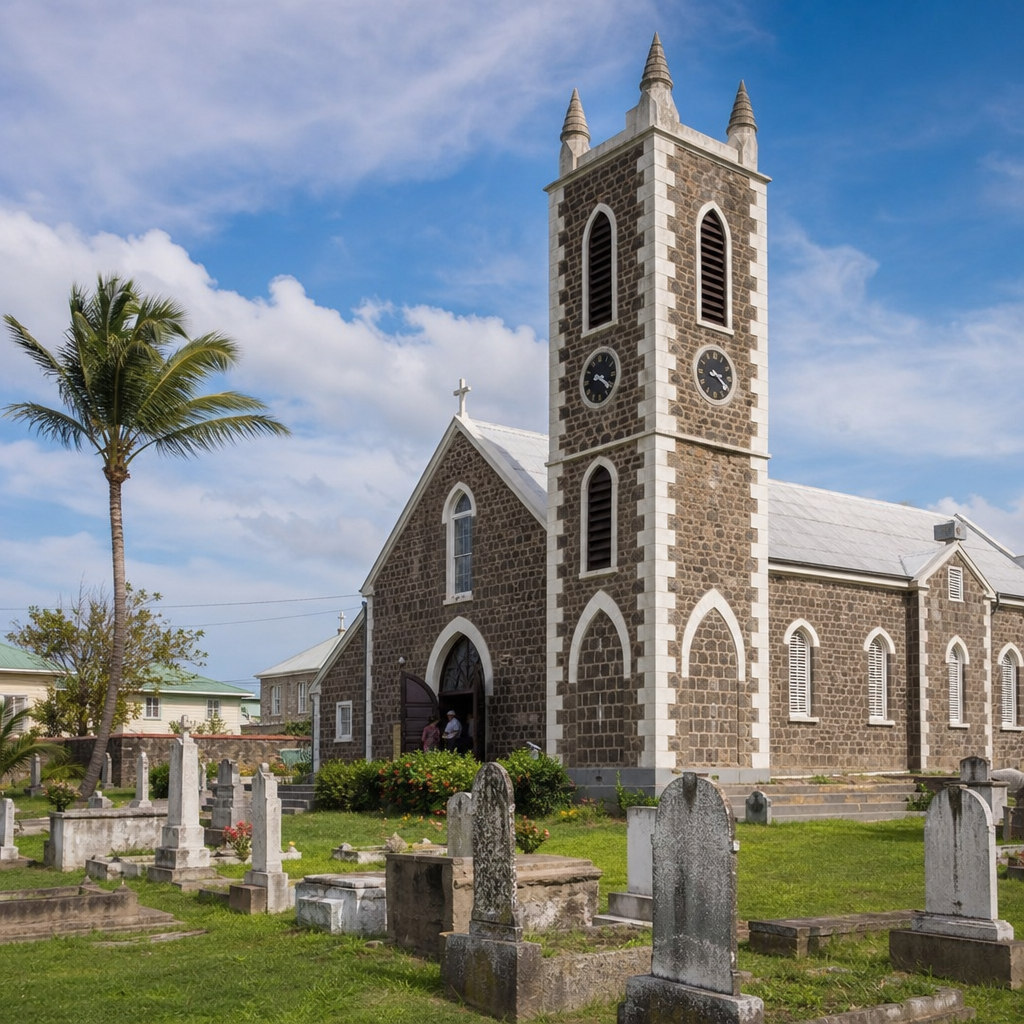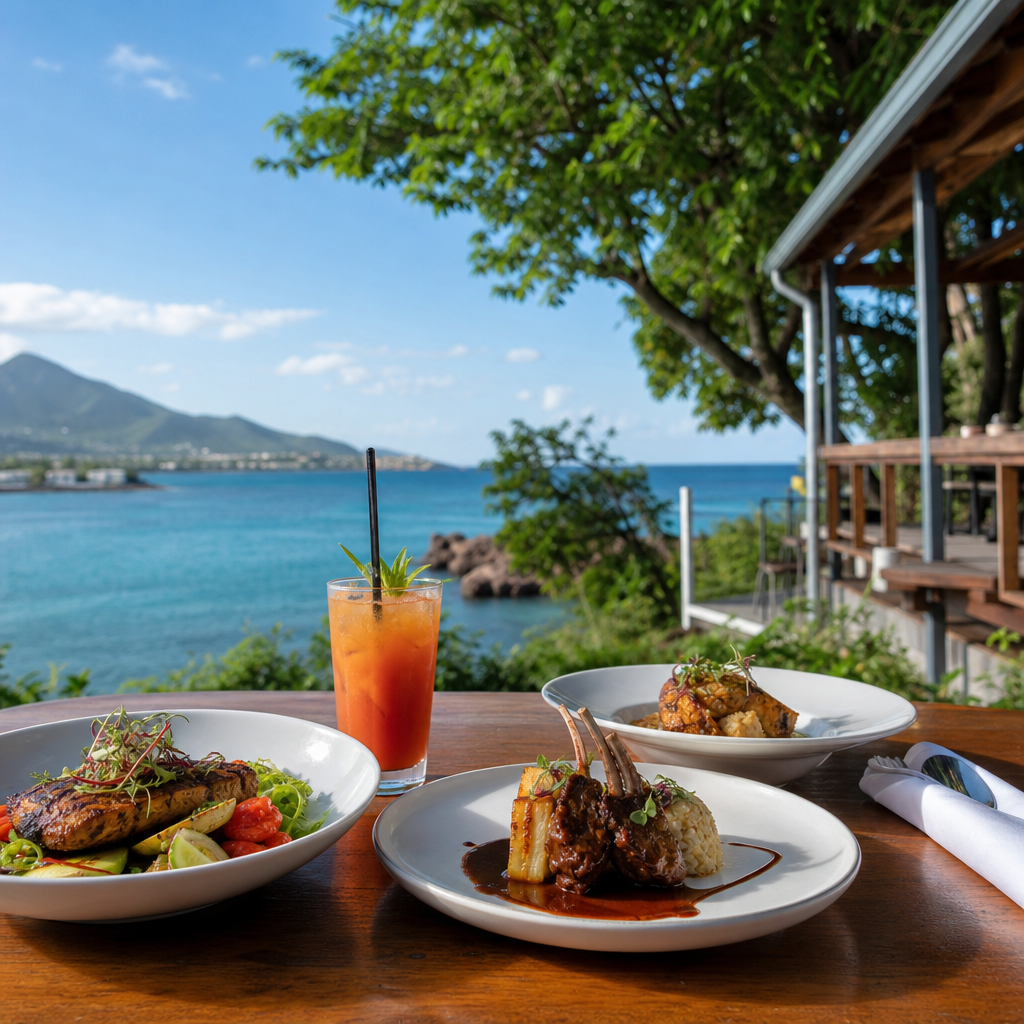
Building a food business in Nevis means serving more than meals; it means translating island identity, visitor expectations, and import realities into a sustainable operation. In Nevis, local and international cuisine are not opposing ideas. They are the two forces that shape demand across beach bars, hotel restaurants, roadside grills, bakeries, catering firms, specialty food production, and upscale dining. Local cuisine draws on Kittitian and Nevisian traditions such as goat water, saltfish, johnny cakes, green fig dishes, coconut tarts, and fresh seafood. International cuisine includes the menus visitors and expatriates actively seek, from Italian and Indian to sushi, vegan bowls, craft coffee, and modern Caribbean fusion. Anyone evaluating a food business in Nevis must understand how these demands intersect with tourism, seasonality, supply chains, labor, licensing, and brand positioning.
I have worked on hospitality and market-entry planning in island economies, and Nevis consistently rewards operators who balance authenticity with operational discipline. The market is small, but it is not simplistic. A local lunch spot can thrive on repeat community traffic, while a chef-led concept can attract villa guests, wedding parties, and travelers willing to spend for a memorable dinner. The same island can support a rum bar built around local ingredients, a commissary kitchen serving events, and a premium ice cream brand supplying hotels. What matters is fit: product-market fit, location fit, pricing fit, and supply fit. For investors and founders exploring business and investment opportunities, this hub explains the miscellaneous food business paths available in Nevis and the practical issues that determine whether a concept becomes a resilient enterprise or an expensive hobby.
Nevis matters as a food business destination because it combines strong tourism appeal, a recognizable Caribbean identity, and a market where differentiation still matters. Unlike saturated urban restaurant scenes, Nevis gives businesses room to stand out through cuisine, service model, sourcing story, and guest experience. Yet the island also imposes hard constraints. Imported goods cost more, shipping delays affect menu consistency, utility costs can pressure margins, and staffing requires training investment. Understanding these realities early is the foundation of a viable plan. This article serves as a hub for the full subtopic: restaurant concepts, catering, food manufacturing, supply opportunities, culinary tourism, compliance, and branding. If you want to build a food business in Nevis around local and international cuisine, the opportunity is real, but success depends on disciplined execution.
Why Nevis Supports Diverse Food Business Models
A food business in Nevis can serve several overlapping customer groups: residents, hotel guests, villa visitors, yachting traffic, remote workers, event attendees, and day trippers. That diversity is why multiple formats can coexist. A fast-casual lunch operation can rely on government workers, tradespeople, and school traffic. A premium evening concept can focus on tourists from luxury properties such as Four Seasons Resort Nevis and private villa clusters. Caterers can build around weddings, corporate retreats, and family gatherings. Specialty producers can supply sauces, baked goods, bottled drinks, jams, or frozen desserts to hospitality venues and retail outlets.
The island’s size actually helps disciplined founders. Market testing is faster because customer feedback travels quickly. Partnerships are easier to build because operators, hotels, event planners, and suppliers often know each other. Reputation compounds. If a bakery delivers consistently, hotels remember. If a restaurant mishandles service during festival periods, that also spreads quickly. In my experience, this makes Nevis a relationship market first and a marketing market second. Social media matters, but so do trusted referrals from concierges, taxi drivers, property managers, and residents.
Demand is also shaped by occasion. Breakfast businesses benefit from commuters and guests seeking convenience. Lunch concepts do well with local staples offered at fair prices and reliable speed. Dinner allows higher margins, particularly when ambiance, wine service, and reservation management are strong. Event catering can smooth seasonality if operators build recurring institutional or private contracts. This is why miscellaneous opportunities in Nevis go beyond opening a standalone restaurant. The strongest ventures often combine revenue streams: dine-in plus catering, bakery plus wholesale supply, restaurant plus retail products, or café plus cooking classes.
Local Cuisine as a Commercial Advantage
Local cuisine is not just culturally valuable; it is commercially strategic. Visitors increasingly want food that tells them where they are. In Nevis, that means dishes rooted in island ingredients and techniques, not generic resort menus that could exist anywhere. Goat water, often regarded as Nevis’s signature dish, is a strong example. It carries history, local pride, and storytelling value. When prepared well and presented professionally, it becomes both a high-satisfaction menu item and a brand anchor. The same applies to conch, lobster in season, breadfruit, plantain, tamarind, sorrel, cassava, and fresh mango.
There is also a practical margin advantage when operators design menus around ingredients that can be sourced locally or regionally with greater consistency than heavily imported specialty items. A smart menu in Nevis is not built around products that are difficult to land every week. It is engineered around adaptable components. I have seen island operators reduce waste and protect margins by creating menus where one braised protein, two starches, and three sauces can appear across lunch plates, tasting menus, and catering packages. That kind of menu architecture is especially effective when built around local cuisine.
Authenticity does not require rustic execution. Nevisian food can be elevated through plating, service, and storytelling without losing credibility. For example, a chef can reinterpret saltfish with roasted provisions and herb oil for a hotel audience while still offering a traditional version during lunch service for residents. A bakery can modernize coconut bread packaging for retail shelves without changing the recipe that local customers trust. The lesson is simple: protect the soul of the food, but modernize delivery where it improves appeal, shelf life, or pricing power.
International Cuisine and the Tourist Economy
International cuisine matters because many visitors stay long enough to want variety, and many high-spending travelers expect choice. A successful food business in Nevis should ask a practical question: what cuisines are under-served relative to guest demand? In many island markets, the answer includes quality pizza, refined Asian-inspired dishes, plant-forward menus, premium coffee and brunch, and healthy convenience food for wellness travelers. The rise of dietary preferences also matters. Gluten-free, vegetarian, vegan, dairy-free, and low-sugar offerings are no longer niche requests in destination hospitality.
That does not mean copying metropolitan trends without adaptation. International cuisine in Nevis works best when localized. A wood-fired pizza concept can use local seafood and Caribbean peppers. A sushi-adjacent menu may need to focus more on cooked preparations if consistent sashimi-grade supply is difficult. An Italian restaurant can center around excellent sauces, handmade pasta, and island lobster rather than trying to replicate a sprawling city menu dependent on fragile imports. The strongest international concepts are realistic about procurement and confident about creative substitution.
Pricing must also match the market segment. Tourists may pay premium prices, but they still compare value. If a dish is expensive because every ingredient is imported and the portion is small, guests notice. If a menu combines international familiarity with local freshness, value feels stronger. I have repeatedly found that visitors are happiest when a restaurant gives them both comfort and discovery: something recognizable, plus a taste of Nevis they will remember after the trip ends.
Choosing the Right Format, Location, and Revenue Mix
The right concept depends on capital, operating skill, and customer access. Full-service restaurants require stronger management systems, more labor, and deeper working capital than kiosks, cafés, or delivery-first kitchens. Catering can be highly profitable but demands logistics discipline and dependable staffing. A specialty food production business may avoid front-of-house complexity, but it must solve packaging, food safety, distribution, and shelf stability. Before signing a lease, founders should define their primary customer, average spend, peak trading hours, and backup revenue channels.
| Business model | Best fit in Nevis | Main advantage | Main risk |
|---|---|---|---|
| Casual local eatery | Resident lunch trade and affordable dinners | Repeat local demand | Lower ticket size |
| Upscale fusion restaurant | Tourists, villa guests, celebrations | Higher margins per cover | Seasonal demand swings |
| Catering and events | Weddings, retreats, private villas | Large contracted orders | Execution pressure and staffing peaks |
| Bakery or specialty production | Hotels, retail outlets, gift market | Wholesale scalability | Packaging and shelf-life constraints |
Location strategy in Nevis should be based on visibility, parking, tourist flow, and operational practicality, not just scenery. Beach proximity can lift demand but increase rent and service complexity. Charlestown offers local traffic and convenience. Hotel adjacency can provide affluent customers but may create dependency on visitor cycles. Some businesses succeed without prime frontage by partnering with villas, running delivery, or building strong digital ordering and concierge relationships. Revenue diversification is the protection layer. If walk-in traffic dips, catering, wholesale, retail jars, bottled sauces, or cooking experiences can keep cash moving.
Operations, Compliance, and Supply Chain Realities
Every food venture in Nevis stands or falls on execution. Licensing, health standards, food handling procedures, refrigeration, pest control, waste management, and staff training are not background tasks; they are core commercial systems. Founders should confirm local registration, permits, food safety requirements, import procedures, and any environmental or zoning obligations before launch. Using a hazard analysis mindset is wise even for small operators because island heat, transport times, and storage limitations increase food safety risk. Thermometer logs, receiving checks, cleaning schedules, and batch labeling are basic controls that prevent costly incidents.
Supply chains require constant planning. Imported flour, dairy, meats, oils, and specialty ingredients may arrive late or at volatile prices. Smart operators maintain par levels, approved substitutes, and supplier redundancy. Menu engineering is the answer. If one imported item becomes unavailable, the menu should flex without collapsing. For example, a café that can rotate between local fruit compotes, house-made syrups, and seasonal baked specials will weather disruption better than one dependent on a fixed imported pastry range. Inventory discipline matters just as much as creativity.
Labor is another decisive factor. On a small island, training is a competitive advantage. Standard recipes, prep sheets, service scripts, portion tools, and opening and closing checklists improve consistency and reduce waste. Operators who invest in cross-training can cover absences and manage peaks better. Technology helps too. A capable point-of-sale system, inventory tracking, reservation management, and costed recipe spreadsheets give owners visibility into food cost, labor cost, and best-selling items. In a market like Nevis, operators do not need bloated systems, but they do need reliable ones.
Branding, Partnerships, and Long-Term Growth
Brand strength in Nevis comes from clarity. Customers should immediately understand what the business stands for: traditional Nevisian comfort food, chef-driven Caribbean fusion, family bakery, premium catering, or healthy international café. The name, menu language, photography, packaging, interior design, and service style should all support that positioning. Businesses that try to be everything usually become forgettable. Businesses that own a clear promise become recommendable.
Partnerships accelerate growth. Hotels need dependable suppliers. Villas need private chef and catering options. Tour operators need lunch stops. Event planners need trusted food teams. Retail stores may carry locally made condiments or sweets if labeling and packaging look professional. A food business in Nevis should build these channels deliberately. One of the most effective growth patterns I have seen is starting with a focused core offering, proving consistency, then expanding into adjacent revenue streams such as branded sauces, airport-ready gift packs, festival pop-ups, and culinary experiences centered on local ingredients.
Digital presence matters, but practical information matters more than clever slogans. Menus, hours, map location, reservation options, WhatsApp contact, and clear photos drive conversions. Reviews deserve active management because travelers rely on them heavily when choosing where to eat on an island with limited time. Over the long term, the winners are businesses that treat food quality, guest trust, and operational control as a single system. Building a food business in Nevis around local and international cuisine is not about chasing trends. It is about designing an operation that respects the island, serves its communities and visitors well, and creates multiple pathways to profitable growth. If you are exploring business and investment opportunities in Nevis, start by testing a concept that solves a real demand gap, build around ingredients and formats you can execute consistently, and use this hub as the foundation for deeper planning across the entire miscellaneous food sector.
Frequently Asked Questions
1. How can a food business in Nevis balance local cuisine with international menu options?
A successful food business in Nevis usually performs best when it treats local and international cuisine as complementary rather than competing concepts. Residents, returning nationals, regional travelers, yachting visitors, and hotel guests often want different things at different times. Some are looking for authentic Nevisian flavor such as goat water, saltfish, johnny cakes, green fig, provisions, fresh seafood, and locally inspired sides. Others expect familiar international dishes, lighter resort-style fare, vegetarian choices, or globally recognizable comfort foods. The strongest operators build menus that respect both realities.
In practical terms, that means creating a menu structure with a clear local identity and broad appeal. A beach bar might serve grilled lobster, fish sandwiches, rum-glazed chicken, and coconut-based desserts alongside burgers, salads, wraps, and pasta. A bakery may offer traditional bakes and sweet breads while also producing croissants, cakes for special events, and coffee-shop items that appeal to tourists and professionals. A catering company can design wedding and villa menus that feature local ingredients in international formats, such as tamarind glaze, breadfruit mash, plantain crisps, or island-spiced seafood canapés.
The key is not to make the menu feel split or confused. Instead, use local ingredients, local storytelling, and local flavor profiles to anchor the brand. Even when serving international cuisine, operators can adapt dishes to the island context through seasoning, sourcing, presentation, and hospitality. This approach protects authenticity while expanding customer reach, which is especially important in a small market where repeat business, referrals, and seasonal visitor demand all matter.
2. What are the most important factors to consider before opening a restaurant, bakery, catering company, or food brand in Nevis?
Before launching any food business in Nevis, the most important step is understanding that success depends on more than cooking ability. You need a workable concept, accurate financial planning, operational discipline, and a clear sense of who your customers are. The island market is shaped by local spending patterns, tourism cycles, event-driven demand, and supply constraints. A concept that looks attractive on paper can struggle quickly if it ignores seasonality, pricing sensitivity, staffing realities, or inconsistent access to imported goods.
Start by defining the business model clearly. Are you targeting local lunch traffic, hotel and villa guests, roadside convenience customers, event catering, premium dining, baked goods, or retail packaged food? Each category has different equipment needs, staffing levels, margins, hours of operation, and marketing requirements. A roadside grill may succeed through low overhead and strong community loyalty, while a specialty producer may need branding, shelf-life planning, packaging compliance, and distribution relationships. A catering company may rely on partnerships and reputation more than walk-in traffic.
You should also assess location, kitchen layout, licensing requirements, health and food safety standards, utility costs, storage capacity, and logistics for sourcing perishables. In Nevis, import timing and cost can directly affect menu design and profitability, so the business must be built around items you can source reliably. It is also wise to test the concept before fully scaling. Pop-ups, limited menus, seasonal pilots, market stalls, and catering trials can reveal what sells, what customers expect, and where costs are being underestimated. Operators who do this groundwork usually make better decisions about menu scope, pricing, staffing, and long-term growth.
3. How do import costs and supply chain realities affect food businesses in Nevis?
Import realities are one of the most important commercial factors in the Nevis food sector. Many ingredients, beverages, kitchen supplies, packaging materials, and pieces of equipment must be imported, and that creates cost pressure, delivery uncertainty, and menu planning challenges. Freight costs, customs processes, supplier delays, weather disruptions, and fluctuating availability can all affect what a business is able to serve consistently. For that reason, food entrepreneurs in Nevis should build their operations around resilience, not just creativity.
The smartest approach is to design menus with a strong core of flexible dishes and dependable ingredients. If a business depends too heavily on imported specialty items, every disruption can create shortages, substitutions, customer disappointment, and margin erosion. By contrast, businesses that incorporate more local produce, seafood, herbs, starches, and traditional preparations can often respond more effectively when shipments are delayed or prices rise. This does not mean avoiding imported goods entirely. It means using them strategically, especially for signature items, premium experiences, and products customers specifically expect.
Inventory management is equally important. Entrepreneurs should monitor usage carefully, maintain backup supplier relationships where possible, and forecast demand around holiday periods, tourist peaks, and major events. Standardized recipes, portion control, and regular cost reviews are essential because a small shift in landed cost can quickly reduce profit if prices are not adjusted. In Nevis, supply chain awareness is not just an accounting issue; it is a fundamental part of menu engineering, brand reliability, and customer satisfaction. Businesses that plan for volatility are usually the ones that remain stable and credible over time.
4. What types of food businesses have the strongest potential in Nevis?
Nevis offers opportunities across a surprisingly wide range of food business models, but the best prospects usually come from concepts that fit the island’s size, visitor economy, and cultural character. Casual local eateries, beach bars, bakeries, mobile food service, event catering, private chef services, specialty sauces and packaged foods, seafood-led dining, and hybrid café concepts can all perform well when they are positioned properly. The strongest businesses tend to solve a real demand problem rather than simply duplicating what already exists.
For example, there is often strong value in businesses that combine convenience with quality. Workers and residents need dependable breakfast and lunch options. Visitors want memorable island meals in accessible settings. Villas and short-term rentals create demand for private dining, meal delivery, welcome baskets, and catering. Weddings, festivals, corporate functions, and family events support bakers, caterers, beverage providers, and dessert brands. There can also be room for specialty production, such as pepper sauces, jams, baked goods, marinades, spice blends, or frozen prepared items that draw on Nevisian flavor and can be sold to retailers, hotels, or exported in small volumes over time.
What matters most is differentiation. A new business should have a reason to exist beyond “good food.” That reason may be authenticity, speed, affordability, premium presentation, health-conscious offerings, local ingredients, family recipes, a niche cuisine, or a strong experience-based concept. In Nevis, word-of-mouth, repeat custom, and reputation travel fast. Businesses with a focused identity, consistent execution, and an understanding of both resident and visitor expectations have the strongest long-term potential.
5. How can a food entrepreneur make a Nevis-based brand stand out in a competitive market?
Standing out in Nevis begins with clarity of brand. Customers respond to businesses that know who they are, what they serve, and why it matters. That means your concept, menu, service style, visual identity, and customer experience should all feel connected. A brand inspired by local tradition should communicate that through ingredients, storytelling, naming, décor, plating, and service. A modern international concept should still feel rooted in place, especially if it wants to build loyalty on an island where authenticity and personal connection matter.
Consistency is one of the biggest differentiators in a food market. Many businesses can create a great meal occasionally; fewer can do it reliably across busy periods, staffing changes, and supply challenges. Strong systems for recipes, preparation, training, sanitation, service standards, and customer follow-up help turn a promising business into a trusted one. In Nevis, reputation is often built person to person, so one poor experience can travel quickly, but so can one excellent one. Attention to hospitality, responsiveness, and professionalism is therefore just as important as flavor.
Marketing should also be intentional. A food entrepreneur should use high-quality photography, updated social media, easy-to-find contact information, and clear communication about opening hours, menus, specials, and event services. Partnerships with hotels, guesthouses, tour operators, event planners, and local businesses can expand visibility. Most importantly, the brand should give customers something memorable to talk about, whether that is a signature dish, an elevated version of a traditional favorite, exceptional catering execution, or a uniquely Nevisian interpretation of international cuisine. In a market like Nevis, a food business stands out when it delivers a credible story, a reliable experience, and food that genuinely reflects the island while meeting modern expectations.