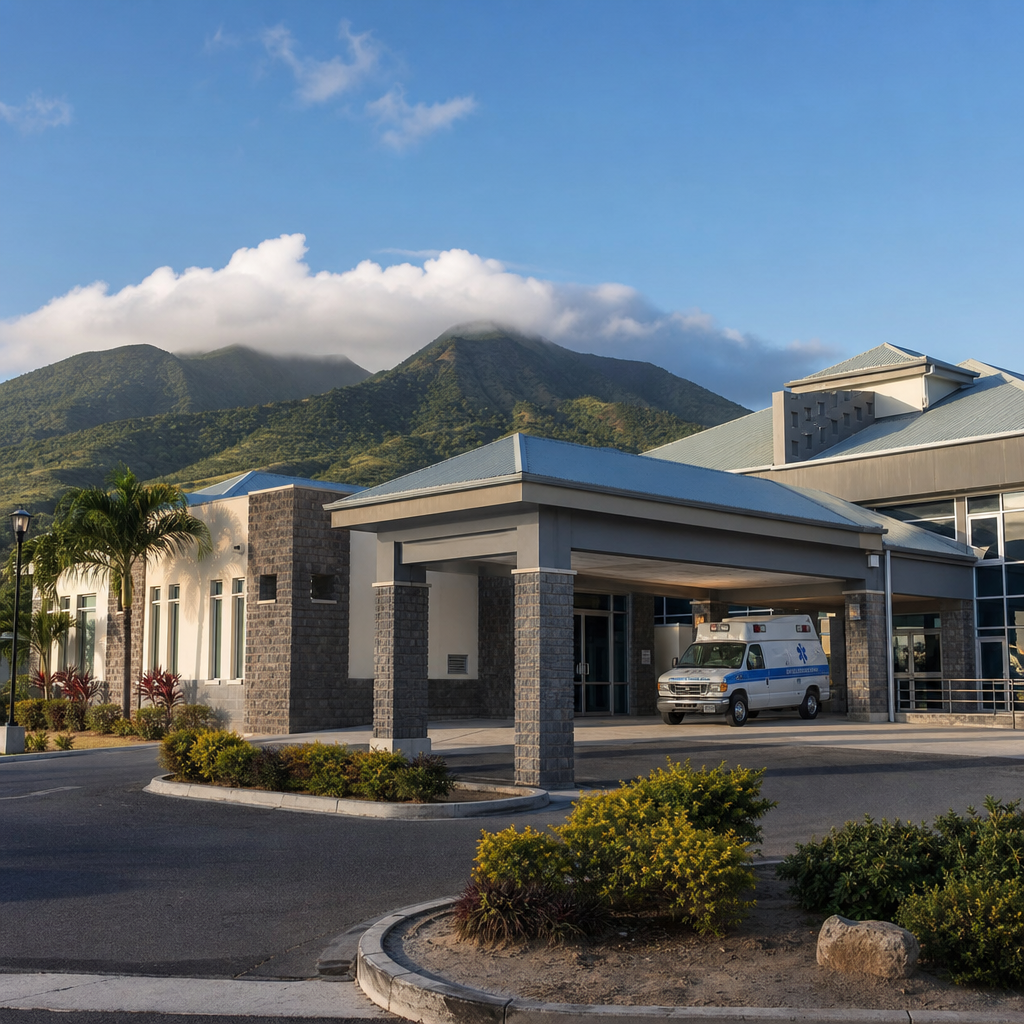
Healthcare investment opportunities in Nevis are gaining attention because the island combines a stable tourism-driven economy, a growing need for modern medical services, and a policy environment that welcomes carefully structured foreign capital. In practical terms, healthcare investment in Nevis includes financing clinics, diagnostic centers, eldercare facilities, telemedicine platforms, medical real estate, health insurance administration, wellness brands, and support services such as laboratory logistics and digital records systems. For investors evaluating Caribbean healthcare markets, Nevis matters because it sits at the intersection of three durable trends: an aging regional population, rising demand from residents and expatriates for higher-quality care close to home, and visitor expectations for dependable medical access in premium destinations. I have worked with investors assessing small-island markets, and Nevis stands out when the discussion moves from headline tourism numbers to resilient, service-based opportunities that can perform across economic cycles.
Nevis is the smaller partner in the Federation of Saint Kitts and Nevis, yet it has distinct investment characteristics. The island benefits from political continuity, use of the Eastern Caribbean dollar, and a legal environment rooted in common-law traditions familiar to many international operators. Healthcare demand is shaped by local residents, seasonal visitors, second-home owners, returning nationals, and workers supporting hospitality and construction. That mix matters. A market does not need a massive population to support healthcare investment if spending is concentrated, care gaps are clear, and service delivery can capture patients who currently travel abroad for consultations, imaging, elective procedures, and chronic disease management. This article serves as the hub for miscellaneous healthcare opportunities in Nevis by mapping the broad landscape, explaining where capital can be deployed, and identifying the operational realities that separate viable projects from speculative concepts.
Why Nevis attracts healthcare investors
The strongest case for investing in healthcare in Nevis is not based on one large hospital project. It is based on multiple medium-scale opportunities created by undersupply. Across many island markets, residents routinely travel for specialist appointments, advanced imaging, oncology support, rehabilitation, and some forms of long-term care. Every outbound patient journey represents local demand that is either unmet or inconveniently served. In Nevis, that creates room for targeted businesses rather than broad, capital-heavy systems. Investors should think in terms of filling specific service gaps with disciplined operating models: same-day diagnostics, outpatient specialty clinics, pharmacy expansion, dialysis support, physiotherapy, urgent care linked to hotels, and remote consultations with overseas specialists.
Another attraction is the economic profile of the island itself. Nevis has a reputation for upscale tourism, boutique hospitality, and international financial services. These sectors support a customer base that is more likely to pay for convenience, privacy, and reliable service quality. In healthcare, those preferences translate into willingness to use appointment-based clinics, executive health assessments, concierge primary care, and wellness offerings integrated with preventive medicine. Investors often overlook this point: in premium destinations, medical demand is not limited to acute illness. It includes health maintenance, occupational medicine for employers, post-travel support, sports recovery, and chronic disease monitoring for residents who want to avoid repeated off-island trips.
Regulatory predictability also helps. While every healthcare project requires local legal, licensing, and land-use review, Nevis is generally more understandable to international investors than less formal jurisdictions. The key is to avoid assuming that healthcare can be treated like generic commercial real estate. Clinical governance, staffing standards, data protection, pharmacy controls, and waste disposal procedures must be designed from the start. The investors I have seen succeed in islands are the ones who treat healthcare operations as regulated service infrastructure, not as simple property plays with a medical sign on the building.
Highest-potential healthcare segments in Nevis
The most promising healthcare segments in Nevis share four traits: clear demand, manageable capital expenditure, realistic staffing requirements, and the ability to scale through partnerships. Outpatient care is usually first on the list. A well-run multi-specialty clinic can address family medicine, internal medicine, pediatrics, women’s health, minor procedures, occupational health, and visiting specialists. In small markets, the visiting-specialist model is especially effective. Instead of employing every specialist full time, operators can schedule cardiology, orthopedics, dermatology, or endocrinology sessions monthly or quarterly, supported by local nurses and digital records. This reduces fixed payroll while improving patient access.
Diagnostics is another standout category. Imaging and laboratory capacity often determine whether patients stay on-island or leave. Basic radiology, ultrasound, mammography, bone density scanning, and blood testing can anchor a profitable healthcare platform because they generate recurring referrals from both public and private practitioners. When investors pair diagnostics with tele-radiology and specialist interpretation networks, they can deliver high-quality service without requiring every expert physically present in Nevis. I have seen this model work well where turnaround time becomes the competitive advantage. Patients and physicians value speed almost as much as technology.
Eldercare and assisted living deserve close attention. Caribbean populations are aging, and family structures are changing as relatives migrate or split time across countries. That increases demand for supervised accommodation, home health support, dementia-friendly services, rehabilitation, and respite care. In Nevis, eldercare can also intersect with the expatriate and retiree market. A facility does not need to begin as a large nursing home. Smaller, high-quality assisted living residences with nursing supervision, medication management, and rehabilitation links can match local demand and avoid overbuilding.
Wellness with medical credibility is also investable, provided it is not positioned as a vague spa concept. Nevis has natural appeal as a restorative destination, but investors should focus on evidence-based services: preventive screenings, metabolic health programs, cardiac risk assessments, physiotherapy, stress management overseen by clinicians, and recovery programs tied to hospitality assets. The value comes from combining tourism infrastructure with actual medical protocols. That distinction matters for reputation, insurer relations, and long-term sustainability.
| Segment | Why it fits Nevis | Typical investment angle |
|---|---|---|
| Outpatient clinics | Regular resident demand and flexible specialist scheduling | Leasehold clinic, physician partnerships, concierge packages |
| Diagnostics | Reduces off-island travel and supports all providers | Imaging center, laboratory network, tele-radiology contracts |
| Eldercare | Aging population and retiree interest | Assisted living, home health, rehab-linked residences |
| Digital health | Useful in a small market with specialist shortages | Telemedicine platform, e-prescribing, patient portal systems |
| Medical wellness | Aligns with tourism and premium hospitality | Preventive health center, recovery programs, executive screening |
Infrastructure, technology, and support-service openings
Some of the best healthcare investment opportunities in Nevis are indirect. Investors tend to focus on frontline clinics, but support infrastructure can be more defensible because it serves multiple providers. Health information systems are one example. Many smaller markets still rely on fragmented records, paper-heavy workflows, or disconnected billing processes. A secure electronic medical record platform adapted for clinics, diagnostic providers, pharmacies, and mobile practitioners can improve continuity of care and create sticky recurring revenue. The strongest versions include appointment scheduling, claims support, patient messaging, and reporting dashboards that help operators measure utilization and profitability.
Medical real estate is another useful angle. Purpose-built healthcare space is different from ordinary office property. It requires efficient patient flow, infection-control considerations, backup power, accessibility, and fit-outs for imaging, laboratory systems, or rehabilitation equipment. In Nevis, a landlord who understands these requirements can develop a medical office building that houses several tenants under one roof: dentists, general practitioners, physiotherapists, pharmacy counters, and visiting specialists. That clustering effect benefits both investors and patients. It also strengthens internal linking across the broader business ecosystem because healthcare tenants create demand for maintenance, IT, insurance, catering, transport, and training services.
Supply chain and logistics should not be ignored. Reliable procurement of pharmaceuticals, consumables, laboratory reagents, and sterile supplies is a persistent issue in island settings where shipping schedules and customs timing affect operations. A distributor with strong cold-chain management, inventory forecasting, and vendor relationships can become essential infrastructure. Likewise, biomedical equipment maintenance is often underserved. Clinics and labs need calibration, preventive servicing, software updates, and emergency repair. Investors willing to back technical service firms may find lower capital intensity and consistent B2B demand.
Telemedicine is especially relevant in Nevis because it extends specialist access without requiring large permanent teams. However, successful telemedicine is not simply a video-call subscription. It needs triage protocols, local examination support, secure data handling, referral pathways, and clear rules for prescribing and follow-up. The viable model is hybrid care: a local nurse or physician assistant supports intake, diagnostics are performed on-island when possible, and overseas specialists review results and guide treatment. That approach can expand dermatology, mental health, endocrinology, cardiology follow-up, and post-surgical monitoring while keeping more healthcare spending in Nevis.
Risk factors, regulations, and due diligence
Healthcare investors in Nevis should approach the market with rigor. Demand may be real, but execution risk is equally real. The first issue is scale. Small islands rarely forgive oversized projects. A hospital with too many beds, a wellness resort without referral channels, or a long-term care facility priced above local affordability can struggle quickly. I advise investors to start with bottom-up demand mapping: estimate resident catchment, private-pay capacity, insurer participation, likely tourist utilization, referral sources, and the percentage of patients currently traveling off-island for specific services. Build around one or two proven needs first.
Staffing is the second major issue. Recruiting clinicians to island markets can be difficult, especially for specialized roles. A business plan should include credentialing timelines, housing support, continuing education, locum coverage, and succession planning. The most durable operators use a blended workforce: permanent local staff for continuity, rotating external specialists for depth, and technology-enabled consultation to fill gaps. Without that staffing architecture, even a well-financed facility can become a beautiful but underused asset.
Compliance matters as much as market demand. Investors must evaluate licensing, professional registration, planning approvals, environmental requirements, pharmacy and laboratory standards, medical waste disposal, and data governance. Standards from bodies such as the World Health Organization, Pan American Health Organization, and where appropriate Joint Commission International principles can inform design even when formal accreditation is not the immediate goal. Using recognized standards from the start reduces risk, improves insurer and partner confidence, and makes future expansion easier.
Revenue concentration is another concern. In a market like Nevis, one hotel partnership, one insurer agreement, or one referring physician group can account for a large share of projected income. Concentration is manageable, but it must be measured. Financial models should test seasonality, delayed receivables, supply interruptions, and occupancy swings. Investors should also plan for community trust-building. Healthcare is reputation-driven. A clinic that communicates clearly, publishes service scope honestly, protects patient privacy, and handles complaints professionally will outperform a better-equipped competitor with weak patient experience.
Practical market-entry strategies for investors
The best entry strategy for healthcare investment in Nevis is usually partnership rather than greenfield isolation. Joint ventures with local physicians, hotel groups, insurers, pharmacies, or property owners reduce market-entry friction and improve referrals. For example, an outpatient center can partner with resorts to offer urgent care access for guests and staff, while also serving residents with scheduled appointments. A diagnostics operator can align with existing clinics rather than trying to own every referral source. An eldercare investor can partner with rehabilitation providers and home-care nurses before building residential capacity. These structures create distribution from day one.
Phased development is equally important. Instead of launching a full-service medical campus, investors can begin with a clinic and diagnostics base, then add rehabilitation, specialty sessions, pharmacy, or home health once utilization supports expansion. This phased method conserves capital and reveals real demand patterns. In my experience, the projects that perform best in island healthcare are the ones that add services after referral behavior is proven, not before.
Pricing strategy should be deliberate. Nevis can support premium healthcare services, but not every segment should be priced as luxury medicine. A balanced portfolio often works better: standard primary care for volume, cash-pay executive screening for margin, employer health contracts for recurring revenue, and travel-related urgent care for incremental demand. Investors should also consider regional reach. A business based in Nevis may serve patients from nearby islands through scheduled specialist days, remote consultations, and post-treatment recovery packages, provided compliance and transport logistics are handled properly.
Ultimately, healthcare investment opportunities in Nevis are attractive because they are practical, not speculative. The market rewards investors who solve visible service gaps, design around island realities, and build trust through quality and consistency. If you are exploring business and investment opportunities in Nevis, start by identifying one healthcare problem that residents, employers, or visitors repeatedly face, then structure a solution with the right clinical partner, regulatory plan, and phased capital model. That is how durable healthcare businesses are built on the island.
Frequently Asked Questions
What types of healthcare investment opportunities are available in Nevis?
Nevis offers a broad range of healthcare investment opportunities, which is one reason the market is drawing interest from regional and international investors. The most obvious opportunities include financing or developing private clinics, outpatient care centers, diagnostic imaging facilities, specialist practices, eldercare and assisted living facilities, and rehabilitation services. Investors are also looking closely at telemedicine platforms, digital health systems, laboratory services, pharmacy distribution, medical equipment leasing, and healthcare-related real estate designed for clinical or wellness use.
Beyond direct patient care, there is also strong potential in support services that make healthcare delivery more efficient. This can include lab operations, health insurance administration, medical billing systems, health IT, logistics for pharmaceuticals and supplies, and wellness-oriented brands that serve both residents and visitors. Because Nevis has a tourism-driven economy, there is also overlap between healthcare, preventive medicine, wellness, and hospitality, creating room for integrated business models that combine medical services with recovery, long-stay care, or lifestyle health programs.
What makes these opportunities especially compelling is that the market is still relatively focused and underbuilt compared with larger jurisdictions. That means investors who enter with the right structure, local partnerships, and long-term planning may be able to meet real service gaps while establishing strong market positions. In Nevis, the most attractive healthcare investments are usually those that solve practical needs, improve quality of care, and align with local demand rather than relying on overly speculative assumptions.
Why is Nevis considered an attractive location for healthcare investment?
Nevis stands out because it combines economic stability, a growing need for modern healthcare services, and an investment environment that is generally receptive to carefully planned foreign participation. The island benefits from a stable tourism-linked economy, and that matters because tourism supports broader infrastructure, attracts international attention, and creates a natural market for wellness, preventive care, and higher-quality medical services. At the same time, local residents and long-stay visitors increasingly expect modern, efficient, and accessible healthcare options.
Another important factor is market need. Like many island jurisdictions, Nevis faces practical healthcare delivery challenges tied to geography, scale, specialist access, and service diversification. That creates room for investment in areas such as diagnostics, eldercare, chronic disease management, outpatient treatment, digital health, and support services that reduce dependence on external providers. Investors are not simply entering a crowded market; in many cases, they are helping build capabilities that are genuinely needed.
Nevis can also be attractive from a strategic standpoint. Its size allows investors to assess demand patterns clearly, build relationships with stakeholders, and launch focused projects without the complexity of a massive healthcare system. For investors who value disciplined execution, this can be an advantage. The most successful projects tend to be those that respect the local regulatory environment, understand community needs, and position themselves as long-term contributors to healthcare capacity rather than just short-term capital plays.
What should foreign investors evaluate before investing in healthcare projects in Nevis?
Foreign investors should begin with a thorough assessment of regulatory requirements, licensing pathways, ownership structures, land or facility use rules, and any sector-specific approvals that may apply to healthcare delivery, insurance administration, diagnostics, pharmacy-related operations, or eldercare services. Healthcare is a regulated field everywhere, and in Nevis, investors need to confirm exactly what permissions are required before committing capital. Legal due diligence should cover corporate setup, operating permissions, employment law, professional credential recognition, patient data handling, and any public health compliance obligations.
Market due diligence is equally important. Investors should evaluate population needs, referral patterns, income profiles, insurance usage, visitor demand, and the current availability of services on the island and in the wider region. A diagnostic center, for example, may look attractive on paper, but the business case depends on physician referrals, patient volumes, reimbursement patterns, equipment utilization rates, and staffing availability. The same principle applies to telemedicine, eldercare, or wellness brands. Real demand, not general optimism, should drive the investment model.
Operational planning is another major consideration. Investors should examine workforce availability, recruitment channels, training needs, import logistics for equipment and supplies, maintenance support, technology infrastructure, and business continuity planning. On an island market, execution details matter a great deal. A good concept can underperform if equipment servicing is unreliable or specialist staffing is difficult to sustain. The strongest healthcare investments in Nevis are typically those backed by realistic financial models, strong local partnerships, phased expansion strategies, and a clear understanding of how quality care will actually be delivered on the ground.
Which healthcare segments in Nevis may have the strongest long-term growth potential?
Several healthcare segments appear particularly well positioned for long-term growth in Nevis. Outpatient and community-based care is one of them, especially services that reduce the need for patients to travel elsewhere for routine diagnostics, specialist consultations, chronic disease monitoring, and preventive treatment. Diagnostic centers, laboratory services, imaging, and digitally enabled primary care models can be especially valuable because they improve access while fitting the scale of the local market.
Eldercare is another segment with significant promise. As populations age and family structures evolve, the need for assisted living, senior support services, rehabilitation, and long-term care solutions tends to increase. In a setting like Nevis, investors who can deliver dignified, well-managed eldercare with strong clinical oversight may find sustained demand from residents, returning nationals, and families seeking quality support options. This area often benefits from combining healthcare, hospitality, and real estate expertise.
Telemedicine and health technology also have strong potential because they can help bridge specialist access gaps and improve efficiency across the system. Platforms that support virtual consultations, remote monitoring, appointment management, care coordination, and insurance administration can create value without requiring the same level of physical infrastructure as a full-service facility. In addition, wellness-integrated healthcare models may continue to grow, particularly those that connect preventive care, recovery services, lifestyle medicine, and visitor-oriented wellness demand. The best long-term opportunities are usually the ones that solve structural healthcare needs while remaining financially sustainable in a small-island environment.
How can investors reduce risk and build a successful healthcare business in Nevis?
Risk reduction starts with choosing the right investment model. In Nevis, healthcare businesses are generally more resilient when they address clear service gaps, launch in manageable phases, and avoid overbuilding too early. Investors should focus on realistic demand forecasting, conservative capital planning, and service lines that can demonstrate value quickly. Starting with a focused clinic, diagnostic service, telemedicine platform, or specialized support operation may be more effective than trying to build a large, complex facility from day one.
Partnerships are also critical. Investors who work with experienced local advisors, healthcare professionals, property specialists, compliance experts, and community stakeholders usually make better decisions and avoid preventable mistakes. These partnerships can improve regulatory navigation, site selection, hiring, procurement, and patient trust. In healthcare, reputation matters enormously, so successful operators tend to emphasize clinical quality, ethical standards, reliable service delivery, and transparent governance from the outset.
Finally, long-term success depends on building a business that is both financially disciplined and operationally credible. That means investing in workforce development, quality control, digital systems, maintenance planning, and patient experience, not just physical assets. It also means understanding how the business will adapt to changes in demand, regulation, technology, and regional competition. In Nevis, the investors most likely to succeed are those who see healthcare not simply as a real estate or capital allocation exercise, but as an essential service sector where strong execution, trust, and local relevance ultimately drive returns.