Catamaran cruising around Saint Kitts offers one of the most rewarding ways to experience the island’s coastline, because the sea reveals landscapes, anchorages, and wildlife that remain invisible from the road. A catamaran is a twin-hulled sailing vessel designed for stability, shallow draft, and generous deck space, qualities that make it especially suited to Caribbean day sails, coastal hops, and multi-island itineraries. Saint Kitts, part of the Federation of Saint Kitts and Nevis in the northeastern Caribbean, combines protected bays, steady trade winds, warm water, and easy access to nearby islands such as Nevis and St. Eustatius. That combination matters to travelers who want more than a beach transfer or a standard excursion. It matters to families who need comfort, to divers who want direct access to reefs, and to sailors who care about wind angles, anchoring depth, and marina logistics.
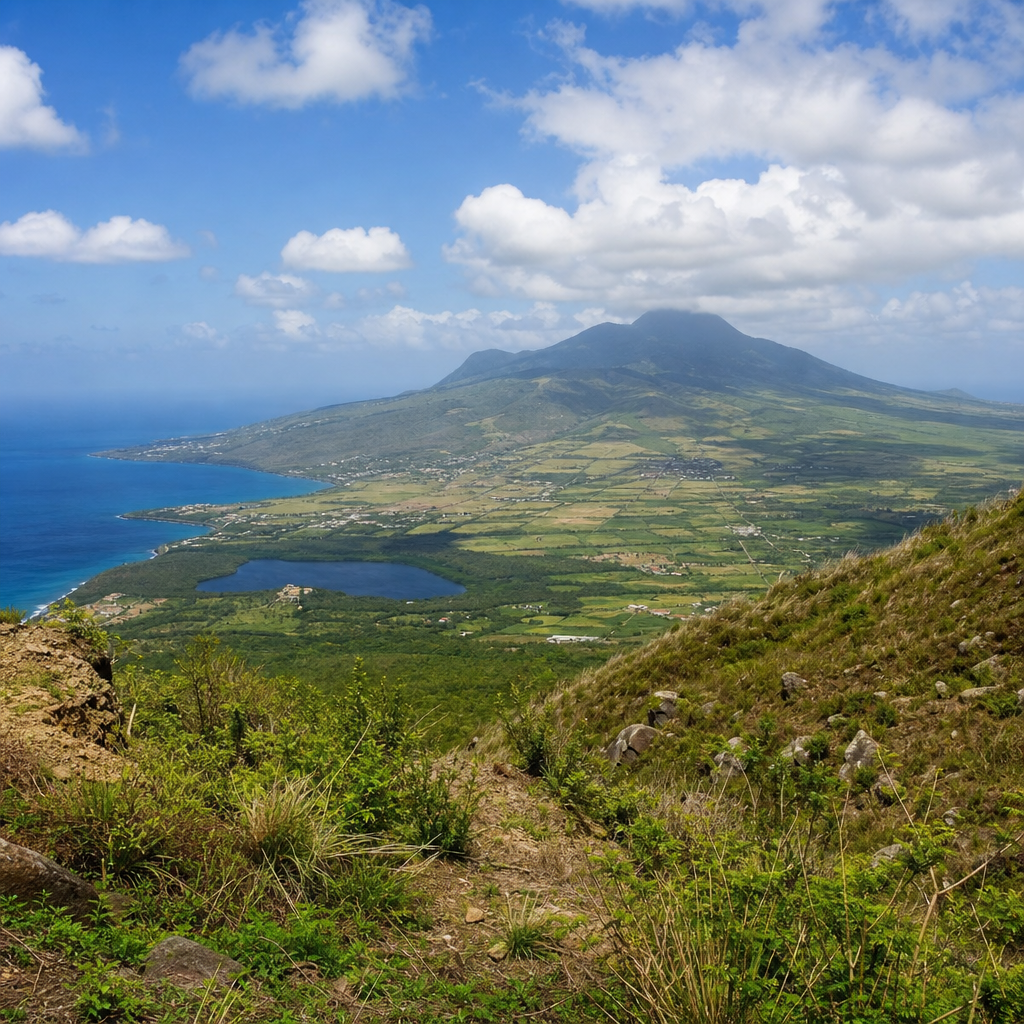
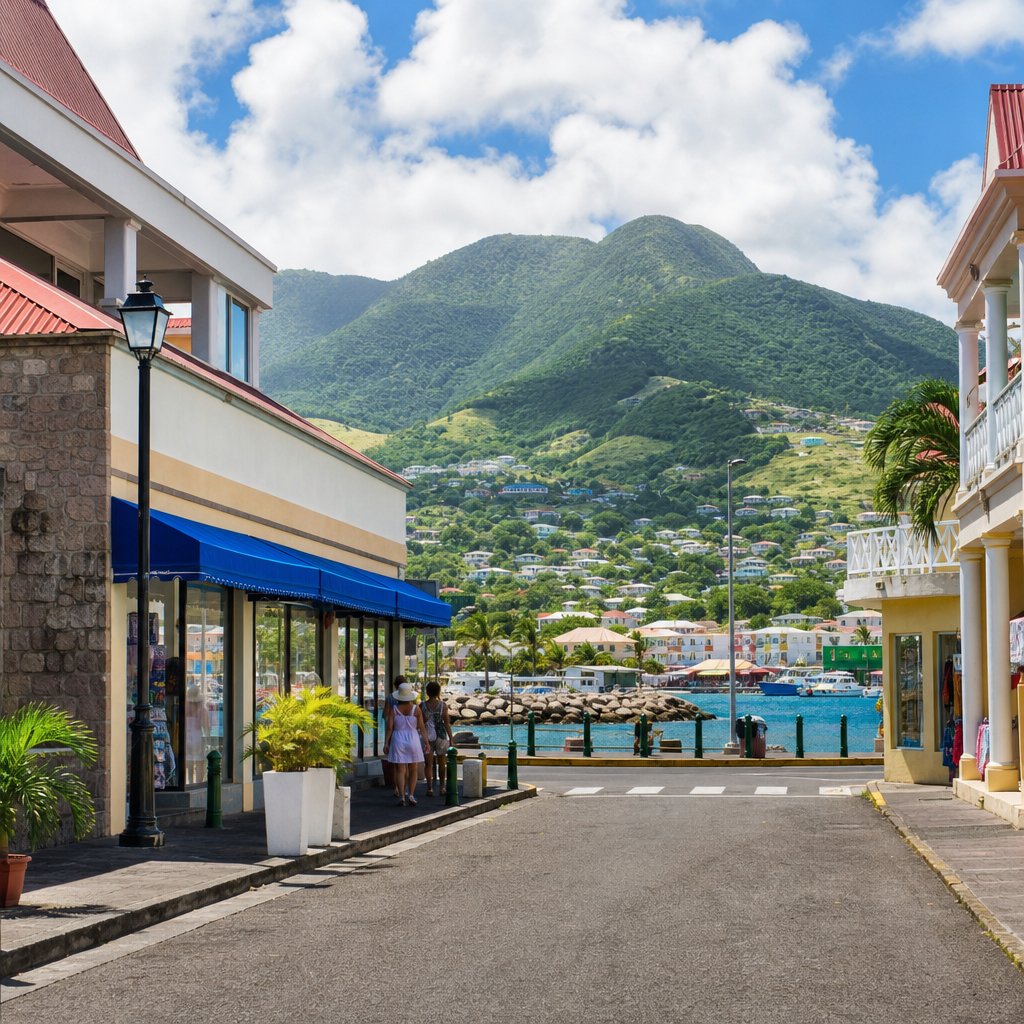
Having worked itineraries through the Leeward Islands, I have seen how often Saint Kitts is underestimated by visitors who focus only on resort areas. From the deck of a catamaran, the island feels larger, greener, and more varied. You see the volcanic slopes of Mount Liamuiga descending toward black-sand coves, the pastel waterfront of Basseterre, and the long arc of the Southeast Peninsula where the Atlantic and Caribbean appear to meet. Cruising also changes the pace of a trip. Instead of dealing with traffic, parking, and crowded viewpoints, you move with the weather and the light. A morning snorkel in calm water can turn into a lunch anchorage off a beach bar, then a sunset sail with frigatebirds overhead.
This hub article covers the miscellaneous essentials that support catamaran cruising around Saint Kitts: when to go, what routes work best, where conditions change, what to pack, how charters operate, and which shore experiences pair well with time afloat. If you are planning a private charter, joining a crewed day sail, or using Saint Kitts as part of a wider island-hopping adventure, understanding these details will save money, reduce risk, and improve the experience. The goal is simple: help you choose the right style of cruise and get the best possible value from Saint Kitts’ waters.
Why Saint Kitts Works So Well for Catamaran Cruising
Saint Kitts has several natural advantages for catamaran cruising. First, the island sits within the Leeward chain, where the northeast trade winds are generally reliable from December through June. Those winds often create pleasant beam or broad reaches along sections of the coast, which means smoother sailing than hard upwind work. Second, many anchorages are relatively close together. You can leave from Port Zante Marina or Christophe Harbour and reach swimming, snorkeling, or lunch stops quickly, making even half-day charters feel substantial. Third, the island’s lee side offers more protected water, especially on routes facing the Caribbean Sea rather than the full Atlantic exposure of the southeast shoulder.
The geography also suits catamarans specifically. Their shallow draft allows access to spots where monohulls need more caution, and their wider beam provides a stable platform for non-sailors. That matters in Saint Kitts because many visitors are not booking a technical sailing holiday; they want comfort, easy water access, and space to relax between stops. On a well-run catamaran, the trampoline becomes a front-row seat for coastal scenery, the aft steps make snorkeling entry simple, and the saloon offers shade when midday heat builds. For travelers prone to motion sickness, this stability can be the difference between a memorable outing and a miserable one.
Infrastructure is another strength. Basseterre receives cruise traffic and has marine services that support day charters and provisioning. Christophe Harbour on the southeast peninsula has developed as a premium marina with superyacht facilities, haul-out capability, customs support, and sheltered berths. That means private charters, crewed catamarans, and sailing schools can operate with better maintenance standards than on islands where marine services are limited. For travelers comparing Saint Kitts with destinations that have beautiful water but weak support systems, this practical side should not be overlooked.
Best Time to Cruise, Weather Patterns, and Sea Conditions
The best period for catamaran cruising around Saint Kitts is usually December through May, when humidity is lower, rainfall is lighter, and trade winds are most consistent. Daytime temperatures commonly range from about 24 to 30 degrees Celsius, and sea temperatures stay comfortable for swimming. These months also align with peak visitor season, so charter demand is higher and prices can rise around Christmas, New Year, regatta periods, and Easter. If your priority is the calmest overall planning environment, book early for winter departures. If you want better value with still-good conditions, late April and May can be excellent.
June through November brings the wetter season and the Atlantic hurricane period. That does not mean cruising is impossible, but it changes the risk profile. Wind can be lighter and less predictable one week, then squally the next. Visibility for snorkeling may fluctuate after rain, and operators may shorten routes when thunderstorms build. Experienced captains can still craft very enjoyable outings during summer windows, especially in sheltered waters, but flexibility becomes essential. Travel insurance that specifically covers weather-related marine cancellations is worth having, and visitors should confirm whether their operator offers rescheduling, credit, or refunds when conditions become unsafe.
Sea state around Saint Kitts varies by coast. The Caribbean side is generally more forgiving, while the Atlantic-facing areas near the southeast peninsula can feel choppier, particularly when swell wraps around or wind opposes current. Mornings are often calmer than afternoons, so families with young children or first-time sailors usually benefit from earlier departures. A practical way to judge comfort is to ask the charter company not just about wind speed, but about swell direction, wave period, and intended anchorage protection. A forecast of fifteen knots means something very different in a tucked lee bay than it does on an exposed passage.
| Cruising Factor | December to May | June to November |
|---|---|---|
| Wind reliability | Strongest and most consistent trade winds | More variable, with calm spells and squalls |
| Rainfall | Lower overall rainfall | Higher rainfall and thunderstorm risk |
| Sea conditions | More predictable for day sails | Can change quickly, especially offshore |
| Charter pricing | Higher during peak travel periods | Often better value, but weather risk increases |
| Best for | First-time visitors, families, photographers | Flexible travelers watching forecasts closely |
Popular Routes, Anchorages, and On-the-Water Experiences
Most catamaran cruises around Saint Kitts begin from Basseterre or Christophe Harbour, and the route usually depends on time available, passenger comfort, and whether the priority is sailing performance or water activities. For a half-day charter, the simplest and most reliable option is a coastal sail on the Caribbean side with a stop for snorkeling and swimming. These trips often include views of the old sugar estates, the green volcanic ridge, and the urban edge of Basseterre fading into quieter shoreline. Because distances are short, crews can spend more time at anchor and less time transiting.
One of the classic full-day experiences is the crossing to Nevis. The Narrows, the channel between Saint Kitts and Nevis, can deliver brisk sailing and excellent scenery, with Nevis Peak rising dramatically ahead. On favorable days, this route gives travelers two islands in one excursion: depart Saint Kitts after breakfast, snorkel or swim near Nevis, have lunch ashore or on board, then return with late-afternoon light on both islands. The passage is not usually difficult for a competent crew, but it can be lively, so passengers seeking the smoothest ride should tell the operator in advance.
The Southeast Peninsula offers a different personality. Here the island narrows into a striking strip of land bordered by the Caribbean on one side and the Atlantic on the other. From the water, you appreciate how dramatic the topography is and why this area has become central to luxury marine development. Christophe Harbour provides a polished embarkation point, while nearby coves can work for swimming, paddleboarding, or a relaxed lunch stop. Conditions, however, are more exposure-sensitive than on the west coast. A capable captain will read wind acceleration zones and avoid anchoring where swell wrap makes guests uncomfortable.
Snorkeling around Saint Kitts is best approached with realistic expectations. This is not every site’s equal to the largest reef systems farther south, but there are rewarding coral and fish habitats, especially when visibility is good and operators know where recent conditions have been favorable. I advise travelers to ask specifically whether the trip emphasizes sailing, beach time, or snorkeling quality, because not every charter can deliver all three equally well on the same day. The best crews are honest about that tradeoff and adjust the plan instead of overpromising.
Choosing the Right Charter: Day Sail, Private Cruise, or Crewed Multi-Day Trip
The right catamaran charter depends less on the boat itself than on how you want to use your time. Shared day sails are the most accessible option. They lower cost, usually include drinks and snorkel gear, and suit travelers arriving by cruise ship or staying a short time on island. The compromise is flexibility. You follow the operator’s route, pacing, and menu, and popular departures can feel social rather than serene. For many visitors, that is perfectly acceptable; for honeymoons, milestone celebrations, or serious sailors, it may not be.
Private day charters are the strongest choice for customization. You can set departure time, choose a quieter anchorage, control the music level, and align the itinerary with your group’s priorities. This matters more than people expect. A family with children may want a short sail and long swim stop. A group of experienced sailors may want the sails trimmed properly and engines off whenever conditions allow. A couple focused on photography may want to chase morning light along the coast. Private charters cost more, but the value per hour can be better if personalization is important.
Crewed multi-day catamaran charters are ideal for travelers who want Saint Kitts as part of a broader Leeward Islands circuit. In that format, Saint Kitts becomes both destination and gateway. You might provision in Saint Kitts, overnight in a quiet bay, cross to Nevis, and continue onward depending on customs requirements, operator permissions, and sea conditions. This style of charter requires closer attention to contracts, provisioning plans, bunk configuration, generator hours, and watermaker capacity. It also rewards that effort with sunrise anchorages, night skies free of shore glare, and a stronger sense of seamanship than any resort excursion can provide.
Whichever format you choose, vet the operator carefully. Ask about licensing, vessel age, safety equipment, VHF and AIS capability, lifejacket sizes for children, crew certifications, and what happens if weather forces a route change. Reputable companies answer these questions directly and do not treat them as nuisances. A polished website means little if maintenance is poor. In the Caribbean, the difference between a premium day and a frustrating one is often hidden in unglamorous details such as clean fuel, functioning heads, and a crew that briefs guests clearly before leaving the dock.
What to Pack, What to Budget, and How to Stay Safe
Packing for catamaran cruising around Saint Kitts should be deliberate, not excessive. The essentials are reef-safe sunscreen, polarized sunglasses with a retainer, a long-sleeve UV shirt, non-marking deck footwear or sandals with grip, a hat that will not blow off easily, and a dry bag for phones and documents. If you snorkel regularly, bring your own mask for fit and hygiene. Motion sickness medication should be taken before departure, not after discomfort begins. Soft-sided bags are preferable on smaller boats because they stow more easily than rigid luggage.
Budgeting depends on charter style. Shared sails may include open bar service and lunch, while private charters often price separately for catering, premium alcohol, seabobs, fishing gear, or dockage beyond the home marina. Ask whether fuel is included, especially for motor-heavy itineraries in light wind conditions. Tipping norms vary, but crews providing attentive service, safe handling, and thoughtful hosting generally merit gratuity. Also account for transfers to the marina, waterproof phone protection, and possible cancellation costs if your wider itinerary is tight and cannot absorb weather changes.
Safety on the water is mostly about preparation and communication. Listen to the briefing, confirm where lifejackets are stored, ask before jumping from any deck level, and respect the captain’s call on weather or current. Around Saint Kitts, sun exposure and dehydration are more common problems than dramatic emergencies. Drink water steadily, not just rum punch, and remember that wind masks how much heat you are absorbing. If you have limited swimming ability, say so clearly. Good crews are accustomed to mixed confidence levels and can choose safer entry points, flotation aids, and calmer anchoring options without making anyone feel self-conscious.
Environmental responsibility matters too. Saint Kitts depends on healthy coastal ecosystems for tourism and fisheries, so visitors should avoid standing on coral, feeding fish, or dropping trash overboard. Anchoring practices are primarily the crew’s responsibility, but passengers can still choose operators who protect seabeds and use moorings where available. Small decisions, repeated across thousands of trips, determine whether these waters remain a seafarer’s delight or become another overused playground. Responsible cruising is not a marketing extra; it is part of competent seamanship.
How Catamaran Cruising Connects with Saint Kitts Adventures on Shore
As a hub within the broader Adventure and Activities topic, catamaran cruising around Saint Kitts works best when paired with the island’s land-based experiences rather than treated as an isolated excursion. A morning sail complements an afternoon at South Friars Bay or Cockleshell Beach. A cruise from Basseterre can be combined with time exploring Independence Square, the National Museum, or the food stalls and restaurants near Port Zante. Travelers interested in history often pair a sailing day with Brimstone Hill Fortress National Park, a UNESCO World Heritage Site that explains why these waters were strategically important for centuries.
Adventure travelers can build a fuller itinerary by combining the sea with rainforest hiking, ziplining, ATV tours, scuba diving, sport fishing, and scenic rail excursions. That mix is useful because weather may favor one activity over another on a given day. If swell reduces snorkeling quality, you can shift to hiking the volcano slopes. If cloud cover cools the interior, it may be the right day for a plantation tour before returning to the coast for sunset. Saint Kitts is strongest as a varied destination, and catamaran cruising is the thread that ties many of its experiences together by giving geographic context to everything you see ashore.
The key takeaway is straightforward: catamaran cruising around Saint Kitts combines comfort, scenery, and access in a way few activities can match. It lets you experience the island’s geography properly, not just as a sequence of roadside stops. Choose the right season, work with a credible operator, match the route to your group, and pack for sun, spray, and changing conditions. Do that, and Saint Kitts delivers exactly what sailors and curious travelers hope for: steady breeze, inviting anchorages, and a memorable sense of freedom. If you are building your Saint Kitts adventure plan, make a catamaran day one of the first bookings on your list.
Frequently Asked Questions
Why is a catamaran such a good choice for cruising around Saint Kitts?
A catamaran is especially well suited to cruising around Saint Kitts because its design matches the conditions and experiences most travelers want in the Caribbean. With two hulls instead of one, a catamaran offers greater stability on the water, which means a smoother ride for guests who may be new to sailing or sensitive to motion. Around Saint Kitts, where coastal cruising often includes a mix of calm leeward waters, lively trade-wind breezes, and stops in protected bays, that stability makes the day far more comfortable and enjoyable.
Another major advantage is shallow draft. Because catamarans sit higher in the water than many monohulls, they can access areas closer to beaches, reefs, and shallow anchorages without needing deep water beneath them. This is particularly valuable when exploring the island’s coastline, where some of the most memorable moments come from anchoring in scenic coves, swimming in clear turquoise water, or launching a dinghy close to shore. You get access to places that feel more intimate and less crowded than what you might experience from land.
Space is also a defining benefit. Catamarans usually provide broad decks, open lounging areas, and roomy cockpits, making them ideal for families, couples, and small groups. Whether you want to sunbathe, dine on board, watch the coastline unfold, or simply enjoy uninterrupted views of the Caribbean Sea, the platform is designed for comfort. In practical terms, that means more room to move around safely, more social space, and a more relaxed onboard atmosphere. For Saint Kitts, where the scenery is a central part of the journey, that extra deck space turns the cruise itself into the main attraction rather than just transportation.
What can you see while catamaran cruising around Saint Kitts that you might miss from land?
One of the great pleasures of catamaran cruising around Saint Kitts is that the sea gives you a completely different perspective on the island. From the water, the dramatic green slopes, volcanic contours, and long stretches of coastline become far more striking than they appear from the road. You can appreciate the way the island rises from the sea, how the beaches shift in color and character, and how hidden coves and headlands create a coastline that feels far more varied than many visitors expect.
You are also likely to encounter anchorages and nearshore areas that are difficult to fully appreciate from land. Quiet bays, rocky points, and stretches of coast with little development often feel far more secluded when approached by boat. On a catamaran, you can pause offshore and take in views that most road-based travelers never see, including beachscapes framed by hills, distant neighboring islands, and the changing light across the water throughout the day. This is one of the reasons sailing around Saint Kitts feels less like sightseeing and more like discovery.
Wildlife is another major highlight. Depending on the season and conditions, cruisers may spot seabirds, flying fish, sea turtles, and other marine life along the route. Snorkeling stops can reveal colorful fish and reef habitats in clear Caribbean water, adding another layer to the experience. Even when wildlife sightings are brief, they reinforce the sense that the island’s coastal environment is alive in a way that is not always visible from inland viewpoints. For travelers who want a fuller understanding of Saint Kitts beyond beaches and towns, cruising opens up the island’s maritime side in a memorable and immersive way.
Is catamaran cruising around Saint Kitts suitable for beginners and casual travelers?
Yes, catamaran cruising around Saint Kitts is often an excellent option for beginners, first-time sailors, and travelers who simply want a relaxed day on the water. Catamarans are widely considered more stable than many single-hulled boats, which helps reduce the rolling sensation that can make new passengers uneasy. In the relatively favorable cruising conditions often found around the island, especially on well-planned routes and fair-weather sailing days, that stability makes a noticeable difference in comfort and confidence.
For casual travelers, another advantage is that many catamaran experiences are designed to be easy and accessible. Day charters often include a captain and crew, so guests do not need sailing knowledge to enjoy the trip. The crew typically handles navigation, anchoring, sail management, safety briefings, and local recommendations, allowing passengers to focus on swimming, snorkeling, relaxing, and taking in the scenery. This makes the experience appealing not only to experienced boaters but also to honeymooners, families, friend groups, and cruise visitors looking for a more intimate excursion.
That said, comfort still depends on choosing the right outing. Travelers who prefer gentle conditions should ask about route length, expected sea state, wind exposure, and the amount of time spent under sail versus at anchor. It is also wise to bring sun protection, water, and motion-sickness remedies if you are unsure how you respond on boats. Overall, for most visitors, a professionally operated catamaran cruise around Saint Kitts is one of the most approachable and rewarding ways to spend time on the water, even if they have never sailed before.
What types of catamaran cruises are available around Saint Kitts?
Catamaran cruising around Saint Kitts can take several forms, which is part of what makes it such a flexible and attractive experience. The most common option is a day sail, where guests spend several hours exploring sections of the coastline, stopping to swim or snorkel, enjoying food and drinks on board, and returning by late afternoon. These trips are popular because they combine scenic sailing with leisure and are easy to fit into a broader island itinerary.
There are also private charters, which are ideal for travelers who want a more customized experience. A private catamaran allows you to tailor the pace and focus of the day, whether that means more snorkeling time, a celebratory meal on board, a romantic sunset sail, or extra time anchored in a quiet bay. For couples, families, and small groups, this kind of cruise offers privacy and flexibility that shared excursions may not provide. It also allows for a more personal interaction with the captain and crew, who can often adapt the route to weather conditions and guest interests.
For more ambitious travelers, multi-day cruising can expand the experience beyond Saint Kitts alone. Because the island sits within a wider Caribbean cruising region, catamaran itineraries may include neighboring waters and inter-island passages, especially when paired with Nevis or other nearby destinations. These longer trips highlight one of the catamaran’s key strengths: it is equally comfortable for leisurely day use and for extended coastal or island-hopping adventures. Whether you want a half-day introduction to Saint Kitts by sea or a deeper sailing itinerary, there is usually a catamaran format that fits your travel style, schedule, and budget.
When is the best time to go catamaran cruising around Saint Kitts, and what should you bring?
The best time for catamaran cruising around Saint Kitts is generally during the drier and busier Caribbean travel season, when weather patterns are typically more settled, skies are clearer, and sea conditions are often favorable for coastal sailing. That said, Saint Kitts enjoys a warm tropical climate for much of the year, so cruising can be enjoyable in many seasons as long as operators are attentive to forecasts and local marine conditions. Wind, swell, and passing showers can all influence the day’s route and comfort level, so flexibility is part of the experience.
Morning and late-afternoon departures each offer different advantages. Morning sails often bring calmer conditions, bright visibility for sightseeing and snorkeling, and comfortable temperatures before the strongest midday sun. Afternoon and sunset cruises, by contrast, are prized for softer light, dramatic coastal views, and a more leisurely social atmosphere. If your goal is wildlife spotting, photography, or underwater clarity, it is worth asking local operators which departure windows tend to be best for those priorities.
As for what to bring, practical preparation makes a big difference. Essentials include reef-safe sunscreen, a hat, polarized sunglasses, a swimsuit, a light cover-up, and non-slip footwear if recommended by the operator. If snorkeling is part of the trip, some charters provide equipment, but it is smart to confirm in advance. A waterproof phone pouch or dry bag is useful for protecting valuables, and anyone prone to seasickness should take medication before boarding rather than after symptoms begin. Bringing a reusable water bottle, a towel, and a camera is also sensible. With the right timing and a few basics packed in advance, a catamaran cruise around Saint Kitts becomes a comfortable, scenic, and exceptionally memorable way to experience the island.