Nevis rewards slow exploration, and historical walking tours in Nevis offer the clearest way to understand how this small Caribbean island shaped, and was shaped by, centuries of migration, trade, faith, conflict, agriculture, and resilience. A walking tour is more than a stroll between old buildings. It is a structured journey through streets, estates, churches, cemeteries, coastal defenses, and village landscapes where the island’s story still sits in stone, timber, road patterns, and family memory. For travelers planning activities beyond beaches and water sports, this experience belongs at the center of any thoughtful itinerary.
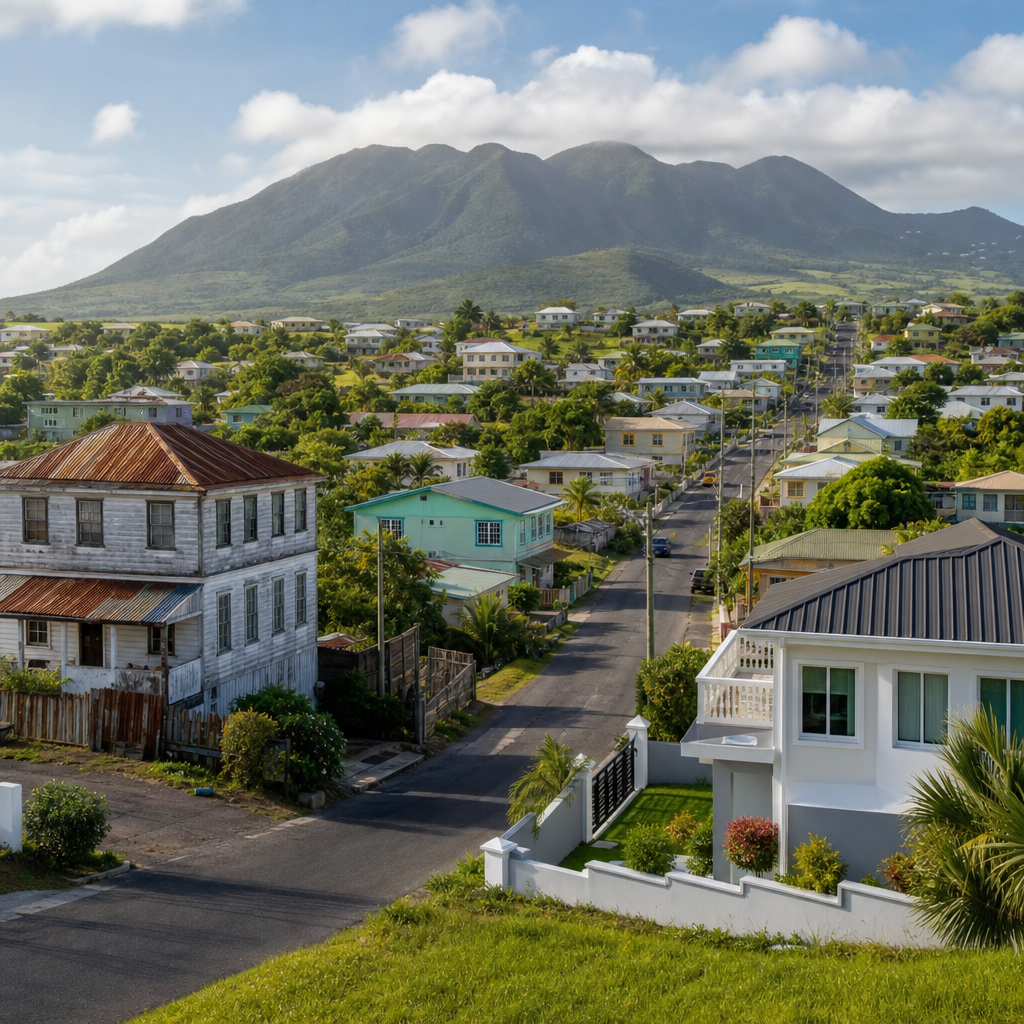
When I have guided visitors around Charlestown and the wider island, the same reaction comes up repeatedly: Nevis feels intimate, but its history is expansive. The capital’s Georgian-style buildings, the birthplace of Alexander Hamilton, surviving plantation ruins, and the legacy of sugar all reveal layers that are easy to miss from a car window. Walking slows the pace enough to notice details such as hand-cut volcanic stone, old cistern systems, courthouse proportions, churchyards with weathered epitaphs, and the way mountain geography influenced settlement. Those details matter because they connect major historical themes to physical places people can actually stand in today.
Historical walking tours in Nevis matter for practical reasons too. They help visitors understand local culture, support guides, museums, heritage sites, and small businesses, and turn sightseeing into informed travel rather than surface-level consumption. They also work for different kinds of travelers. Families can keep routes short in Charlestown. Cruise or ferry visitors can focus on compact town landmarks. Serious history enthusiasts can combine urban walks with plantation sites and rural churches. As a hub for miscellaneous heritage activities under adventure and activities, this guide explains what to see, how tours are structured, who they suit, and how to get more value from every stop.
What You See on Historical Walking Tours in Nevis
The best historical walking tours in Nevis usually begin in Charlestown, one of the oldest towns in the eastern Caribbean. Its layout reflects colonial administration, port trade, and post-disaster rebuilding. Visitors typically encounter the Museum of Nevis History, housed in the building associated with Alexander Hamilton’s birth in 1755 or 1757, depending on the source consulted. Good guides do not treat that site as a celebrity stop alone. They use it to explain transatlantic commerce, social hierarchy, and why Nevis held outsized strategic importance during the sugar era.
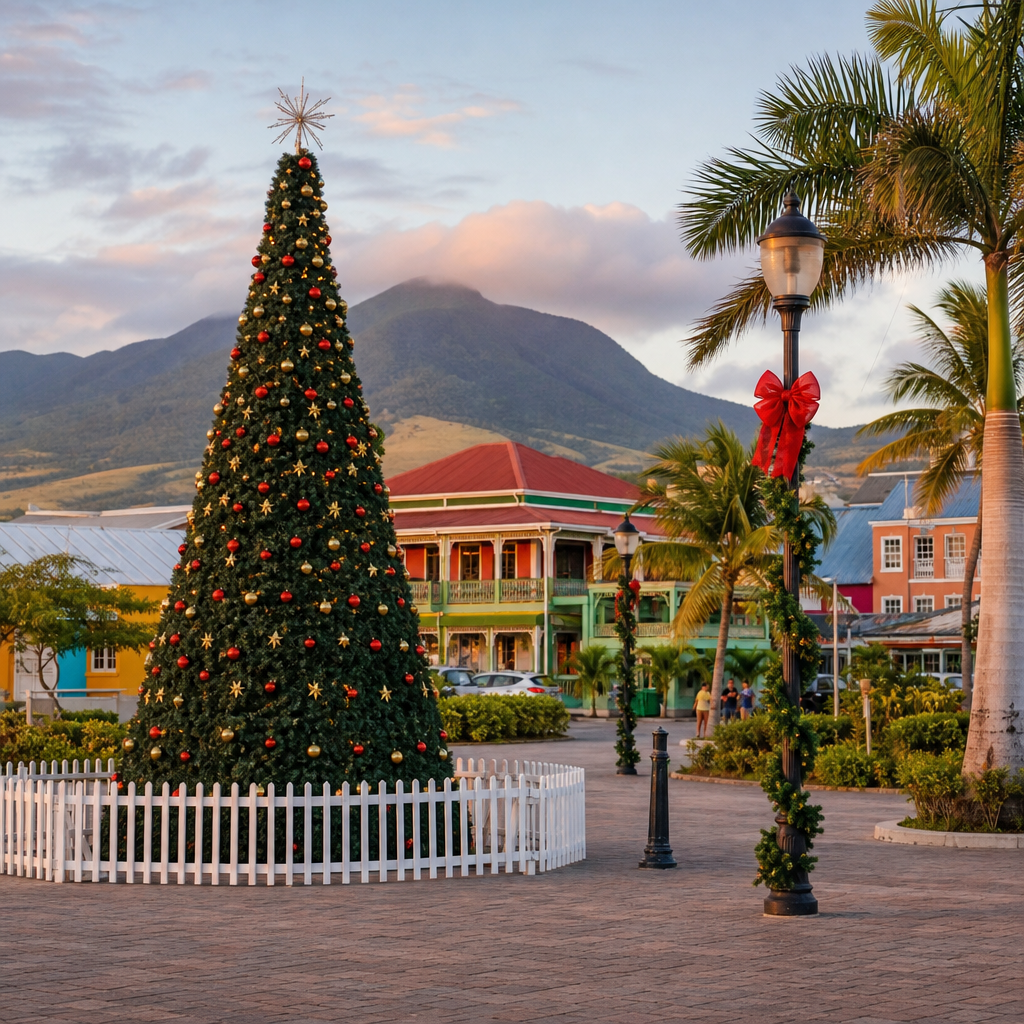
From there, many routes include the Georgian architecture for which Charlestown is known. After repeated fires, earthquakes, and hurricanes, the town developed a building style adapted to climate and risk, with arcades, galleries, and masonry techniques intended to improve durability and airflow. The Jewish cemetery and the nearby Synagogue site add another layer, showing the island’s once-significant Sephardic Jewish community, whose members played roles in trade and mercantile networks. Churches such as St. Thomas Anglican Church and older burial grounds provide a direct link to enslaved, free, and elite communities whose lives otherwise appear only briefly in written records.
Beyond town, historical walks often extend to plantation ruins and estate landscapes. These sites are essential because Nevisian history cannot be understood without the sugar plantation economy and the enslaved labor that sustained it. Ruins at places such as New River Estate show the scale of sugar production through surviving windmill towers, boiling houses, aqueducts, and processing infrastructure. A strong guide explains exactly how cane moved from field to mill to boiling room to export barrel, and also makes clear that these impressive ruins were built from violence, coercion, and unequal power. That balance is crucial.
Why Charlestown Is the Core Heritage Walk
Charlestown is the most efficient starting point because many major landmarks sit within a manageable distance, and the town itself functions like an open-air archive. On foot, visitors can trace how commerce operated between the waterfront, warehouses, public buildings, and residences. The scale is approachable; most travelers can cover central highlights in one to two hours at a moderate pace, though a deeper interpretation can easily fill half a day. Because streets are compact, guides can stop frequently without the logistical drag that larger historic cities often impose.
In practical terms, Charlestown also serves travelers who want a heritage experience without committing to a strenuous trek. Roads are relatively flat compared with inland routes, and access to cafes, museums, public buildings, and transport is straightforward. For visitors staying in Pinney’s Beach resorts or arriving from St. Kitts by ferry, town-based walking tours are the simplest introduction to Nevisian history. They also pair well with other activities on the same day, including culinary stops, museum visits, market browsing, or a drive to nearby viewpoints after the walk concludes.
One of the strengths of a Charlestown walk is thematic range. A single route can cover colonial governance, trade, religion, architecture, disasters, emancipation, and modern identity without feeling fragmented. I have found that even travelers who arrive mainly because of Hamilton leave talking more about ordinary island life, adaptation to hurricanes, and the way post-emancipation communities reshaped Nevis. That is the mark of a good historical walking tour: it begins with landmarks, but it ends with people.
Plantation Heritage, Sugar History, and Hard Truths
Any serious article about historical walking tours in Nevis must address plantation history directly. The island became one of the early centers of sugar cultivation in the English Caribbean during the seventeenth century, and sugar transformed land ownership, settlement patterns, labor systems, and wealth distribution. Estate ruins are visually striking, but they should never be romanticized. They are evidence of a plantation economy built on enslaved African labor, harsh discipline, dangerous processing environments, and family separation. Responsible tours make this context unavoidable rather than optional.
New River Estate is often the clearest place to understand industrial sugar production. The remains illustrate how cane was crushed, how juice was boiled and clarified, and how the final product entered Atlantic trade routes. When visitors see the scale of the mill and processing works, they understand that plantations were not isolated manor houses but integrated industrial sites. Other estate landscapes across Nevis reveal road alignments, retaining walls, workers’ villages, and water-management features. Reading those landscapes requires guidance, because the most important evidence is not always obvious.
Tour operators who handle this history well usually combine architecture with social history. They explain how emancipation changed labor patterns but did not instantly erase inequality, how village communities developed, and why oral history remains valuable where archival records are incomplete or biased. That approach creates a fuller picture of Nevis. It acknowledges achievement and endurance without softening the realities of colonial exploitation. Visitors should seek guides who are comfortable with complexity, because the island’s past deserves honesty, not nostalgia.
Choosing the Right Historical Walking Tour
Not every traveler needs the same kind of tour. Some want a concise orientation walk; others want an academically grounded heritage experience. The right choice depends on pace, mobility, interests, weather tolerance, and whether you prefer a private guide or a scheduled group format. In my experience, the most satisfied visitors are the ones who match the route to their curiosity level rather than simply booking the cheapest option.
| Tour type | Best for | Typical inclusions | Key advantage |
|---|---|---|---|
| Charlestown overview walk | First-time visitors | Museum, civic buildings, churches, architecture | Efficient introduction to island history |
| Plantation heritage walk | History-focused travelers | Estate ruins, sugar works, labor history | Deep context on the plantation economy |
| Private custom tour | Families, researchers, photographers | Flexible route, tailored pacing, specialist commentary | Best depth and personalization |
| Hybrid walk and drive tour | Visitors with limited mobility or time | Town stops plus rural sites by vehicle | Covers more of Nevis in one outing |
Before booking, ask direct questions. How long is the route? Is it mostly shaded? Are museum admissions included? Does the guide discuss slavery and post-emancipation history in depth? Are churchyards, cemeteries, or uneven estate grounds part of the itinerary? Clear answers help set expectations. Reputable operators are transparent about walking distance, heat exposure, and historical focus. That matters on Nevis, where temperatures and humidity can make a short walk feel longer by late morning.
Independent walking is possible, especially in Charlestown, but guided tours usually deliver far more value. Signage alone cannot explain why one building survived an earthquake pattern, why a cemetery reveals religious diversity, or how a windmill ruin fit into the wider sugar system. A knowledgeable local guide adds interpretation, current community context, and practical insight that no map can provide.
How to Prepare for a Better Experience
Preparation affects enjoyment more than many visitors expect. Start early. Morning tours are better for comfort, photography, and concentration, especially in the dry season when reflected heat off roads and stone surfaces builds quickly. Wear breathable clothing, comfortable walking shoes with grip, and a hat. Bring water even for short routes, because museum stops and shaded sections can create a false sense that hydration is unnecessary. On plantation sites, uneven ground and loose stones are common, so sandals are rarely the best choice.
It also helps to prepare intellectually. Read a short background on Nevis before you go, including the basics of colonial settlement, sugar, emancipation, and federation with St. Kitts. Visitors do not need specialist knowledge, but even a simple timeline makes the guide’s explanations easier to follow. If you are traveling with children or mixed-interest groups, tell the guide in advance. Good guides adjust examples, length, and emphasis. They may add architecture, folklore, family stories, or links to food history to keep the walk engaging.
Respect matters on historical walking tours in Nevis. Cemeteries, churches, and former plantation lands are not just attractions; many remain meaningful community spaces. Ask before photographing people, avoid climbing on ruins, and keep voices low in burial grounds. If a guide discusses difficult topics, listen without trying to turn the experience into debate theater. Heritage tourism works best when curiosity is matched by humility.
How Walking Tours Connect to Other Nevis Activities
As a subtopic hub within adventure and activities, historical walking tours in Nevis connect naturally to many other island experiences. They pair especially well with culinary outings, because local food traditions reflect the same history of migration, agriculture, and adaptation seen on the streets and estates. A visitor can walk Charlestown in the morning, then understand lunch menus differently after hearing about provision grounds, trade imports, and Creole influences. The same applies to visits to bath springs, village events, and artisan businesses, which all carry historical context.
Walking tours also complement nature-based activities. Hiking Nevis Peak or exploring coastal viewpoints becomes richer when travelers understand how geography shaped defense, land use, and settlement. Even beach days gain context after learning why plantation estates clustered where they did and how ports connected Nevis to wider Atlantic systems. For travel planners building a balanced itinerary, a heritage walk acts like a foundation layer: once visitors have it, everything else on the island becomes easier to interpret.
This hub role is important because “miscellaneous” heritage activities can otherwise feel scattered. Museums, cemeteries, old inns, churches, ruins, and street architecture may seem unrelated when booked separately. A walking tour ties them together into one coherent narrative. That narrative is what most travelers remember after the specifics blur, and it is why these tours deserve a prominent place in any Nevis activities guide.
Historical walking tours in Nevis turn a beautiful island into a readable one. They give structure to places that might otherwise pass as charming but unexplained, and they replace vague impressions with clear understanding. The strongest tours combine Charlestown’s architecture, museum collections, religious sites, and civic landmarks with honest interpretation of sugar, slavery, emancipation, and community continuity. They are accessible to casual visitors, yet deep enough to satisfy travelers who want more than scenic snapshots.
If you are choosing only one culture-focused activity on Nevis, make it a walking tour grounded in local knowledge. Book early in your stay, go in the morning, ask for a guide who addresses hard history directly, and use what you learn to shape the rest of your trip. That single decision will improve every museum visit, estate stop, meal, and conversation that follows. Nevis is compact, but its story is not. Walk it slowly, and the island will tell you far more than any roadside view ever could.
Frequently Asked Questions
What can visitors expect to see on historical walking tours in Nevis?
Historical walking tours in Nevis typically reveal far more than a collection of old landmarks. Visitors can expect to move through layered landscapes where architecture, geography, religion, trade, and daily life all connect. Depending on the route, a tour may include Charlestown’s historic streets, Georgian-era buildings, churches, cemeteries, former government structures, market areas, waterfront zones, and neighborhoods that still reflect older settlement patterns. Many tours also extend beyond the town center to plantation estates, sugar mill ruins, village roads, coastal lookout points, and sites tied to the island’s defensive past.
What makes these tours especially rewarding is the way guides interpret the island’s history through physical details that are easy to overlook without context. A stone wall, a churchyard, a road alignment, or the remains of an estate can open a discussion about colonial wealth, enslaved labor, emancipation, migration, family networks, and long-term resilience. Visitors often come away with a much clearer sense of how Nevis developed over centuries and how its story was shaped by African heritage, European colonial ambition, agriculture, maritime trade, and community continuity. In that sense, the experience is not just scenic or educational; it is deeply interpretive and often surprisingly personal.
Why is walking considered one of the best ways to explore Nevis’s history?
Walking is one of the best ways to explore Nevis’s history because the island’s past is embedded in places that reveal themselves gradually, not all at once. When you move on foot, you notice the relationships between sites: how a church stands near an older burial ground, how a street leads toward a harbor, how estates were positioned in relation to fields and transport routes, or how villages grew around work, worship, and family life. These spatial connections are essential to understanding history, and they can be missed when traveling quickly by car.
There is also a practical interpretive advantage to walking tours. They allow time for close observation and discussion. Guides can stop at doorways, masonry details, inscriptions, surviving ruins, and vantage points to explain what they reveal about changing building styles, wealth, class, labor systems, natural disasters, and rebuilding. In Nevis, where history often survives in fragments rather than in one monumental complex, that slower pace matters. It helps visitors read the island as a lived landscape instead of a checklist of attractions. Walking also creates a stronger emotional connection. You experience heat, distance, terrain, and rhythm in a way that makes the island’s historical realities feel more immediate and human.
Are historical walking tours in Nevis mainly focused on colonial landmarks?
Strong historical walking tours in Nevis certainly discuss colonial-era landmarks, but the best ones do not stop there. Colonial buildings, churches, estate houses, and military sites are important because they help explain how power and wealth were organized on the island. However, Nevis’s history cannot be understood through colonial architecture alone. A fuller tour will also address the lives and legacies of enslaved Africans, free Black communities, laborers, religious congregations, traders, craftspeople, and families whose stories shaped the island long after plantation dominance began to fade.
In practice, that means a well-designed tour treats visible landmarks as entry points into broader social history. A sugar estate is not just a ruin; it is a place to discuss plantation economies, forced labor, emancipation, land use, and post-emancipation change. A cemetery is not just a quiet stop; it may reveal naming patterns, status distinctions, kinship ties, and local memory. Village landscapes can open conversations about migration, education, and continuity across generations. So while colonial-era sites often anchor the route, the overall goal is usually much broader: to understand how Nevisians lived, worked, worshipped, adapted, and preserved identity across centuries of upheaval and transformation.
How physically demanding are walking tours in Nevis, and what should visitors bring?
The physical demands of historical walking tours in Nevis vary by route, but most are manageable for visitors with average mobility, especially those centered in Charlestown or other relatively compact historic areas. That said, even moderate tours can feel more strenuous in the Caribbean climate. Heat, humidity, uneven surfaces, stone steps, and stretches with limited shade can make a short walk feel longer than expected. Tours that include estate ruins, hillside roads, or rural village landscapes may involve inclines, rough ground, and longer distances, so it is always wise to ask about route difficulty before booking.
Visitors should come prepared for comfort and safety rather than treating the tour like a casual town stroll. Good walking shoes are important, particularly where paths are uneven or historic surfaces are worn. Water is essential, and sunscreen, a hat, and light breathable clothing are strongly recommended. Insect repellent can also be useful on routes that pass through greener or less urban areas. A camera or phone is worthwhile for architectural details and scenic viewpoints, but it is equally helpful to bring curiosity and patience. Historical walking tours in Nevis are most rewarding when visitors are ready to pause, listen closely, ask questions, and engage with the island’s story at a thoughtful pace.
How do historical walking tours help visitors better understand Nevis today?
Historical walking tours help visitors understand present-day Nevis by showing that the island’s modern identity did not appear in isolation; it emerged through long processes of adaptation, continuity, and change. As guides connect past events to present landscapes, visitors begin to see how older systems of trade, agriculture, religion, and governance still influence community patterns, land use, architecture, and cultural memory. The layout of a town, the survival of a church, the remains of a mill, or the prominence of certain family names can all reveal how history continues to shape everyday life.
This deeper understanding is especially valuable because Nevis can easily be appreciated at a surface level for its beauty, slower pace, and welcoming atmosphere. A historical walking tour adds substance to that experience. It helps explain why communities are where they are, how resilience developed in the face of colonial exploitation and economic shifts, and how heritage survives not only in monuments but in living traditions, stories, and local identity. For many visitors, this transforms the island from a picturesque destination into a place with depth, complexity, and a distinct historical voice. That perspective often leads to more respectful travel, richer conversations with residents, and a more lasting appreciation of Nevis as both a historical and living Caribbean society.