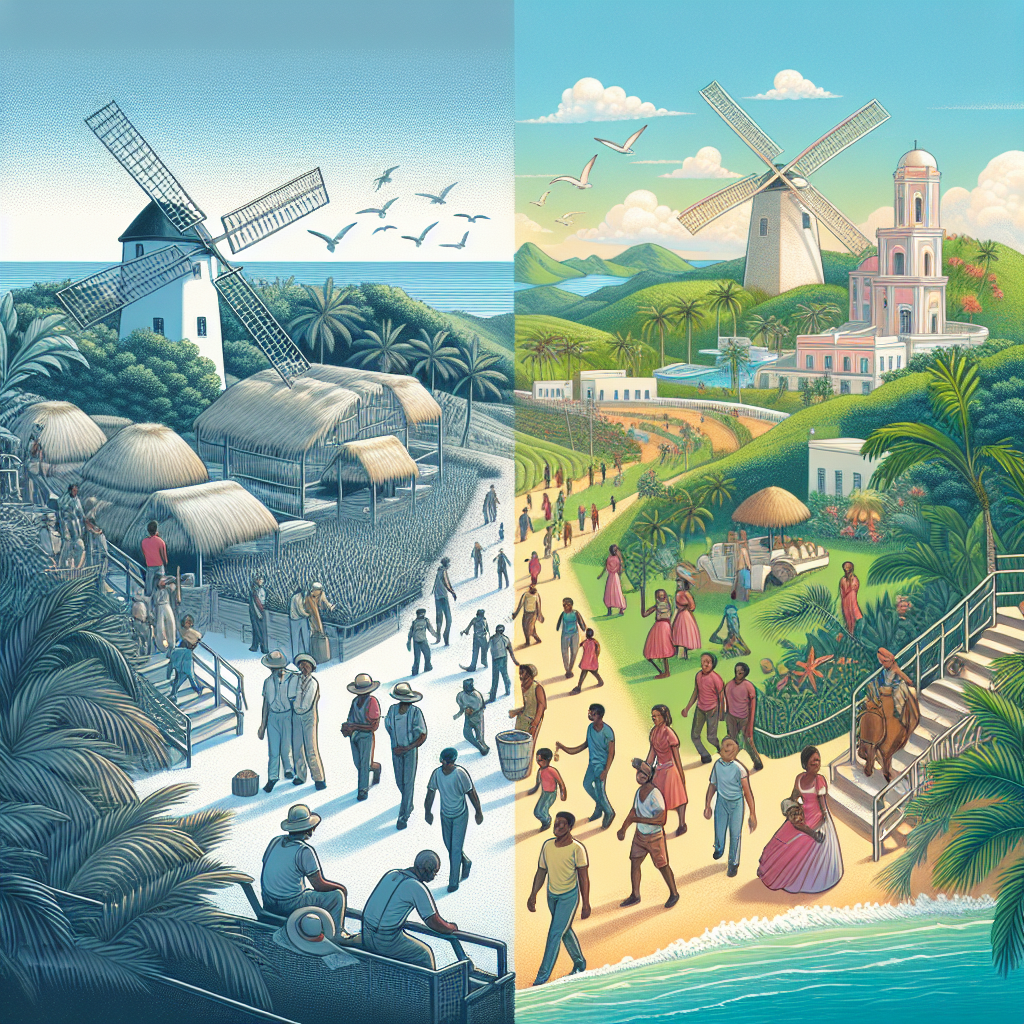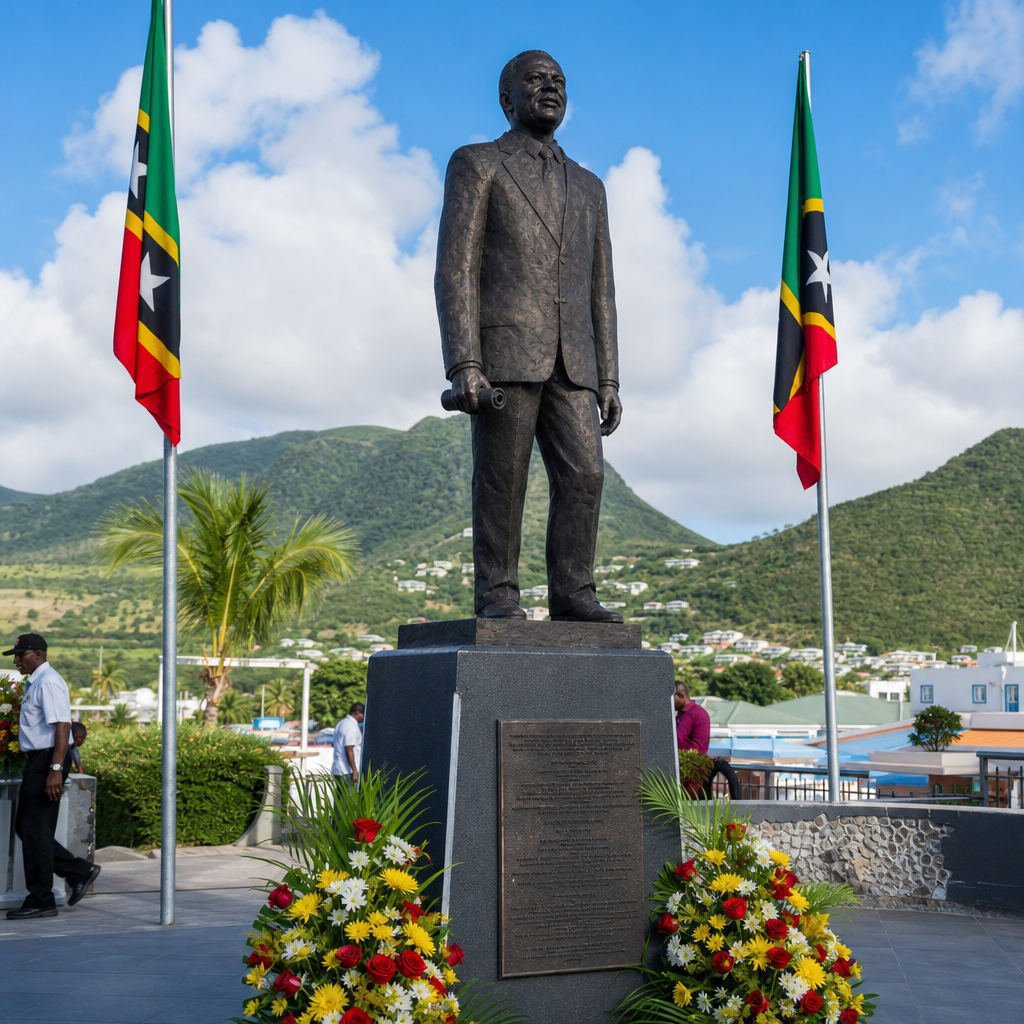
Celebrating National Heroes in Saint Kitts means looking beyond ceremonies and public holidays to understand how a small Caribbean nation shaped leaders whose ideas still guide its schools, politics, labor movement, and cultural identity. In Saint Kitts and Nevis, the term national hero refers to a person formally recognized for extraordinary service to the country, especially in advancing freedom, social justice, self-government, education, or national development. These figures are not remembered only because they held office. They are honored because they changed the conditions of ordinary life. When I have worked through historical records, speeches, school materials, and commemorative programs from the federation, one pattern stands out clearly: each hero represents a turning point in the long journey from plantation colony to independent state. That is why this subject matters within Culture and History. It connects biography with constitutional change, labor reform with identity, and memory with nation-building. A hub article on miscellaneous hero-related topics must therefore do more than list names. It should explain who these icons were, why they were chosen, how they are celebrated, what places preserve their legacy, and how readers can use this theme to explore wider Kittitian history. National heroes in Saint Kitts are lenses through which the country tells its story to itself and to the world.
The National Heroes framework in Saint Kitts and Nevis
Saint Kitts and Nevis officially recognizes National Heroes through state action, making the title a constitutional and civic honor rather than an informal label. The federation’s National Heroes Day, observed on September 16, gives citizens a dedicated occasion to reflect on those contributions. In practice, the framework performs three functions. First, it establishes a shared historical canon, identifying individuals whose work transcended party lines or local rivalry. Second, it turns public memory into something visible through monuments, stamps, school lessons, airport naming, and annual speeches. Third, it creates a gateway for younger audiences to learn broader themes such as universal adult suffrage, labor rights, anti-colonial activism, and regional diplomacy. This is especially important in a twin-island state where history can easily be fragmented by parish, village, or political loyalty.
In Saint Kitts, the most widely referenced national heroes are Sir Robert Llewellyn Bradshaw, Sir Caleb Azariah Paul Southwell, Sir Joseph Nathaniel France, and Sir Simeon Daniel. Three are closely identified with Saint Kitts, while Sir Simeon Daniel is principally associated with Nevis, reflecting the federation’s dual heritage. Their recognition matters because it signals that heroism in this context is not limited to battlefield acts. It includes trade union organizing, institution building, legislative reform, educational advancement, and strategic leadership during constitutional change. That definition is useful for readers exploring miscellaneous cultural topics because it expands the idea of heritage from museums and old buildings to systems that still shape daily life.
Sir Robert Llewellyn Bradshaw and the making of modern Saint Kitts
Sir Robert Llewellyn Bradshaw is often described as the father of modern Saint Kitts and Nevis, and that description is grounded in specific achievements rather than ritual praise. Born in 1916, Bradshaw emerged from a colonial economy dominated by sugar estates, class hierarchy, and restricted political power. He became a central labor leader through the St. Kitts-Nevis Trades and Labour Union and later a dominant political figure through the St. Kitts-Nevis-Anguilla Labour Party. His rise matters because labor politics in the Eastern Caribbean was not a narrow workplace issue. It was the vehicle through which many black working people entered public life and demanded material change.
Bradshaw’s influence can be seen most clearly in the expansion of workers’ rights, the push for improved wages and conditions, and the consolidation of mass politics. He also played a leading role in the constitutional progression that moved the territory toward Associated Statehood in 1967. In practical terms, he understood that political dignity required economic leverage. Sugar workers needed organization, not sympathy alone. Public institutions needed leadership that could negotiate with Britain while commanding local legitimacy. From my review of Caribbean labor history, Bradshaw stands out because he combined union activism with executive governance, a mix that was difficult and often controversial.
His legacy is visible in places and symbols. Robert L. Bradshaw International Airport is one of the clearest examples of how a nation embeds memory into everyday experience. Visitors arrive through a facility named for a leader linked to labor mobilization and state formation. That naming choice teaches history without a classroom. It also reflects how Saint Kitts presents itself internationally: a sovereign destination conscious of the struggles that made modern travel, trade, and diplomacy possible.
Sir Caleb Azariah Paul Southwell and the ethics of public service
Sir C. A. Paul Southwell occupies a different but equally important place in the national story. Born in 1913, he was a teacher, trade unionist, politician, Chief Minister, and later the first Prime Minister of Saint Kitts and Nevis after independence in 1983. If Bradshaw symbolizes mass mobilization, Southwell often represents continuity, public service, and administrative steadiness. He worked within the same broad labor tradition but brought a reputation for discipline and institutional focus that remains central to how he is remembered.
What makes Southwell significant is the range of his contribution. He moved from education into politics, showing how teachers often served as community leaders in small Caribbean societies. He helped translate popular demands into policy, cabinet work, and national administration. During the transition to independence, that kind of leadership was essential. It is one thing to oppose colonial structures; it is another to build ministries, maintain civil service systems, manage public expectations, and represent a new state abroad. Southwell did the latter at a critical moment.
His story also helps readers understand a recurring theme in Kittitian history: institution building is heroism. Schools, legislatures, labor unions, and cabinets may seem less dramatic than protest marches, yet they are where national aspirations become durable. In commemorative practice, Southwell’s legacy is often invoked to highlight integrity, seriousness, and dedication to country over self. Those are not abstract values. In a small federation, weak institutions quickly become personal politics. Southwell is honored because he reinforced the idea that public office carries obligations beyond party victory.
Sir Joseph Nathaniel France and social reform before independence
Sir Joseph Nathaniel France is essential to any tribute because he represents an earlier phase of social reform and public advocacy. Born in 1907 and trained as a medical doctor, France entered public life with direct knowledge of the relationship between health, poverty, and colonial inequality. That perspective matters. In plantation societies, access to healthcare, sanitation, and decent living conditions was never simply a technical issue. It reflected who counted in the social order. France’s medical background gave him unusually practical insight into the human cost of neglect.
He became known for championing workers and poorer citizens, and his influence extended into politics, policy, and social welfare. In Saint Kitts today, the Joseph N. France General Hospital preserves his name in a setting that fits his life’s work. This is more than memorial branding. It shows how hero recognition can be tied to service sectors that continue to affect every household. Hospitals, like schools and airports, are living monuments because people use them daily. They keep history in circulation.
France’s legacy helps explain why national heroes are not chosen solely for constitutional milestones. A nation also honors those who worked to improve ordinary well-being. Readers exploring miscellaneous history topics often ask a direct question: what did these people actually change? In France’s case, the answer includes health advocacy, social conscience in governance, and a broader commitment to making public policy responsive to the vulnerable. He is a reminder that national progress is measured not only by flags and constitutions but by whether citizens live longer, healthier, and more secure lives.
Sir Simeon Daniel and the Nevisian dimension of heroism
Any complete hub on national heroes must address the federation’s dual-island reality, which is why Sir Simeon Daniel is indispensable. Born in 1934 on Nevis, Daniel became the island’s first Premier and a leading figure in protecting Nevisian interests during the late twentieth century. His recognition as a national hero underscores a central truth about Saint Kitts and Nevis: national identity is strongest when it acknowledges local identity rather than erasing it. Daniel’s career shows how federal politics, island autonomy, and community loyalty intersect.
Daniel’s influence was especially important during the constitutional arrangements surrounding independence in 1983. Nevis had distinct concerns about representation, governance, and self-determination within the federation. Daniel helped negotiate and articulate those concerns while still participating in national state formation. That balancing act required political skill and credibility. He had to show Nevisians that their interests would not be submerged and show the wider federation that accommodation was possible without fragmentation.
From a historical interpretation standpoint, Daniel broadens the meaning of national heroism. He was not honored because he fit a single island narrative. He was honored because he made the federation workable. For students and travelers, this is one of the most important insights in Kittitian and Nevisian history. Nation-building in a small state is rarely about uniformity. It depends on leaders who can negotiate identity, geography, and power with precision. Daniel’s legacy invites readers to explore Nevis more deeply as part of the same national story.
How Saint Kitts celebrates its heroes today
Commemoration in Saint Kitts and Nevis is both ceremonial and practical. The state marks National Heroes Day with official addresses, wreath-laying, school programming, cultural performances, and media features that revisit the lives of the honorees. Yet the deeper celebration happens year-round through place names, institutional memory, and curriculum. Students encounter these figures in classrooms. Residents pass roads, buildings, hospitals, and public sites that preserve their names. Tourists hear them referenced in airport announcements, heritage tours, and local storytelling.
| Hero | Primary field of impact | Common modern remembrance |
|---|---|---|
| Sir Robert L. Bradshaw | Labor leadership, politics, state formation | Airport naming, political history, labor legacy |
| Sir C. A. Paul Southwell | Education, public administration, independence leadership | Civic tributes, school lessons, independence narratives |
| Sir Joseph N. France | Medicine, social reform, public advocacy | Hospital naming, health and welfare legacy |
| Sir Simeon Daniel | Nevisian leadership, federal balance, constitutional politics | Nevis commemorations, autonomy and federation discourse |
These forms of remembrance matter because they prevent heroism from becoming a remote holiday concept. They also create strong internal linking opportunities across Culture and History topics. Articles on independence, labor unions, sugar estates, Basseterre landmarks, Nevis politics, education history, and public holidays all connect naturally to the national heroes theme. As a hub subject, this page helps readers move from biography to broader historical systems. That is the right approach for a miscellaneous category: it gathers threads that might otherwise seem disconnected and shows how they belong to the same national fabric.
Why national heroes remain relevant to culture, tourism, and identity
National heroes remain relevant because they solve a modern problem: how does a small country preserve historical depth in an age of fast tourism, short attention spans, and globalized media? Saint Kitts is often marketed for beaches, cruise arrivals, and scenic rail experiences, but heritage adds permanence to the visitor experience and substance to local identity. A destination that explains its heroes is a destination that explains itself. Travelers understand why labor history matters to plantation tours, why independence anniversaries carry emotional weight, and why civic spaces are named as they are.
For citizens, these icons provide a vocabulary for discussing values. Bradshaw raises questions about workers and power. Southwell represents duty and institutional care. France highlights social welfare and public health. Daniel anchors discussion of island identity within federation. Those are not museum topics. They relate to current debates about governance, youth opportunity, development, and national unity. In my experience, the strongest heritage writing does exactly this: it treats the past as usable knowledge, not decorative nostalgia.
If you are building out the broader Culture and History section, use national heroes as an organizing map. Follow each person into related themes, visit the named institutions, read the constitutional milestones, and compare public memory across Saint Kitts and Nevis. That approach reveals the country with far greater clarity than any simple list of dates. Celebrating National Heroes in Saint Kitts is ultimately a way of understanding how leadership, sacrifice, and public service built the federation. Start with these icons, then continue exploring the people, places, and events that keep their legacy alive today.
Frequently Asked Questions
What does it mean to be a National Hero in Saint Kitts and Nevis?
In Saint Kitts and Nevis, being named a National Hero is one of the country’s highest forms of public honor. The title is reserved for individuals whose service had an extraordinary and lasting impact on the nation’s development, especially in areas such as freedom, social justice, education, labor rights, self-government, and national identity. These are not simply well-known historical figures or respected public servants. A National Hero is someone whose vision, courage, and leadership helped shape the social and political foundations of the country in a way that continues to matter for later generations.
What makes this recognition especially meaningful is that it goes beyond memorials, statues, or ceremonial speeches. National Heroes are remembered because their work still lives in the institutions, values, and opportunities that citizens experience today. Their influence can be seen in the expansion of political representation, the strengthening of workers’ rights, the growth of public education, and the development of a stronger sense of national pride. In that sense, the title reflects both historical achievement and continuing relevance. It acknowledges that the nation did not arrive at its present identity by accident, but through the efforts of people who challenged injustice and imagined a better future for all.
Why are Saint Kitts’ National Heroes still important today?
Saint Kitts’ National Heroes remain important because the issues they confronted are deeply connected to modern life. Many of these leaders stood against inequality, colonial limitations, economic exclusion, and barriers to political participation. Their efforts helped create pathways toward greater dignity and fairness for ordinary people, particularly workers, families, and communities that had long been overlooked. Today, when citizens discuss good governance, educational opportunity, social mobility, or national unity, they are often engaging with ideas that these heroes helped place at the center of public life.
Their relevance is also cultural and moral. National Heroes provide a framework for understanding what responsible leadership looks like in a small island nation with a rich but complex history. They remind people that patriotism is not only about celebration, but also about service, sacrifice, and the willingness to improve society. For young people especially, these figures offer examples of how local leadership can have national and even regional significance. Their stories teach that a country’s size does not limit the power of its ideas or the impact of its people. That is why honoring them remains an active part of civic education and national reflection, not just a ritual tied to a holiday calendar.
How did Saint Kitts’ heroes help shape education, politics, and the labor movement?
The influence of Saint Kitts’ heroes can be traced through several of the country’s most important institutions and public values. In education, their legacy is reflected in the belief that learning should be a vehicle for empowerment rather than privilege. Leaders who understood the connection between education and advancement helped inspire systems that gave more citizens the chance to develop their talents, participate fully in society, and build better futures for their families. Their work reinforced the idea that national progress depends on an informed and capable population.
In politics, these heroes played a major role in expanding representation and strengthening the push toward self-government. They helped move public life away from systems that served narrow interests and toward a more inclusive vision of citizenship. Their leadership encouraged people to see political participation as a right and a responsibility, not something reserved for a select few. This helped shape the democratic culture of Saint Kitts and Nevis, where public service and national development became central themes in political life.
The labor movement is perhaps one of the clearest areas where their impact can be felt. In a society shaped by plantation history and class inequality, labor advocacy became a powerful instrument of social change. National Heroes associated with workers’ struggles challenged unfair conditions, demanded dignity for laborers, and linked economic justice to broader national development. Their efforts helped elevate the status of working people and demonstrated that labor rights were essential to building a fairer society. Because of this, the labor movement in Saint Kitts is not just a chapter in economic history; it is a key part of the country’s story of empowerment and nation-building.
How are National Heroes celebrated in Saint Kitts beyond official ceremonies?
Although official observances and public holidays play an important role, celebrating National Heroes in Saint Kitts extends far beyond formal events. Their lives and contributions are kept alive through education, public memory, storytelling, community discussion, and the naming of institutions, roads, and landmarks. Schools often introduce students to these figures not only as historical personalities, but as examples of determination, leadership, and service. This educational role is crucial because it helps younger generations understand how the freedoms and opportunities they know today were shaped by earlier struggles and achievements.
National Heroes are also celebrated through the everyday language of identity and citizenship. Their names come up in conversations about leadership, justice, and national responsibility. Cultural programs, heritage activities, and national reflections often revisit their ideas to connect the past with present challenges. In many ways, the most meaningful celebration happens when citizens apply the values these heroes stood for—fairness, courage, public-mindedness, and commitment to country. That kind of remembrance turns history into action. It ensures that honoring these figures is not only about looking back with pride, but also about carrying their principles forward into modern Saint Kitts and Nevis.
Why is learning about National Heroes important for understanding Saint Kitts’ cultural identity?
Learning about National Heroes is essential to understanding Saint Kitts’ cultural identity because their lives illuminate the deeper story of the nation. They represent more than individual achievement; they embody the struggles, aspirations, and transformations that shaped the country over time. Through their experiences, people can better understand how Saint Kitts and Nevis evolved from a colonial society marked by inequality into a modern nation with a stronger sense of self-determination and civic pride. Their stories help explain why themes such as resilience, justice, education, and public service carry such weight in the national consciousness.
They also help connect history to belonging. Cultural identity is not formed only through music, food, festivals, or symbols, but through shared memory and shared values. National Heroes give citizens reference points for understanding who they are as a people and what ideals they want to uphold. They show how local experiences in a small Caribbean nation contributed to broader movements for dignity and reform. For readers, students, and citizens alike, studying these icons creates a fuller appreciation of Saint Kitts as a place shaped by principled leadership and collective effort. That understanding deepens national pride while encouraging a more thoughtful, informed connection to the country’s past and future.