Investing in Nevis’ music and entertainment industry means backing a compact but high-potential market where tourism, culture, digital distribution, and live experiences intersect. On a small Caribbean island, entertainment is not a side activity; it is part of the visitor economy, community identity, and national brand. In practical terms, the sector includes live music venues, festivals, sound production, artist management, event promotion, recording services, nightlife, cultural performances, film-adjacent services, digital content creation, and training. I have worked with island businesses that underestimated how much spending follows a strong entertainment calendar. Guests stay longer, restaurants capture higher evening revenue, taxis run later, and local creators gain repeat income. That is why this topic belongs inside a serious business and investment opportunities discussion.
For investors, Nevis offers a distinct proposition. It does not compete by volume with Jamaica, Trinidad, or Barbados. It competes through curation, authenticity, premium tourism, and the ability to build integrated experiences around a smaller, easier-to-navigate destination. The key terms matter. Music industry refers to the creation, recording, distribution, licensing, and monetization of music. Entertainment industry is broader, covering performances, festivals, clubs, private events, audiovisual production, talent services, and destination programming. A hub article on this miscellaneous segment must connect all of those parts because returns rarely come from a single revenue stream. The investor who only looks at ticket sales misses sponsorships, food and beverage partnerships, branded content, merchandising, venue rentals, streaming royalties, and corporate events.
Nevis also matters because the island already has ingredients that investors usually spend years trying to create elsewhere: a recognized tourism profile, an established hospitality base, a strong cultural foundation, and a reputation for quality over mass-market congestion. The challenge is not whether demand exists. The challenge is packaging local talent and event infrastructure into investable models. In my experience, the strongest projects are hybrid ones: a boutique venue that doubles as a private event space, a studio that also offers podcast and video services, or a festival company that monetizes through packages with hotels and transport operators. When structured properly, these businesses create local employment while reinforcing the island’s attractiveness to visitors, second-home owners, and destination wedding clients.
This article serves as the hub for the broader miscellaneous branch of business and investment opportunities linked to music and entertainment in Nevis. It explains where the money can be made, what assets already exist, which operational risks matter most, and how to evaluate projects realistically. Whether you are considering a venue, festival, recording facility, artist-services firm, or a mixed-use cultural enterprise, the opportunity is strongest when entertainment is treated as infrastructure for the wider economy rather than as a standalone gamble.
Why Nevis Is Attractive for Music and Entertainment Investment
Nevis benefits from a tourism model that supports premium experiences. Visitors to the island are not only looking for beaches; they are paying for atmosphere, exclusivity, and local character. Entertainment investment works best in places where guest spending extends beyond accommodation, and Nevis fits that profile. Hotels, villas, restaurants, beach clubs, and wedding planners all need reliable performers, curated event programming, and production services. That creates year-round demand, even outside headline festivals. Investors should view the sector as a business-to-business and business-to-consumer market at the same time.
Another advantage is scale. A smaller market reduces some costs of market entry, allows easier partnership building, and makes brand recognition attainable faster than in larger destinations. A well-run venue or festival can become known across the island quickly. At the same time, scale creates constraints: audience size is limited, seasonality affects cash flow, and staffing pools can be tight. That is why successful Nevis entertainment businesses usually diversify. They combine tourist-facing experiences with private bookings, local programming, educational workshops, branded collaborations, and digital sales.
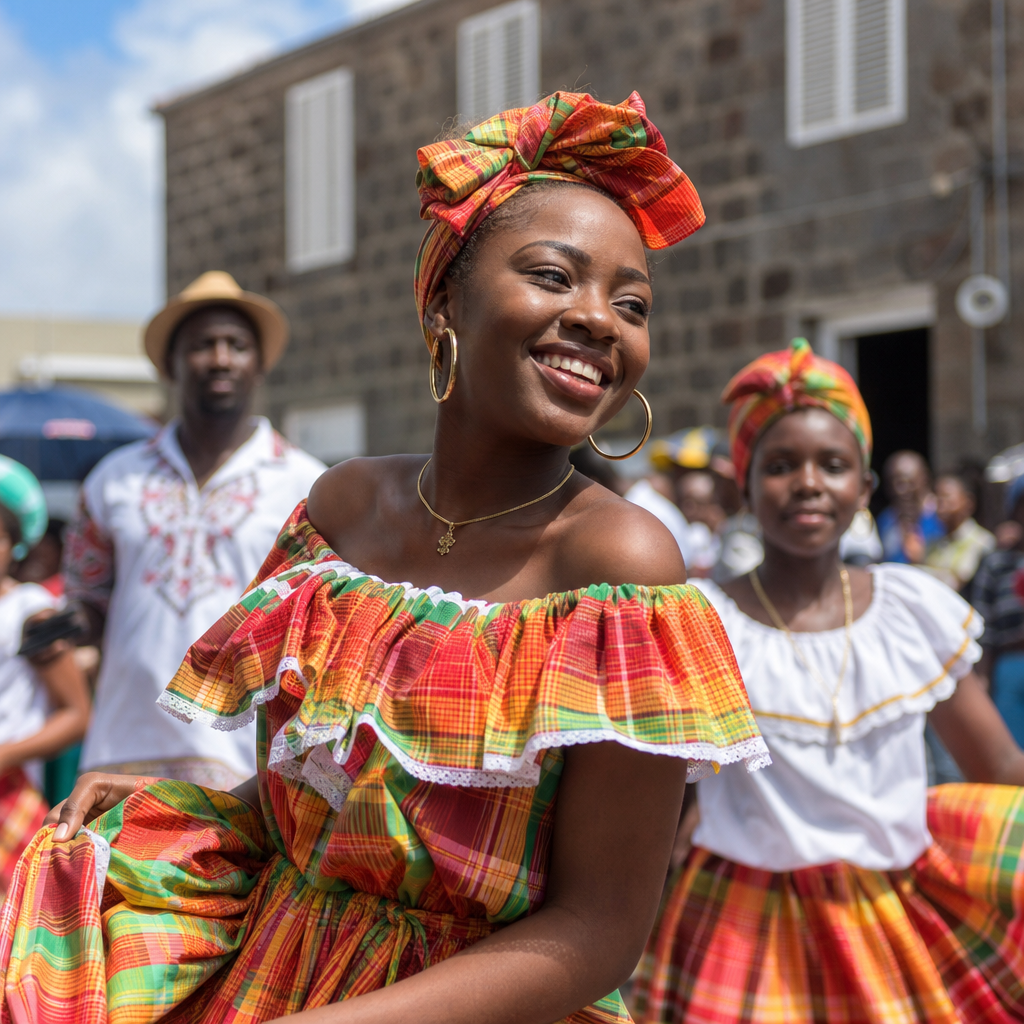
Cultural credibility is equally important. Caribbean entertainment succeeds when it reflects place rather than copying external formats. Local genres, carnival-linked traditions, drumming, steelpan, soca, reggae, gospel, jazz programming, spoken word, and heritage performances all have commercial value when packaged professionally. Investors do not need to invent identity; they need to finance quality production, scheduling discipline, and better routes to market.
Core Investment Models and Revenue Streams
The most practical entry points fall into five categories: venues, events, production services, talent businesses, and digital media. Venues include lounges, listening rooms, beachfront stages, multipurpose halls, and upscale nightlife spaces. Their economics depend on occupancy, bar margin, food sales, private bookings, and event frequency. Events include festivals, weekend series, destination concerts, wedding entertainment, and seasonal cultural showcases. Production services cover sound, lighting, staging, livestreaming, recording, and post-production. Talent businesses handle artist booking, management, choreography, curation, and training. Digital media includes filmed performances, artist channels, podcasts, and branded tourism content.
The smartest operators stack revenues. A venue can earn from ticketing on Friday, a corporate dinner on Saturday, and content production on Monday. A festival can monetize not only admissions but also sponsorship, vendor fees, travel packages, merchandising, VIP access, and after-movie licensing. A recording studio can provide music production, voiceover work, podcast recording, rehearsal rental, and social video shoots. This layered approach is essential on islands where no single line of business should carry the entire fixed-cost base.
| Investment Model | Primary Revenue Sources | Main Risk | Best Mitigation |
|---|---|---|---|
| Boutique live venue | Tickets, bar sales, private rentals, brand partnerships | Seasonal attendance swings | Mix tourist shows with weddings and corporate bookings |
| Festival or event company | Sponsorships, packages, concessions, VIP upgrades | Weather and logistics disruption | Detailed contingency plans and supplier contracts |
| Recording and content studio | Session fees, editing, video packages, subscriptions | Underused equipment | Offer multi-service packages and retainers |
| Talent agency | Commissions, curation fees, consulting, workshops | Irregular booking flow | Maintain hotel and planner relationships |
Venues, Events, and Experience-Led Development
In Nevis, the strongest entertainment investments are often experience-led rather than purely performance-led. A venue should answer a simple question: why will someone choose this night out over dinner at a resort or a private villa gathering? The answer might be intimate jazz, premium soca brunches, sunset acoustic sets, heritage storytelling with dinner, or rotating chef-and-music pairings. Experience design matters as much as talent. I have seen modest spaces outperform larger competitors because they controlled acoustics, start times, service standards, and social-media-ready presentation.
Event businesses can also be structured around existing demand clusters. Destination weddings need bands, DJs, MCs, dancers, and AV support. Corporate retreats need polished evening programming. Hotels need weekly activations that do not feel repetitive. Cultural tourism operators need events that convert local history into memorable paid experiences. An investor can build a profitable operation by becoming the dependable provider behind these recurring needs.
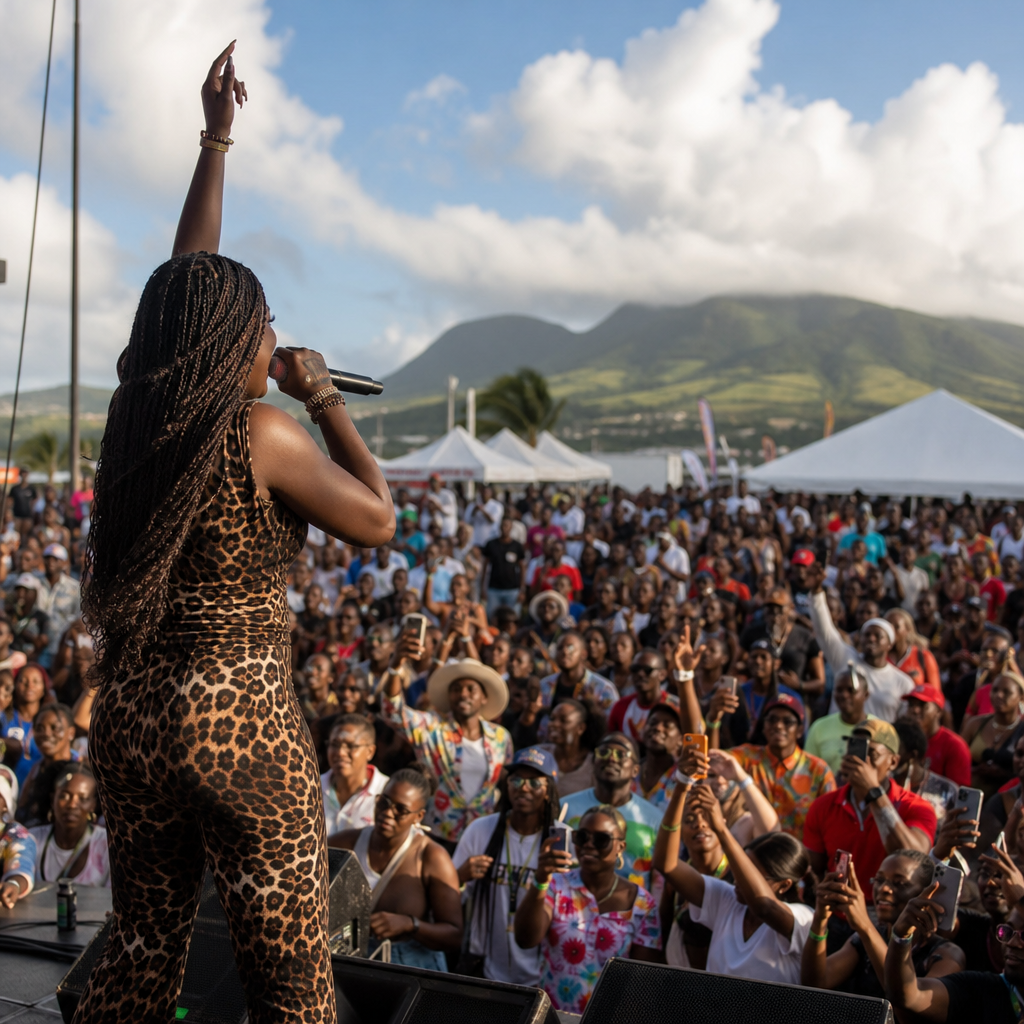
For larger concepts, festival development is promising but should be disciplined. A festival on Nevis should not chase scale for its own sake. Better outcomes come from targeted positioning: wellness and music weekends, jazz and culinary festivals, heritage and craft showcases, or diaspora-focused homecoming events. The objective is to attract spend-heavy visitors and sponsors, not simply maximize headcount. Festival economics improve when hotel blocks, ferry coordination, transport services, and vendor standards are organized early.
Studios, Production Services, and the Creator Economy
Physical production infrastructure is often overlooked, yet it can anchor the wider ecosystem. Reliable recording spaces, rehearsal rooms, mixing services, portable staging, and broadcast-grade livestreaming create value for local artists and visiting clients alike. Nevis does not need a massive studio complex. It needs technically competent facilities that are dependable, acoustically treated, professionally managed, and flexible enough for music, podcasting, interviews, and branded content. Tools such as Pro Tools, Logic Pro, Ableton Live, Blackmagic cameras, Shure microphones, and digital mixing consoles are industry-standard assets that raise output quality immediately when paired with trained operators.
This area connects directly to the creator economy. Hotels, tourism boards, restaurants, and real estate firms increasingly need local video, short-form performance clips, voiceovers, and campaign music. That means a studio can sell beyond artists. It can become a content services business. I have watched studios in small markets survive downturns in music sessions because they pivoted into commercial editing, event recap videos, and remote podcast production. The same model can work on Nevis, especially when internet reliability, booking systems, and turnaround times are handled professionally.
Production service businesses can also support regional clients. Touring artists, event planners from St. Kitts, and international wedding organizers often prefer to rent locally rather than ship every component. Even a midsized inventory of speakers, wireless systems, truss, lighting, and backline can generate strong returns if maintenance and logistics are disciplined.
Talent Development, Partnerships, and Market Access
No entertainment ecosystem grows without talent pipelines. Investment should therefore include artist development, technical training, and professional management. Raw talent exists across the Caribbean; what is often missing is structured coaching in performance readiness, stage plotting, repertoire planning, publishing administration, and contract literacy. A modest training program can raise the commercial reliability of local acts dramatically. Investors who fund talent development are not being charitable. They are improving the quality of the inventory their own venues, agencies, and festivals need.
Partnerships matter more in Nevis than brute marketing spend. Resorts, villa managers, wedding planners, restaurants, schools, cultural groups, transport providers, and media outlets all influence demand. The investor who builds a coordinated network gains recurring bookings and lower customer acquisition costs. For example, a hotel partnership may include weekly performances, guest workshops, and a co-branded seasonal event. A school partnership may support youth showcases that feed into paid community festivals. A restaurant partnership may create a dinner-series format with guaranteed minimum revenue.
Market access also extends beyond the island. Distribution platforms like Spotify, Apple Music, YouTube, Audiomack, and Bandcamp give Nevis-based creators international reach, but monetization only becomes meaningful when release strategy, metadata, rights registration, and promotional content are handled correctly. Performing rights management, neighboring rights, and synchronization opportunities are technical areas, yet they are central to investor returns in music-adjacent businesses.
Legal, Operational, and Financial Realities
Entertainment is attractive, but it is not casual. Investors must examine licensing, insurance, labor structure, sound restrictions, import duties on equipment, venue safety, crowd management, and tax treatment. Event contracts should define deposits, cancellation terms, force majeure, technical riders, artist hospitality, and liability allocation. Music businesses should register works properly, document splits, and keep clear financial records. Weak administration is the fastest way to turn a popular entertainment concept into an unreliable business.
Cash-flow planning is especially important on an island market. High season can mask weak fundamentals, while low season exposes them quickly. A venue should know its break-even occupancy. An event company should model sponsor dependence and weather risk. A studio should calculate utilization rates on expensive equipment. Standard financial metrics still apply: gross margin, contribution margin per event, customer acquisition cost, repeat booking rate, and working capital runway. Investors should also evaluate backup power, equipment redundancy, and transportation reliability because operational interruptions carry outsized reputational damage in hospitality-linked sectors.
Capital structure should match the business model. A venue with fit-out costs may require patient equity and longer payback expectations. A production rental company may suit asset-backed financing if utilization is forecast credibly. Event businesses often need disciplined pre-sales and sponsor commitments before scaling. Conservative underwriting is not pessimism; it is how durable entertainment companies are built.
How to Assess Opportunity and Build a Scalable Hub
For a sub-pillar hub, the practical takeaway is that miscellaneous opportunities in Nevis’ music and entertainment industry are best understood as a connected system rather than isolated bets. Start with demand mapping: who is buying, in which season, at what price point, and for what occasion? Then test operating capacity: talent availability, technical support, venue suitability, transport, and marketing channels. Finally, align monetization with the island’s strengths, namely premium tourism, authentic culture, and manageable scale.
The best investments will usually share four traits. They solve a clear local need, such as dependable AV or curated nightlife. They diversify revenue beyond one audience segment. They build partnerships into the operating model. And they treat administration with the same seriousness as creativity. Nevis does not need entertainment concepts copied from larger markets without adaptation. It needs ventures designed for its visitor profile, local culture, and infrastructure realities.
That is the central benefit of investing in this sector: one well-structured business can earn directly while strengthening tourism, community participation, and the island’s brand at the same time. If you are exploring business and investment opportunities in Nevis, use this hub as the starting point for deeper research into venues, festivals, studios, talent services, and cultural enterprises. The opportunity is real for investors who combine creative vision with disciplined execution.
Frequently Asked Questions
Why is Nevis’ music and entertainment industry attractive to investors?
Nevis offers an unusually strong investment case because its music and entertainment sector sits at the crossroads of tourism, culture, hospitality, and digital media. On a small island, entertainment is not a niche add-on; it directly shapes the visitor experience, supports local spending, strengthens the destination brand, and creates repeat tourism opportunities. Investors are not only backing performances or venues, but also an ecosystem that includes festivals, beach events, hotel programming, cultural showcases, recording services, nightlife, and artist development. This creates multiple revenue channels rather than dependence on a single business model.
Another reason the sector stands out is that compact markets can be more agile. In Nevis, strong concepts can gain visibility quickly because the audience is concentrated and partnerships are easier to build across hotels, restaurants, event organizers, transport providers, and tourism stakeholders. A successful live series, annual festival, or branded venue can become a recognizable island asset in a relatively short period of time. For investors, that means the possibility of faster market positioning, more direct community engagement, and a clearer link between entertainment spending and broader economic activity.
Nevis also benefits from the global appeal of Caribbean music, lifestyle, and cultural experiences. Travelers increasingly seek authentic, place-based entertainment rather than generic nightlife. That trend favors businesses that can package local sound, heritage, and hospitality into premium experiences. Whether the investment is in event promotion, artist management, production infrastructure, or a performance venue, the opportunity lies in serving both residents and visitors while building content and events that can travel digitally beyond the island.
What types of investment opportunities exist within Nevis’ music and entertainment sector?
The opportunity set is broader than many people assume. Investors can enter through physical assets such as live music venues, beach clubs, multipurpose event spaces, rehearsal studios, and recording facilities. These businesses can generate income from ticket sales, food and beverage service, private bookings, sponsorships, and seasonal programming tied to peak tourism periods. Well-positioned venues can also become anchor attractions for hotels and local nightlife districts, increasing their value beyond direct event revenue.
There are also strong opportunities in event-led businesses. These include festival ownership, concert promotion, cultural showcases, destination wedding entertainment, branded tourism experiences, and recurring weekly or monthly performance series. In a tourism-oriented economy, recurring events can produce dependable demand when they are aligned with visitor calendars, cruise traffic, holiday peaks, and hotel occupancy cycles. Investors can build scalable models by combining ticketed events with premium seating, VIP packages, vendor fees, merchandise, and sponsor partnerships.
Behind the scenes, service businesses are equally important. Sound production, lighting, stage management, artist booking, logistics, security coordination, content production, and marketing services all support the visible side of entertainment. These businesses may require lower capital than venue ownership while benefiting from repeated demand across many events. Digital extensions also matter: recording, streaming content, music publishing support, social media monetization, and artist branding can expand the sector well beyond on-island attendance. In practical terms, the smartest investments often combine a local physical presence with digital reach, so income is not limited to the island’s population size alone.
How does tourism influence the profitability of entertainment investments in Nevis?
Tourism is one of the central demand drivers for Nevis’ entertainment economy. Visitors spend not only on accommodations and dining, but also on experiences that make a trip memorable. Live music, cultural performances, nightlife, and special events are often what transform a destination from a place to stay into a place to return to. For investors, this means entertainment businesses can benefit directly from hotel occupancy, seasonal travel patterns, and destination marketing campaigns. When tourism performs well, entertainment often captures additional discretionary spending from travelers looking for immersive experiences.
That said, the relationship goes deeper than simple visitor numbers. Entertainment can actively enhance tourism value. A strong festival calendar, respected live venues, or signature music events can attract new categories of travelers, lengthen average stays, and encourage off-peak travel. In other words, the right entertainment investment does not just benefit from tourism; it can help create tourism demand. This is especially valuable on a destination-focused island where experiences play a major role in branding and visitor satisfaction.
Profitability improves when investors design offerings for both tourists and residents. Relying only on visitors can create seasonality risk, while relying only on the local market can cap growth. The strongest businesses balance both audiences through programming that includes high-season visitor events, community-centered performances, private functions, and partnerships with hospitality operators. Investors who align entertainment products with hotels, villas, restaurants, weddings, and cultural tourism packages are generally better positioned to smooth revenue over time and build stronger long-term margins.
What risks should investors consider before entering Nevis’ music and entertainment market?
Like any investment, this sector requires a realistic view of operational and market risk. One of the main considerations is scale. Nevis is a compact market, which means audience size is naturally smaller than in major urban destinations. That can limit ticket volume for certain formats unless the business is carefully structured around tourism, premium pricing, or recurring demand from hospitality partnerships. Investors should assess whether a concept is designed for local sustainability, seasonal tourism capture, or digital expansion, rather than assuming volume alone will drive returns.
Seasonality is another important factor. Tourism cycles, weather conditions, holiday patterns, and event timing can all affect attendance and cash flow. Businesses that depend heavily on outdoor events or peak travel periods should plan for fluctuations by diversifying income streams. A venue, for example, may need to combine concerts with private rentals, corporate functions, food and beverage operations, or studio services. A festival promoter may need sponsorship and media rights to offset variability in ticket revenue. Strong planning, cash reserves, and programming discipline are essential.
Operational execution is equally important. Entertainment businesses rely on logistics, staffing, technical production, licensing, promotion, and audience management. Even a promising concept can underperform if sound quality, scheduling, artist coordination, or customer experience is inconsistent. Investors should also evaluate local regulatory requirements, insurance needs, intellectual property issues, and supplier reliability. The opportunity in Nevis is real, but success tends to go to operators who treat entertainment as a professional business ecosystem, not simply as a creative passion project.
What strategies can help investors succeed long term in Nevis’ music and entertainment industry?
Long-term success usually starts with building around authenticity and partnerships. Nevis has a distinctive cultural identity, and the most durable entertainment businesses are those that reflect the island rather than importing a generic concept. Investors should think in terms of experiences rooted in local music, performance traditions, storytelling, and hospitality. That makes the offering more compelling to visitors and more meaningful to residents, which in turn supports loyalty, word-of-mouth growth, and stronger brand positioning.
Partnership strategy is just as important as creative direction. Investors should actively connect with hotels, restaurants, tourism boards, event planners, transportation providers, and community organizations. These relationships can create a steady pipeline of customers, co-marketing opportunities, and reliable bookings. In many cases, a well-integrated entertainment business performs better than a standalone operation because it becomes part of the island’s wider visitor economy. Cross-promotions, package deals, sponsored events, and seasonal collaborations can all improve utilization and reduce customer acquisition costs.
Finally, long-term resilience comes from diversification and quality control. Investors should avoid relying on a single event, one artist, or one tourist season. A stronger model combines live events, private bookings, production services, digital content, merchandise, sponsorships, and possibly training or artist development. Equally important is maintaining high standards in sound, service, promotion, and guest experience. In a market like Nevis, reputation travels quickly. Businesses that consistently deliver polished, memorable entertainment experiences are best positioned to earn repeat business, attract premium partners, and grow into lasting brands.