Cultural exchange programs in Nevis strengthen tourism, deepen business relationships, and create long-term social value across the island’s economy. In practical terms, a cultural exchange program is any structured initiative that brings visitors, students, artists, researchers, volunteers, entrepreneurs, or professionals into direct contact with local communities for mutual learning. In Nevis, that can mean heritage tours led by local historians, culinary residencies using island-grown ingredients, school partnerships, artist workshops, internship placements, agricultural knowledge sharing, or diaspora-led mentoring. I have seen that the most successful programs are not built around entertainment alone; they combine education, community participation, and clear economic outcomes. That matters because Nevis is not simply selling a beach experience. It is offering a distinct cultural landscape shaped by Afro-Caribbean traditions, colonial history, village life, faith communities, music, craft, food, and a strong sense of place. For investors, hotel operators, educators, and nonprofit leaders, cultural exchange is therefore more than a goodwill activity. It is a practical development tool that can increase visitor spending, extend average stays, support local suppliers, improve skills transfer, and create a stronger destination brand that is harder to copy than sun-and-sand marketing.
Nevis also benefits from cultural exchange because the island operates in a competitive regional tourism market where differentiation is essential. Larger Caribbean destinations can often outspend smaller islands on promotion, airlift incentives, and resort inventory. Nevis competes by offering authenticity, intimacy, and quality. Structured exchanges make those strengths tangible. A traveler who joins a heritage preservation project, a university student who studies medicinal plants with local guides, or a chef who learns traditional preparation methods from Nevisian cooks leaves with a deeper connection than a standard resort guest. That connection translates into repeat visits, referrals, and often business interest. It also creates internal linking opportunities across a broader economic strategy, including hospitality, real estate, education services, creative industries, agriculture, wellness, and events. As a hub topic within business and investment opportunities, cultural exchange programs in Nevis sit at the intersection of tourism development, community enterprise, and international partnerships, making them relevant far beyond the visitor sector alone.
Why Cultural Exchange Programs Matter to Nevis’s Economy
The core economic value of cultural exchange programs in Nevis is that they move spending beyond the hotel room and into the local ecosystem. Standard tourism can concentrate revenue within accommodations, transport operators, and a narrow band of excursion providers. Exchange-based tourism distributes value more widely. When programs include local musicians, storytellers, artisans, farmers, heritage interpreters, teachers, and small food businesses, more households participate in the visitor economy. That distribution matters on a small island, where leakage through imported goods and foreign-owned service chains can limit broader impact. In my experience advising on destination content and program design, the strongest exchange models are those that intentionally map each activity to a local supplier. A single week-long cultural residency can create income for venues, caterers, guides, transportation providers, workshop hosts, and creative practitioners.
There is also a resilience benefit. Destinations dependent on seasonal leisure travel are vulnerable to airline changes, weather disruptions, and shifts in global demand. Cultural exchange programs attract more varied audiences, including academic groups, diaspora travelers, special-interest visitors, and professional delegations. Those segments may travel in shoulder periods and are often less price-sensitive than mass-market vacationers. They also generate knowledge transfer. A conservation exchange may support marine stewardship practices. A hospitality internship partnership can improve service standards. An artist residency can produce marketable work, exhibitions, and media attention. Because these programs are relational, not just transactional, they create networks that can later support conferences, investment visits, charitable giving, and commercial partnerships. For Nevis, that makes cultural exchange a strategic diversification mechanism rather than a side activity.
Core Program Types That Fit Nevis
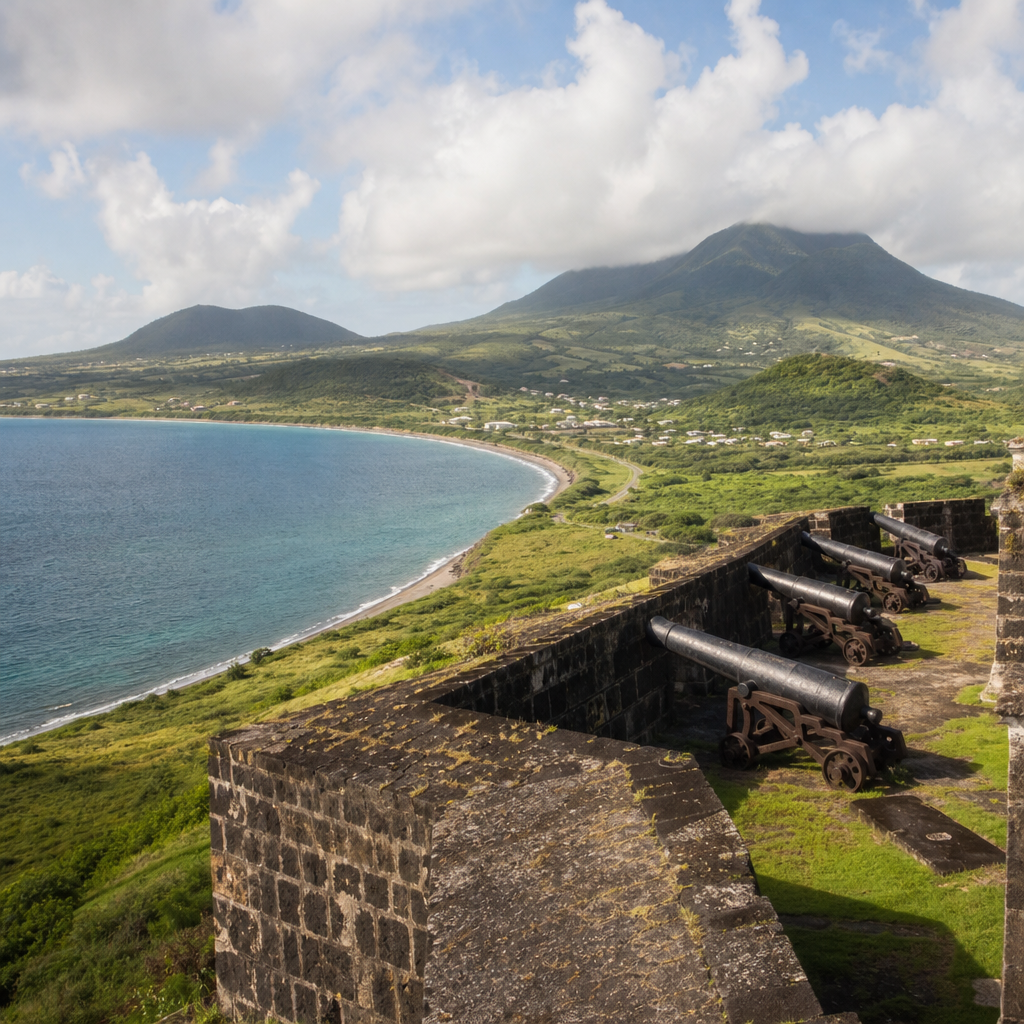
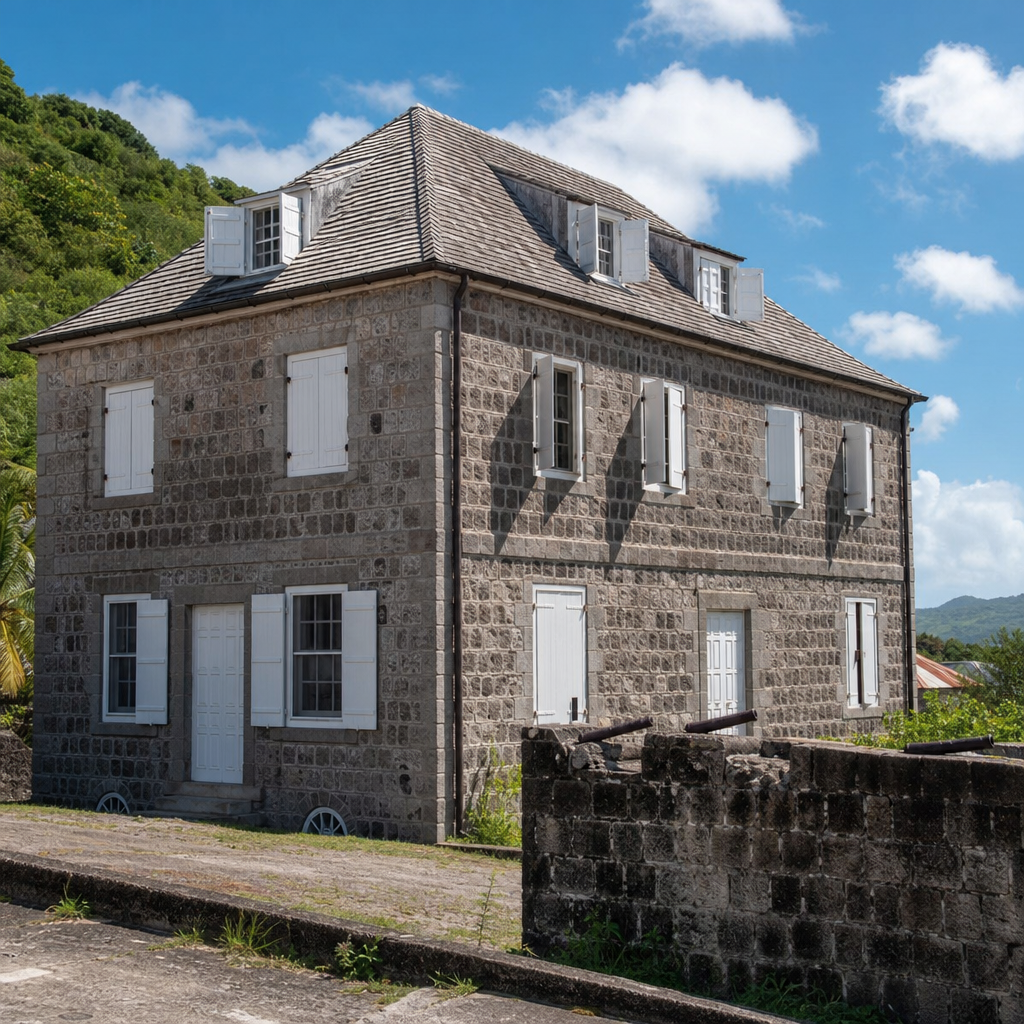
Nevis is especially well suited to cultural exchange formats that are small-scale, high-quality, and community-centered. Heritage and history exchanges are a natural fit because the island offers compelling narratives linked to plantation history, emancipation, village traditions, and notable sites such as the birthplace of Alexander Hamilton. These programs can include guided interpretation, archival collaboration, oral history collection, and preservation workshops. Culinary exchange is another strong category. Nevisian cuisine draws on local seafood, goat water, provision crops, tropical fruit, and techniques shaped by African, European, and Caribbean influences. Cooking classes, chef collaborations, farm-to-table events, and food heritage festivals can all anchor visitor experiences while creating direct demand for farmers and fishers.
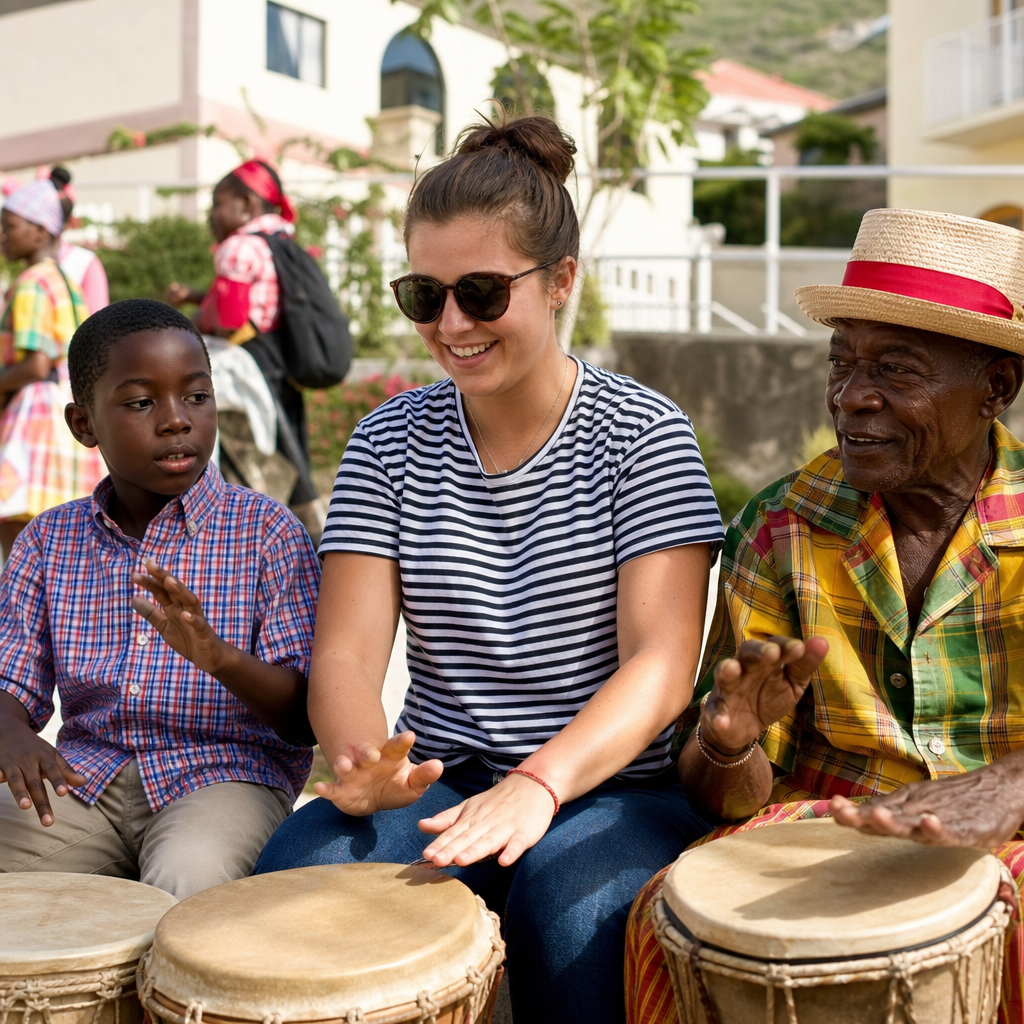
Creative arts programs also align well with Nevis’s scale. Artist residencies, music workshops, craft demonstrations, and community performances are easier to manage on an island where participants can move between venues quickly and build meaningful relationships. Educational exchanges are equally important. Secondary schools, colleges, study-abroad operators, and research institutions increasingly seek immersive programming that combines fieldwork with community learning. Topics can include biodiversity, climate adaptation, public health, Caribbean literature, entrepreneurship, and sustainable tourism. Wellness and spiritual retreats with local cultural components have commercial potential too, but they should be designed carefully so local traditions are respected rather than repackaged superficially. The best program types for Nevis share one trait: they use the island’s actual strengths instead of importing generic activities that could take place anywhere.
How Tourism Benefits Without Reducing Culture to a Product
A common concern is whether cultural exchange turns community life into a performance for outsiders. That risk is real, and I have seen programs fail when organizers chase visitor demand without community consent or fair compensation. The solution is not to avoid exchange; it is to structure it properly. Tourism benefits most when culture is presented by people who own the narrative and choose how it is shared. In Nevis, that means involving local historians, village leaders, educators, artists, faith representatives, and entrepreneurs from the planning stage onward. It also means paying them as professionals, not treating their knowledge as an informal add-on. When that standard is met, exchange programs can strengthen cultural continuity by creating reasons to document traditions, train younger participants, and maintain spaces used for community gatherings.
From a tourism perspective, authenticity improves the visitor experience and measurable outcomes. Visitors stay longer when itineraries include meaningful workshops rather than passive sightseeing. They spend more when purchases are tied to stories and relationships. They are more likely to leave detailed reviews that mention local people by name, which increases credibility for destination marketing. Hotels and villas benefit because they can package distinctive experiences without having to manufacture them internally. Tour operators benefit because exchange-based products command premium pricing when they are limited-capacity and expert-led. Most importantly, Nevis benefits because the destination brand becomes associated with learning, connection, and quality, not just scenery. That is a stronger position in a market where many islands compete on similar visual appeal.
Design Principles for Successful Programs
Effective cultural exchange programs in Nevis should follow a clear operating model. Start with community priorities, then define the audience, learning goals, pricing, logistics, and impact measures. Too many programs begin with the question, “What will visitors buy?” The better opening question is, “What do local partners want to share, preserve, or develop?” Once that is clear, packaging becomes easier and more ethical. Capacity planning is critical on a small island. Group size, transport timing, venue suitability, weather contingencies, dietary requirements, safeguarding rules, and accessibility must be addressed early. If students are involved, institutions will expect risk management documentation, supervision protocols, and evidence of local coordination. If artists or researchers are involved, they will want clarity on intellectual property, exhibition rights, and data use.
Pricing should reflect the true cost of participation, including preparation time, talent fees, materials, administration, insurance, and contingency margins. Underpricing may fill seats initially but usually erodes quality. Marketing should set accurate expectations. A village cooking exchange is not a luxury resort dinner, and it should not be promoted that way. Likewise, a heritage walk should identify whether it is scholarly, family-friendly, or physically demanding. The strongest programs build in reciprocity. Visitors learn, but they also contribute through teaching sessions, collaborative projects, donations of agreed resources, or post-program promotion. Organizers should track outcomes using practical metrics such as local vendor spend, participant satisfaction, repeat bookings, social reach, educational outputs, and community feedback. These indicators help refine the model and support future funding or investment.
| Program type | Main local partners | Primary economic benefit | Key operational requirement |
|---|---|---|---|
| Heritage exchange | Historians, museums, guides, site managers | Guide fees, admissions, transport, retail sales | Accurate interpretation and site preservation |
| Culinary residency | Chefs, farmers, fishers, home cooks, venues | Food purchases, workshop fees, event revenue | Food safety and supply coordination |
| Student study tour | Schools, lecturers, NGOs, accommodation providers | Longer stays, off-season demand, transport income | Safeguarding, scheduling, academic structure |
| Artist residency | Studios, galleries, artisans, community groups | Studio rental, exhibitions, commissions, media exposure | Workspace, materials, intellectual property terms |
| Agri-cultural exchange | Farmers, cooperatives, extension officers, chefs | Farm income, product sales, knowledge transfer | Biosecurity, seasonality, weather planning |
Investment and Business Opportunities Beyond Visitor Spending
Cultural exchange programs in Nevis create investable opportunities that go well beyond tours and event tickets. One area is specialized accommodation. Small inns, boutique hotels, eco-lodges, and villa operators can develop packages tailored to writers, students, culinary travelers, or wellness groups. Another is venue development. Historic properties, gardens, studios, and mixed-use cultural spaces can host workshops, exhibitions, and performances if they are upgraded with appropriate amenities. Digital infrastructure is also relevant. Programs need booking systems, participant management tools, multilingual content, payment processing, and media assets that communicate the experience clearly. Businesses that provide these services become part of the exchange economy.
Professional services matter too. Legal advisers can structure partnership agreements. Accountants can help nonprofits and social enterprises model sustainable pricing. Marketing firms can build destination storytelling around credible local voices. Training businesses can prepare guides, facilitators, and hosts in interpretation, customer service, and risk management. There is room for product development in publishing, documentary production, heritage merchandising, and local food branding. Importantly, diaspora networks can serve as connectors by sponsoring exchanges, recruiting participants, funding scholarships, or opening international exhibition and sales channels. For a hub under business and investment opportunities, this is the key point: cultural exchange is not a single niche. It is a platform that supports hospitality, education, creative enterprise, logistics, property use, and international business relationships.
Challenges, Standards, and the Case for Long-Term Planning
The main challenges are capacity, consistency, and governance. Nevis cannot scale cultural exchange by copying high-volume tourism models, and it should not try. Small islands face practical limits in transport, staffing, venue availability, and emergency support. Program quality can also vary when delivery depends on informal networks without documented standards. That is why written operating procedures matter. Basic standards should cover contracting, payment terms, participant safety, cultural permissions, photography consent, child protection where relevant, and environmental practices. Hospitality operators often benefit from applying service design methods alongside established tourism guidelines from organizations such as the UN World Tourism Organization and using customer feedback tools like TripAdvisor analytics, Google reviews, and post-visit surveys to identify recurring gaps.
Long-term planning is essential because reputation compounds slowly and can be damaged quickly. A poorly briefed guide, a last-minute cancellation, or a culturally insensitive promotion can undermine trust with both visitors and residents. Destination managers, business owners, and community organizations should therefore treat cultural exchange as infrastructure, not improvisation. That includes maintaining a vetted directory of local partners, creating sample itineraries for different audiences, building referral pathways between tourism and education providers, and identifying funding sources for pilot programs. It also means measuring community benefit, not just arrivals. When residents can see fair income, skills development, youth involvement, and respectful representation, support grows. If Nevis continues to develop exchanges with that discipline, it can strengthen tourism while opening wider pathways in education, trade, and creative business. Explore related subtopic pages to identify specific niches, partners, and investment angles suited to your goals.
Frequently Asked Questions
1. What is a cultural exchange program in Nevis, and how is it different from standard tourism?
A cultural exchange program in Nevis is a structured experience designed around mutual learning rather than one-way sightseeing. Instead of visitors simply observing the island from the outside, these programs create direct, meaningful interaction between guests and local communities. Participants may include students, artists, researchers, chefs, entrepreneurs, volunteers, educators, or professionals who engage with Nevisian history, traditions, agriculture, business practices, and everyday community life in a more intentional way.
What makes this different from standard tourism is the emphasis on shared value. A visitor might join a heritage tour led by a local historian, take part in a culinary residency focused on island-grown ingredients, collaborate with local creatives, or contribute to educational or professional exchange projects. The purpose is not just entertainment, but relationship-building, knowledge exchange, and long-term impact. That means local people are not treated as a backdrop to the visitor experience; they are active partners, hosts, experts, and beneficiaries.
In Nevis, this model fits especially well because the island offers a strong combination of cultural depth, community identity, natural beauty, and entrepreneurial potential. Cultural exchange programs can preserve traditions, support small businesses, broaden international networks, and deepen appreciation for Nevis beyond beaches and resorts. In that sense, they expand tourism into something more durable and more meaningful for everyone involved.
2. How do cultural exchange programs benefit Nevis beyond the tourism sector?
Although cultural exchange programs can certainly strengthen tourism, their impact in Nevis goes much further. One of the biggest advantages is economic diversification. When programs involve local chefs, artisans, guides, educators, farmers, researchers, performers, and business owners, they create activity across multiple parts of the economy rather than concentrating spending in only a few tourism-facing businesses. That broader participation helps circulate income more widely throughout the island.
These programs also help build stronger business relationships. Entrepreneurs and professionals who come to Nevis through exchange initiatives often develop long-term partnerships with local enterprises. That can lead to future collaborations in hospitality, agriculture, education, cultural production, wellness, sustainability, and trade. In many cases, what begins as a short-term exchange becomes an ongoing professional relationship, opening doors to new markets, new ideas, and new investment opportunities.
There is also important social value. Cultural exchange encourages pride in local identity by creating spaces where Nevisian knowledge, customs, and lived experience are recognized as valuable and worth sharing. Community members, especially younger generations, can see heritage, storytelling, culinary traditions, and creative practices as assets with real relevance in a global economy. At the same time, visitors gain a more accurate and respectful understanding of the island.
Educationally, these programs can transfer skills in both directions. Local participants may gain exposure to new techniques, technologies, academic perspectives, or business methods, while international participants learn from Nevisian approaches to community, resilience, sustainability, and culture. Over time, that kind of exchange contributes to human capital development, stronger institutions, and a more connected island economy.
3. What kinds of cultural exchange activities are most effective in Nevis?
The most effective cultural exchange activities in Nevis are those that are locally grounded, well organized, and designed for genuine participation rather than surface-level exposure. Heritage-based experiences are particularly powerful. These may include walking tours led by local historians, storytelling sessions, archival projects, visits to historic sites, and programs that explore the island’s African, Caribbean, colonial, and post-emancipation history. These activities help visitors understand Nevis in context while creating opportunities for local experts to lead and interpret their own narrative.
Culinary exchange is another strong fit. Programs built around island-grown ingredients, traditional cooking methods, food entrepreneurship, and farm-to-table experiences can connect visitors directly with farmers, fishers, chefs, and food educators. A culinary residency or workshop can showcase Nevisian flavors while supporting agriculture, hospitality, and cultural preservation all at once.
Arts and creative exchanges also work exceptionally well. Musicians, visual artists, writers, dancers, filmmakers, and designers can collaborate with local practitioners through workshops, performances, exhibitions, or short-term residencies. These programs can energize the creative economy, amplify local talent, and create content or partnerships that continue well after the initial visit ends.
Academic, environmental, and professional exchanges are equally valuable when they are community-centered. Researchers might work with local stakeholders on sustainability or heritage documentation. Students may participate in service-learning projects with clear local benefit. Professionals can join knowledge-sharing sessions in education, healthcare, entrepreneurship, or hospitality. The key factor in every case is relevance: the most successful programs reflect Nevis’s priorities, respect local leadership, and ensure that benefits are tangible for the community as well as the visitor.
4. How can cultural exchange programs in Nevis be designed responsibly and respectfully?
Responsible cultural exchange in Nevis begins with local leadership. Programs should be developed with community input from the start, not added as an afterthought. Local historians, artists, educators, business owners, civic groups, and residents should have a real voice in determining what is shared, how it is presented, and what outcomes matter most. This helps prevent cultural tokenism and ensures that exchange remains authentic rather than performative.
Fair compensation is also essential. If local people are contributing their time, knowledge, labor, creative work, or cultural expertise, they should be paid appropriately. Responsible exchange is not built on extraction. It should generate clear value for Nevisian participants, whether through direct income, professional exposure, training, infrastructure support, or long-term partnerships. Transparent planning around budgets, roles, and expectations makes programs more trustworthy and sustainable.
Respectful design also means preparing visitors properly. Participants should receive orientation on local customs, history, social norms, and ethical engagement before entering community spaces. They need to understand that they are not simply consuming culture, but entering into a relationship that requires listening, humility, and reciprocity. That is especially important in educational, volunteer, and research-based exchanges, where poorly designed programs can unintentionally reinforce unequal dynamics.
Finally, strong programs include follow-through. Organizers should evaluate outcomes, gather feedback from local stakeholders, and look at what remains after the program ends. Did it support local goals? Did it create repeat business, future collaboration, or meaningful skills transfer? Did community members feel respected and heard? In Nevis, the most responsible cultural exchange programs are the ones that leave behind stronger relationships, not just good memories.
5. Why are cultural exchange programs important for the long-term future of Nevis?
Cultural exchange programs matter for the long-term future of Nevis because they help build a more resilient, inclusive, and value-rich economy. Traditional tourism can deliver important revenue, but it can also be vulnerable to global shifts in travel patterns, pricing pressures, and seasonal demand. Cultural exchange adds depth to the visitor economy by attracting people who are motivated by learning, collaboration, and purpose. These visitors often stay engaged longer, spend more intentionally, and develop stronger loyalty to the destination.
Just as importantly, cultural exchange supports assets that are central to Nevis’s identity: heritage, community knowledge, local enterprise, agriculture, creativity, and education. When these areas are integrated into structured programs, they become part of a broader development strategy rather than isolated activities. That can encourage youth participation, strengthen small business ecosystems, and create new pathways for innovation rooted in local culture rather than disconnected from it.
There is also a strategic international dimension. Exchanges create networks. A student who studies in Nevis, a chef who completes a residency, an artist who collaborates locally, or an entrepreneur who builds relationships on the island may become a long-term ambassador, partner, investor, or repeat visitor. Over time, those networks can expand Nevis’s visibility and influence in ways that standard marketing alone cannot achieve.
Ultimately, cultural exchange programs help Nevis move from being seen only as a beautiful place to visit to being recognized as a place of knowledge, creativity, collaboration, and opportunity. That shift has lasting value. It strengthens tourism, yes, but it also deepens social ties, expands economic possibilities, and supports a development model that is more human, more sustainable, and more aligned with the island’s distinctive character.