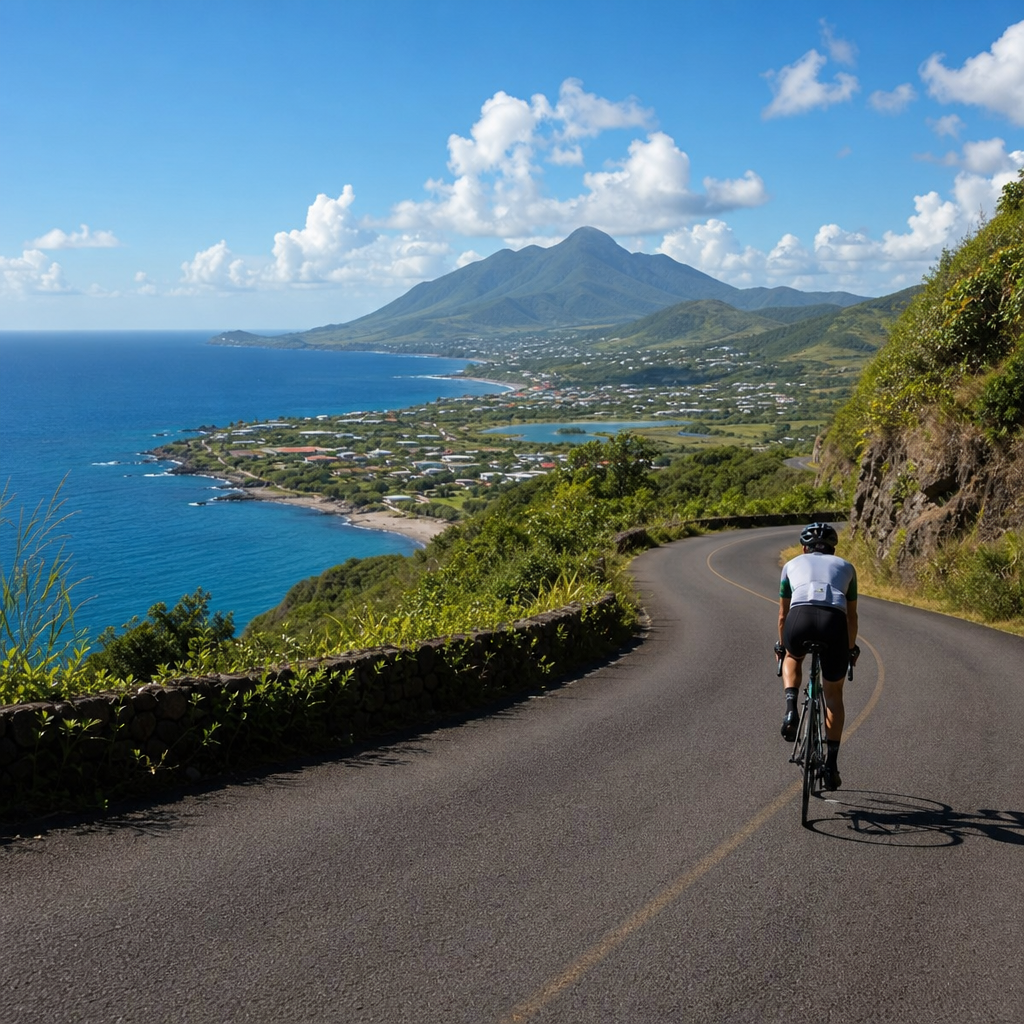
Nevis rewards travelers who look beyond the obvious, and nowhere is that clearer than on its hidden beaches. This small Caribbean island, part of Saint Kitts and Nevis, is often praised for its volcanic peak, heritage inns, and calm west coast waters, yet its lesser-known coves, pocket strands, and quiet shoreline walks are what many seasoned visitors remember most. When I have planned activity itineraries on Nevis, the beaches that created the strongest reactions were rarely the busiest or easiest to find. They were the ones reached by a rough lane, a footpath through sea grape, or a conversation with a local who pointed beyond the resort map.
Hidden beaches on Nevis are not secret in the absolute sense. They are better understood as less-developed stretches of coast that stay quieter because of limited signage, minimal facilities, uneven road access, or stronger seasonal surf. Some are broad volcanic-sand strands with almost no built infrastructure. Others are tiny inlets where rock shelves, reef, and coastal vegetation create natural privacy. For travelers interested in adventure and activities, these beaches matter because they combine exploration, swimming, wildlife spotting, photography, picnicking, and coastal hiking in one experience. They also reveal the island’s character more honestly than a polished brochure can.
Nevis is compact, but its coastline varies significantly. The leeward side tends to offer calmer water and easier swimming, while the windward side can be dramatically beautiful but more exposed. Knowing that distinction helps visitors choose the right beach for the right activity instead of expecting every shore to work for every plan. This hub article covers the miscellaneous side of discovering hidden beaches of Nevis: where to look, how to assess conditions, what to bring, which beaches suit different interests, and how to explore responsibly. If you want a practical overview before diving into more specialized guides, this is the right starting point.
What makes a beach “hidden” on Nevis
On Nevis, a hidden beach is usually one of four things: a shoreline outside the main resort zone, a beach with poor or unsigned road access, a lesser-used section of a longer public strand, or a spot that is overshadowed by better-known names such as Pinney’s Beach. Hidden does not always mean remote. In several cases, you can be minutes from a hotel or roadside bar and still find a quiet patch with few people simply because most visitors stop at the first easy access point. That pattern is common on islands where tourism clusters around convenience.
The island’s geography shapes this experience. Nevis Peak rises steeply from the center, and roads arc around the coast rather than cutting efficiently across the interior. Small changes in direction, wind exposure, or reef structure can dramatically change water conditions. A beach that looks ideal on a map may be poor for swimming after a windy day, while another nearby cove remains clear and protected. In practice, discovering hidden beaches means combining local knowledge, weather awareness, and realistic expectations. You are not collecting checkmarks. You are reading the coast.
From an activity perspective, this matters because hidden beaches support different goals. Some are better for solitude, sketching, and sunset walks. Some work for shell spotting, driftwood photography, and coastal birdwatching. Others are launch points for paddle outings when the sea is calm. I always advise travelers to define the day first. If the goal is easy family swimming, seek shelter and visible local use. If the goal is scenery and exploration, an exposed beach can be perfect even if you never enter the water.
Best areas to explore for secluded shoreline experiences
The west and northwest coasts usually provide the easiest entry into hidden-beach exploration. Pinney’s Beach gets most of the attention, but its quieter northern and southern reaches can feel entirely different from the central resort sections. Early morning is especially good here. Before music starts and day visitors arrive, you can walk long stretches under palms with almost no interruption. This is the simplest example of how timing can make a known beach feel hidden. Nearby access roads and tracks sometimes lead to overlooked pockets of sand that are ideal for a brief stop, reading session, or sunset photo session.
Oualie and the northern coast deserve attention as well. Oualie Beach itself is not unknown, but surrounding shoreline sections and nearby access points can be far less used. This area is often practical for travelers who want a mix of convenience and discovery, since it is close to accommodations, watersports operators, and road links. It is also one of the best zones for combining beach time with snorkeling or a boat excursion. If you are creating a broader adventure itinerary, this coast works well because you can pivot quickly between calm-water activity and relaxed shoreline exploring.
The east and southeast coasts are where Nevis becomes more dramatic. Beaches around Indian Castle, Newcastle, and more exposed Atlantic-facing stretches can be visually striking, with darker sand, rougher surf, and broader views. These areas often feel more hidden because fewer visitors choose them for casual swimming. On the right day, they are excellent for long walks, photos, and understanding the island’s coastal ecology. On the wrong day, they are not safe for bathing. That tradeoff is central to smart planning.
| Area | Best For | Typical Conditions | Access Notes |
|---|---|---|---|
| North Pinney’s fringes | Quiet walks, sunset, easy swimming | Usually calm on the leeward side | Simple road access, walk beyond busiest entries |
| Oualie vicinity | Snorkeling, paddling, mixed activity days | Often manageable, varies with wind | Convenient base with nearby operators |
| Indian Castle and east coast | Scenery, photography, beachcombing | More exposed, stronger surf possible | Check roads and avoid isolated swimming |
| Southeast stretches | Solitude, nature observation | Can be windy and rough | Limited facilities, bring supplies |
How to find hidden beaches safely and efficiently
The most reliable method is still local advice. Ask hotel staff, taxi drivers, beach bar owners, dive operators, and residents where they would go for a quiet hour rather than where they would send every first-time visitor. Phrase the question carefully. If you ask for the “best beach,” you will usually get the most famous one. If you ask for “a quiet place for a walk” or “a sheltered spot for a calm swim today,” the answers improve immediately. During my own route planning, the best recommendations often came after a follow-up question about wind direction or recent seaweed conditions.
Digital tools help, but they are secondary. Google Maps can reveal public roads, tracks, and shoreline shape. Satellite view helps identify reef, river mouths, and likely sand access. However, maps do not show washouts, private gates, seasonal erosion, or whether a path is overgrown. If you rent a car, choose one with enough clearance for uneven surfaces if your itinerary includes secondary roads. Drive slowly, and never block access lanes used by residents or service vehicles. On a small island, good beach etiquette starts before you reach the water.
Safety depends on understanding the sea. There may be no lifeguards, no posted warnings, and no one nearby to tell you that yesterday’s calm cove now has a strong lateral current. Watch the water for several minutes before entering. Look for choppy patches, shore break, reef exposure, and floating debris that indicates active movement. If locals are not in the water, that is useful data. The International Lifesaving Federation’s core advice applies anywhere: when conditions are uncertain, stay in shallow water or do not swim at all. Hidden beaches are rewarding, but they are not the place to force a plan.
Activities that pair well with Nevis’s lesser-known beaches
Not every hidden beach needs a full beach day. Many work best as part of a broader adventure circuit. Early-morning walking is one of the most underrated options. Temperatures are lower, the light is better, and bird activity is stronger around coastal vegetation. On Nevis, you may spot brown pelicans, frigatebirds overhead, and small shorebirds along the tideline. Bring binoculars if wildlife interests you. For photographers, the contrast between dark volcanic sand, bright sea foam, and green slopes can be especially strong after rain or during golden hour.
Snorkeling is possible at selected sheltered spots, but conditions must be right. Calm water, reasonable visibility, and safe entry are essential. Rocky sections can host juvenile reef fish, sea urchins, and coral growth, so reef-safe sunscreen and protective footwear are sensible. If you are unfamiliar with the specific site, go with an operator first. Nevis has experienced watersports and dive professionals who know which areas are suitable on a given day. That local judgment matters more than generic packing-list advice.
Picnics, sketching, journaling, and low-impact family exploration are often the best use of quieter beaches. Because many hidden spots lack shade, restrooms, or food service, self-sufficiency is part of the experience. Bring water, sun protection, a small trash bag, and cash for any roadside vendors you may encounter on the way back. For active travelers, pairing a beach stop with cycling, an island drive, or a heritage site visit creates a fuller day. A morning at a secluded cove followed by lunch near Charlestown is a more realistic plan than expecting every hidden beach to function like a serviced resort strand.
What to pack and what to expect from facilities
Facilities are limited at many lesser-known beaches on Nevis, and that is precisely why they stay appealing. Do not assume there will be restrooms, loungers, shade rentals, showers, or food nearby. Pack as if you are heading to a self-managed outdoor site. The basics are simple: more water than you think you need, reef-safe sunscreen, a hat, a dry bag, sandals or water shoes, a light towel, and a charged phone. If you plan to stay through midday, portable shade or a rash guard can make the difference between a pleasant visit and a short, overheated retreat.
Footwear matters more on Nevis than some visitors expect. Volcanic sand can become hot, and some access points include rock, coral fragments, or uneven roots. If your beach discovery plan includes multiple stops, keep a clean set of dry clothes in the car and avoid leaving valuables visible. Mobile service is generally workable in many areas, but you should not depend on it completely for navigation or emergency support. Save offline maps and note the nearest main road before you head down a lesser-used track.
It is also worth planning for changing conditions. Sargassum seaweed affects parts of the Caribbean irregularly, and beach quality can shift from one week to the next. Rain can alter road surfaces quickly. Wind can turn a calm shoreline into an uncomfortable one within hours. Flexible itineraries work best. Instead of locking in one beach, choose a zone and keep two backup options. That is how experienced island travelers avoid disappointment and end up finding places they would have missed otherwise.
Responsible beach discovery and local context
Nevis is not a theme park, and hidden beaches are part of working coastal communities, fishing areas, turtle habitat, and public shoreline systems. Respect for access, noise, and cleanliness is essential. Leave no trash, avoid removing shells or natural materials in quantity, and never drive across dunes or vegetation. Sea turtle nesting seasons vary by species, but the wider Caribbean commonly sees activity from spring into autumn, with hatchlings later in the year. If you notice marked nests or unusual activity on the beach at dusk, keep your distance and avoid bright lights.
Support local businesses as part of your beach exploration. Hire local guides when needed, buy lunch from island restaurants instead of importing all supplies, and use licensed taxis or reputable rental providers. This is not only good travel ethics; it improves your trip. The people who live and work on Nevis know which road is worth taking, which beach is best after a northerly breeze, and which cove is beautiful but unsuitable for children. That kind of knowledge cannot be replaced by a generic travel app.
It also helps to keep expectations grounded. Hidden beaches are not always postcard-perfect. Some are windy, some have washed-up vegetation, and some are valuable precisely because they feel raw and undeveloped. If you approach them as real coastal environments rather than curated attractions, Nevis becomes more interesting. You stop asking whether a beach has enough amenities and start asking what the landscape is telling you about weather, geology, and island life.
Discovering the hidden beaches of Nevis is ultimately about seeing more than the standard itinerary. The island’s quiet coves, overlooked shoreline sections, and exposed Atlantic strands offer different rewards, from calm walks and easy paddles to dramatic scenery and wildlife observation. The key is matching the beach to the day: leeward coasts for gentler water, windward stretches for views and exploration, and always a backup plan when weather shifts. A hidden beach is not defined only by remoteness. On Nevis, it is often defined by timing, awareness, and willingness to go a little farther than most visitors do.
The practical formula is straightforward. Ask locals targeted questions, use maps carefully, assess water conditions before entering, and pack for minimal facilities. Treat every beach as a natural place first and a leisure stop second. That mindset keeps you safer and leads to better experiences. It also opens the door to the wider “Adventure and Activities” possibilities that make Nevis compelling: coastal walks, snorkeling, scenic drives, birdwatching, photography, and low-key family exploration that feels personal rather than packaged.
If you are building a Nevis trip plan, use this hub as your starting point for the miscellaneous side of beach discovery, then map your days by coast, conditions, and activity level. Choose one easy-access quiet shore, one more rugged scenic stop, and one flexible local recommendation. That simple approach will show you a richer, less crowded side of the island and help you experience Nevis the way repeat visitors often do: slowly, observantly, and well beyond the obvious beach chair line.
Frequently Asked Questions
What makes Nevis’s hidden beaches different from the more popular Caribbean beaches?
Nevis’s hidden beaches stand out because they feel unhurried, natural, and genuinely connected to the island’s character. While many Caribbean destinations are known for broad resort beaches lined with bars, water sports kiosks, and busy day-trip traffic, Nevis offers a quieter experience shaped by volcanic landscapes, sea grape trees, fishing villages, and long stretches of shoreline where you may see only a handful of people. The appeal is not just beauty, but atmosphere. These lesser-known beaches often reward visitors with calm moments, softer sounds, and a stronger sense of discovery.
Another important difference is variety. On Nevis, hidden beaches are not all picture-perfect white-sand crescents in the classic brochure sense. Some are dark-sand strands formed by the island’s volcanic geology, some are tucked into small coves, and others are reached by shoreline walks that feel almost secret until the view opens up. That diversity is exactly what makes exploring rewarding. You are not simply searching for the “best” beach, but for the beach that suits your mood, whether that means a quiet swim, a scenic walk, shell collecting, reading under natural shade, or watching the sea change color in late afternoon light.
For many travelers, the biggest difference is emotional. The hidden beaches of Nevis often create a stronger memory because they feel personal. Instead of arriving at a place that has already been packaged and explained, you experience a shoreline that seems to reveal itself slowly. That sense of finding something rather than merely visiting it is what leaves such a lasting impression.
Where can travelers find quiet or lesser-known beaches on Nevis?
Travelers looking for quieter beaches on Nevis should think less in terms of famous names and more in terms of coastal sections, smaller access points, and beaches just beyond the most obvious stopping places. The west coast is well known for calmer waters and inviting sunset views, but even there, a short walk away from the better-known hotel zones can lead to peaceful stretches of sand with far fewer people. Meanwhile, parts of the northern and eastern coastline can feel much more secluded, with broader views, wilder surf, and a more untouched atmosphere.
Pinney’s Beach is the island’s best-known shoreline, but even along and beyond that area, quieter pockets appear if you move away from the busiest beach bars and main access routes. Oualie Beach, while recognized by returning visitors, can also offer a more relaxed pace than people expect, especially at quieter hours. Beyond the named beaches, some of the most memorable places are the less-publicized shoreline segments near old estates, coastal roads, and walking paths where the beach is part of the journey rather than a single marked destination.
One of the smartest ways to find these spots is to ask locals, hotel staff, or experienced island guides where they go when they want peace and scenery. On an island like Nevis, current conditions matter. A beach that is ideal for swimming one day may be better for walking or photography on another. Local advice helps you match your plans to the weather, sea state, and time of day. In practical terms, travelers should also keep expectations flexible. “Hidden” on Nevis often means low-profile, lightly visited, and easy to miss, not necessarily difficult to reach. That subtlety is part of the island’s charm.
Are Nevis’s hidden beaches safe for swimming and beach walks?
Many of Nevis’s hidden beaches are safe and enjoyable, but safety depends heavily on the specific coast, the weather, and your activity. The calmer western side of the island is generally more suitable for casual swimming, paddling, and relaxed shoreline time, particularly when conditions are settled. In contrast, some beaches on the Atlantic-facing side can have stronger surf, rougher currents, and changing wave action that make them better suited to walking, sightseeing, or photography than extended swimming.
Because hidden beaches often have fewer facilities and less oversight, visitors should approach them with more self-awareness than they would at a large resort beach. It is wise to check the water before entering, note the strength of the waves, and avoid swimming alone in isolated areas. Water shoes can be useful where there are stones, shells, coral fragments, or darker volcanic sand that becomes hot in the sun. If you plan a shoreline walk, bring drinking water, sun protection, and footwear sturdy enough for uneven ground, especially if the access involves coastal trails, roots, or rocky patches.
A good rule on Nevis is to treat each beach individually. Do not assume that every quiet beach is automatically a swimming beach. Some are ideal for a peaceful dip, while others are better appreciated from the sand or during a walk along the edge of the sea. If in doubt, ask a local before setting out. That simple step can help you avoid rough-water areas and steer you toward beaches that match your comfort level and plans for the day.
What should visitors bring when exploring hidden beaches on Nevis?
Exploring Nevis’s quieter beaches is most enjoyable when you pack with independence in mind. Unlike heavily developed beach areas, hidden beaches may have no chair rentals, no snack stands, no restrooms, and very little shade. At a minimum, bring plenty of water, reef-safe sunscreen, a hat, sunglasses, and a towel. If you hope to stay a while, it is worth packing light snacks, a small cooler, and a beach mat or foldable towel that works on sand, pebbles, or grassy edges.
Footwear is more important than many travelers expect. Sandals are fine for easy access points, but if you are heading to a lesser-known cove or combining beach time with a coastal walk, sturdy sandals or water shoes are a much better choice. A dry bag is also useful for protecting phones, cameras, and travel documents from spray or sudden showers. Since Nevis’s hidden beaches are often prized for their quiet and clean surroundings, it is also smart to bring a small bag for your trash so you can pack everything out.
If you enjoy snorkeling, bring your own gear if possible, but only use it where the sea is calm and visibility is good. A light cover-up or long-sleeved sun shirt can make a major difference during midday hours, especially if natural shade is limited. Travelers who like photography should consider visiting early or late in the day for softer light and a more comfortable temperature. The best approach is simple: pack as though you will have no services nearby, and you will be free to enjoy the beach on its own terms.
What is the best way to experience the hidden beaches of Nevis without missing the island’s local character?
The best way to experience Nevis’s hidden beaches is to treat them as part of a broader island day rather than isolated photo stops. Start with a relaxed plan that combines scenic driving, short walks, local food, and time to linger. On Nevis, the shoreline feels most meaningful when it is connected to the island’s villages, historic estates, viewpoints, and conversations with residents. A hidden beach visit becomes richer when it follows breakfast at a local spot, a drive past old stone walls and plantation landscapes, or a stop in a fishing area where the sea is part of everyday life rather than just tourism.
Timing matters as well. Early morning offers softer temperatures, quieter conditions, and a sense that the island is just opening up. Late afternoon can be equally rewarding, especially on the west coast, where the light becomes warmer and the water often looks especially inviting. Rather than trying to cover every beach in one outing, choose two or three areas and give each one enough time. Walk a little, sit a little, and pay attention to the details: the texture of the sand, the sound of the waves, the changing view of Saint Kitts across the water, and the way the landscape shifts from cultivated inland areas to untamed coastline.
To preserve the local character that makes these places special, explore respectfully. Avoid leaving litter, do not disturb wildlife, keep noise low, and be mindful if passing through residential or lightly used local access points. Support nearby businesses when possible, whether that means stopping for lunch, hiring a knowledgeable island guide, or buying from local vendors. Hidden beaches on Nevis are memorable precisely because they still feel personal and unspoiled. The most rewarding visitors are the ones who enjoy that privilege carefully and leave the shoreline just as peaceful for the next traveler.