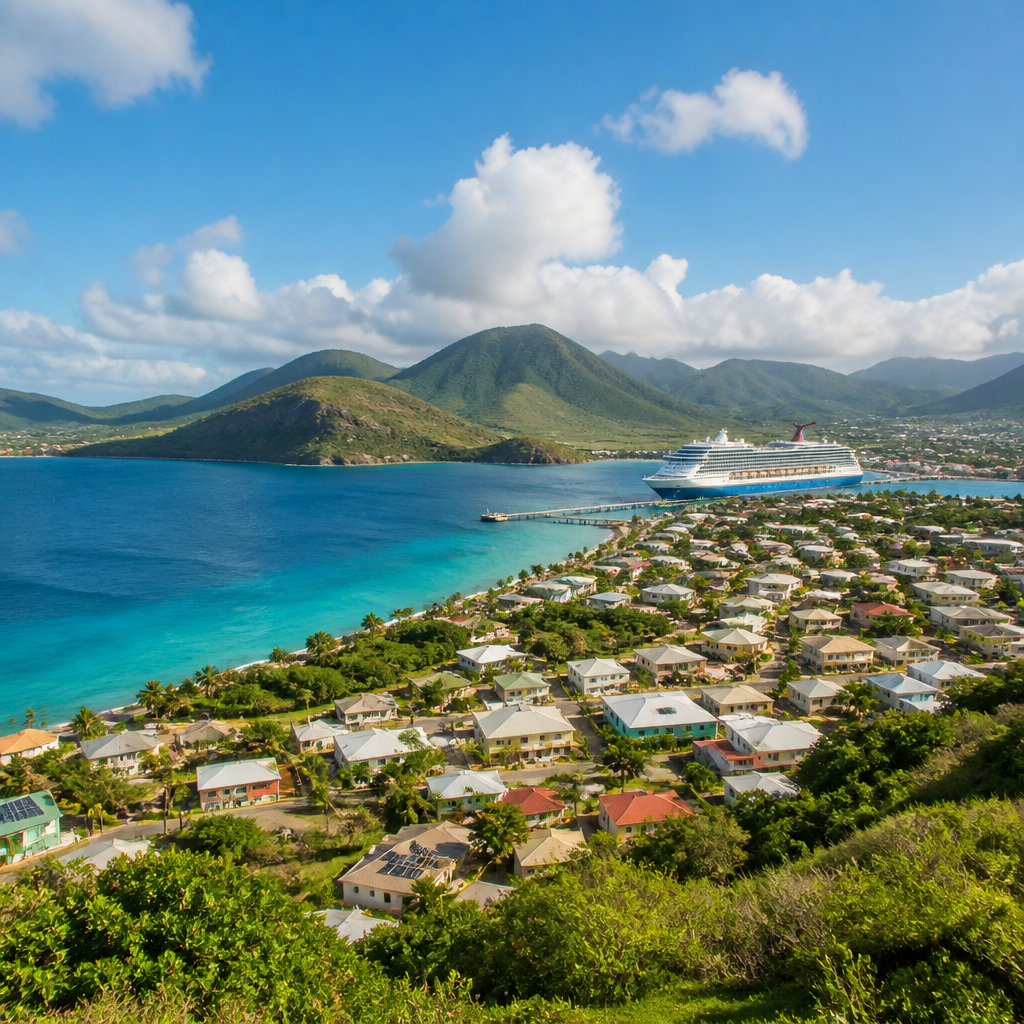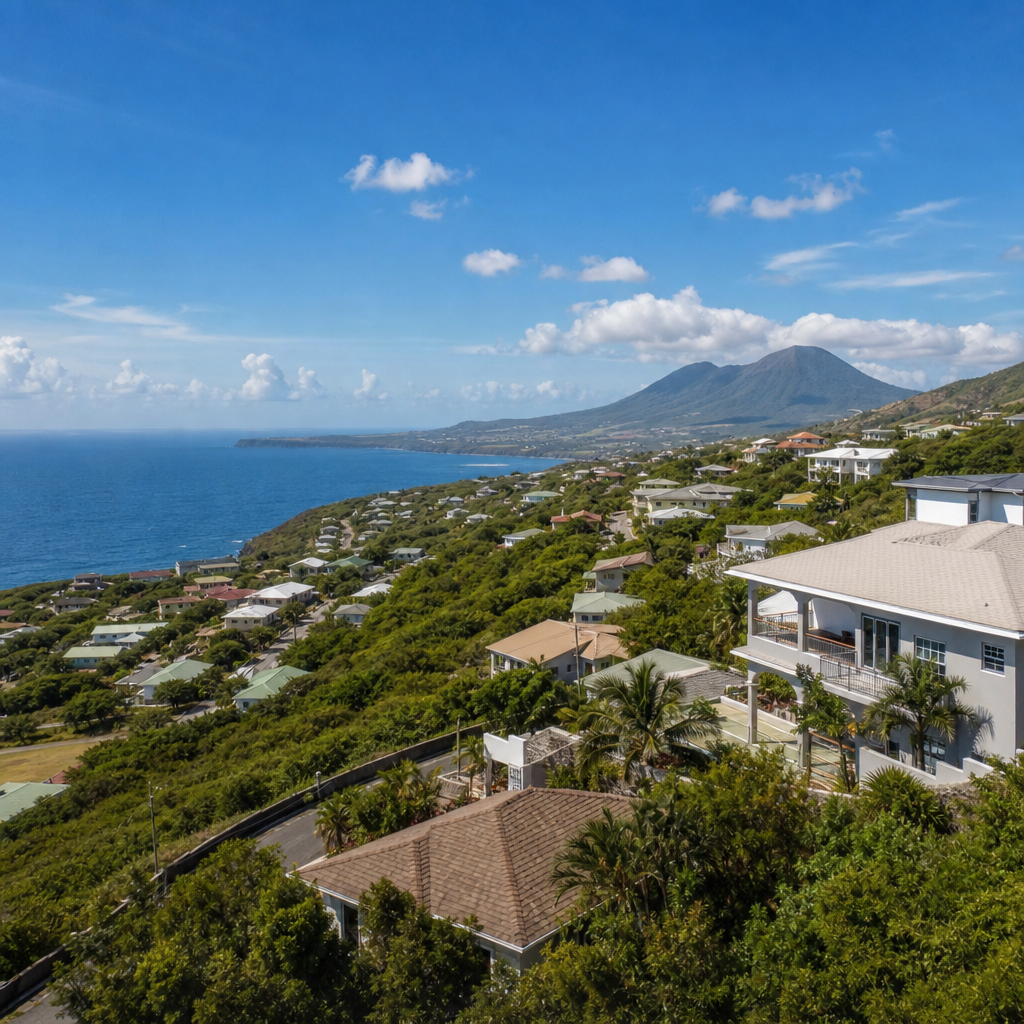
Photography walks in Nevis combine slow travel, practical image-making, and deep local context, making them one of the most rewarding ways to experience the island. A photography walk is more than a casual stroll with a camera. It is a route planned around light, landscape, architecture, wildlife, and human activity, with enough time to observe scenes as they change. In Nevis, that approach works especially well because the island is compact, visually varied, and rich in detail. Within a short distance, you can move from volcanic slopes and rain-fed greenery to Georgian-era buildings, black-sand beaches, fishing villages, hotel gardens, and quiet roadside viewpoints. For travelers interested in adventure and activities, photography walks offer a flexible option that fits many budgets, fitness levels, and schedules while still delivering a strong sense of place.
Nevis sits in the Leeward Islands of the Caribbean and is known for Nevis Peak, its relatively low-key atmosphere, and a historic landscape shaped by plantation agriculture, maritime trade, and village life. For photographers, those elements matter because they create visual variety and story. A successful walk here is not only about dramatic vistas. It is also about textured stone walls, sea grape leaves lit from behind, pastel facades in Charlestown, fishing boats pulled above the tide line, and cloud bands wrapping the mountain in late afternoon. I have found that the island rewards patience more than speed. On larger destinations, it is easy to rush between headline sights. On Nevis, the best images often come when you stop, wait, and let small scenes develop naturally.
This hub article covers the miscellaneous side of photography walks in Nevis comprehensively: where to go, when to shoot, what gear helps, how to approach local etiquette, which subjects are most reliable, and how to build a route that balances safety, weather, and changing light. It also functions as a starting point for related pages under adventure and activities, including coastal walks, heritage sites, nature trails, beach outings, market visits, and guided experiences. If you want a practical answer to the question, “How do I capture the island’s beauty on foot?” the short answer is this: choose short routes, shoot early or late, work with changing tropical light, and focus on both grand scenery and intimate details.
Why Nevis works so well for photography walks
Nevis is unusually suitable for photography on foot because distances are manageable and visual transitions happen quickly. You can begin near Charlestown with heritage architecture and street scenes, continue toward Pinney’s Beach for shoreline compositions, and finish near a garden, ruin, or elevated roadside viewpoint without spending half the day in transit. That compactness matters in photography because light is fleeting. Golden hour may last only a short time before clouds shift or the sun drops below terrain. On islands that require long drives, you often lose the best conditions while moving. On Nevis, a walker with a taxi assist or short transfer can often be in position at the right time.
The island also offers a balanced subject mix. Landscape photographers get beaches, volcanic slopes, and open water views toward neighboring St. Kitts. Travel photographers get architecture, churches, old estate remnants, and village details. Nature photographers can work with birds, monkeys in some areas, flowering plants, and changing coastal textures. Even smartphone photographers do well here because the strongest compositions are often based on shape, contrast, color, and timing rather than expensive equipment. The biggest challenge is exposure control in high-contrast tropical conditions. Bright sky, reflective water, and dark shade can appear in the same frame. Learning to meter carefully, use exposure compensation, and return to a scene when light softens will improve results more than buying new gear.
Best places for photography walks across the island
Charlestown is the logical starting point for many visitors. The town offers walkable blocks, civic buildings, churches, verandas, and everyday street life that give context to the island beyond resort imagery. Early morning is strongest here because the streets are calmer, shadows are directional, and heat is lower. Look for repeating shutters, old stonework, signs of daily commerce, and framing opportunities through gates or foliage. The waterfront area can also provide layered compositions with boats, buildings, and distant hills. For a broader heritage angle, roads around former plantation estates and inns can yield striking images of ruins, gardens, and old sugar-era structures. Always confirm access if a property is private or part of an operating hotel.
Pinney’s Beach is the most popular coastal choice, but it should not be treated as a single subject. The beach changes character from morning to evening. At sunrise or just after, you may get soft water color, fewer people, and cleaner compositions. Late afternoon brings stronger social energy, backlit palms, and opportunities for silhouettes. Oualie Beach can be productive for smaller-scale scenes, boats, and activity near the water. Cades Bay, depending on conditions, offers a quieter feel and useful westward light near sunset. Inland, the area around Nevis Peak and the lower slopes can produce dramatic cloud studies, especially after rain. Even roadside pull-offs can work if they open a view across fields to the mountain. The key is to scout first and then return when the light matches the subject.
| Location | Best time to shoot | Strong subjects | Practical note |
|---|---|---|---|
| Charlestown | Early morning | Architecture, street scenes, heritage details | Walk slowly and ask before photographing people closely |
| Pinney’s Beach | Sunrise and late afternoon | Palms, shoreline, silhouettes, leisure activity | Watch lens flare and sand on equipment |
| Oualie Beach | Morning | Boats, gentle water, local coastal life | Useful for simple compositions and reflections |
| Estate and ruin areas | Late afternoon | Stone textures, gardens, historic atmosphere | Check access because some sites are private |
| Lower mountain roads | After showers or near sunset | Cloud bands, greenery, wide views | Conditions change quickly, so carry rain protection |
Light, weather, and timing on a tropical island
If you only remember one technical principle for photography walks in Nevis, make it this: light direction matters more than location. Midday sun can make even beautiful beaches look flat and harsh. Early and late light creates depth, texture, and mood. Because Nevis is mountainous, local weather can shift quickly. Clouds gather around Nevis Peak, passing showers move through, and then sunlight breaks dramatically across the landscape. Those transitions often produce the island’s most memorable images. I have had ordinary roadside scenes become exceptional within two minutes because dark rain clouds opened behind a sunlit palm line. Staying outside through a brief shower often pays off if your gear is protected.
Season also affects expectations. During wetter periods, you can expect richer vegetation, more dramatic cloud formations, and occasional interruptions from rain. Drier stretches may offer cleaner sunsets and easier walking conditions, but landscapes can look less lush. Wind matters at the coast because it changes wave texture, palm movement, and the difficulty of using longer shutter speeds. If you plan to shoot from beaches, a microfiber cloth is essential for salt spray. For hikers heading into greener inland areas, insect repellent and hydration are as important as lenses. Nevis is not difficult to enjoy photographically, but the island does reward preparation based on weather rather than fixed assumptions.
Gear choices that make sense for walking photographers
The best camera for Nevis is the one you will comfortably carry for several hours. For most travelers, that means either a smartphone with manual controls, a compact mirrorless body with one versatile zoom, or a lightweight kit built around a wide lens and a short telephoto. I usually advise against carrying excessive equipment on island walks. Heavy bags slow you down, reduce spontaneity, and make you less likely to explore side streets or uneven paths. A 24–70mm equivalent range covers most needs: town scenes, environmental portraits, beach compositions, and moderate detail shots. If wildlife or distant layered landscapes are a priority, add a light telephoto.
Accessories matter more than people expect. Polarizing filters can deepen blue water and reduce glare on leaves, but they must be used carefully because they can make skies look uneven with very wide lenses. A neutral density filter helps if you want motion blur in waves or palms, though strong wind can limit tripod use. Many walkers can skip a tripod entirely and rely on image stabilization, especially at dawn or dusk. Bring spare batteries because heat and frequent reviewing can shorten battery life, and carry a dry bag or rain cover because tropical showers are part of the experience. Footwear should match the route: sandals may work on a beach promenade, but closed shoes are better for estate roads, trails, and slippery edges after rain.
People, culture, and respectful street photography
One of the most important parts of photographing Nevis is understanding that the island is not a backdrop. It is a lived-in community. The strongest people pictures usually come from respect, conversation, and visible interest in local life rather than silent long-lens observation from a distance. In Charlestown or village settings, ask when a person is the clear subject. A simple request and a smile often work better than photographers expect, especially when you explain what drew you to the scene. If someone declines, move on immediately. Consent is not only ethical; it also improves your images because people who agree are more relaxed and expressive.
Cultural awareness extends beyond portraits. Places of worship, cemeteries, schools, private homes, and business interiors deserve extra sensitivity. During events, markets, or community gatherings, spend time watching before raising a camera. Notice where people stand, where circulation happens, and whether photography appears welcome. Buying something from a vendor before making several images of the stall is a basic courtesy and supports the local economy. If you are traveling with children or family members, keep your setup simple so you remain approachable. On Nevis, friendliness opens doors. Rushed behavior closes them. The images that last are often the ones connected to a brief exchange, a recommendation from a resident, or permission to step into a better angle you would not have found alone.
How to build a productive route and edit a stronger story
A good photography walk on Nevis usually lasts ninety minutes to three hours. Longer is possible, but quality often drops when heat rises and concentration fades. Start with one anchor subject, such as heritage streets in Charlestown, then add a contrasting environment like a beach or garden. That structure gives you variety without scattering your attention. Before leaving, check cloud cover, sunset time, and transport options. On the walk itself, shoot in sequences. Begin with a wide establishing image, then move to medium frames, details, textures, and one or two human elements. This approach creates a usable story instead of a random folder of attractive but disconnected scenes.
Editing matters as much as capture. When you review your images, select for narrative range: one scene-setter, one image of atmosphere, one close detail, one people or activity frame, and one strong closing image such as a sunset or mountain view. Correct white balance carefully because tropical shade can skew blue while sunset light can become too orange if overprocessed. Keep greens realistic; over-saturation is the most common mistake I see in Caribbean travel galleries. For this miscellaneous hub, think of your walk as a gateway to other Nevis adventures: coastal explorations, heritage visits, food stops, nature outings, and guided tours all become richer when you approach them photographically. Pack light, walk early, be patient with the weather, and let the island reveal itself one frame at a time. Plan your first route, then follow it with curiosity.
Frequently Asked Questions
What makes a photography walk in Nevis different from a regular island tour?
A photography walk in Nevis is designed around observation rather than speed. Instead of moving quickly from one landmark to the next, the experience centers on slowing down, reading the light, noticing texture, and waiting for moments to develop naturally. That makes it very different from a standard sightseeing tour, where the emphasis is usually on covering more ground in less time. On a photography walk, the route is chosen with image-making in mind, often linking coastal views, historic streets, garden details, village scenes, and mountain backdrops in a way that gives you multiple kinds of subjects within a short distance.
Nevis is especially well suited to this style of travel because the island is compact but visually rich. In one outing, you may move from quiet shoreline scenes to Georgian-era architecture, from lush vegetation to working local streets, and from wide landscapes to small details such as weathered stone, colorful shutters, fishing gear, or tropical flowers. The island rewards patience. Light changes quickly, clouds shift over Nevis Peak, and the same location can look completely different within minutes. A photography walk gives you time to respond creatively instead of just documenting what you pass.
It also offers a deeper sense of place. Because you are moving slowly, you begin to understand how the island feels at street level: the rhythm of morning activity, the character of historic buildings, the way the sea and mountain shape daily life, and the details that many visitors overlook. In that sense, photography walks in Nevis combine visual storytelling, cultural awareness, and practical technique, making them one of the most rewarding ways to experience the island.
What are the best subjects to photograph during a walk in Nevis?
One of the biggest strengths of Nevis is the variety of subjects available within a small area. Landscape photography is an obvious draw, with beaches, volcanic slopes, dramatic skies, and long coastal views offering strong compositions throughout the day. Nevis Peak often becomes a central visual anchor, especially when framed through palms, historic streets, or open fields. Early morning and late afternoon are particularly rewarding for wide scenic shots because the lower angle of the sun adds depth, softness, and shape to the landscape.
Architecture is another major highlight. Charlestown and surrounding areas offer historic buildings, churches, stone walls, wooden details, verandas, and remnants of the island’s colonial past. These scenes work well for both documentary and artistic photography because they combine visual character with cultural meaning. Rather than photographing buildings only as static subjects, many photographers find it more compelling to capture how architecture sits within everyday life, with people passing by, shadows moving across facades, or plants softening the edges of older structures.
Nevis is also excellent for detail photography. Tropical leaves, bougainvillea, textured bark, old doorways, market items, fishing equipment, and handcrafted features can all become strong images when you pay attention to shape, repetition, and color. Wildlife and nature subjects may include birds, coastal life, grazing animals, and garden insects, depending on where and when you walk. Human activity adds another important layer. Street scenes, local routines, waterfront work, and moments of interaction can bring authenticity and narrative to your images, as long as they are photographed respectfully. The best photography walks usually combine all of these elements, allowing you to build a visual story of Nevis rather than a simple collection of scenic snapshots.
When is the best time of day for a photography walk in Nevis?
The best time for a photography walk in Nevis is usually early morning or late afternoon, when the light is softer, more directional, and more flattering for most subjects. Morning walks are especially valuable if you want calm conditions, gentler temperatures, and quieter streets. Beaches and open coastal areas often feel serene at this time, and the low sun can create subtle color, long shadows, and more visible texture in the landscape. Morning is also ideal if you want a sense of freshness in your images, whether you are photographing architecture, local street life beginning for the day, or mountain views before haze builds.
Late afternoon into the golden hour is another excellent choice. This is when warm light can add richness to buildings, vegetation, and shoreline scenes. Shadows become more dramatic, which helps with depth and composition, particularly in historic districts and along roads or pathways lined with walls, fences, and tropical growth. If you are interested in silhouette, backlighting, or moodier storytelling images, this part of the day can be especially productive. Sunset itself can also be rewarding along the coast, though the best results often come from continuing to shoot before and after the sun reaches the horizon, when color and atmosphere can shift quickly.
Midday is generally the most challenging because the overhead sun can create harsh contrast, bright highlights, and flat color. That said, it is not useless. Midday can work well for graphic scenes, bold color, black-and-white studies, or shaded locations where the light is more controlled. If midday is your only option, focus on details, interiors, foliage under diffused light, or architectural compositions that benefit from stronger contrast. Ultimately, the best time depends on your subject and style, but for most visitors hoping to capture Nevis at its most expressive, the softer edges of the day will provide the strongest opportunities.
What camera gear should I bring for a photography walk on Nevis?
The ideal gear for a photography walk in Nevis is practical, light enough to carry comfortably, and flexible enough to handle multiple subjects. A camera you know well is more important than the most advanced setup. Whether you use a mirrorless camera, DSLR, compact camera, or even a capable smartphone, the key is being able to work quickly and confidently as conditions change. Because photography walks involve movement, observation, and frequent stops rather than fixed shooting positions, a simple kit is often the most effective.
A versatile zoom lens, such as a standard wide-to-short-telephoto range, is often the best single-lens option because it can cover landscapes, architecture, environmental portraits, and details without constant lens changes. If you prefer primes, a wide lens for scenery and streets plus a short telephoto for isolating details can be an excellent combination. For phone photographers, composition, timing, and attention to light matter more than accessories, though a clip-on filter or lightweight grip can still be useful.
It is also worth thinking beyond the camera itself. Bring spare batteries, enough memory, a lens cloth for humidity or sea spray, water, sun protection, and a comfortable strap or small bag. A polarizing filter can help reduce glare on foliage and water while strengthening sky detail, especially in bright tropical conditions. A lightweight tripod can be helpful for sunrise, sunset, or low-light scenes, but many walkers prefer to keep things mobile and rely on handheld shooting. If rain is possible, a simple weather cover or dry pouch is a smart precaution. The goal is to travel prepared but not overloaded, so you remain free to enjoy the walk, respond to the island’s atmosphere, and make stronger images with less distraction.
How can I take better photos while walking through local areas in Nevis?
Taking better photos in local areas begins with slowing down and becoming more intentional. Instead of photographing everything at first glance, pause and study the scene. Look at how people move through the frame, where the light falls, what details tell the story of the place, and how background elements affect the image. In Nevis, local areas are full of subtle visual information: painted walls, market textures, porches, historic materials, roadside greenery, and glimpses of daily life shaped by the sea and the mountain. The more patiently you observe, the more layered and meaningful your photographs become.
Composition matters greatly in these environments. Use roads, fences, doorways, and shadows as leading lines. Frame distant views through nearby objects. Mix wide shots that establish context with medium and close images that reveal character and detail. Pay attention to balance and simplicity. A busy street scene can become much stronger if you wait for one clear subject to enter the frame or shift your angle to remove distractions. Changing your position by just a few steps can dramatically improve perspective, background, and light.
Respect is equally important. If you are photographing people, be mindful, polite, and sensitive to context. In some situations, asking permission is the best approach; in others, photographing wider public scenes without singling anyone out may feel more natural and appropriate. The goal is not to treat local life as a spectacle but to represent it with care and honesty. That respectful mindset often leads to better images because people respond more positively, and you become more attentive to real moments rather than forced ones.
Finally, let the island guide your pace. Nevis rewards curiosity and patience. Revisit scenes if the light improves, wait for clouds to shift over the landscape, and notice the relationship between natural beauty and everyday life. Strong photography on the island rarely comes from rushing. It comes from being present long enough to see beyond the obvious and capture the atmosphere, texture, and rhythm that make Nevis so distinctive.