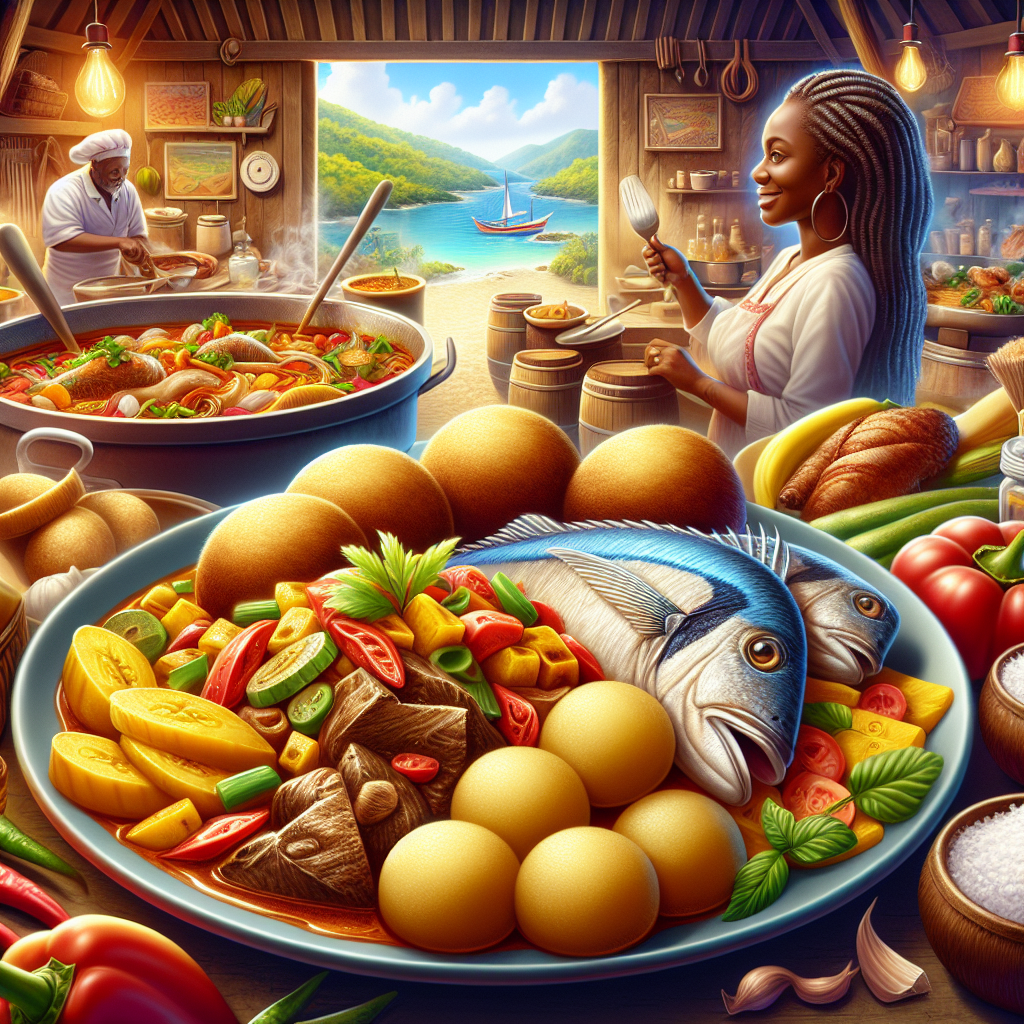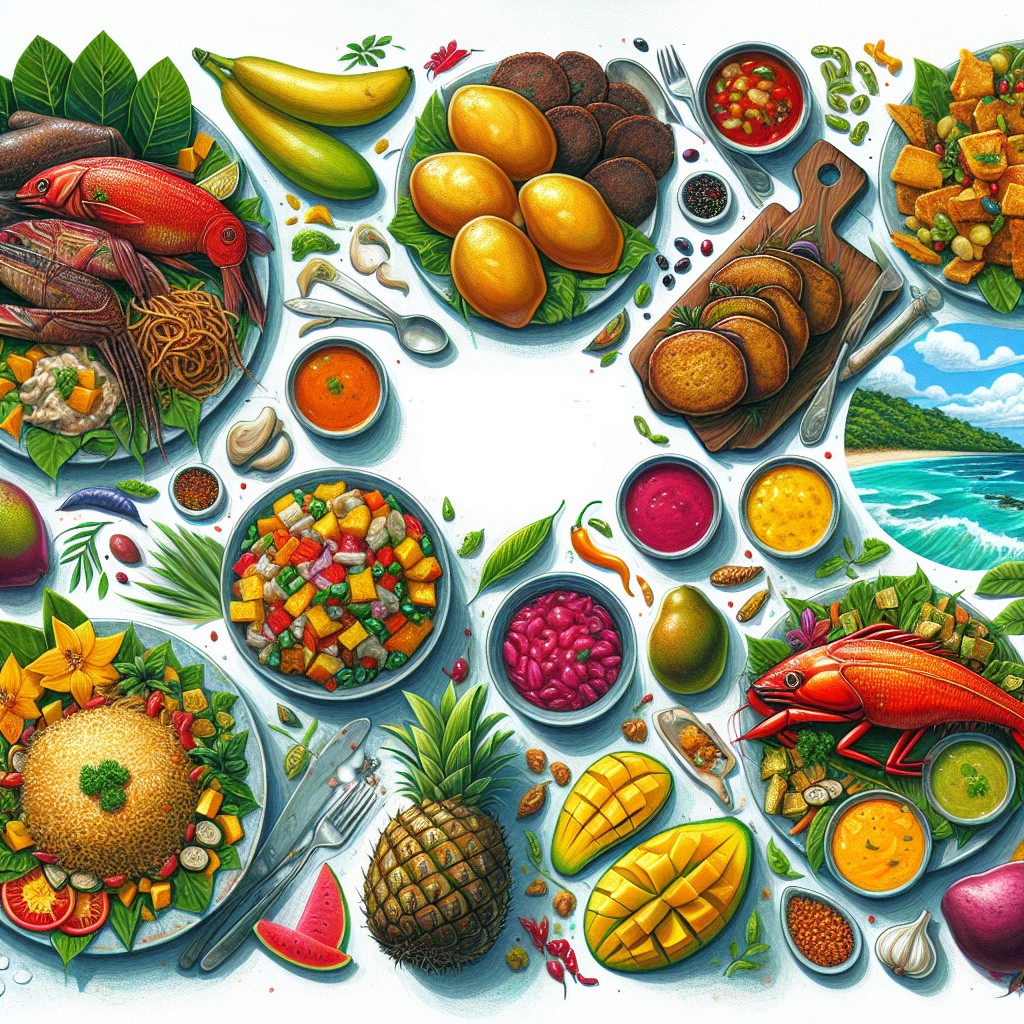
The island of Nevis in the Caribbean is a hidden gem renowned for its pristine beaches, lush landscapes, and rich cultural heritage. However, one of the most delightful and somewhat lesser-known aspects of this island is its thriving farm-to-table dining scene. Emphasizing fresh, locally sourced ingredients and sustainable practices, Nevisian cuisine offers a unique and exquisite culinary adventure.
Farm-to-table dining isn’t just about the food; it’s about the philosophy behind it. In Nevis, you’ll find restaurants and eateries that are deeply committed to using the island’s bountiful natural resources. These establishments work closely with local farmers, fishermen, and even foragers to ensure that every dish tells a story of the land and the sea. Such culinary experiences are not only palate-pleasing but also environmentally conscientious, promoting a sustainable ecosystem that benefits everyone.
As the farm-to-table movement continues to gain traction worldwide, Nevis stands out as a bastion of authenticity and unparalleled freshness. From sumptuous seafood to vibrant fruits and vegetables, the island’s cuisine takes full advantage of its fertile soil and crystal-clear waters. Travelers seeking an immersive and delicious experience will find Nevis to be a veritable paradise – a place where food is celebrated as an integral part of the culture.
Historical Roots of Nevisian Cuisine
Understanding the local culinary scene in Nevis requires delving into its history. Nevisian cuisine is a delectable blend of African, European, and East Indian influences, shaped by the island’s history of colonization and migration. Historically, Nevis was a key player in the sugar plantation economy, which introduced a variety of crops and cooking techniques to the island. The culinary heritage that developed is rich and varied, bringing together diverse flavors and traditions.
Traditional Nevisian dishes often feature ingredients like sugar cane, breadfruit, and a range of spices which were initially brought to the island through these historical trade routes. Moreover, the island’s African influence is palpably evident in its dishes like goat water (a spicy goat stew) and pelau (a one-pot rice dish), which have become staples of the local diet.
The farm-to-table dining trend in Nevis pays homage to this historical tapestry by highlighting traditional ingredients and cooking methods while integrating modern sustainability practices. Many of the island’s restaurants and chefs are devoted to preserving this culinary history, using recipes passed down through generations to keep the island’s heritage alive and vibrant on the plates they serve.
Leading Restaurants Championing Farm-to-Table
Nevis boasts several restaurants that have fully embraced the farm-to-table philosophy, turning dining into a seasonal and locally-sourced journey. One of the standout names is Bananas Bistro, nestled in an old plantation house with an enchanting atmosphere that pairs perfectly with its gourmet dishes. They focus on fresh produce from their own gardens as well as collaborating with local farmers to ensure that each plate bursts with island freshness.
Another notable establishment is Nisbet Plantation Beach Club, where the chef sources ingredients from indigenous gardens as well as the bountiful Caribbean waters. Dishes such as freshly caught lobster, paired with locally grown vegetables, exemplify the essence of Nevisian farm-to-table dining.
The Golden Rock Inn is yet another exemplar, with its extensive fruit orchards and organic vegetable gardens supplying the restaurant’s kitchen. They focus on creating dishes that are not just delicious but also visually stunning, making the dining experience unforgettable. These places are more than just restaurants; they are destinations where every meal is an event celebrated for its local roots and sustainable practices.

Typical Ingredients and Dishes
The essence of farm-to-table dining in Nevis lies in the diversity and freshness of its ingredients. The island’s fertile soil and favorable climate create the perfect conditions for growing a variety of fruits and vegetables. Ingredients like mangoes, papaya, breadfruit, and yams make frequent appearances in Nevisian dishes. The waters surrounding Nevis are teeming with marine life, providing an abundant supply of fresh fish, lobsters, and shellfish.
One quintessential Nevisian dish is the ‘goat water,’ a hearty stew made with goat meat, vegetables, and flavorful spices. Another staple is the ‘conch chowder,’ utilizing the locally sourced conch shellfish cooked in a creamy broth infused with the rich taste of herbs and spices. The thin flatbread known as ‘johnnycake’ often accompanies meals and serves as a delectable side that showcases the island’s culinary creativity.
Local fruits are not only consumed fresh but are also transformed into delightful preserves and drinks. Soursop juice, for instance, is a popular beverage made from the soursop fruit known for its refreshingly tangy flavor and numerous health benefits. These ingredients and dishes perfectly capture the agricultural bounty and the culinary ingenuity that define Nevisian farm-to-table dining.
Seasonality and Sustainability
The concept of seasonality is intrinsic to Nevisian farm-to-table cuisine. The island’s chefs and restaurant owners understand the importance of using ingredients at their peak of ripeness and flavor. This approach not only guarantees the best taste but also aligns perfectly with sustainable practices, reducing the environmental footprint of food production and consumption.
Seasonal menus are a hallmark of farm-to-table dining in Nevis. Restaurants frequently update their offerings based on what is currently in season, ensuring that guests enjoy the freshest and most flavorful dishes. This practice also supports local farmers and fishermen, creating a robust and sustainable local economy.
Sustainability initiatives in Nevis extend beyond food sourcing. Many establishments also emphasize reducing food waste, utilizing eco-friendly packaging, and conserving water and energy. These integrated efforts demonstrate a steadfast commitment to environmental stewardship, pioneering a green future for the island’s culinary landscape.
Farm-to-Table Tours and Culinary Events
An exceptional way to experience Nevisian farm-to-table cuisine is by participating in farm tours and culinary events. These activities offer visitors an immersive insight into the island’s rich agricultural heritage and sustainable practices. Several local farms open their doors to tourists, providing guided tours that showcase their growing techniques and the journey of produce from farm to plate.
Culinary events, such as the Nevis Mango and Food Festival, also celebrate the island’s farm-to-table ethos. Held annually, this festival brings together local chefs and international culinary stars to create remarkable dishes using the island’s iconic mangoes. Attendees can partake in cooking demonstrations, tastings, and even cooking competitions, all while enjoying the picturesque views of Nevis’ landscape.
These tours and events not only highlight the island’s culinary prowess but also educate visitors on sustainable practices and the importance of supporting local sources. By engaging in these experiences, travelers enhance their appreciation for Nevisian cuisine and the vibrant culture that sustains it.
Conclusion
Exploring farm-to-table dining in Nevis is more than just a culinary journey; it’s an adventure that connects you to the island’s history, culture, and environment. The commitment to fresh, locally sourced ingredients creates unforgettable gastronomic experiences that speak to the heart of Nevisian heritage.
Whether indulging in a luxurious meal at one of the island’s top restaurants, participating in a farm tour, or attending a vibrant culinary festival, visitors are sure to be enchanted by the flavors and stories that Nevis has to offer. With its deep-rooted culinary traditions and forward-thinking sustainability practices, Nevis stands out as a model for farm-to-table dining.
So, the next time you find yourself on this serene island, take the time to explore the farm-to-table scene. Savor the dishes, appreciate the craftsmanship, and immerse yourself in the rich gastronomic culture that makes Nevis a true paradise for food lovers. It’s an experience that will leave you with a profound respect for the island’s culinary landscape and a palate yearning for more.