The vibrant island of Nevis, nestled in the heart of the Caribbean, offers a culinary journey like no other. Known for its pristine beaches, rich history, and lush landscapes, Nevis is also home to a tantalizing array of Creole cuisine. This fusion of African, European, and Caribbean influences reflects the island’s diverse cultural tapestry, providing locals and tourists alike with unforgettable dining experiences.
Introduction
Nevis, part of the twin-island nation of Saint Kitts and Nevis, is a food lover’s paradise. The island’s Creole cuisine is a celebration of its multicultural heritage. Whether you’re savoring a traditional dish at a local eatery or enjoying a gourmet meal at a beachside resort, there is a distinctive flavor and warmth in Nevisian food that speaks to the soul.
Exploring the local cuisine in Nevis involves more than just satisfying your taste buds; it’s about experiencing a piece of the island’s history and culture. The culinary traditions here have been passed down through generations, blending ingredients and cooking methods brought over by African slaves, European settlers, and neighboring Caribbean islands.
Visitors to Nevis soon find that the Creole cooking is not just about the food itself, but also about the stories, the people, and the vibrant culture behind each dish. From the bustling local markets, where vendors sell fresh produce and spices, to the well-loved family-run restaurants, the spirit of Nevisian Creole cuisine is one of community, history, and shared experiences.
The Flavors of Nevis: Key Ingredients and Dishes
The essence of Nevisian Creole cuisine lies in its fresh, locally-sourced ingredients. The island’s fertile soil and favorable climate produce an abundance of tropical fruits, vegetables, and herbs, while the surrounding waters provide a wealth of seafood. These elements come together to create the flavorful and aromatic dishes that Nevis is known for.
One staple ingredient in many Creole dishes is coconut. Whether it’s coconut milk, cream, or grated flesh, this versatile fruit adds a rich, creamy texture and natural sweetness to soups, stews, and desserts. Another key ingredient is plantains, which are often fried or boiled and served alongside main dishes.
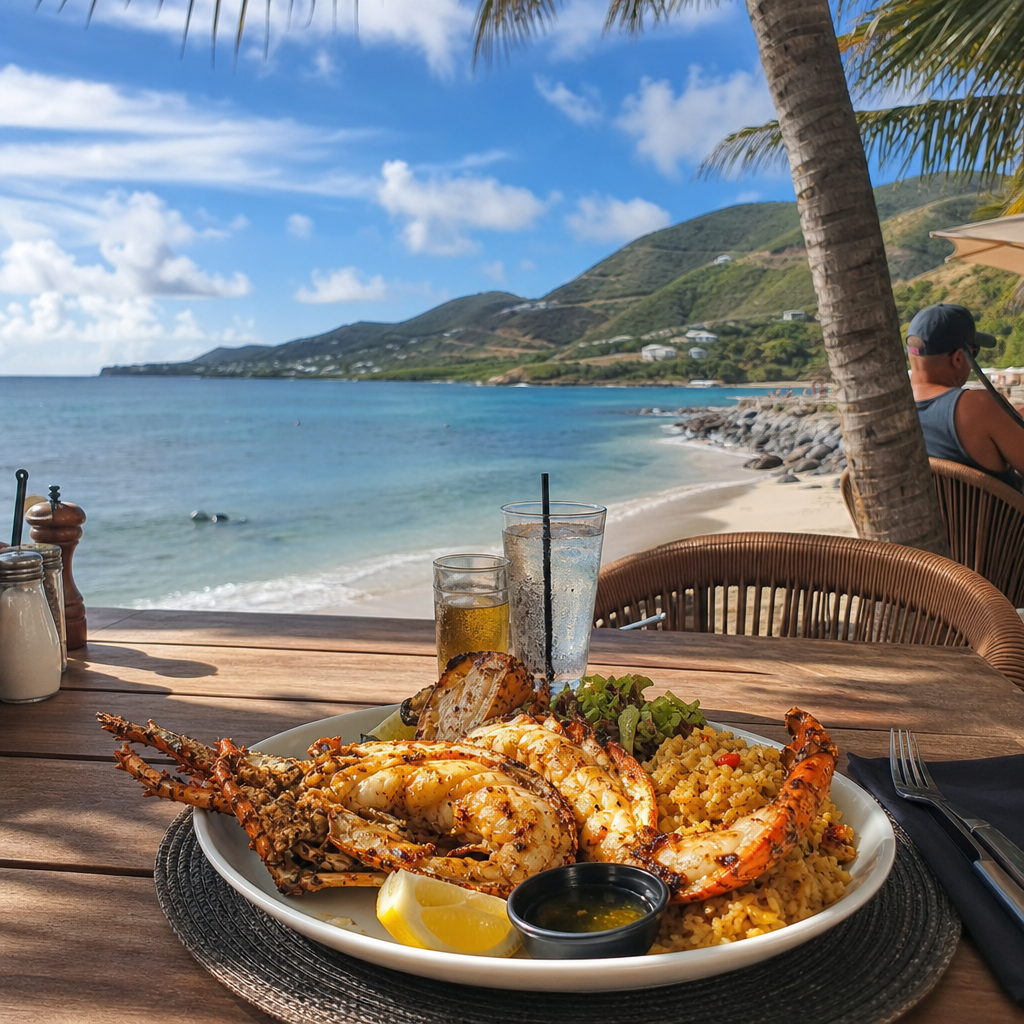
Seafood, particularly fish, conch, and lobster, features prominently in Nevisian cuisine. Freshly caught and simply prepared with spices and citrus, these dishes showcase the natural flavors of the sea. Popular seafood dishes include ‘fish water’ (a spicy fish soup), conch fritters, and grilled lobster.
The use of spices is another hallmark of Creole cooking. Scotch bonnet peppers, thyme, garlic, and allspice are commonly used to season meats, seafood, and vegetable dishes. The result is a sophisticated layering of flavors, where heat, sweetness, and savory notes coexist harmoniously.
Traditional Dining Spots in Nevis
When it comes to authentic dining experiences, Nevis does not disappoint. The island boasts a variety of traditional restaurants and casual eateries where visitors can sample the local cuisine. These establishments often prioritize fresh, local ingredients and traditional cooking methods, ensuring an authentic taste of Nevis.
One such spot is Sunshine’s Beach Bar & Grill, a popular hangout located on Pinney’s Beach. Known for its laid-back atmosphere and delicious food, Sunshine’s offers a range of Creole dishes, including their famous Killer Bee rum punch and the succulent rally of barbecue lobster.
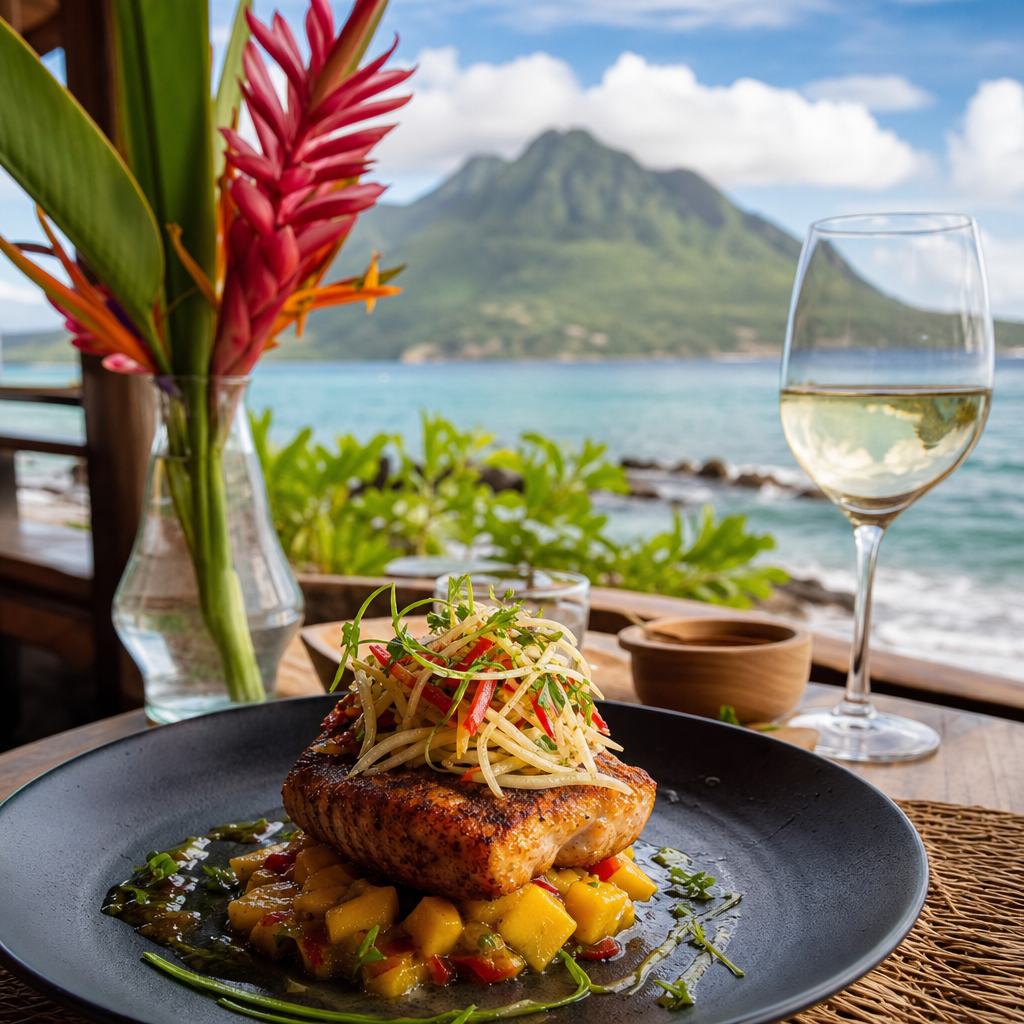
For a more upscale dining experience, visitors can head to Bananas Bistro, nestled in the lush hills overlooking the coastline. The menu at Bananas combines traditional Creole flavors with modern techniques, featuring dishes such as coconut shrimp, spiced jerk chicken, and decadent chocolate goat milk cheesecake.
Local markets are also a key part of the dining scene in Nevis. The bustling Charlestown Market is a must-visit for food enthusiasts. Here, vendors offer a colorful array of fresh fruits, vegetables, spices, and homemade treats. The market is a fantastic place to stock up on local ingredients and sample street food like johnnycakes and saltfish accras.

The Influence of African and European Cuisines
The distinctiveness of Nevisian Creole cuisine can be traced back to its diverse cultural influences. African culinary traditions, brought over by slaves during the colonial era, play a significant role in shaping the island’s foodscape. The use of ingredients like yams, plantains, okra, and callaloo, as well as cooking techniques such as slow-cooking stews and frying, are all African legacies.
European influences, particularly from the British and the French, have also left their mark on Nevisian cuisine. This is evident in dishes like the island’s hearty meat pies, breadfruit bakes, and the emphasis on tea-time snacks and desserts. The combination of African and European culinary practices has resulted in a flavorful, eclectic cuisine that is uniquely Nevisian.
Additionally, the island’s location in the Caribbean means it shares many of the region’s culinary traditions, such as the use of tropical fruits (mangoes, pineapples, guavas) and the love for rum-based beverages. These regional influences meld seamlessly with Nevis’ own traditional dishes to create a vibrant, dynamic food culture.
Signature Dishes to Try
For those looking to embark on a culinary adventure in Nevis, there are several signature dishes that should not be missed. One such dish is goat water, a heavily spiced goat stew that is considered the national dish of Nevis. This hearty stew is made with goat meat, breadfruit, green bananas, dumplings, and a blend of spices, and is often enjoyed during special occasions and festivals.
Another must-try is the pelau, a one-pot dish made with rice, pigeon peas, chicken, and vegetables, all cooked together with coconut milk and a variety of seasonings. This flavorful dish is a staple in Nevisian homes and a popular choice for communal gatherings.
Conch fritters, made from the tender meat of the conch shell, are another favorite. These deep-fried delights are typically seasoned with garlic, onion, and parsley, and served with a tangy dipping sauce. They’re perfect as an appetizer or a snack with a cold drink.
No culinary exploration of Nevis would be complete without trying some of the island’s desserts. A favorite among locals is black cake, a rich, dark fruitcake made with dried fruits soaked in rum and spices, and typically enjoyed during Christmas and other celebrations. Coconut tart, with its flaky pastry and sweet coconut filling, is another beloved treat.
Engaging in Food-Centric Activities
Aside from enjoying meals at local restaurants, there are various food-centric activities in Nevis that allow visitors to engage more deeply with the island’s culinary culture. Cooking classes, for example, provide a hands-on opportunity to learn how to prepare traditional Creole dishes under the guidance of skilled local chefs. These classes often take place in beautiful settings, such as plantation estates or scenic outdoor kitchens, making the experience even more memorable.
Participating in food tours is another excellent way to explore Nevis’ culinary landscape. These guided tours take visitors to various food spots around the island, including family-owned eateries, street food stalls, and local markets. Along the way, participants can sample a wide range of dishes and learn about the cultural and historical significance of each bite.
Many resorts and hotels in Nevis also offer culinary experiences for their guests. From rum tastings and beachside barbecues to farm-to-table dinners and themed food nights, these events provide unique ways to savor the flavors of the island while enjoying Nevis’ stunning natural beauty.
Conclusion
Nevis’ Creole cuisine is a true reflection of the island’s rich cultural heritage and natural bounty. It’s a cuisine that tells a story, a story of resilience, innovation, and community. Whether you’re dining at a rustic beach bar, a chic bistro, or a bustling market stall, you’re not just eating a meal in Nevis; you’re experiencing a piece of the island’s heart and soul.
For anyone visiting Nevis, exploring the local food scene is a must. It offers a deeper understanding of the island’s history, its people, and its traditions. From the first bite to the last, Nevisian Creole cuisine captivates the senses and creates lasting memories.
So next time you find yourself in Nevis, be sure to dive into the world of authentic Creole cooking. Savor the flavors, enjoy the hospitality, and most importantly, cherish the stories and connections that come with each meal. Bon appétit!