Exploring ecotourism ventures in Nevis means understanding how a small Caribbean island can turn natural assets, cultural heritage, and careful business planning into durable investment opportunities. Ecotourism is travel designed to conserve the environment, support local communities, and educate visitors rather than simply extract value from a destination. In Nevis, that definition matters because the island’s competitive advantage is not mass tourism. It is the combination of cloud forest trails, coral reefs, geothermal potential, heritage estates, artisanal agriculture, and a scale that still allows operators to build low-impact businesses with a clear identity. I have worked with tourism and destination planning projects across small-island markets, and Nevis consistently stands out because investors can still enter niches that are crowded elsewhere. For entrepreneurs looking at business and investment opportunities, this subtopic sits at the intersection of hospitality, conservation, agriculture, recreation, transport, and community enterprise. A well-designed ecotourism venture in Nevis can create revenue from guided hikes, farm visits, wellness retreats, marine experiences, green lodging, educational travel, and heritage interpretation while strengthening the island’s long-term appeal. That is why ecotourism in Nevis deserves serious attention from local founders, diaspora investors, and international partners seeking resilient, differentiated ventures.
Why Nevis is well positioned for ecotourism investment
Nevis has several structural advantages that make ecotourism more viable than in destinations dependent on high-volume arrivals. First, the island is physically compact, which lets visitors combine multiple experiences in a short stay: a morning hike on Nevis Peak foothill trails, an afternoon visit to a historic estate, and a sunset marine excursion can all happen without long transfers. Second, the natural environment is unusually diverse for a small landmass. Investors can build products around beaches, reef systems, volcanic landscapes, hot spring heritage, birdlife, orchards, and rainforest ecology. Third, the brand position is already associated with exclusivity, history, and authenticity rather than cruise-scale congestion.
That positioning matters commercially. A destination known for intimate stays and high service standards can command stronger margins on specialized experiences than a destination competing on volume. A guided snorkeling trip tied to reef education, lionfish control, or seagrass interpretation can sell at a premium when paired with a high-value lodging market. The same is true for farm-to-table tours, botanical walks, or wellness programs using local products. In practical terms, Nevis allows smaller operators to target higher-spending travelers, including couples, multigenerational families, dive enthusiasts, remote workers, and wellness guests.
The island also benefits from proximity to St. Kitts while maintaining a distinct identity. That creates twin-island itinerary potential without forcing Nevis ventures into direct head-to-head competition. Operators can package transfer-inclusive nature experiences for regional visitors already staying nearby. For investors, this widens the addressable market beyond guests sleeping on Nevis itself. The key commercial lesson is straightforward: Nevis does not need to become a mass-market ecotourism destination. It needs ventures that protect the product and monetize quality, interpretation, and local connection.
Most promising ecotourism venture models
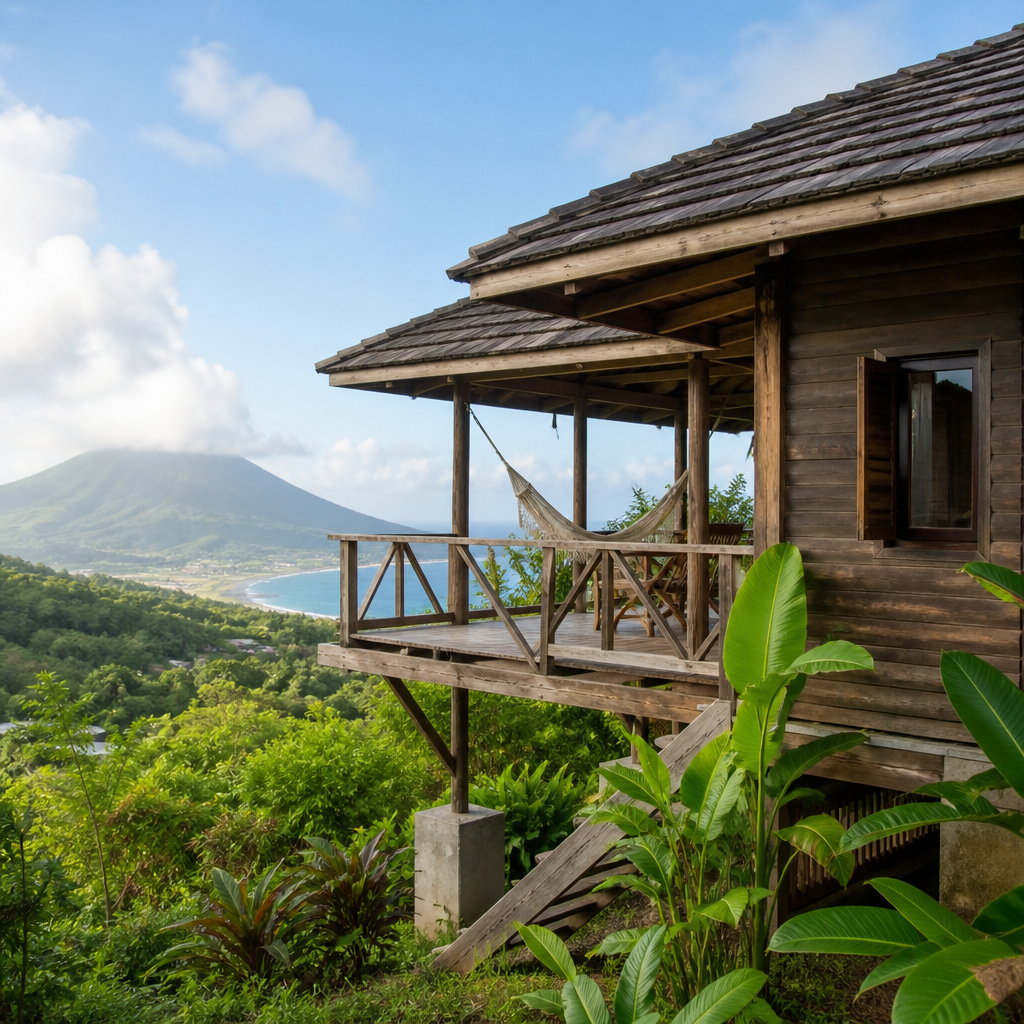
The strongest ecotourism venture models in Nevis are usually mixed-revenue businesses rather than single-activity operators. Eco-lodges are an obvious example, but the most resilient version is not simply accommodation with a green label. It is a lodging product paired with guided experiences, local sourcing, workshops, and conservation storytelling. A small hillside property with rainwater harvesting, native landscaping, solar integration, and curated nature excursions can generate accommodation revenue, tour commissions, food and beverage sales, and event income from retreats or small weddings.
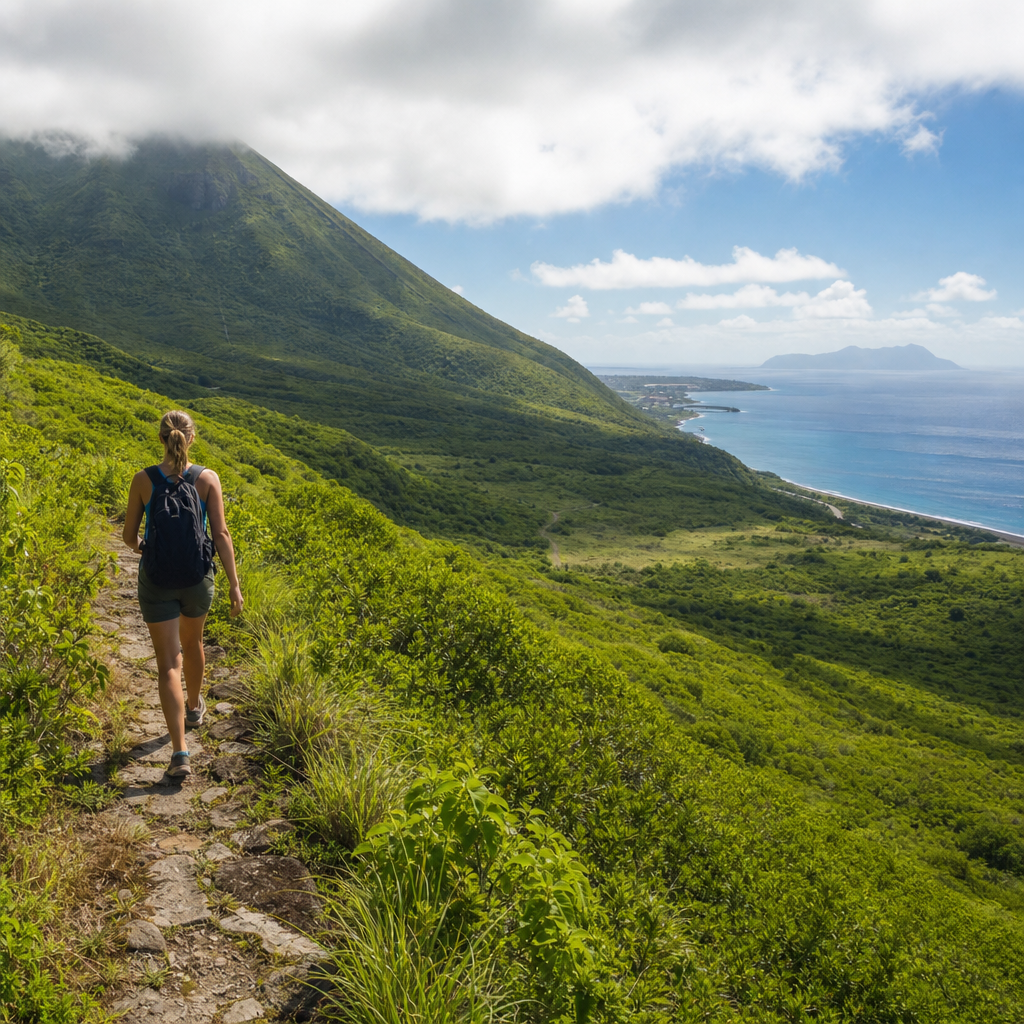
Guided land-based experiences are another attractive category. Nevis Peak hikes, heritage village walks, medicinal plant tours, mountain biking, and birdwatching can all be developed with relatively modest capital compared with traditional hotel projects. The barrier to entry is lower, but quality control is critical. Travelers paying for specialist experiences expect trained guides, documented safety procedures, and clear environmental protocols. In my experience, operators who invest early in guide training and route management outperform those who treat guiding as informal casual labor.
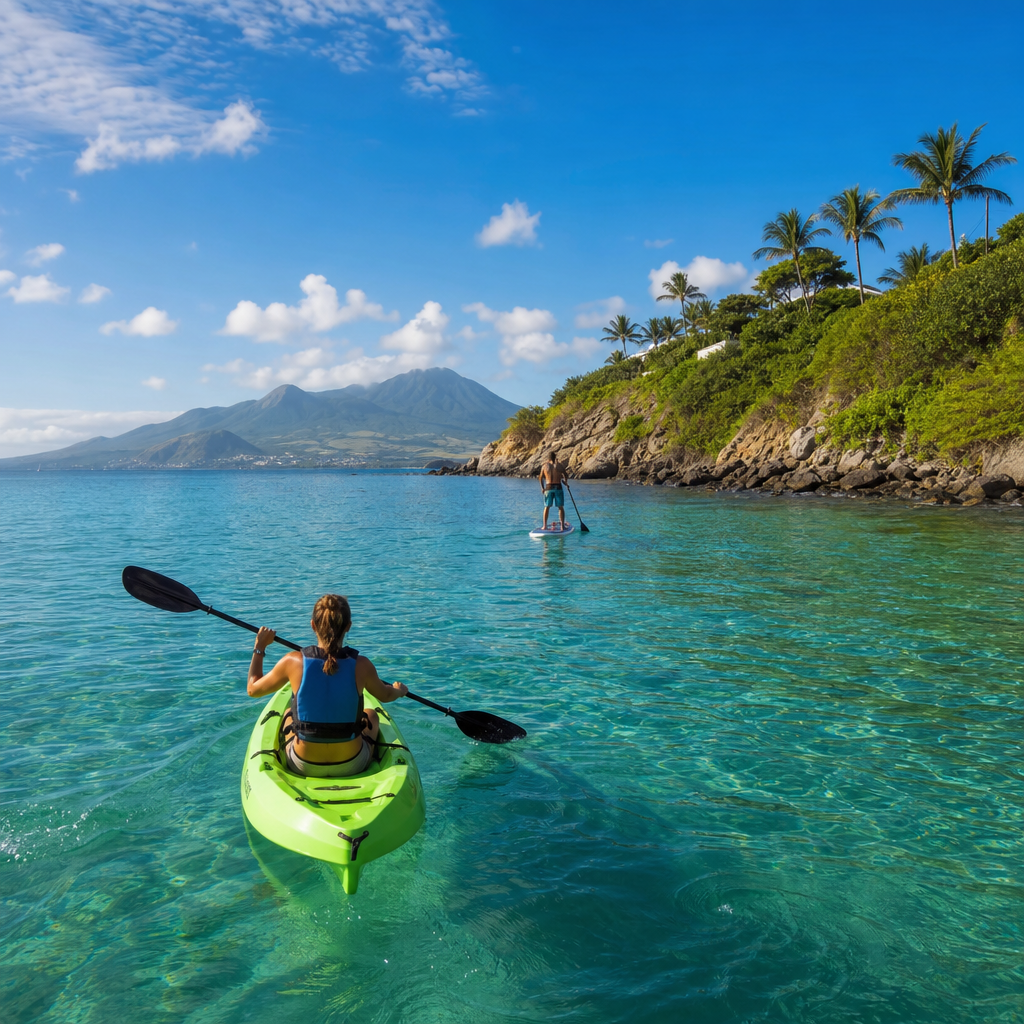
Marine ventures also offer room for expansion, especially where education and stewardship are integrated into the product. Reef snorkeling, free-diving instruction, sustainable fishing charters, turtle observation protocols, and mangrove or coastal interpretation can attract both novice and experienced visitors. The differentiator should be expertise and conservation value, not only scenery. A marine operator who can explain coral stress, invasive species management, and local fisheries dynamics will earn stronger reviews and more referral traffic than one offering a generic boat ride.
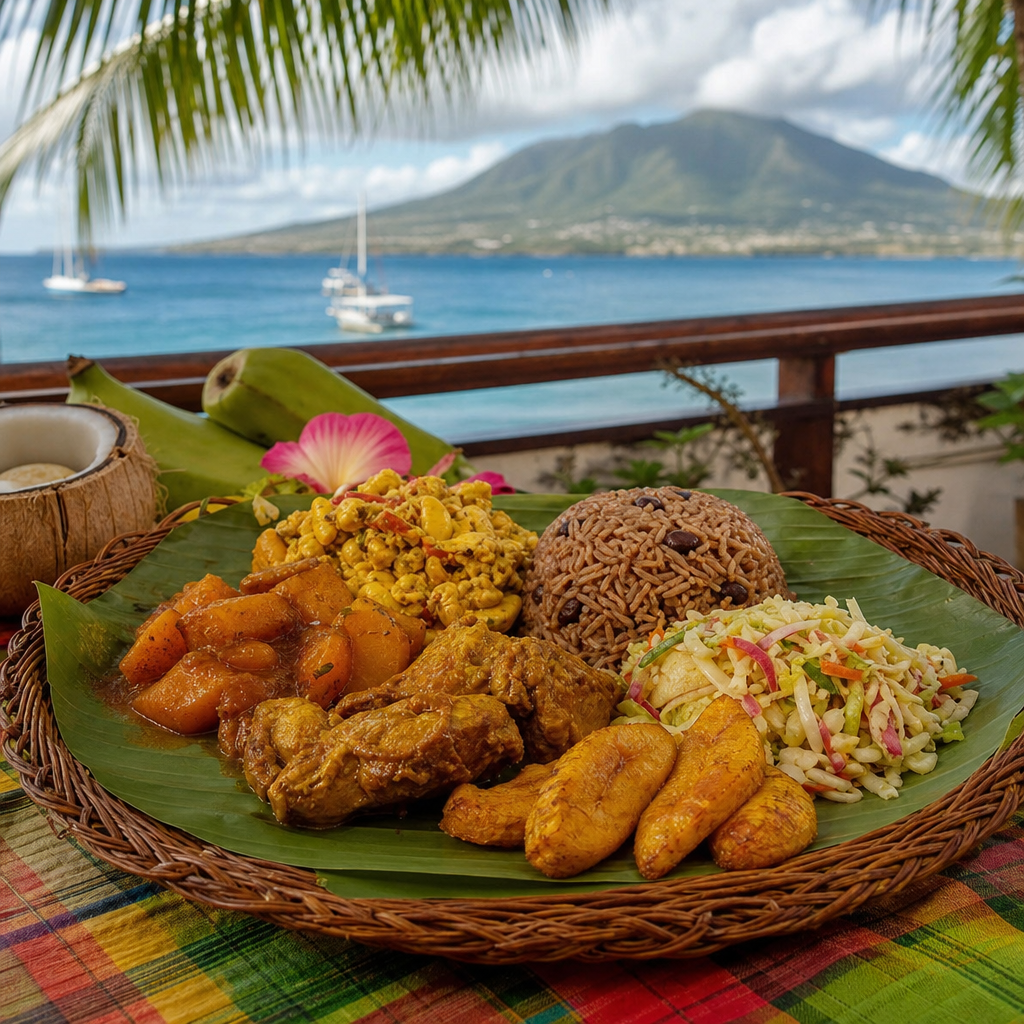
Agritourism remains underused but highly relevant in Nevis. Visitors increasingly want edible experiences: orchard visits, cocoa or fruit processing demonstrations, herbal product workshops, and chef-led farm meals. These ventures work best when they tell a complete story from land stewardship to finished product. They also create supply-chain links with restaurants, villas, and hotels, which improves cash flow outside visitor bookings.
| Venture model | Typical revenue streams | Main startup considerations | Why it fits Nevis |
|---|---|---|---|
| Eco-lodge | Rooms, tours, meals, retreats | Land use, utilities, sustainable design, staffing | High-value low-density tourism aligns with island brand |
| Guided hiking business | Tour fees, private groups, equipment rental | Insurance, safety plans, route permissions, training | Volcanic terrain and rainforest create distinctive experiences |
| Marine ecotour operator | Snorkeling trips, charters, lessons, retail | Boat standards, marine permits, weather planning | Reefs and coastal scenery support premium excursions |
| Agritourism enterprise | Farm tours, tastings, product sales, events | Biosecurity, visitor flow, food safety, branding | Local produce and culinary interest create cross-selling potential |
Building profitable ventures without damaging the island
The central discipline in ecotourism is carrying capacity. Every site, trail, beach, reef, and heritage property has a threshold beyond which visitor use starts degrading the experience and the asset itself. Investors often understand demand but underestimate capacity management. In Nevis, that can show up as trail erosion, waste handling problems, reef pressure from anchors or inexperienced snorkelers, groundwater stress, or visual intrusion from poorly sited construction. The businesses that last are the ones that treat environmental protection as operating infrastructure, not marketing copy.
For accommodations, that starts with design choices. Low-impact site planning should protect natural drainage, minimize tree removal, and avoid building forms that fight the climate. Passive cooling, shading, cross ventilation, and efficient water systems reduce operating costs and improve resilience when utilities are strained. Renewable energy options deserve careful feasibility work rather than assumptions. Solar photovoltaic systems are often practical, but battery storage, maintenance, salt exposure, and hurricane resilience must be modeled before final decisions are made.
For tours and attractions, profitability comes from disciplined product design. Smaller groups with stronger interpretation usually outperform oversized groups that dilute the experience. Timed departures, seasonal rotation of routes, reef-safe visitor briefings, refill water systems, and partnerships with local conservation initiatives all create a better product while reducing environmental load. In destinations like Nevis, guests notice operational authenticity quickly. If a company claims sustainability but serves imported packaged snacks, uses disposable plastics, and cannot explain local species or cultural context, trust drops immediately.
Good environmental practice also lowers business risk. Clear waste protocols reduce complaints. Trail maintenance reduces injuries. Community sourcing reduces supply disruptions. Documentation supports applications for grants, certifications, and trade partnerships. In other words, sustainability is not a decorative feature. It is a commercial operating model.
Regulation, standards, and due diligence for investors
Anyone exploring ecotourism ventures in Nevis should begin with due diligence, because environmental branding does not remove the normal realities of business formation, land review, licensing, taxation, labor compliance, and insurance. The exact approvals required depend on the venture type, location, and scale, but investors should expect to assess planning controls, coastal and marine use restrictions, public health requirements, and transport or excursion regulations where relevant. If alcohol service, food preparation, water activities, or guest transportation are involved, compliance becomes more layered.
A practical first step is to map the venture against recognized operating standards. For accommodations, that includes building safety, sanitation, fire protection, accessibility where feasible, and documented maintenance systems. For marine and adventure operators, internationally recognized guidance from organizations such as PADI, DAN, the Adventure Travel Trade Association, and standard marine safety practice can inform risk management even when not legally mandated. For food-related experiences, HACCP-based thinking is useful for managing storage, preparation, and service hazards.
Insurance deserves special attention. General liability is not enough for most ecotourism ventures. Hiking, cycling, boating, snorkeling, horseback riding, and wellness activities all create specific exposure. In my experience, operators who consult brokers with hospitality and adventure portfolios early make better decisions about waivers, incident logs, staff certifications, and emergency response plans. Investors should also scrutinize access rights, utility reliability, hurricane preparedness, and transportation dependencies. A beautiful site with uncertain road access or unresolved drainage can become expensive very quickly.
Due diligence should end with a simple question: does the business model still work after realistic compliance, maintenance, staffing, and resilience costs are included? If the answer is yes, the venture is probably grounded in reality rather than aspiration.
Marketing ecotourism ventures to the right traveler
Successful marketing in Nevis is less about broad visibility than precision. The ideal customer for an ecotourism venture is usually not searching for the cheapest Caribbean holiday. They are looking for a meaningful trip with nature, culture, comfort, and credible stewardship. That means messaging must be specific. Instead of saying a property is eco-friendly, explain that it uses native planting to support pollinators, offers guided dawn bird walks, sources breakfast fruit from local farms, and limits guest numbers to preserve the experience. Specificity converts better than generic sustainability claims.
Content strategy matters because ecotourism buyers often research deeply before booking. They ask practical questions: What wildlife might I see? Is the hike difficult? Is the reef healthy year-round? Can children participate? How is the business helping the local community? These questions should be answered directly on product pages, in itinerary examples, and in pre-arrival communication. Strong photography helps, but informative copy closes sales, especially for higher-value experiences.
Partnerships are equally important. Villas, boutique hotels, destination wedding planners, travel advisors, and regional airlines all influence booking decisions. A small operator with excellent trade relationships can outperform a larger operator with weak distribution. Reviews also play an outsized role. Guests consistently praise ventures that combine professionalism with local insight: guides who know the names of plants, captains who explain marine etiquette, hosts who connect visitors to island history, and chefs who can trace ingredients to specific farms. That blend of competence and authenticity is exactly what Nevis can sell.
The wider economic value for Nevis and local entrepreneurs
Ecotourism matters in Nevis not only because it attracts visitors but because it spreads value through the local economy more effectively than many imported tourism models. A conventional resort can generate impressive room revenue while leaking substantial value through imported food, foreign ownership structures, and centralized procurement. By contrast, a well-run ecotourism ecosystem tends to buy more local services: guides, drivers, growers, fishers, artisans, wellness practitioners, maintenance teams, musicians, and educators. That multiplier effect is especially important on small islands where economic diversification is a standing priority.
There is also a social benefit when ventures are designed with community participation rather than simple extraction. Heritage interpretation can preserve oral histories. Farm visits can make small-scale agriculture more viable. Youth guide training can create pathways into hospitality, environmental monitoring, and entrepreneurship. Local product development, from herbal teas to preserves and natural body care, can expand because tourism provides a market and a story.
For founders, this creates a practical strategic advantage. Businesses rooted in local supply chains and local knowledge are harder to copy than generic tours. They also earn more community goodwill, which matters when access, staffing, reputation, and referrals all depend on trust. The best ecotourism ventures in Nevis will not be the ones that imitate larger islands. They will be the ones that use the island’s scale, ecology, and culture to build distinctive, premium experiences with disciplined operations.
Nevis offers a rare combination of natural beauty, manageable scale, and market positioning that makes ecotourism ventures both commercially attractive and strategically important. The strongest opportunities sit in eco-lodging, guided land and marine experiences, agritourism, wellness, and heritage-based products that combine education with memorable service. The essential lesson is that success in this market does not come from chasing volume. It comes from protecting the resource, understanding carrying capacity, complying with standards, and delivering experiences rich in local knowledge and operational quality. Investors who approach Nevis with patient capital and realistic due diligence can build ventures that earn strong margins while reinforcing the island’s appeal. Local entrepreneurs have an equally important advantage: they already understand the stories, landscapes, and community relationships that visitors value most. If you are evaluating business and investment opportunities in this miscellaneous hub, start by identifying one niche where Nevis has clear natural credibility, then build a model around stewardship, partnerships, and premium execution. That is the path to sustainable ecotourism growth on the island.
Frequently Asked Questions
What makes Nevis especially well suited for ecotourism ventures?
Nevis is well suited for ecotourism because its appeal is rooted in quality, authenticity, and environmental value rather than high-volume resort traffic. As a small Caribbean island, Nevis benefits from a distinctive mix of cloud forest landscapes, coastal ecosystems, hiking terrain, heritage sites, and a strong sense of local identity. That combination gives investors and operators a clear foundation for building experiences that are difficult to replicate elsewhere. Visitors are not coming to Nevis for anonymous mass tourism; they are drawn by the promise of a quieter, more intentional destination where nature, culture, and community remain central to the experience.
That positioning matters from a business perspective. Ecotourism ventures tend to perform best in places where natural assets are still intact and where travelers are willing to pay for guided, educational, and low-impact experiences. In Nevis, ventures such as rainforest excursions, birdwatching, heritage walks, marine interpretation tours, farm-to-table experiences, wellness retreats, and small eco-lodging concepts can align naturally with the island’s character. The island’s scale can also be a strength. Smaller destinations often allow for tighter coordination between tour operators, landowners, hospitality businesses, farmers, and local guides, creating integrated visitor experiences that generate broader local economic benefits.
Another important advantage is that ecotourism in Nevis can be developed as a long-term value strategy rather than a short-term extraction model. Protecting trails, shorelines, biodiversity, and historic spaces is not just a conservation goal; it directly preserves the product being sold. When designed properly, ecotourism ventures can strengthen destination branding, attract higher-value travelers, and help reduce the environmental strain associated with large-scale tourism. In that sense, Nevis is not simply suitable for ecotourism. Its natural and cultural profile makes ecotourism one of the most logical and sustainable pathways for future tourism investment.
What types of ecotourism businesses have the strongest potential in Nevis?
The strongest opportunities in Nevis are usually businesses that build around the island’s existing environmental and cultural assets while keeping infrastructure light and experience quality high. Guided hiking operations, forest and wildlife interpretation tours, snorkeling and coastal ecology excursions, sustainable guesthouses, regenerative agriculture experiences, and cultural immersion programs all fit well within the island’s profile. These models are attractive because they can start at a manageable scale, differentiate themselves through storytelling and local expertise, and avoid the heavy capital demands of mass-market tourism development.
Eco-lodging is one of the clearest examples. Small boutique properties that incorporate renewable energy, water conservation, natural ventilation, local materials, and meaningful guest education can appeal to travelers looking for comfort without excess. The same is true for activity-based ventures. A guided hike in Nevis can become much more valuable when it includes botanical interpretation, historical context, conservation education, and connections to local communities. In other words, the commercial potential is not just in access to nature, but in curated, knowledge-rich experiences that help visitors understand what makes Nevis unique.
There is also strong potential in cross-sector ventures that combine ecotourism with agriculture, wellness, and heritage. Farm visits, culinary tourism, herbal and medicinal plant workshops, wellness retreats tied to natural settings, and community-based craft or history tours can broaden visitor spending while supporting local entrepreneurs. The most resilient business models are often those that do not depend on a single activity. Instead, they build layered experiences that encourage longer stays, repeat visits, and stronger local supply chains. For Nevis, the best ecotourism businesses are not generic “green” products. They are place-specific ventures that turn local landscapes, traditions, and stewardship into premium visitor experiences.
How can ecotourism investors in Nevis balance profitability with environmental protection?
Profitability and environmental protection are not opposing goals in ecotourism; in a destination like Nevis, they are deeply connected. The core principle is simple: the environment is not a backdrop to the business, it is one of the business’s primary assets. If trails are degraded, reefs are stressed, water systems are overused, or development disrupts the island’s character, the venture becomes less attractive over time. Investors who understand this tend to focus on durable returns rather than quick expansion. That means planning for carrying capacity, limiting overuse, selecting appropriate sites, and building operations that preserve the qualities visitors are paying to experience.
Practically, this balance starts with design and operations. Eco-conscious site selection, low-impact construction, energy efficiency, waste reduction, rainwater capture where appropriate, and careful wastewater management can reduce both environmental pressure and long-term operating costs. Visitor management is equally important. Smaller group sizes, timed excursions, trained guides, and clearly defined use areas help prevent overcrowding and resource damage. Education also plays a major role. Guests who understand the ecological significance of a forest trail, mangrove zone, or marine habitat are generally more respectful and more likely to value the experience at a premium price point.
From a financial standpoint, profitability often improves when ecotourism ventures position themselves as high-quality, mission-driven offerings rather than competing on volume alone. Travelers interested in sustainability are frequently willing to spend more for authenticity, expert interpretation, responsible operations, and visible community benefit. Investors can further strengthen performance by tracking metrics that matter beyond occupancy or ticket sales, such as guest satisfaction, repeat visitation, local procurement levels, conservation contributions, and ecosystem impact. In Nevis, the strongest businesses are likely to be those that treat environmental stewardship as a competitive advantage, a brand promise, and a risk-management strategy all at once.
Why is community involvement so important to successful ecotourism in Nevis?
Community involvement is essential because ecotourism is supposed to create value for local people, not just for outside operators or visitors. In Nevis, where identity, heritage, and social networks are closely tied to the island’s appeal, community participation is also critical to authenticity. Visitors are increasingly looking for experiences that feel grounded in real place and real people. That can include local guides who know the landscape deeply, farmers who supply ingredients or host educational visits, craftspeople who share traditional skills, and historians who connect natural spaces to the island’s cultural story. Without those local voices, ecotourism risks becoming superficial.
There is also a practical business reason for community engagement. Ventures that work collaboratively with residents tend to build stronger local support, reduce friction around land use and access, and create wider economic benefits that reinforce long-term stability. Hiring and training local staff, sourcing locally where feasible, partnering with community organizations, and including residents in planning discussions can improve both social legitimacy and service quality. These relationships matter especially in a smaller island setting, where reputation travels quickly and long-term business success often depends on trust.
Most importantly, community involvement helps ensure that ecotourism development does not undermine the very qualities that make Nevis attractive. Local stakeholders often understand seasonal patterns, sensitive habitats, historical significance, and cultural expectations in ways that outside investors may not. Their input can improve product design, protect important sites, and identify opportunities that are both commercially viable and socially beneficial. In Nevis, the most credible ecotourism ventures are likely to be those that share benefits, respect local knowledge, and make residents active participants in the visitor economy rather than passive observers of it.
What should entrepreneurs evaluate before launching an ecotourism venture in Nevis?
Before launching an ecotourism venture in Nevis, entrepreneurs should begin with a clear understanding of the island’s market position and the specific problem or opportunity their business will address. A common mistake is to assume that any nature-related concept automatically qualifies as ecotourism or will find demand. The stronger approach is to define a precise visitor segment, such as wellness travelers, hikers, heritage-focused visitors, small-group adventure travelers, or environmentally conscious couples seeking boutique accommodations. Once that audience is identified, the business can be designed around what that segment truly values: interpretation, exclusivity, sustainability, comfort, access, education, or cultural depth.
Operational feasibility is equally important. Entrepreneurs should assess land access, environmental sensitivity, required permits, infrastructure limitations, transportation logistics, staffing needs, seasonality, and exposure to weather-related disruptions. In a small-island context, details such as water supply, power reliability, maintenance, import dependence, and waste management can materially affect margins and service quality. They should also evaluate whether the concept relies too heavily on assumptions about visitor volume. In Nevis, a more realistic and often more profitable model is one built around smaller numbers of higher-value guests rather than large throughput.
Finally, entrepreneurs should test whether the venture genuinely aligns with ecotourism principles. That means asking hard questions: Does the business help conserve natural or cultural assets? Will local communities benefit in visible ways? Is the experience educational and respectful, not just recreational? Can growth occur without degrading the site or diluting the experience? A solid launch plan should include environmental safeguards, community partnerships, financial projections, marketing strategy, and a clear statement of what makes the venture distinctive in Nevis. Businesses that do this groundwork are much more likely to build credibility, attract the right traveler, and create a venture that is both commercially sound and sustainable over time.