The healthy holiday season in Saint Kitts blends celebration with practical wellness choices, making it possible to enjoy family traditions, local food, beach gatherings, and festive travel without losing sight of physical and mental health. In this context, “healthy” does not mean restrictive eating or skipping cultural events. It means balancing nutrition, movement, rest, hydration, stress management, and preventive care during one of the busiest times of year. “Holiday season” in Saint Kitts usually includes Christmas, Carnival-related activity, year-end travel, community events, church services, late-night socializing, and increased restaurant dining. “Miscellaneous” health and wellness topics matter here because the season affects everything at once: routines change, sleep shortens, alcohol intake often rises, imported treats become more available, and visitors add pressure on transport, dining, and healthcare services. Having worked on Caribbean wellness content and seasonal health planning, I have seen that residents and visitors need one central guide that connects the many small decisions shaping holiday wellbeing. Saint Kitts offers advantages: warm weather supports outdoor activity, fresh produce remains accessible, and the island’s scale makes active transport realistic. Yet the same setting brings challenges such as sun exposure, dehydration, mosquito prevention, and the temptation to celebrate every event with excess. A useful hub article should answer the broad questions people actually ask: What should you eat? How much should you drink? How do you stay active while socializing? What should travelers pack? How can families protect children and older adults? The goal is simple: enjoy Saint Kitts fully while protecting energy, health, and resilience through the festive season.
Seasonal nutrition in Saint Kitts: enjoy local food without overdoing it
A healthy holiday season in Saint Kitts starts with food choices that respect both culture and metabolism. Holiday tables may include rice dishes, peas, roasted meats, saltfish, patties, tarts, fruitcake, sorrel drinks, ginger beer, and rich desserts. None of these foods are inherently a problem. The issue is frequency, portion size, and the layering of sugar, alcohol, and fried foods across several days. The most reliable approach is to build plates around a simple structure: half vegetables or fruit, a quarter lean protein, and a quarter starch. In local terms, that can mean grilled fish with callaloo and a modest serving of rice, or roasted chicken with salad and ground provisions. If you know dessert is coming, keep the main meal lighter. If you plan to drink alcohol, reduce sweetened beverages at the same event.
Fresh island produce can anchor holiday eating. Papaya, mango when available, pineapple, banana, breadfruit, pumpkin, cucumber, tomato, lettuce, cabbage, and herbs make balanced meals easier. Fiber helps regulate appetite and blood sugar, which is particularly useful during weeks of irregular eating. Protein also matters. Eggs, fish, chicken, peas, and beans improve satiety and reduce the post-meal crash that pushes people toward more sweets. I consistently advise people to eat before parties rather than arriving hungry. A yogurt, boiled eggs, fruit, or a small tuna sandwich before an event makes better choices easier once highly palatable foods appear.
People often ask whether traditional holiday drinks can fit into a healthy plan. Yes, but preparation matters. Sorrel can be excellent, but sugar quantity varies dramatically. Homemade versions allow better control than commercially sweetened options. Ginger drinks can aid digestion, yet many recipes become sugar-heavy. Use smaller cups, add ice, and alternate with water. The best strategy is not deprivation; it is deliberate selection. Pick the foods you truly value, skip the forgettable extras, and avoid turning every gathering into an all-day binge.
Hydration, alcohol, and heat management during festivities
Warm weather changes holiday health priorities in Saint Kitts. Even in December, outdoor events, beach lime sessions, parades, and road travel can cause fluid loss that people underestimate. Dehydration often feels like fatigue, headache, irritability, or hunger. That means many people eat or drink alcohol when they actually need water. A practical rule is to start the day with water, carry a bottle when moving between events, and drink steadily rather than trying to catch up at night. People exercising outdoors, dancing for hours, or spending time in direct sun may also benefit from fluids containing electrolytes, especially if alcohol is involved.
Alcohol deserves direct attention because it is one of the fastest ways a healthy holiday season becomes unhealthy. It affects judgment, sleep quality, appetite control, hydration, and injury risk. It also adds substantial calories without improving satiety. In practice, safer drinking looks like this: eat beforehand, alternate each alcoholic drink with water, avoid mixing multiple high-sugar beverages, and set a cap before the event starts. Drivers should not drink at all. That sounds obvious, but holiday optimism often defeats common sense.
| Situation | Better choice | Why it works |
|---|---|---|
| Beach party in midday sun | Water first, light meal, limit rum punch | Reduces dehydration and slows alcohol absorption |
| Late-night family gathering | Single alcoholic drink, then water or unsweetened sorrel | Supports sleep and lowers excess sugar intake |
| Carnival-style street event | Carry water, use shaded breaks, eat protein before attending | Helps maintain energy and reduces impulsive overeating |
| Restaurant holiday dinner | Choose grilled seafood, vegetables, and a shared dessert | Keeps portions and calories reasonable without skipping celebration |
Heat management is just as important as hydration. Light breathable clothing, hats, sunscreen with broad-spectrum protection, and shaded rest periods matter for children, older adults, and tourists who are not acclimatized. Sunburn and heat exhaustion can derail vacations and family plans quickly. If someone becomes dizzy, weak, confused, or nauseated after prolonged heat exposure, move them to a cooler space, begin rehydration, and seek medical help if symptoms persist.
Movement, sleep, and stress: the overlooked pillars of holiday wellness
Most people think first about food, but the bigger holiday health disruptors are often inactivity, short sleep, and chronic overstimulation. Saint Kitts makes movement easier than colder destinations because weather allows outdoor walks, swimming, hiking, and casual sport. During the holidays, formal workouts often fail because schedules become unpredictable. I have had the best results recommending minimum movement targets instead of perfect gym routines: a morning walk before social obligations, bodyweight exercises at home, swimming at the beach, or dancing with intention rather than sitting for hours. Even twenty to thirty minutes of daily movement improves glucose control, mood, and sleep quality.
Sleep is frequently sacrificed to travel schedules, parties, church events, and hosting duties. That tradeoff is costly. Inadequate sleep increases cravings for calorie-dense foods, lowers patience, weakens immune response, and raises accident risk. A healthy holiday season in Saint Kitts should include a sleep plan. Keep wake times reasonably consistent, limit heavy meals and alcohol close to bedtime, reduce bright screen exposure late at night, and use brief daytime naps instead of relying on caffeine throughout the evening. If you are staying near busy roads, music venues, or family gatherings, earplugs and a cool dark room can make a measurable difference.
Stress also rises during festive periods. Financial pressure, grief, family conflict, and social expectations are common, even in beautiful settings. The healthiest approach is to lower the performance burden. Not every event requires attendance, not every tradition must be recreated perfectly, and not every visiting plan needs to be accommodated. Short routines help: ten minutes of stretching, breathing exercises, quiet prayer, journaling, or a solo walk before the day begins. These are not luxury habits. They are the difference between enjoying the season and merely surviving it.
Travel health, family safety, and practical prevention
Because Saint Kitts receives holiday visitors and many families move between households, ports, and events, travel health becomes part of seasonal wellness. The basics are straightforward but often ignored. Pack regular medications in carry-on luggage, bring prescriptions or labeled containers, and keep a simple health kit with oral rehydration salts, pain relievers used appropriately, antihistamines, bandages, motion-sickness remedies, and insect repellent. If you use inhalers, glucose monitoring supplies, or emergency medications, double-check quantities before holiday closures affect pharmacy access.
Food safety matters more than people think during buffet-style meals and long family gatherings. Perishable dishes should not sit out for hours in warm conditions. Leftovers should be cooled and refrigerated promptly. Undercooked meat, seafood mishandling, and cross-contamination can turn a celebration into a gastrointestinal illness affecting multiple relatives at once. Clean water, handwashing, and careful reheating remain the simplest defenses. Families with infants, older adults, pregnant women, or immunocompromised members should be particularly careful because dehydration and foodborne illness hit these groups harder.
Mosquito bite prevention is another practical issue. Depending on season and local conditions, mosquitoes can still be a nuisance, and bite avoidance supports comfort as well as disease prevention. Use repellent with recognized active ingredients, wear long sleeves in higher-exposure periods when practical, and reduce standing water around homes or guest properties. Road safety is equally important. Holiday driving can involve fatigue, nighttime glare, celebratory distraction, and visitors unfamiliar with local roads. Seat belts, sober driving, and patience save lives every year.
Families often ask how to keep children and older relatives well during an active holiday schedule. The answer is routine protection. Keep children fed and hydrated before outings, maintain reasonable bedtimes when possible, and apply sunscreen repeatedly during beach or field events. For older adults, ensure access to medications, seating, shade, toilets, and enough recovery time between events. Holiday joy increases when vulnerable family members are included comfortably rather than pushed past their limits.
Building a realistic holiday wellness plan for residents and visitors
The most effective healthy holiday season in Saint Kitts is built on a simple plan, not willpower alone. Start by choosing three non-negotiables: for example, daily water intake, one active block of movement, and a regular sleep window. Then define your flexible areas, such as desserts at two key gatherings or alcohol only on selected nights. This prevents the common all-or-nothing cycle in which one indulgent meal becomes a week of abandonment. Residents can also use the island’s strengths by scheduling outdoor breakfasts, market shopping, beach walks, and home-cooked meals between major events. Visitors should plan recovery space into itineraries instead of booking every day from sunrise to midnight.
This hub page supports the wider health and wellness journey because holiday wellbeing is not one isolated topic. It connects to nutrition, exercise, mental health, preventive care, sun safety, family health, and healthy aging. If you are organizing content across the broader wellness category, those are the natural next stops. The practical lesson is that good health during the festive season comes from dozens of ordinary decisions repeated consistently. Drink water before rum punch. Eat fruit and protein before parties. Walk in the morning. Protect sleep. Use sunscreen. Store leftovers safely. Carry your medications. Check on older relatives. These habits are not dramatic, but they work.
Saint Kitts offers every ingredient for a memorable and healthy festive season: fresh food, outdoor space, strong community ties, and a climate that encourages movement. The challenge is managing abundance without letting it manage you. Approach the season with balance rather than restriction, and you can enjoy cultural traditions while protecting energy, mood, and long-term health. Use this guide as your starting point, then explore the related health and wellness articles linked from this subtopic hub to build a stronger routine for the holidays and beyond.
Frequently Asked Questions
How can I enjoy holiday meals in Saint Kitts without giving up healthy habits?
Enjoying holiday meals in Saint Kitts while staying healthy starts with balance, not restriction. The festive season often includes rich family dishes, sweets, drinks, and generous portions, but that does not mean you have to avoid traditional foods to protect your well-being. A practical approach is to build your plate with intention. Start with vegetables, salads, fruits, and lighter sides when they are available, then add moderate portions of the foods you most want to enjoy. This helps you take part in the celebration without feeling uncomfortable or overdoing it. Eating slowly also makes a big difference, especially during long family gatherings where food is available for hours. When you give yourself time to taste and enjoy each dish, you are more likely to notice when you are satisfied.
Hydration matters as well, especially in Saint Kitts’ warm climate, where holiday events may happen outdoors at beaches, community gatherings, or family homes with lots of activity. Drinking water regularly before and during meals can help with energy, digestion, and portion control. If holiday drinks are part of the occasion, alternating them with water is a smart way to stay balanced. It is also helpful to avoid skipping meals earlier in the day to “save room” for a big dinner, because arriving overly hungry often leads to overeating. A healthier pattern is to eat regular, nourishing meals throughout the day so you can participate in the feast from a place of control rather than deprivation. Ultimately, healthy holiday eating in Saint Kitts means enjoying local flavors, honoring cultural traditions, and making steady choices that support your body at the same time.
What are the best ways to stay active during the holiday season in Saint Kitts?
Staying active during the holiday season in Saint Kitts does not require a strict fitness program or long hours in a gym. In fact, one of the easiest ways to maintain movement is to build it into the celebrations already happening around you. Walks on the beach, early morning neighborhood strolls, swimming, dancing at holiday events, and active family outings all count as meaningful exercise. The holiday season can be packed with errands, visitors, cooking, and travel, so it helps to think of movement as part of daily life rather than a separate task. Even short sessions, such as a 20-minute walk in the morning or stretching before bed, can help support circulation, mood, sleep, and stress reduction.
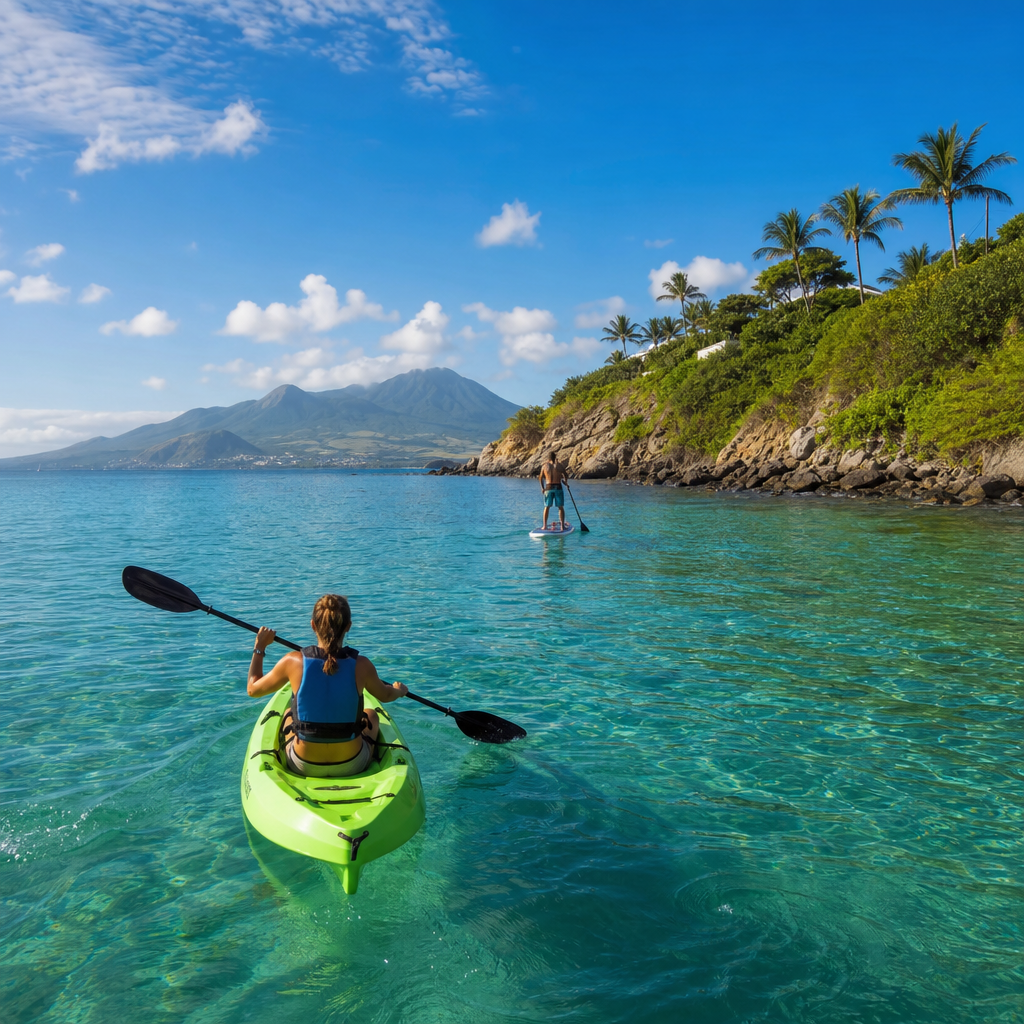
Because Saint Kitts offers warm weather and scenic outdoor spaces, the environment itself makes active choices more appealing. Choosing to walk instead of driving short distances, joining family members for a beach game, or taking time for a hike or waterfront walk can help you stay energized without feeling like you are sacrificing holiday fun. If your routine normally includes structured workouts, keeping a simplified version of that routine can be more realistic than trying to do everything perfectly. For example, shorter bodyweight workouts, resistance band exercises, or yoga sessions at home can help you stay consistent. The key is to avoid the all-or-nothing mindset. Healthy holidays are supported by regular movement, even if it looks different from your usual routine. Consistency matters more than intensity during a busy season.
How can I manage holiday stress and protect my mental health in Saint Kitts?
Managing holiday stress in Saint Kitts begins with recognizing that the season, while joyful, can also be emotionally demanding. Family expectations, financial pressure, travel logistics, social obligations, and end-of-year responsibilities can quickly become overwhelming. A healthy holiday season includes mental and emotional care, not just nutrition and exercise. One of the most effective strategies is to set realistic expectations. You do not have to attend every event, prepare everything perfectly, or meet every demand placed on your time. Prioritizing what matters most to you, whether that is family connection, faith, rest, community participation, or quiet time, can help reduce the feeling of being pulled in too many directions.
It also helps to create small routines that bring calm and stability into busy days. This might mean starting the morning with a few quiet minutes, taking a walk outdoors, limiting overcommitment, or making space for rest after social events. In Saint Kitts, natural settings such as the beach, green spaces, and breezy outdoor areas can offer simple but powerful opportunities to reset mentally. Staying connected to supportive people is important too, especially if the holidays bring grief, loneliness, or difficult family dynamics. Talking to trusted relatives, friends, faith leaders, or healthcare professionals can make a meaningful difference. Protecting your mental health during the holidays is not selfish; it is part of responsible self-care. When stress is managed early, you are better able to enjoy the season, respond calmly to challenges, and stay present for the moments that matter most.
What should I keep in mind about hydration, sleep, and preventive care during the festive season?
Hydration, sleep, and preventive care are often overlooked during the holidays, yet they are some of the most important foundations of a healthy season in Saint Kitts. Because the climate is warm and many holiday activities take place outdoors, dehydration can happen more easily than people expect. Long beach days, travel, shopping, social events, and alcohol consumption can all increase fluid loss. Drinking water regularly throughout the day supports energy, concentration, digestion, and overall comfort. Keeping a bottle of water nearby, drinking before you feel thirsty, and balancing caffeinated or alcoholic beverages with water are all simple but effective habits.
Sleep is just as important. Holiday excitement often leads to later nights, early mornings, and packed schedules, which can leave people run down at the exact time they want to feel their best. Poor sleep can affect mood, appetite, immunity, and decision-making, making it harder to maintain other healthy habits. Even during a festive period, aiming for a consistent sleep schedule when possible can help you feel more steady and resilient. Preventive care also deserves attention. If you take regular medication, make sure you have enough on hand before holiday closures or travel. If you are managing conditions such as diabetes, high blood pressure, or asthma, it is wise to stay on top of your treatment plan and avoid letting celebrations interrupt essential care. Basic steps such as hand hygiene, sun protection, food safety, and paying attention to signs of exhaustion or illness can go a long way. A truly healthy holiday season includes enjoying the festivities while still protecting the basics that keep you well.
How can families and visitors create a healthy holiday experience in Saint Kitts without missing out on the celebration?
Families and visitors can create a healthy holiday experience in Saint Kitts by focusing on choices that add to the celebration rather than taking away from it. A healthy holiday does not mean refusing local foods, avoiding parties, or turning every gathering into a wellness project. Instead, it means making thoughtful decisions that help everyone feel good during and after the festivities. Families can plan meals that include both traditional favorites and lighter options, offer water and fresh fruit alongside richer foods, and include movement as part of the fun through beach outings, walks, games, or dancing. These choices support health in a natural way and allow everyone, from children to older adults, to participate comfortably.
For visitors, healthy travel habits are especially important. Travel can disrupt sleep, eating patterns, and hydration, so building in simple routines can help maintain balance. Eating regular meals, carrying water, choosing activity-based excursions, using sun protection, and pacing your schedule can make the trip more enjoyable and less exhausting. Families hosting guests can also support wellness by leaving room for downtime instead of filling every hour with events. That balance is often what makes the season memorable in the best way. The goal is not perfection. It is creating an atmosphere where people can enjoy Saint Kitts’ holiday traditions, community warmth, and natural beauty while also respecting the body’s need for nourishment, movement, rest, and care. When health is approached this way, it becomes part of the celebration itself rather than a separate burden.