Saint Kitts rewards travelers who want more than a bed and beach access. Across this small Eastern Caribbean island, historic stays preserve sugar plantation legacies, colonial architecture, rail-era infrastructure, and family traditions that stretch across centuries. “Historic stays in Saint Kitts” refers to hotels, inns, great houses, and restored estates where the building, landscape, or story is inseparable from the guest experience. These properties matter because they turn accommodation into interpretation. You are not simply checking in; you are entering a site shaped by slavery and emancipation, by British and French rivalry, by sugar wealth, by decline, and by reinvention through tourism and heritage conservation.
I have spent years evaluating Caribbean hotels, and Saint Kitts stands out because history is unusually visible here. The island’s former sugar economy left behind stone windmills, estate houses, field roads, churches, forts, and villages that still define where people live and where visitors stay. Some properties occupy old plantation lands with carefully restored great houses. Others sit in Basseterre, where Georgian influences, Victorian details, and civic buildings tell the story of a port city rebuilt after fires and storms. A few newer resorts are not old in structure, yet they still carry strong historical narratives through setting, design references, and links to nearby landmarks. For travelers comparing options, understanding that distinction is essential.
This hub article covers the “Miscellaneous” side of accommodations in Saint Kitts: places that do not fit neatly into only luxury resort, boutique hotel, or villa categories because their main appeal is narrative depth. If you are researching where to stay near Brimstone Hill Fortress National Park, on a former sugar estate, or in a heritage-minded inn close to Basseterre’s old core, this guide gives you the framework. It explains what makes a stay genuinely historic, which properties best embody the island’s past, how to evaluate authenticity, and what tradeoffs to expect in comfort, access, and price. It also helps you connect this page with other accommodations content, from plantation inns to town guesthouses and scenic resort stays.
A truly historic hotel in Saint Kitts usually has at least one of four attributes: original period architecture, documented links to a plantation or civic site, adaptive reuse of older structures, or immersive interpretation of local history through tours, food, design, and storytelling. The strongest properties combine all four. They preserve stonework, timber galleries, or estate layouts while also explaining what happened on the land before tourism. That matters. Heritage without context can become decorative. Context without preservation can feel abstract. The best hotels with a story to tell do both, giving guests comfort while making the island’s layered history legible in daily experience.
What Makes a Historic Stay in Saint Kitts Worth Booking
The best historic stays in Saint Kitts do not rely on a plaque in the lobby. They make the past visible in the fabric of the property and in the way staff present it. When I assess whether a hotel deserves to be called historic, I look first at provenance. Is the building or estate clearly tied to a known plantation, merchant house, or colonial-era district? Second, I look at integrity. Have key architectural features survived, such as cut-stone walls, broad verandas, louvered shutters, old cisterns, or the spatial logic of a great house facing former cane lands? Third, I look at interpretation. Does the property explain the labor history, ownership changes, and surrounding landmarks honestly, or does it romanticize plantation life without acknowledging the people who made those estates function?
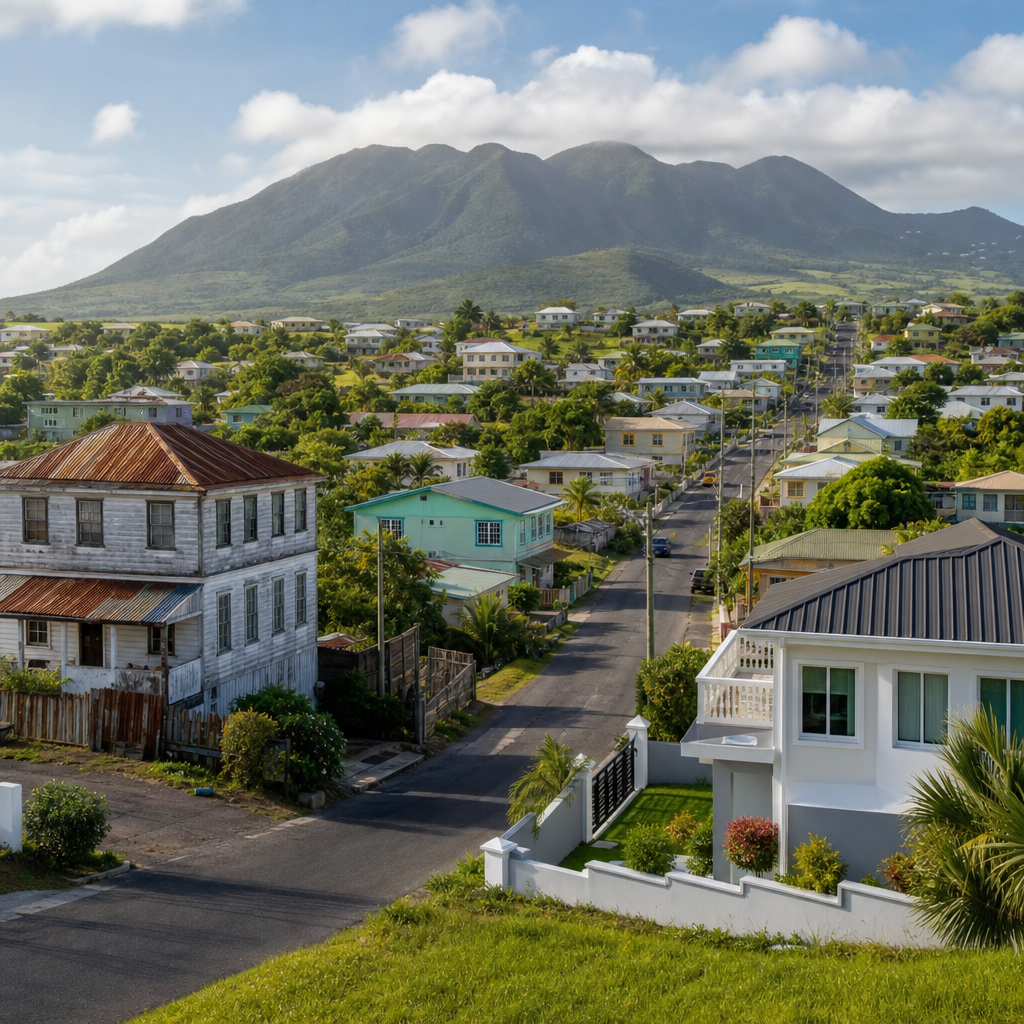
Location also matters. Saint Kitts is compact, but different parts of the island tell different chapters of its history. Basseterre links visitors to commerce, churches, and civic architecture. The northwest and central districts reveal plantation geography and proximity to Brimstone Hill Fortress, a UNESCO World Heritage Site recognized for its military significance and engineering. The southeast peninsula is more associated with contemporary resort development, yet even there the terrain reflects old estate boundaries and maritime routes. A hotel can feel historic because of where it sits as much as because of the age of its walls.
Service style is another clue. In stronger heritage properties, staff can describe former owners, explain the estate map, recommend nearby ruins, and place local dishes in context. Menus may feature ingredients with roots in plantation provision grounds and Afro-Caribbean cooking traditions. Excursions may include Romney Manor, Fairview Great House, Brimstone Hill, the scenic railway corridor, or village churches rather than only beach transfers. These details separate a meaningful heritage stay from a standard hotel using colonial décor as branding.
Notable Hotels and Inns with Strong Historical Character
The most frequently cited historic stay on Saint Kitts is Ottley’s Plantation Inn. Set on a former sugar estate dating back to the eighteenth century, it remains one of the island’s clearest examples of adaptive reuse done well. The stone great house, mature gardens, and estate setting create immediate historical atmosphere, but the property’s value goes beyond aesthetics. It places guests within the story of the sugar plantation economy that once dominated Saint Kitts, known historically as one of Britain’s richest Caribbean sugar islands. Staying here makes it easier to understand how plantation houses were positioned for breeze, oversight, and status, while outbuildings and grounds hint at the labor systems that sustained them.
Another property often discussed in heritage-focused accommodation planning is Golden Rock Inn, on the lower slopes of Mount Liamuiga in neighboring Nevis. Because this article is specifically about Saint Kitts, it belongs only as contextual comparison for travelers exploring both islands, not as a Saint Kitts recommendation. On Saint Kitts itself, several restored estate-style accommodations and inns offer historical ambiance even if they are smaller or less internationally famous. Properties near former plantation lands in Trinity, Old Road, and the road toward Dieppe Bay often draw guests who want a quieter base with direct access to old churches, village life, and scenic ruins rather than a conventional resort corridor.
Basseterre guesthouses and inns can also qualify as historic stays when they occupy older town buildings or place travelers within walking distance of Independence Square, the co-cathedral, the Berkeley Memorial clock, and the waterfront. These are excellent choices for visitors who value urban history over secluded estate settings. They may not deliver sweeping gardens or a plantation house silhouette, but they offer something just as useful: a grounded sense of how Saint Kitts developed as a working port and administrative center.
| Type of historic stay | Best for | Typical strengths | Common tradeoffs |
|---|---|---|---|
| Plantation inn | Travelers seeking immersive heritage and quiet scenery | Original architecture, estate grounds, strong storytelling | Fewer rooms, less nightlife, variable beach access |
| Town inn or guesthouse | Visitors focused on Basseterre history and walkability | Access to landmarks, local dining, urban context | Less resort atmosphere, more street noise |
| Heritage-inspired resort | Guests wanting comfort with historical proximity | Modern amenities, easier logistics, nearby attractions | Weaker architectural authenticity |
Plantation Heritage, Preservation, and the Real Story Behind the Scenery
Any serious discussion of historic hotels in Saint Kitts must address plantation history directly. The island’s beauty was shaped by a system built on enslaved African labor, land extraction, and export agriculture. Many of the most visually striking estate properties owe their existence to that economy. Responsible hotels do not erase this fact. They acknowledge that a restored great house represents one layer of history, while the broader estate included boiling houses, mills, worker settlements, provision grounds, and later changes after emancipation in 1834. Travelers should expect interpretation that recognizes both elegance and violence. If a property presents only nostalgia, it is giving you an incomplete version of the island.
This is where preservation standards matter. Good conservation does not mean freezing a building in one period or polishing every surface until it feels new. It means retaining character-defining elements, documenting repairs, and adapting spaces for hospitality without destroying what made them significant. Across the Caribbean, the strongest heritage conversions preserve masonry, rooflines, room proportions, and landscape relationships even when interiors are updated for plumbing, accessibility, and climate control. In Saint Kitts, that might mean keeping old stone walls, restoring timber shutters, or maintaining the axial approach to an estate house while adding discreet modern systems.
Travelers can evaluate authenticity by asking practical questions. Was the property once a functioning estate or historic residence? Are there records, dates, or local accounts that support its story? Does the hotel connect guests to nearby heritage sites, museums, or guides? Are gardens interpreted as former plantation grounds rather than generic tropical landscaping? These questions help separate genuinely meaningful historic stays from accommodations that simply borrow period styling.
How to Choose the Right Historic Stay for Your Trip
The right choice depends on your travel priorities. If your goal is immersion, book a plantation inn with limited rooms and on-site dining. These properties suit couples, writers, and repeat Caribbean travelers who care about atmosphere more than activity schedules. Expect quieter evenings, strong personal service, and easier access to inland sightseeing. If your priority is combining history with practical transport, choose a Basseterre-based inn or hotel near the ferry terminal and cruise port. You can walk to landmarks, join island tours easily, and still use the property as a base for day trips to Romney Manor, Brimstone Hill, or the St. Kitts Scenic Railway.
Budget is another factor. Historic properties often cost more per room than standard midscale hotels because restoration is expensive and room counts are lower. Maintenance is ongoing in a humid, salt-exposed climate. Woodwork, masonry, roofing, drainage, and insect management all require constant attention. That premium can be worth paying when the setting itself is part of the trip, but travelers should understand what they are buying. You are paying for significance, scale, and atmosphere, not necessarily for the largest pool or the newest bathroom fittings.
Accessibility and comfort deserve careful review before booking. Older buildings may have stairs, uneven paths, narrower doorways, or bathrooms shaped by the constraints of preserved structures. Air conditioning can vary. Wi-Fi may be weaker in thick-walled buildings or garden cottages. None of these issues automatically disqualifies a hotel, but they do affect fit. Read recent guest reviews with a filter: comments that one traveler calls “charm” another may call “dated.” Historic accommodation works best when expectations are calibrated to the building’s age and conservation goals.
Nearby Landmarks That Deepen the Stay
A historic hotel in Saint Kitts becomes much more valuable when paired with the right excursions. Brimstone Hill Fortress National Park is the most important anchor. Built largely by enslaved Africans for the British between the seventeenth and nineteenth centuries, the fortress offers the clearest lesson in the island’s strategic importance and military history. Staying on former estate land and then visiting Brimstone Hill gives guests a fuller picture of how plantation wealth and imperial defense were connected. Romney Manor adds another dimension, with botanical gardens and estate history linked to the island’s colonial past and later preservation efforts.
Fairview Great House and Botanical Garden provides a useful comparative experience because it shows how a restored property can interpret architecture, domestic space, and gardens for modern visitors. In Basseterre, Independence Square, once associated with a market and earlier public life under colonial rule, reveals how civic spaces evolved after emancipation and independence. The National Museum, housed in the old treasury building, is small but valuable for grounding hotel narratives in island-wide context. Even the scenic railway, created to transport sugar cane before conversion to tourism use, functions as a moving lesson in industrial heritage and land use.
When hotels actively encourage these visits, they become more than lodging providers. They become curators of place. That is the benchmark of a strong historic stay and the reason this miscellaneous accommodations hub matters within Saint Kitts travel planning.
Historic stays in Saint Kitts offer a rare kind of travel value: they let accommodation do interpretive work. Instead of isolating guests from the island, the right hotel explains it. Plantation inns reveal how sugar shaped land, architecture, and class. Town properties connect visitors to Basseterre’s civic and commercial history. Heritage-minded resorts, while less authentic in structure, can still serve travelers well when they provide access to major landmarks and present local history accurately. The key is to book with clear criteria: documented provenance, preserved architectural character, honest storytelling, and practical alignment with your comfort needs.
For most travelers, the best choice is not simply the oldest building or the most photogenic veranda. It is the property that helps you understand Saint Kitts as it is today: an island where tourism, memory, preservation, and daily life overlap. Look for hotels that acknowledge plantation realities, maintain their historic fabric responsibly, and guide guests toward places like Brimstone Hill, Romney Manor, Fairview, and Basseterre’s old core. Those connections turn a stay into a deeper encounter with the island.
Use this hub as your starting point for the wider Accommodations section, then narrow your search by style, location, budget, and access to heritage sites. If you want a Saint Kitts trip that feels rooted rather than generic, choose a hotel with a story to tell, and let that story shape your itinerary.
Frequently Asked Questions
What qualifies as a historic stay in Saint Kitts?
A historic stay in Saint Kitts is more than an older place to sleep. It is a hotel, inn, plantation house, great house, or restored estate where the history of the property is a central part of the experience. In practical terms, that usually means the building has meaningful ties to the island’s past, whether through sugar plantation history, colonial-era architecture, rail connections, agricultural traditions, or long-standing family ownership. These properties often preserve original stonework, timber details, verandas, estate layouts, carriage paths, or grounds that reveal how the site once functioned.
What sets them apart from standard resorts is that the setting itself tells a story. Guests may stay in rooms converted from former estate buildings, dine in great houses that once anchored plantation life, or walk gardens and hillsides shaped by centuries of cultivation and trade. In Saint Kitts, where the sugar industry, colonial competition, and evolving local culture have deeply influenced the landscape, historic accommodations give travelers a way to experience the island as a lived place rather than just a beach destination. The best examples balance preservation with comfort, allowing visitors to enjoy modern hospitality while still feeling connected to the property’s original character.
Why choose a historic hotel or estate stay instead of a standard beach resort in Saint Kitts?
If your goal is simply sun and convenience, a standard resort may do the job. But if you want your accommodation to add depth to the trip, a historic stay offers something much richer. These properties invite you into the story of Saint Kitts itself. Instead of waking up in an interchangeable resort room, you may wake up in a former plantation estate, a building with colonial architectural details, or a family-run property where generations of local memory are part of the welcome. That kind of setting creates a stronger sense of place and often makes the trip feel more personal, memorable, and culturally grounded.
Historic stays also tend to encourage a different pace of travel. Guests are more likely to notice the hillside views that once mattered for estate planning, the breeze through old galleries and verandas, the materials used in restoration, or the way the property connects to nearby villages, former sugar lands, or heritage landmarks. In many cases, the staff can share stories about ownership, restoration, and local traditions that you would never get from a conventional resort experience. For travelers interested in architecture, Caribbean history, heritage tourism, or simply meaningful atmosphere, these places turn lodging into part of the destination rather than just a backdrop for it.
What kinds of history can travelers expect to encounter at historic stays in Saint Kitts?
Travelers can expect several overlapping layers of history, which is part of what makes Saint Kitts so compelling. One of the most visible is the island’s sugar plantation legacy. Many historic properties are located on or near former estates, and their buildings, roads, fields, and views still reflect that agricultural past. Guests may see old estate houses, former mill sites, thick stone walls, or grounds laid out in ways that reveal how plantation life once operated. Even when a property has been fully adapted for hospitality, the imprint of that history often remains in the landscape and architecture.
There is also the island’s colonial and military past, visible in building styles, estate names, and regional patterns of development. Saint Kitts played an important role in the broader Caribbean history of European rivalry, trade, and settlement, and some historic accommodations echo that era through Georgian or West Indian architectural elements, antique furnishings, and longstanding estate traditions. In addition, travelers may encounter stories tied to rail-era infrastructure, maritime movement, local family stewardship, and post-sugar reinvention. The most rewarding historic stays do not present the past as decoration alone; they help guests understand how the island evolved over time and how those changes still shape the Saint Kitts people experience today.
Are historic stays in Saint Kitts comfortable, or do they sacrifice modern amenities for atmosphere?
In most cases, well-run historic stays in Saint Kitts aim to deliver both character and comfort. Travelers should not assume that “historic” means uncomfortable, outdated, or overly rustic. Many of these properties have been carefully restored to preserve their architectural identity while adding the amenities modern guests expect, such as air conditioning, updated bathrooms, quality bedding, Wi-Fi, dining service, and well-maintained grounds. The experience is usually less about luxury in a glossy, uniform sense and more about distinctive comfort in a setting with authenticity and charm.
That said, historic properties are often intentionally different from large modern resorts. Room layouts may vary, floorboards may creak, windows and verandas may be designed around the original structure, and decorative details may reflect the period or family history of the estate. For many travelers, that individuality is exactly the appeal. The key is to book with the right expectations. If you want identical rooms, extensive entertainment programming, and a highly standardized resort setup, a heritage property may feel more intimate and less predictable. If you value atmosphere, architecture, and the feeling of staying somewhere with genuine depth, historic accommodations in Saint Kitts can be exceptionally rewarding without asking you to give up the essentials of a comfortable stay.
How can travelers choose the best historic stay in Saint Kitts for their interests?
The best approach is to match the property’s story to the kind of trip you want. If you are especially interested in plantation history and estate architecture, look for former great houses or restored plantation inns where the grounds and buildings remain central to the guest experience. If you are drawn to local continuity and personal hospitality, family-run historic properties may offer the strongest sense of tradition and firsthand storytelling. Travelers who care most about landscape may prefer hillside or countryside estates where the setting still reflects the island’s agricultural past and offers views across old sugar lands to the sea.
It also helps to look beyond the word “historic” in marketing and focus on specifics. Read how the property describes its origins, what has been preserved, and how the history is interpreted for guests. Consider whether the experience is intimate and quiet, culinary and estate-focused, or convenient to nearby heritage attractions such as Basseterre, former plantation areas, scenic railway connections, or landmark sites around the island. Reviews can be useful, but the strongest indicators are often the details: the age and purpose of the building, the restoration approach, the architectural features, and the depth of the property’s connection to Saint Kitts itself. A great historic stay should feel inseparable from the island’s story, giving you not just accommodation, but a meaningful way to inhabit the history of the place while you travel.