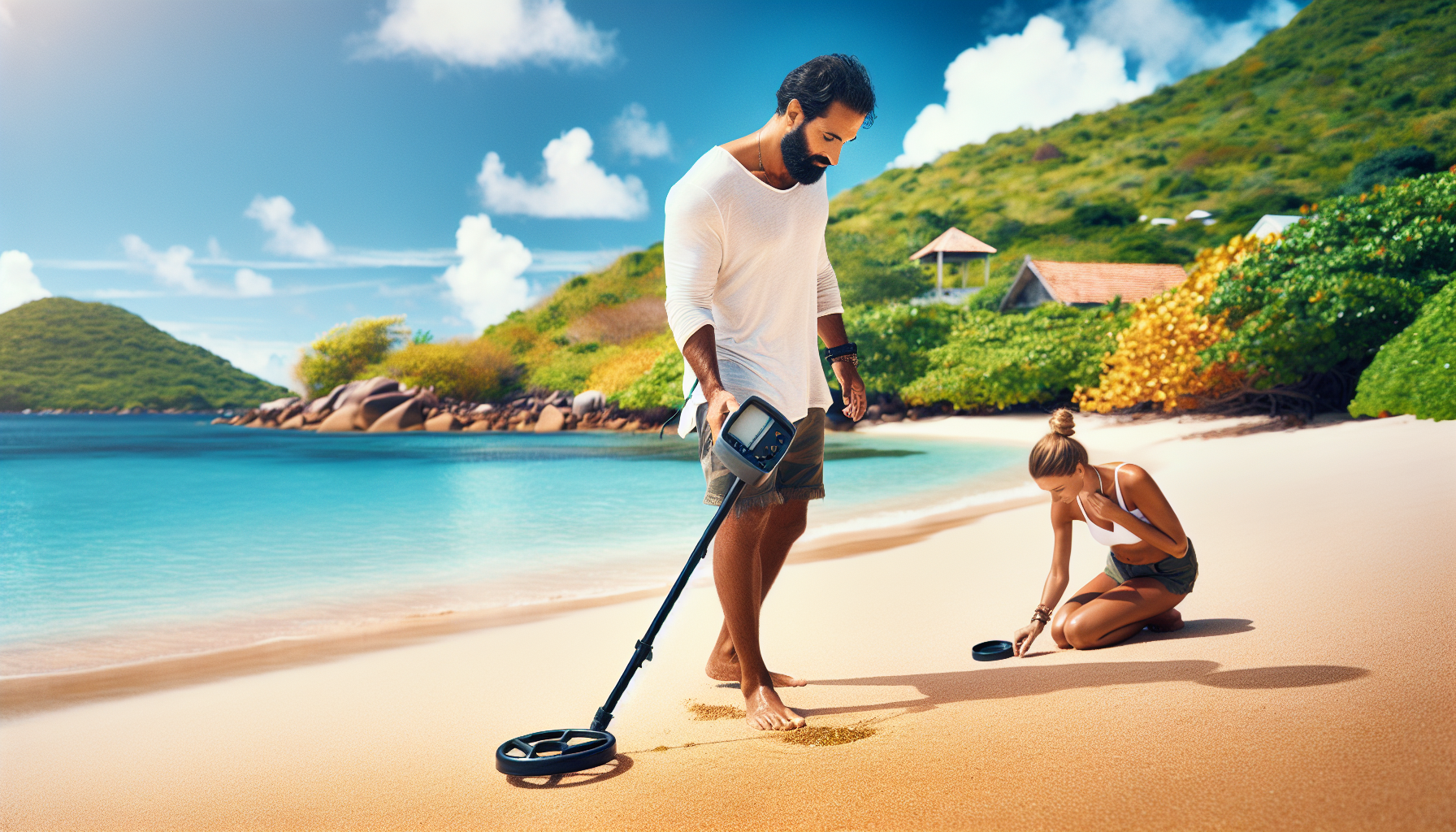
Treasure hunting in Nevis blends curiosity, local history, and coastal exploration into one of the island’s most rewarding low-key adventures. In practical terms, treasure hunting here usually means two activities: metal detecting, which uses an electronic detector to locate buried metal objects, and beachcombing, which is the slower search for shells, sea glass, drift finds, coins, and naturally washed-up artifacts along the shore. As a hub topic under Adventure and Activities, this Miscellaneous guide connects the side of Nevis that sits outside the usual sailing trips, hikes, and snorkel excursions. It matters because Nevis offers a rare mix of small-island accessibility, layered colonial and maritime history, and beaches that change character with tides, storms, and seasonal surf. I have found that visitors often arrive expecting only postcard scenery, then realize the shoreline itself tells stories if they know where, when, and how to look.
Nevis is especially suited to patient exploration because distances are manageable, public beach access is common, and the island’s quieter pace encourages observation. A morning walk can reveal fishing weights, old bottle fragments rounded by surf, volcanic stones, coral pieces, and the occasional modern coin lost by a swimmer. Metal detecting adds another layer, but it also introduces rules, ethics, and practical limits. You are not likely to uncover pirate chests; you are far more likely to find recent jewelry, discarded hardware, beverage can pull-tabs, and occasionally older objects whose context matters more than market value. That distinction is important. Successful treasure hunting in Nevis is less about fantasy and more about reading beaches, understanding permission, protecting heritage, and enjoying discovery without damaging the environment. Done well, it becomes a memorable way to experience the island beyond standard sightseeing.
For travelers planning deeper exploration, this hub also serves as a starting point for related articles on Nevis beaches, island history, family-friendly activities, walking routes, photography spots, and rainy-day cultural stops. Think of it as the umbrella guide for an overlooked but compelling niche. The goal is simple: help you find the right places, use the right methods, avoid common mistakes, and understand what belongs in your pocket, what should stay in place, and what should be reported. If you want an activity that is affordable, meditative, history-adjacent, and suitable for solo travelers, couples, and families with older children, treasure hunting in Nevis deserves a place on your itinerary.
Why Nevis Is Good for Treasure Hunting
Nevis offers conditions that make both metal detecting and beachcombing practical for visitors. The island is compact, road access to many beaches is straightforward, and several coastlines experience enough tidal and wave variation to refresh the surface regularly. Unlike heavily urbanized beach destinations, Nevis still has stretches where natural debris patterns are visible rather than hidden beneath dense commercial development. That matters because shell lines, wrack lines, and erosion cuts are where many interesting finds appear. On beaches near hotels and day-use swimming areas, recent losses such as rings, earrings, and coins are more common. On quieter shores, the appeal shifts toward sea glass, ceramics, fishing gear, and natural finds shaped by the Atlantic and Caribbean sides of the island.
The island’s history also adds context. Nevis played a meaningful role in colonial trade, plantation agriculture, and inter-island shipping. Charlestown and nearby waterfront areas have changed over centuries, while anchorages, landing sites, and old settlement zones hint at movement of goods and people. In my experience, this historical layering raises the stakes for responsible searching. A corroded buckle, old nail, or pottery fragment may seem insignificant, yet it can be part of a broader story. That is why serious detectorists distinguish between modern loss recovery and potentially historic material. The best treasure hunters are not simply collectors; they are observers who understand landscape, chronology, and context.
Metal Detecting Rules, Permissions, and Ethics
The first question most travelers ask is straightforward: can you metal detect in Nevis? The practical answer is that you should never assume unrestricted permission. Laws and enforcement can change, and heritage protection may apply to archaeological material, historic sites, public lands, and coastal zones. Before detecting, ask your accommodation, local tourism contacts, or relevant authorities about current expectations. If a beach adjoins a hotel, private estate, or managed attraction, get explicit permission. If you want to search near ruins, churches, cemeteries, forts, plantation remains, or old town areas, do not proceed casually. Those places are precisely where context is most important and where unapproved detecting can become both disrespectful and unlawful.
Ethics matter even when rules are not posted. Fill every hole neatly. Remove sharp trash such as rusted metal, hooks, and can slaw. Do not disturb turtle nests, dune vegetation, retaining walls, or stone features. Avoid searching when beaches are crowded, because swinging a detector around sunbathers is intrusive and unsafe. If you recover an item that appears recently lost, make a reasonable effort to return it through the property office, beach bar, dive shop, or social channels. If you uncover something that seems old, unusual, or clearly linked to the island’s heritage, photograph it in place, note the location, and seek guidance instead of pocketing it immediately. Responsible behavior protects access for everyone.
From years of watching how local communities respond to visitor activities, one rule stands above the rest: be transparent. If someone asks what you are doing, answer politely and directly. A detector can look suspicious if used secretly at dawn near developed areas. A simple explanation that you are searching for recent drops and removing trash changes the interaction. Bring a finds pouch with a separate compartment for rubbish, and show that you are leaving the beach cleaner than you found it. That is often the difference between being welcomed and being asked to stop.
Best Beaches and Conditions for Finds
Not every Nevis beach behaves the same way, so expectations should match geography. Pinney’s Beach is the obvious starting point for modern-loss detecting because it attracts swimmers, walkers, beach bar guests, and hotel visitors. Focus on entry points, volleyball areas, lounger zones, and the wet sand after busy afternoons or weekends. Early morning is best, especially after wind or choppy surf that strips a thin layer of sand. Oualie Beach can also produce modern losses because of water sports traffic, transfers, and steady foot movement. Smaller coves and less-trafficked shores are usually better for beachcombing than for detector finds, though they can reveal older fishing-related debris and attractive sea glass after rough weather.
Conditions often matter more than the beach name. After a storm surge, spring tide, or several days of energetic surf, watch for erosion cuts, exposed darker sand, gravel pockets, and concentrated wrack lines. These features indicate sorting action, where heavier targets may settle and lighter material collects nearby. On calm days with recent sand build-up, detector performance may be fine, but finds can be sparse because older layers are buried deeper. Beachcombers should look at strand lines where seaweed, driftwood, and shell fragments accumulate. The best shell and glass patches are rarely in the middle of a perfectly groomed resort frontage; they gather where currents, angle of shore, and beach maintenance allow small objects to remain.
| Area or Condition | Best For | What You May Find | Timing Tip |
|---|---|---|---|
| Pinney’s Beach | Modern-loss detecting | Coins, jewelry, bottle caps, pull-tabs | Search at sunrise after busy beach days |
| Oualie Beach | Mixed detecting and beachcombing | Coins, small jewelry, fishing items, sea glass | Check after water sports traffic and afternoon wind |
| Quiet coves | Beachcombing | Shells, ceramics, drift material, rounded glass | Visit after rough surf or seasonal swell |
| Erosion cuts and gravel pockets | Target concentration | Heavier metal items and compact finds | Prioritize the first low tide after storms |
Choosing Gear That Works on Nevis Beaches
If you are bringing a detector to Nevis, choose equipment suited to saltwater conditions. Single-frequency machines can work on dry sand, but wet salt sand often causes chatter and false signals unless the detector has strong beach compensation. Multi-frequency models such as the Minelab Equinox series, Nokta Legend, or XP Deus II are popular because they handle conductive salt environments more effectively. A waterproof machine gives you flexibility around the wash zone and in shallow water, where many jewelry losses occur. Use a sand scoop made for beach recovery, ideally stainless steel or aluminum with drainage holes, and bring a finds pouch, small digging tool for dry sand only where permitted, spare batteries, and fresh water for rinsing gear afterward.
Beachcombing gear is simpler but still worth planning. Lightweight water shoes help on shell beds and rocky patches. A mesh bag lets sand and water drain. Gloves are smart if you expect to handle glass, fishing line, hooks, or corroded metal. I also recommend a phone with offline maps, sunscreen, insect repellent for calmer dawn periods, and a small notebook or notes app to track conditions. Recording tide stage, wind direction, and exact sections of beach can improve future success far more than buying more equipment. The best detectorists I know build patterns. They remember where the beach dropped three inches after a squall and where a towel line consistently produces coin clusters.
Keep expectations realistic about airline travel and convenience. Carrying a detector through airports is manageable, but check baggage rules and protect coils and shafts carefully. If you are only mildly curious, beachcombing may offer a better return on effort than traveling with a full kit. If detecting is a core hobby, then bringing a capable beach machine makes sense, but only if you have already confirmed that you can use it responsibly where you plan to stay.
How to Search Effectively Without Wasting Time
Good treasure hunting is methodical. On resort-adjacent beaches, start by identifying the highest-use zone: where guests enter the sand, place towels, rinse off, play games, or wade into the water. Search in a grid rather than wandering randomly. Overlap each detector swing, keep coil height consistent, and slow down when targets cluster. In the wet sand, work parallel to the waterline first, then crosscut promising bands. Many newcomers lose time chasing every weak signal in unstable surf. A better approach is to tune the detector conservatively, accept that some tiny foil will sound good, and focus on repeatable targets with clean audio.
For beachcombing, pace matters. Walk with the sun at an angle when possible so glass, shells, and ceramics stand out. Scan wrack lines in sections, then make a second pass lower down the beach where heavier objects settle. Learn the difference between common and noteworthy finds. Rounded brown bottle glass is abundant on many islands; well-frosted blue or red glass is less common. Modern machine-made ceramics are interesting souvenirs, but anything patterned, thickly glazed, or clearly old may deserve a photo and local advice before removal. The same applies to metal objects with unusual form, stamped markings, or apparent age.
Timing can transform results. Dawn is ideal because beaches are cooler, quieter, and less disturbed. Low tide exposes more ground, but the best window often begins one to two hours before low tide, when fresh material is still visible and you have room to work into the drop. After holiday weekends, festivals, weddings, and live-music nights at beach venues, modern-loss recovery improves sharply. After storms, beachcombing often outperforms detecting because natural material is newly concentrated and detector work may be slowed by unstable cuts, debris, or rough wash.
What You Might Find and What It Means
The majority of finds in Nevis will be modern and modest. Detectorists commonly recover coins from multiple countries, ring pulls, drink caps, tent stakes, fishing sinkers, bits of aluminum, and occasionally jewelry. Valuable finds do happen, especially rings and chains lost in swimming areas, but they are the exception, not the baseline. Beachcombers can expect shell fragments, coral rubble, pumice, sea beans on rare currents, driftwood, and sea glass in white, green, and brown. Ceramics, old bottle necks, and worn metal fragments appear periodically, especially after energetic surf exposes older refuse layers or transport zones.
The meaning of a find depends on context. A recent stainless ring from a hotel frontage is a personal item with a straightforward story: someone swam, applied sunscreen, and lost it in the wash. A hand-worked metal fragment near a historic structure is different. Its value may lie in association, not in resale. That is why provenance matters. Archaeologists and heritage managers care about where an item was found, how deep it lay, and what was nearby. Once removed without notes, much of that information is gone. If your goal is authentic island exploration rather than simple collecting, understanding this distinction will improve your judgment and your reputation.
Safety, Environment, and Respect for Place
Treasure hunting in Nevis should leave no damage behind. Wear sun protection, hydrate early, and respect surf conditions, especially on windier Atlantic-facing stretches. Never turn your back on shore break while working the wash zone. Watch for lionfish spines on fish waste, broken glass near popular gathering areas, and exposed hooks around fishing spots. If you are carrying a scoop or detector near families, keep distance and stay aware of children running unpredictably across the sand.
Environmental care is non-negotiable. Do not remove living shells occupied by creatures. Avoid dune plants that stabilize the beach. Stay clear of turtle nesting areas and any marked conservation zones. If you collect sea glass or shells, keep quantities modest; the joy is in discovery, not stripping a shoreline. I always advise travelers to treat Nevis beaches as places shared with residents, fishermen, hoteliers, and wildlife. The strongest compliment your activity can receive is that no one notices harm from it and the beach is cleaner when you leave.
Treasure hunting in Nevis rewards patience more than luck. The island offers accessible beaches, varied coastal conditions, and enough history to make every careful search feel connected to a larger story. The essentials are clear: get permission before metal detecting, favor modern-loss areas unless guided otherwise, use salt-capable gear, search methodically, and treat anything potentially historic with caution and respect. Beachcombing is the easiest entry point, especially after rough weather, while metal detecting can be highly satisfying for experienced hobbyists who understand local etiquette and environmental limits.
As a hub within Adventure and Activities, this Miscellaneous guide is meant to help you move confidently into related topics, from the best Nevis beaches and walking routes to family activities and cultural history. The main benefit of treasure hunting here is not just what you find. It is the way the activity sharpens your attention to tide, terrain, weather, settlement, and human use of the coastline. You stop seeing the beach as scenery and start reading it as evidence.
If you are planning a Nevis itinerary, set aside one early morning for a careful shoreline search, ask permission where needed, and bring home stories as much as souvenirs. That approach delivers the real treasure.
Frequently Asked Questions
Is treasure hunting legal in Nevis, and do I need permission before metal detecting or beachcombing?
Yes, permission matters. In Nevis, treasure hunting should always be approached as a respectful, low-impact activity rather than a free-for-all search for valuables. Beachcombing along public shorelines is generally the more straightforward activity, especially when you are simply collecting common natural finds such as shells, sea glass, or drift items in small quantities. Metal detecting, however, can involve added considerations because you may be searching on public beaches, private coastal land, near historic sites, or in environmentally sensitive areas. The safest and most responsible approach is to ask for permission before detecting anywhere that is not clearly public access, and to avoid protected heritage locations, archaeological areas, or nature reserves unless you have explicit authorization from the relevant authorities.
It is also important to understand that an item’s age or historical character can change how it should be handled. Nevis has deep colonial, maritime, and local cultural history, and objects that seem minor at first glance may have heritage value. If you uncover something that appears old, unusual, or historically significant, it is best not to remove it casually. Document the location, leave the site as undisturbed as possible, and contact an appropriate local authority, museum, heritage office, or knowledgeable guide. In practical terms, responsible treasure hunting in Nevis means getting landowner consent where needed, respecting cultural and environmental protections, and treating discoveries as part of the island’s story rather than just personal souvenirs.
What are the best places in Nevis to go metal detecting or beachcombing?
The best places depend on which kind of treasure hunting experience you want. For beachcombing, broad sandy beaches, quieter coves, and stretches of shoreline where tides and currents deposit washed-up material are usually the most rewarding. Early morning walks after a change in weather, higher surf, or a storm can be especially productive because fresh material may have been exposed overnight. Areas with a mix of sand and small shell beds often yield sea glass, shells, coral fragments, smooth stones, and the occasional coin or man-made object carried in by the sea. If your goal is a scenic, relaxed outing, start with accessible beaches where you can move slowly and safely while watching the tide line.
For metal detecting, visitors often focus on popular beach zones, older recreation areas, and places where people have gathered over many years, since these are the spots most likely to produce lost coins, jewelry, and small metal objects. That said, not every promising location is appropriate. Avoid dunes, turtle nesting areas, protected habitats, and known historic or archaeological sites unless you have clear permission. Local knowledge is extremely useful in Nevis, so speaking with residents, property owners, or guides can help you identify beaches that are active enough to produce modern finds but not so sensitive that detecting would be inappropriate. In short, the ideal location balances access, safety, legal permission, and a good chance of uncovering interesting but responsibly recoverable items.
What equipment should I bring for treasure hunting in Nevis?
If you are planning to metal detect, the most important piece of equipment is a detector suited to beach conditions. A machine that handles wet sand and mineralized coastal environments well is a smart choice, and a waterproof or water-resistant detector offers more flexibility near the surf. You should also bring a digging scoop or small hand tool designed for sand recovery, a finds pouch, headphones for hearing faint signals in windy conditions, and extra batteries or a fully charged power source. Lightweight gloves are useful for handling sharp metal, bottle caps, fishing hooks, or corroded objects, and a small towel or mesh bag can help you sort and rinse finds. If you are a casual traveler rather than a dedicated detectorist, even simple gear can work well as long as it is beach-safe and easy to carry.
For beachcombing, equipment can be much simpler but still worth planning. A reusable bag or mesh tote, water shoes or sturdy sandals, sun protection, drinking water, and a hat are all essentials in Nevis’s warm coastal climate. Many people also bring a small container for fragile sea glass or delicate shells, plus hand sanitizer and a pocket notebook or phone for photographing notable finds. If you are combining both activities, think in terms of comfort and safety: reef-safe sunscreen, insect repellent for certain areas, and breathable clothing make a big difference on a long outing. The best setup is not necessarily the most expensive one; it is the one that lets you explore slowly, stay hydrated, protect the beach, and handle finds carefully without damaging either the item or the shoreline.
What kinds of things can you realistically find while treasure hunting in Nevis?
Most realistic finds in Nevis are modest, interesting, and rewarding in their own way rather than dramatic pirate-era treasure. On beaches and in shallow sandy areas, metal detector users commonly hope to find modern coins, lost jewelry, keys, fishing tackle, and miscellaneous small metal objects dropped by swimmers or beachgoers. Beachcombers are more likely to come across shells, sea glass, driftwood, polished stones, ceramic fragments, and other items washed in by tides and currents. These finds may not be life-changing financially, but they can still be meaningful because they connect you with the rhythm of the coast and the everyday human history of the island.
Now and then, something more unusual may appear, especially after rough weather shifts the sand or exposes older material. That could include older coins, maritime-related fragments, or artifacts that seem tied to earlier settlement or trade. This is where judgment matters. Nevis has a layered past, and historically significant objects should be treated with caution and respect. The most successful treasure hunters are usually the ones who adjust their expectations: they enjoy the search itself, appreciate the beauty of small discoveries, and understand that the real value often lies in the story, setting, and sense of discovery rather than in rare riches. In other words, treasure hunting in Nevis is best experienced as a blend of exploration, observation, and occasional surprise.
How can I treasure hunt responsibly without harming Nevis’s beaches, wildlife, or heritage?
Responsible treasure hunting starts with leaving the shoreline better than you found it. If you are metal detecting, fill every hole neatly, remove trash you dig up, and avoid disturbing vegetation, dunes, rocks, reefs, or nesting areas. If you are beachcombing, collect selectively rather than taking large amounts of shells or natural material, and never remove anything that appears to be actively used by wildlife. Hermit crab shells, for example, are part of the living coastal ecosystem, and drift material can sometimes serve ecological functions as well. Staying aware of tides, surf, and local conditions is also part of responsible behavior, because unsafe wandering can lead to damage in sensitive areas or put you in situations where emergency access is difficult.
Just as important is cultural and historical respect. Nevis is rich in stories tied to seafaring, settlement, trade, and local community life, so not every old object should be pocketed as a souvenir. If you think you have found something historically important, photograph it, note the location, and seek local guidance before removing it. Responsible hunters also ask permission, follow posted rules, and respect private property without exception. A good rule is simple: take only ordinary, legally permitted finds; leave protected, uncertain, or ecologically important material alone; and make your visit positive for the island. When done this way, treasure hunting in Nevis remains exactly what it should be: a thoughtful outdoor activity that combines curiosity, local history, and coastal appreciation without damaging the very places that make it special.