Nevis has quietly become one of the Caribbean’s most compelling destinations for hotel design, blending clean modern lines, climate-smart construction, and rooted island traditions in ways that feel both luxurious and authentic. In practical terms, hotel design in Nevis means more than attractive rooms or dramatic lobbies. It includes site planning, vernacular architecture, material selection, landscaping, guest flow, energy use, and the cultural cues that make a property feel unmistakably of place. I have toured resorts, boutique inns, restored plantation estates, and newer villa-style developments across the island, and the strongest pattern is clear: the most memorable properties do not copy generic international luxury. They interpret Nevisian history, topography, and climate through contemporary hospitality standards.
That matters because travelers are increasingly sensitive to sameness. A beachfront hotel could be anywhere unless its design responds to the island’s volcanic slopes, trade winds, handcrafted woodwork, gardens, and colonial-era building forms. At the same time, operators cannot rely on nostalgia alone. Guests expect reliable cooling, seamless indoor-outdoor living, generous bathrooms, strong sustainability practices, digital convenience, and accessible layouts. The design challenge is to unite those expectations without flattening local identity. On Nevis, the best hotels solve that challenge through architecture that shades naturally, interiors that use local textures without becoming thematic, and public spaces that frame views of Nevis Peak, the sea, or historic landscapes.
As a hub within the broader accommodations topic, this guide covers the miscellaneous design themes that connect Nevis hotels across categories, from luxury resorts and heritage inns to private villa compounds and newer boutique stays. If you are planning a trip, researching hospitality trends, or comparing where to stay, understanding these design choices helps explain why one property feels restful, another feels prestigious, and another feels intimately tied to the island. It also provides a useful map for exploring related articles on beachfront stays, heritage accommodations, wellness retreats, family-friendly resorts, and villa lodging. Hotel design on Nevis is not a side detail. It shapes comfort, atmosphere, and the lasting impression visitors take home.
How Nevis Blends Contemporary Luxury With Island Heritage
The defining design move on Nevis is fusion, not contrast. Modern hospitality requirements are layered onto architectural traditions that evolved for heat, rain, wind, and plantation-era settlement patterns. You see this in deep verandas, high ceilings, louvered shutters, stone walls, and detached or semi-detached room layouts that allow air circulation and privacy. Newer renovations often retain these spatial principles while adding current luxury standards such as larger glazing systems, spa-style bathrooms, discreet air conditioning, advanced lighting controls, and acoustic insulation.
One reason this approach works so well is that Nevis has a strong visual vocabulary already. Georgian influences, estate-house symmetry, gingerbread trim, and tropical garden courtyards provide a framework that designers can reinterpret without creating a museum piece. A successful hotel may use crisp contemporary furniture and restrained neutral palettes, then anchor the space with mahogany, local stone, woven textures, and artwork reflecting island life. In my experience, guests respond best when the references are subtle and functional. A shutter that blocks sun and channels breeze is more convincing than decorative colonial mimicry that serves no practical purpose.
There is also a clear commercial advantage. Hotels that integrate local identity distinguish themselves in a crowded Caribbean market where many properties rely on interchangeable beachfront imagery. Nevis’s standout accommodations often build their brand around a sense of grounded elegance rather than spectacle. That gives the island a design reputation closer to cultivated retreat than mass-market resort strip, appealing to travelers who value privacy, craftsmanship, and cultural depth.
Signature Design Elements Found Across Nevis Hotels
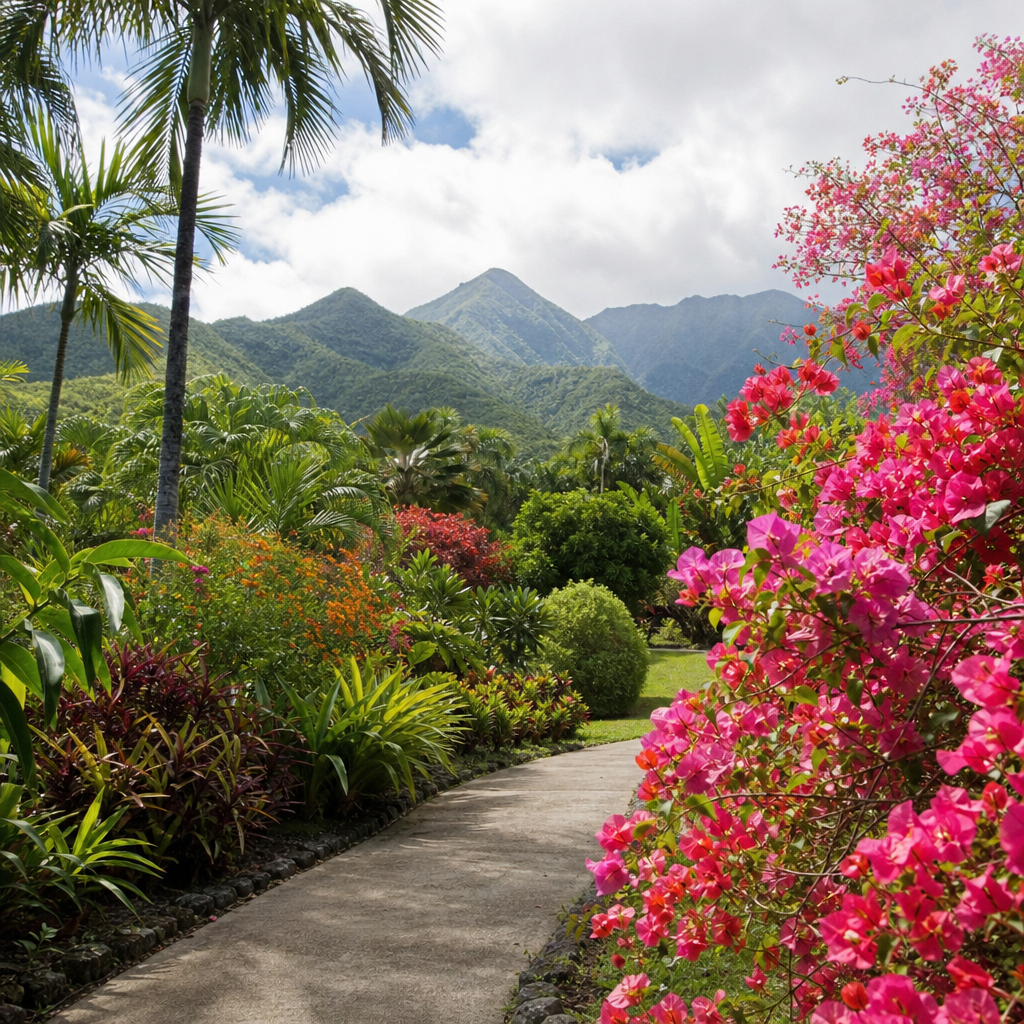
Several recurring features define trendsetting hotel design on Nevis. First is the indoor-outdoor threshold. Instead of sealing guests away from the climate, many properties choreograph a gradual transition from reception courtyard to shaded lounge to open-air restaurant to private room terrace. This spatial layering softens arrival and immediately establishes a resort rhythm. Second is topographic orientation. Hotels on Nevis often position rooms and public areas to maximize cross-ventilation, sunset views, or sightlines to Nevis Peak. Third is landscape as architecture. Mature palms, flowering shrubs, stone paths, water features, and garden walls are not decorative afterthoughts; they structure movement and privacy.
Materiality is equally important. Coral stone, dark hardwoods, rattan, cotton, linen, terrazzo, and polished plaster appear frequently because they handle the climate well and reinforce tactile authenticity. Color palettes usually avoid overly loud tropical clichés. Instead, designers favor whites, sands, leafy greens, charcoal, indigo, and weathered wood tones, sometimes lifted by bright local art or patterned textiles. This restraint allows natural light and scenery to remain the visual focus. Even in higher-end suites, the luxury message tends to come from proportion, craftsmanship, and placement rather than excess ornament.
| Design Element | Traditional Root | Modern Interpretation | Guest Benefit |
|---|---|---|---|
| Verandas and galleries | Shaded colonial and estate-house circulation | Outdoor lounges, dining terraces, private room decks | Cooler spaces, stronger connection to views |
| Louvered shutters | Natural ventilation and storm management | Integrated privacy screens and sun-control systems | Comfort with less mechanical cooling |
| Stone and timber | Durable local building materials | Refined finishes, spa bathrooms, textured feature walls | Sensory warmth and authenticity |
| Courtyard planning | Plantation and village spatial organization | Boutique hotel layouts, event spaces, wellness zones | Privacy, calm, intuitive circulation |
| High ceilings | Heat reduction in tropical buildings | Airy suites with concealed systems and larger fans | Better thermal comfort and spacious feel |
These choices may look aesthetic, but they are operational as well. Better shading lowers cooling loads. Distributed buildings reduce noise concentration. Native or adapted planting can reduce irrigation pressure compared with imported ornamental schemes. Good design on Nevis is rarely superficial; it usually performs multiple jobs at once.
Climate-Responsive Architecture and Sustainability in Practice
Climate-responsive design is not optional on Nevis. Heat, humidity, salt air, seasonal rain, and hurricane risk all shape hotel construction and renovation. Properties that age well tend to respect passive design principles first, then supplement them with modern systems. That means orienting structures to capture trade winds, using overhangs and pergolas to limit solar gain, selecting corrosion-resistant fixtures, and specifying finishes that can tolerate moisture cycles. The Caribbean Hotel and Tourism Association and Green Globe standards have helped push operators toward stronger environmental performance, but on Nevis the smartest hotels often arrived at similar solutions through practical experience.
Water management is a good example. Many hotels use permeable surfaces, landscaped swales, and careful grading to handle intense rainfall without turning paths into runoff channels. In room design, large-format tile, elevated thresholds, and durable joinery reduce maintenance in humid conditions. Energy strategy matters too. LED lighting, occupancy sensors, inverter air-conditioning systems, solar hot water, and efficient laundry operations are increasingly common. However, the most effective sustainability measure is still reducing demand through architecture. A shaded room with cross-ventilation simply needs less mechanical intervention.
Travelers often ask whether sustainable design compromises comfort. On well-executed Nevis properties, the answer is no. In fact, the opposite is usually true. A breezier veranda, quieter garden buffer, and naturally lit bathroom make the stay feel more refined, not less. The tradeoff is that resilient design can cost more upfront. Hardwood treatments, storm-rated glazing, and properly engineered roofing systems are not cheap. But hotels that invest in them typically gain lower replacement costs, better guest satisfaction, and stronger long-term brand value.
The Role of History, Restoration, and Sense of Place
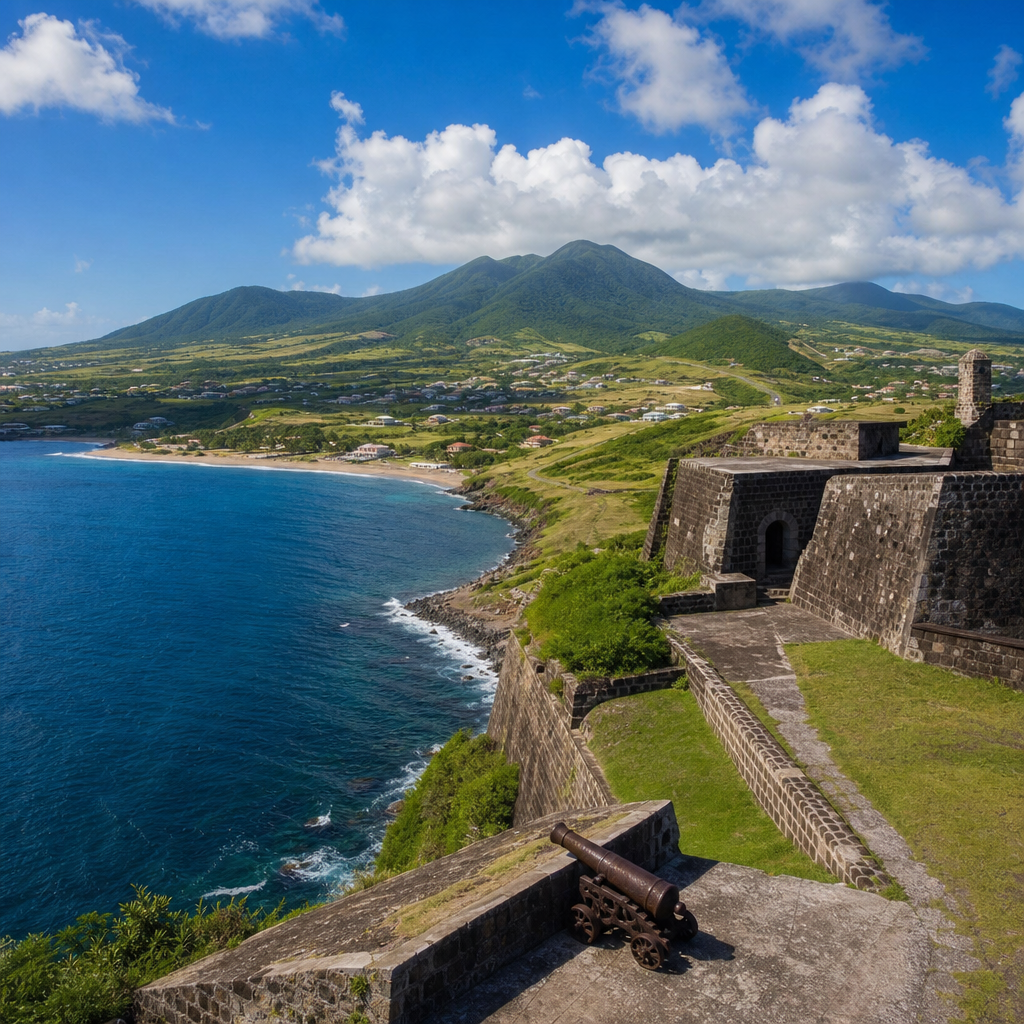
Nevis has an unusual advantage in hospitality design: a rich stock of historic references, from plantation-era estates and sugar industry remnants to village streetscapes and formal gardens. When handled carefully, restoration gives hotels a depth that new construction cannot fake. The best projects preserve proportions, masonry, rooflines, and landscape patterns while upgrading structure, plumbing, accessibility, and life-safety systems behind the scenes. Guests may notice the romance of old stone walls or a grand staircase, but what makes the experience successful is the invisible technical work that brings heritage buildings up to modern hospitality use.
Not every property needs to be historic to benefit from this context. New-build hotels can borrow from the island’s architectural memory without lapsing into imitation. I have seen designers reference estate-house geometry in a reception pavilion, use volcanic stone in retaining walls, or frame a central lawn the way older great houses organized their grounds. These moves create continuity with Nevis rather than treating the island as a blank canvas. That continuity is important for destination branding. Travelers remember places that feel coherent, where architecture, landscape, food, and history reinforce each other.
There are limits, and they should be acknowledged. Heritage design can become caricature if every room is overloaded with antique props, dark heavy furniture, or faux-colonial detailing disconnected from comfort. Restoration also requires regulatory patience, specialist trades, and ongoing maintenance. Still, when balanced properly, historical influence is one of Nevis’s strongest differentiators in accommodations.
Interior Design Trends Shaping Guest Experience
Interior design on Nevis is moving toward quiet luxury, biophilic influence, and flexible spatial use. Quiet luxury here means fewer flashy statements and more emphasis on texture, scale, and finish quality. Rooms feel elevated because the bed faces a terrace view, the lighting is warm and layered, the storage is integrated, and the bathroom materials hold up beautifully under heavy use. Designers increasingly favor custom millwork, oversized mirrors, walk-in showers, and furniture layouts that support both relaxation and remote work. That matters because many travelers now mix leisure with at least some digital productivity.
Biophilic design is also particularly effective on the island. Interior spaces often borrow colors and materials from surrounding gardens and coastline, then use folding doors, breezeways, open-air showers, or courtyard tubs to dissolve hard boundaries. In practice, this makes even compact rooms feel larger and more restorative. Public areas follow a similar logic. Restaurants and bars perform best when they are visually open, acoustically controlled, and shaded enough for daytime use without losing the outdoor atmosphere guests came for.
Another trend is personalization at smaller properties. Boutique hotels and villa-style resorts can tailor interiors more closely to their immediate setting, whether that means art from regional makers, books on island history, rum cabinets, or ceramics that reference local craft traditions. These touches are not trivial. They tell guests they are in Nevis specifically, not just in a well-designed room somewhere warm. For readers exploring the broader accommodations hub, this is the thread connecting luxury resorts, heritage inns, wellness stays, and private villas: the best interiors make location tangible.
What Travelers Should Look For When Choosing a Design-Forward Stay
If you want a hotel on Nevis where modern meets traditional in a meaningful way, evaluate more than promotional photography. First, look at how the property handles climate. Are there shaded terraces, operable shutters, mature landscaping, and room layouts that suggest natural ventilation? Second, assess whether local identity appears in architecture and materials or only in superficial décor. Third, study the relationship between privacy and community. Strong hotel design gives guests secluded rooms while making restaurants, pools, and lounges easy to reach and pleasant to use at different times of day.
It also helps to match design style to travel purpose. Couples may prioritize intimate cottage layouts, spa bathrooms, and quiet garden settings. Families often benefit from suite configurations, durable indoor-outdoor flooring, and simple circulation between pool, dining, and beach access. History-focused travelers may prefer restored estates or inns with strong storytelling. Longer-stay guests may care most about workspace, storage, kitchenettes, and laundry access. These are design issues as much as amenity decisions.
For deeper planning, use this hub as your starting point and continue into related accommodations guides covering beachfront hotels, boutique properties, villa rentals, wellness resorts, and historic stays. Nevis rewards travelers who choose lodging with intention. The island’s most impressive hotels prove that design is not just what a place looks like. It is how the place breathes, shelters, remembers, and welcomes. When those qualities align, a stay on Nevis feels less like occupying a room and more like inhabiting the island itself. Explore the connected articles, compare property styles, and book the stay that fits how you want to experience Nevis.
Frequently Asked Questions
What makes hotel design in Nevis different from hotel design in other Caribbean destinations?
Hotel design in Nevis stands out because it tends to balance refinement with restraint. Rather than relying only on spectacle, many properties on the island are shaped by a deeper response to place: the topography, the trade winds, the historic building traditions, the lush planting, and the slower, more intimate rhythm of Nevisian life. That means design decisions often begin with the land itself. Buildings are positioned to capture breezes, preserve sightlines to the sea or Nevis Peak, and create a natural sense of privacy without feeling isolated.
Another distinguishing feature is the way modern luxury is blended with vernacular character. In Nevis, contemporary architecture does not usually erase local identity. Instead, clean-lined guest rooms, open-air lounges, and polished finishes are often paired with pitched roofs, deep verandas, courtyards, timber details, stonework, and landscaping that feels indigenous rather than imported. This combination creates a hospitality experience that feels elevated but still rooted in the island’s cultural and environmental context.
Nevis also tends to favor a more human-scaled design language. Many of its most memorable hotels avoid oversized forms and instead emphasize walkability, calm transitions between indoor and outdoor space, and a sense of understated exclusivity. The result is a design approach that feels authentic, climate-aware, and highly livable. For travelers, that often translates into properties that are not just beautiful in photographs, but genuinely comfortable, memorable, and unmistakably connected to Nevis.
How do Nevis hotels combine modern architecture with traditional island design?
The most successful hotels in Nevis do this by treating modern and traditional design as complementary rather than competing ideas. Modern architecture brings clarity, efficiency, and comfort: simpler building forms, larger openings, better circulation, integrated technology, and carefully edited interiors. Traditional island design contributes warmth, identity, and environmental intelligence: shaded galleries, local stone, timber screens, sloped roofs, courtyards, and a close relationship to the landscape. When these are combined thoughtfully, the result feels current without being generic.
For example, a hotel may use a contemporary structural system and minimalist interior palette, but soften it with handcrafted wood elements, natural textures, and spatial cues inspired by Caribbean plantation houses or village compounds. Guest rooms might feature large expanses of glass and modern bathrooms, while still opening onto shaded verandas that function as a classic tropical living space. Public areas can feel sleek and refined, yet remain deeply connected to the island through artisan detailing, regional materials, and layout strategies that encourage open-air living.
This blending is also evident in the way transitions are handled. In Nevis, design often avoids hard separation between building and landscape. Open pavilions, breezeways, courtyards, and layered gardens create an experience that is both architecturally modern and traditionally Caribbean. The key is not imitation of the past, but reinterpretation. Good hotel design in Nevis respects local architectural DNA while adapting it for today’s expectations around luxury, sustainability, comfort, and guest experience.
Why is climate-smart construction so important in Nevis hotel design?
Climate-smart construction is essential in Nevis because hotel design on the island must respond to real environmental conditions, not just aesthetic goals. The Caribbean climate brings heat, humidity, salt air, intense sun, seasonal storms, and the need for year-round comfort. A hotel that is designed only for appearance can quickly become expensive to operate, difficult to maintain, and less comfortable for guests. Climate-smart planning helps properties perform better while also preserving the relaxed, open-air atmosphere travelers come to Nevis to enjoy.
In practice, this means buildings are often oriented to capture prevailing breezes and reduce heat gain. Roof overhangs, shaded terraces, operable windows, screened openings, and cross-ventilation strategies all help lessen reliance on mechanical cooling. Material selection is equally important. Finishes and structural systems must tolerate moisture, corrosion, and sun exposure while remaining attractive over time. Landscaping also plays a role, with trees, planting buffers, and garden design used to provide shade, manage water, and improve microclimates around rooms and public spaces.
Energy and resource efficiency are another major reason climate-smart design matters. Hotels in Nevis increasingly consider solar integration, efficient lighting, water-saving fixtures, stormwater management, and low-impact construction methods. These choices are not only environmentally responsible; they also make sound operational sense. Guests benefit from spaces that feel cooler, quieter, and more naturally comfortable, while owners benefit from durability and lower long-term costs. In a destination like Nevis, where luxury is closely tied to ease and authenticity, climate-smart design supports both sustainability and the quality of the guest experience.
What role do local materials and landscaping play in creating an authentic Nevis hotel experience?
Local materials and landscape design do far more than decorate a property in Nevis; they help define its identity. Materials such as stone, hardwoods, lime-toned finishes, textured plaster, and woven or handcrafted accents give a hotel visual depth and tactile connection to the island. When used thoughtfully, these elements prevent a property from feeling interchangeable with resorts elsewhere in the world. They anchor the design in the character of Nevis, adding a sense of permanence, craft, and cultural credibility that guests can immediately feel.
Landscaping is equally central because, in Nevis, the outdoor environment is not separate from the architecture. Gardens, pathways, palms, flowering trees, shaded courtyards, and native planting schemes shape the emotional experience of arrival, movement, privacy, and rest. Well-designed landscapes can frame views, cool outdoor areas, buffer noise, direct circulation, and create intimate zones between villas or guest rooms. They also help hotels blend into the island’s natural beauty instead of competing with it. This is especially important on a destination known for its greenery, volcanic backdrop, and softer, more understated luxury.
Authenticity comes from integration, not decoration. A hotel feels genuinely Nevisian when the stone underfoot, the wood in the room, the planting along the paths, and the scent and shade of the gardens all work together to express place. Guests notice that kind of coherence, even if they cannot name every design choice. It creates a stay that feels immersive, calming, and specific to the island rather than staged for a generic tropical effect.
How does thoughtful hotel design improve the guest experience in Nevis?
Thoughtful hotel design improves the guest experience by making every part of a stay feel intuitive, comfortable, and emotionally resonant. In Nevis, that starts with site planning and arrival. A well-designed property guides guests naturally from entrance to lobby to room, revealing views gradually and creating a sense of welcome rather than confusion. Circulation matters more than many travelers realize; when pathways are clear, public spaces are well placed, and transitions feel effortless, the hotel immediately feels calmer and more luxurious.
Inside guest accommodations, good design shapes how well the room actually functions in a tropical setting. Comfortable airflow, shaded outdoor space, privacy from neighboring rooms, durable materials, quality lighting, acoustic control, and a seamless indoor-outdoor relationship all contribute to a better stay. Public areas matter just as much. Restaurants, lounges, pools, spas, and terraces need to feel inviting at different times of day, in different weather conditions, and for different types of guests. The best hotels in Nevis design these spaces to support both connection and retreat, giving visitors options without sacrificing coherence.
Just as importantly, thoughtful design creates a sense of place. It allows guests to feel they are in Nevis, not simply in a well-appointed resort. Cultural references, local craftsmanship, climate-responsive architecture, and landscape integration all help turn accommodation into experience. This is where design becomes more than style. It affects mood, memory, and the overall quality of hospitality. In Nevis, where travelers often seek quiet sophistication and authenticity, the most effective hotel design enhances not only how a property looks, but how it feels to live in for a few days.